
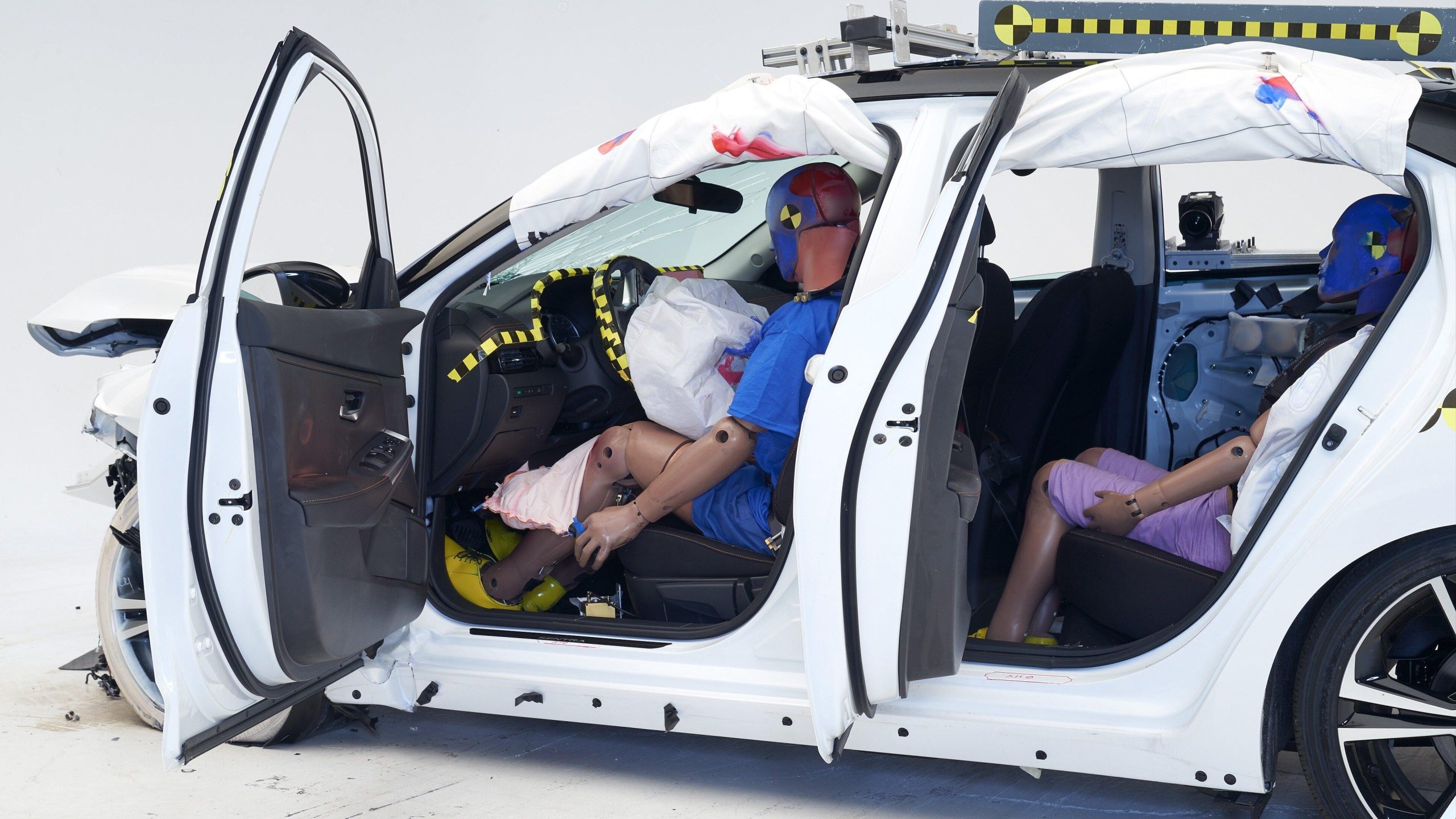
The Insurance Institute for Highway Safety recently released new crash-test results. Sixteen vehicles from twelve brands earned Top Safety Pick or Top Safety Pick+ honors.
But four newly tested models did not make the cut. The 2026 Jeep Gladiator, 2026 Mercedes-Benz E-Class, 2025-26 Ram 1500 crew cab and 2025-26 VW Tiguan failed to qualify for either award.
This is a notable shift for well-known nameplates. Each vehicle stumbled for different reasons. Weak headlight performance and poor pedestrian crash-avoidance results kept the Gladiator out. The Ram, Mercedes, and Volkswagen struggled elsewhere.
Their issue was marginal or poor scores in the moderate overlap front test. That test measures how well a vehicle structure protects occupants in a frontal crash.
IIHS awards matter to shoppers worldwide. They signal which vehicles offer stronger occupant protection. These ratings also influence insurance premiums in some markets. Buyers often use them as a quick trust signal.
This article breaks down why each vehicle missed out. We look at the specific test failures behind each result. We also explain what these tests actually measure. That context helps international readers understand the stakes involved.
2026 Jeep Gladiator
The Jeep Gladiator is a rugged midsize pickup truck. It shares its platform with the Wrangler SUV. This truck has always leaned into off-road capability. But that focus seems to have cost it on safety scoring.
Subpar performance in the headlight and pedestrian crash-avoidance tests prevented the Gladiator from qualifying. These are two separate weak points working against it.
Headlights are tested for glare and how far they illuminate the road. Poor headlight ratings are a common issue among trucks and SUVs. Tall ride heights and boxy shapes often complicate headlight aim.
Engineers must balance visibility with glare control for oncoming drivers. Pedestrian crash avoidance tests how well a vehicle detects and reacts to people. This includes automatic braking systems.
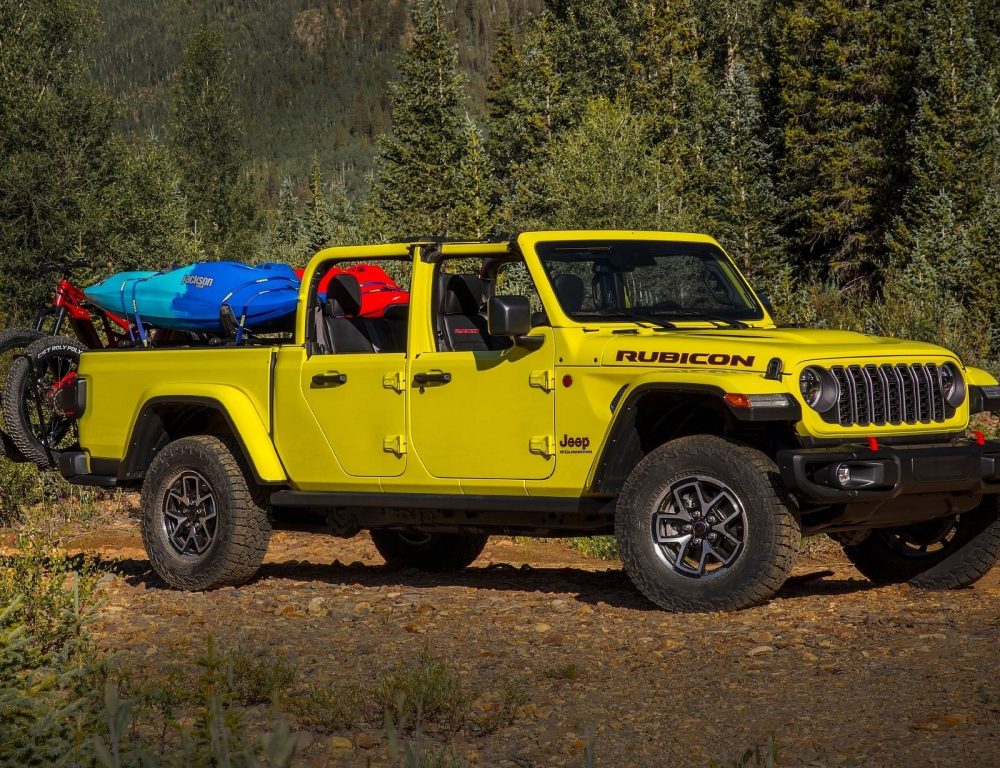
These systems use cameras and sensors to spot pedestrians ahead. A weak score suggests slower reaction times or missed detections. The Gladiator has also not gone through the small overlap crash test yet. This is one of the toughest evaluations IIHS performs.
The small overlap test simulates a crash where only the front corner of a vehicle hits an obstacle. It is considered a demanding structural challenge.
This kind of crash often bypasses a vehicle’s main crumple zones. That makes it harder to protect occupants effectively. Without this test completed, the Gladiator cannot earn either award. It simply lacks a full data set right now.
Interestingly, the related Wrangler model has seen upgrades. Beginning with 2026 models built after October 2025, reinforcements were added to the frame rail to improve driver occupant protection in driver-side small overlap front crashes.
These changes were also implemented on 2026 Jeep Gladiator models built after October 2025. That suggests improvement may be coming. Future Gladiator units built after this date could perform better. IIHS may retest and issue updated ratings later.
Shoppers should check the vehicle’s build date on the door jamb. This detail could matter for structural safety. For now, buyers should know the current Gladiator has gaps. It lacks both strong headlight scores and completed structural testing.
This does not mean the truck is unsafe outright. It simply hasn’t met the institute’s full award criteria yet. Shoppers who prioritize crash-test credentials should watch for updated Gladiator ratings. Production-date changes could shift results going forward.
Off-road buyers may still find the Gladiator appealing for other reasons. But safety-focused shoppers may want to wait for retesting. Dealers may also be able to confirm whether newer stock includes the frame reinforcement. Asking directly can help clarify which version you’re buying.
2026 Mercedes-Benz E-Class
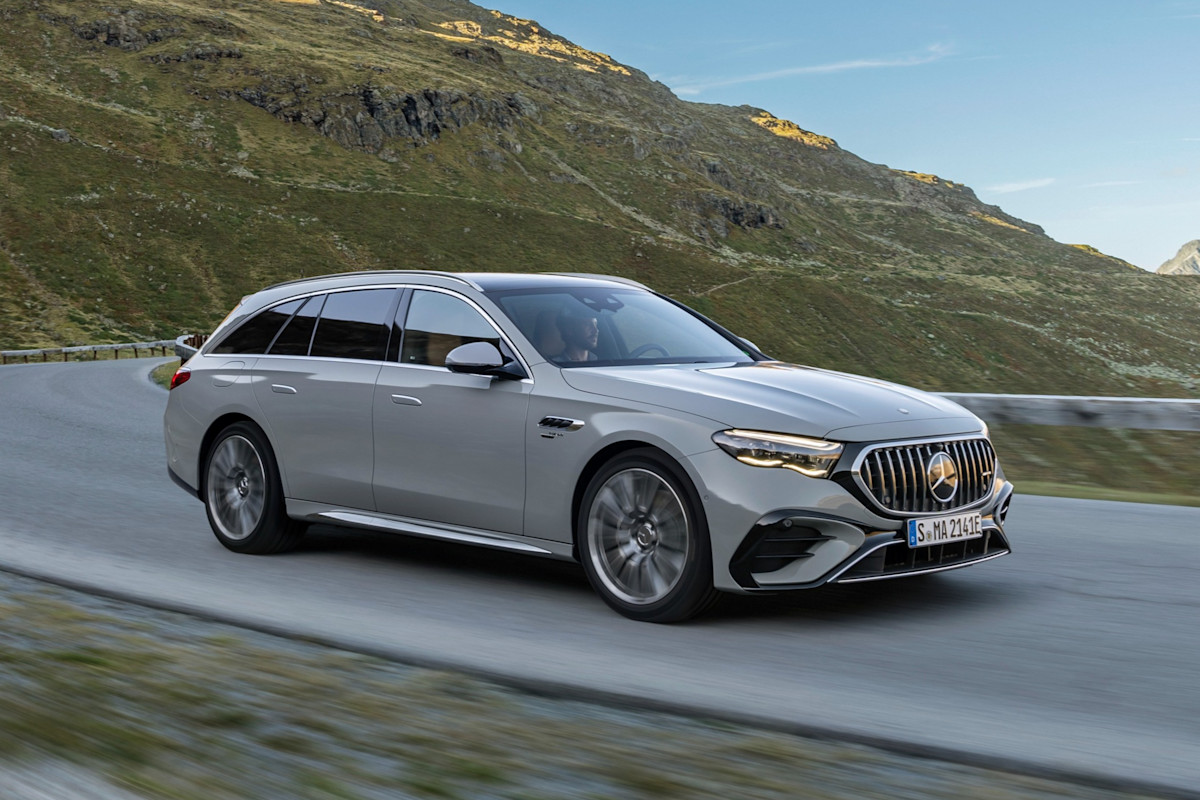
The Mercedes-Benz E-Class is a longstanding midsize luxury sedan. It has traditionally carried a strong safety reputation. This makes its recent miss somewhat surprising to industry watchers. Premium brands often lead in crash-test performance.
The E-Class missed the award due to marginal or poor ratings in the moderate overlap front test. This single weak spot proved decisive. The moderate overlap front test simulates a common type of frontal collision.
A portion of the vehicle’s front end strikes a barrier. This test measures structural integrity and occupant protection. It checks how well the cabin resists intrusion during impact.
A marginal or poor score here suggests room for improvement. It indicates the structure did not perform at the top level expected. To qualify for either award this year, vehicles need good ratings in the small overlap front and side tests, an acceptable or good rating in the pedestrian front crash prevention evaluation, and acceptable- or good-rated headlights across all trim levels.
Missing just one requirement blocks the whole award. This all-or-nothing structure surprises many shoppers. A vehicle can excel in most areas yet still miss the award entirely.
Interestingly, an earlier version of the E-Class had performed better previously. The nine winners of the base Top Safety Pick award in 2024 included the Mercedes-Benz E-Class.
This shows that safety ratings can change between test cycles. Design updates or new criteria can affect outcomes significantly. IIHS periodically raises its testing standards. A model that once qualified can later fall short under tougher rules.
The 2026 E-Class likely faces stricter benchmarks than before. This may explain the shift from award winner to non-qualifier. Luxury brand reputation alone does not guarantee award status. Every vehicle must pass the same standardized tests.
This is a useful reminder for buyers everywhere. Price and prestige do not automatically equal top crash protection. Buyers considering the E-Class should look closely at specific test breakdowns. The moderate overlap result is the key factor here.
Mercedes may address this in future production changes. Manufacturers often adjust structures mid-cycle to improve weak scores. Such mid-cycle fixes can include added bracing or revised materials. These changes sometimes arrive quietly without major announcements.
Until then, this generation lacks the coveted safety endorsement. That’s a notable gap for a flagship sedan in this segment. Buyers outside North America should note that regional crash tests can differ. Euro NCAP results, for instance, may tell a different story.
Ram 1500 Crew Cab
The Ram 1500 is one of America’s most popular full-size pickup trucks. It competes directly with the Ford F-150 and Chevrolet Silverado. Trucks in this segment usually perform well in IIHS testing. So this result stands out among recent evaluations.
The Ram 1500 missed the award due to marginal or poor ratings in the moderate overlap front test. This is the same issue affecting the E-Class. The moderate overlap test remains one of the most predictive crash evaluations.
It closely mirrors real-world frontal collision patterns. A weak result here signals a structural vulnerability. Reinforcement or redesign work may be needed to fix it.
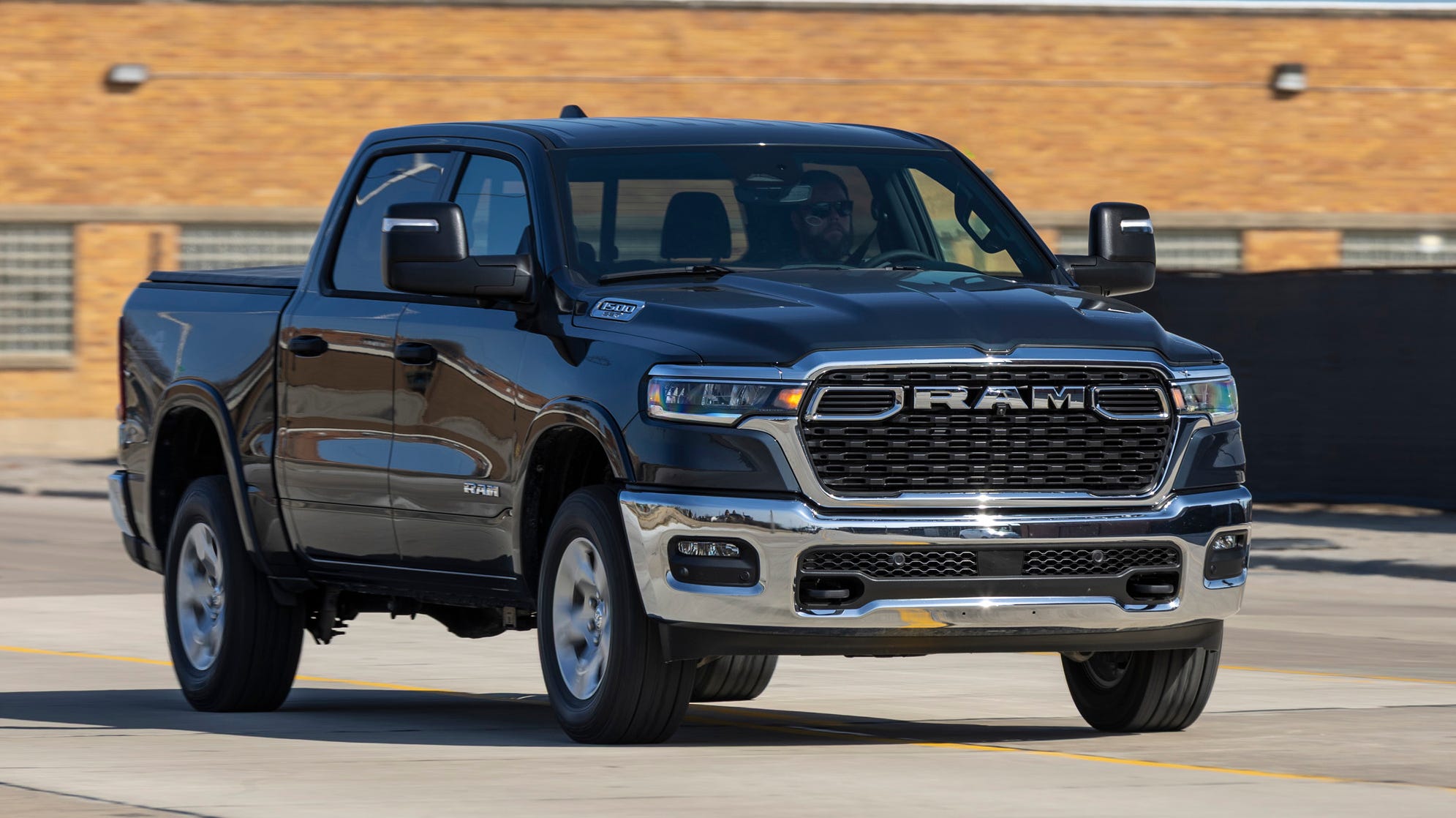
The Ram 1500 also hasn’t undergone the small overlap crash test. That leaves another gap in its complete safety profile. This means IIHS lacks full data on how the Ram handles corner-impact crashes. Without this test, no award can be granted.
Ram may complete this testing in a future cycle. Manufacturers sometimes delay submitting vehicles for specific evaluations. Testing costs and scheduling can influence these delays. Automakers often prioritize their highest-volume trims first.
Full-size trucks carry unique engineering challenges. Their larger frames and higher ride heights affect how crash forces are absorbed. Heavier vehicles also interact differently with barriers during testing. Engineers must account for this added mass in their designs.
Despite this setback, the Ram 1500 remains a heavily reviewed vehicle. Buyers should track upcoming IIHS updates closely. Only the 2026 Honda Passport, the 2026 Lexus NX, and the 2026 Subaru Forester received a “good” rating in every category during this same testing round. That highlights how difficult a clean sweep really is.
Even top-selling, well-regarded vehicles can miss this bar. It underscores just how strict current standards have become. Truck buyers often prioritize towing capacity and interior space. Safety scores are just one factor among many considerations.
Still, the missing small overlap data is worth noting. It represents an incomplete safety picture for now. Ram dealers and company representatives may clarify testing timelines. Interested buyers can request updated information directly.
For now, the current Ram 1500 crew cab sits outside IIHS’s top safety tier. That could change with future model-year updates. Buyers cross-shopping full-size trucks should compare all available crash data. A side-by-side review often reveals meaningful differences.
Volkswagen Tiguan
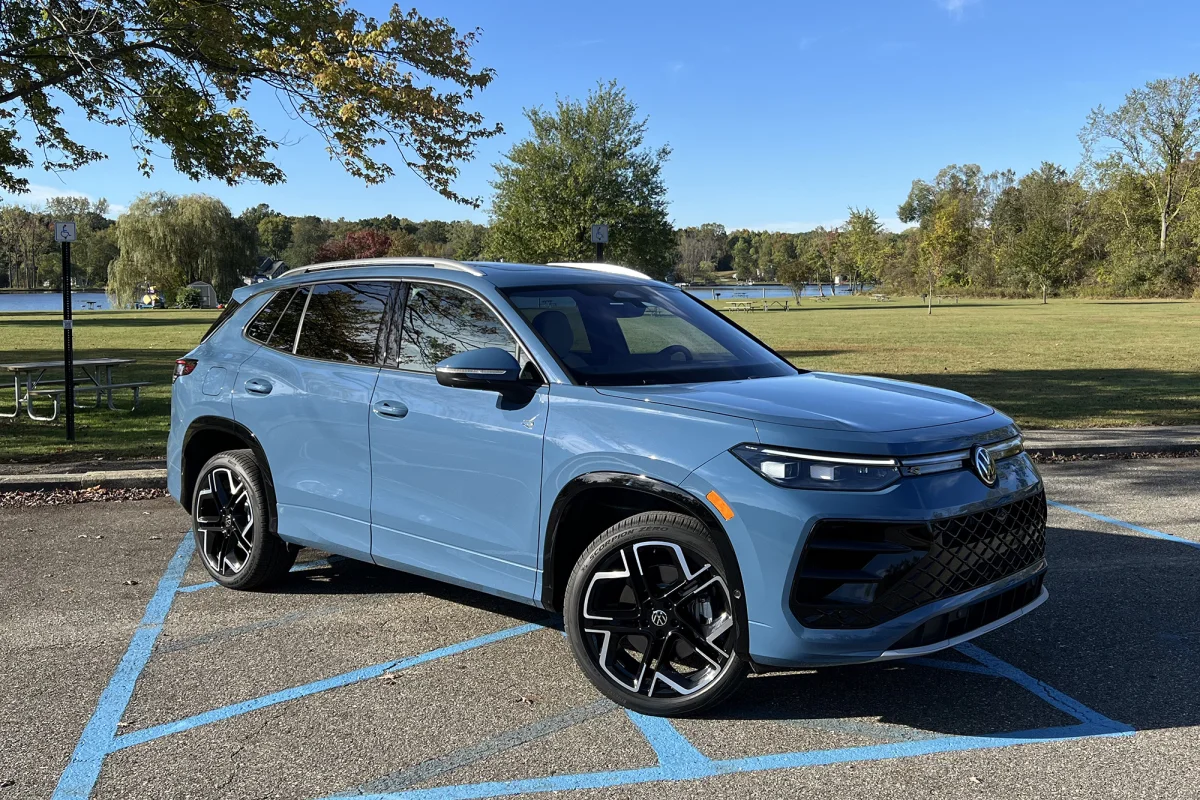
The Volkswagen Tiguan is a compact SUV popular with families worldwide. It sells well across many international markets. Like the Ram and Mercedes, its issue traces back to one key test. The pattern here is consistent across all three vehicles.
The Tiguan missed the awards due to marginal or poor ratings in the moderate overlap front test. This shared weakness suggests a testing trend worth watching.
Compact SUVs face specific engineering trade-offs. Manufacturers balance interior space, fuel efficiency, and structural strength. A poor moderate overlap score indicates the front structure needs reinforcement. This affects how crash energy transfers to occupants.
Many of the other tested vehicles boasted improved performance in the moderate overlap front test compared with earlier versions. The Tiguan apparently did not keep pace.
This suggests competitors have made structural upgrades recently. The Tiguan may need similar changes to catch up. Rival compact SUVs from other brands earned top honors this same round. That makes the gap even more visible to shoppers.
Volkswagen has other models performing better in this same round. The Volkswagen Atlas and Atlas Cross Sport both earned Top Safety Pick+ honors.
This shows the brand can achieve top scores. The Tiguan platform specifically needs attention going forward. It also suggests the issue is model-specific rather than brand-wide. Volkswagen’s engineering teams clearly know how to hit these targets elsewhere.
International buyers should note that ratings can vary by region. IIHS tests specifically for the North American market and its regulations. Still, this result offers useful insight globally. Structural weaknesses identified in one market often apply broadly across regions.
Volkswagen may address this with a mid-cycle refresh. Automakers frequently reinforce vehicle structures without a full redesign. Such updates sometimes coincide with new model years. Watching for build-date notes is a smart habit for shoppers.
Shoppers interested in the Tiguan should watch for updated safety data. Future test rounds could show meaningful improvement. Until new results arrive, the current Tiguan lacks IIHS’s top-tier endorsement.
That’s an important factor for safety-conscious buyers to weigh. Families cross-shopping compact SUVs may want to compare rivals closely. Several competitors earned top marks in this very same round.
