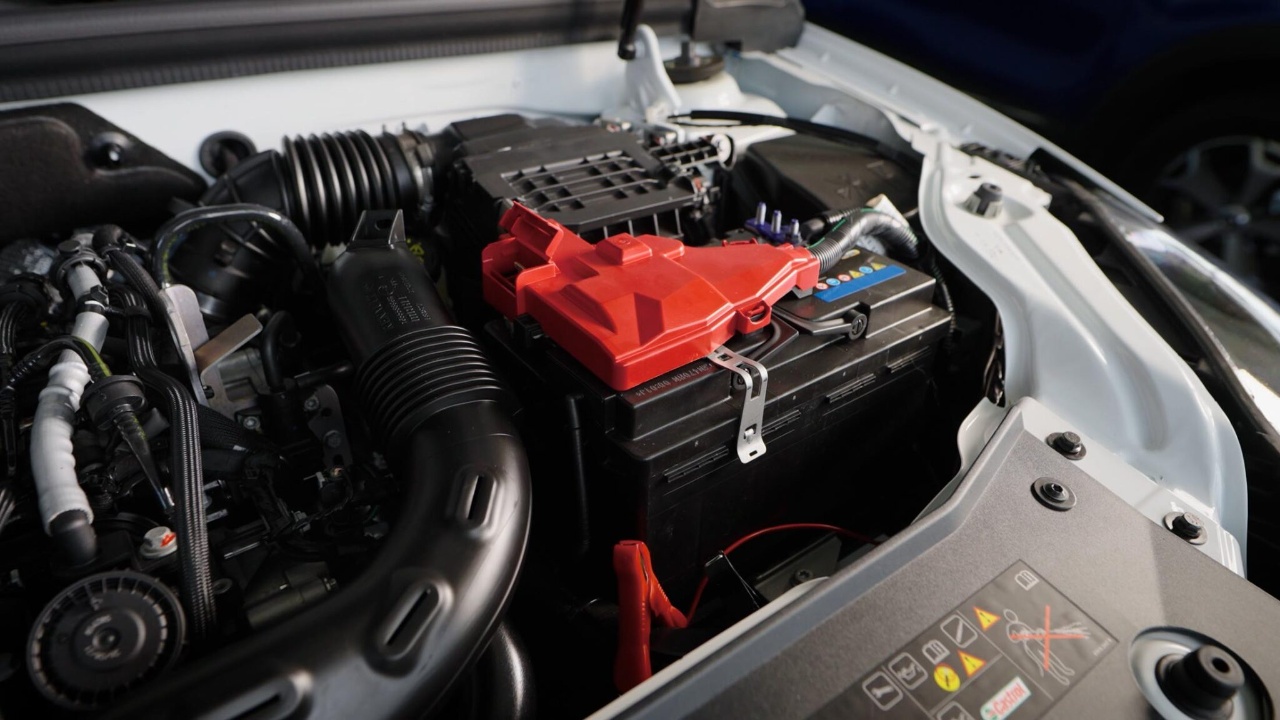
A dead battery in the morning can be more than an inconvenience. Sometimes the cause is obvious, such as headlights left on, but modern vehicles can also lose power because of electronic systems that continue operating after the engine is switched off.
AAA notes that today’s cars contain numerous accessories and connected features that can contribute to parasitic drain, while Interstate Batteries says a normal car battery may last roughly three to five years depending on conditions and usage.
The important clue is whether the battery repeatedly dies after sitting overnight. These ten causes can help narrow down where that unwanted electrical draw may be coming from.
1. Headlights Left On
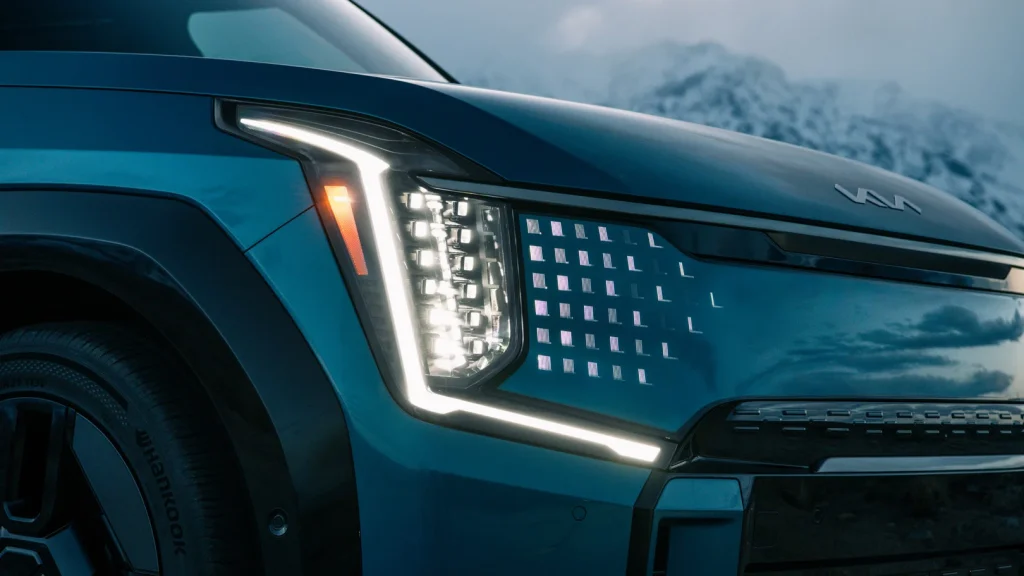
It sounds almost too simple, yet headlights remain one of the fastest ways to wake up to a dead battery. Many newer vehicles automatically switch the headlights off after the ignition is turned off, but AAA notes that some vehicles still allow lights to remain on.
A fully charged battery can potentially be drained within just one to two hours when headlights are left operating with the engine off.
That means a vehicle parked overnight with its headlights accidentally left on may have little chance of starting the following morning. The situation can be especially frustrating because nothing may appear mechanically wrong with the car.
The engine worked perfectly when it was parked, but the battery has simply been supplying electricity without the alternator running to replenish it.
The easiest way to prevent this problem is to develop a consistent shutdown routine. Before walking away, check the instrument cluster and exterior lighting. If your vehicle has automatic headlights, make sure the switch is actually set to the appropriate automatic position rather than assuming the system will always shut everything down.
It is also worth remembering that headlights are not the only exterior lights capable of creating a problem. Parking lights, auxiliary lighting, aftermarket light bars, or improperly wired accessories can remain active after the vehicle is switched off.
If the battery is repeatedly dead despite confirming that the headlights were not left on, the lights may not be the real culprit. A technician can perform a parasitic-draw test to determine whether current continues flowing after the vehicle’s systems should have gone to sleep.
For a one-time dead battery, checking the lights is a sensible first step. For repeated overnight failures, however, assuming it is simply a forgotten switch could allow a genuine electrical fault to remain hidden.
2. Interior Lights Staying On
An interior light can seem insignificant compared with headlights, but leaving one illuminated for hours can still weaken or completely discharge a battery, particularly if the battery is older or already partially depleted.
AAA identifies interior lighting as a common source of battery drain and notes that the problem can occur when a door is not fully closed, the glove box remains open, the trunk is not properly shut, or a reading light has been left switched on.
The tricky part is that you may not notice the light from outside. A trunk or cargo-area lamp can remain illuminated with the lid apparently closed if the latch or switch is malfunctioning. A glove-box lamp can create the same problem. On some vehicles, a door that appears closed may not be registering correctly with the vehicle’s electronics.
Modern cars often have timers or control modules that eventually switch interior lighting off, but that does not mean every lighting fault is harmless. A malfunctioning door switch or body-control system can prevent the vehicle from entering its normal sleep state.
If your battery repeatedly dies overnight, check whether the interior lights behave normally when doors, the trunk, and the glove box are closed. Look through the windows after locking the car in a dark location. A faint glow inside the cabin can reveal something that would otherwise be almost impossible to notice.
It is also worth paying attention to dashboard messages indicating that a door, liftgate, or trunk remains open. Those warnings can point toward the same problem.

AAA recommends switching off electronics and checking interior lighting before leaving a vehicle parked.
If the lights are definitely off and the battery still loses substantial charge overnight, the investigation should move toward parasitic electrical consumption rather than repeatedly replacing the battery.
3. Aftermarket Dash Cameras
A dash camera can provide valuable evidence after a collision, but its parking-mode operation can also become an unexpected source of battery drain. Unlike a camera that shuts down completely when the ignition is switched off, a parking-mode setup may continue monitoring the vehicle while it is parked.
The key issue is how the camera receives power. If it remains connected to a circuit that is active with the vehicle switched off, the camera can continue consuming electricity for hours. Interstate Batteries specifically lists aftermarket equipment such as dash cams and alarms among potential sources of parasitic drain.
Parking mode makes this situation more complicated because the camera may deliberately remain active. Depending on the product and installation, it might record continuously, monitor motion, detect impacts, or periodically wake from standby. Every one of those functions requires electrical energy.
The battery’s condition also matters. A healthy battery has more reserve capacity than an aging one, so a setup that causes no noticeable problem on a newer battery could contribute to a no-start condition after the battery has deteriorated.
A properly installed dash camera can include low-voltage protection that cuts power when the battery reaches a specified threshold. That feature can reduce the chance of excessive discharge, but it should not be treated as a guarantee that the vehicle will always start.
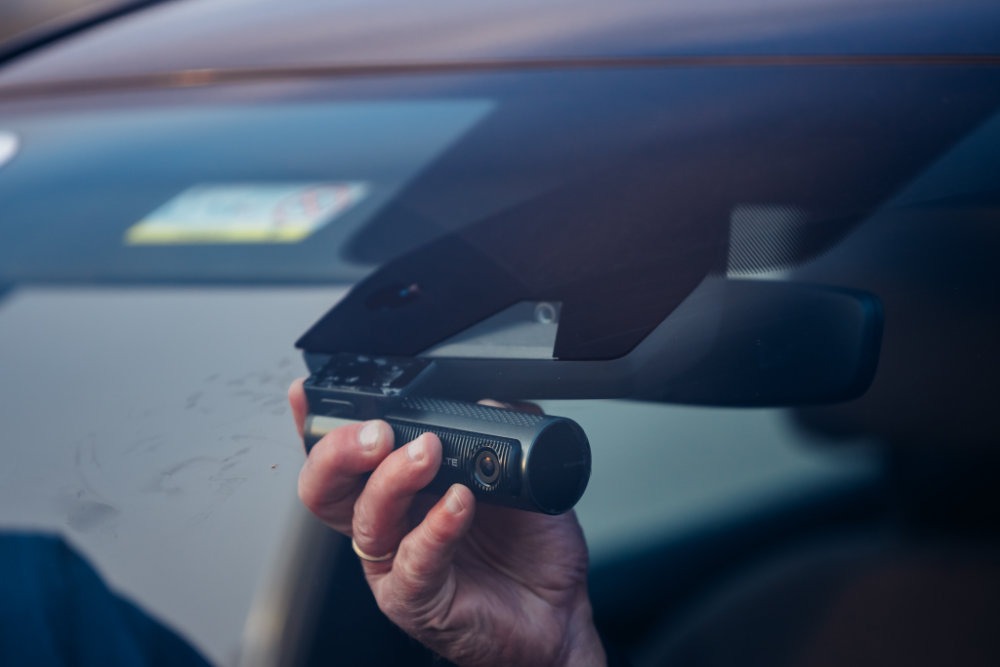
If your battery dies after installing a dash camera, temporarily disconnecting the camera and observing whether the problem disappears can provide a useful diagnostic clue. A professional can also measure key-off current draw rather than guessing.
The important distinction is between the camera itself and the installation. A dash camera does not automatically mean the battery will die. The risk comes from how the device is powered, how long it remains active, the vehicle’s electrical architecture, and the condition of the battery.
4. Plugged-In 12-Volt Accessories
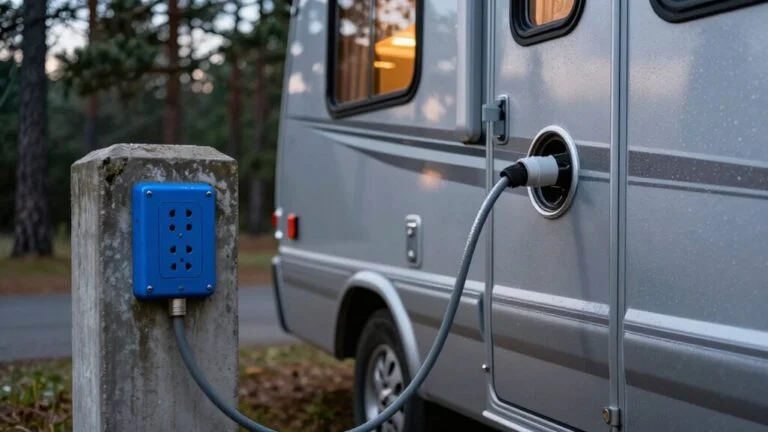
The 12-volt accessory socket is one of the easiest places to forget about after parking. Phone chargers, radar detectors, portable coolers, air fresheners, dash-camera adapters, and other accessories can remain connected even after the engine has been switched off.
AAA specifically warns that accessory sockets can remain powered with the engine off on some vehicles. If an accessory continues drawing electricity, it can gradually reduce the battery’s ability to start the vehicle.
The important word is some. Modern vehicles differ considerably in how their accessory outlets are controlled. Some shut power off with the ignition, while others can remain energized for a period of time or continue supplying power depending on the vehicle’s design.
That makes an apparently harmless phone charger worth checking when investigating an overnight battery failure. Even if the phone is no longer connected, some electronic accessories can continue consuming a small amount of current while plugged into an active socket.
The same applies to aftermarket devices connected directly to the vehicle’s electrical system. An accessory may have been installed with the assumption that it would shut down automatically, but an incorrect wiring connection can leave it powered continuously.
A useful troubleshooting step is to unplug every nonessential device before leaving the vehicle overnight. If the battery remains charged afterward, reconnect accessories one at a time and monitor the situation.
However, one dead battery does not automatically prove that an accessory caused it. Batteries naturally lose capacity with age, and short trips may leave them inadequately recharged. AAA notes that repeated short drives may not give the alternator enough time to replenish the battery fully.
If removing accessories makes no difference, a proper parasitic-draw test is the next logical step.
5. Key Fob Too Close to the Car
Keyless-entry systems add convenience, but proximity can occasionally contribute to battery drain. Some vehicles continuously detect nearby key fobs so that functions such as passive unlocking and touch-sensitive entry can operate without the driver pressing a button.
AAA explains that when a compatible key fob is close to the vehicle, the vehicle can keep its receiver active while waiting for the key’s signal. The organization specifically warns that leaving a key fob within roughly 15 feet of some vehicles can contribute to battery discharge.
The effect is generally not comparable to leaving headlights on. Instead, it is a low-level electrical demand that can become more significant when the vehicle’s battery is already aging or weakened.
This is particularly relevant for people who park their vehicle inside or immediately outside their home and leave the keys near an entryway. If the key remains within the vehicle’s detection range, the car may repeatedly communicate with or monitor the fob instead of settling into its lowest-power state.
A simple experiment can help. Move the key fob farther away from the vehicle overnight, preferably to a location where the vehicle cannot detect it. If the battery stops losing significant charge, proximity-related activity may be contributing to the problem.
Some manufacturers also provide procedures for disabling or reducing passive key detection, although the exact method varies by vehicle.
It is important not to blame the key fob automatically. A weak battery, charging-system fault, or another parasitic electrical load can produce the same symptom.
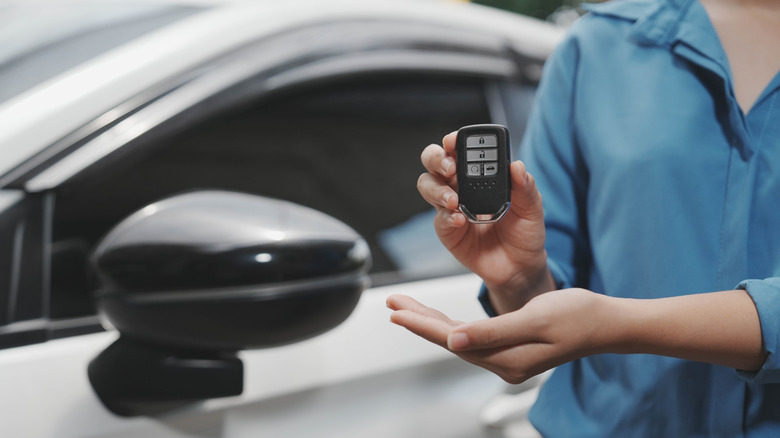
Interstate Batteries notes that key fobs stored close to parked vehicles can contribute to battery drain, but it also identifies other causes such as aftermarket equipment and the vehicle’s own electronic systems.
For owners of keyless vehicles, simply storing the key farther from the car is an easy precaution that costs nothing and can help eliminate one potential source of overnight power loss.
6. A Faulty Door, Hood, or Trunk Switch
A vehicle does not need a major electrical failure to drain its battery. A small switch that incorrectly reports whether a door, hood, or trunk is open can keep other systems awake long after the car has been parked.
Modern vehicles use these switches and sensors to control interior lighting, security systems, displays, warning messages, and other electronic functions. If the vehicle believes that an opening remains active, some systems may fail to enter their normal low-power state.
The problem can be particularly difficult to spot because the physical panel may appear completely closed. A trunk can latch normally while a sensor still sends incorrect information. Similarly, a door can appear shut but have a worn latch switch or related wiring fault.
AAA specifically identifies improperly closed doors, trunks, glove boxes, and other openings as possible reasons interior lights remain on and drain a battery.
The first clue may be an interior light that refuses to shut off, a warning on the dashboard, or a vehicle that continues displaying activity after it has been locked. In some cars, you may hear relays, cooling fans, or other electrical components operating when the vehicle should be quiet.
A nighttime inspection can be surprisingly useful. Lock the vehicle, wait several minutes, and look through the windows for lights that remain illuminated. Also check whether the dashboard or infotainment system appears to remain active.
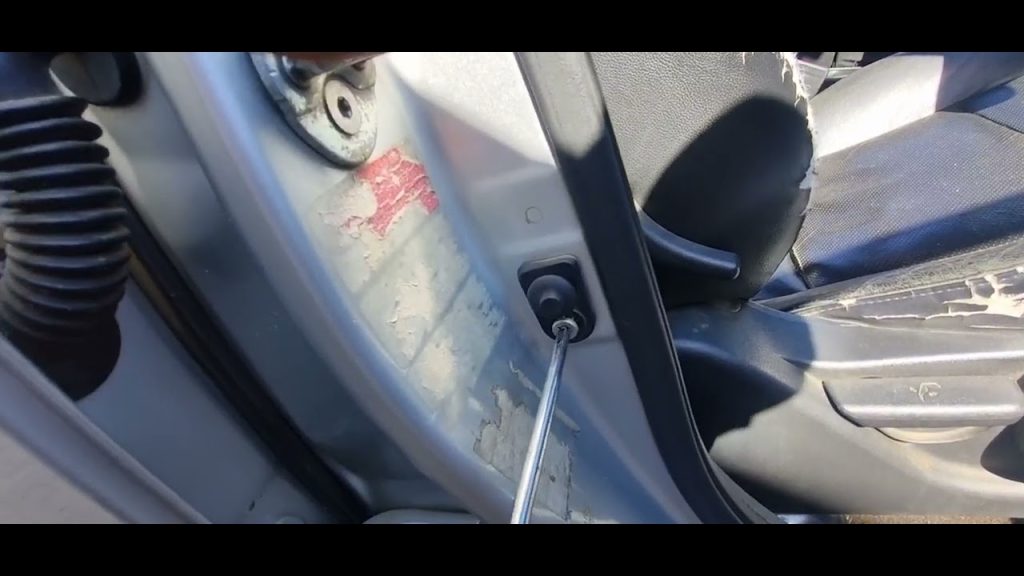
If nothing obvious is visible, a technician can measure the vehicle’s key-off current draw after allowing the normal modules to enter sleep mode. That test can reveal whether an electronic circuit is consuming more electricity than expected.
This type of problem is worth addressing quickly. Repeatedly allowing a battery to discharge can shorten its useful life, especially if the battery is already several years old. AAA says typical automotive batteries commonly last around three to five years, although climate, maintenance, and usage affect lifespan.
7. A Failing Alternator
A failing alternator can create a battery problem that looks like an overnight drain. The alternator’s job is to supply electrical power while the engine is running and recharge the battery. If it is not producing sufficient output, the battery may finish a drive without receiving the charge it needs.
This can lead to a confusing situation. The vehicle starts normally, is driven for a short time, sits overnight, and then fails to start the next morning. The owner may suspect that something drained the battery while the car was parked, when the real problem is that the battery never received enough charge during the previous drive.
AAA identifies a bad alternator, faulty voltage regulator, worn alternator belt, wiring problems, and parasitic electrical drain as possible causes of charging-system problems.
A battery or charging-system warning light is an important clue. AAA explains that when the charging indicator illuminates, the vehicle may be operating primarily from stored battery power, meaning continued driving can eventually lead to a stall.
Other symptoms can include dimming lights, unusual electrical behavior, difficulty starting, or a battery that repeatedly needs external charging.
The solution is not simply installing a new battery. If the alternator is failing, the replacement battery can eventually become discharged as well. A charging-system test can determine whether the alternator, voltage regulator, wiring, or another component is responsible.
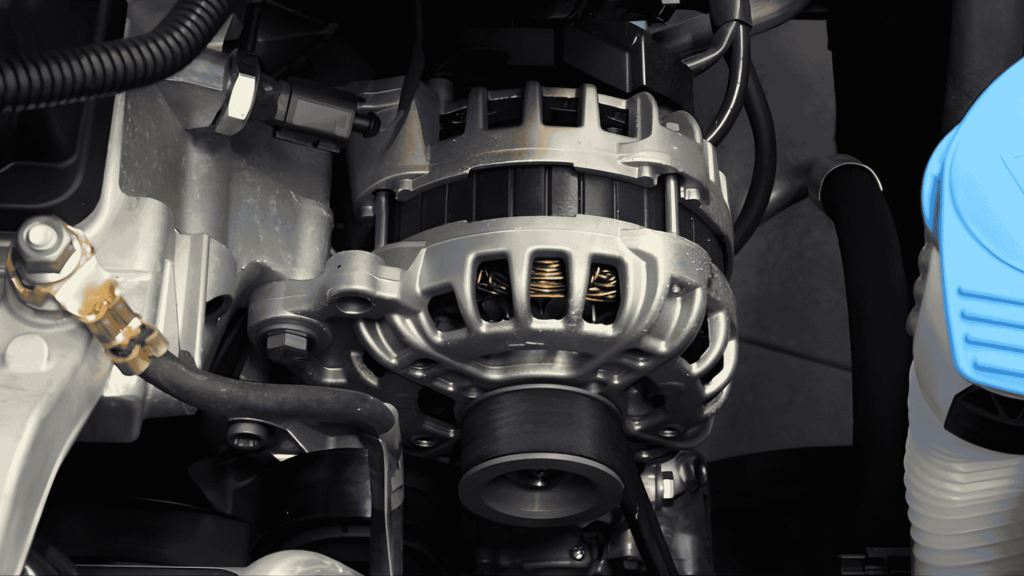
Drivers should also avoid assuming that a recently replaced battery eliminates the possibility of a charging problem. A new battery can still become depleted if the alternator is unable to restore its charge.
If the battery repeatedly goes flat after otherwise normal driving, checking the charging system is just as important as searching for an overnight electrical draw.
8. Corroded Battery Terminals
Corrosion around the battery terminals is easy to dismiss because it does not look as dramatic as a failed alternator or damaged wiring. Yet poor connections can interfere with charging and electrical performance and may contribute to repeated battery problems.
AAA explains that corrosion can develop when material from the battery comes into contact with the metal posts. The resulting buildup can interfere with battery performance and shorten battery life.
Corrosion can also create a misleading diagnostic situation. The battery itself may be capable of holding a charge, but poor contact at the terminals can prevent electrical current from flowing as it should. Starting may become inconsistent, and the charging system may not operate properly.
A visual inspection can reveal white, blue, or greenish deposits around the terminals. Loose connections are another issue worth checking. AAA recommends keeping terminals clean and ensuring the battery is properly secured.
However, cleaning corrosion is not a substitute for diagnosing repeated overnight discharge. If the battery continues dying after the terminals are clean and secure, another problem may exist.
Battery age should also be considered. A battery that has already reached the later part of its typical service life may have reduced reserve capacity, meaning even a modest electrical load can leave it unable to crank the engine the next morning.
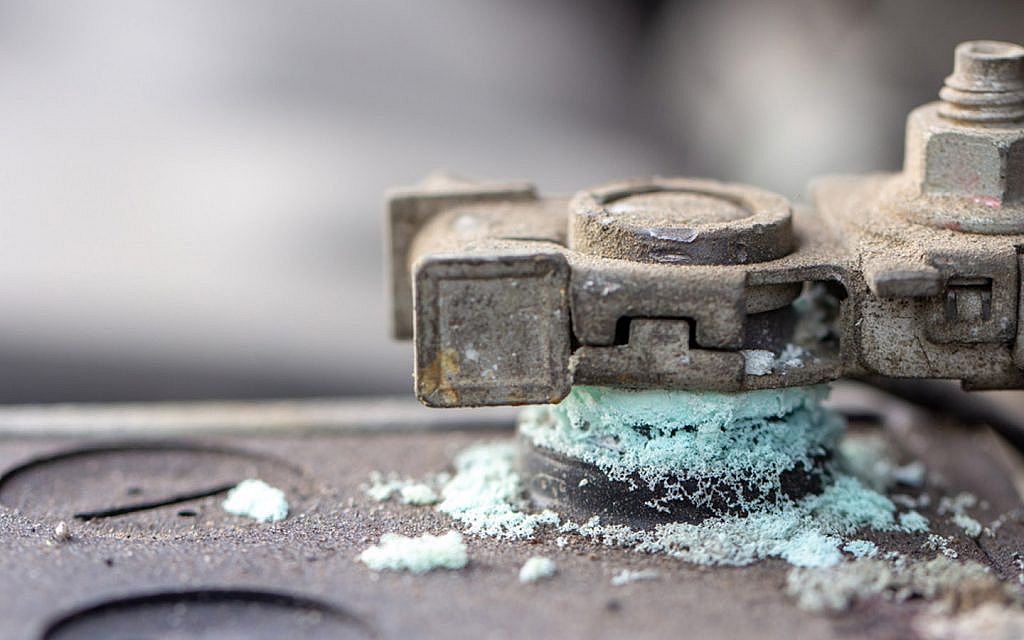
AAA places the typical lifespan of many automotive batteries at approximately three to five years, although conditions vary.
If corrosion returns quickly after cleaning, that is another reason to have the battery and charging system inspected rather than repeatedly removing the deposits.
A healthy electrical connection should be clean, tight, and secure. That simple condition is easy to overlook, yet it can make the difference between a battery that charges properly and one that repeatedly leaves you reaching for jumper cables.
9. An Aging or Weak Battery
Sometimes the thing that appears to be draining the battery overnight is simply a battery that no longer has enough reserve capacity to handle normal electrical demands.
Automotive batteries do not last indefinitely. AAA says typical car batteries last approximately three to five years, with climate, maintenance, driving habits, and vehicle electronics affecting their lifespan. Extreme temperatures can shorten battery life as well.
As a battery ages, its ability to store and deliver energy can decline. A vehicle that once sat for several days without trouble may eventually struggle after only one night. Normal key-off electrical consumption that the battery previously handled without difficulty can become enough to prevent the engine from starting.
This is why replacing a battery after a single jump-start may not always solve the underlying issue. The battery could be old, or the vehicle could have a separate parasitic drain.
AAA recommends testing a battery before it fails, particularly when it is several years old or showing symptoms such as slow cranking, dim lights, unusual starting sounds, or repeated need for jump-starts.
Heat can be particularly damaging over time, while cold weather reduces starting performance. AAA notes that cold temperatures reduce available starting power, which can expose an already weak battery.
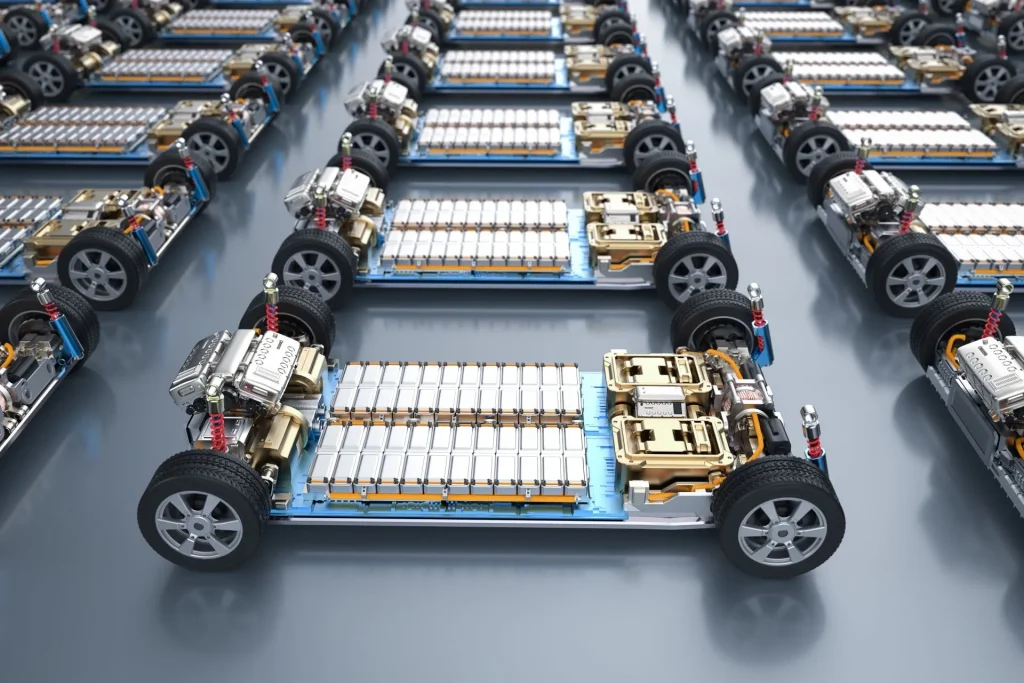
If your vehicle repeatedly starts with a jump but struggles again after sitting overnight, have both the battery and charging system tested. A professional can determine whether the battery can still hold an adequate charge and whether the alternator is replenishing it correctly.
Buying another battery without testing the vehicle may only postpone the problem. A healthy new battery should not repeatedly go dead without a reason.
10. Aftermarket Alarms and Remote Starters
Aftermarket alarms, remote starters, GPS trackers, security systems, and other electronic accessories can create battery-drain problems when they are incorrectly installed, malfunctioning, or remain active longer than intended.
These devices are connected to the vehicle’s electrical system and may continue consuming power after the ignition is switched off. Interstate Batteries specifically lists aftermarket alarms among potential sources of parasitic drain.
The difficulty is that aftermarket equipment can be hidden behind dashboard panels, under seats, near fuse boxes, or in other locations that make visual inspection difficult. A vehicle may appear completely stock from the driver’s seat while several additional electronic modules are operating in the background.
Remote-start systems can be especially complicated because they interact with ignition circuits, security systems, and other vehicle electronics. An installation problem can leave a circuit energized when it should be dormant.
The timing of the battery problem can provide a clue. If the overnight failures began shortly after an alarm, remote starter, tracker, stereo, or other accessory was installed, that modification deserves attention.
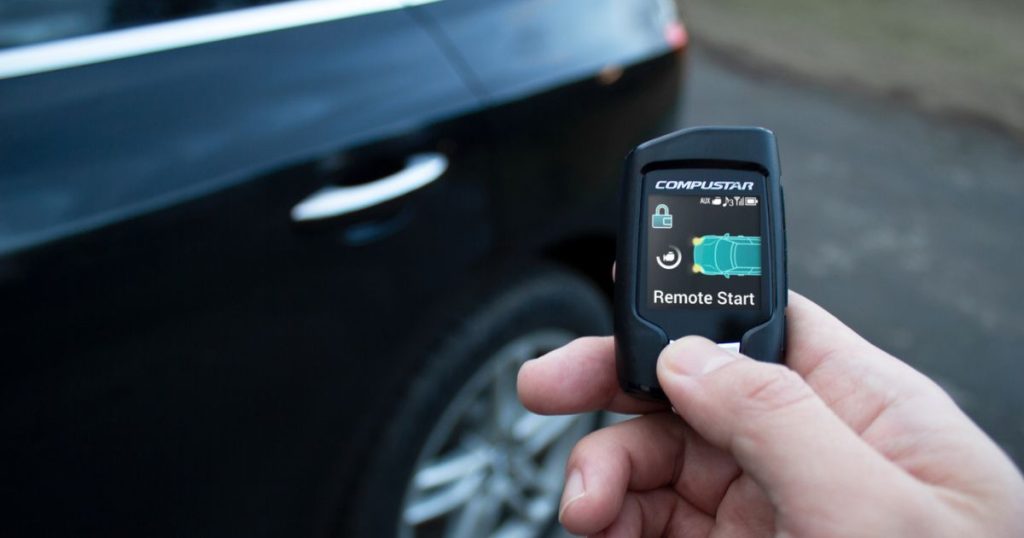
Removing or disconnecting aftermarket equipment should be done carefully. Improperly cutting wires or pulling components from a vehicle’s electrical system can create additional faults. A qualified technician can identify the accessory and test its current draw without introducing new problems.
The correct diagnostic method is to measure parasitic current after the vehicle has been shut down and its electronic modules have had time to enter their normal sleep state. If the draw is excessive, circuits can then be isolated to identify the source.
A battery that dies once can have many explanations. A battery that repeatedly dies overnight is different. In that situation, replacing batteries again and again is rarely the smartest first move. The vehicle needs to be tested for parasitic draw, charging performance, battery condition, and aftermarket electrical equipment so the actual cause can be found.