Ohio generally allows residents to register a wide range of passenger vehicles, trucks, SUVs, and classic automobiles, but registration is not automatic for every vehicle brought into the state.
Federal import rules, Ohio title requirements, equipment standards, vehicle age, emissions requirements, and the vehicle’s history can all affect whether a car can legally be titled and registered.
Some vehicles are famous examples of cars that may face serious registration barriers because they were never certified for the U.S. market or do not meet applicable federal requirements.
Before buying an imported vehicle, Ohio residents should confirm that the car can receive a valid Ohio title and registration.

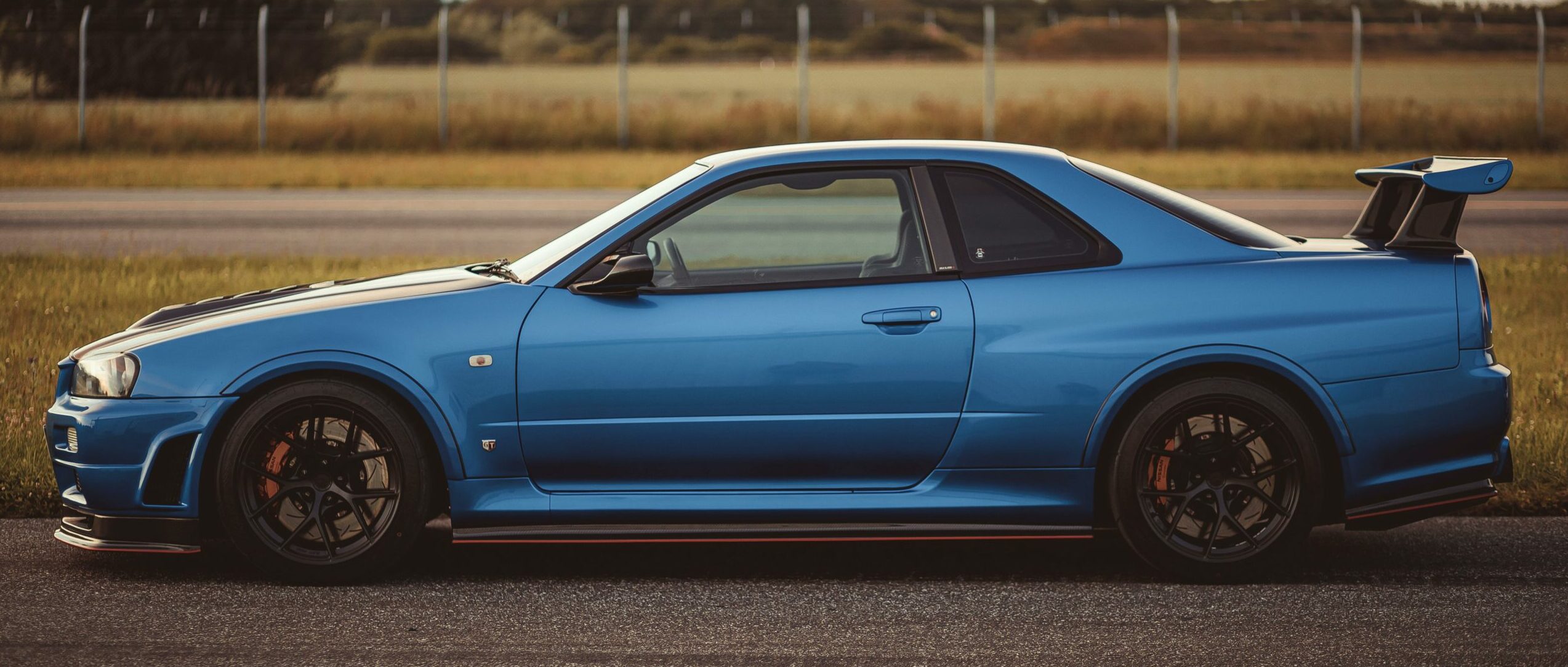
1. Nissan Skyline GT-R R34
The Nissan Skyline GT-R R34 is among the most recognizable Japanese performance cars ever produced. Built primarily for the Japanese market, the R34 GT-R developed a huge following because of its twin-turbocharged engine, sophisticated all-wheel-drive system, aggressive styling, and strong motorsport reputation.
Its popularity has also created confusion about whether every R34 can legally be driven and registered in the United States.
The key issue is not simply that the vehicle is Japanese. Federal import rules apply to vehicles that were not originally manufactured and certified for the U.S. market. The R34 GT-R was not sold through Nissan’s American dealer network as a U.S.-specification vehicle.
That means an owner cannot simply purchase a foreign-market example, bring it into Ohio, and expect the Ohio Bureau of Motor Vehicles to register it without the required federal import status and documentation.
Vehicle age is an important factor. Federal rules provide special treatment for qualifying vehicles that are at least 25 years old, subject to applicable requirements and the vehicle’s specific circumstances.
This means an older R34 may become eligible for import under a different legal pathway than a newer example. The exact manufacturing date matters, rather than merely the model year printed in advertising.
Ohio registration also requires proper ownership documentation. Even if an imported Skyline qualifies under federal rules, the owner needs documentation establishing that the vehicle was lawfully imported and can receive an Ohio title. Missing customs paperwork, inconsistent identification numbers, salvage history, or other title problems can create substantial difficulties.
Anyone considering an R34 should therefore verify the individual vehicle before paying for it. A seller’s statement that a car is “25 years old” is not enough by itself.
Buyers should examine the vehicle identification information, import records, title documents, and any federal paperwork. A legally importable Skyline can be an exciting purchase, while an improperly imported example can become a very expensive problem.
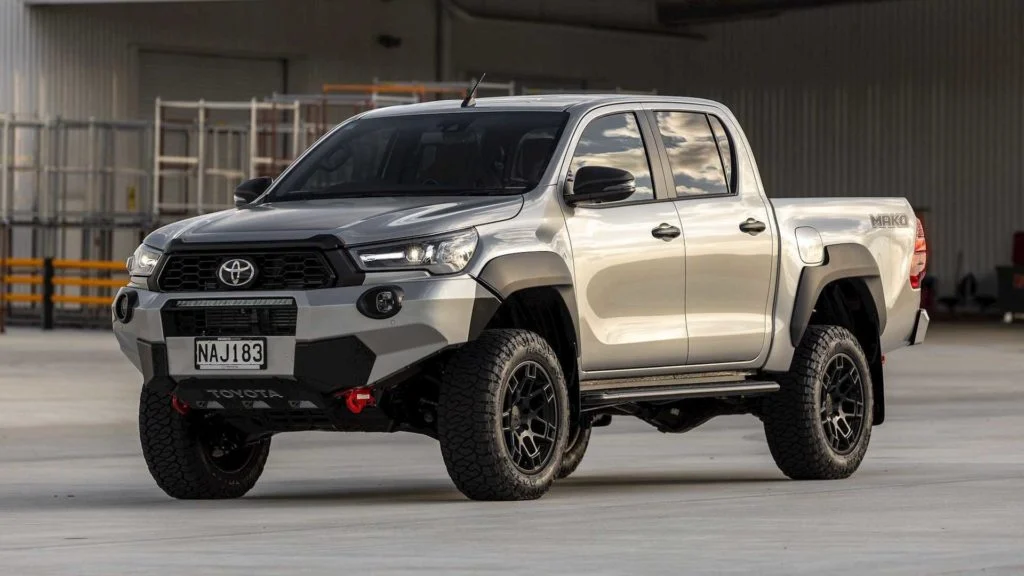
2. Toyota Hilux
The Toyota Hilux is a globally popular pickup truck, but many versions were never certified for sale in the United States. Its reputation for durability has made foreign-market Hilux trucks attractive to American buyers who want something different from the pickups traditionally sold domestically.
The registration problem starts with federal compliance. A vehicle manufactured for another market may not meet U.S. safety and emissions standards in its original configuration.
A foreign-market Hilux therefore cannot necessarily be treated like a U.S.-market Toyota Tacoma simply because both are Toyota pickups. Their engineering specifications, equipment, emissions systems, and certification can differ substantially.
Older examples may qualify for federal import exemptions based on age. That can change the situation for an antique or sufficiently old Hilux. However, the age exemption does not mean every foreign-market truck is automatically acceptable for Ohio registration. The vehicle still needs appropriate import documentation and evidence that it can be legally titled.
Ohio’s registration process depends on having acceptable ownership and title documentation. If a vehicle enters the state without proper documentation showing its legal importation and ownership history, obtaining an Ohio title may be difficult.
Buyers should be especially careful with trucks advertised as “off-road only,” “farm use,” or “not for highway registration” because those descriptions can indicate that the vehicle does not have ordinary road-registration status.
The safest approach is to investigate the exact Hilux rather than relying on the model name. The year, country of manufacture, original market, import status, title history, and modifications all matter.
A foreign-market Hilux that has been lawfully imported and properly documented can have a very different legal status from a newer truck brought into the country without the necessary federal approvals.

3. Mercedes-Benz Unimog
The Mercedes-Benz Unimog is an unusual vehicle that occupies a space between a heavy-duty truck, utility vehicle, and specialized off-road machine.
It is known for exceptional ground clearance, rugged construction, portal axles, and the ability to operate in demanding environments. Many Unimogs were built for European and other international markets rather than for ordinary American consumer use.
That creates an important distinction between owning a Unimog and registering one for public roads. A vehicle can exist legally in private ownership without automatically meeting all requirements for ordinary highway registration. Its original purpose, classification, equipment, and federal import status can influence what an owner can do with it.
Some older Unimogs can qualify for age-based federal import provisions. In such cases, the vehicle may have a lawful route into the United States that was not available when it was newer. Documentation remains important because the state needs evidence supporting the vehicle’s ownership and title.
Equipment can also become relevant. Depending on the vehicle’s configuration, a particular Unimog may not have been equipped like a conventional American passenger vehicle. Lighting, mirrors, glazing, seat belts, tires, identification information, and other equipment can affect whether a vehicle is suitable for road use under applicable requirements.
Potential buyers should also consider the vehicle’s classification. A specialized commercial or utility vehicle may have different registration requirements from an ordinary passenger car.
Insurance can present another practical challenge because not every insurer handles unusual imported vehicles in the same way.
For someone considering a Unimog in Ohio, the correct question is not simply, “Can a Unimog be registered?” The better question is whether the particular vehicle was lawfully imported, has acceptable documentation, meets the requirements applicable to its classification, and can receive an Ohio title. Those details determine the practical outcome.
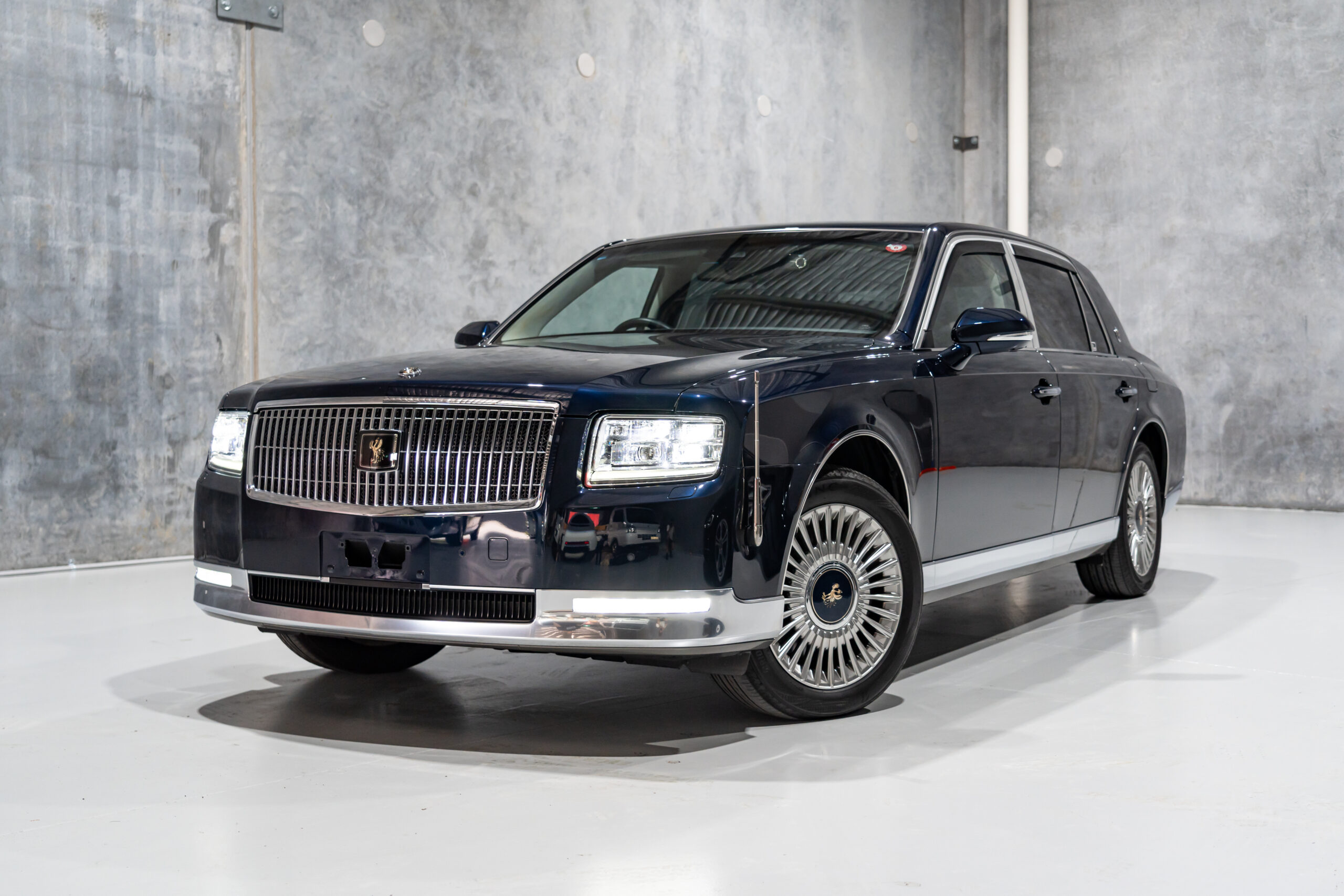
4. Toyota Century
The Toyota Century is a luxury sedan primarily designed for the Japanese market, and many examples were never certified for sale in the United States. Because of that, a newer foreign-market Century cannot simply be brought into Ohio and registered like a U.S.-market Toyota.
Federal import requirements are the main consideration. If a specific Century does not qualify for an applicable exemption or approved import process, it can face significant barriers to lawful road use in the United States. Vehicle age can eventually provide an important pathway for qualifying examples.
The exact production date matters when determining whether an older Century falls under an applicable federal exemption. Buyers should not assume that every Century has the same status simply because the model has existed for decades. The generation, year, and individual vehicle can affect the legal situation.
Proper documentation is also essential. A buyer should verify the vehicle identification information, import records, ownership documents, and title history before purchasing a foreign-market Century. A missing or inconsistent paper trail can make obtaining an Ohio title difficult.
For anyone considering a Toyota Century in Ohio, the safest approach is to confirm the specific vehicle’s federal import eligibility and Ohio title requirements before completing the purchase. An older, properly imported example may have a legal registration pathway, while a newer example without the required approvals may not.
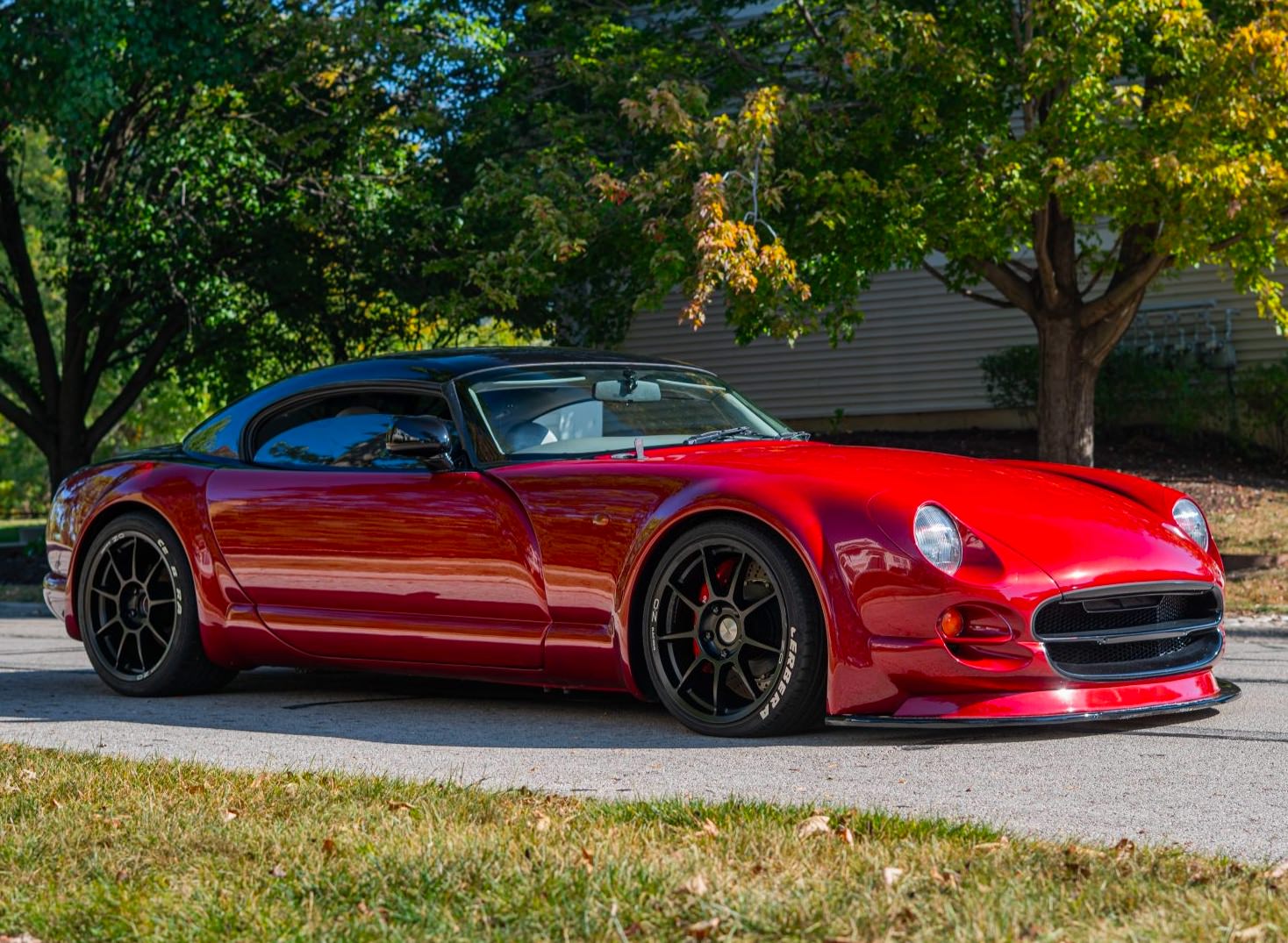
5. TVR Cerbera
The TVR Cerbera is a British sports car produced by TVR, a manufacturer known for unusual designs and powerful performance cars. The Cerbera was never a normal U.S.-market vehicle, which makes importing one considerably more complicated than buying an American-market sports car.
The first issue is federal import eligibility. Cars originally manufactured for foreign markets may not satisfy U.S. safety and emissions requirements. A vehicle that lacks U.S. certification cannot simply be registered in Ohio because it has passed roadworthiness requirements in another country.
Age can eventually change the situation for a foreign-market vehicle. Once a vehicle reaches the applicable federal age threshold, an exemption may permit importation without compliance with certain modern standards. The exact production date and identification of the vehicle therefore matter.
A Cerbera can also create practical challenges after importation. Parts availability, specialized mechanical knowledge, insurance, and replacement components may be less straightforward than they are for common American-market cars.
Those concerns do not necessarily determine registration eligibility, but they can make ownership considerably more complicated.
Documentation is particularly important with rare imports. A buyer should preserve customs records, purchase documents, foreign registration history, title documents, and identification information. A car with an incomplete paper trail can be difficult to title even if the underlying vehicle is old enough to qualify for an import exemption.
The Cerbera is therefore best regarded as a vehicle requiring careful legal verification rather than an ordinary used-car purchase. Someone who wants to own a rare British sports car in Ohio should establish its federal import status first and then determine whether the documentation supports an Ohio title and registration.
6. Smart Crossblade
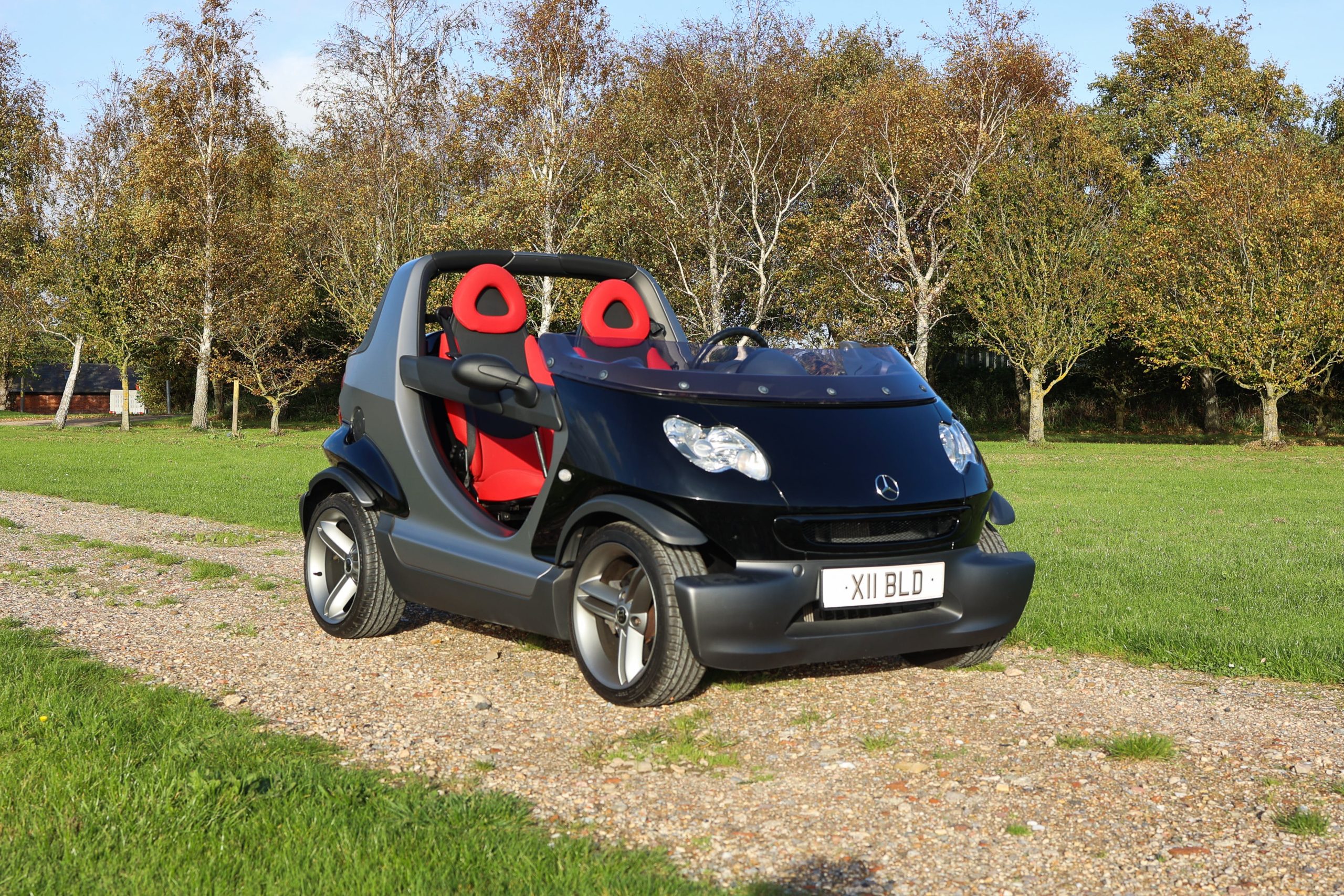
The Smart Crossblade is a highly unusual open-top vehicle based on the Smart platform. Its limited production and distinctive design make it interesting to collectors, but its rarity also means that American registration can require careful attention to import rules.
Vehicles built for European or other international markets may not carry U.S. certification. The fact that a car is manufactured by a well-known company does not automatically establish that it meets American federal requirements. Certification applies to the particular vehicle and its configuration.
The Crossblade’s unusual construction can make the question even more complicated. A vehicle with an unconventional body design may have equipment that differs from what was required for U.S.-market vehicles during the relevant production period. Federal safety requirements can cover areas such as lighting, occupant protection, glazing, and other equipment.
As with other foreign-market vehicles, age is an important consideration. A qualifying vehicle that has reached the applicable federal age threshold may have a legal import route that would not be available to a newer example. Owners must still provide documentation establishing that the car was legally imported.
Ohio title requirements remain separate from federal import requirements. Federal authorities determine whether a vehicle can enter the country under applicable import rules, while Ohio handles state titling and registration. Successfully completing one part of the process does not necessarily mean every state requirement has been satisfied.
Because the Crossblade is uncommon, buyers should avoid relying on general statements found in online listings.
The legal status of the individual car is more important than the reputation of the model. Before purchasing one, confirm its identification, import documentation, ownership records, and eligibility for an Ohio title.
7. Lamborghini Diablo SV
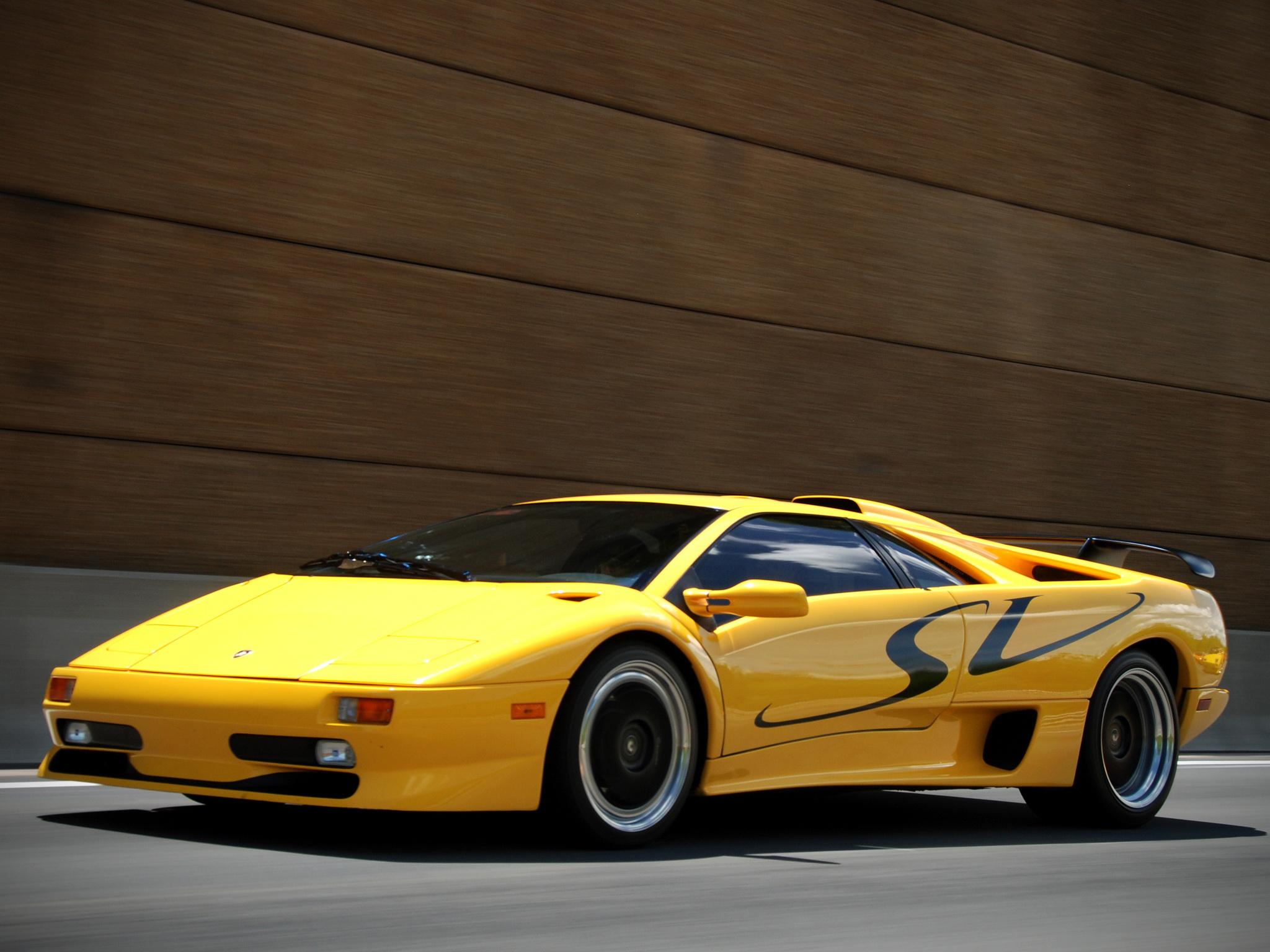
The Lamborghini Diablo SV is a high-performance Italian sports car with a strong collector following. It was produced during a period when Lamborghini’s vehicles varied significantly between international and U.S. specifications. This makes the exact version and history of a Diablo especially important when considering registration.
A foreign-market Diablo may not have been certified for the American market in the same configuration. U.S. regulations can require differences in safety equipment and emissions systems, meaning an imported European specification cannot automatically be treated as a U.S.-market example.
The age of a Diablo is now significant because many examples have reached the federal age threshold applicable to older imported vehicles. That can provide a legal route for importing qualifying examples that would have faced more restrictions when they were newer.
Still, age does not solve every problem. A vehicle needs documentation proving its identity and lawful importation. Collector cars can also have complicated histories involving restoration, replacement engines, reconstructed titles, racing use, or previous modifications. Each of those factors deserves investigation before purchase.
The distinction between federal import eligibility and Ohio registration is important here. Even if a Diablo can legally enter the country, the owner still needs to satisfy Ohio’s requirements for obtaining a title and registration. The paperwork should be consistent across the import documents, ownership records, and vehicle identification information.
A buyer considering a Diablo SV should therefore treat documentation as seriously as mechanical condition. A rare supercar with a clean paper trail can be significantly easier to register than a similar vehicle whose history is unclear. The safest purchase is one where the seller can demonstrate the car’s legal history rather than simply claiming that the vehicle is old enough.
8. McLaren F1
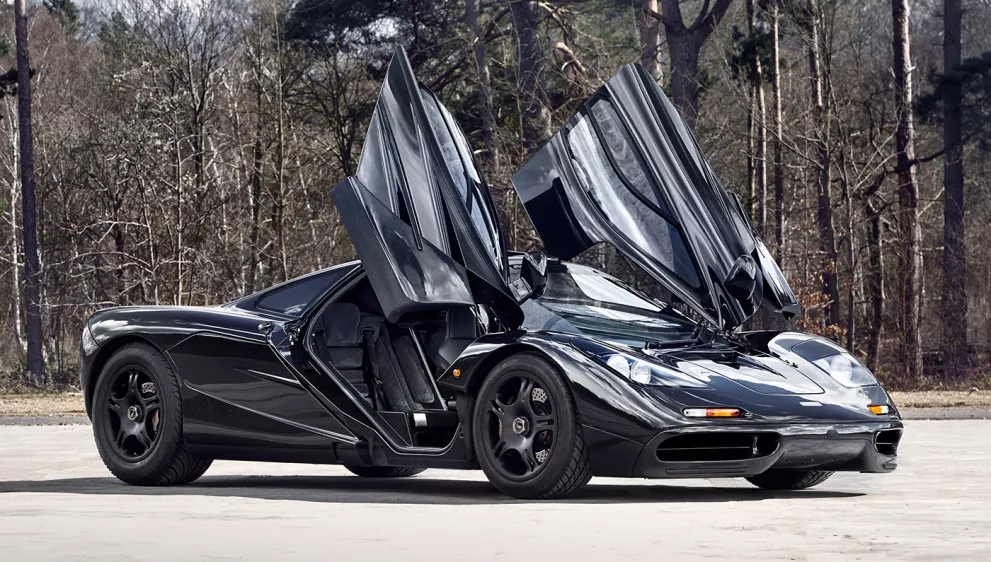
The McLaren F1 is among the most famous high-performance cars ever produced. Its limited production, distinctive engineering, central driving position, and extraordinary performance have made it highly valuable to collectors. Because the car was designed primarily for markets outside the United States, its American registration history can be complicated.
The F1 was not originally a conventional U.S.-market vehicle. Federal requirements therefore become central when considering an imported example. A vehicle that was not manufactured and certified under American standards cannot simply receive ordinary registration based on the fact that it is a famous production car.
Age is again an important factor. Many McLaren F1 examples are now old enough to fall within the federal framework for qualifying older vehicles. This has changed the legal space for some owners and collectors, but the individual car’s production date and import history remain important.
Some F1s have had special histories involving federal compliance efforts or specialized modifications. Documentation showing how the vehicle entered the United States can therefore be extremely important. Collectors should preserve all relevant paperwork rather than assuming that the car’s reputation or value establishes its legal status.
Ohio registration also depends on state title procedures. A collector may have a vehicle that is legally present in the country but still encounter problems if the title documentation is incomplete or inconsistent. High-value vehicles can be particularly risky purchases when their paperwork is unclear because correcting a title problem can become expensive and time-consuming.
For a McLaren F1, the safest strategy is to verify the exact chassis, production information, import records, title history, and Ohio eligibility before completing a transaction. The value of the vehicle makes professional legal and title advice worthwhile when there is any uncertainty.