
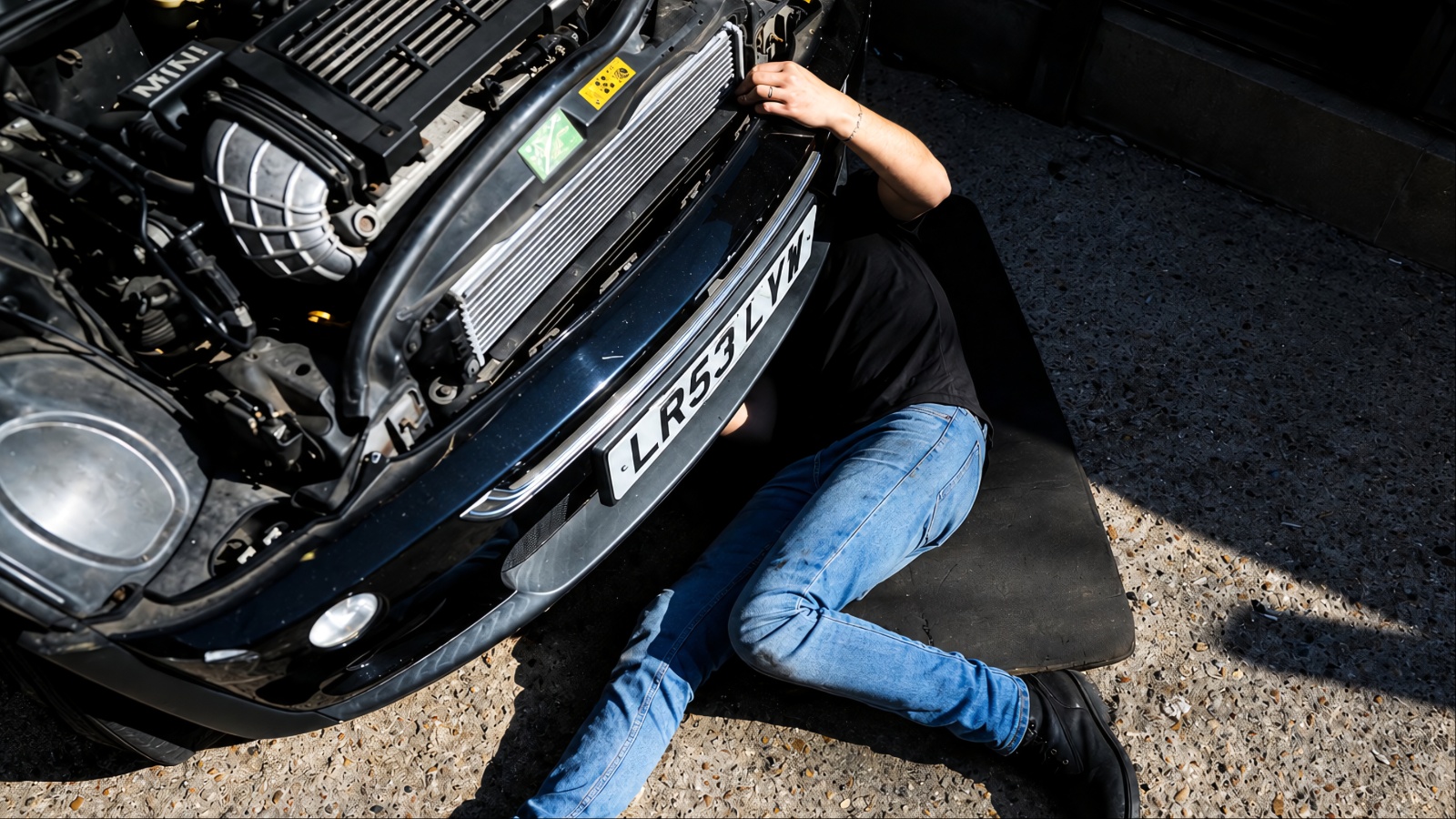
Imagine your car needing one particular part, only for you to discover that you may be without the vehicle for weeks or even months. This situation is more common than many drivers expect. Parts shortages, low production numbers, limited electronic components, and complicated supply chains can keep even newer vehicles stuck at dealerships or repair shops.
There is no official U.S. database ranking cars by average parts-waiting times, so the examples here are based on documented cases involving unusually long delays. Waiting periods can vary depending on the part required, your location, the dealership handling the repair, and whether the repair is covered by warranty. With that in mind, these ten vehicles have reported histories of frustratingly long waits for replacement parts.
1. Kia EV6
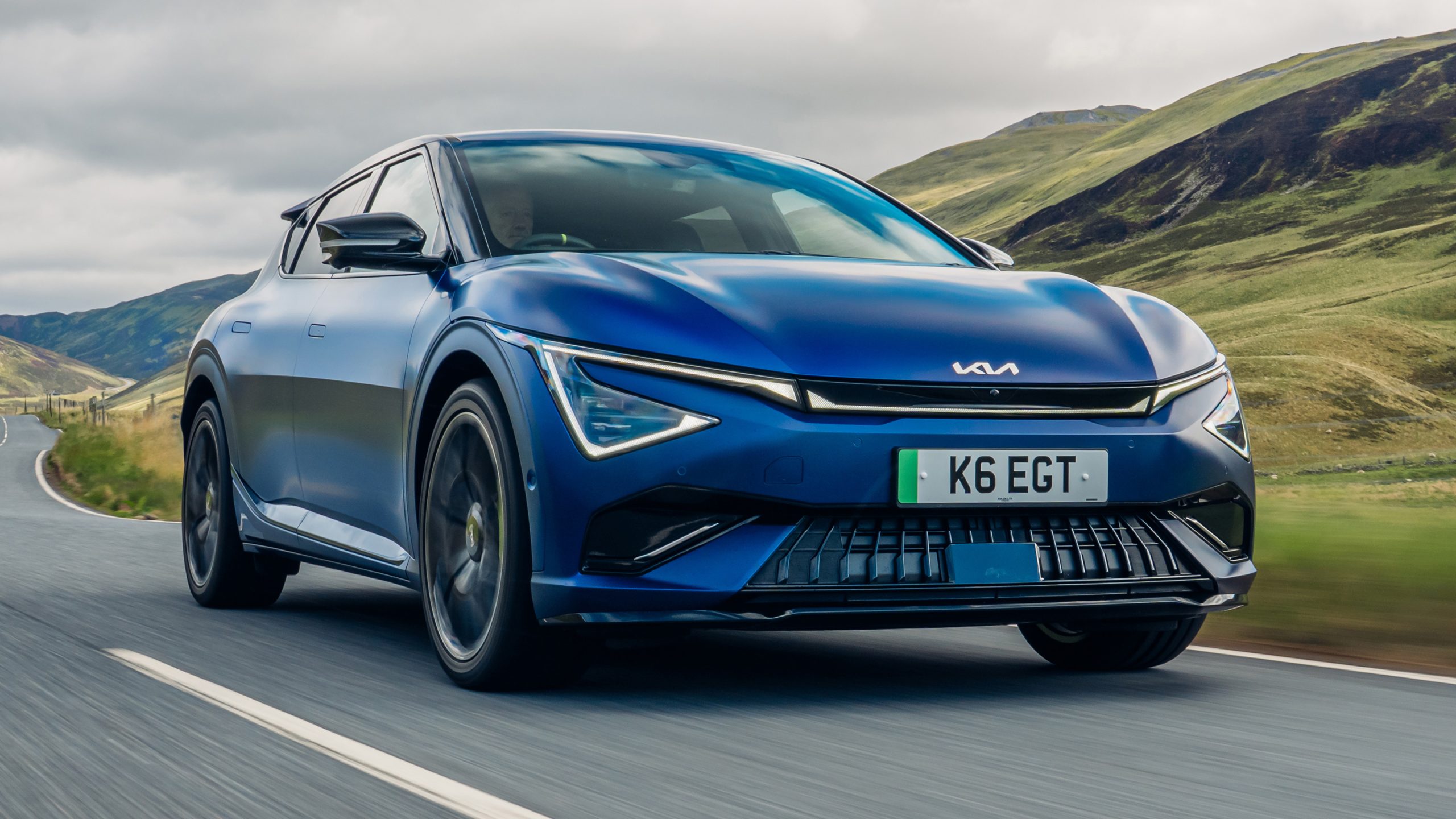
Kia EV6 owners have faced frustrating repair delays tied to a specific charging component. Reported wait times have ranged from several weeks to more than two months in individual cases, potentially leaving drivers without their vehicles for a significant period.
The issue centers on the Integrated Charging Control Unit, or ICCU, which plays an important role in the vehicle’s charging system.
Kia has addressed ICCU and fuse replacement on affected vehicles through warranty coverage, indicating that the issue was significant enough to receive a formal response.
Consumer complaint records also describe vehicles remaining at dealerships for weeks or even months while owners waited for replacement components to become available.
For an electric vehicle, a problem with the charging system can be especially disruptive because owners may have limited options for using the vehicle until the necessary repair is completed.
Anyone considering a Kia EV6 should ask the dealership about current parts availability and typical repair times before making a purchase.
2. Land Rover Range Rover / Range Rover Sport
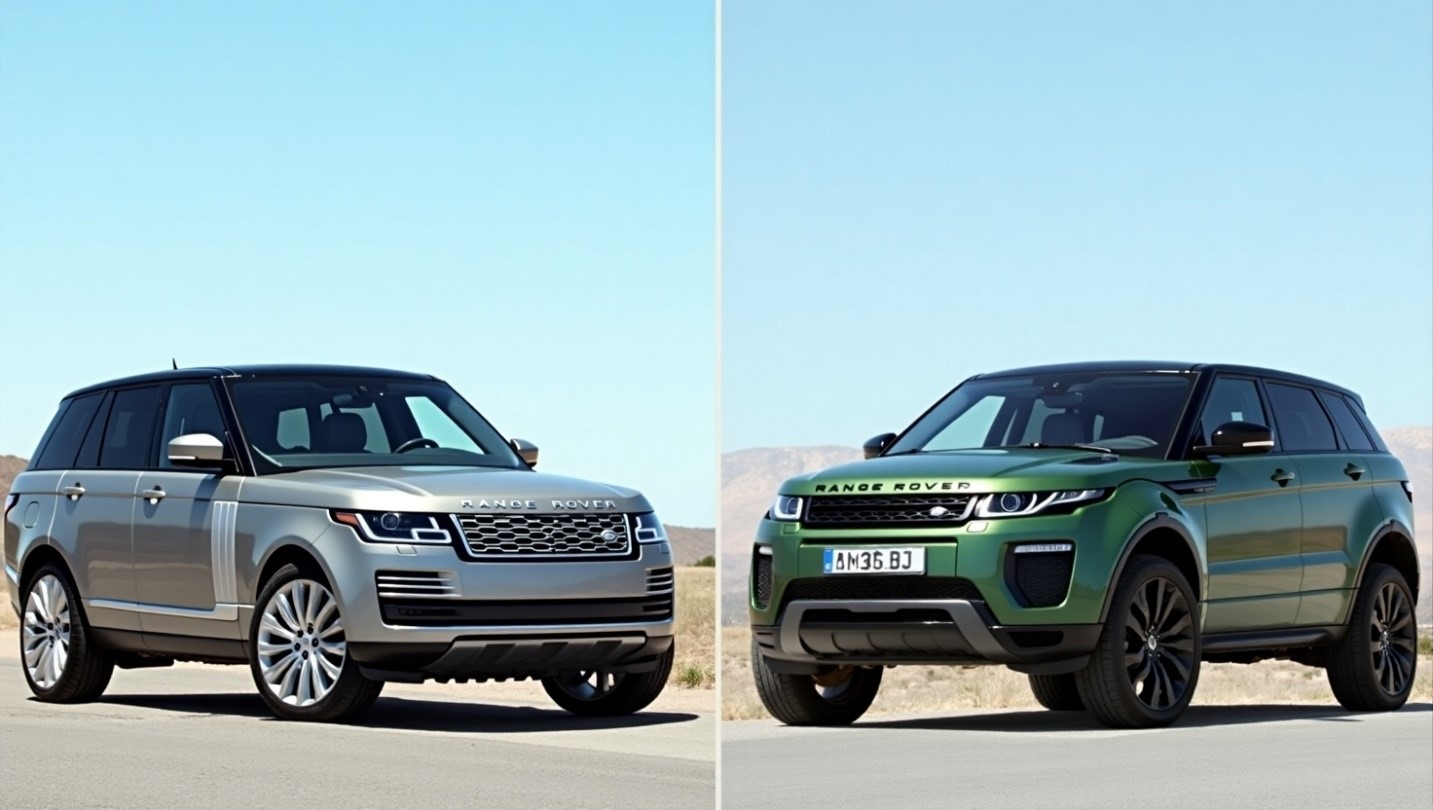
Owning a high-end SUV can bring an unexpected downside in the form of lengthy waits for replacement parts. Some premium Land Rover models have experienced significant delays, with certain major components reportedly taking anywhere from a few weeks to more than a year to arrive.
For someone who relies on their vehicle every day, such delays can be extremely frustrating. One reason for these delays is the advanced technology built into modern Land Rover vehicles.
Their sophisticated electronic systems and specialized engines require parts that are not produced by many suppliers. Because fewer companies make these components, a supply problem can quickly leave customers waiting much longer than expected.
Battery and drivetrain parts have caused particular concern in some reported cases. These components are usually made to specific requirements for particular vehicle platforms, rather than being common items kept in large quantities by parts dealers.
When production or shipping is delayed at any point, the vehicle owner may have little choice but to leave the SUV parked until the required part arrives. Anyone considering a Range Rover should keep this possibility in mind, especially when dependable daily transportation is important.
The vehicle may offer impressive comfort, prestige, and capability, but repair delays can create real inconvenience. Current owners may also benefit from having another vehicle available or making flexible plans when major repairs are needed. Such preparation can make lengthy waiting periods easier to manage.
3. Tesla Model 3 / Model Y
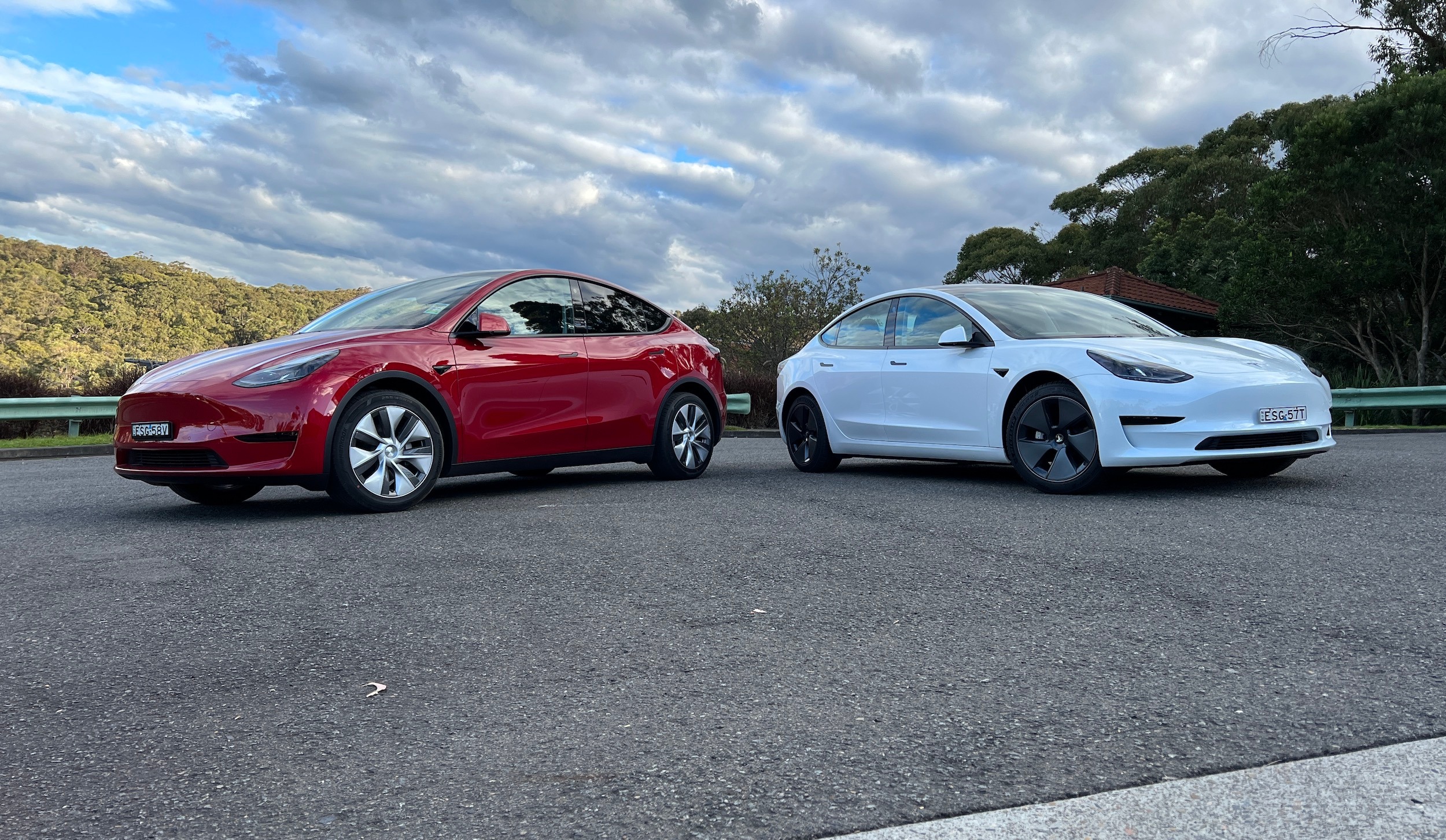
Tesla’s two best-selling models generally deliver a smooth ownership experience, right up until a serious collision sends one to a body shop. That’s when things can get genuinely complicated, with documented cases showing waits stretching from a few weeks to several months before repairs get completed.
The core issue traces back to how Tesla builds these cars. Structural panels, specialized glass, and various Tesla-specific components don’t always sit readily available at independent body shops the way parts for more conventional vehicles typically do.
When a collision damages something beyond a simple bumper or fender, repair facilities sometimes find themselves waiting on Tesla directly to supply the exact component needed, and that process hasn’t always moved quickly.
Multiple collision-repair cases documented over the years describe vehicles sitting in shops for extended periods while technicians and shop managers worked to source the correct parts.
It is important to put this claim in context. There is not enough reliable data to support the idea that every Tesla repair takes two to five months, and many owners have their vehicles repaired without significant delays.
Anyone driving a Model 3 or Model Y should keep this in mind when choosing insurance coverage, particularly rental car provisions, since a longer-than-expected repair window could leave you without transportation far longer than you’d budgeted for.
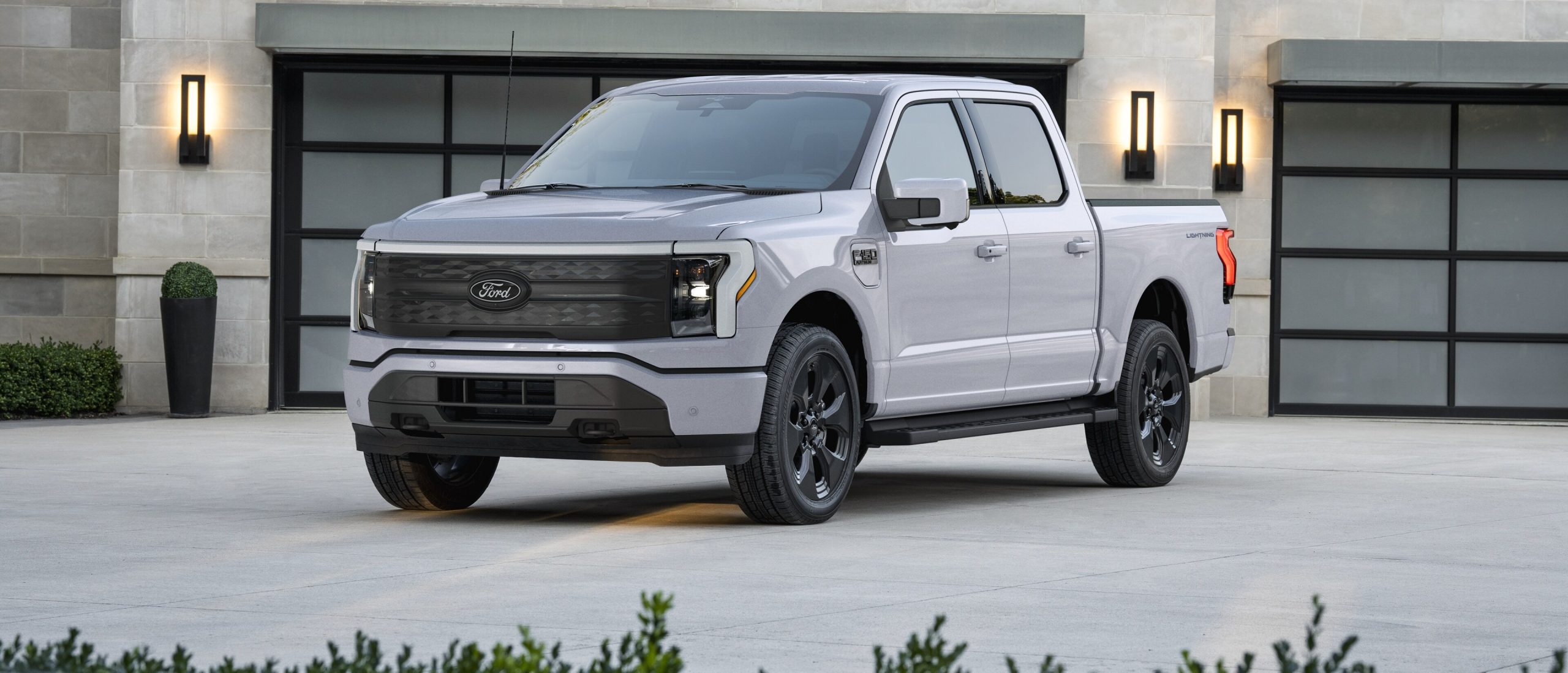
4. Ford F-150 Lightning
Ford’s electric take on America’s best-selling truck brings genuine capability to the table, but it hasn’t been immune to the parts headaches that seem to follow electric vehicles across the industry.
Documented reports describe waits ranging from several weeks to multiple months for certain specialized components tied specifically to the truck’s electric drivetrain.
Owners have reported a frustrating situation where a faulty component is identified, only for them to learn that the part is on nationwide backorder with no definite date for when new stock will arrive.
That’s a genuinely tough situation for anyone relying on their Lightning for work, especially contractors or business owners who can’t simply borrow a neighbor’s truck for a few months while they wait.
EV-specific parts present a unique challenge that traditional gas-powered F-150 owners rarely encounter. These aren’t components with decades of manufacturing history and dozens of established suppliers ready to fill gaps quickly.
They’re newer, more specialized, and often built by a smaller pool of manufacturers, which means any hiccup in that supply chain hits owners directly and immediately. Buyers considering a Lightning for serious work use should have a genuine backup plan in place.
A reliable secondary vehicle, or at minimum a clear understanding with your dealership about loaner availability, could save considerable stress if your truck ends up needing a hard-to-source part.
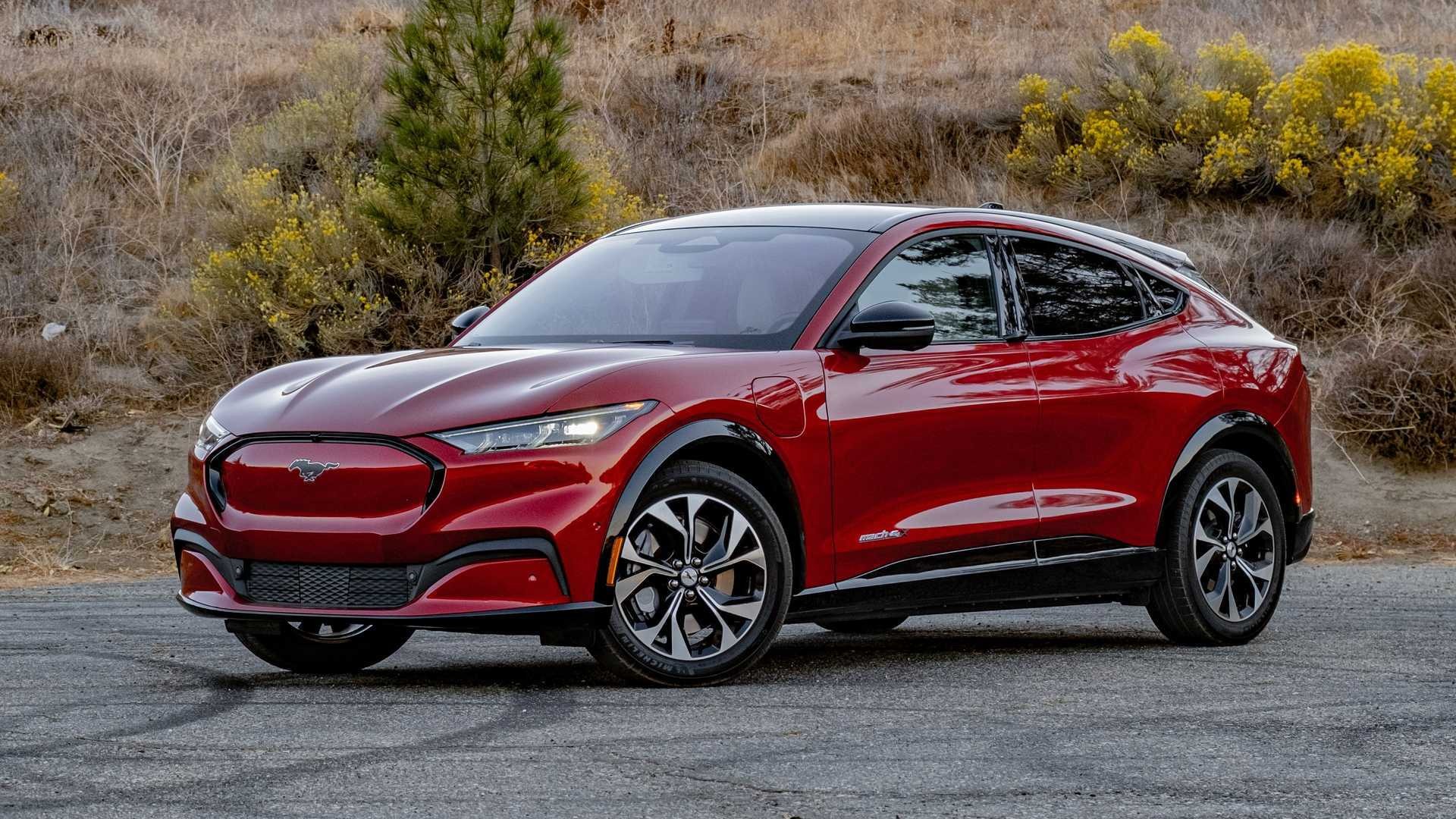
5. Ford Mustang Mach-E
Ford’s electric crossover has earned plenty of praise for its driving dynamics, but it’s also generated documented parts problems that owners should know about before signing on the dotted line.
Wait times here have proven highly variable, though extended delays have specifically affected certain high-voltage components critical to how the vehicle actually functions.
The most well-documented issue involves something called the high-voltage battery junction box, often shortened to HVBJB in service bulletins and owner forums.
Ford took this seriously enough to issue formal service actions covering affected vehicles, along with a plan for replacement components, which confirms this wasn’t a rare, isolated complaint but a recognized pattern worth a coordinated response.
Here’s where accuracy matters, though. While the HVBJB problem itself is genuinely well documented across multiple sources, claims suggesting every affected owner faces a universal two-to-four-month wait aren’t supported by comprehensive national data.
Reality tends to be messier and more location-dependent than a single blanket number would suggest, with some owners getting quick fixes while others face genuinely longer waits.
Prospective Mach-E buyers should ask their dealership directly about any open service bulletins affecting the specific model year they’re considering, and current owners experiencing electrical symptoms shouldn’t hesitate to get the vehicle diagnosed promptly rather than waiting for symptoms to worsen.
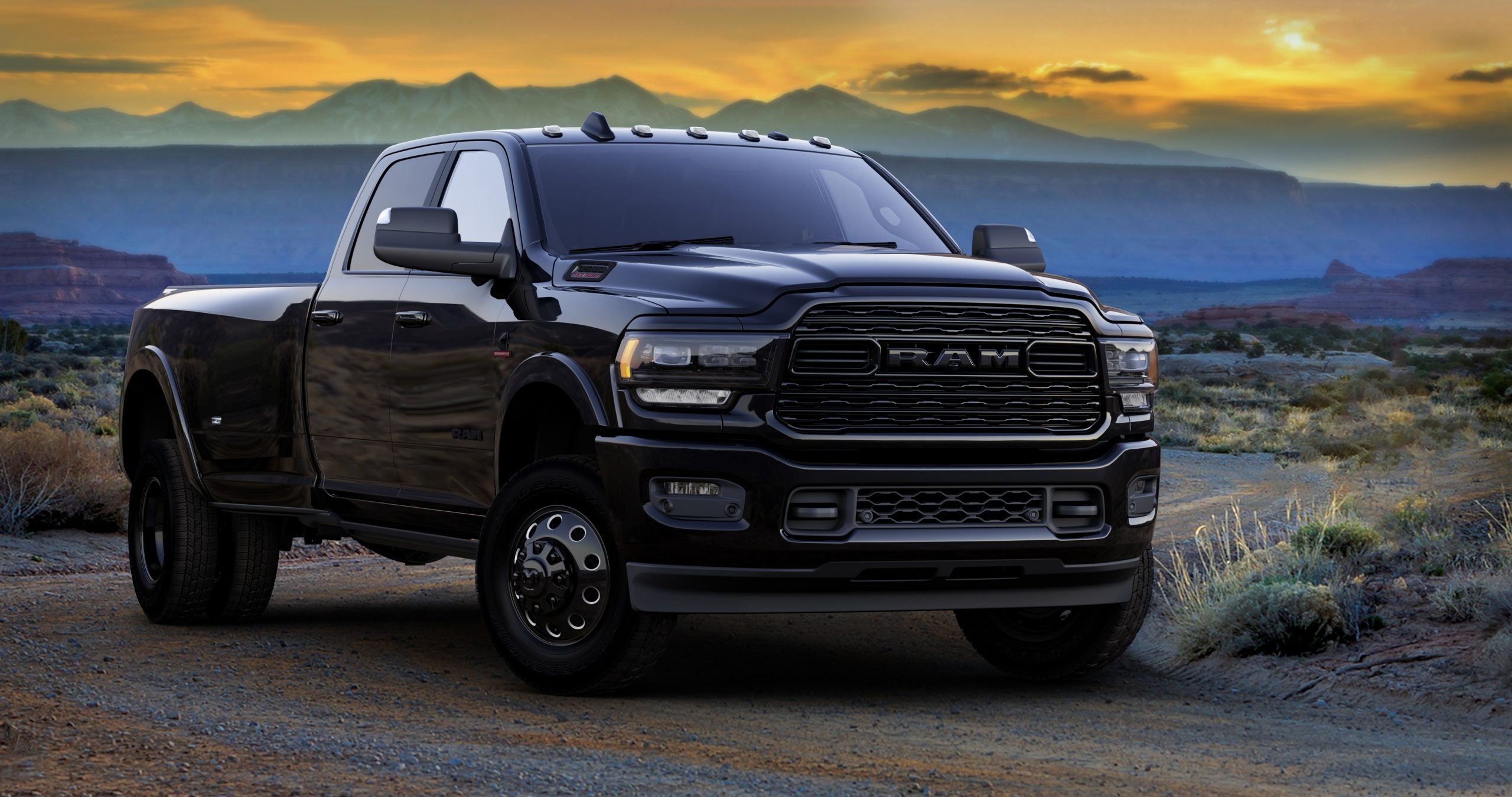
6. Ram 1500 / Ram Heavy-Duty Trucks
Not every parts problem on this list involves electric vehicles or exotic luxury components. Ram’s popular truck lineup has generated its own documented headaches, specifically tied to ABS modules and related brake-system components, with some owners reporting waits stretching several months before repairs got completed.
No driver wants to deal with a broken braking system for an extended period. If an ABS module fails and the replacement part is on national backorder, owners can face a difficult situation. They may depend on the truck for work or everyday needs while also worrying about the safety risks of driving without a properly functioning system.
It’s worth being precise about scope here. These documented delays appear tied to specific components and particular situations rather than representing some universal problem plaguing every Ram truck on the road.
Plenty of Ram owners never encounter this issue at all, and dealerships in different regions have reported varying experiences depending on local parts distribution networks and inventory levels.
Anyone shopping for a Ram 1500 or one of the heavy-duty variants shouldn’t necessarily be scared away by this history, but it’s worth asking your dealership about recent parts availability, particularly if you’re buying used and want to understand what previous owners or online forums have reported about repair timelines for that specific model year.
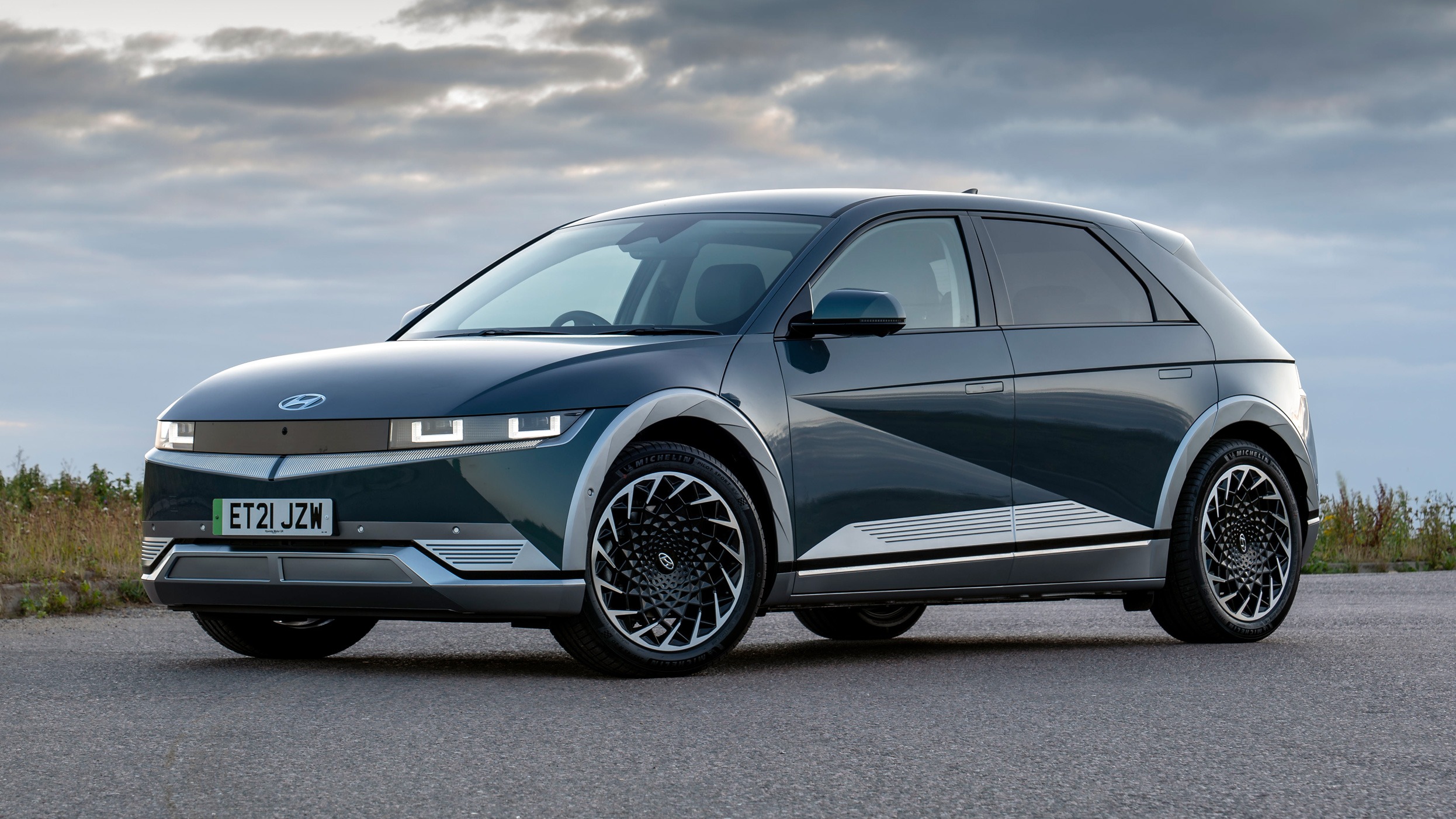
7. Hyundai Ioniq 5
Beyond the ICCU trouble covered earlier, the Ioniq 5 has generated a second, separate documented parts problem, this time involving the vehicle’s high-voltage battery system. Reported cases describe waits stretching several months, a genuinely long stretch for a component this central to how an electric vehicle actually operates.
Consumer complaints filed regarding this issue describe a frustrating pattern: vehicles arrive at dealerships needing a replacement battery component, then simply sit there, sometimes for months, while the dealership waits on Hyundai to supply the correct part.
For a vehicle that can’t run at all without a functioning battery system, this isn’t a minor inconvenience; it’s a complete loss of transportation for an extended period.
This separate battery-component issue, distinct from the earlier charging-unit problem, suggests the Ioniq 5’s electric architecture has faced more than one supply-chain pressure point during certain production periods.
That’s worth knowing for anyone considering this vehicle, whether new or used, since two documented categories of extended-wait repairs on the same model deserve genuine attention rather than dismissal as coincidence.
Current owners experiencing battery-related warning lights or reduced range should get the vehicle diagnosed as early as possible, since acting quickly may help avoid getting caught in a lengthy backorder queue during a peak demand period for these specific components.

8. Alfa Romeo Giulia / Stelvio
Alfa Romeo’s Giulia and Stelvio deserve a place on this list for a different reason. Owners have reported lengthy waits for certain replacement parts, particularly when the required component is specific to these low-volume vehicles.
Since Alfa Romeo sells fewer cars than many larger brands, some parts may not be stocked as widely. The Giulia sedan and Stelvio SUV use specialised mechanical and electronic equipment, which can make sourcing certain components more difficult.
Parts related to suspension, electronics, and bodywork may need to come through limited distribution channels. When a supplier has low stock or an order takes longer to process, owners can be left waiting for their cars to return from the workshop.
It is important not to suggest that every Giulia or Stelvio repair takes months. Routine maintenance and commonly needed parts can usually be handled without extreme delays. The concern is mainly with unusual or specialised components that may not be immediately available through local dealers.
For someone planning to buy either model, asking about parts availability is a sensible step. It is also worth finding out how quickly local dealers can obtain less common components. Having access to another vehicle can be helpful if a major repair takes longer than expected.
Alfa Romeo’s distinctive styling and enjoyable driving character may attract many buyers, but ownership also requires some planning. Checking local service support and asking about recent repair experiences can help buyers make a more informed buying decision before choosing a Giulia or Stelvio today, too.
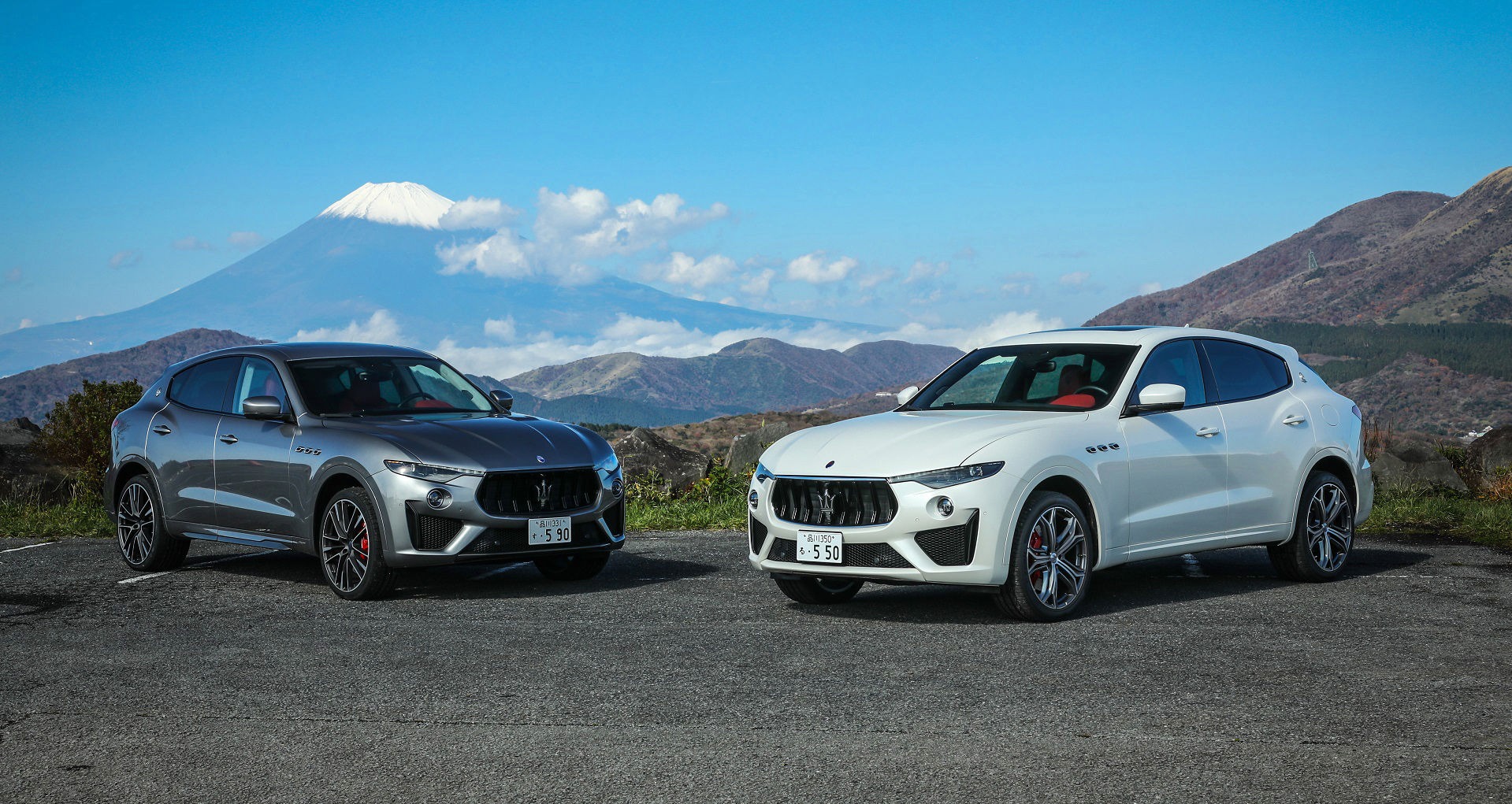
9. Maserati Grecale / Levante
Maserati occupies a genuinely small corner of the American luxury market, and that exclusivity comes with real consequences beyond just badge prestige. Limited U.S. sales volume for both the Grecale and Levante can mean thinner inventory for specialized components, leaving some owners facing longer waits than they’d experience with a higher-volume competitor.
This scarcity issue extends across various systems throughout the vehicle, from certain suspension pieces to specific body components that simply aren’t manufactured or stocked in the same quantities as parts for mass-market brands.
When something breaks that falls outside the most commonly replaced items, tracking down the correct part can genuinely take longer than most buyers expect when walking into the dealership.
Precision matters here too, since it would be unfair to claim that routine suspension work, brake jobs, or common body repairs typically stretch to three or six months without solid, verifiable data supporting that specific claim.
Public information simply doesn’t support such a sweeping generalization across every possible repair scenario an owner might encounter.
Shoppers considering either of these Maserati SUVs should have an honest conversation with their dealership about typical parts-ordering timelines in their specific region, and it’s worth asking current owners in local enthusiast communities about their genuine repair experiences before finalizing a purchase decision on either model.
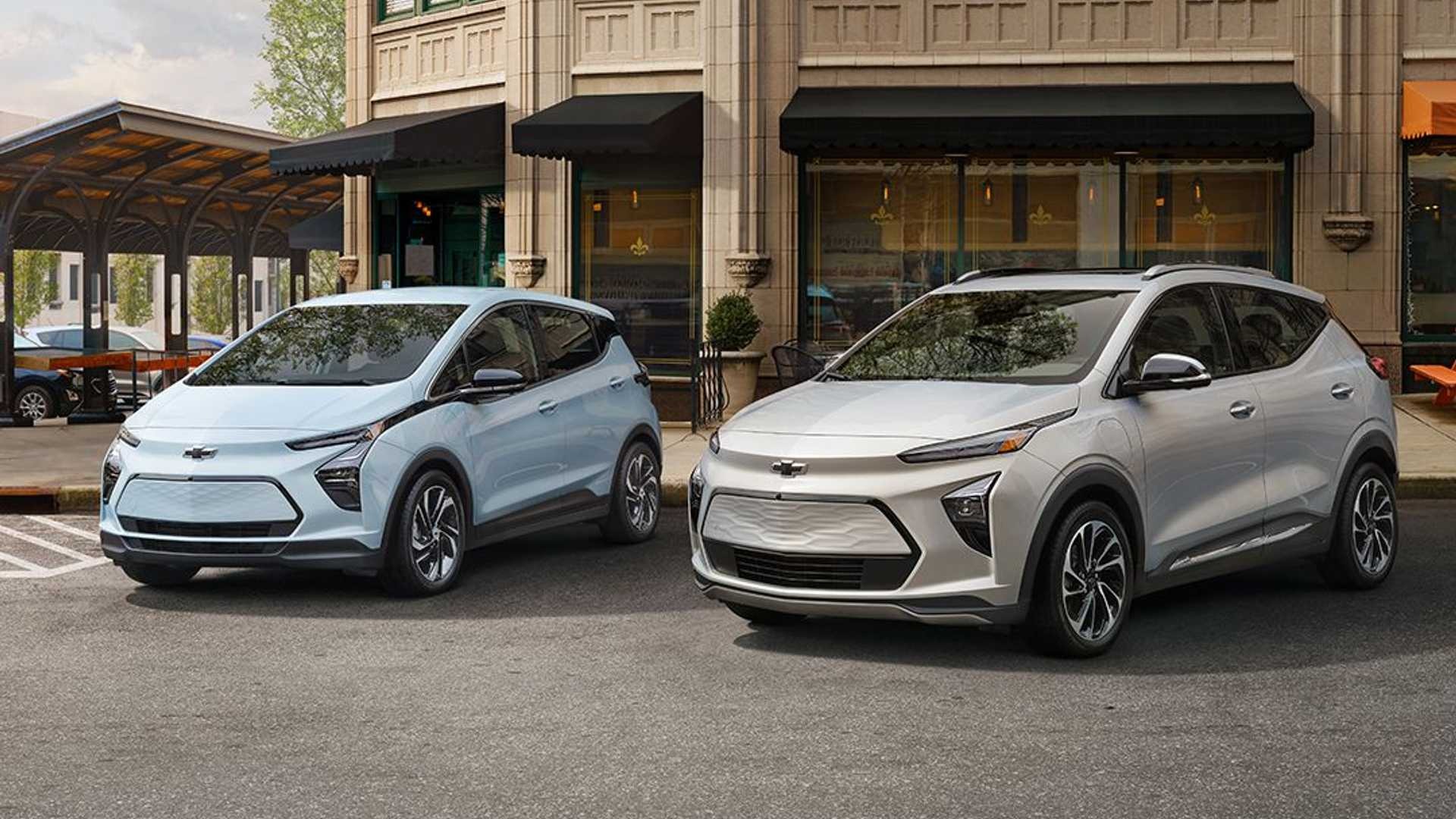
10. Chevrolet Bolt EV / EUV
Few electric vehicles have attracted as much attention for battery problems as the Chevrolet Bolt. General Motors faced a major recall after reports of battery fires, leading to a large replacement programme for affected vehicles.
During the busiest period, many owners had to wait for repairs because replacement batteries were not readily available. This created understandable frustration for people who depended on their cars for daily activities.
It is fair to recognise the effort GM put into handling the issue. The company spent substantial resources identifying affected vehicles and replacing battery packs nationwide.
Since thousands of cars were involved, suppliers and repair centres sometimes struggled to keep up with demand. As a result, some owners experienced waiting periods that lasted much longer than expected.
However, buyers should be careful when reading claims about present-day repair times. Statements suggesting that Bolt battery replacements or charging parts normally take four to eleven months, or even longer, may not reflect the current situation.
The major recall exercise has largely been completed, so using waiting periods from the height of the problem to describe today’s experience can give potential buyers the wrong idea.
Anyone interested in buying a used Bolt EV or EUV should first confirm whether the particular vehicle has already received its recall-related battery replacement. This information can make a big difference when assessing the car’s condition and possible future expenses.
Buyers should also check available service records and ask the seller or dealer for proof of completed recall work before making a purchase decision. That simple step can provide greater confidence and prevent unnecessary surprises after buying the vehicle.
