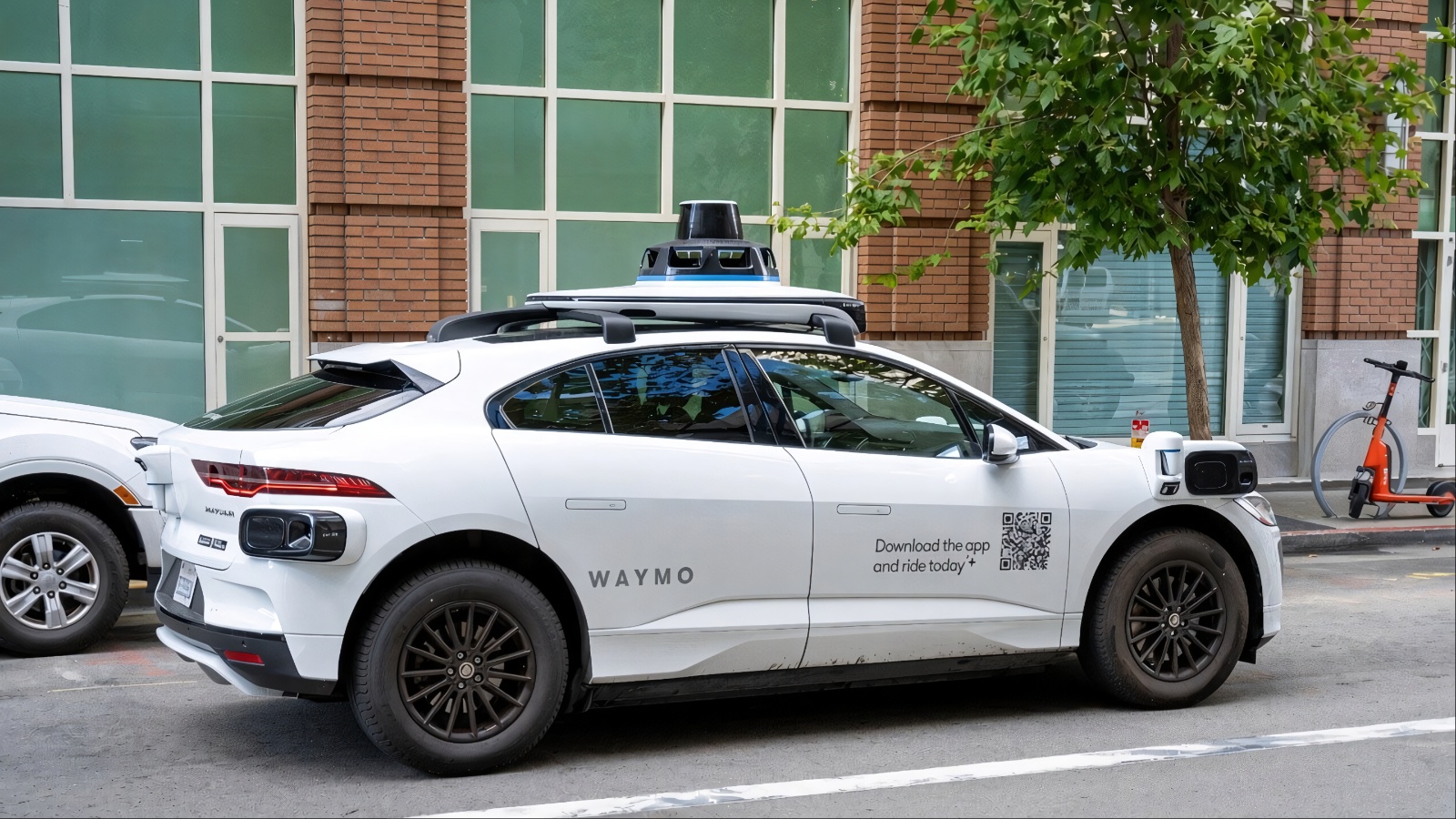
Waymo is preparing for a major expansion into Europe by bringing its autonomous-driving technology to Munich, Germany. The Alphabet-owned company will begin testing vehicles on the city’s public roads in the coming weeks, marking an important step toward its first commercial robotaxi service in the European Union.
According to Reuters, Waymo announced on August 25 that it plans to begin testing in Munich as it works toward launching a commercial ride-hailing service in Germany toward the end of 2027. The company will first map Munich’s roads manually before progressing to autonomous testing with trained specialists behind the wheel.
The move places Waymo in one of Europe’s most important automotive centers. Munich is home to BMW and has a large concentration of automotive suppliers, engineering companies, and mobility technology businesses.
Waymo’s decision to establish its first German operation there therefore puts its autonomous-driving technology directly into the heart of an industry that is itself investing heavily in automated mobility.
The Munich project also represents a significant change in Waymo’s geographic ambitions. The company has already established commercial autonomous ride-hailing operations in multiple U.S. cities, but Europe presents a very different regulatory and driving environment.
Successfully adapting its technology to Germany could provide a foundation for expansion into additional European markets.
Waymo Takes a Gradual Approach in Munich
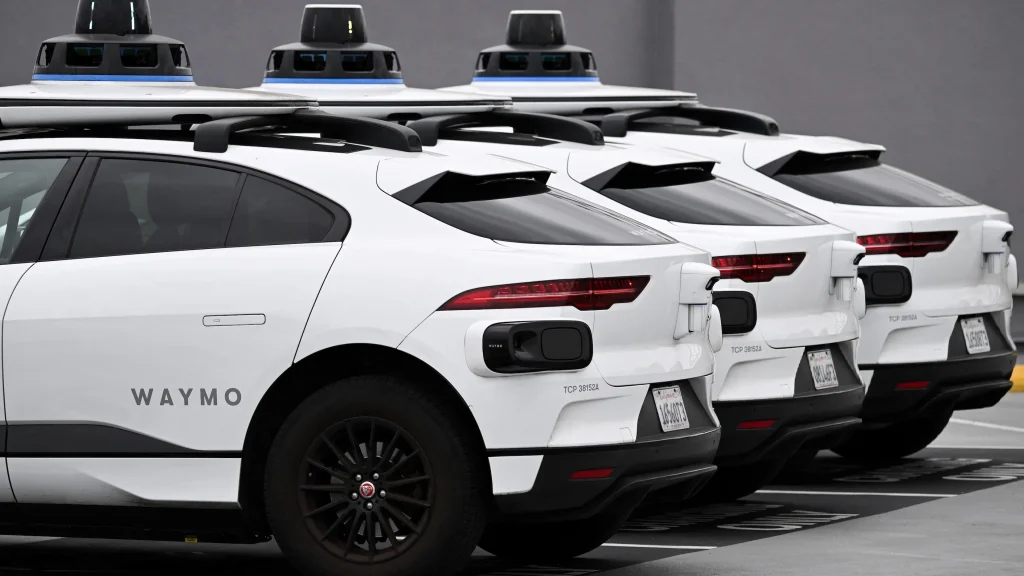
Waymo is not immediately launching a driverless taxi service in Munich. Instead, it is following a phased testing program designed to understand the city’s roads and traffic conditions before removing the human safety driver.
According to Waymo, the first vehicles will be driven manually throughout Munich to create high-definition maps of the local road network. The company will then conduct testing with specially trained autonomous specialists behind the wheel.
This validation period is intended to help the Waymo driver adapt to Munich’s specific traffic patterns, road layouts, and driving conditions.
The distinction is important because a Waymo vehicle appearing on a Munich street does not mean the company is already offering autonomous rides to the public. Waymo explicitly says its vehicles will remain in testing and preparation mode during this phase, with validation drivers behind the wheel.
Testing is expected to take place around the clock. Waymo says it will conduct public-road testing according to requirements established by Germany’s Federal Motor Transport Authority, or KBA, and in accordance with the country’s Road Traffic Act and Autonomous Driving Act.
Munich will provide Waymo with a challenging environment in which to validate its technology. The city combines dense urban traffic with bicycles, pedestrians, public transportation, and complex intersections and streets with very different characteristics.
Historic areas can also present road layouts that differ considerably from the wide, relatively predictable streets found in some U.S. operating areas.
Waymo says its approach will involve working with authorities at multiple levels. The company is seeking the necessary permits and approvals while establishing relationships with local officials and other stakeholders.
This regulatory process is crucial because Germany has created a legal framework allowing certain autonomous vehicles to operate on public roads. However, the existence of that framework does not automatically authorize Waymo to begin commercial operations.
The company still needs to satisfy the relevant regulatory and technical requirements before offering passenger services.
TechCrunch reported that Waymo does not yet hold the necessary German autonomous-driving permits, meaning testing and eventual commercial deployment remain subject to regulatory approval.
The phased strategy therefore allows Waymo to gather local data while simultaneously working through the approval process.
Germany Becomes a Key Battleground for Robotaxis
Waymo’s arrival comes as Germany increasingly positions itself as an important market for autonomous mobility. The country’s legal framework has made it one of Europe’s more advanced environments for testing and deploying higher levels of vehicle automation.
That is particularly relevant for Waymo because the company is not entering an empty market. Volkswagen’s MOIA has been testing autonomous mobility services in Germany, while other technology companies are also developing automated-driving systems.
Munich’s automotive industry adds another layer of competition, with established manufacturers developing their own approaches to automated driving.
Waymo nevertheless has a major advantage in operational experience. The company says it has completed more than 20 million trips and is serving hundreds of thousands of commercial rides each week. Its technology has therefore already moved beyond laboratory testing and into regular passenger service in the United States.
Waymo’s U.S. experience will be useful in Germany, but the company cannot simply transfer its existing system unchanged. Autonomous driving depends heavily on local road conditions, traffic behavior, mapping, and regulatory requirements. Munich will require Waymo to demonstrate that its technology can handle European conditions reliably.
The company is also using its international expansion to build a broader global footprint. Waymo has been testing in Tokyo and preparing for expansion into London, although the U.K. rollout has faced regulatory complications.
The company choosing Germany as another major European target highlights the importance it places on establishing a foothold on the continent.
Munich is particularly attractive because it combines technology infrastructure and automotive expertise. Waymo says it plans to invest in local fleet operations and create skilled jobs as it prepares for the eventual service.
The company has also emphasized cooperation with the city and the wider community rather than treating the rollout purely as a technology deployment.
That community relationship could become increasingly important as autonomous vehicles become more visible. Public acceptance remains one of the biggest challenges for robotaxi companies, particularly when vehicles operate without a human driver.
Waymo says earning the trust of Munich residents is a priority and intends its autonomous service to complement existing public transportation, cycling, and walking rather than replace them.
A Major Test Before European Expansion
The planned Munich launch could become an important test of whether Waymo’s U.S.-developed robotaxi model can be successfully transferred to Europe.
The company has already demonstrated that fully autonomous ride-hailing can operate commercially in selected American cities, but Europe introduces different regulations, infrastructure, and road behavior.
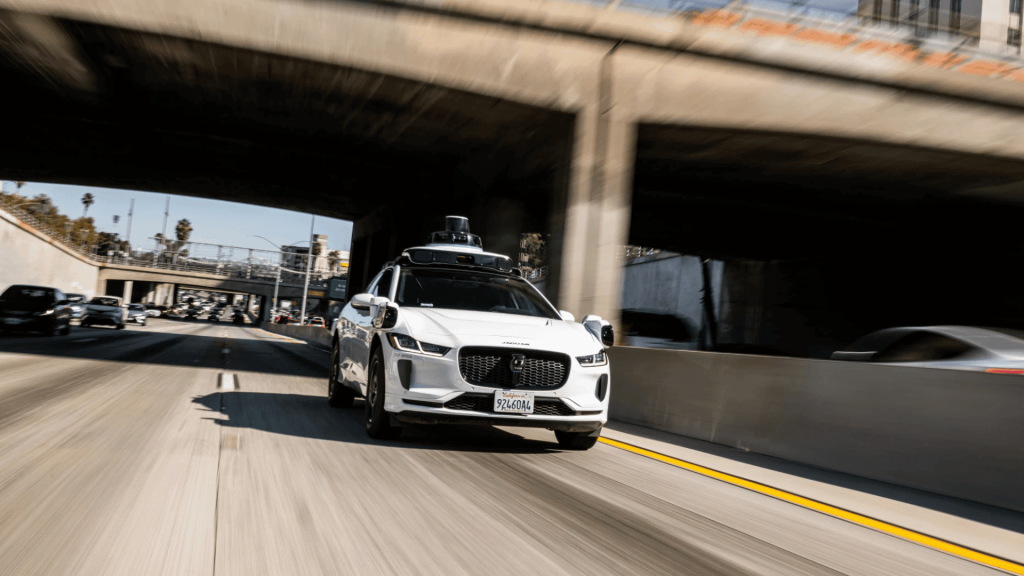
Safety will remain the central issue. Waymo says its vehicles have accumulated more than 350 million fully autonomous miles, and the company claims its internal analysis shows substantially lower rates of certain serious-injury crashes compared with human drivers.
Those figures come from Waymo’s own analysis and should therefore be viewed in that context rather than as an independent industry-wide assessment.
The company will now have to demonstrate that its safety performance and autonomous system can translate successfully to Munich’s environment.
If testing progresses as planned and the required approvals are secured, Waymo expects to begin commercial ride-hailing toward the end of 2027. The company has not yet announced final pricing, fleet size, or the precise boundaries of its initial commercial operating area.
That means the current Munich program is still an early stage of a much larger project. Waymo must first map the city, validate its technology, complete regulatory requirements, and demonstrate that its vehicles can operate safely without human intervention.
Nevertheless, the significance of the move is already clear. Waymo is no longer limiting its ambitions to the U.S. market. By choosing Munich, it is bringing its robotaxi technology into the heart of Germany’s automotive industry and beginning what could become a much wider European expansion.
If the company succeeds, Munich could serve as Waymo’s European proving ground and eventually become the first of several cities where its fully autonomous ride-hailing service operates commercially.
For Germany’s automakers and mobility companies, meanwhile, Waymo’s arrival represents another sign that the race to commercialize autonomous transportation is moving from technology demonstrations toward real-world competition.