
Reaching 150,000 miles is a major milestone for any vehicle, but not every brand has the same track record of producing cars that remain on the road for that long.
The latest research from iSeeCars highlights a significant difference in long-term reliability. Across 32 popular brands, the estimated likelihood of reaching 250,000 miles ranges from 17.8 percent for Toyota to nearly zero for several other brands.
That does not mean every vehicle from a lower-ranked brand will fail before 150,000 miles. Individual models, maintenance, driving conditions, and ownership history matter enormously.
However, the data can reveal which brands have historically shown weaker long-term survival rates and deserve closer inspection when buying used.
1. Maserati
Maserati sits at the bottom of iSeeCars’ latest brand longevity ranking, with a 0.0% predicted chance of reaching 250,000 miles in the company’s 2025 study. The figure sounds shocking, but it needs to be interpreted correctly.
It does not mean every Maserati becomes undrivable before 250,000 miles, nor does it directly measure the chance of reaching 150,000 miles.
Instead, iSeeCars analyzed more than 174 million vehicles and calculated the probability of surviving to the 250,000-mile threshold based on model and generation mileage patterns. Maserati’s result therefore signals an exceptionally weak statistical record at an extreme mileage target.
That distinction matters because the 150,000-mile target in this article is lower. There is not a current iSeeCars brand-level table that directly provides a 150,000-mile probability for all 32 brands. Using the 250,000-mile data as a long-term durability indicator is therefore more defensible than inventing a 150,000-mile percentage.
Maserati also occupies a different ownership category from mainstream brands. The brand’s lineup has historically emphasized performance, luxury materials, powerful engines, and sophisticated chassis systems.
Those qualities can make an older example expensive to maintain even when the vehicle continues operating.
iSeeCars itself cautions that luxury brands have lower extreme-mileage survival rates partly because their owners generally use vehicles less aggressively and because luxury lineups contain more sports cars and coupes. That means the ranking should not be interpreted as a simple measure of engineering quality.

For someone shopping for a Maserati approaching 150,000 miles, maintenance records become especially important.
Service history, transmission behavior, cooling-system condition, suspension components, electrical equipment, and evidence of deferred maintenance can tell a much more useful story about an individual vehicle than the badge alone.
2. MINI
MINI also records a 0.0% predicted chance of reaching 250,000 miles in iSeeCars’ 2025 brand study. Again, that statistic should not be mistaken for a claim that MINI vehicles cannot reach 150,000 miles. It simply means the company’s analyzed mileage data produced a probability rounded to zero at the much higher 250,000-mile threshold.
That distinction is particularly important for MINI because individual generations and powertrains can behave very differently. A brand-level number combines multiple models and generations, so it cannot predict precisely what will happen to a specific Cooper, Clubman, Countryman, or another MINI.
The bigger takeaway for a buyer approaching the 150,000-mile mark is that ownership history matters enormously. A high-mileage MINI with consistent servicing and detailed records can be a very different proposition from one that has been neglected.
The brand’s compact dimensions and distinctive driving character have helped make MINI popular, but buyers of older examples also need to account for the complexity that comes with modern automotive electronics, turbocharged engines in many applications, cooling systems, transmissions, and tightly packaged engine compartments.
Consumer Reports also emphasizes that reliability can vary significantly even within highly ranked manufacturers, reinforcing why buyers should investigate the specific model and model year rather than relying entirely on a brand reputation.

For a used MINI nearing 150,000 miles, a pre-purchase inspection is particularly valuable. A technician can look for oil leaks, cooling-system issues, worn suspension components, electronic faults, and evidence of previous repairs.
The 0.0% figure should therefore be treated as a warning about extreme-mileage statistical performance, not a prediction that a particular MINI will suddenly fail at 150,000 miles. Some individual examples can travel much farther when properly maintained.
3. Jaguar
Jaguar is another brand that posts a 0.0% predicted chance of reaching 250,000 miles in the 2025 iSeeCars analysis. The company ranks just above MINI and Maserati, but all three occupy the bottom of the 32-brand table with the same rounded probability.
For buyers focused on 150,000 miles, the statistic should be handled carefully. iSeeCars did not publish this particular brand table as a 150,000-mile ranking.
Its methodology estimates survival to various mileage thresholds, but the published brand comparison centers on the 250,000-mile milestone. Therefore, the 0.0% figure cannot honestly be presented as Jaguar’s failure rate before 150,000 miles.
Still, it provides a useful reason for caution when considering a high-mileage Jaguar. Luxury vehicles often contain more equipment and specialized systems than basic transportation, and repairs can become increasingly important as components age.
A Jaguar approaching 150,000 miles deserves a more thorough inspection than simply checking whether the engine starts. Buyers should examine the cooling system, suspension, steering, transmission operation, electrical equipment, air-conditioning system, and warning lights.
Evidence that the previous owner followed the manufacturer’s maintenance schedule can be worth more than a low purchase price.

The broader iSeeCars data also show why brand rankings need context. Lexus, another luxury manufacturer, records a 12.8% predicted chance of reaching 250,000 miles, while Jaguar rounds to 0.0%. That enormous difference demonstrates that luxury status itself does not determine durability.
A well-maintained Jaguar can certainly exceed 150,000 miles. The concern is statistical risk and potential ownership expense, not an automatic mileage cutoff. Someone buying one at this stage should have enough financial room for age-related repairs rather than assuming the purchase price represents the total cost of ownership.
4. Land Rover
Land Rover records a 0.1% predicted chance of reaching 250,000 miles in iSeeCars’ 2025 study, placing it fourth from the bottom among the 32 brands analyzed. The industry average is 4.8%, making Land Rover’s predicted rate dramatically lower than the broader market.
That does not mean a Land Rover cannot reach 150,000 miles. Plenty of individual vehicles have traveled beyond that point. The statistic instead indicates that reaching an extreme 250,000-mile lifespan is exceptionally uncommon in the historical data used by the study.
For buyers approaching 150,000 miles, the brand’s complexity deserves attention. Many Land Rover products combine sophisticated four-wheel-drive systems, electronically controlled suspension, advanced climate systems, and numerous comfort features.
As these components age, maintenance can involve more than simply servicing the engine and transmission.
The condition of the individual vehicle is therefore critical. A high-mileage Land Rover with extensive maintenance records can be more attractive than a substantially cheaper example with missing records and multiple warning lights.
iSeeCars also makes an important qualification about luxury brands. It says lower extreme-mileage rates partly reflect how luxury vehicles are used, along with the greater presence of sports cars and coupes in luxury lineups. That means the number should not be interpreted as proof that every Land Rover is mechanically inferior.
Still, prospective buyers should budget differently from someone purchasing a simple commuter car. Suspension components, driveline hardware, electronics, cooling systems, and other specialized equipment can all matter as mileage accumulates.
A professional inspection before purchase is especially valuable at this age. The objective should be to identify existing problems before they become the new owner’s responsibility.
For someone determined to keep a Land Rover beyond 150,000 miles, preventive maintenance and documented repairs are not optional details. They are central to determining whether the vehicle remains a manageable long-term investment.
5. Audi
Audi has a 0.3% predicted chance of reaching 250,000 miles in iSeeCars’ 2025 brand ranking. That places it fifth from the bottom among the 32 brands studied and far below the 4.8% industry average.
The number can look especially surprising because Audi produces many vehicles that perform strongly when new. The issue is not whether an Audi can reach high mileage. Individual examples certainly can. Instead, the historical data suggest that relatively few vehicles in the brand’s fleet survive all the way to the extreme 250,000-mile benchmark.
The difference between 150,000 and 250,000 miles is significant. A vehicle may reach 150,000 miles while requiring several major repairs along the way.
For a buyer considering a used Audi near that mileage, the important question is therefore not simply whether the odometer can continue climbing. It is whether the vehicle’s upcoming maintenance requirements make financial sense.
Service records become extremely important. Buyers should look for evidence of scheduled maintenance and investigate the condition of the engine, transmission, cooling system, suspension, brakes, electronics, and other vehicle-specific systems.
There is also a useful counterpoint in iSeeCars’ individual-model research. Some Audi models have performed better than the brand-level statistic might suggest. The company’s methodology averages model and generation results across the entire brand, so a particular Audi can be substantially better or worse than the brand figure.
That is why calling every Audi unreliable would be inaccurate. Instead, the data suggest that buyers should be selective when shopping for a high-mileage example.

A well-maintained Audi with a documented history can remain useful transportation, while an inexpensive example with neglected maintenance may quickly become costly.
At 150,000 miles, purchase price alone should never determine the decision. The condition of the specific vehicle and evidence of previous care matter far more than the badge on the hood.
6. Volkswagen
Volkswagen records a 0.4% predicted chance of reaching 250,000 miles in the latest iSeeCars brand study. That places the German automaker near the bottom of the 32-brand ranking, alongside BMW at the same rounded percentage.
The figure should not be interpreted as a 0.4% chance of surviving to 150,000 miles. It is specifically the modeled probability of reaching 250,000 miles, which is a much more demanding threshold.
Volkswagen has produced numerous models and powertrains over many years, so a brand-level figure naturally hides considerable variation. A well-maintained vehicle with a favorable engine and transmission combination can have a very different ownership experience from another Volkswagen that has experienced years of neglected service.
For a buyer approaching 150,000 miles, the maintenance record should be treated almost like part of the vehicle itself. Evidence of regular oil services, cooling-system work, transmission maintenance where specified, timing-system service where applicable, and replacement of worn components can substantially improve confidence.
The vehicle’s age also matters. Rubber components, seals, suspension parts, electrical connectors, and cooling-system components can deteriorate even when mileage is moderate.
Interestingly, iSeeCars’ older research has identified individual Volkswagen vehicles that have accumulated well beyond 150,000 miles. That reinforces the point that a brand ranking should not be used as an absolute prediction for a particular car.

The most sensible approach is to use the brand statistic as a screening tool rather than a verdict. If two otherwise similar used vehicles are available and one comes from a brand with substantially stronger long-term mileage data, that information can influence the decision.
But condition remains king. A Volkswagen approaching 150,000 miles should receive a complete inspection before purchase, particularly if service documentation is incomplete. The low 250,000-mile probability is a reason to investigate carefully, not evidence that every vehicle will fail at a predetermined mileage.
7. BMW
BMW posts a 0.4% predicted chance of reaching 250,000 miles in iSeeCars’ 2025 study, placing it among the lower-ranked brands for extreme mileage. The figure is dramatically below Toyota’s 17.8% predicted rate and far below the 4.8% industry average.
That gap is striking, but it should not be confused with a statement that BMW vehicles cannot reach 150,000 miles. Individual BMWs have exceeded that figure by substantial margins.
The concern for a buyer at 150,000 miles is what happens between the current odometer reading and the desired ownership horizon.
Luxury performance vehicles can contain sophisticated engines, transmissions, suspension systems, cooling systems, and electronics. Once these components accumulate substantial mileage, the cost of restoring them can become significant.
A BMW with complete service records can therefore be a completely different proposition from one purchased cheaply because the owner has deferred maintenance. The latter may require several repairs soon after purchase.
Buyers should pay particular attention to oil leaks, cooling-system condition, transmission behavior, suspension wear, electrical faults, warning lights, and evidence of previous accident damage. A diagnostic scan and professional inspection can reveal issues that a short test drive cannot.
It is also important to consider the limits of the statistics. iSeeCars determines brand results by combining survival probabilities across different models and generations, then weighting them according to how common each model is on the road. This means a specific BMW model could have a much different reliability result than the brand average.
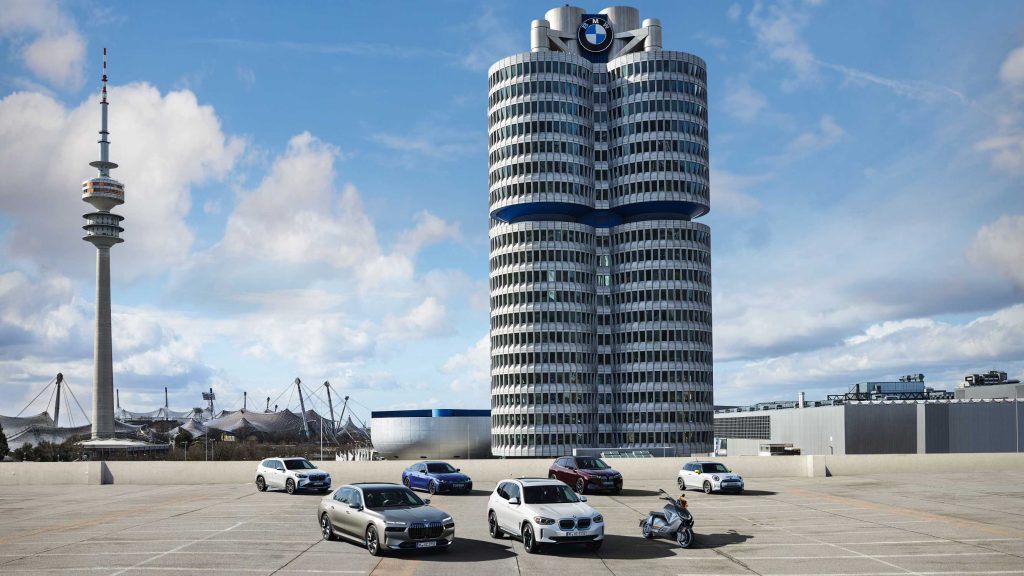
For someone shopping specifically for a 150,000-mile BMW, model selection is consequently critical. The brand’s 0.4% 250,000-mile figure should encourage careful research rather than automatically eliminate every BMW from consideration.
If the vehicle has been maintained properly and the buyer understands its potential repair costs, high mileage does not make ownership impossible. It simply means the purchase should be based on condition and service history rather than the appeal of getting a luxury vehicle at a heavily discounted price.
8. Chrysler
Chrysler records a 0.5% predicted chance of reaching 250,000 miles in iSeeCars’ 2025 brand analysis. That places it well below the 4.8% industry average and near the bottom of the complete 32-brand ranking.
Again, this is not a 150,000-mile failure probability. It is a statistical measure of the likelihood that vehicles from the brand reach 250,000 miles, based on historical mileage patterns.
The distinction is important because many Chrysler vehicles can reach 150,000 miles with appropriate maintenance. The question for a used-car shopper is how much mechanical and electrical work may be required to keep the vehicle moving as it ages.
Minivans and larger family vehicles can accumulate miles quickly because they are frequently used for commuting, family transportation, and road trips. That means service history can be particularly revealing.
A vehicle that has accumulated 150,000 highway miles with regular maintenance may have experienced a very different workload from one that spent most of its life on short urban trips.
Buyers should inspect the transmission, cooling system, suspension, brakes, steering components, electrical equipment, and air-conditioning system. Any warning light or unusual noise should be diagnosed before purchase rather than assumed to be a minor issue.
The brand-level data also should not erase model differences. iSeeCars’ methodology evaluates individual models and generations before producing the brand averages, so the 0.5% result represents the broader Chrysler lineup rather than every Chrysler model.
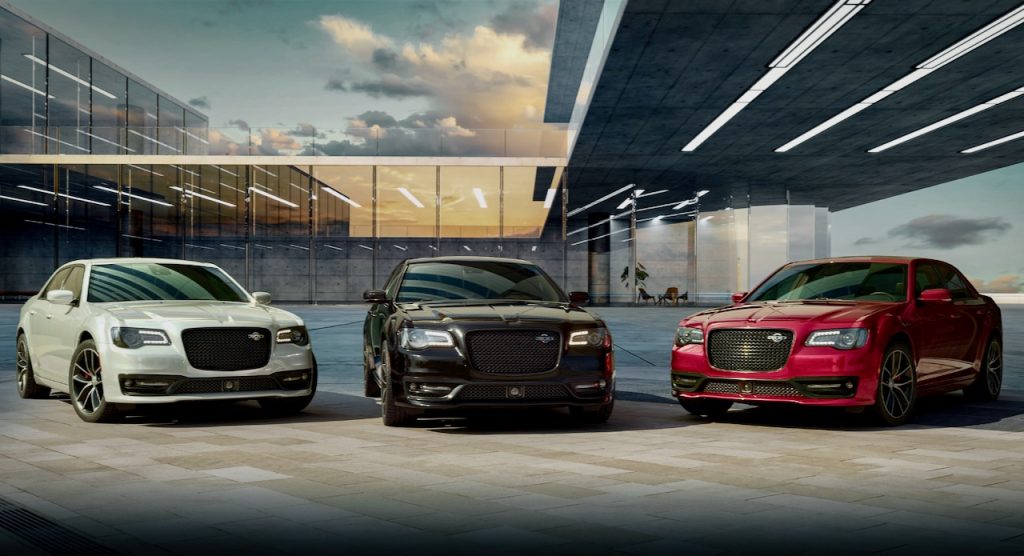
For someone considering a Chrysler near 150,000 miles, the strongest buying signal is documented maintenance. A lower-mileage vehicle with poor records may present more risk than a higher-mileage example that has been consistently serviced.
The statistics suggest caution, but they do not make the 150,000-mile milestone impossible. They simply indicate that buyers should be realistic about the likelihood of needing age-related repairs as the vehicle continues accumulating miles.
9. Porsche
Porsche has a 0.5% predicted chance of reaching 250,000 miles according to the 2025 iSeeCars brand study. Although the figure is low, Porsche’s position needs considerable context because the brand’s lineup includes performance-oriented vehicles that are not used in the same way as ordinary commuter cars.
iSeeCars specifically notes that luxury-brand longevity statistics can be influenced by vehicle usage. Luxury buyers generally drive their vehicles less aggressively, while luxury lineups also contain more two-door cars and sports cars. Those factors can reduce the number of vehicles that accumulate extreme mileage.
That makes the Porsche statistic particularly unsuitable for saying that a Porsche will fail before 150,000 miles.
The more practical concern is ownership cost. A high-mileage Porsche can require specialized maintenance, and components related to the engine, transmission, suspension, cooling system, brakes, and electronics can be expensive compared with ordinary commuter vehicles.
Anyone considering one at 150,000 miles should therefore demand detailed service documentation. A pre-purchase inspection by a technician familiar with the specific Porsche model is also a sensible investment.
The condition of the vehicle matters more than the odometer alone. A Porsche that has been maintained meticulously may continue running for many years, while a neglected example can become expensive shortly after purchase.
The brand’s low 250,000-mile statistic should therefore be used as a risk indicator, not a death sentence. Porsche does not have a fixed mileage point at which its vehicles stop functioning.

For buyers who want predictable transportation at 150,000 miles, the financial calculation is different from that of an enthusiast purchasing a Porsche because of its performance and character.
The enthusiast may accept higher maintenance costs as part of ownership, while a commuter looking for inexpensive long-term transportation may be better served by a brand with stronger statistical longevity.
That distinction is crucial. The data measure survival patterns, not whether a particular Porsche is enjoyable, desirable, or properly maintained.
10. Buick
Buick rounds out this list with a 0.6% predicted chance of reaching 250,000 miles in iSeeCars’ 2025 brand study. That places it alongside Hyundai and Kia near the lower end of the 32-brand ranking, although Buick’s exact position is above those brands in the published table.
The number is dramatically below the 4.8% industry average. Yet it still should not be presented as the chance of a Buick reaching 150,000 miles. The available current brand study uses the 250,000-mile threshold, so applying the percentage directly to a 150,000-mile target would be misleading.
For a used Buick buyer, model and generation are especially important. A brand-level average combines different vehicles, engines, transmissions, and production periods. Some individual Buicks may perform much better than the brand statistic suggests.
Maintenance history is therefore the first thing to investigate. At approximately 150,000 miles, buyers should look for evidence of regular oil changes, cooling-system maintenance, transmission service where required, brake work, suspension repairs, and replacement of worn components.
A professional inspection can also identify leaks, worn suspension pieces, deteriorated hoses, electrical faults, and other issues that might not appear during a short drive.
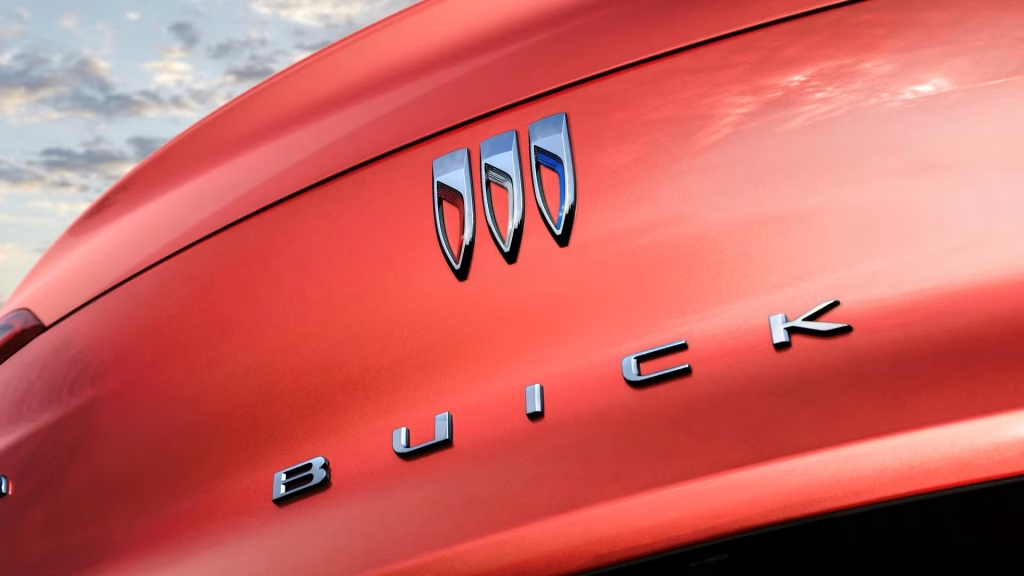
The lower end of the extreme mileage rankings offers an important reminder. Buying a high mileage Buick simply because it has a low price can be risky when the vehicle has not been properly maintained. A seemingly cheap car can become costly very quickly when multiple overdue repairs need attention at the same time.
At the same time, it would be unfair to claim that Buick vehicles are incapable of reaching 150,000 miles. The data do not support such a statement.
The better conclusion is that buyers seeking a long-term vehicle should compare individual models and maintenance histories rather than relying solely on the brand badge.
iSeeCars’ research shows enormous differences between manufacturers, but it also demonstrates why mileage survival is a statistical measure rather than a guarantee for any individual vehicle.
