
Summer doesn’t just make you sweat; it puts your car through a workout too. Rising temperatures place real stress on rubber, plastic, electrical components, and metal parts under the hood, and the effects add up faster than most drivers realize. AAA has flagged batteries, tires, belts, hoses, and fluids as areas needing extra attention once the heat cranks up, especially across the Sun Belt where triple-digit days stretch on for months.
If you’ve ever wondered why your car seems to develop more problems in July than January, this is why. Here are ten components that wear out faster under sustained heat, plus what to watch for before they leave you stranded.
1. 12-Volt Lead-Acid Battery
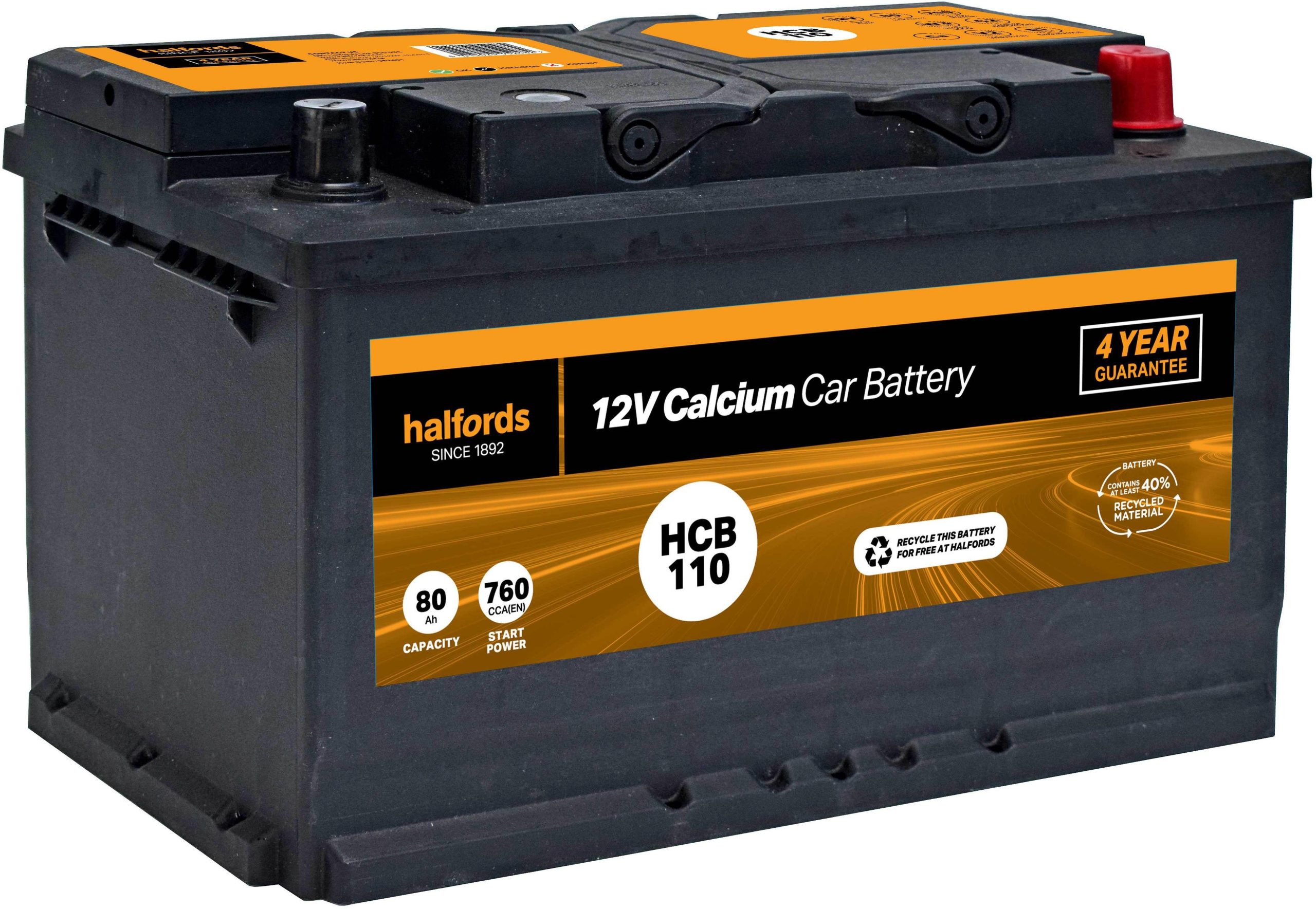
Heat and batteries have never gotten along, and the science behind it is pretty straightforward once you understand what’s happening inside that plastic case.
Elevated temperatures speed up the chemical reactions that generate electrical current, which sounds like it should be a good thing until you realize faster reactions also mean faster degradation.
Electrolyte fluid evaporates more quickly under sustained heat, and internal components corrode at an accelerated pace compared to a battery living in a cooler environment.
The practical result shows up gradually, then all at once. A battery losing its charging capacity doesn’t usually announce itself with obvious warning signs. It just gets weaker, month after month, until one morning it simply doesn’t have enough left to turn the engine over. That sudden no-start moment often catches drivers off guard because the battery seemed fine the day before.
AAA has documented this pattern extensively, finding that batteries operating in southern climates frequently have shorter lifespans than equivalent batteries in cooler northern states.
A battery that might reliably last five or six years in a moderate climate could need replacement considerably sooner when it spends its life under constant heat exposure.
Testing your battery’s condition annually, particularly once it passes the three-year mark, is a simple habit that catches this kind of gradual decline before it turns into a stranded-car emergency on a hot afternoon.
2. Tires
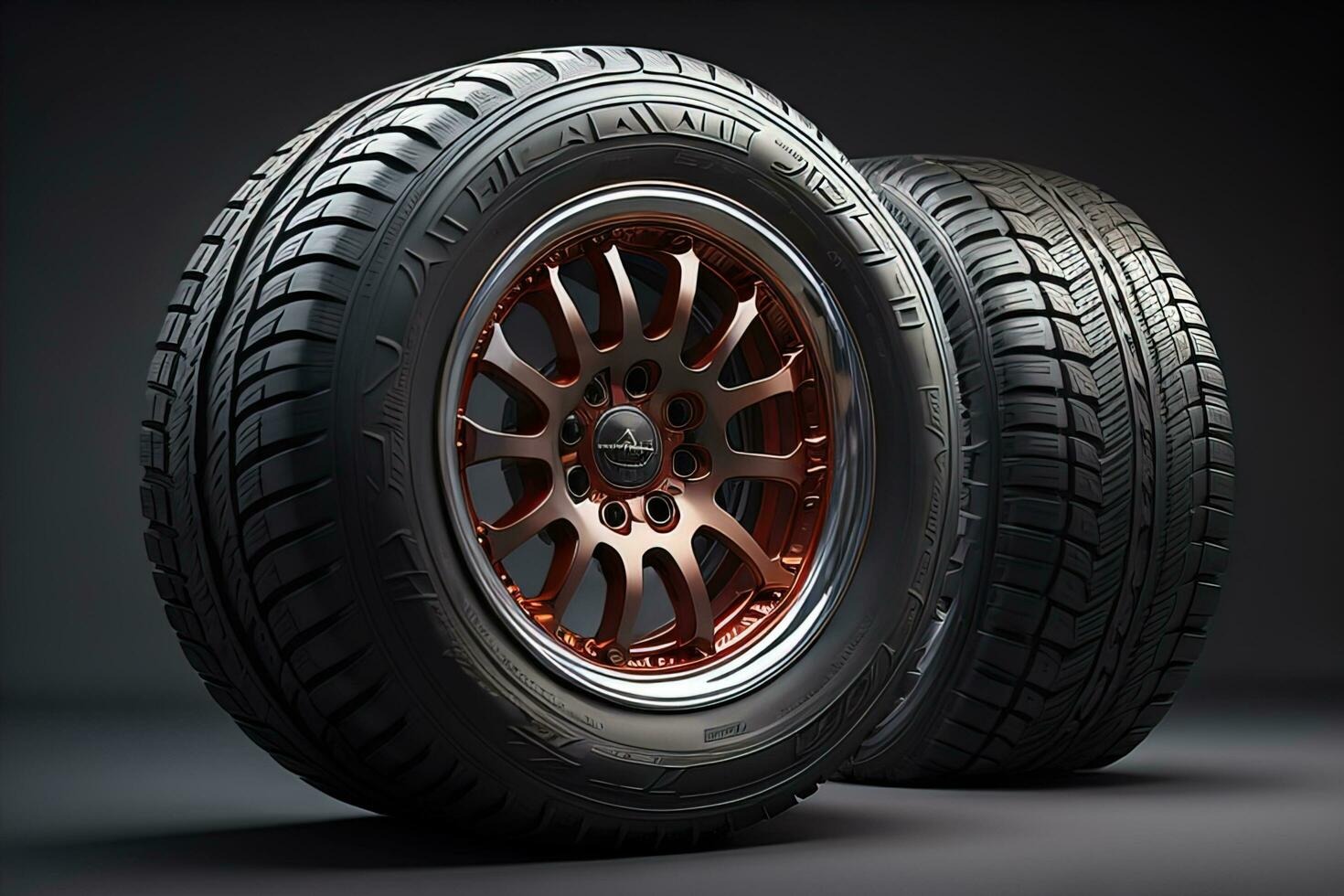
Hot roads can put more stress on tires than many drivers expect. Asphalt can become far hotter than the air, and that heat transfers into the rubber as the tire rolls. As the temperature rises, the air inside the tire expands, causing pressure to increase.
Heat alone does not mean a tire will fail. The concern is a tire that already has a problem, such as low pressure, worn tread, age-related damage, or an internal defect. High temperatures can speed up rubber deterioration, making an aging tire more likely to develop trouble when it is already facing heat.
Drivers should also be careful with the advice that tire pressure rises by about 1 PSI for every 10-degree change in temperature. That figure is only a rough guide and can vary depending on the tire and conditions. It should not replace the pressure recommendation from the vehicle manufacturer.
For a pressure check, use the cold tire pressure listed on the sticker inside the driver’s door frame. Check the tires before driving, preferably in the morning, when they have not been heated by road use. Maintaining pressure at the recommended level helps the tires handle heat safely and wear well.
3. Radiator and Cooling-System Hoses
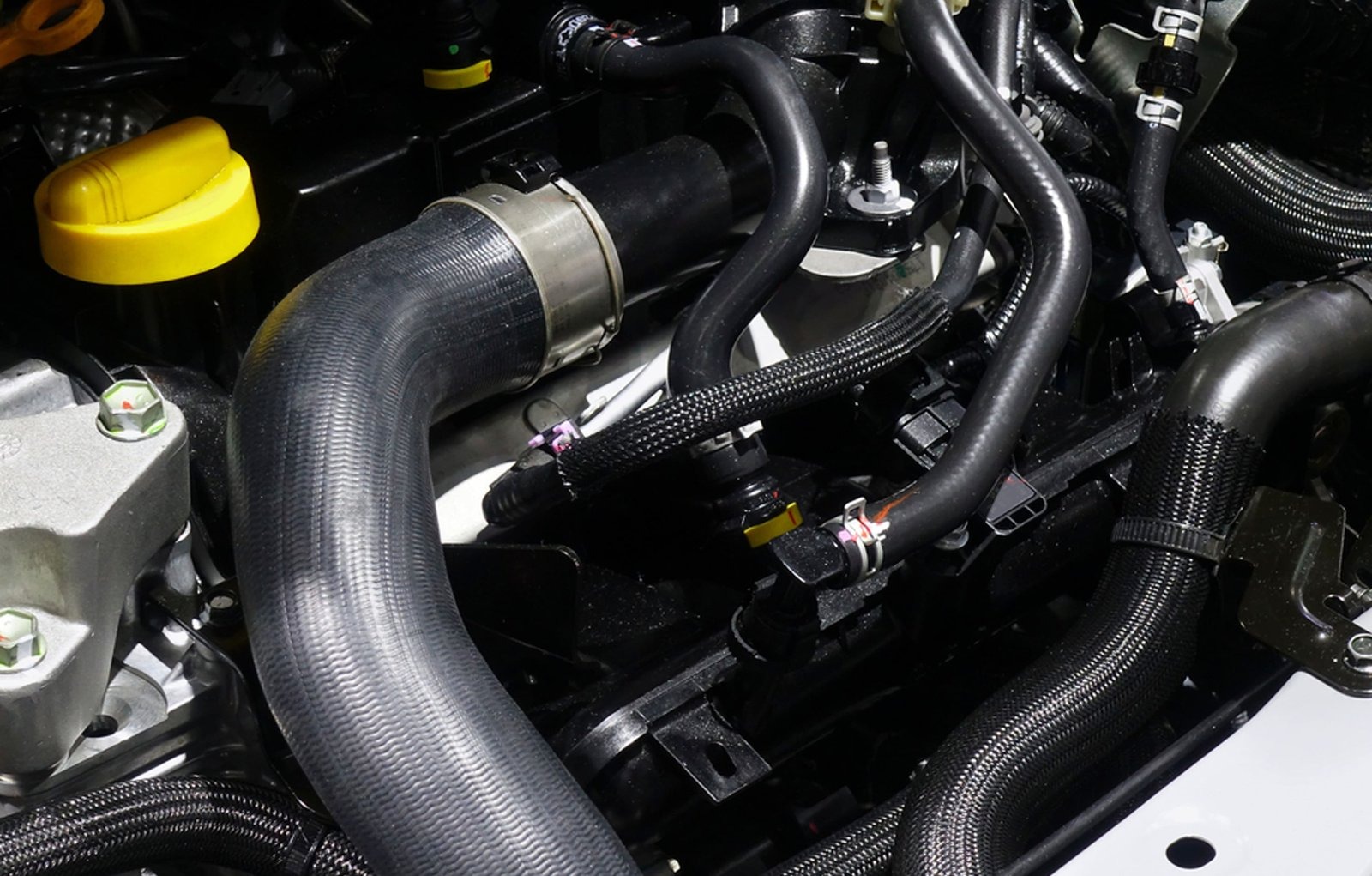
Cooling system hoses go through a lot each time a vehicle is driven. These rubber parts operate under pressure while dealing with repeated heating and cooling. When the weather is already very hot, the extra heat can make the rubber age faster than it normally would.
As the years pass, a hose can lose its original flexibility. Some areas may become hard and brittle, while others can become soft, swollen, or weak. Small cracks may appear on the surface, although some damage can remain hidden, especially around bends where the hose moves and flexes.
Heat does not destroy a hose immediately, but regular exposure to high temperatures can speed up the aging process. A damaged hose can cause serious trouble if it breaks while the vehicle is running.
Coolant may leak out quickly, leaving the engine without enough fluid to control its operating temperature. Once the coolant level drops too far, the engine can overheat, especially during a very hot day or when driving in heavy traffic.
Checking the hoses regularly can help prevent this type of problem. AAA recommends gently squeezing them to check for unusual softness, while also looking for cracks, bulges, swelling, or signs of coolant leakage.
It is better to inspect these parts before hot weather becomes severe. Replacing a weak hose early is usually far easier than dealing with an overheated vehicle on the roadside. A quick inspection can help catch small problems before they become expensive repairs or leave the driver stranded.
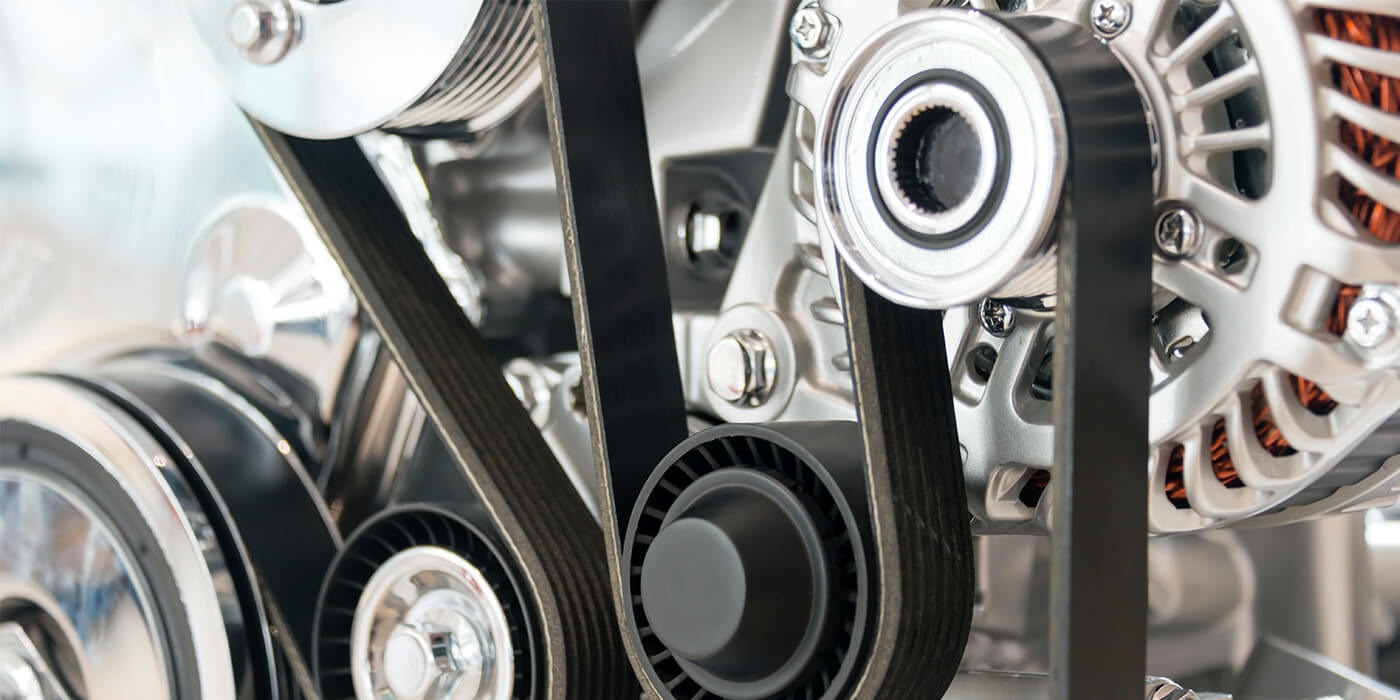
4. Serpentine and Accessory Drive Belts
Picture a rubber belt looping continuously around multiple pulleys, flexing thousands of times during every single drive, all while sitting inches away from an engine block radiating substantial heat.
That’s the daily reality for your serpentine belt, and it’s a genuinely tough environment even before you factor in a scorching summer afternoon pushing under-hood temperatures even higher.
Aging belts show their wear in fairly recognizable ways once you know what to look for. Cracks develop across the ribbed surface, sometimes accompanied by a glazed, shiny appearance where the rubber has hardened and lost its grip.
Fraying along the edges is another common sign, along with visible separation between rubber layers in more advanced cases. Heat speeds up every one of these deterioration patterns compared to a belt operating in a cooler environment.
The damage caused by a broken belt depends largely on the engine design of the vehicle. A snapped serpentine belt does not necessarily disable every accessory connected to it. The effects can vary depending on which components the belt drives and how the system is configured.
Depending on how a particular engine is designed, that single belt might drive the alternator, the water pump, and the air-conditioning compressor, or it might drive only some of those components while others run independently.
Regardless of which accessories are affected, losing belt function mid-drive is never a convenient moment, which makes catching visible wear during a routine under-hood inspection well worth the few minutes it takes.
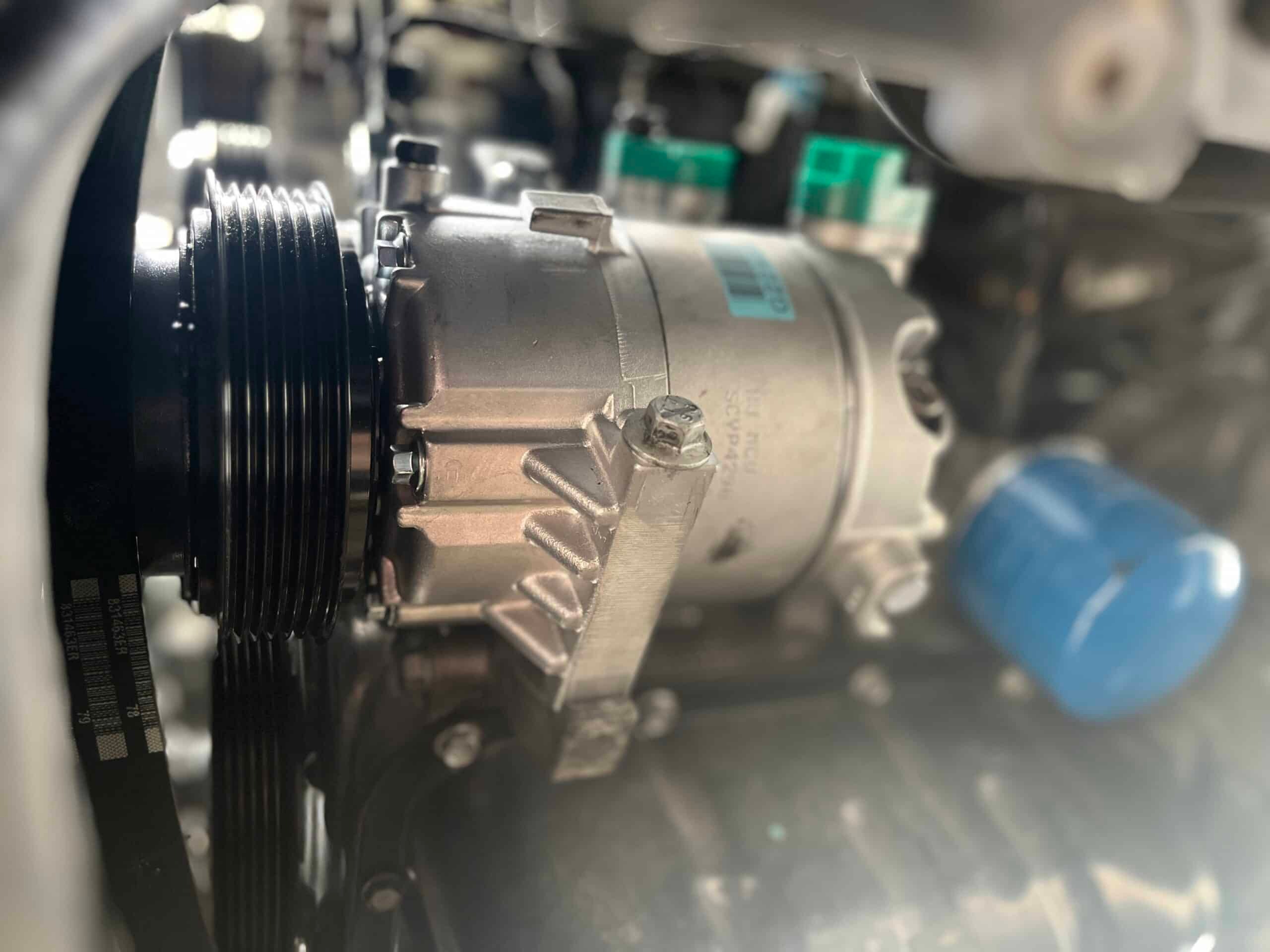
5. Air-Conditioning System Components
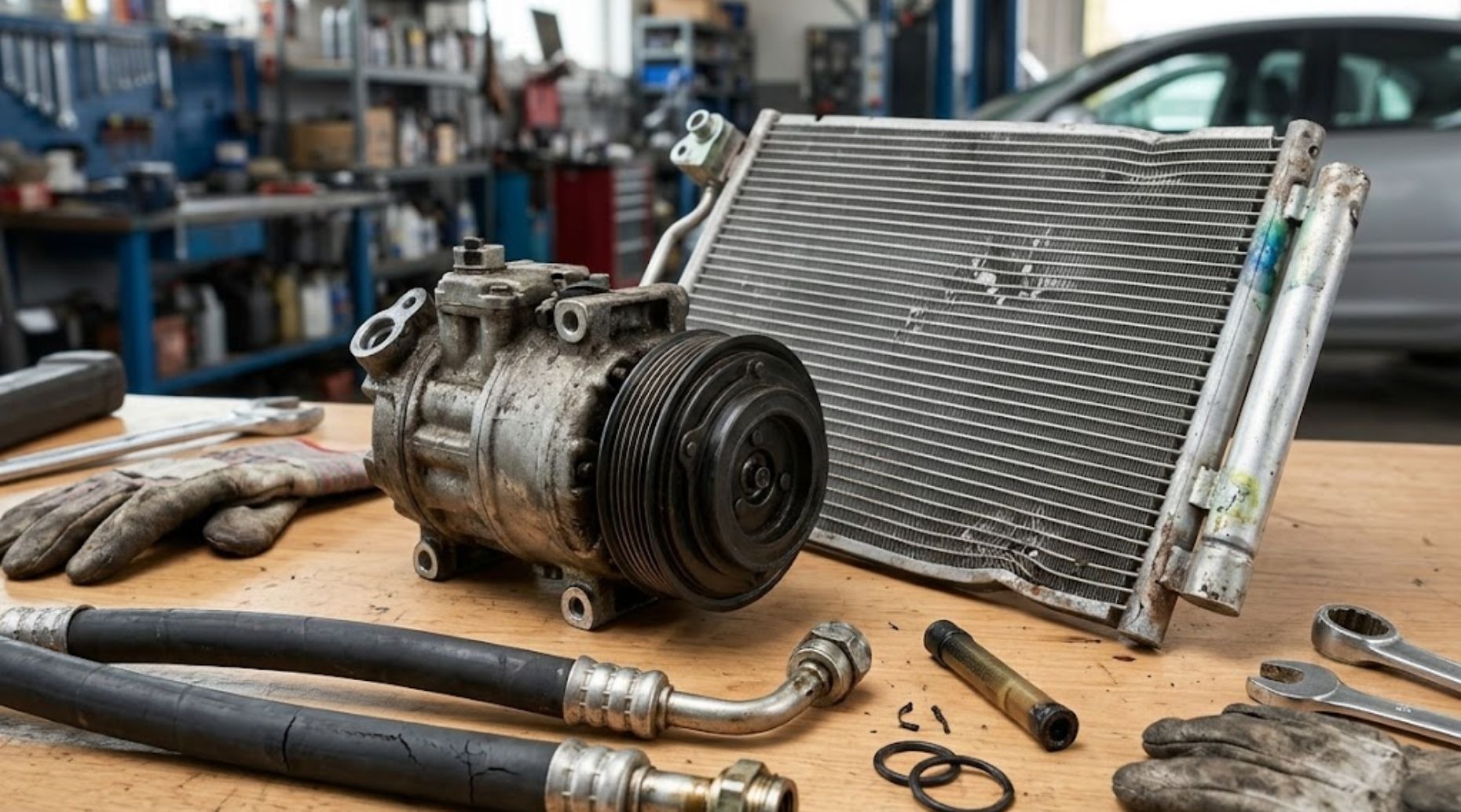
Your car’s air conditioner usually works hardest when the weather is hottest, which is also when you need it the most. When temperatures rise outside, the cabin takes in more heat, forcing the A/C system to work harder to bring the temperature down. This becomes more noticeable during periods when you use the air conditioner almost every day.
The extra workload does not suddenly create faults. Instead, it can reveal weaknesses that have already been developing in parts such as the compressor, condenser, cooling fans, electrical connections, and refrigerant system. A component that was still managing during cooler weather may begin showing clear signs of trouble when subjected to heavier use.
It is not entirely correct to say that hot weather alone causes compressor seals or bearings to fail. Compressor problems can have several causes, while heat and frequent A/C use can add to the stress placed on the system.
AAA has also identified air-conditioning repairs as one type of vehicle service that tends to increase during hot weather. If your A/C is making strange noises, blowing less cold air, or switching on and off unusually, it is better to have it checked early. Waiting until the hottest period could leave you dealing with a major repair when you need the system most.
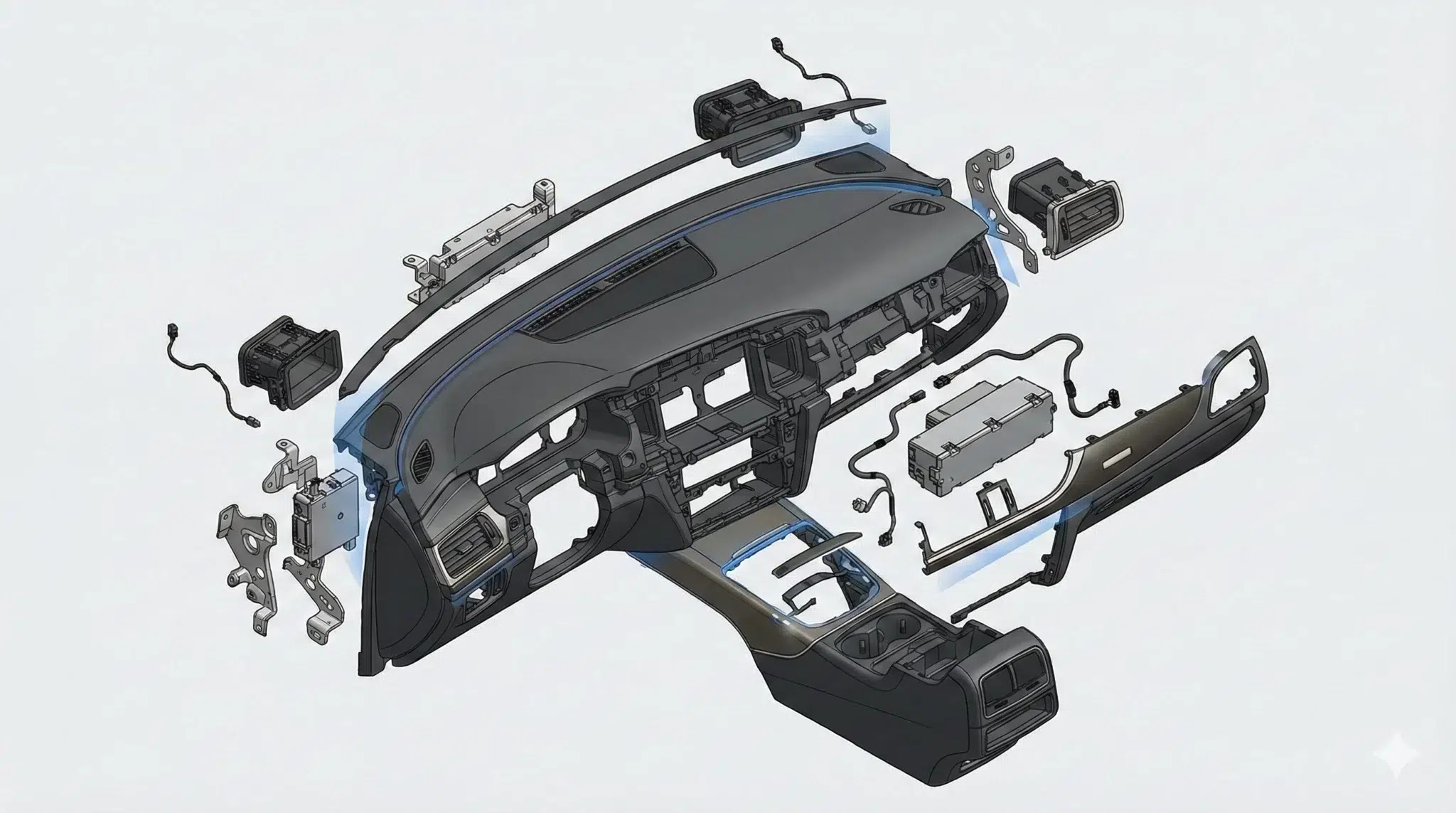
6. Dashboard and Interior Plastic Components
Step into a car that’s been sitting in direct sunlight for a few hours on a summer day, and you’ll immediately understand why interior plastics take such a beating. Cabin temperatures inside a parked vehicle can climb dramatically higher than the outside air, creating an environment that’s genuinely harsh on the materials covering your dashboard, trim panels, and other interior surfaces.
This isn’t just about heat alone, either. Sunlight brings ultraviolet exposure into the mix, and that combination of thermal stress and UV radiation accelerates how quickly plastics, adhesives, and other interior materials show their age.
A dashboard that looked perfectly fine a couple of summers ago can start showing real changes as this repeated cycle continues day after day, season after season. The visible results are familiar to anyone who’s owned a car for several years in a hot climate.
Surfaces that once felt smooth can turn brittle to the touch. Colors fade unevenly, often more noticeably on surfaces facing the windshield where sun exposure concentrates most directly. In more advanced cases, panels can actually warp or develop visible cracks, particularly along stress points near vents or trim seams.
A simpler way to understand it is that heat and UV exposure accelerate the normal aging process of materials. Drivers do not need to get into complicated chemistry to understand why prolonged exposure can cause components to deteriorate faster.
Parking in shade when possible, using a windshield sunshade, and applying UV-protectant products designed for interior plastics can meaningfully slow this process down.
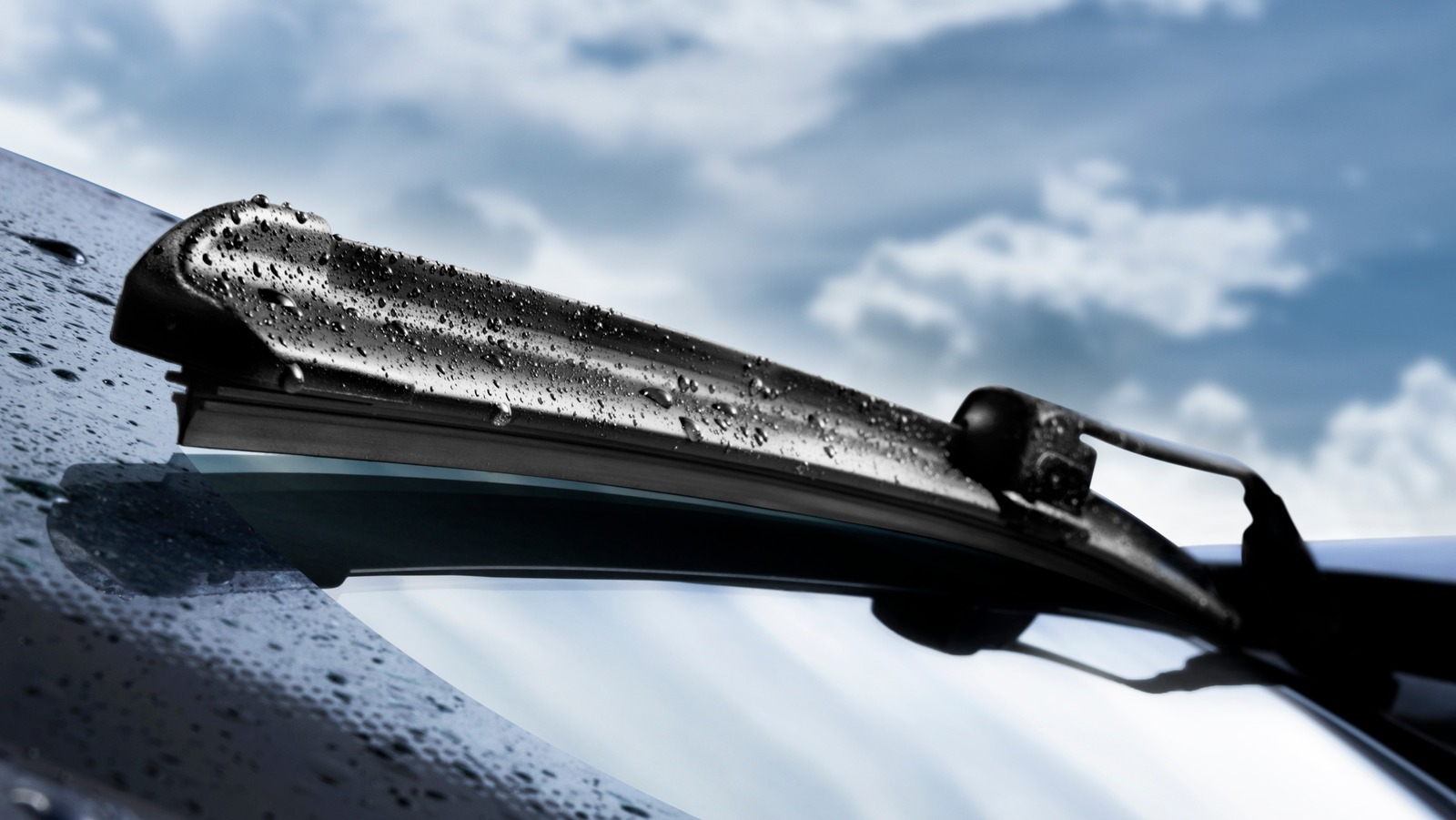
7. Windshield Wiper Blades
Wiper blades don’t get much attention until the exact moment you desperately need them, and heat has a sneaky way of setting up that frustrating scenario.
These blades are built from rubber or synthetic rubber compounds, and they spend enormous amounts of time exposed to direct sunlight and high temperatures, whether your car is parked in a driveway or sitting in a parking lot during a workday.
That constant exposure takes a real toll on the wiping edge specifically, which is the thin strip of rubber actually responsible for clearing water off your windshield.
Heat causes this edge to gradually harden as time goes on, robbing it of the flexibility needed to maintain consistent contact with curved glass. Once that flexibility disappears, cracks often follow, sometimes visible if you look closely and sometimes only apparent once you actually try using the wipers.
You’ll usually notice the problem exactly when you least want to discover it: during a sudden downpour, reaching for your wipers only to watch them streak, smear, and leave frustrating trails across your field of view instead of clearing the glass properly.
That reduced visibility during rain is a genuine safety concern, not just an inconvenience. AAA’s guidance here is refreshingly simple. Once your wiper blades stop clearing the windshield effectively, replace them, regardless of how long it’s technically been since your last set.
Given how inexpensive wiper blades are compared to almost anything else on this list, checking them each spring before heat exposure ramps up is a small habit that pays off during the next unexpected rainstorm.
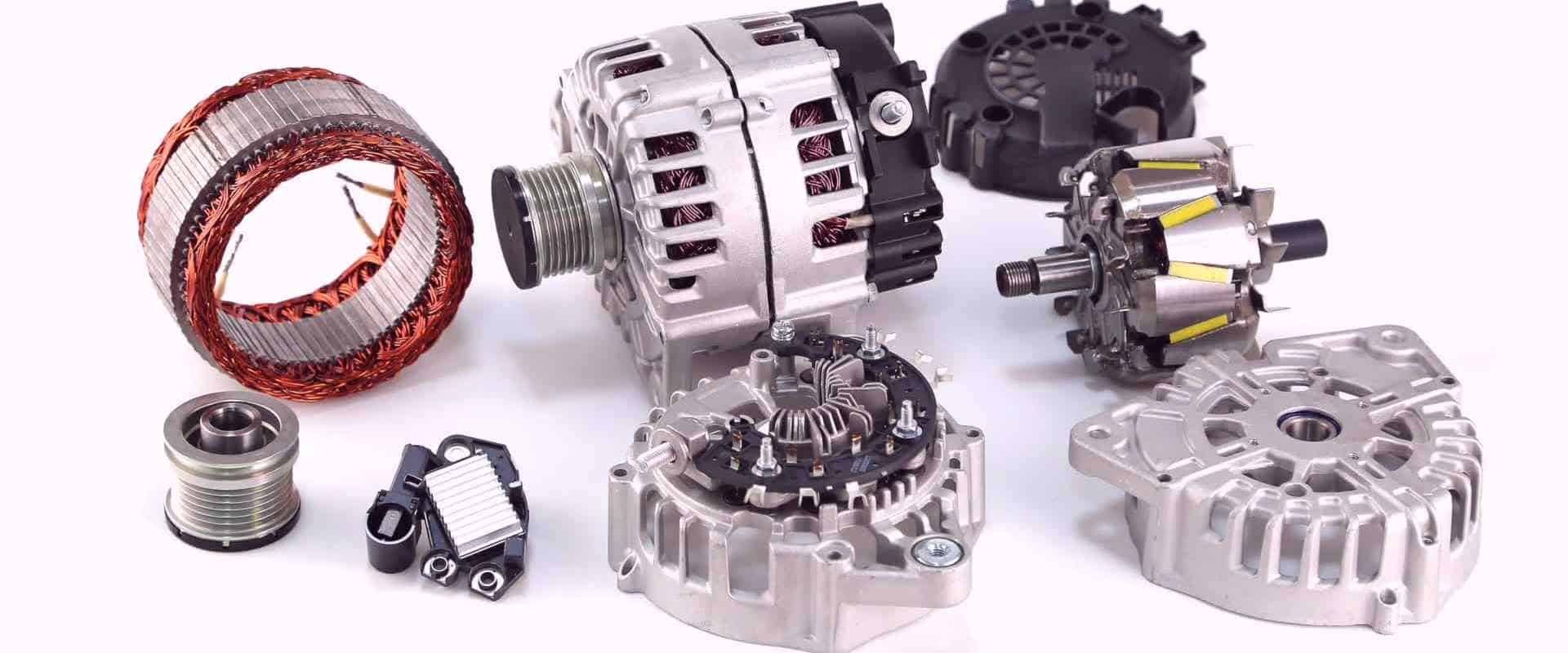
8. Alternator and Voltage-Regulator Components
Your alternator already runs hot under completely normal circumstances, simply as a byproduct of generating the electrical current your car depends on for everything from headlights to charging your phone.
That’s true regardless of season. Push that same component into a hot engine bay during summer, especially while you’re simultaneously running the air conditioner and cooling fans at full demand, and you’ve created a genuinely demanding thermal environment for a part that was already working hard to begin with.
Components inside an aging alternator feel that additional stress in specific ways. Bearings can wear faster under sustained heat combined with continuous rotation.
Diodes, the small components responsible for converting electrical current into a usable form, become more vulnerable to failure when operating under both thermal stress and heavy electrical load simultaneously. Voltage-regulator electronics face similar increased vulnerability under these same combined conditions.
It’s worth clarifying a common misconception here. The idea that heat simply spikes electrical resistance within copper wiring and directly burns out sensors oversimplifies what’s actually happening and isn’t quite accurate.
The more relevant concern is the broader thermal stress placed on electronic and electrical components generally, rather than some universal heat-driven failure specifically targeting copper wiring throughout your car’s electrical system.
If your alternator is already several years old, unusual noises, dimming headlights, or a battery warning light appearing during peak summer heat are worth investigating promptly rather than waiting, since a failing alternator combined with extreme temperatures rarely improves on its own.
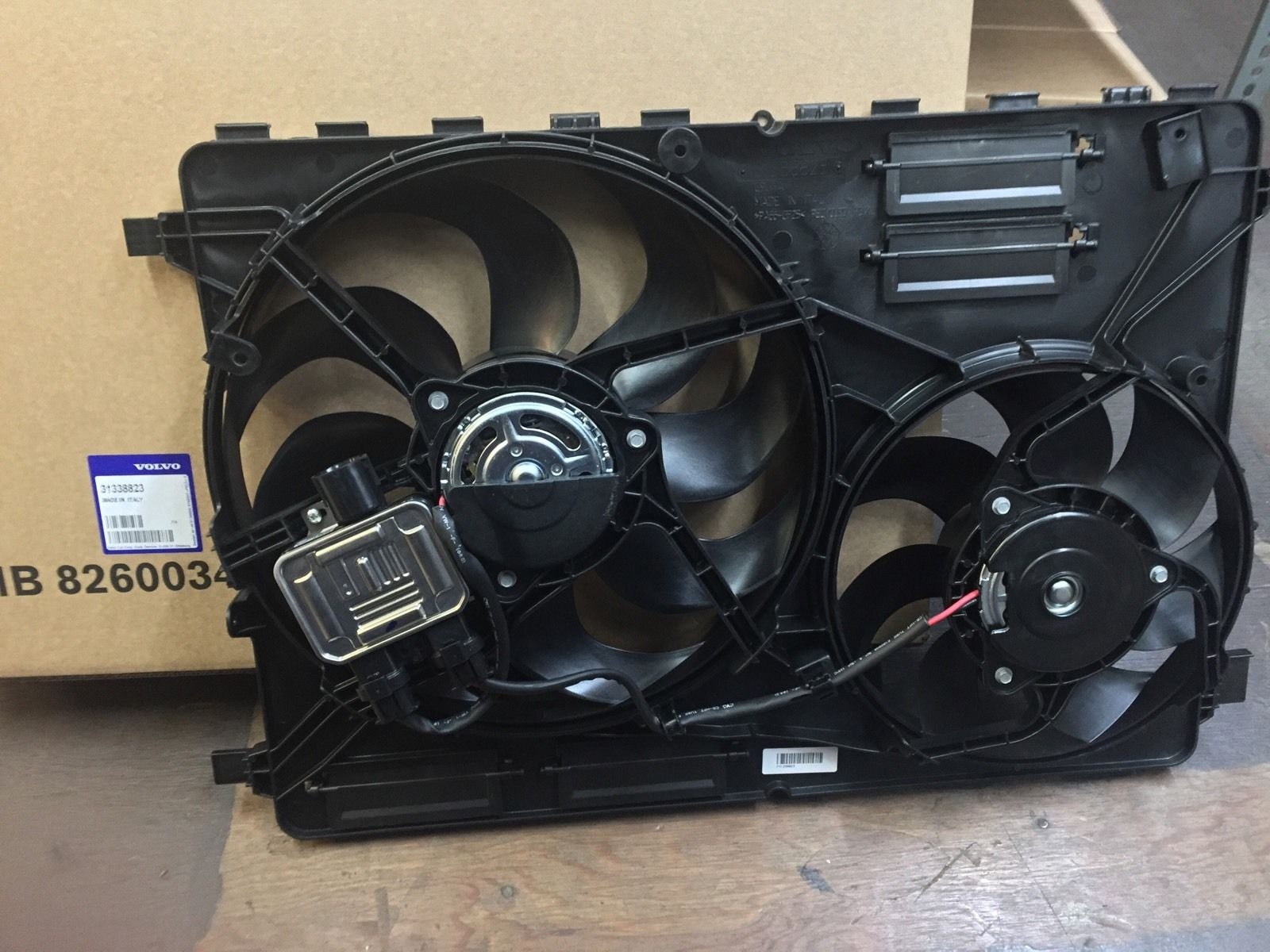
9. Cooling-System Thermostat and Radiator Fan Assembly
Your engine’s thermostat and radiator fan work as a coordinated team managing engine temperature, and both face amplified pressure once outside conditions turn genuinely hot.
The thermostat regulates coolant flow based on engine temperature, opening and closing to keep everything within a designed operating range. Under normal conditions, that job is manageable.
Add sustained high ambient heat into the mix, and the thermostat spends more time working near the upper end of its intended range, with less margin for error if something starts going wrong.
The radiator fan carries its own version of this increased burden. Its job is pulling additional air through the radiator when natural airflow from driving isn’t sufficient to keep coolant temperature under control, which becomes especially important during slow traffic or idling on a hot day when there’s minimal airflow moving through the grille naturally.
A fan motor, its wiring, or its relay working overtime during repeated hot-weather demand faces more opportunities for something to wear out or fail compared to milder conditions.
When either component begins to fail, several symptoms may appear at once. The temperature gauge may rise above its usual position, the cooling fan may run constantly or fail to turn on, and the engine may run hotter in stop-and-go summer traffic than it does on the highway.
Catching a sluggish thermostat or a weakening fan motor before a genuine overheating event happens is far better than discovering the problem stranded on the shoulder during a heat wave.
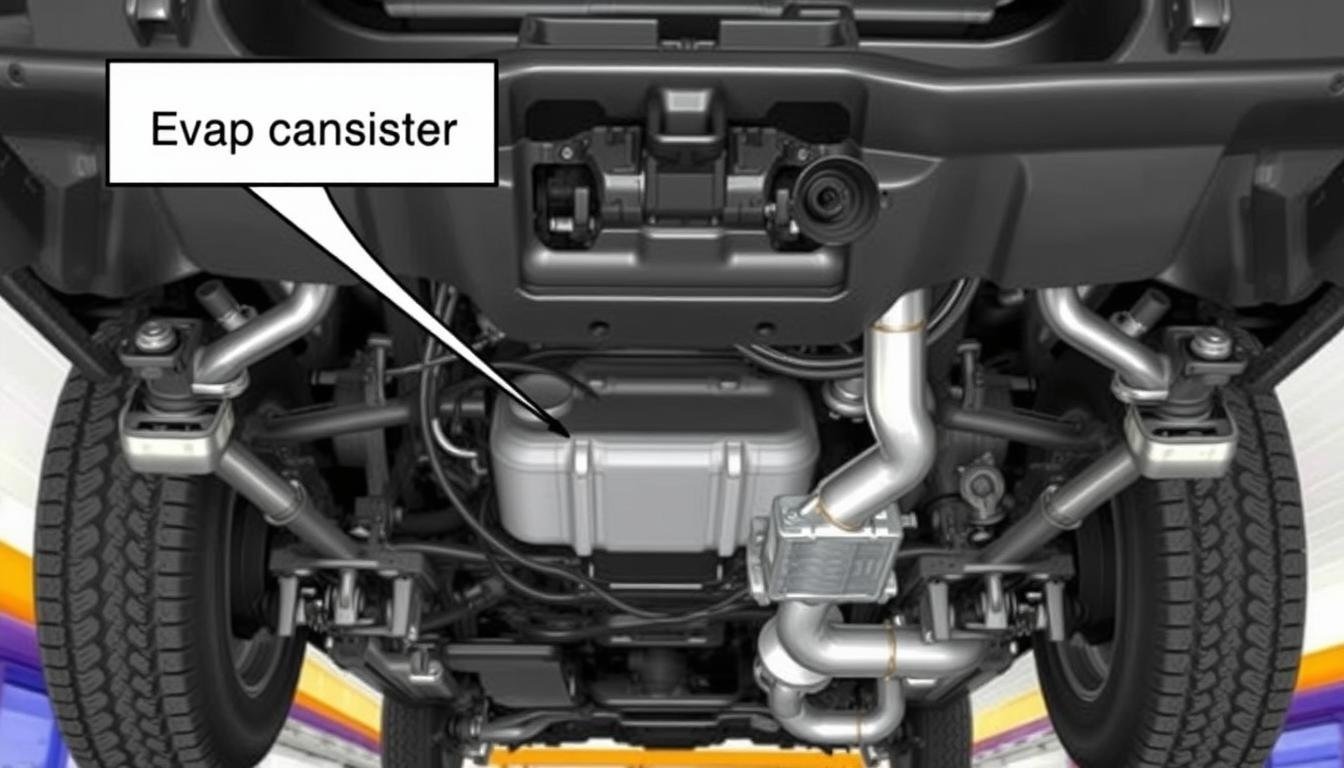
10. EVAP System Hoses, Seals and Valves
Hot weather can affect your car’s evaporative emissions system, even though most drivers hardly think about this part of the vehicle. As temperatures rise, the fuel inside the tank produces more vapour, giving the EVAP system more work to do.
The system uses rubber hoses, seals, vapour lines, and valves to collect and control fuel vapour instead of allowing it to escape into the air. These components can become weaker with age, and regular exposure to high temperatures can speed up the process.
A hose or seal that was still fine may eventually develop a small leak after repeated heating and cooling. For most drivers, an EVAP problem becomes noticeable when the check engine light comes on. The vehicle’s computer may detect that the sealed system is no longer holding pressure properly.
Although this is not normally an immediate serious problem, it can affect emissions and may cause the vehicle to fail an emissions inspection where such testing is required. It is also important not to confuse the EVAP system with the fuel-delivery system.
They perform different jobs, so blaming the EVAP system for fuel-pump strain would be misleading. If the check engine light appears during hot weather, getting the fault code checked is the best way to identify the actual problem.
