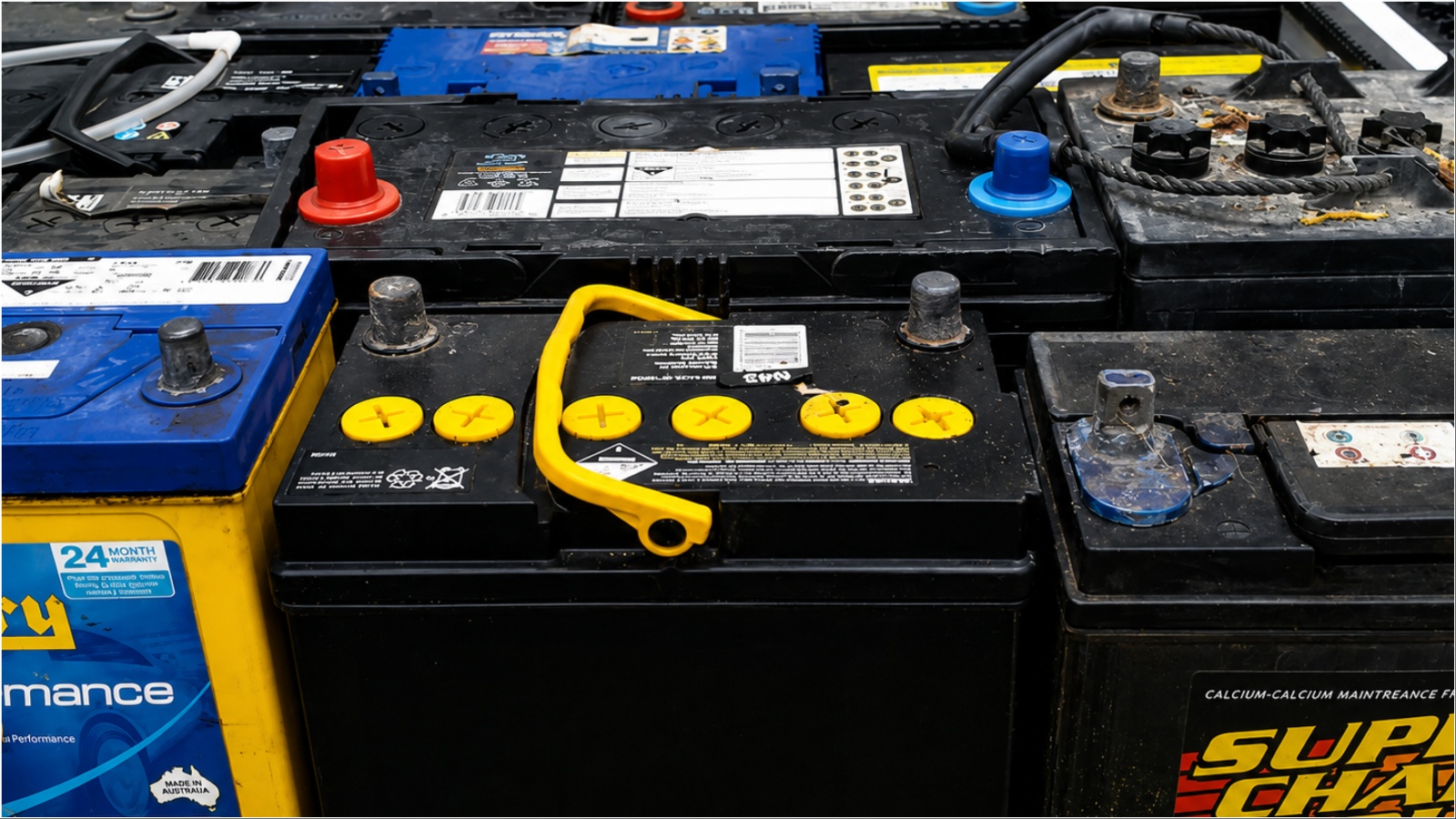
Pop the hood on almost any car, and you’ll find one of the most quietly impressive recycling stories in America sitting right there under a plastic case. Lead-acid batteries recycle at a rate of 98 percent, sometimes climbing as high as 99 percent depending on the year studied. That beats aluminum cans, glass, paper, and pretty much everything else people toss in a curbside bin.
When a battery finally dies, it doesn’t sit in a landfill leaking chemicals. It gets collected, broken down, and turned right back into a brand new battery. Almost nothing goes to waste. This article breaks down how that percentage got so high, what actually happens during the process, and why this one product manages to outperform every other item in the recycling world.
The Real Numbers Behind Lead Acid Battery Recycling
Let’s start with the figure everyone wants to hear about. Lead-acid batteries recycle at 98 percent, and some industry studies push that number to 99 percent when averaged across a full decade.
Compare that to newspapers at 63 percent, aluminum cans hovering around 55 percent, tires at roughly 40 percent, and plastic bottles struggling to clear 32 percent. Nothing else comes close.
The Environmental Protection Agency has confirmed this ranking more than once, calling lead batteries the most recycled consumer product sold in the country.
Battery Council International conducts its own studies every few years, and the findings have remained remarkably consistent. The reported recycling rate reached 98 percent in one study and 99 percent in the next, maintaining that level even during the supply chain disruptions of the pandemic.
What makes this rate so remarkable is how it’s calculated. Researchers divide the total pounds of batteries actually recycled by the total pounds available for recycling in a given year.
A rate this close to 100 percent means almost every battery sold eventually gets collected rather than thrown away or left to corrode in a garage. Roughly 100 million lead-acid batteries get sold annually in the United States alone, most of them destined for cars, trucks, and boats.
Given the recycling rate, that means nearly all of them will return to the supply chain once they’re spent, feeding directly into the next batch of new batteries rolling off the line.
How Old Battery Materials Become New Products
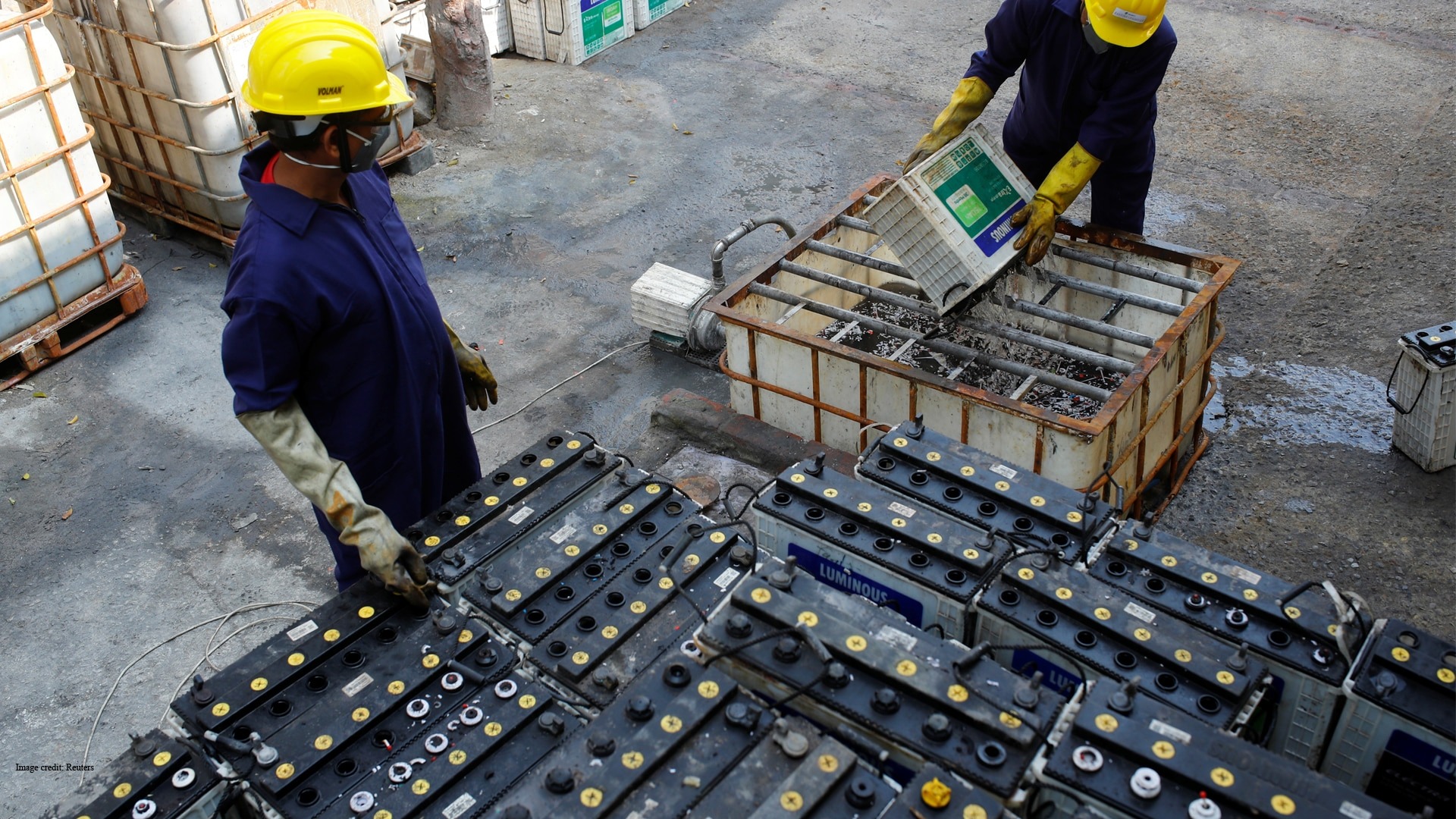
A lead acid battery is made up of several distinct materials rather than a single solid mass. Its main components are lead, plastic, and sulfuric acid. All three can be recycled, with each material separated and processed individually after the battery arrives at a recycling facility.
The lead plates inside get cleaned, melted down, and reformed into new plates for fresh batteries. Nothing about lead degrades through this process.
It can be melted and reused indefinitely without losing any of its performance, which is part of why manufacturers rely on it so heavily. New batteries typically contain somewhere between 60 and 80 percent recycled lead and plastic right out of the factory, sometimes more.
The plastic housing goes through a similar recycling process. Once it is separated from the battery’s internal parts, it is cleaned and melted into pellets. Those pellets can then be used to manufacture new battery cases. This creates an efficient cycle in which old casings can be transformed into new ones with very little material going to waste.
Sulfuric acid gets handled a little differently. Facilities either neutralize it into a water-treatable form or convert it into sodium sulfate, which finds its way into products like laundry detergent and glass manufacturing. None of it simply disappears down a drain.
Put all three streams together, and it becomes clear why almost the entire battery, components and casing included, avoids the landfill entirely.
How Old Car Batteries Reach Recycling Facilities
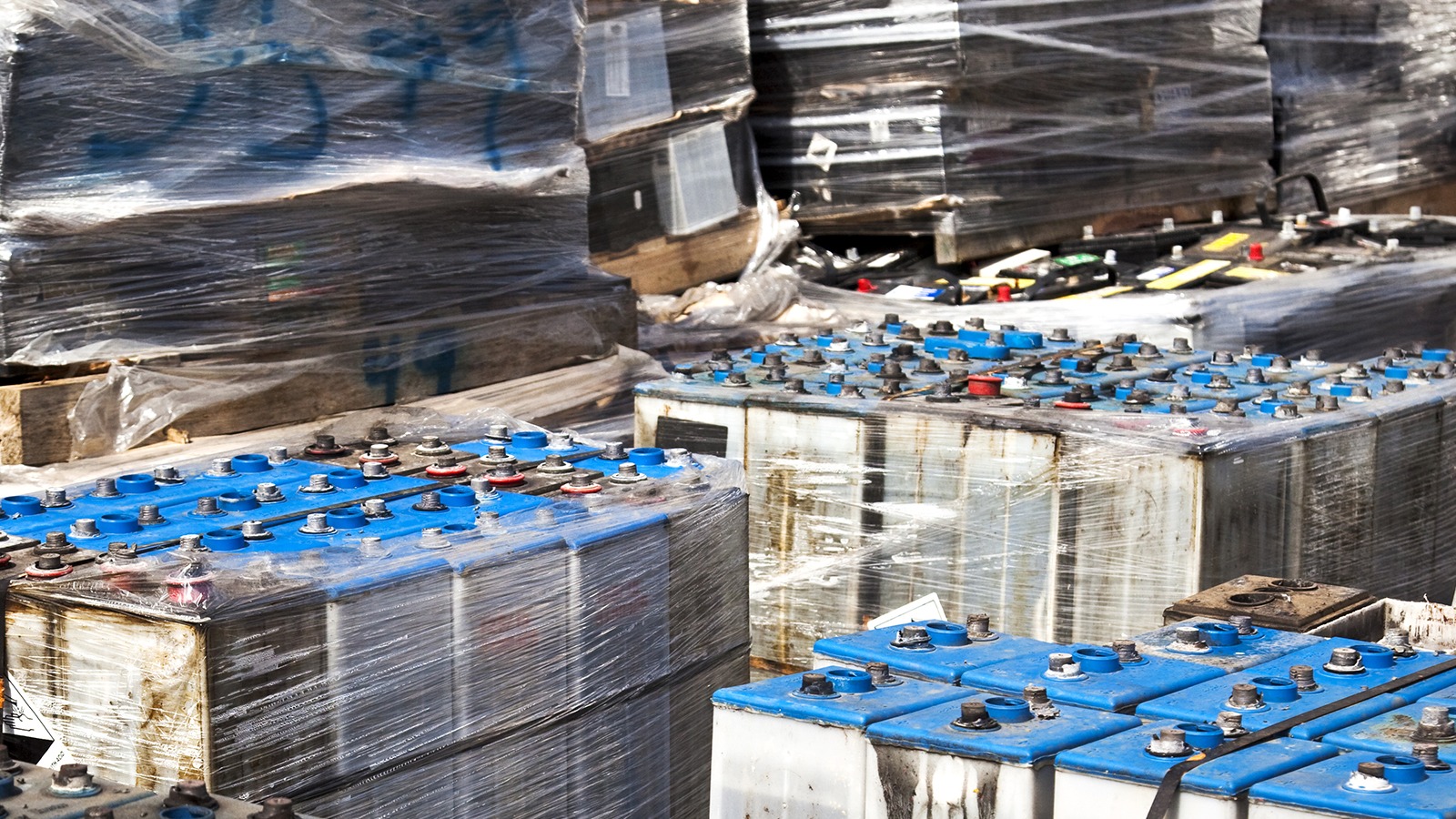
Unlike a soda can that gets thrown in a curbside bin and hoped for the best, lead-acid batteries move through a system built specifically for them. Retailers, auto shops, and car dealerships handle most of the collection, since drivers rarely deal with disposing of a dead battery themselves. Buy a replacement, hand over the old one, and the store takes care of the rest.
This network has been running since the 1960s, and it now includes more than 300,000 drop-off and collection points spread across the country. That density matters. A battery rarely has to travel far before it reaches a facility equipped to process it.
Federal and state laws add extra pressure that keeps this system running smoothly. Many states legally require retailers to accept old batteries when customers purchase new ones, and some charge a deposit or fee if a customer doesn’t bring one in for trade.
That single policy detail pushes the recycling rate higher than almost any voluntary program could manage on its own. Once collected, batteries move to specialized recycling plants where they’re broken apart, sorted by material, and processed through separate streams for lead, plastic, and acid.
The entire operation runs as a closed loop, meaning the materials pulled from an old battery typically end up back inside a new one within weeks rather than months.
Why Lead Acid Batteries Outperform Most Recycled Products
It’s worth asking why batteries manage this while other everyday products struggle to break 50 percent. Part of the answer comes down to value. Lead holds real worth on the scrap market, so there’s a financial incentive at every step to collect rather than discard it. Nobody throws away something that a recycler will pay for.
Structure plays a role too. Because batteries rarely pass through a consumer’s household trash, they avoid the contamination and confusion that hurts recycling rates for plastics and glass. A battery goes straight from a car to a shop counter, skipping the curbside bin entirely.
Design also deserves credit. Manufacturers build these batteries knowing they’ll eventually be taken apart. Lead, plastic, and acid separate cleanly, without the mixed materials and adhesives that make products like electronics or multilayer packaging so difficult to process.
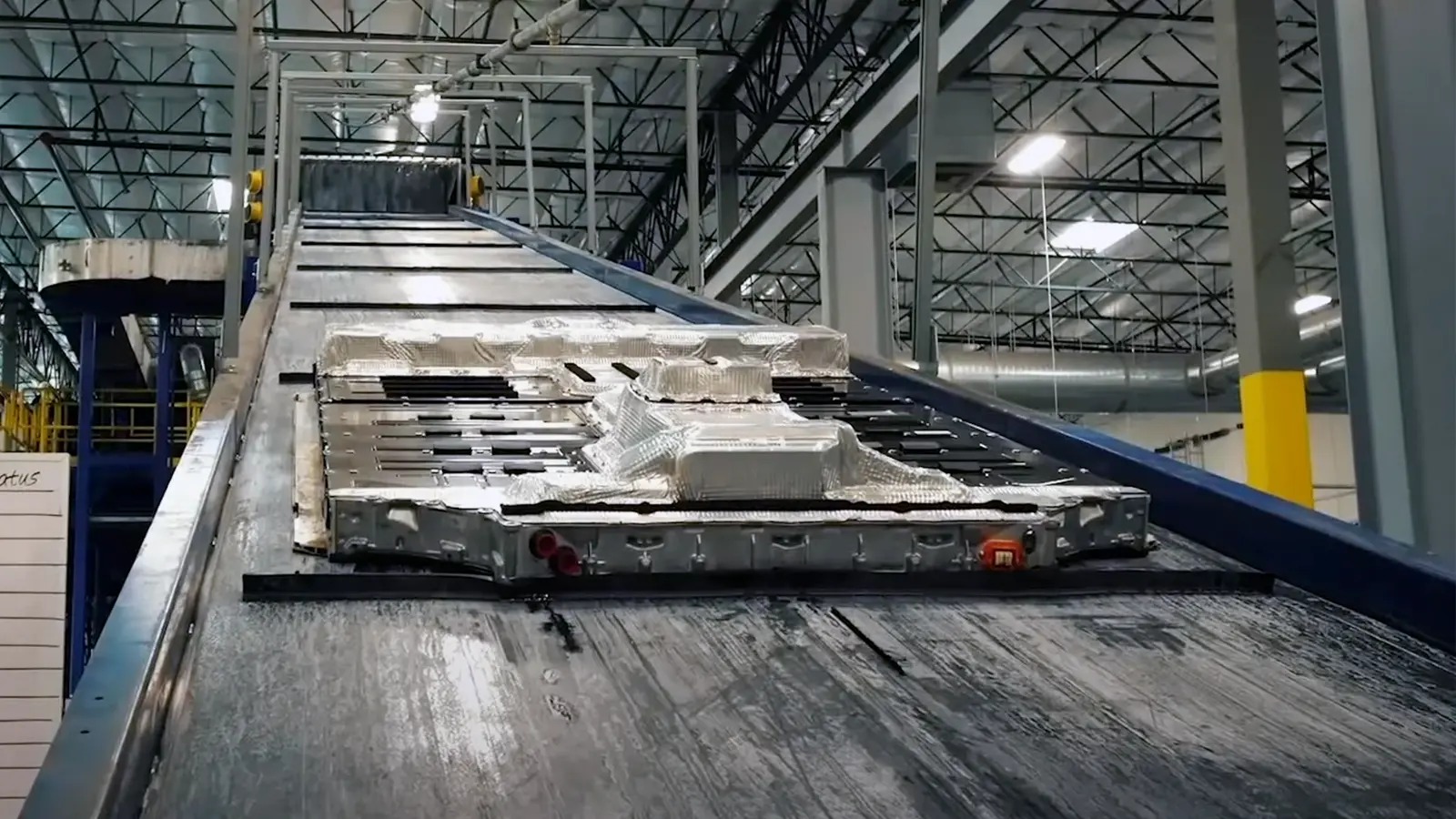
Compare this to lithium-ion batteries, which power phones, laptops, and now electric vehicles. Those batteries recycle at a fraction of the rate lead-acid batteries achieve, mostly because their internal chemistry and construction make separation far harder and more expensive.
None of this happened by accident. It’s the product of decades of infrastructure building, supportive legislation, and a material that simply lends itself to being reused without losing quality.
Why Lead-Acid Battery Recycling Will Keep Growing
Lead-acid batteries remain common in cars, even as electric vehicles continue to gain popularity. In the United States, more than 275 million vehicles rely on them for starting power.
Hybrid and electric vehicles also use smaller lead-acid batteries for backup functions, helping sustain collection and recycling programs.
One major advantage is their impressive recycling record. About 83 percent of the lead used to produce new batteries comes from recycled material. This reduces the need for mining and limits dependence on imported resources.
Lead-acid batteries can achieve a recycling rate of around 98 percent because they are designed for recovery. Collection programs, recycling facilities, and regulations also make it easier to return used batteries.
This system offers a useful lesson for other industries. Electronics and lithium-ion battery manufacturers are seeking better ways to recover materials from products that currently have lower recycling rates. A car battery may look ordinary, but its recycling record proves that effective recovery is possible.