
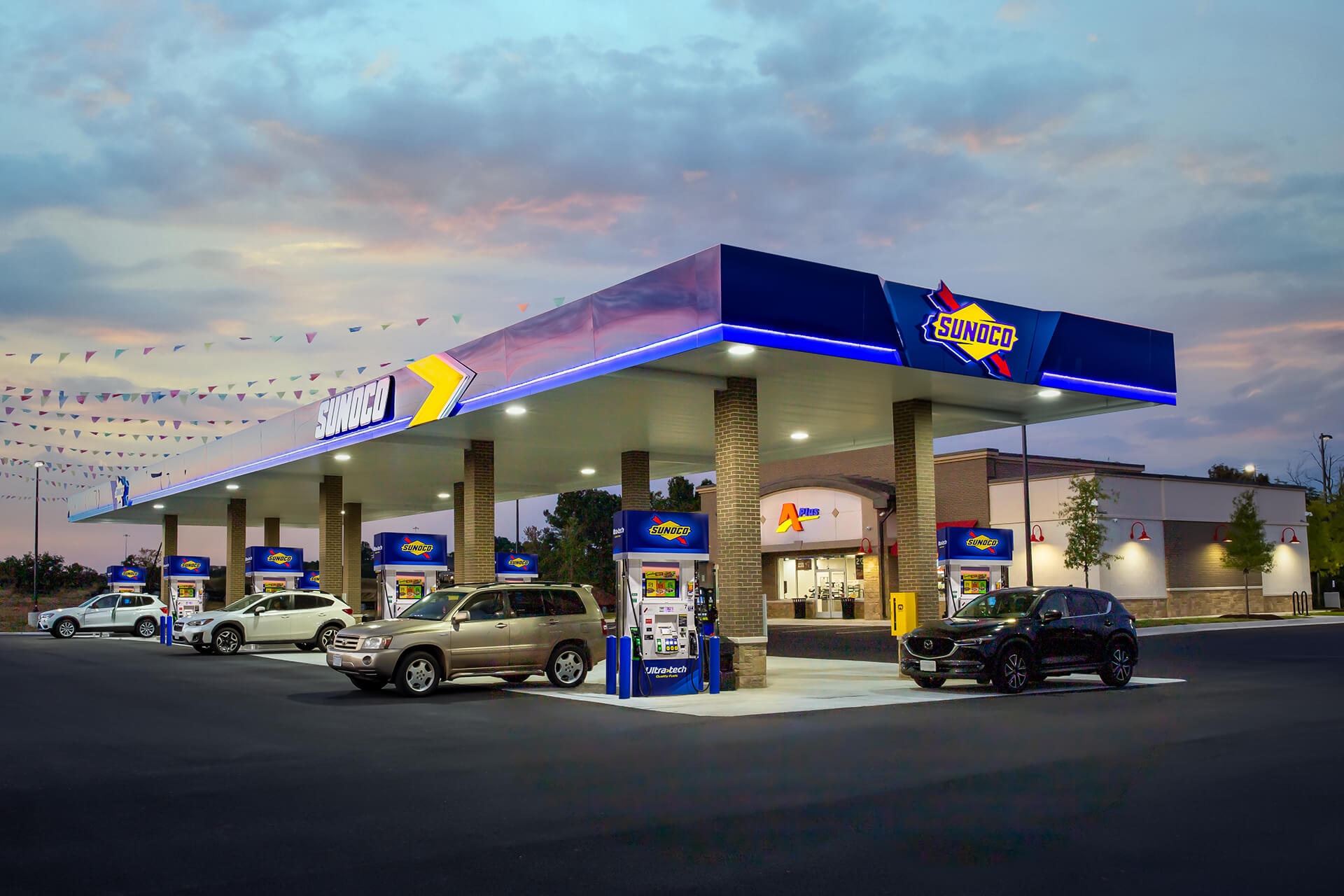
If you picture a typical American gas station, you might assume the fuel coming from the pump is basically the same everywhere. The bigger surprise is how many stations now meet the higher detergent standards behind TOP TIER gasoline. The program says more than 100,000 licensed stations are selling approved fuel, giving drivers a large pool of choices across the country.
That figure is striking when compared with the roughly 150,000 retail fueling outlets often cited for the United States. In practical terms, a large share of the nation’s fueling network carries gasoline made to a stricter detergent standard than the federal minimum. For drivers, that means choosing cleaner fuel does not always require going far out of the way or paying luxury prices.
More Stations Carry Top Tier Fuel Than You Might Expect
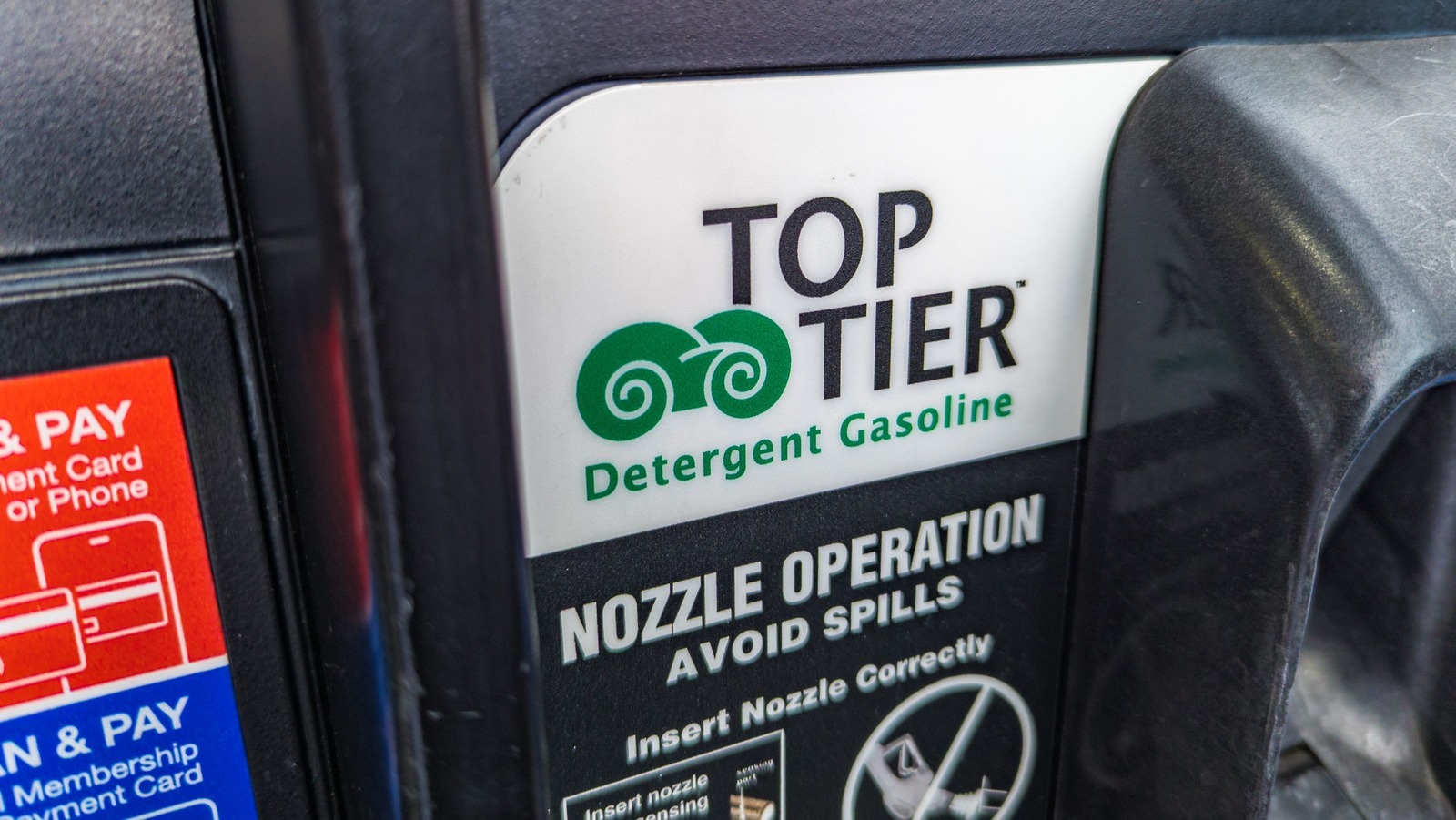
The 100,000-station milestone is not a small regional figure. TOP TIER says its program passed 100,000 licensed stations in April 2024, with 83 participating brands at the time. Major automakers back the program and require participating fuel retailers to meet defined performance standards.
It also uses regular audits through an ISO 17025-certified laboratory, adding verification beyond a simple marketing claim. That matters because the U.S. has a huge and widely distributed fueling network.
Older industry figures put the number of retail fueling outlets at about 150,000, while federal and industry documents have continued to use a figure around that level. Put those figures side by side, and the reach of the program becomes easier to appreciate.
More than two-thirds of a roughly 150,000-station network would represent a very broad footprint, although the exact percentage should not be treated as a current nationwide count because the 100,000 figure is a licensed-station milestone and the 150,000 figure comes from different reporting periods and definitions. Still, it shows that drivers have many more choices than they might expect.
TOP TIER is About Detergents, Not Octane
Walk up to a fuel pump, and the numbers that usually grab attention are 87, 89, 91, or 93. Those numbers describe octane, not whether gasoline qualifies as TOP TIER. The two ideas answer different questions.
Octane tells you how well gasoline resists engine knock. TOP TIER addresses the amount and performance of detergent additives used in gasoline. A regular 87-octane fuel can carry the TOP TIER designation, just as a premium fuel can be sold without that certification.
That distinction is useful for everyday drivers because paying for a higher octane level does not automatically mean buying fuel with better cleaning properties. If a vehicle is designed to run on regular gasoline, switching to premium solely in the hope of a cleaner engine is not a smart use of money.
The better approach is to follow the octane requirement in the owner’s manual and then look for the TOP TIER mark when available. The cleaning standard exists because deposits can build up in fuel-system and engine components.
TOP TIER was created to provide a higher detergent standard than the federal minimum, giving participating brands a common benchmark for gasoline quality.
Big Fuel Brands Make it Easy to Find
A long list of familiar names helps explain why the program has reached such a large number of stations. Shell, Chevron, Texaco, Exxon, Mobil, BP, Amoco, Costco, Valero, Phillips 66, Conoco, 76, Sunoco, Citgo, ARCO, Marathon, and QuikTrip are among brands identified by current fuel guides as TOP TIER participants.
For drivers, brand recognition can make the search simple, but the logo still deserves a quick check at the pump. Fuel programs can have separate requirements for gasoline, diesel, and other blends, so seeing a familiar company name does not mean every fuel product at every dispenser carries the same certification.
A current guide on Shell, for example, advises checking the pump for the TOP TIER designation and matching it to the fuel grade being purchased.
There is also a useful money-saving angle here. TOP TIER gasoline is not limited to expensive premium fuel or upscale stations. Discount-oriented and warehouse-style retailers can participate too. Costco and QuikTrip are examples often cited for combining TOP TIER gasoline with competitive pricing.
So, a driver does not necessarily have to choose between fuel quality and a reasonable price. A quick comparison of nearby stations can reveal several certified options.
Cleaner Fuel Can Help Keep Deposits Under Control
Consider what an engine experiences after thousands of miles. Fuel constantly flows through the injectors, combustion occurs again and again, and repeated heat cycles place continuous stress on the components. Over time, these conditions can lead to deposit buildup, making detergent additives an important part of keeping the fuel system clean.
The case for TOP TIER gasoline centers on keeping certain engine and fuel-system parts cleaner. A widely cited AAA test found that non-TOP TIER gasoline produced far more deposits than TOP TIER fuel under controlled testing conditions.
Current fuel guides cite the result as roughly 19 times more deposits after testing equivalent to about 4,000 miles. That does not mean one tank of non-TOP TIER gasoline will suddenly harm a vehicle.
Gasoline sold legally in the United States must meet applicable federal and state requirements. The practical benefit of a stronger detergent package is better viewed as routine maintenance support rather than an instant performance upgrade.
Drivers should also keep expectations realistic. Fuel quality is only one part of vehicle care. Correct oil, proper tire pressure, timely maintenance, and using the manufacturer’s recommended fuel grade still matter.
TOP TIER gasoline can be a sensible addition to that routine, especially for people who want to reduce the chance of deposit-related issues as the miles accumulate.
How to Make The Most of the 100,000-Plus Choices
The easiest way to use this information is to make fuel selection a simple habit rather than a research project. Start with the vehicle owner’s manual. If it calls for regular unleaded, buy the recommended octane and look for a TOP TIER station when the price and location make sense. If the vehicle requires premium, stick with the required octane while choosing a certified brand when practical.
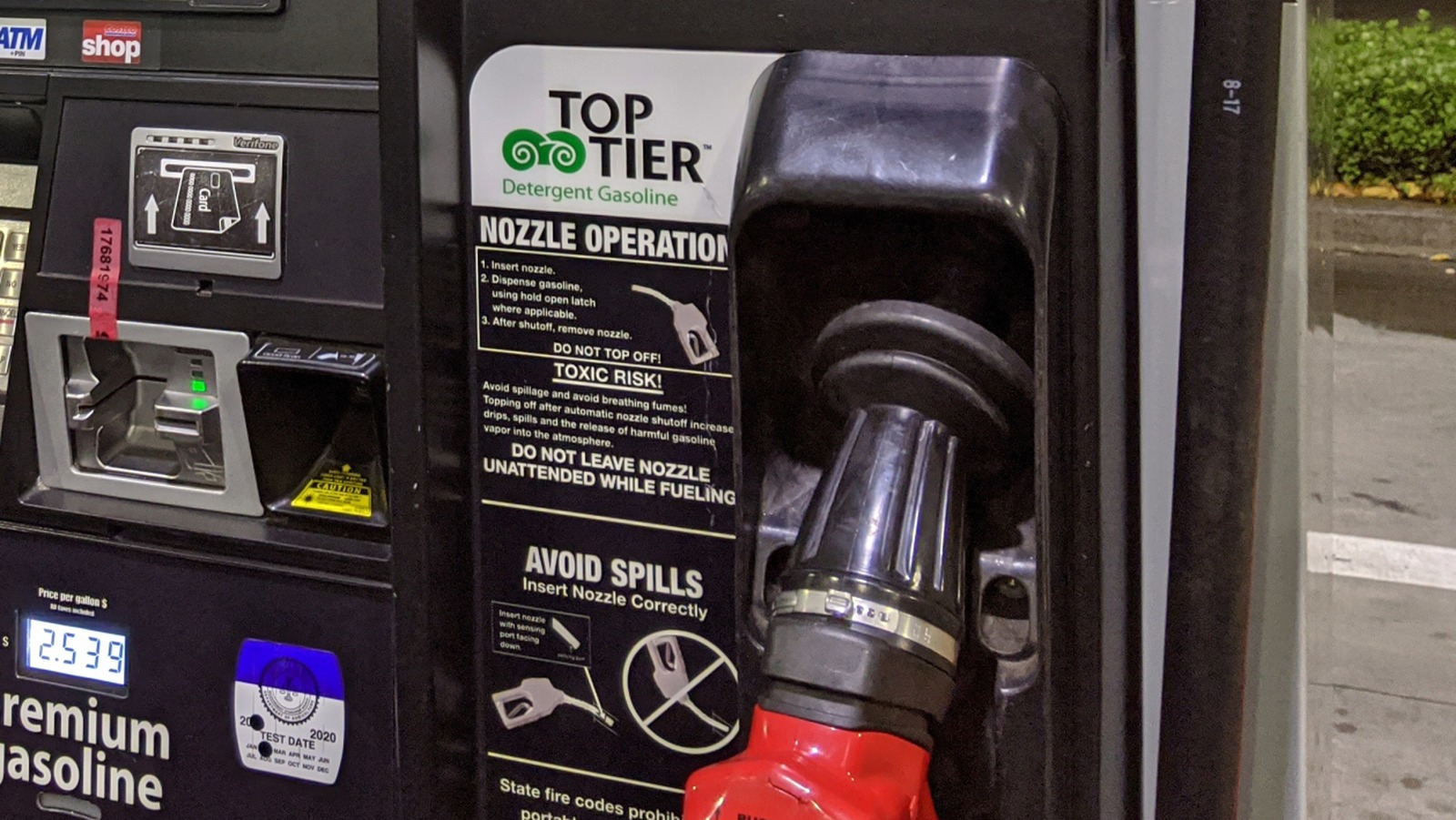
At the pump, look for the TOP TIER logo and pay attention to the specific fuel being offered. This small check is useful because certification can differ by fuel type, and the presence of a familiar brand name alone does not tell you everything about a particular dispenser.
The sheer number of licensed stations also means drivers have plenty of flexibility. The program passed 100,000 licensed locations in 2024, while the broader U.S. fueling network is commonly estimated at around 150,000 outlets.
That makes TOP TIER fuel much easier to find than many motorists realize. You can compare prices, choose a convenient location, and still select gasoline that meets the higher detergent standard. The important part is knowing what the badge means, checking the grade your vehicle needs, and treating fuel choice as one small part of good vehicle care.
