
Some engines become legendary for their impressive power, while others build their reputations through sheer dependability. They start reliably, handle demanding work, and continue running long after the odometer reaches mileage that would make many owners uneasy.
For this ranking, reliability is based on documented longevity, engine design, widespread U.S. use, and known failure patterns rather than internet folklore.
A recall involving a vehicle’s brakes, airbags, or electronics does not automatically make its engine unreliable. NHTSA separates safety recalls from complaints and other manufacturer communications, so the distinction matters.
1. Toyota 2UZ-FE
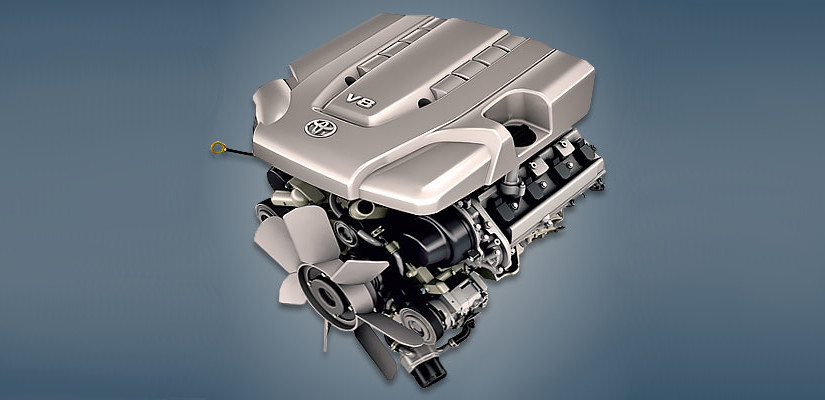
The Toyota 2UZ-FE may have one of the most compelling durability records on this list. Its reputation is backed by a particularly famous example, a 2007 Toyota Tundra that went on to accumulate one million miles.
MotorTrend documented the truck’s teardown and reported that the 4.7-liter V8 was still capable of running strongly when Toyota engineers examined it. The engine had been built at Toyota’s Huntsville, Alabama, facility, which originally produced the 2UZ-FE.
That million-mile example should not be interpreted as proof that every 2UZ-FE will reach seven figures. It does, however, demonstrate what the architecture can accomplish when maintenance and operating conditions are favorable.
The engine’s cast-iron block was particularly well suited to Toyota’s trucks and SUVs, where durability and low-end pulling ability mattered more than minimizing engine weight.
The U.S. 2UZ-FE appeared in applications including the Tundra, Sequoia, and Land Cruiser. Depending on model year and application, output increased substantially during its production run. Later versions made as much as 275 horsepower and 332 lb-ft of torque.
The engine is not maintenance-proof. Timing-belt service is critical, and neglected cooling systems, oil leaks, or worn accessories can eventually create expensive problems. The important point is that these maintenance requirements do not erase the underlying strength of the engine.
The one-million-mile Tundra provides unusually tangible evidence for the 2UZ-FE’s reputation. Toyota’s own engineers were able to run the engine on a dynamometer after its extraordinary service life, and MotorTrend reported that it performed impressively.
2. Honda K20
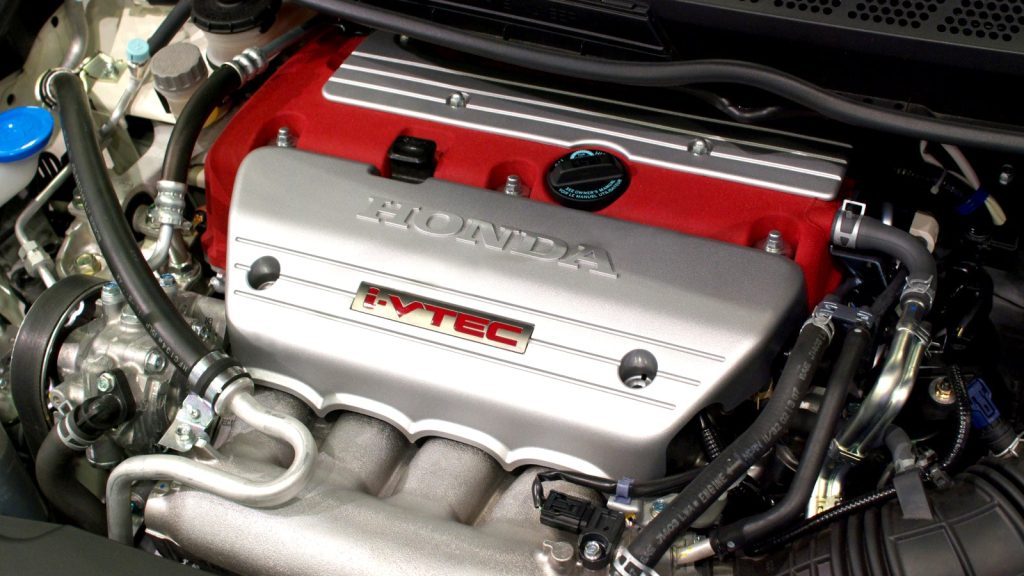
The Honda K20 stands out for blending high revving performance with impressive long term durability. Introduced in the early 2000s, this 2.0 liter engine became part of Honda’s highly regarded K series and earned a strong reputation among enthusiasts and everyday drivers alike.
The U.S.-market K20A2 found in the Acura RSX Type-S produced about 200 horsepower and 142 lb-ft of torque, while other K20 variants delivered different outputs. The engine’s DOHC design, i-VTEC technology, and timing chain helped give it both strong performance and relatively straightforward mechanical architecture.
Its durability is supported by years of enthusiast and technical experience. Independent engine references commonly place well-maintained K20 examples beyond 200,000 miles, although mileage alone cannot guarantee the condition of an individual engine.
The K20 does have identifiable weak points. High-mileage examples can develop timing-chain tensioner wear, oil leaks, worn engine mounts, and valvetrain problems. High-RPM use can also expose lubrication weaknesses, particularly when an engine is modified or repeatedly driven on a track.
These are important caveats because a reliability ranking should not pretend that a durable engine is indestructible.
What separates the K20 from many ordinary four-cylinders is the combination of longevity and performance potential. Honda built several versions around the same basic architecture, and the enthusiast community has accumulated decades of experience diagnosing, rebuilding, and modifying them.
The engine’s reputation is therefore supported by more than nostalgia. Long production, widespread use, strong aftermarket knowledge, and documented high-mileage examples make the K20 one of the safer choices for someone prioritizing a durable four-cylinder.
3. Toyota 1UZ-FE
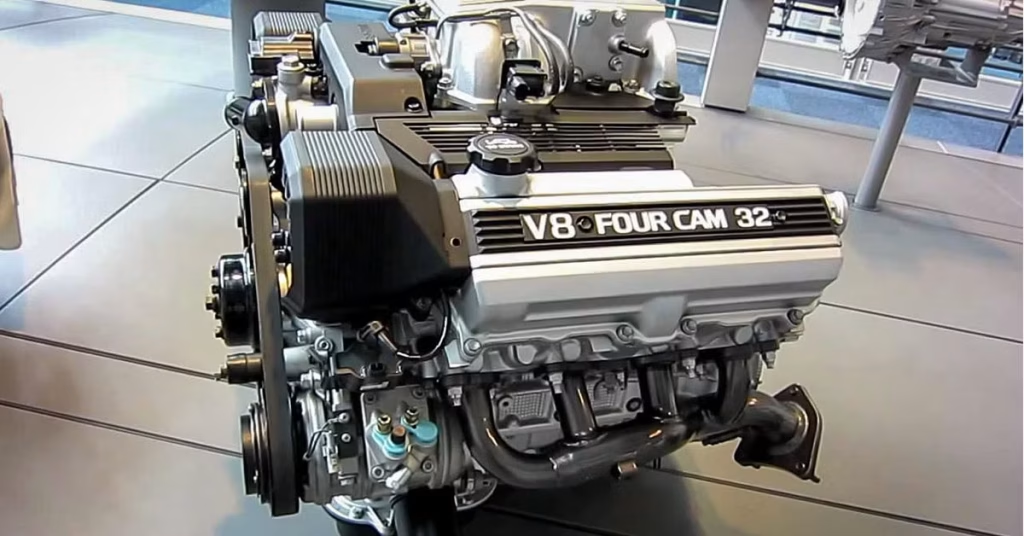
Toyota’s 1UZ-FE represents a completely different approach to durable engine design. Instead of being created primarily for trucks, this 4.0-liter V8 was developed for Lexus luxury vehicles, where smoothness, refinement, and long-term dependability were critical.
The engine debuted in the U.S. market in the Lexus LS 400 and was also used in the SC 400. Early U.S. versions produced approximately 250 horsepower and 260 lb-ft of torque, figures that were respectable for the early 1990s but deliberately conservative by modern performance standards.
That conservative character is part of the attraction. The naturally aspirated V8 did not need turbocharging or extreme cylinder pressures to provide useful performance. Its aluminum construction also helped keep the engine relatively light for a V8.
The 1UZ-FE has become especially respected among enthusiasts and mechanics because of its robust bottom end and smooth operation. Its reputation has also been strengthened by the sheer number of examples that have accumulated high mileage in LS and SC models.
But age changes the reliability equation. Most U.S. vehicles using early 1UZ-FE engines are now several decades old. Timing-belt service, cooling-system maintenance, seals, hoses, and electrical components can all become concerns. A 30-year-old engine can have an excellent design and still require substantial refurbishment.
This is why reliability rankings should focus on the engine itself rather than assuming that an old vehicle is automatically trouble-free. Toyota’s design gave the 1UZ-FE a strong mechanical foundation, but today’s buyer must evaluate maintenance history carefully.
The result is an engine that remains impressive not because it was the most powerful V8 of its era, but because Toyota managed to deliver substantial durability without making the design excessively complicated.
4. Ford 4.6L Modular V8
Ford’s 4.6-liter Modular V8 became one of the most widely used American engines of its generation. It powered Crown Victorias, Mustangs, Town Cars, Grand Marquis models, and numerous other Ford vehicles, giving the engine an enormous real-world service history.
Ford’s own technical documentation says the Modular family was designed around features including long-term durability, low-friction sealing, a deep-skirt block, and cross-bolted main-bearing support. Those engineering decisions were intended to provide a stiff, durable foundation rather than chase maximum output.
One of the strongest pieces of evidence for its longevity comes from fleet service. High-mileage Crown Victoria and related Panther-platform vehicles became common in taxi and police service, where engines could accumulate extraordinary mileage under repeated daily use.
Independent technical references report examples reaching well beyond 200,000 miles, with some fleet vehicles going considerably farther.
There are caveats. Early 4.6-liter SOHC versions used composite intake manifolds that could crack, creating coolant leaks. Spark-plug thread issues are another known concern on certain versions. These problems demonstrate why it is misleading to call the entire Modular family flawless.
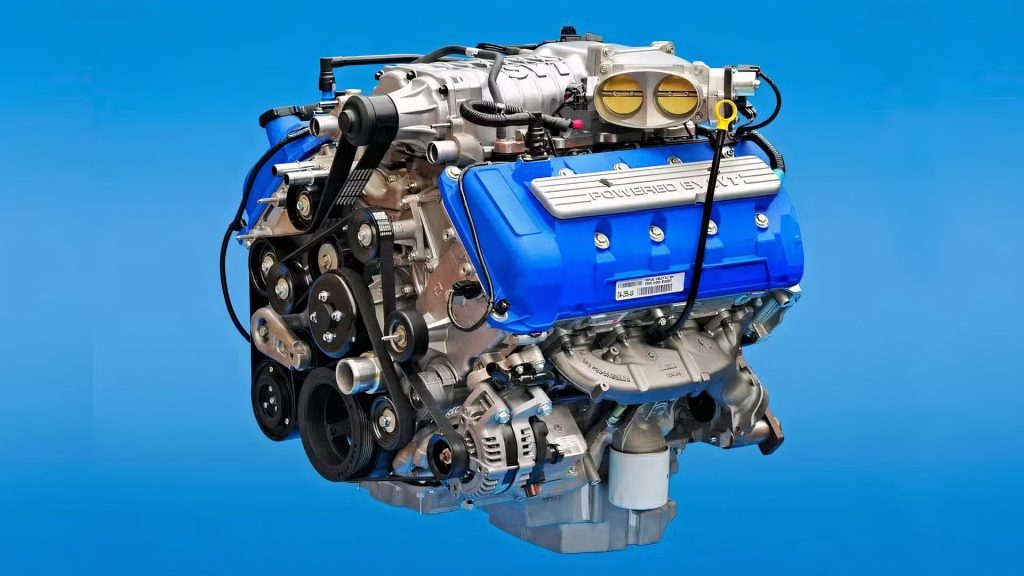
Later variants also differ considerably from the earliest engines. The 2-valve, 3-valve, and 4-valve versions should not be treated as mechanically identical.
Still, the 4.6’s enormous production volume, long service life, and proven use in demanding fleet applications give it a particularly strong reliability record. It is not glamorous, but that may be precisely why it has lasted so well. Millions of miles accumulated in taxis, police vehicles, and ordinary commuter cars created a massive real-world test program.
5. Toyota 1GR-FE
The Toyota 1GR-FE demonstrates how an engine designed for SUVs and pickups can build a reputation for endurance without producing spectacular numbers on a specification sheet. This 4.0-liter V6 became a major U.S. Toyota powerplant, particularly in the 4Runner and Tacoma.
Its naturally aspirated configuration is significant. The engine generates useful power without relying on a turbocharger, and later versions produced around 270 horsepower and 278 lb-ft of torque. That output gave Toyota’s trucks enough capability for everyday driving, towing, and off-road use without requiring an especially aggressive state of tune.
The 1GR-FE also benefits from Toyota’s long experience developing V6 engines. Variable valve timing helped improve the balance between drivability and efficiency, while the chain-driven valvetrain reduced the scheduled timing-belt service associated with some older Toyota engines.
That does not mean the engine has no potential problems. Cooling-system condition, oil leaks, water pump wear, and timing-related components can become concerns as mileage rises. Vehicles used heavily for towing or off-road driving can also experience more demanding operating conditions than a lightly driven commuter.
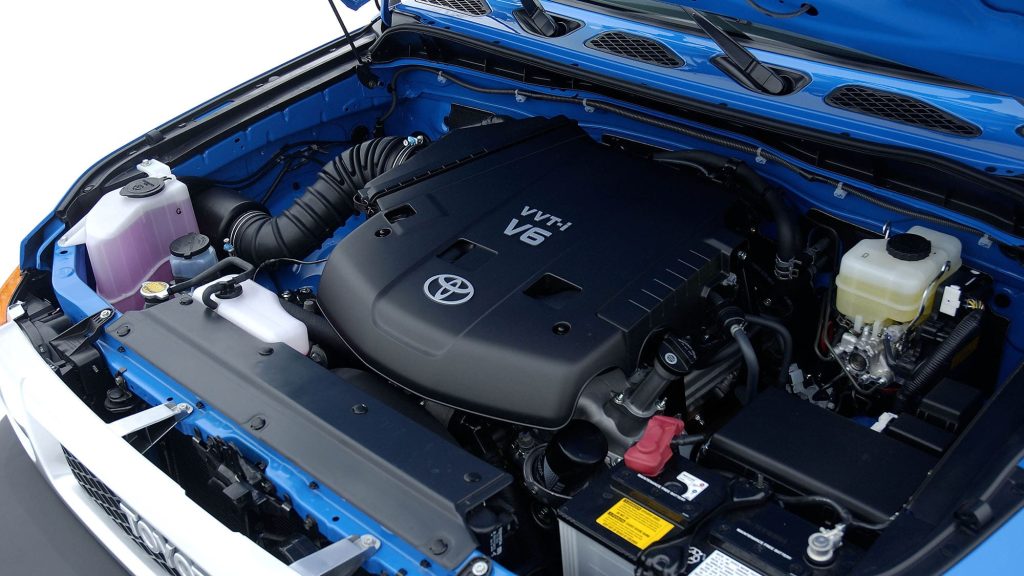
What strengthens the 1GR-FE’s case is its widespread use. An engine installed in large numbers across popular U.S. trucks and SUVs leaves behind a substantial body of service experience. Mechanics have seen the common failure points, replacement parts are plentiful, and owners have accumulated years of high-mileage experience.
The 1GR-FE is therefore less about one spectacular million-mile story and more about consistent performance across a broad population of vehicles. For buyers who value a naturally aspirated engine with useful torque and a long-established maintenance history, that matters considerably.
6. Honda J35
The Honda J35 is a strong example of how a mainstream engine can become highly regarded simply by surviving years of ordinary American driving. This 3.5-liter V6 has been used in numerous Honda and Acura products, including the Odyssey, Pilot, Accord, and Ridgeline.
Unlike a specialist performance engine, the J35 was designed to move families and everyday drivers. That mission influenced its character. Depending on generation and application, U.S. versions produced roughly 240 to more than 300 horsepower, while torque output generally landed in the mid-240 to mid-260 lb-ft range.
Its broad application history provides a useful reliability advantage. The engine has been produced in multiple generations and configurations, giving technicians extensive experience with its maintenance requirements and common faults.
The J35 is not immune to problems. Some versions have had issues involving cylinder deactivation systems, oil consumption, or other age-related components. Timing-belt-equipped versions also require proper belt and water-pump maintenance. These differences make the specific J35 variant important when shopping for a used vehicle.
Still, the engine has a strong reputation for reaching 200,000 miles or more when properly serviced, a figure reported by multiple automotive reliability references.
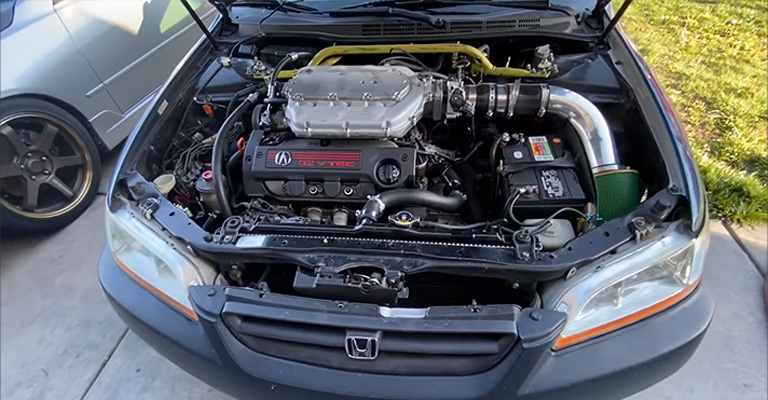
The J35’s greatest strength may actually be its ability to combine useful power with everyday usability. It has enough torque for larger vehicles but does not require exotic maintenance procedures.
For American drivers, that makes the J35 a practical reliability choice rather than merely an enthusiast favorite. Its long production history and presence across several high-volume Honda products give it a substantial real-world track record.
7. Mazda BP-Series 1.8L
The Mazda BP-series engine proves that durability does not require a large displacement or massive torque output. The 1.8-liter four-cylinder became closely associated with the Mazda MX-5 Miata and developed a loyal following among drivers who appreciated its simplicity.
U.S. versions varied by model year, with later Miata applications producing approximately 128 horsepower and 114 lb-ft of torque. Those numbers were never intended to dominate a drag strip. Instead, the engine was paired with a lightweight sports car, allowing modest output to produce an entertaining driving experience.
The BP’s straightforward architecture is part of its appeal. It is a naturally aspirated inline-four with a relatively conventional layout, making routine mechanical work easier to understand and perform than on many newer engines packed with complex forced-induction and emissions hardware.
The engine does have maintenance requirements. Timing-belt service is particularly important, while cooling-system condition and oil maintenance become increasingly significant as these engines age. Many BP-powered cars are now decades old, so condition varies enormously between examples.
Its reputation is supported by the longevity of the vehicles themselves. The Miata’s relatively low weight reduces the workload placed on the engine, and the car’s enormous enthusiast community has preserved an extensive knowledge base covering common problems, repairs, and rebuilds.
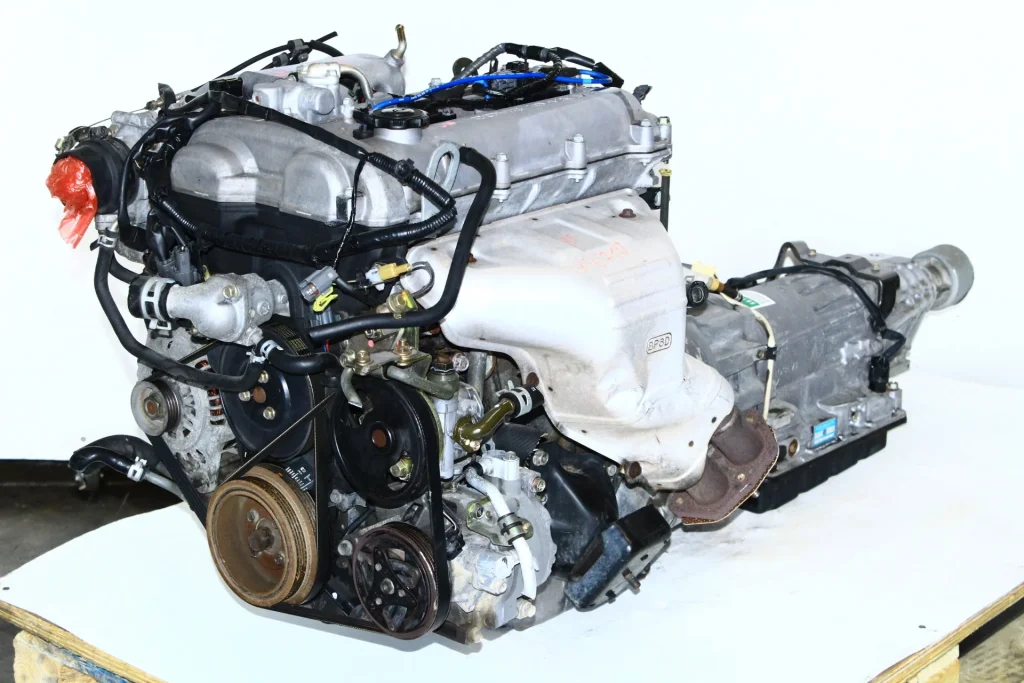
That context matters. A reliable engine is not necessarily one that can survive neglect indefinitely. The BP’s strength comes from combining a relatively uncomplicated design with an application that does not demand huge output.
For a buyer seeking a simple older four-cylinder with a well-documented history, the BP remains an appealing choice. It is a reminder that reliability often comes from restraint rather than technological excess.
8. Honda F20C
The Honda F20C may be the most surprising engine on this list. It powered the U.S.-market S2000 and was designed to rev dramatically higher than the typical family-car engine. The 2.0-liter four-cylinder produced 240 horsepower and 153 lb-ft of torque in the American-market AP1 S2000.
The headline figure is its approximately 9,000-rpm redline. Producing 240 horsepower from a naturally aspirated 2.0-liter engine was a serious engineering achievement in the late 1990s, and doing it while maintaining a reputation for durability made the F20C particularly memorable.
The engine uses Honda’s DOHC VTEC architecture and was built around high engine speeds. Its performance credentials did not come from turbocharger boost but from airflow, valve control, compression, and rev capability.
Naturally, high-revving engines require disciplined maintenance. Oil level and quality matter, and hard track use can create conditions that expose lubrication limitations. Age is another concern because the youngest U.S. AP1 examples are now many years old.
Reliability sources generally recognize the F20C as a strong engine while acknowledging that high-mileage examples can develop cooling-system degradation, oil leaks, and wear associated with age or aggressive use.
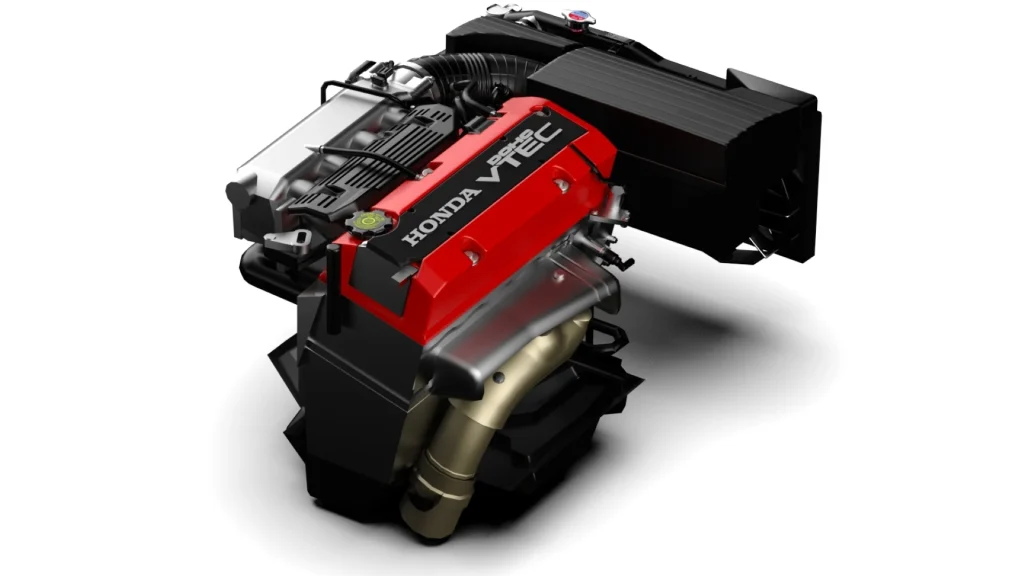
The important distinction is that performance does not automatically equal fragility. Honda engineered the F20C specifically to operate at high engine speeds, and the engine’s reputation reflects that careful design.
For this ranking, its position below the more conservative Toyota V8s and Honda four-cylinders reflects the greater maintenance sensitivity of a high-performance engine. Even so, its ability to combine extraordinary output for its size with long-term durability makes it one of Honda’s standout engineering achievements.
9. Ford 5.0L Coyote
Ford’s Coyote V8 brought modern technology to the company’s long-running tradition of American V8s. Introduced for the 2011 Mustang GT, the 5.0-liter DOHC engine replaced the older 4.6-liter V8 in Ford’s performance lineup and eventually found applications in trucks as well.
The original U.S.-market Mustang GT version produced 412 horsepower and 390 lb-ft of torque, giving the engine substantially more specific output than Ford’s older Modular V8s. Later versions increased power further.
What makes the Coyote interesting from a reliability perspective is its combination of modern technology and a relatively robust architecture. Ford used dual overhead camshafts, four valves per cylinder, and variable cam timing, while the engine retained a strong aluminum-block V8 foundation.
It is not perfect. Early engines have documented concerns involving the timing system and certain valvetrain components, and newer generations introduced additional complexity. High-performance applications also make the condition of an individual engine heavily dependent on how the vehicle was driven and modified.
Ford’s engineering documentation describes its Modular-family architecture as emphasizing durability, low friction, and bottom-end stiffness, principles that carried into the broader development philosophy behind its modern V8 program.
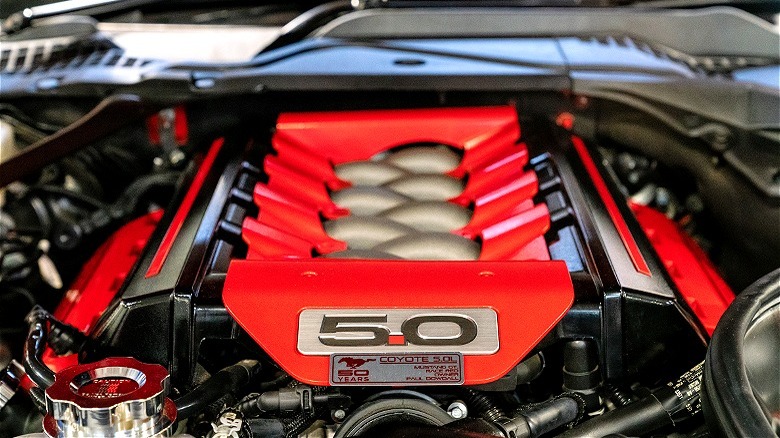
The Coyote earns this ranking because it has accumulated a substantial U.S. service history while delivering much higher performance than older engines. Parts availability is excellent, technical knowledge is widespread, and the engine has become one of America’s best-known modern V8 platforms.
It is not the safest choice for someone seeking the absolute simplest engine here, but a properly maintained, unmodified Coyote has demonstrated that modern performance and respectable durability can coexist.
10. GM LS3
The GM LS3 closes the ranking with one of the most recognizable modern American V8s. Introduced for the 2008 Chevrolet Corvette, the 6.2-liter naturally aspirated engine combined a relatively straightforward pushrod design with modern electronic controls and impressive factory output.
In the Corvette, the LS3 produced 430 horsepower and 424 lb-ft of torque in its standard configuration, with an available exhaust system raising output to 436 horsepower. The engine’s architecture was considerably more compact than many overhead-cam V8s because the camshaft remained in the engine block.
That simplicity is a major part of the LS3’s appeal. Fewer moving valvetrain components can mean fewer opportunities for mechanical trouble, while the engine’s enormous popularity created an extensive U.S. parts and service ecosystem.
The LS3 is not immune to faults. Valve-train components, oil leaks, sensors, and other peripheral parts can require attention, particularly as engines age. Modified examples deserve additional scrutiny because aftermarket tuning, forced induction, and aggressive use can dramatically change reliability.
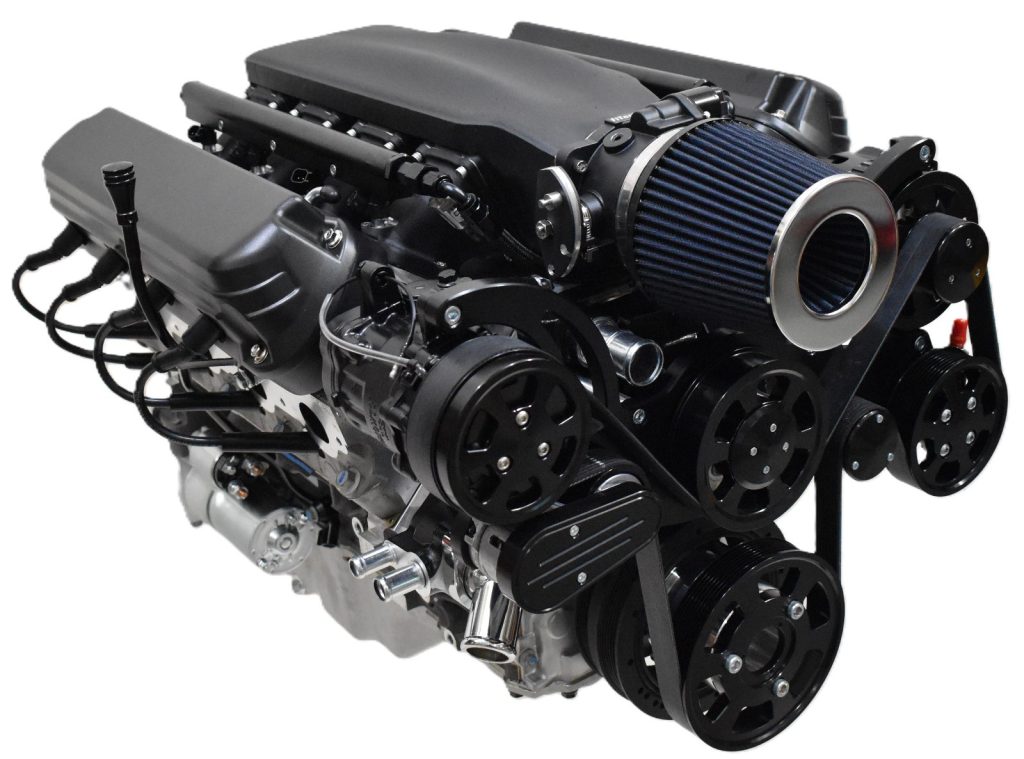
Its reputation is nevertheless supported by broad use in Corvette and Camaro applications, along with an enormous enthusiast and performance market. The engine has also become a popular choice for swaps, meaning mechanics and builders have accumulated extensive practical knowledge.
The LS3 therefore earns the final spot not because it is indestructible, but because its naturally aspirated architecture, strong factory internals, relatively simple valvetrain, and enormous U.S. support network make it one of the more dependable high-output V8 platforms.
For a performance engine producing more than 400 horsepower from the factory, that combination is difficult to dismiss.
