
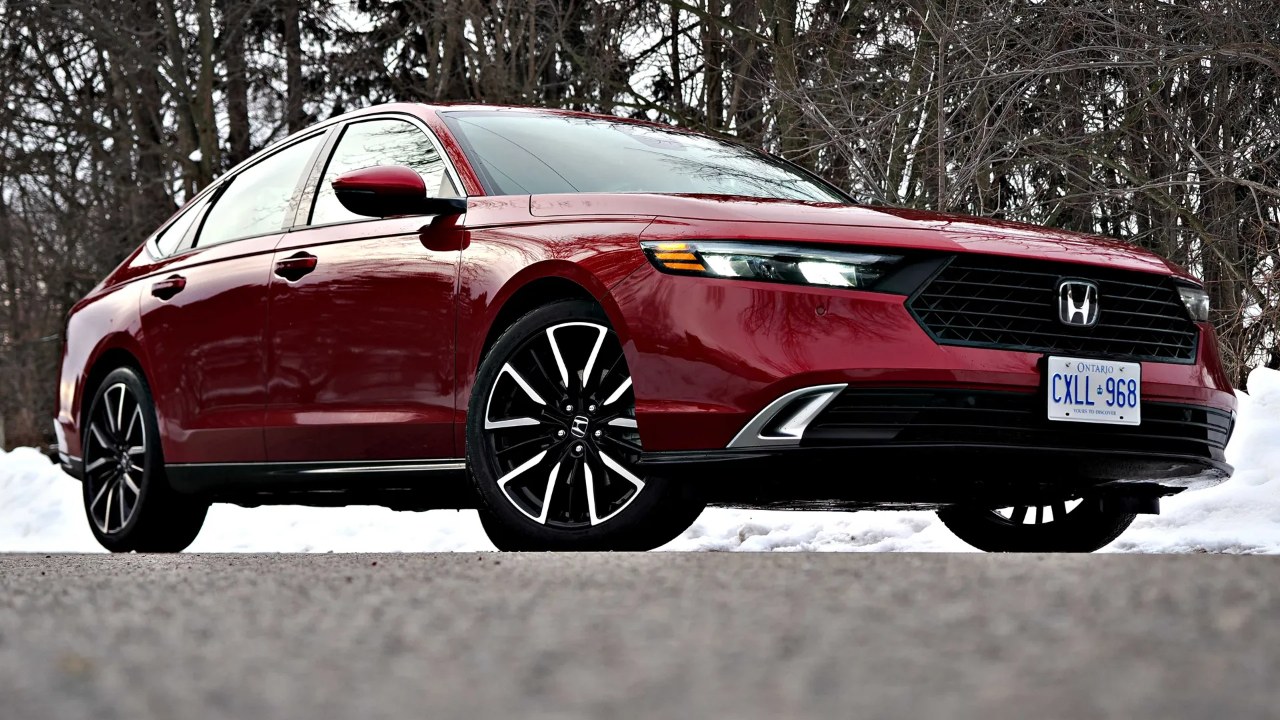
Younger American drivers are reshaping the car market, but the picture is more complicated than simply saying that every person under 30 wants a cheap compact car. Recent YouGov research found that 18- to 29-year-olds most commonly use sedans as their primary vehicle, followed closely by SUVs and crossovers.
The same research also shows that younger buyers are more willing than older shoppers to purchase through private sellers, online marketplaces, and auctions.
Generation-based sales data from Kelley Blue Book adds another useful clue, highlighting models that have historically over-indexed among younger drivers. The cars below combine that demographic evidence with strong appeal among America’s younger motorists.
1. Honda Civic
Few cars have maintained a stronger connection with young American drivers than the Honda Civic. Kelley Blue Book’s generation-based vehicle analysis placed the Civic at No. 1 among Generation Z buyers, ahead of the Honda Accord, Toyota Camry, Nissan Altima, and Toyota Corolla.
While that study uses Generation Z rather than the exact 18 to 29 bracket, it provides useful evidence of the Civic’s strong appeal among younger buyers. More recent YouGov research also found that sedans remain the most common primary vehicle type among 18- to 29-year-olds, accounting for 37 percent of respondents.
The Civic’s appeal is easy to understand without relying on age demographics. It offers the combination younger buyers often need, including manageable dimensions, reasonable operating costs, strong fuel economy, and enough interior space to serve as a primary vehicle.
The current Civic sedan measures 184.8 inches long and 70.9 inches wide, giving it a footprint that works well in urban environments while still providing useful passenger space.
The modern Civic also has considerably more technology than the inexpensive compact cars of previous decades. Depending on trim, buyers can get features such as a 7-inch or 9-inch touchscreen, wireless smartphone connectivity, Honda Sensing driver-assistance technology, and available hybrid power.
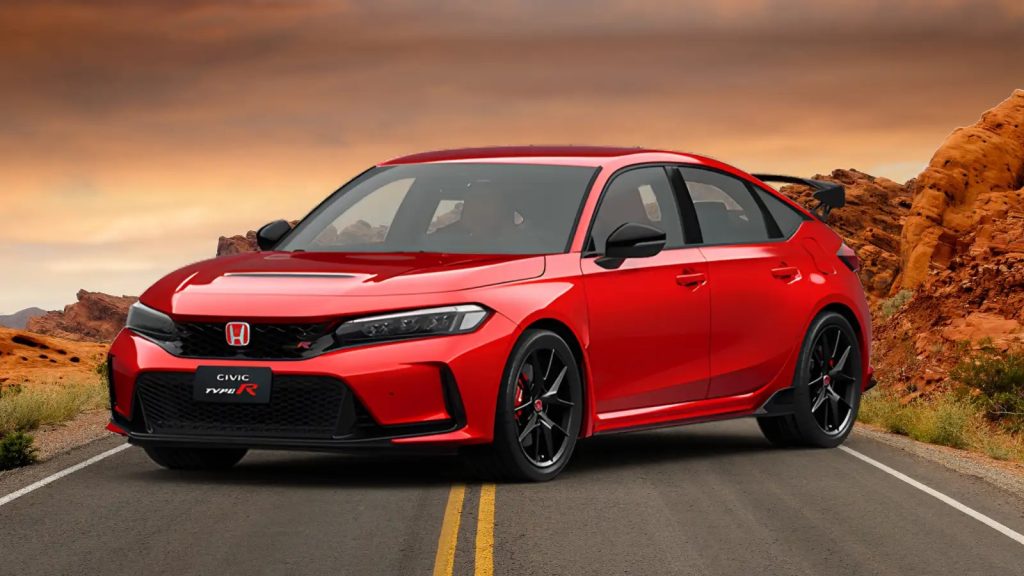
Honda’s Civic history also gives younger shoppers something many inexpensive cars lack, which is a substantial enthusiast community. The lineup ranges from efficient commuter models to the 200-horsepower Civic Si and 315-horsepower Civic Type R. This allows younger drivers to stay within the Civic family even as their priorities evolve.
Its strong position among younger Americans is therefore not based on one feature. Affordability, practicality, reputation, variety, and an established enthusiast culture have all helped keep the Civic relevant to a generation entering the car market.
2. Toyota Corolla
The Toyota Corolla occupies another strong position among younger American drivers, particularly because it combines a relatively accessible entry point with a reputation for long-term dependability.
Kelley Blue Book’s generation analysis ranked the Corolla fifth among Generation Z’s most popular vehicles, while the same model also appeared in the top five for Millennials. That cross-generational presence makes the Corolla particularly interesting because it appeals to younger drivers without being exclusively associated with them.
The model’s popularity also fits the broader purchasing behavior of younger Americans. YouGov found that 61 percent of 18- to 29-year-olds surveyed owned one vehicle, while 37 percent identified sedans as their primary vehicle type.
The Corolla sits directly in that practical category, giving younger owners a conventional four-door layout without requiring the size or expense of a larger SUV.
For the U.S. market, the current Corolla sedan is 182.3 inches long and 70.1 inches wide. Its relatively compact footprint makes it easier to maneuver and park than a full-size vehicle, while the cabin provides enough room for everyday commuting and routine passenger use.
Power comes from a 2.0-liter four-cylinder producing 169 horsepower and 151 lb-ft of torque in conventional Corolla models. Toyota also offers the Corolla Hybrid, which combines a 1.8-liter gasoline engine with Toyota’s hybrid system and emphasizes fuel economy rather than outright performance.
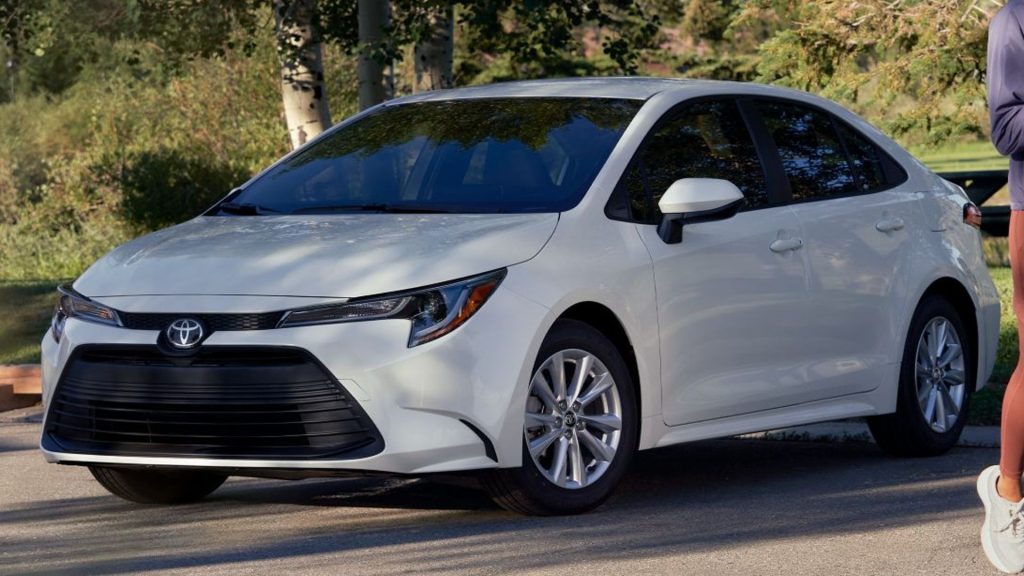
That distinction is central to the Corolla’s appeal. Younger buyers often have to balance vehicle payments, insurance, fuel, and maintenance rather than spending every dollar on acceleration or luxury equipment. The Corolla gives them a straightforward way to own a new car while keeping those practical considerations in view.
It is also significant that the Corolla has remained recognizable for decades. A young driver buying one today is choosing a car with an established history rather than taking a chance on an unfamiliar nameplate.
3. Toyota RAV4
The Toyota RAV4 shows why younger-driver preferences cannot be reduced to sedans alone. Experian’s generational registration data placed the RAV4 second among the top new retail models for Gen Z buyers, with a 3.0 percent share during its measured 12-month period.
That put it behind only the Honda Civic and ahead of the Toyota Camry, Corolla, and Honda Accord.
That position is especially interesting because YouGov’s research found that 30 percent of 18- to 29-year-olds identify SUVs and crossovers as their primary vehicle, compared with 37 percent for sedans. The RAV4 therefore fits directly into a vehicle category that already has substantial representation among younger American drivers.
The appeal is practical. The RAV4 gives younger owners a higher driving position, flexible cargo space, and available all-wheel drive without moving into the dimensions of a full-size SUV. Its compact footprint also makes it easier to live with in crowded parking lots and urban environments.
Toyota’s powertrain strategy adds another reason the RAV4 attracts attention. The U.S. lineup has included both conventional gasoline and hybrid versions, allowing buyers to prioritize either a simpler powertrain or improved fuel economy.
The hybrid system is particularly relevant for drivers who spend substantial time commuting, which YouGov identified as the most common reason young adults use their vehicles, cited by 68 percent of respondents.
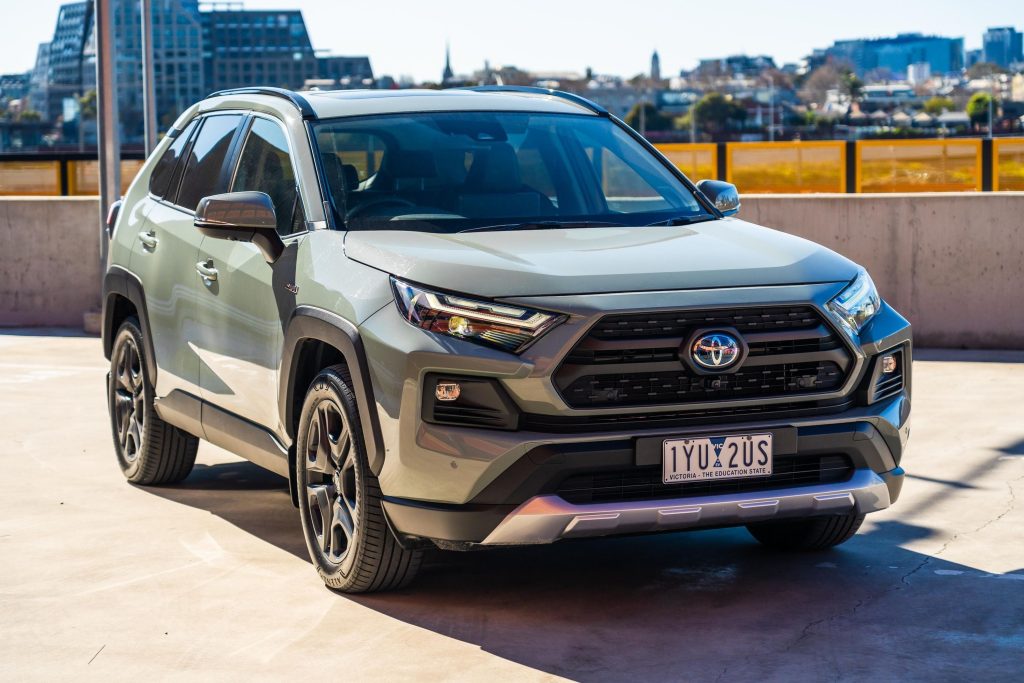
The RAV4 also benefits from its broad appeal across different age groups. Younger drivers are drawn to its modern and versatile design, but it does not come across as a vehicle designed specifically for younger buyers.
It works just as well for daily commuting as it does for weekend trips, carrying passengers, or handling larger loads. This versatility gives it an advantage over smaller sedans, which often require more compromises when it comes to space and practicality.
Experian’s registration data provides the strongest evidence here. Rather than relying on assumptions about what younger drivers might like, the data actually places the RAV4 near the top of Gen Z new-vehicle registrations.
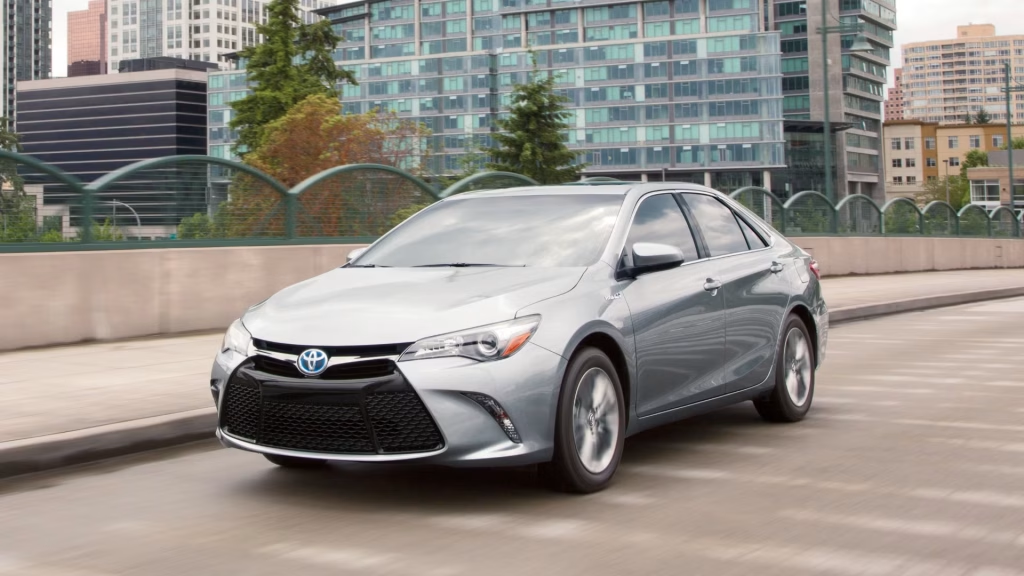
4. Toyota Camry
The Toyota Camry might seem like an unlikely choice for a list centered on younger drivers, but the numbers tell a different story.
Experian’s generational registration analysis placed the Camry third among Gen Z’s top new retail models, accounting for 2.6 percent of new individual registrations in its measured 12-month period. Only the Honda Civic and Toyota RAV4 ranked higher.
That finding matters because it challenges the assumption that younger motorists automatically reject traditional sedans. YouGov’s 2025 research found that sedans remained the most common primary vehicle type among 18- to 29-year-olds, at 37 percent. SUVs and crossovers followed at 30 percent.
The Camry has also changed substantially in its latest generation. The U.S. model now uses a hybrid powertrain across the lineup rather than offering a conventional gasoline engine.
Toyota’s system combines a 2.5-liter four-cylinder engine with electric motors, with front-wheel-drive versions producing up to 225 combined horsepower and all-wheel-drive versions reaching 232 horsepower.
That makes the Camry particularly relevant to younger buyers who want the familiarity of a sedan but are increasingly conscious of fuel costs. The car remains considerably larger than a subcompact, providing useful rear-seat room and trunk space without requiring an SUV’s taller body.
Its dimensions are also well suited to American daily driving. The current Camry measures 193.5 inches long and 72.2 inches wide, giving it a substantial road presence while retaining the familiar proportions of a midsize sedan.
The demographic data is perhaps the most compelling part of the story. A vehicle that has traditionally been associated with families and commuters is now registering strongly among Gen Z buyers.
That suggests younger motorists are not necessarily abandoning conventional sedans. Instead, many are choosing vehicles that combine practicality, efficiency, established reliability, and modern technology.
The Camry’s presence near the top of Experian’s Gen Z registration rankings demonstrates that a familiar nameplate can remain highly relevant even as younger buyers enter an increasingly SUV-heavy market.
5. Honda Accord
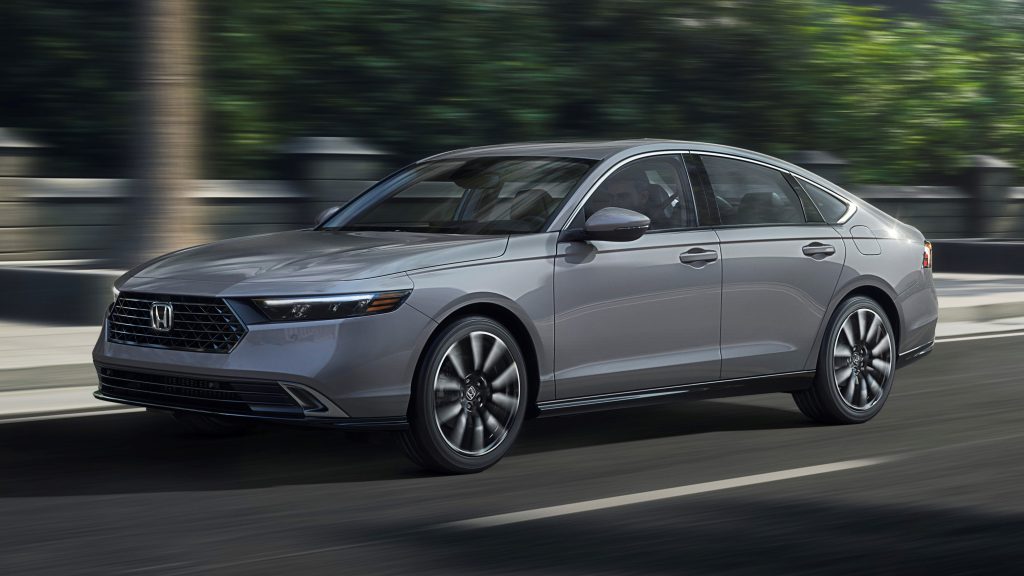
The Honda Accord is another sedan that refuses to fit the stereotype that younger Americans only want SUVs. Experian’s generational registration data placed the Accord fifth among Gen Z’s top new retail models, with a 2.3 percent share of registrations during the 12 months ending in May 2024.
That puts it behind the Civic, RAV4, Camry, and Corolla, but still gives it a notable position among vehicles purchased by younger buyers.
There is also broader evidence that the Accord’s traditional sedan format remains relevant. Experian’s later automotive research found that Gen Z represented 12.4 percent of new retail sedan registrations, compared with 8.2 percent of all new retail registrations.
Millennials showed a similar pattern, accounting for 27.3 percent of sedan registrations against 27 percent of total registrations.
The current U.S. Accord has moved entirely to hybrid power for its core lineup, using a 2.0-liter four-cylinder-based hybrid system. The available hybrid setup produces 204 combined horsepower, while the sedan provides a spacious cabin and a 16.7-cubic-foot trunk.
Its 195.7-inch length makes it larger than compact cars such as the Civic and Corolla, giving younger buyers more room for passengers and luggage.
That extra space can be particularly useful for drivers transitioning from college or early employment into a more demanding daily routine. The Accord can serve as a commuter car, road-trip vehicle, and family sedan without requiring the driver to move into a larger SUV.
Honda’s reputation also helps explain why the Accord repeatedly appears in recommendations for younger motorists. Kelley Blue Book has included the Accord among its recommended used vehicles for teens and college students, citing factors such as reliability, fuel economy, and safety.
The Accord therefore earns its place through measurable purchasing behavior rather than assumptions about what young drivers supposedly want. Its strong Gen Z registration position shows that the traditional midsize sedan still has a meaningful audience among America’s younger motorists.
6. Honda CR-V
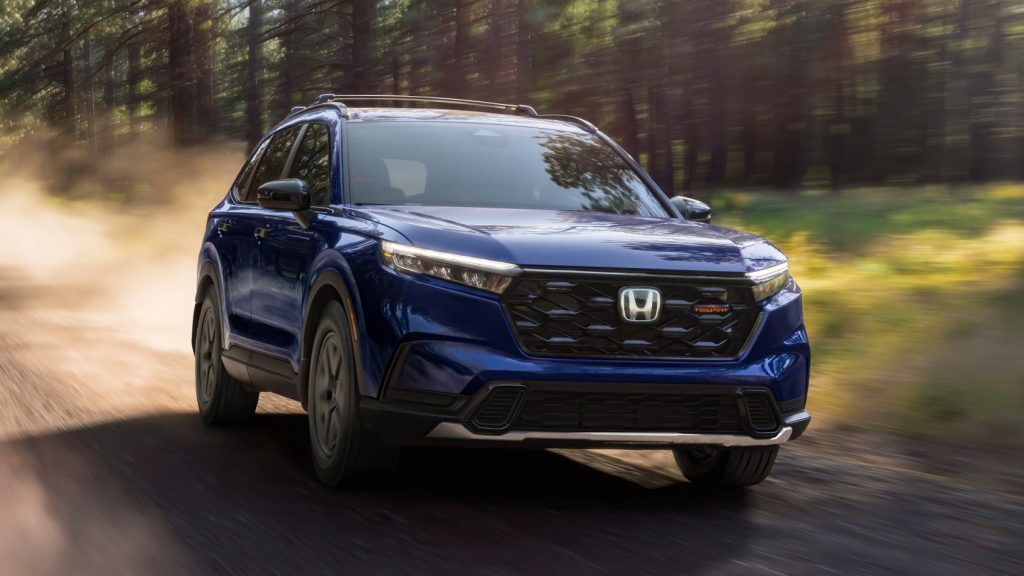
The Honda CR-V highlights another important trend among younger buyers, particularly the growing preference for compact SUVs. According to Experian’s study of Gen Z vehicle registrations, the CR-V ranked among the generation’s 10 most popular new retail models. It accounted for 2.1 percent of registrations during the 12-month period examined.
That placed it alongside several of the most recognizable vehicles purchased by younger Americans.
Its position makes sense when paired with Experian’s broader demographic findings. Younger buyers are not abandoning sedans, but SUVs and crossovers have become a major part of their vehicle mix.
The CR-V gives them the higher seating position and flexible cargo area associated with an SUV while remaining considerably easier to manage than a three-row vehicle.
The current U.S. CR-V is available with both gasoline and hybrid powertrains. The standard gasoline model uses a 1.5-liter turbocharged four-cylinder, while Sport and other hybrid trims use a 2.0-liter four-cylinder-based hybrid system.
Depending on configuration, output reaches 204 horsepower. All-wheel drive is also available, giving buyers another reason to choose the CR-V over a conventional sedan.
The dimensions contribute to its appeal. The CR-V measures about 184.8 inches long and 73.5 inches wide, placing it in a size range that offers useful interior room without becoming cumbersome in everyday traffic. It also provides substantially more cargo flexibility than a sedan, particularly with the rear seats folded.
Honda’s CR-V has also repeatedly appeared on Kelley Blue Book’s recommended used-car lists for younger drivers. KBB has included model years such as the 2017 CR-V among its Best Used Cars for Teens Under $20,000 and has also recommended CR-Vs for college students.
That history matters because younger drivers often enter the market through used vehicles rather than new ones. The CR-V gives them a model with a large established presence in both markets.
7. Chevrolet Silverado 1500
The Chevrolet Silverado 1500 is an interesting addition because younger-driver data shows that the move toward SUVs has not eliminated pickup trucks from the picture.
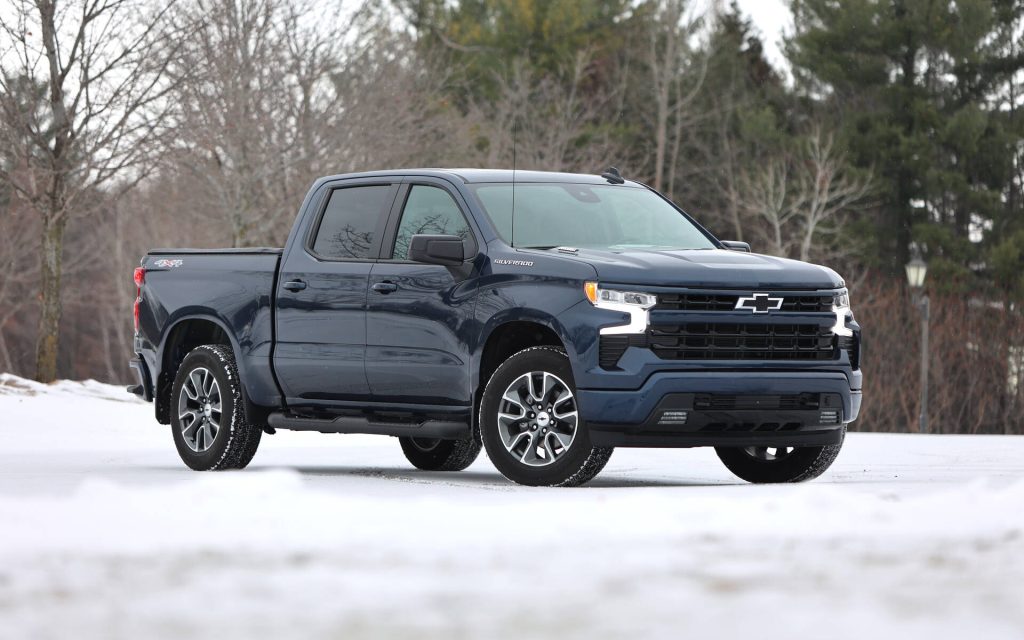
Experian’s generational registration analysis placed the Silverado 1500 sixth among Gen Z’s top new retail models, with a 2.2 percent share of registrations during its measured 12-month period. That actually puts the full-size Chevrolet ahead of the Honda CR-V, Ford F-150, Toyota Tacoma, and Hyundai Elantra in that particular dataset.
For younger buyers, a pickup can serve several purposes at once. The Silverado offers a conventional passenger cabin, a separate cargo bed, available four-wheel drive, and multiple engine choices. That versatility can make sense for drivers who spend weekends outdoors, haul recreational equipment, or simply prefer the flexibility of a truck.
The current U.S. Silverado 1500 can be equipped with engines ranging from a 2.7-liter turbocharged four-cylinder to a 6.2-liter V8 and a 3.0-liter Duramax diesel. Depending on configuration, output reaches 420 horsepower and 495 lb-ft of torque with the 6.2-liter V8. The available diesel produces 305 horsepower and 495 lb-ft of torque.
Size is part of the attraction and part of the compromise. Depending on cab and bed configuration, the Silverado can stretch beyond 240 inches in length, making it substantially larger than the compact sedans that dominate many young-driver discussions. Yet that extra size brings capabilities a conventional sedan cannot provide.
The Silverado’s presence in Experian’s Gen Z rankings is particularly revealing because it suggests younger buyers are not universally choosing the smallest possible vehicle. Some are willing to move into larger trucks when those vehicles match their lifestyle.
It also demonstrates why demographic car lists should be treated as snapshots rather than rigid rules. Young drivers have different incomes, jobs, hobbies, and transportation needs. The Silverado appeals to those whose priorities extend beyond commuting and city driving.
8. Ford F-150
Ford’s F-150 may be one of America’s most familiar vehicles, but its position among younger buyers is more significant than its traditional work-truck image suggests.
Experian ranked the F-150 eighth among Gen Z’s top new retail models, with a 2.1 percent share of registrations in its measured period. That placed it level with the Honda CR-V and ahead of the Toyota Tacoma and Hyundai Elantra.
The F-150’s appeal is partly about choice. Ford offers a wide range of configurations, from relatively straightforward work-oriented models to luxurious trims with features that rival those found in premium SUVs. Buyers can select regular cab, SuperCab, or SuperCrew configurations, along with several bed lengths and multiple powertrains.
The current U.S. lineup includes a 2.7-liter EcoBoost V6, a 3.5-liter EcoBoost V6, a 5.0-liter V8, a 3.5-liter PowerBoost hybrid, and available 5.0-liter-based performance variants. Depending on configuration, the 3.5-liter PowerBoost hybrid produces 430 horsepower and 570 lb-ft of torque.
That range means the F-150 can occupy very different roles. A young buyer who needs basic transportation and a work vehicle can choose a simpler configuration, while another driver can prioritize towing, off-road capability, technology, or comfort.
Its physical footprint is considerable. Depending on configuration, the F-150 can exceed 243 inches in length and measure roughly 79.8 inches wide without mirrors. That makes parking and urban maneuvering less convenient than with a Civic or Corolla, but the trade-off is a large cabin and substantial cargo capacity.
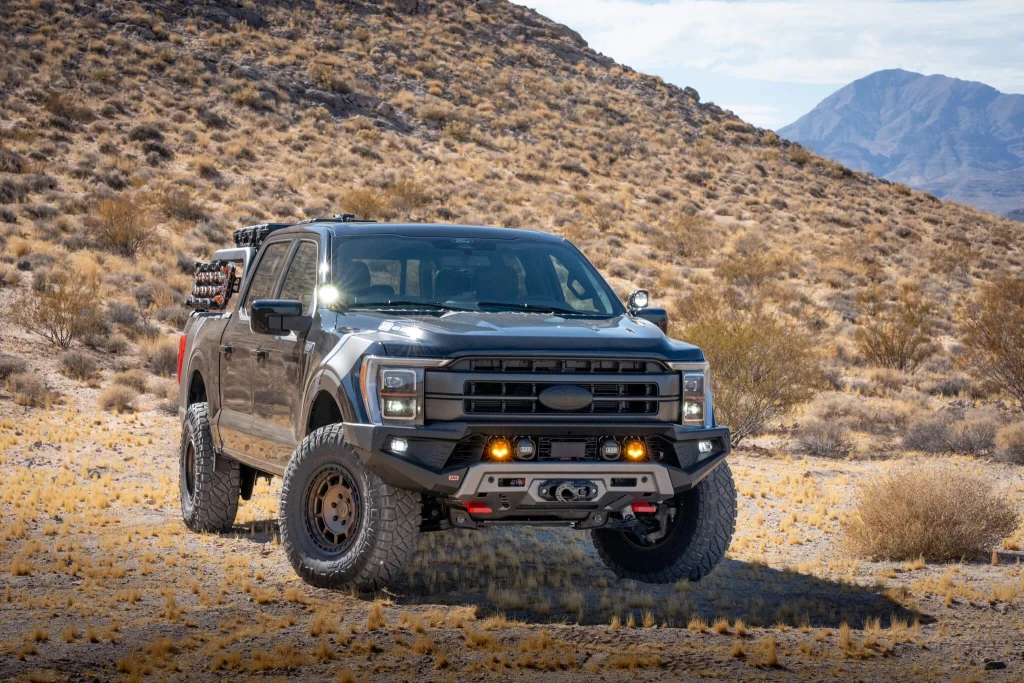
The Experian data is particularly useful because it puts the F-150 alongside several vehicles commonly associated with younger motorists. Its presence shows that Gen Z purchasing behavior is not exclusively centered on compact cars.
For some younger Americans, the pickup remains the most useful vehicle they can buy. Whether the motivation is work, recreation, towing, or simply preference, the F-150’s strong position among Gen Z registrations shows that the full-size truck still has a place in the next generation of American drivers.
9. Toyota Tacoma
The Toyota Tacoma has remained a strong choice among younger American drivers, and Experian’s generational registration data supports that reputation. In its analysis of new retail registrations, the Tacoma ranked among the leading models purchased by Generation Z, showing that the appeal of a midsize pickup extends well beyond traditional truck buyers.
Part of the Tacoma’s attraction is its size. A midsize pickup can provide useful cargo flexibility and available four-wheel drive without reaching the enormous dimensions of a heavy-duty truck. For younger owners who spend weekends camping, fishing, hiking, or carrying recreational equipment, the open bed can be more useful than a conventional trunk.
The latest U.S. Tacoma also offers several distinct powertrains. The standard engine is a 2.4-liter turbocharged four-cylinder, while i-FORCE MAX models combine that engine with a hybrid system for as much as 326 horsepower and 465 lb-ft of torque. That gives the Tacoma considerably more power than its modest displacement might suggest.
Toyota also offers multiple cab, bed, drivetrain, and suspension configurations. The Trailhunter and TRD Pro versions are particularly aimed at off-road buyers, while less specialized trims can function as everyday transportation.
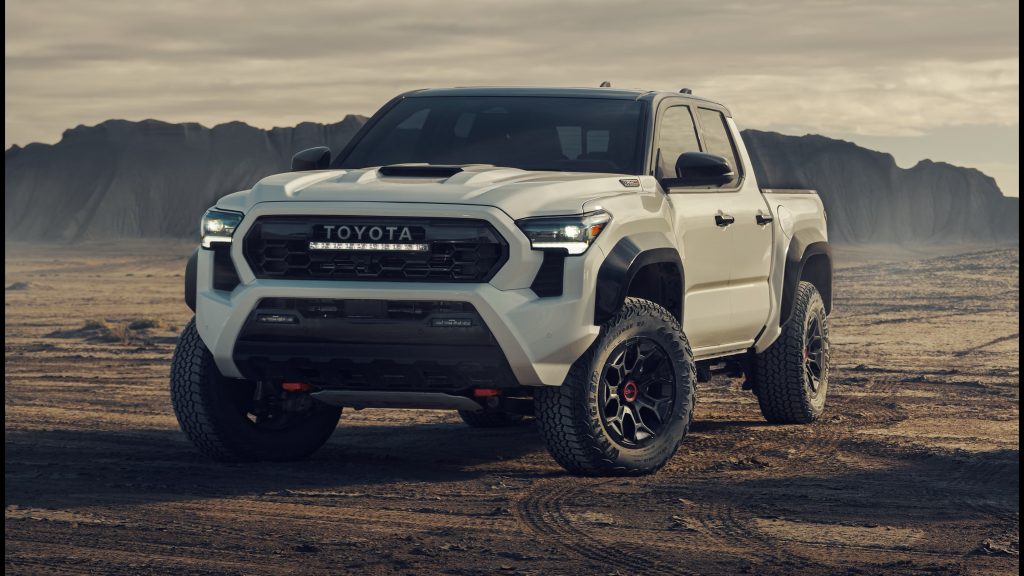
The Tacoma stands out as an appealing option for younger drivers because it blends lifestyle appeal with everyday practicality. While it is larger than models such as the Corolla and Civic, it provides capabilities that those smaller cars cannot match. Its dedicated cargo bed, higher ground clearance, and available off-road features make it a versatile choice for drivers who want both utility and adventure.
For a young American driver who wants one vehicle capable of handling weekday commuting and weekend adventures, that versatility can make the Tacoma especially attractive.
10. Hyundai Elantra
The Hyundai Elantra rounds out the list by returning to the compact sedan category that remains important among younger Americans. Experian’s generational registration analysis placed the Elantra among the leading new vehicles for Generation Z, giving it a 2.0 percent share in the measured period.
Its appeal begins with the basic formula. The Elantra provides four doors, a conventional trunk, a relatively compact footprint, and a choice of powertrains that lets buyers prioritize affordability, efficiency, or performance. That combination makes it particularly relevant to younger drivers purchasing their first new vehicle.
The standard U.S. Elantra uses a 2.0-liter four-cylinder producing 147 horsepower and 132 lb-ft of torque. Buyers looking for stronger performance can move to the Elantra N, where a 2.0-liter turbocharged four-cylinder produces 276 horsepower and 289 lb-ft of torque with the available eight-speed dual-clutch transmission.
The standard car is about 184.1 inches long and 71.9 inches wide, giving it a manageable footprint while retaining a surprisingly spacious interior. Fuel economy is another important consideration for younger buyers who may be balancing vehicle costs with commuting expenses.
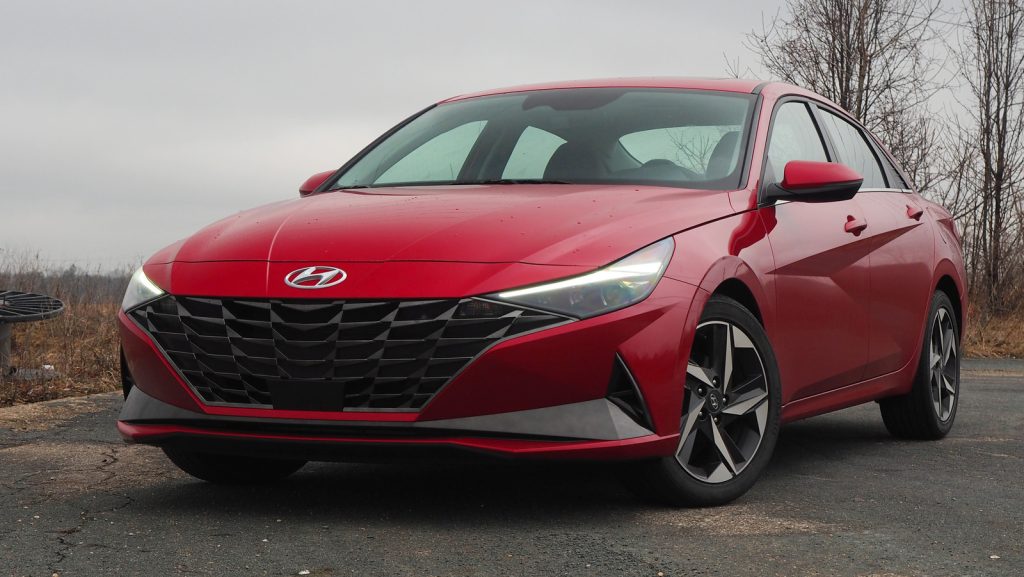
Hyundai also equips the Elantra with a substantial list of driver-assistance and connectivity features, depending on trim. That technology can make the car feel considerably more sophisticated than its entry-level positioning suggests.
The Elantra’s place among younger buyers therefore makes sense without relying on stereotypes. It offers accessible transportation, modern equipment, useful passenger space, and an available performance variant for drivers whose priorities extend beyond basic commuting.
For someone entering the American car market, that flexibility can be more valuable than simply choosing the least expensive vehicle available.
