
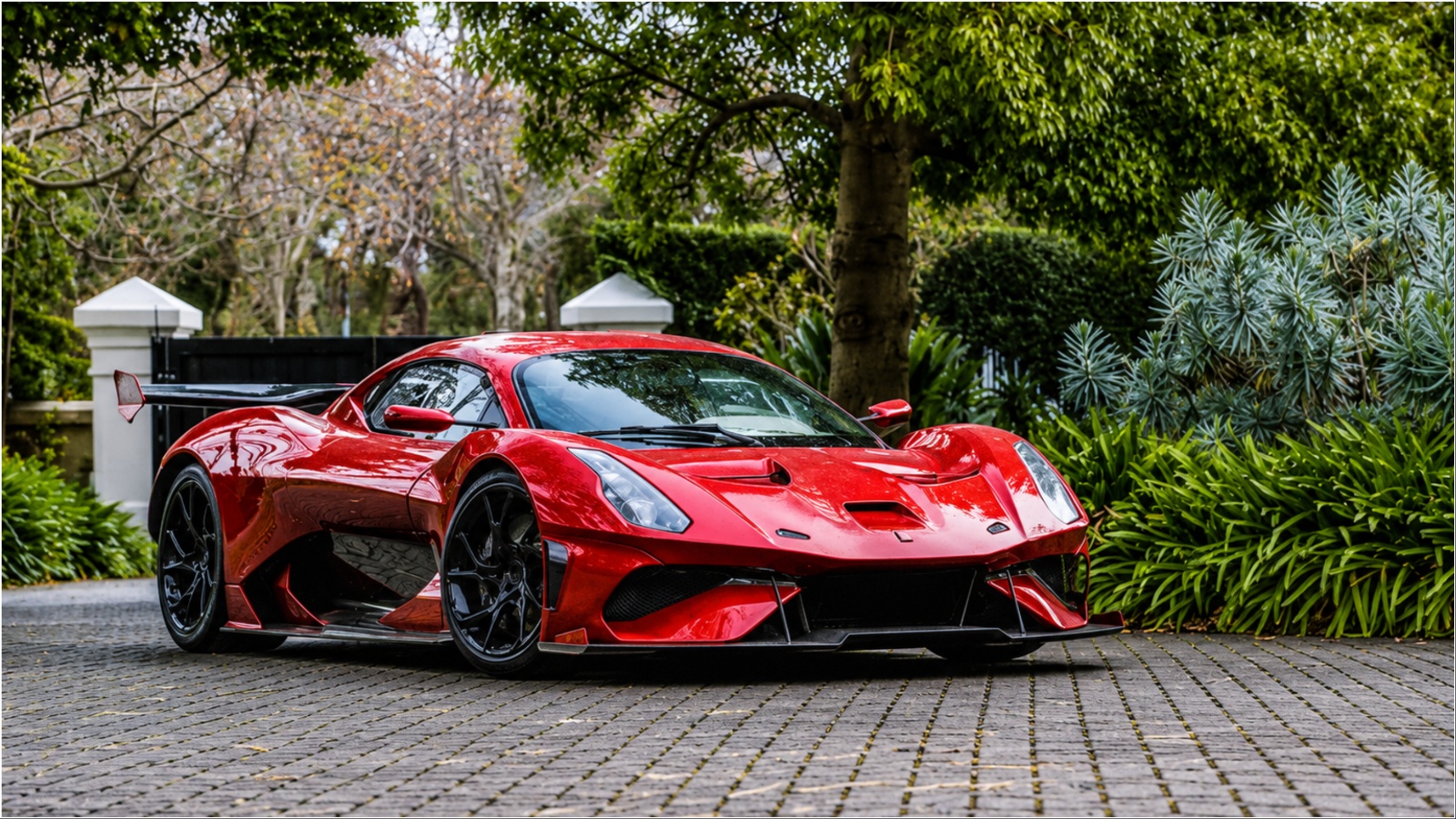
Most cars leave the factory ready for everyday road use, but a select group of performance machines is designed exclusively for the racetrack. These track-focused cars leave out many of the features required for street-legal vehicles, including headlights, turn signals, airbags, catalytic converters, windshields, and sometimes even mirrors.
Since they are built strictly for circuit performance, equipment that serves no purpose on a closed track is often removed. Anyone hoping to use one on public roads may need to add approved lighting, road-legal tires, emissions equipment, and in some cases complete an additional certification process before the car can be registered.
This list rounds up eight cars, from stripped-down exoskeleton racers to million-dollar hypercar variants, that cannot be legally driven on public roads in the condition they’re sold.
Some can be converted with the right paperwork and parts; others are essentially impossible to certify no matter how much money is thrown at the problem. Either way, each one shows how far manufacturers will push a car once road-legal compromises are taken off the table entirely.
1. Ariel Atom 500 V8
The Ariel Atom already looks like it’s missing half its bodywork, but the Atom 500 V8 takes the concept to an extreme even by Atom standards. Built in just 25 units, this limited-edition version swapped the usual four-cylinder engine for a 3.0-liter V8 producing 500 horsepower in a car that weighs barely over 1,300 pounds.
One version of the car holds the record for the highest-revving naturally aspirated V8 production car, reaching over 10,600 rpm. That kind of specification comes at a cost: neither the road-oriented nor the track-oriented version of the Atom 500 is road-legal in the United States.
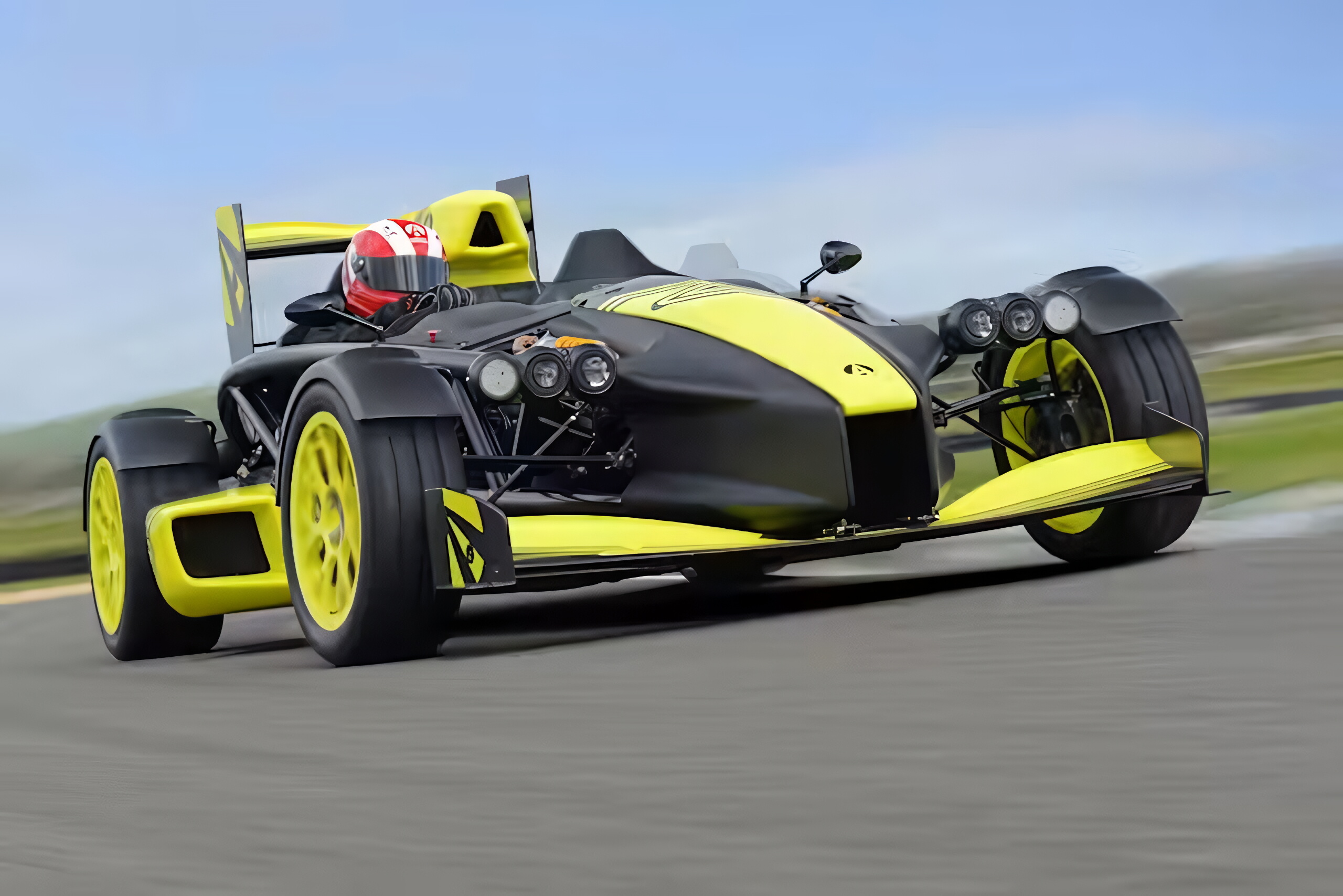
The car has no windshield, no airbags, no crumple zones, and no emissions equipment of any kind, none of which meets federal motor vehicle safety standards. Even the standard Atom, which is sold as street-legal in the US, only qualifies because Ariel builds a road-compliant version from the ground up rather than modifying a track car after the fact.
The 500 V8 was never given that treatment, so it exists purely as a trophy for private collectors and track-day enthusiasts. Owners who want to drive one on public roads outside sanctioned track events are, in practice, out of luck, since there is no factory-approved path to registration.
It remains one of the purest examples of a manufacturer building a road-going chassis and then deliberately declining to make it road-legal, prioritizing raw performance and weight savings over any concession to daily usability or legal compliance.
2. Lamborghini Essenza SCV12
Lamborghini’s Squadra Corse motorsport division built the Essenza SCV12 with a single purpose in mind: to be the purest track experience the brand could offer, with zero concessions to road use from the outset.
Only 40 units were produced, each powered by a 6.5-liter naturally aspirated V12 (shared in origin with the Aventador) tuned to deliver over 830 horsepower, making it the most powerful naturally aspirated engine Lamborghini has ever built.
The car rides on a new-generation carbon-fiber monocoque engineered to meet FIA prototype safety standards rather than any road-going crash regulation, and it forgoes an internal roll cage in favor of structural strength built into the chassis itself.
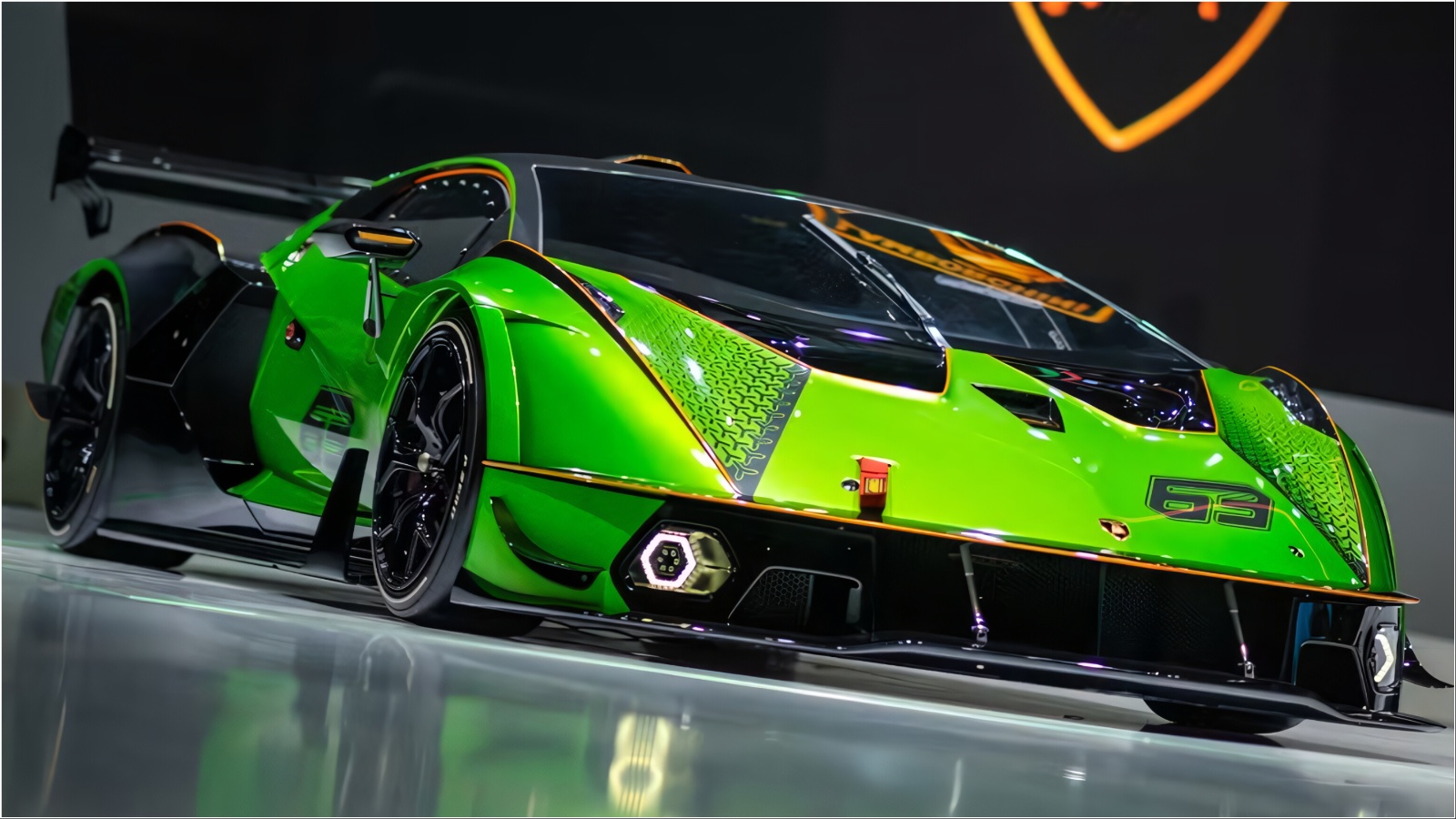
A rear-wheel-drive layout, a structural six-speed sequential gearbox from Xtrac, and aerodynamics that generate more downforce than a GT3 race car round out a package with no consideration for license plates, turn signals, or emissions compliance.
Lamborghini never intended the SCV12 to be titled or driven on public roads. Instead, the company built an entire ownership program around it: cars are stored at a dedicated facility in Sant’Agata Bolognese, complete with 24-hour webcam access, and owners get track access at prestigious circuits worldwide along with driver coaching from Lamborghini’s motorsport team.
Like the McLaren Senna GTR and Aston Martin Vulcan, the SCV12 represents a manufacturer building an uncompromised track flagship and handling the entire experience transport, storage, and access so the owner never has to think about road registration at all.
3. Radical SR3 (RS and base spec)
Radical built its reputation on race cars that private owners could buy and drive at track days, and the SR3 is the company’s best-selling model by a wide margin. More than 600 examples have been sold, and while they can be made road legal, many owners never bother, since track use is the car’s real purpose.
In standard RS trim, the SR3 comes without headlights, turn signals, a windshield, or any of the sound and emissions equipment required for road registration in most countries.
Converting one is technically possible in the UK through the Single Vehicle Approval process. Both the original SR3 LM and the second-generation RS can be made street legal by adding an SVA kit, though the SR3 SL was the only version designed from the beginning to be road legal, receiving European Small Series Type Approval for registration across many European countries.
That difference is important because the RS is fundamentally a race car. Anyone who wants to use one on public roads must add equipment such as lighting, mirrors, road-approved tires, and a compliant exhaust system. Radical’s SL was designed with road use in mind, yet its race-inspired architecture can still make speed bumps and rough country roads difficult to navigate.
In the United States, importing and registering a track-focused SR3 can be even more complicated because federal rules for kit cars and low-volume manufacturers do not always fit neatly with a vehicle designed primarily for circuit use.
4. KTM X-Bow
The KTM X-Bow arrived in 2008 as one of the first genuinely radical open-cockpit track cars to reach a broader European audience, built around a carbon-fiber monocoque borrowed from motorsport engineering rather than road-car design.
Early versions of the X-Bow, particularly the entry-level and race-focused GT models, were sold without windshields, without weather protection, and without the lighting and signaling equipment required for road registration in most markets. Buyers who wanted a street-driven X-Bow had to specify a separate road package or retrofit one, adding a windshield, mirrors, indicators, and a compliant exhaust.
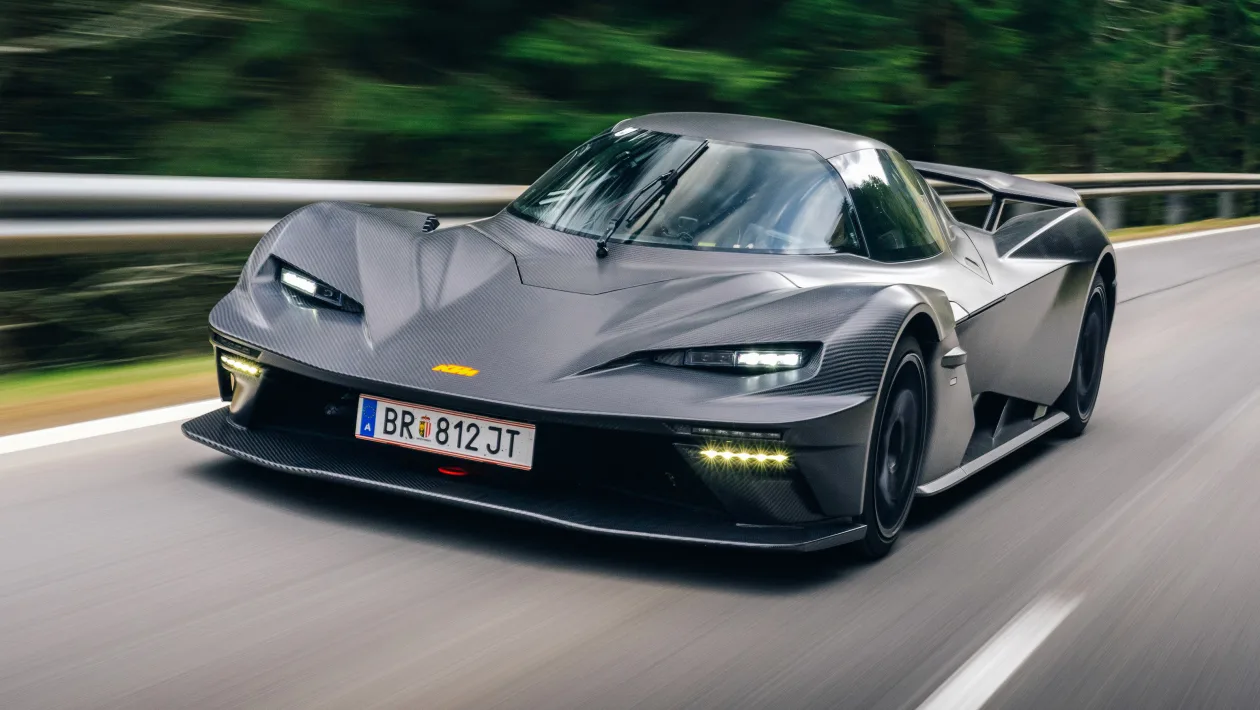
Because the X-Bow shares its market segment with the Ariel Atom and BAC Mono, it’s often mentioned alongside them as one of the definitive “buy it, trailer it, track it” cars of the last two decades. The base chassis simply isn’t engineered with road compliance as a starting assumption, which keeps weight down and center of gravity low but leaves the car fundamentally unfinished from a street-legal standpoint.
Even in configurations marketed as road-legal, the car retains a stripped-out feel that owners frequently describe as closer to a race car with license plates than a genuine road car. For anyone importing an X-Bow outside its home market, the registration process typically means treating it as a kit car or specialty vehicle, subject to whatever patchwork of local rules happens to apply, rather than a conventional homologated production car.
5. Praga R1
Praga is a Czech manufacturer with a long history in motorsport engineering, and the R1 is its answer to the small-batch, track-only sports racer built for wealthy enthusiasts who want serious lap times without a professional racing budget. The R1 uses a full carbon-fiber tub, sits its driver in a nearly reclined racing position, and is built to FIA-adjacent safety standards rather than road-car crash regulations.
As delivered, it has no headlights suitable for public roads, no turn signals, no windshield in most configurations, and none of the emissions hardware required to register a car for street use in the US or most of Europe.
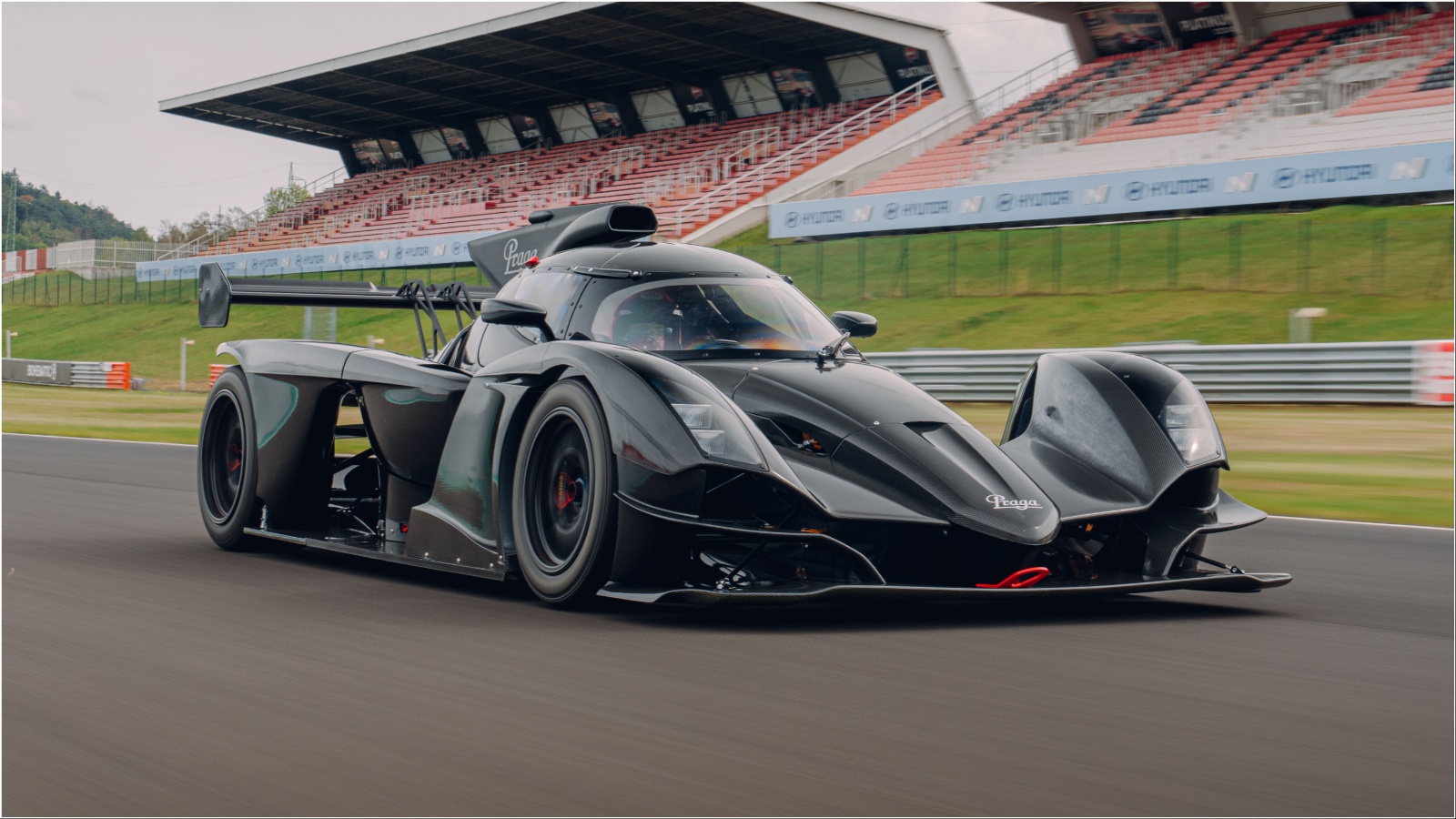
Praga markets the R1 explicitly as a track and club-racing tool, comparable in spirit to Radical’s lineup, and the company’s later variants have leaned further into pure competition specification rather than road usability.
Because the car is built in small numbers by a manufacturer without the scale to pursue full type approval in multiple markets, owners face the same patchwork of kit-car and specialty-vehicle rules that apply to the Atom, Mono, and X-Bow.
A handful of privately converted, road-registered examples exist in jurisdictions with permissive kit-car laws, but they are the exception built through significant owner investment, not something Praga offers as a factory option. For the overwhelming majority of R1 owners, the car lives on a trailer between track days, never touching a public road in any legal capacity.
6. McLaren Senna GTR
McLaren’s road-going Senna was already one of the most track-focused cars the company had ever certified for street use, built around extreme aerodynamics and a stripped, lightweight cabin. The Senna GTR pushes past that line entirely.
McLaren removed the road-legal restrictions altogether for the GTR, fitting a wider track, more aggressive aerodynamics, slick racing tires, and a roll cage, while stripping out the airbags, catalytic converters, and speed limiters that let the standard Senna carry a license plate.

Only a limited run of GTR examples were built, each sold with the explicit understanding that the car is intended for private track use only and cannot be registered for road driving in any market.
McLaren never intended the GTR to be converted into a road-legal version. Its fixed racing seats, harness-only restraint system, and unrestricted exhaust were designed for track use and conflict with many of the safety and noise requirements expected of street-registered vehicles.
Owners typically store and transport GTRs specifically for track-day programs, sometimes run in partnership with McLaren itself, which offers driver support and track access as part of the ownership experience.
The car represents a broader trend among hypercar makers: rather than compromise a track flagship to keep it street-legal, manufacturers increasingly build a separate, uncompromised GTR or “track evo” variant and simply accept that it will never carry a number plate.
7. Ford GT Mk II
When Ford wanted to build the most extreme version of its modern GT supercar, it didn’t try to keep the car road-legal at all. The GT Mk II strips out the speed limiter, traction and stability control systems, and turn signals that the road-going GT needs to pass certification, while adding a fixed rear wing, larger front splitter, and slick racing tires that generate far more downforce than any street-legal setup could accommodate.
The result is a car built purely for private track use, sold to a small group of collectors through Ford’s Multimatic-built performance program.
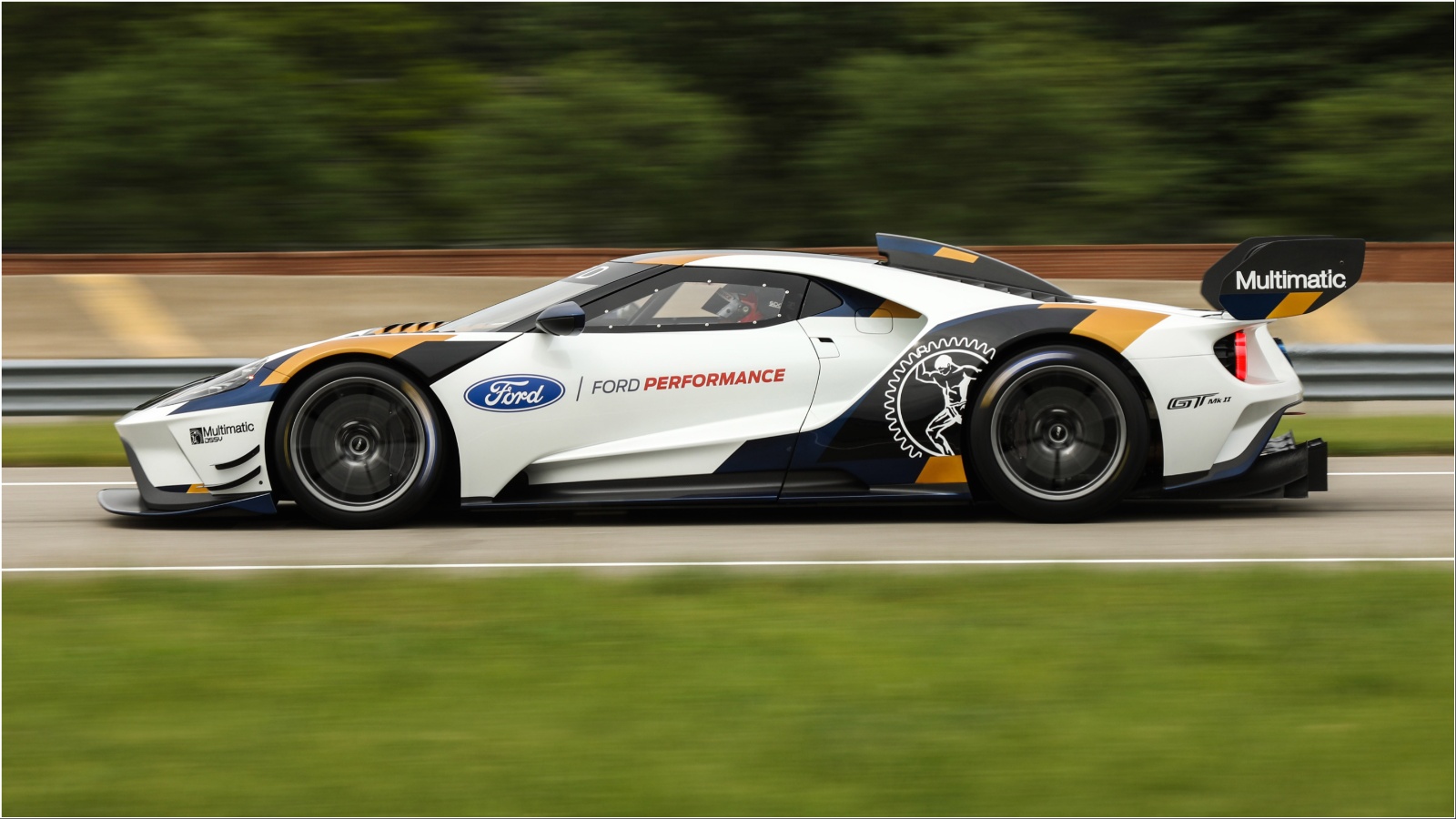
Because the Mk II was never intended to be registered, Ford didn’t bother retaining the underbody aerodynamic covers, catalytic converters, or crash-safety compromises that shape the standard GT’s design.
The engine is tuned beyond what emissions equipment on the road car allows, and the suspension and aerodynamics are calibrated exclusively around circuit performance rather than ride comfort or ground clearance for driveways and speed bumps. Ford explicitly markets the Mk II as a track-only purchase, and ownership typically comes bundled with track-day support rather than any expectation of road use.
Unlike some track-only cars on this list, there’s no aftermarket or factory pathway to bring a Mk II back to street specification; the car’s entire engineering brief assumes it will only ever operate on a closed circuit, transported to and from events on a trailer.
8. Aston Martin Vulcan
The Aston Martin Vulcan was conceived as a track-only hypercar from its very first sketches, built to sit alongside the road-legal One-77 and Vulcan’s own later road-going descendants without ever compromising for public-road use itself.
Only 24 examples were built, each powered by a naturally aspirated V12 producing over 800 horsepower, paired with a carbon-fiber chassis, racing slicks, and an adjustable aerodynamic package with a rear wing generating substantial downforce at speed.
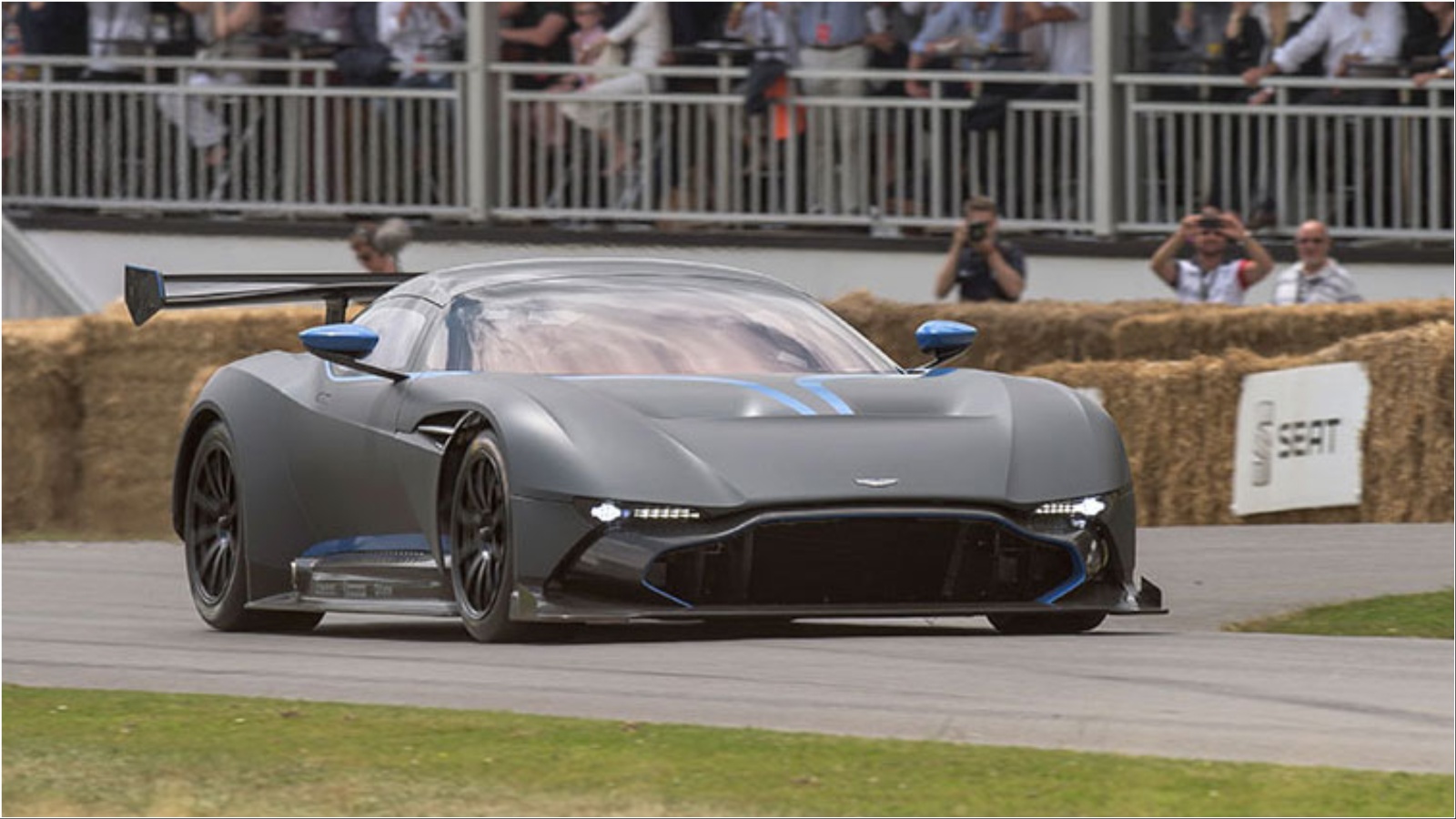
None of that engineering translates into anything resembling road compliance. The Vulcan has no airbags, no license plate mounting provisions, no road-legal lighting, and an exhaust and emissions setup that would fail inspection in virtually every jurisdiction on earth.
Aston Martin never expected owners to register the car for road use. Instead, the company created a complete ownership experience around it, with driver coaching and access to racetracks around the world. The program reflects how the car was meant to be enjoyed, exclusively on a circuit rather than on public roads.
The Vulcan’s extreme specification, including a sequential racing gearbox and a cockpit built around a full harness rather than a conventional seatbelt, makes any theoretical street conversion both financially and practically implausible. It stands as one of the clearest examples of a manufacturer building a hypercar explicitly to avoid the compromises that road-legal certification would otherwise force onto the design.
