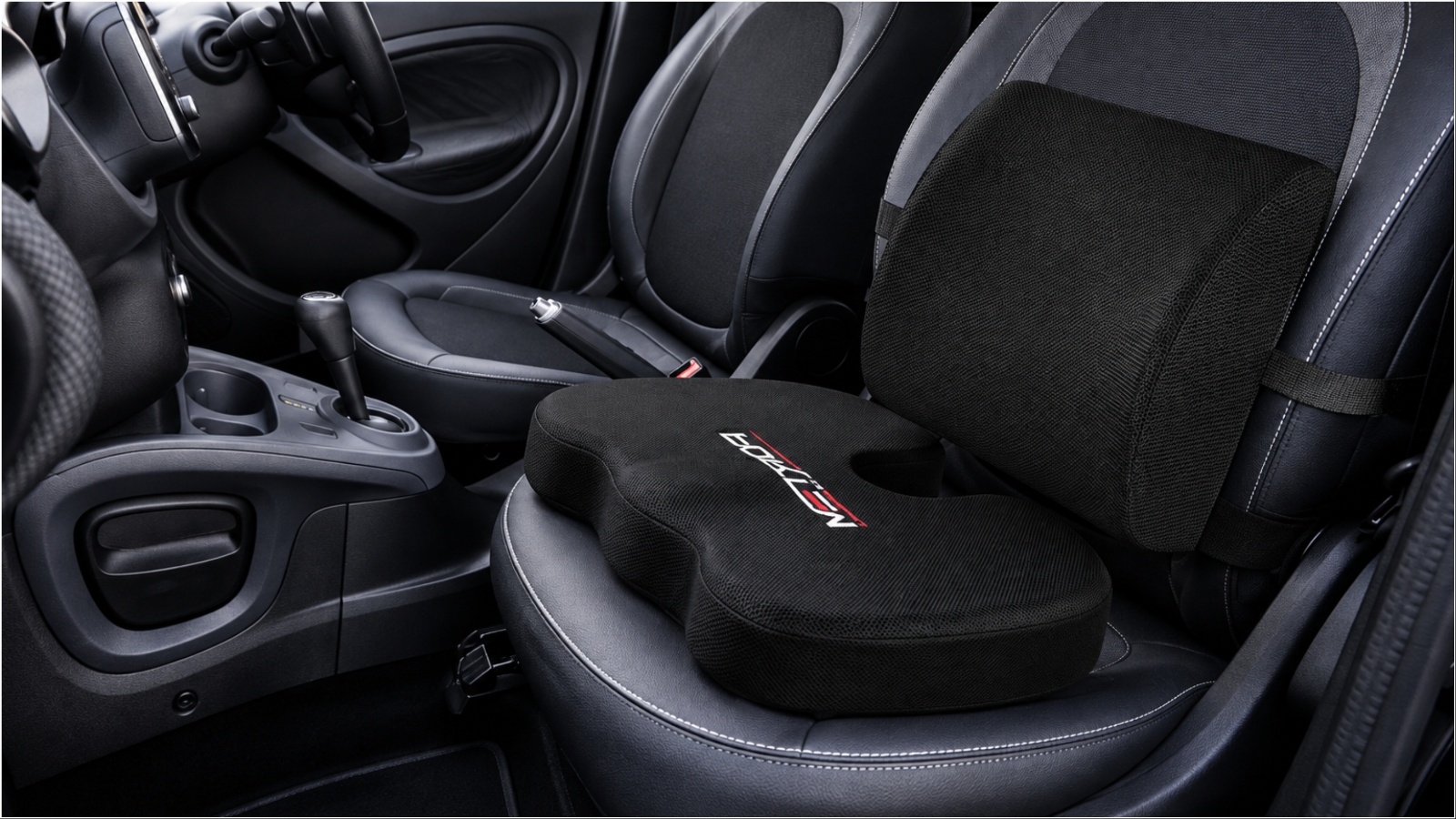
Sitting places far more stress on the lower spine than standing does, which is why lumbar support has quietly become one of the most important comfort features in a modern vehicle.
A seat that lacks proper lower-back contouring can leave even a short commute feeling exhausting, while a well-engineered seat keeps the spine in a more neutral position and reduces fatigue on longer drives. Adjustability matters as much as cushioning, since no single seat shape works for every body type.
The eight vehicles below stand out for their highly adjustable lumbar systems, many of which are power operated, along with supportive cushioning and a smooth, comfortable ride.
They range from mainstream sedans and SUVs to full luxury flagships, so there’s an option here whether you’re shopping on a budget or willing to pay for orthopedic-level engineering. Each one has been recognized by automotive reviewers or health-focused evaluators specifically for how well it treats a sensitive lower back.
1. BMW X5
The BMW X5 consistently shows up on lists of the best vehicles for people with back pain, and it’s easy to see why. Its front seats come standard with multi-contour, 20-way adjustability, giving drivers an unusually granular ability to dial in bolster width, thigh support, and lumbar depth to their exact shape.
The electric lumbar adjustment lets you fine-tune both the height and the amount of forward projection the support provides, rather than offering just a single inflate-or-deflate setting.
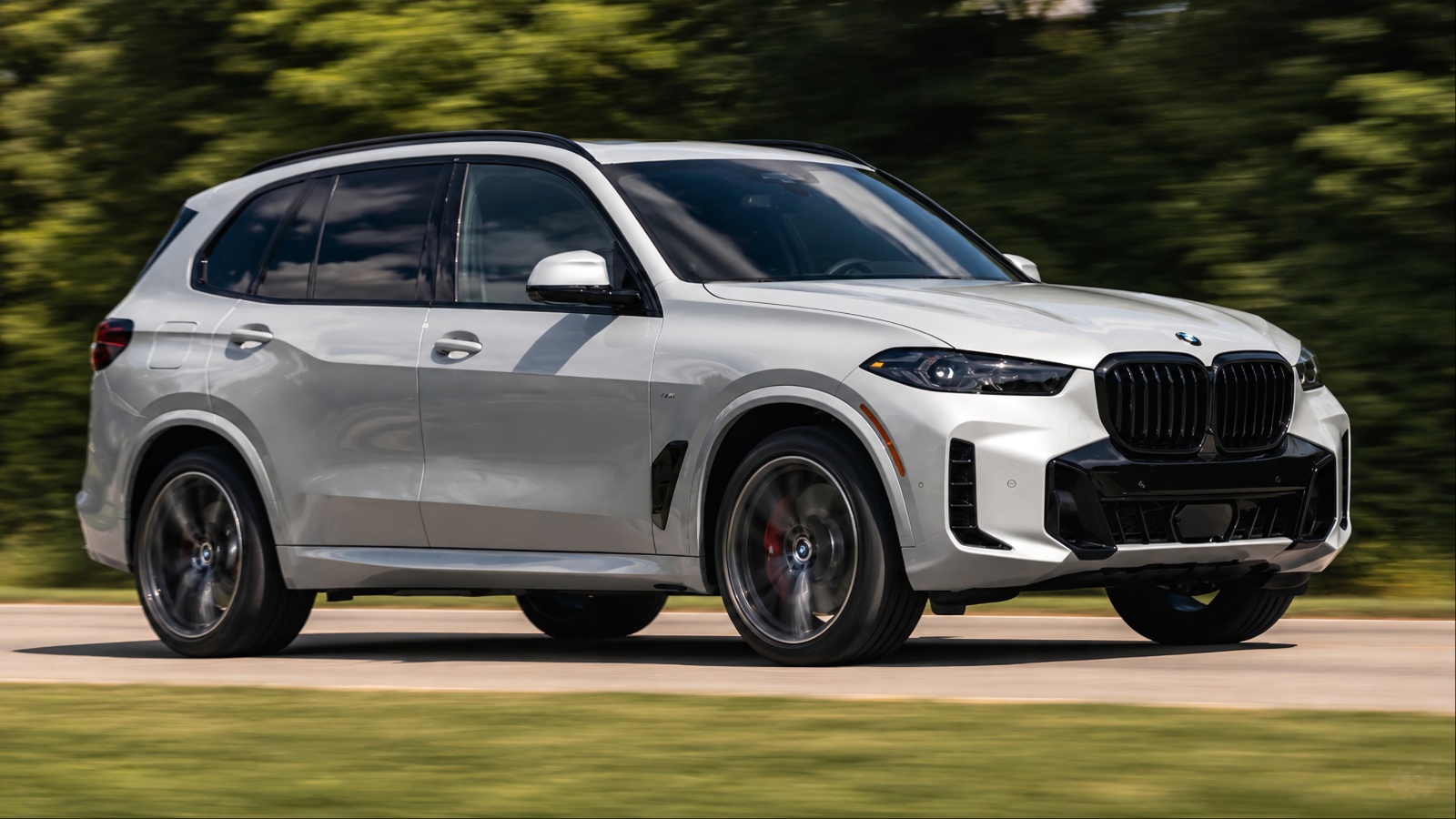
Buyers who want to go further can add the optional Comfort Plus Package, which brings massage functionality and seat ventilation into the mix. Massage settings help relieve the muscular tension that builds up around the lumbar region on long trips, while ventilation keeps the seat from becoming a source of additional discomfort on hot days.
The X5’s ride height is also frequently praised: it sits high enough that drivers don’t need to crouch to get in, but low enough that it doesn’t require an awkward climb, which matters for anyone with limited hip or back mobility.
Beyond the seats themselves, the X5’s available adaptive suspension lets drivers soften the ride further, which reduces the jolting and vibration that can aggravate an already sensitive lower back. The combination of a supportive seat, an adjustable chassis, and comfort-oriented options makes the X5 one of the most complete packages for back-conscious drivers in the luxury SUV segment.
2. Volvo XC60
Volvo has a long-standing reputation for seat engineering, and the XC60 is often singled out as one of the brand’s strongest efforts. Reviewers who focus on back health note that Volvo’s seats in this range were developed with input from orthopedic specialists, which shows in how the lumbar and thigh support are shaped to keep the spine in a healthier position over long stretches of driving.
Rather than treating lumbar support as an afterthought bolt-on, Volvo builds it into the core structure of the seat.
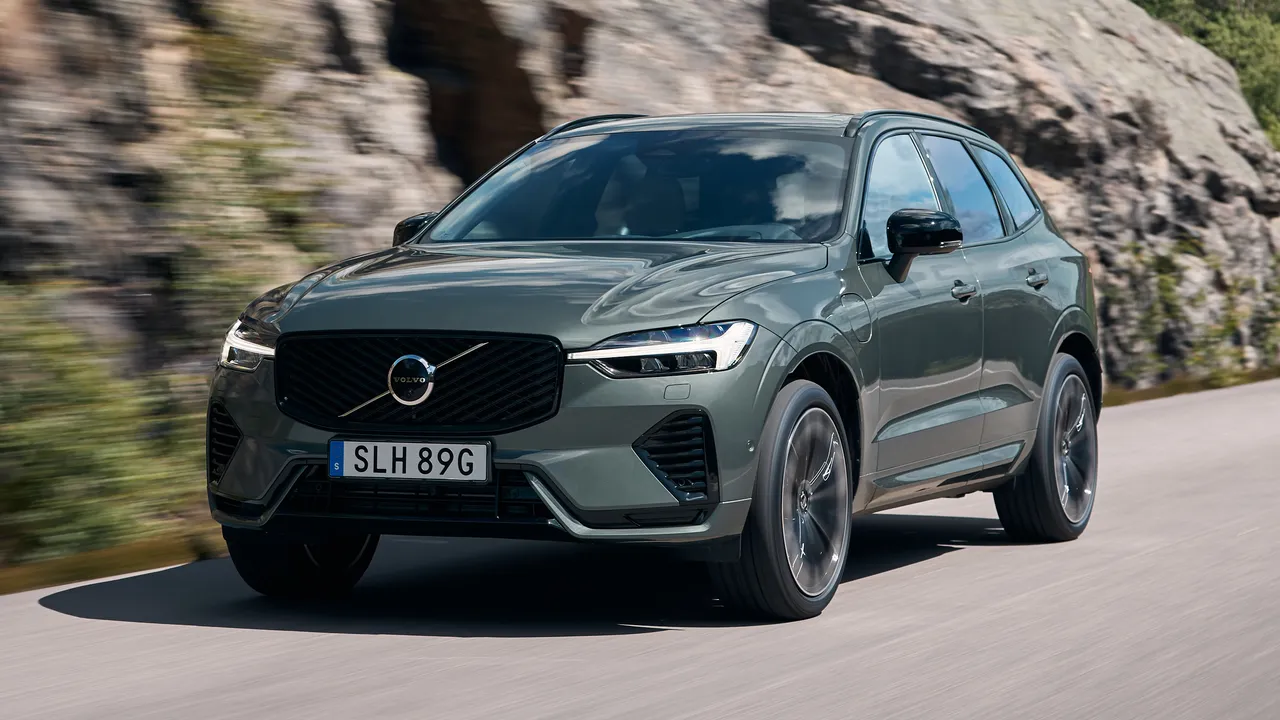
The XC60 pairs that seat design with the kind of ride comfort and higher seating position that make entry and exit easier on a bad back. As an SUV, it avoids the low, ground-hugging stance of a sports sedan, so drivers don’t need to lower themselves awkwardly into the cabin or use extra force to climb back out a detail that matters more than people expect when back pain is a daily concern.
Adjustability is another strength. The power seats allow independent control over lumbar height and depth, letting drivers with different torso lengths and curvature needs find a setting that actually matches their spine rather than a generic average.
Combined with Volvo’s typically smooth, controlled ride quality, the XC60 does a good job of minimizing the jarring movements that can aggravate lower-back discomfort on rougher roads, making it a strong pick for anyone prioritizing spinal comfort in a mid-size SUV.
3. Volvo S60
Volvo applies its seating philosophy across more than just its SUVs. The S60 sedan uses the same approach, with seats designed with input from back specialists. The goal is to spread body weight more evenly across the seat and lumbar area instead of placing excessive pressure on specific points. This design can help reduce the stiffness that many drivers experience during long journeys.
The S60’s lumbar adjustment is power-operated and multi-directional, giving drivers control over both the height of the support and how far it projects into the small of the back. That range matters because lumbar curvature varies significantly from person to person, and a fixed or limited adjustment range often leaves at least part of the driving population without adequate support.
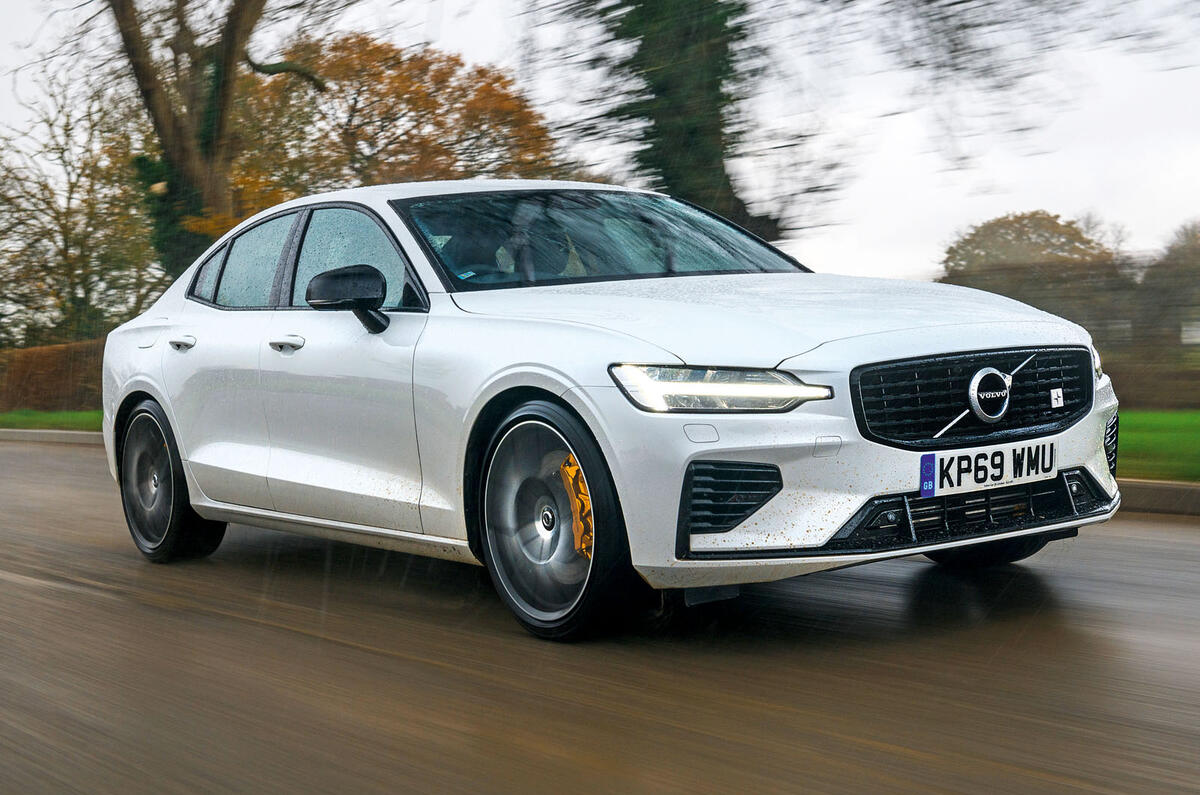
As a sedan, the S60 sits lower than the XC60, which may make entry and exit slightly more demanding for some back-pain sufferers, but it compensates with a notably smooth, well-controlled ride that limits jostling on imperfect pavement.
For drivers who prefer sedan handling and a lower center of gravity but still want serious attention paid to spinal support, the S60 offers nearly the same seat engineering as its SUV sibling in a sportier package. It’s a reminder that Volvo treats lumbar comfort as a brand-wide priority rather than a feature reserved for one model.
4. Kia Sportage
The Kia Sportage proves that strong lumbar support doesn’t have to come with a luxury price tag. It’s regularly recommended in buying guides focused on back comfort, largely because it pairs a comfortable, well-cushioned seat with the kind of SUV ride height that makes climbing in and out significantly easier than it is in a low sedan.
That easier entry and exit reduces the twisting and bending motions that often trigger flare-ups for people with existing back issues.
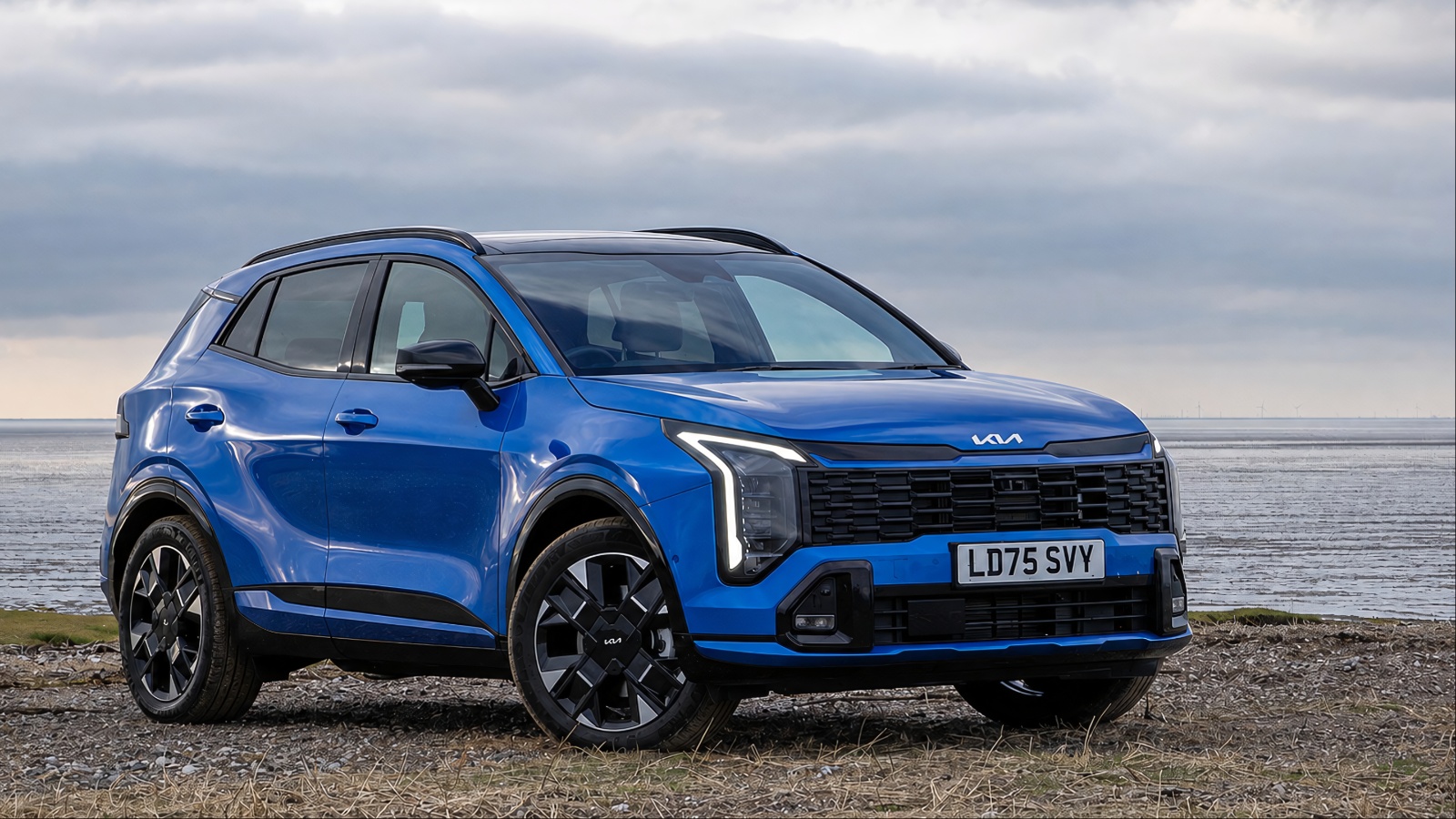
Upper Sportage trims offer power adjustable lumbar support, making it easier for drivers to find a comfortable position without having to reach for a stiff manual lever. The adjustment range may not match what is offered by BMW or Volvo, but it provides the key settings most drivers need. Height and depth adjustments allow the seat to better follow the natural shape of the lower back.
The Sportage’s suspension tuning is also cited as a strength, offering a ride that stays composed over rougher pavement without transmitting excessive vibration into the cabin.
For shoppers who want meaningful ergonomic benefits without stepping up into luxury-brand pricing, the Sportage stands out as one of the more accessible options on this list, delivering a combination of adjustable support, comfortable cushioning, and an easy-access ride height that many pricier vehicles struggle to match.
5. Toyota Camry
The Toyota Camry earns its spot on this list less through flashy adjustability and more through the simple fact that its seating position naturally encourages a healthier spine posture. Reviewers with a medical background have pointed out that the Camry’s design helps reduce forward lumbar flexion, the slouched, rounded-shoulder posture that tends to develop on long commutes and gradually strains the lower back.
A well-balanced seating position is important because even advanced lumbar adjustment cannot completely correct poor posture caused by the way the driver sits. The Camry handles the basics well, with the seat height, backrest angle, and cushion firmness working together to create a supportive position for most drivers. This means many people can find a comfortable setup without spending too much time adjusting the controls.
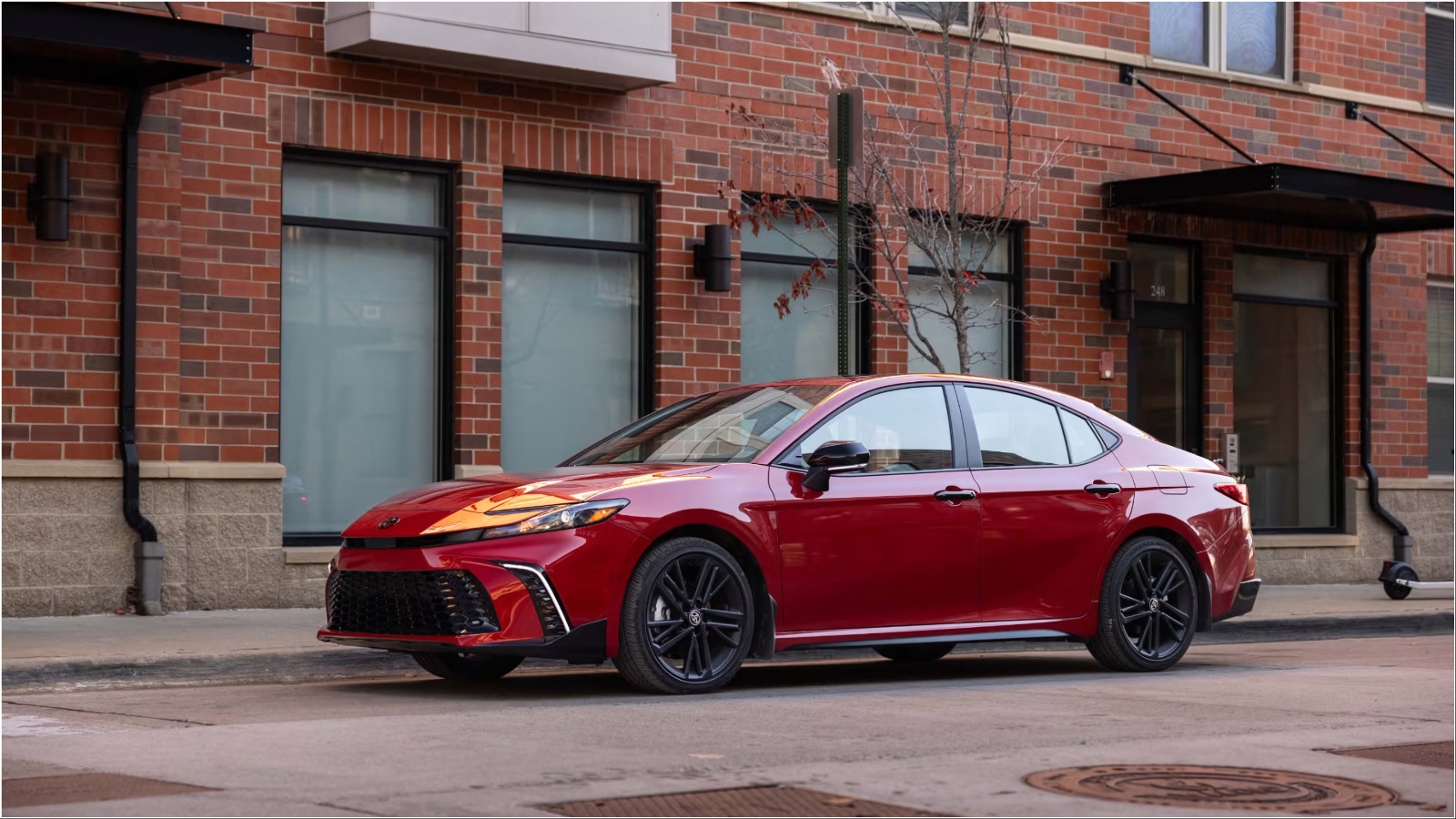
Higher trims add power lumbar adjustment on top of that solid foundation, giving drivers who want more precision the ability to dial in additional support. The Camry’s ride quality also plays a supporting role, as its smooth, well-damped suspension helps prevent the kind of jarring bumps that can aggravate an already stressed lower back.
For drivers who want dependable comfort in a mainstream sedan rather than a luxury vehicle’s price tag, the Camry offers one of the best balances of neutral seating posture, respectable adjustability, and everyday ride comfort available in its class.
6. Honda CR-V
The Honda CR-V is frequently recommended for drivers who struggle with the physical act of getting in and out of a vehicle, which is often just as important as in-seat lumbar support for people managing arthritis, spinal stiffness, or chronic lower-back pain. Its higher ride height means less crouching on the way in and less awkward pushing-up on the way out, both of which can otherwise trigger discomfort before the drive has even started.
Once seated, the CR-V offers a genuinely spacious and well-cushioned seat that avoids the overly firm or overly soft extremes that can undermine lumbar comfort. Available power seats include adjustable lumbar support, letting drivers customize how much the seat pushes into the small of the back, which helps maintain the spine’s natural inward curve rather than letting it flatten out over a long drive.
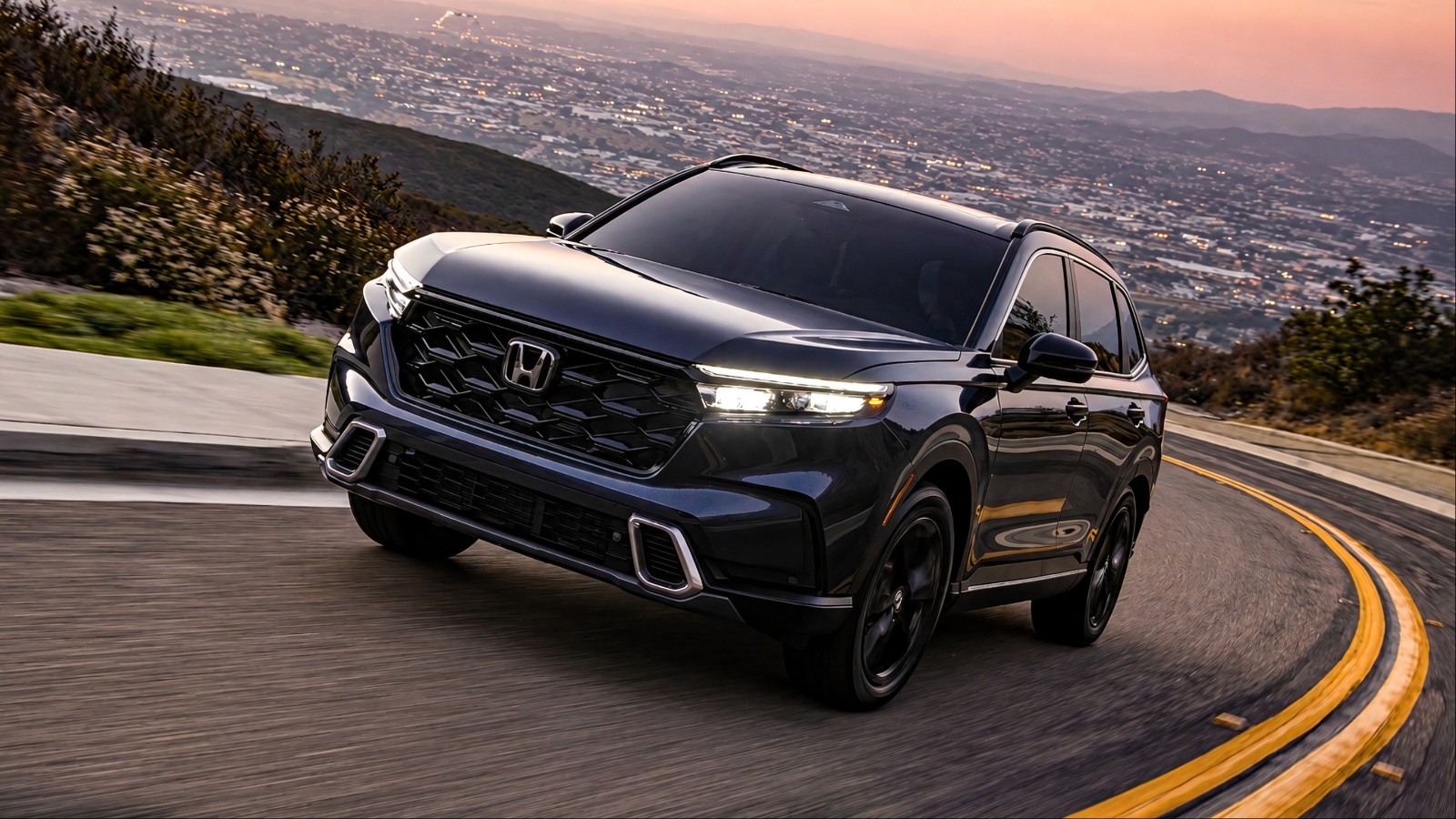
The CR-V’s suspension is tuned for everyday comfort rather than sportiness, which translates into a calmer ride that doesn’t jolt the lower back over speed bumps or uneven pavement.
Combined with its practical cabin layout and easy-access seating position, the CR-V has built a reputation among both consumer reviewers and health-focused evaluators as one of the more dependable choices for people who need a vehicle that won’t aggravate an existing back condition, all while staying within reach of a mainstream budget.
7. Hyundai Palisade
The Hyundai Palisade stands out in the three-row SUV segment specifically because of how much attention its seats received during development. Reviewers highlight that the Palisade’s seats were tested across a wide range of body shapes, sizes, heights, and weights, aiming for a support profile that works well for a broader population rather than a narrow average driver.
Adjustable lumbar support is a key part of that equation, allowing drivers with back sensitivity to add or reduce lower-back pressure to match their own spine’s curvature. That flexibility is especially valuable in a family vehicle, where the driver’s seat may need to accommodate multiple people with very different body types over the course of a week.
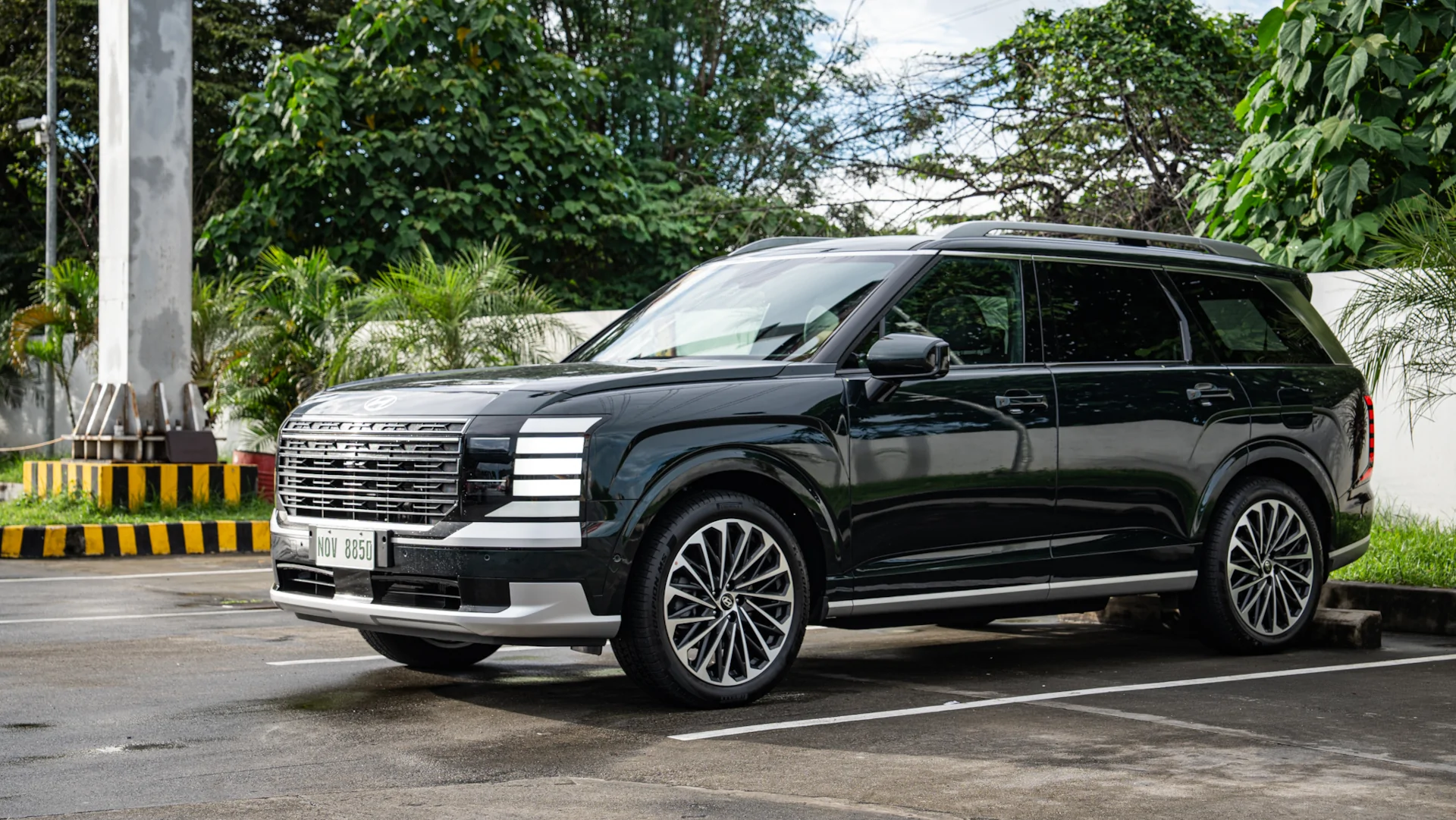
Heated and ventilated front seats round out the comfort package, helping ease muscular tension in cold weather and preventing overheating discomfort in warmer conditions, both of which can indirectly affect how relaxed the lower back feels on a long drive.
The Palisade also brings genuine practicality to the table, with strong cargo capacity and a well-equipped infotainment system, making it a realistic choice for families rather than a single-purpose comfort vehicle. For anyone who needs three-row seating but doesn’t want to sacrifice back support to get it, the Palisade offers one of the more thoughtfully engineered seats in its class, backed by real usability for day-to-day family life.
8. Lexus LS460
For drivers willing to invest in a true luxury flagship, the Lexus LS460 represents one of the most thorough approaches to seat comfort on this list. It comes standard with a 16-way power driver’s seat, offering fore-and-aft slide, height adjustment, and multiple points of lumbar and thigh control that go well beyond what most mainstream sedans provide.
That level of adjustability lets drivers create a highly personalized seating position rather than settling for broad, generic support.
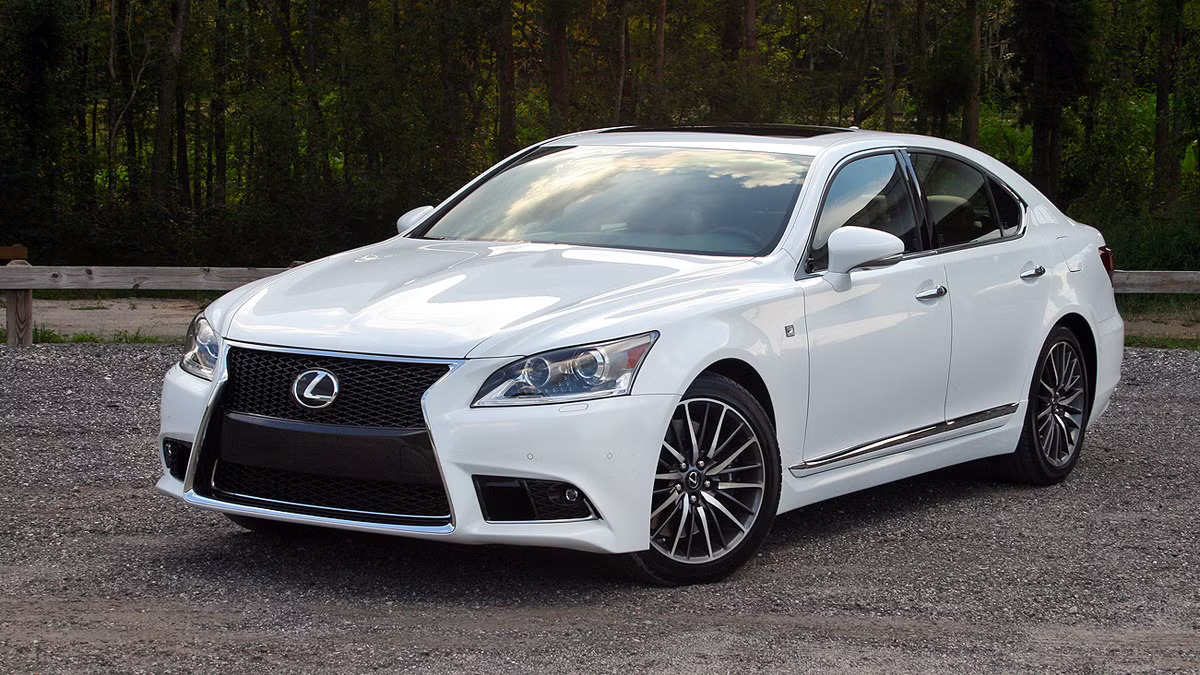
The LS460’s smooth ride adds to its comfortable seating. Lexus designed the sedan to deliver a quiet and well-isolated driving experience, which helps reduce the amount of vibration and harsh movement reaching the lower back during long journeys.
Reviewers consistently point to the LS460’s inherent comfort and exceptional ride quality as major reasons it belongs on lists of the best vehicles for people managing back pain, rather than singling out any one feature in isolation.
As a full-size luxury sedan, the LS460 provides plenty of cabin space, giving occupants room to maintain a relaxed posture without feeling restricted by the door or center console. Its price makes it impractical for many buyers, but the car comes close to an ideal setup for lower back support. It combines extensive seat adjustments with a thoughtfully designed seat and a smooth ride that helps reduce the physical strain associated with long drives.