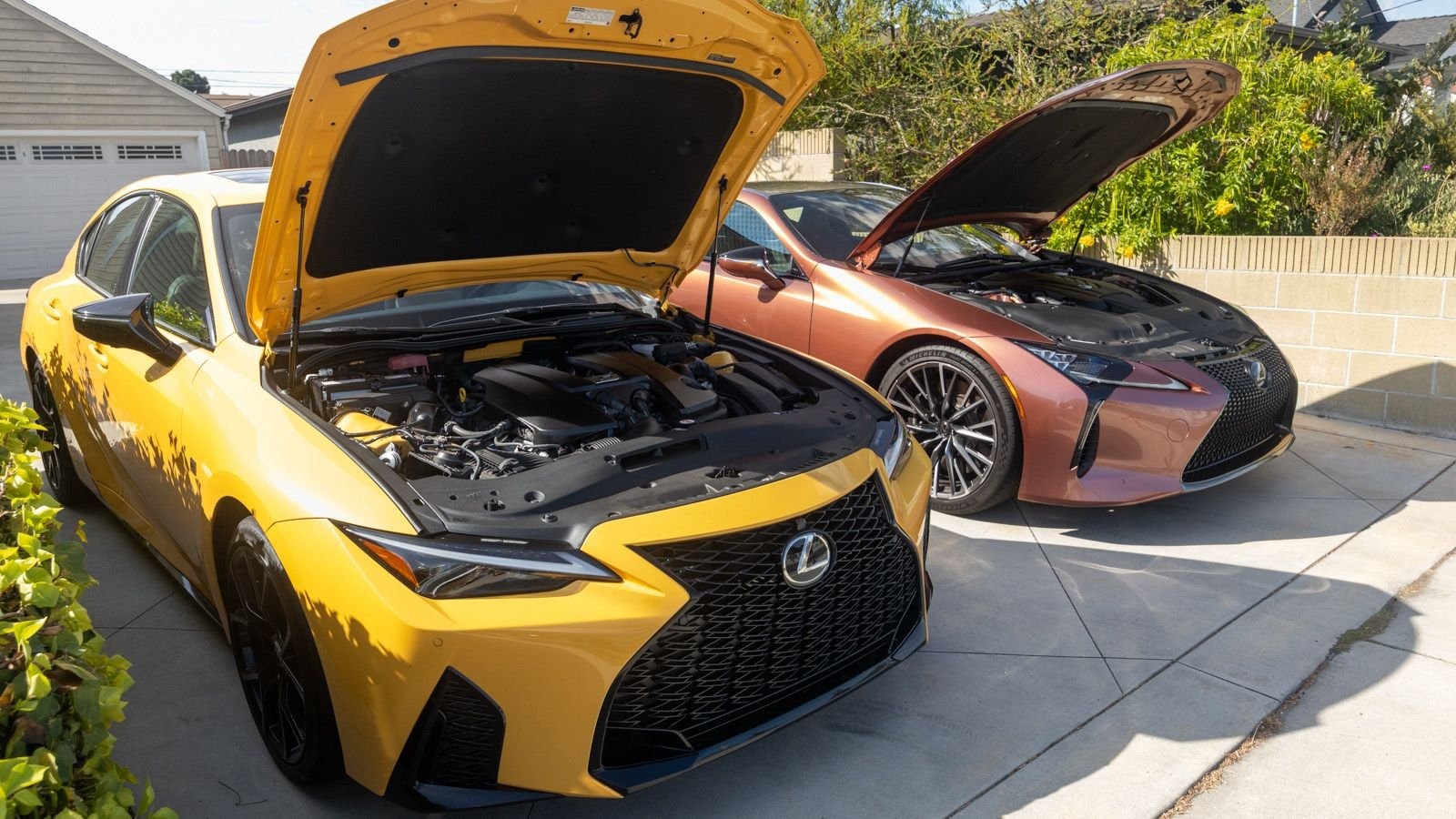
The V8 engine has been an American obsession for generations, that deep rumble under the hood tied to muscle cars, luxury sedans, and full-size trucks alike. That era is closing faster than most drivers realize. Stricter fuel economy rules, tightening emissions standards, and a hard push toward turbocharged inline-six and hybrid setups have pushed automakers to retire engines that once defined entire brands.
Some of these V8s already disappeared before 2028 even arrived, while others are wrapping up production right as the deadline approaches. Either way, the list below covers ten models saying goodbye to their V8, and what’s replacing that sound under the hood going forward.
1. Lexus LC 500
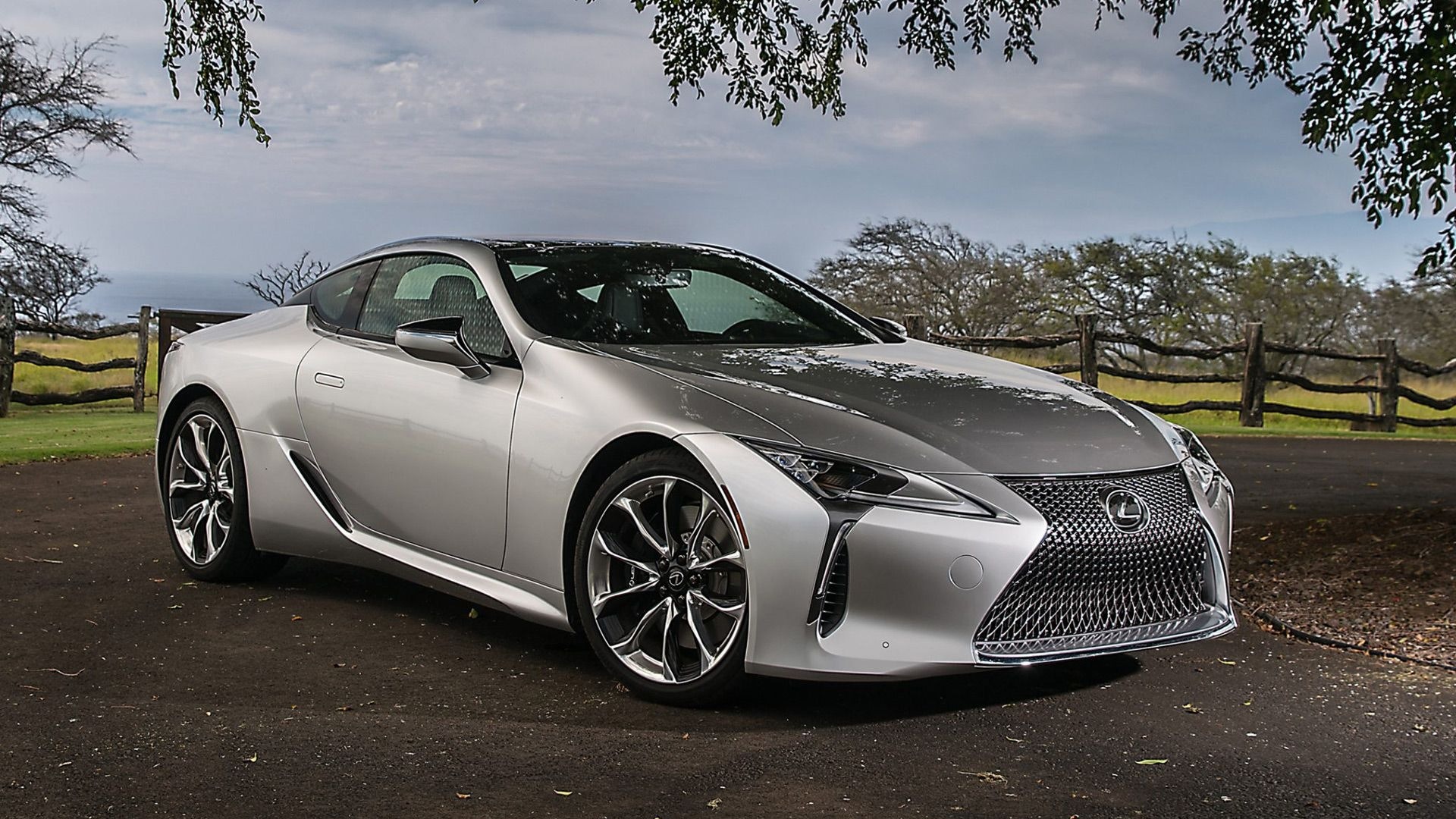
Lexus is getting ready to end production of the LC 500 after the 2026 model year, bringing one of its most admired performance cars closer to retirement. The naturally aspirated 5.0-liter V8 will leave with the car, marking the departure of an engine that has built a strong reputation among driving enthusiasts.
Producing 471 horsepower and revving beyond 7,000 rpm, the V8 offers immediate throttle response and a distinctive exhaust note. These qualities give the LC 500 a character that many modern turbocharged engines do not quite deliver. Lexus has not announced another V8-powered model to directly replace it.
The timing of the car’s departure also deserves attention. While some reports have linked the end of certain V8 models to the 2028 model year, that does not apply to the LC 500. Production is expected to stop after the 2026 model year, so the luxury coupe will leave the lineup well before 2028.
Lexus has been adding electrified powertrains to more vehicles, making it possible that future performance models will rely on different technology. However, the company has yet to give clear details about what will take the LC 500’s place.
For anyone hoping to own a new Lexus with a naturally aspirated V8, this may be one of the last chances. Once production ends and existing dealership stock is sold, locating a brand-new LC 500 could become difficult.
Its strong V8 performance, distinctive design, and comfortable grand touring character may also make carefully maintained examples desirable among future collectors and enthusiasts.
2. Lexus IS 500 F SPORT Performance
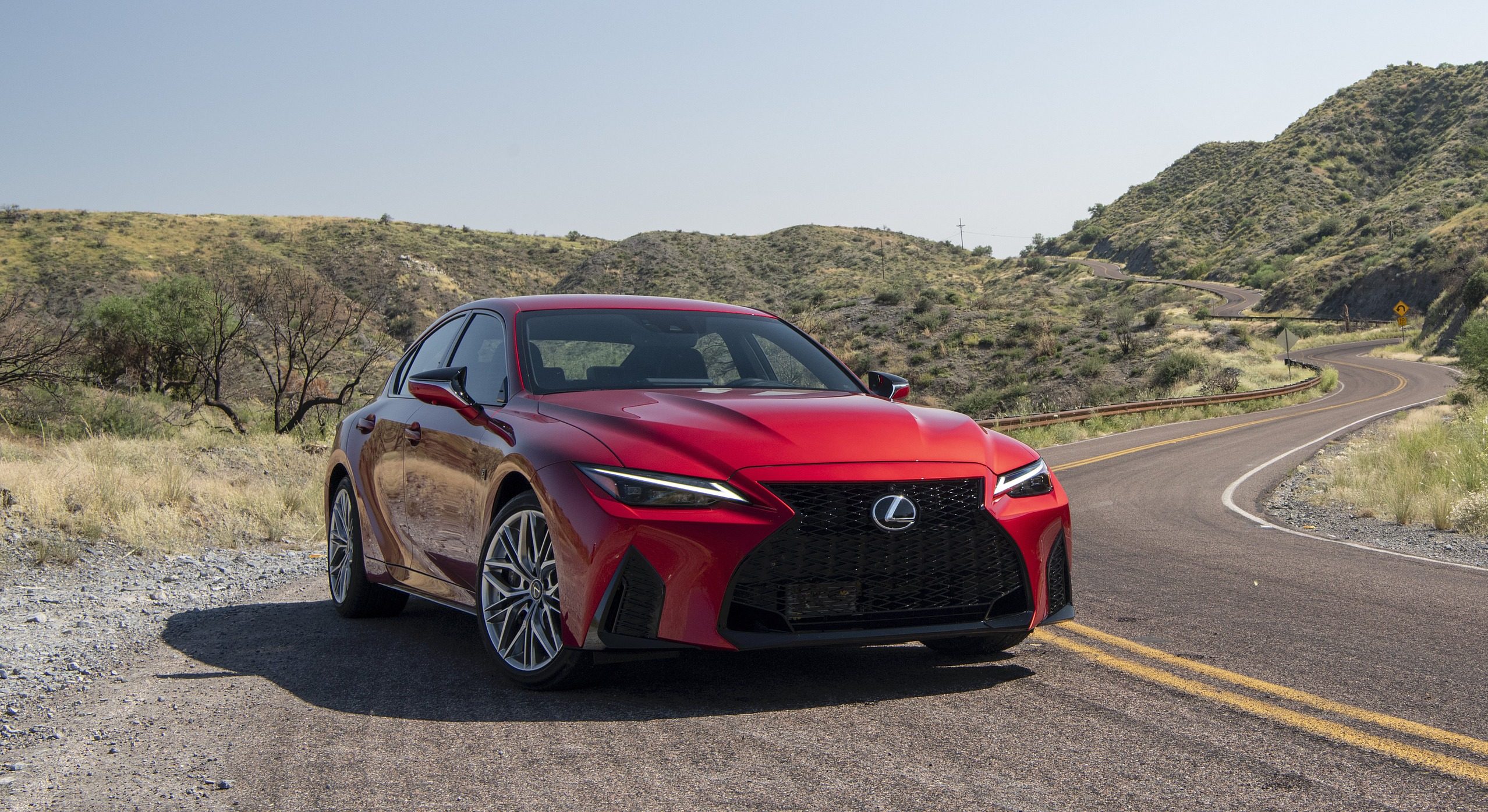
Few compact sport sedans still offer a V8, which made the Lexus IS 500 a rare choice during its brief time on the market. Its naturally aspirated 5.0-liter V8 delivered 472 horsepower, giving the sedan a character that stood apart from rivals using smaller four- and six-cylinder engines.
Lexus discontinued the IS 500 for the 2026 model year, bringing its limited production run to an end. Lexus has chosen to keep the IS range simpler by focusing on the V6-powered IS 350 instead of continuing with multiple performance options.
This decision follows a wider move among car manufacturers toward smaller turbocharged engines. Modern turbocharged six-cylinder powertrains can produce strong performance while offering better fuel economy and meeting stricter emissions requirements, making large naturally aspirated engines harder to justify.
For owners who purchased an IS 500 before production ended, the sedan represents an unusual period in Lexus performance history. It offered buyers the chance to enjoy a naturally aspirated V8 in a relatively compact package at a time when that combination was becoming increasingly rare.
Used examples may attract more attention as the number of available cars decreases. However, scarcity alone does not guarantee that prices will rise steadily. Vehicle condition, mileage, maintenance records, location, and buyer demand will all affect resale prices.
Shoppers looking for an IS 500 should compare several listings carefully rather than assuming every low-mileage example deserves a premium. A clean, well-maintained car with good service records will generally have a stronger position among buyers searching for this discontinued V8 sedan.
3. Jaguar F-PACE SVR
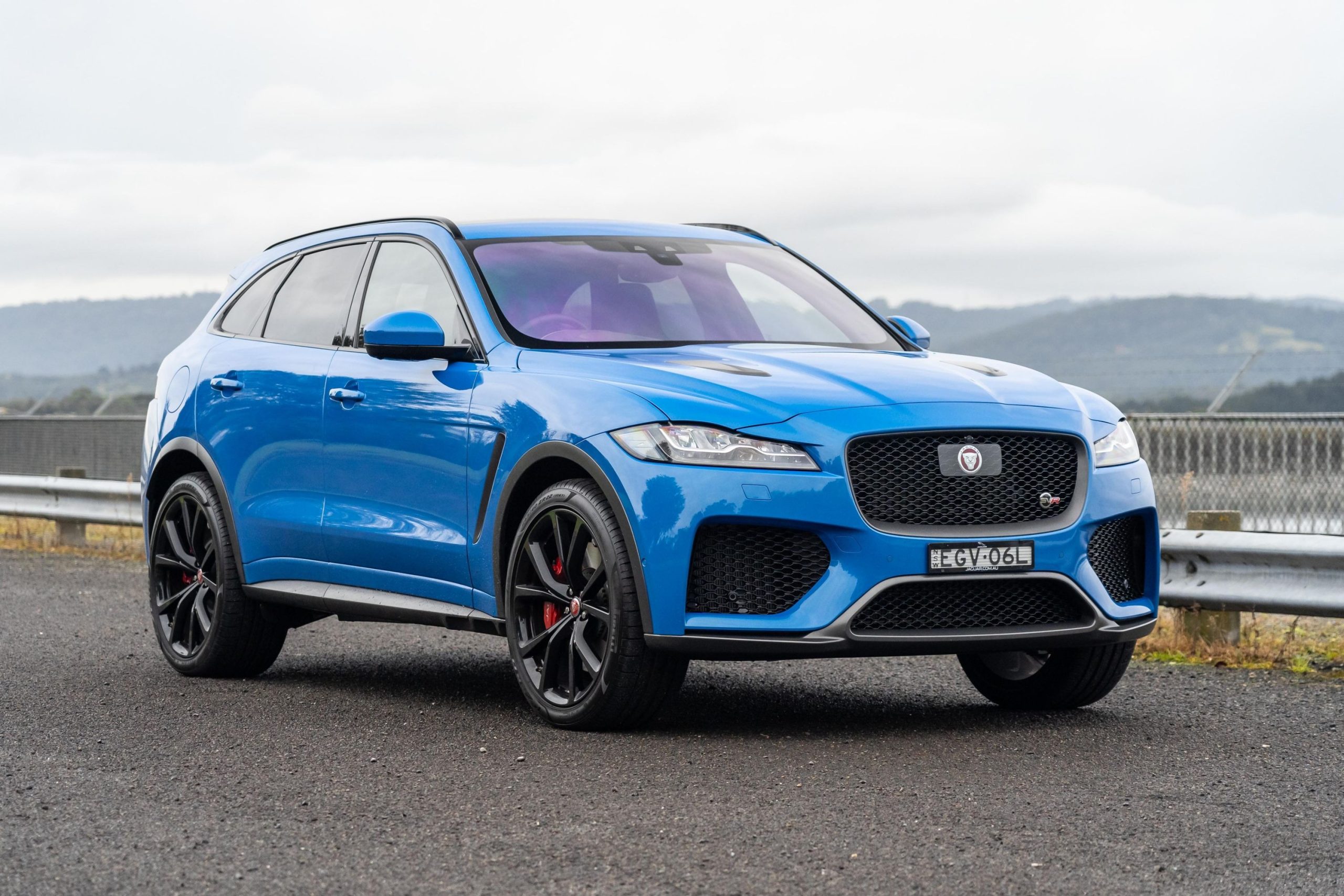
The F-PACE SVR became the last Jaguar SUV to carry a V8 engine before the automaker began changing its approach to vehicle design and powertrains. Its supercharged 5.0-liter V8 performed SUV a strong character that appealed to drivers who wanted high speed with luxury.
Jaguar ended F-PACE production in December 2025, making the 2025 model year the final one. The SVR therefore left production before the wider industry deadline of 2028 that has been discussed for several V8-powered vehicles. Its departure still follows the same pattern seen across the car industry as manufacturers move away from large engines.
The SVR’s retirement also came as Jaguar prepared for a major change in its product plans. Instead of keeping traditional gasoline engines while slowly reducing their size, the company began preparing for an electric-focused future with a new generation of vehicles.
Jaguar also chose not to give the SVR a smaller replacement engine, such as a turbocharged six-cylinder or a hybrid powertrain. The company moved toward electric technology instead, leaving a clear gap between the old performance formula and its future products.
For drivers who enjoyed the sound and strong response of a supercharged V8, the F-PACE SVR will be remembered for its unusual combination of British luxury, sharp performance, and everyday SUV practicality. Finding another Jaguar with the same formula will be difficult once these vehicles become harder to find.
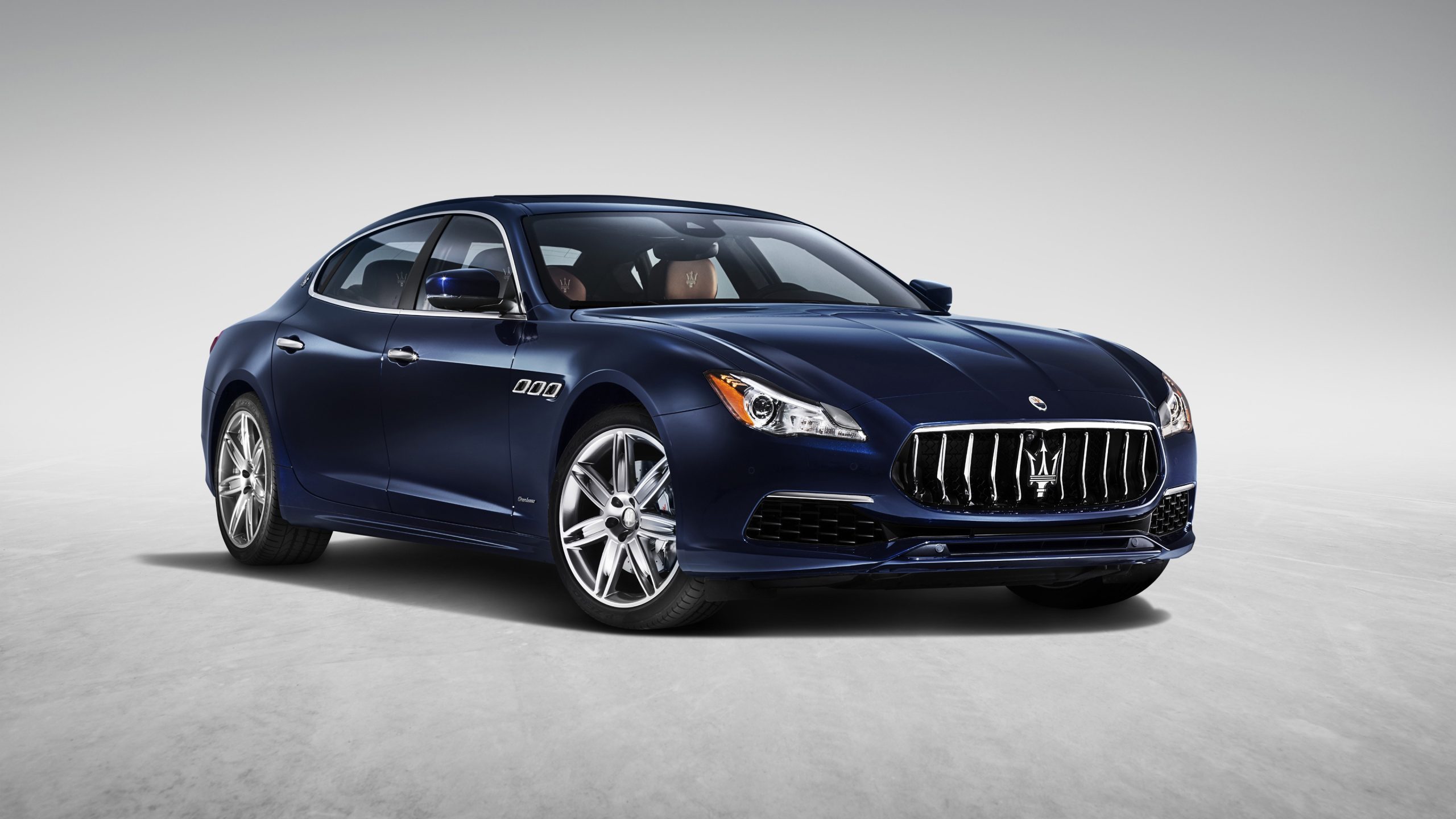
4. Maserati Quattroporte
Maserati ended Quattroporte production in 2024, bringing a long chapter of its luxury sedan history to a close. Among the most desirable versions was the model fitted with a Ferrari-derived 3.8-liter twin-turbo V8.
The engine gave the Quattroporte strong performance and added extra appeal because of its connection to Ferrari’s engine expertise. Attention has now turned to what Maserati plans to do next with its flagship sedan.
The company has indicated that a future Quattroporte is expected to use an all-electric powertrain rather than continue with a gasoline engine. That would represent a major change for a nameplate that has been closely associated with powerful combustion engines for many years.
Plans for the electric replacement have not moved as quickly as initially expected. Development delays have created a gap in Maserati’s sedan lineup, leaving the company without a direct flagship replacement since production of the Quattroporte stopped.
Maserati has also not provided a firm public launch date for the next generation, so buyers will have to wait for more information before knowing exactly when the new model will arrive.
For enthusiasts who appreciate the Quattroporte’s Ferrari-derived V8, the cars already produced carry a special place in Maserati history. They represent the last examples of this particular engine combination before the company moves toward electric propulsion.
Anyone considering a used Quattroporte should still focus on service records, mileage, condition, and ownership history rather than assuming every V8 example will automatically increase in value.
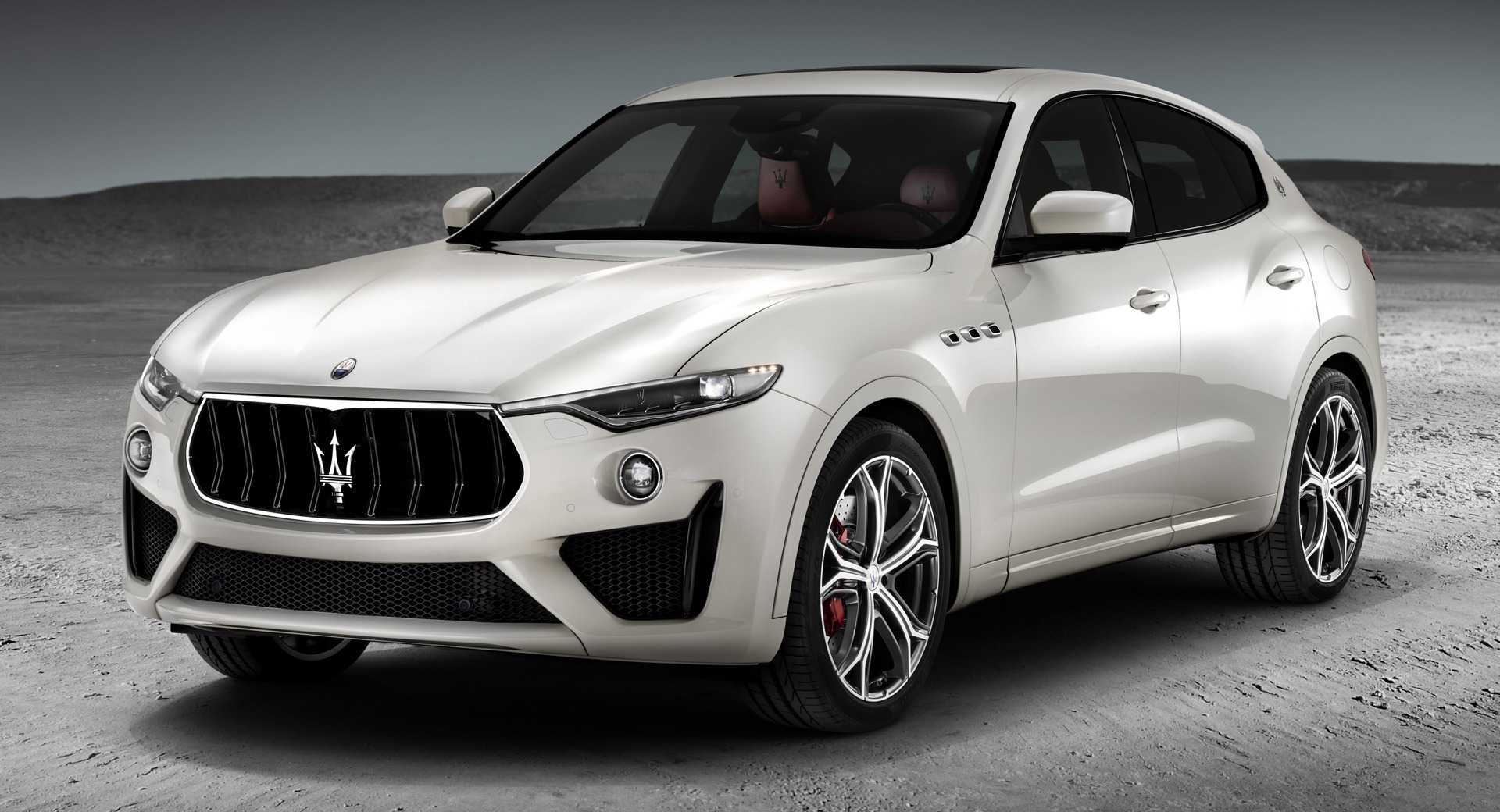
5. Maserati Levante
Maserati’s SUV followed a nearly identical path to the Quattroporte, retiring its V8 option as production wound down. The Levante V8 Ultima served as a send-off edition, marking the formal close of the V8 chapter for Maserati’s SUV lineup before the brand moved toward its next generation of vehicles.
That V8, also drawing on Ferrari-linked engineering, gave the Levante genuine performance credibility in a segment where many luxury SUVs lean heavily on brand image rather than actual driving dynamics.
Buyers who wanted something closer to a proper sports SUV rather than a soft luxury cruiser found that combination appealing, and the Ultima trim capped that run with additional styling and performance touches meant to commemorate the engine’s final appearance.
Maserati appears to be steering the next Levante toward an electric future rather than bringing back the V8 powertrain. The same strategy is being applied to the Quattroporte, suggesting a broader shift across the brand. Instead of gradually moving from larger engines to smaller ones, Maserati seems intent on making a more direct transition to electric power.
Whether that transition maintains the driving character enthusiasts associated with the outgoing V8 models remains an open question. Electric powertrains deliver instant torque and different handling characteristics entirely, meaning the next Levante will likely feel like a fundamentally different vehicle rather than simply a cleaner version of what came before it.
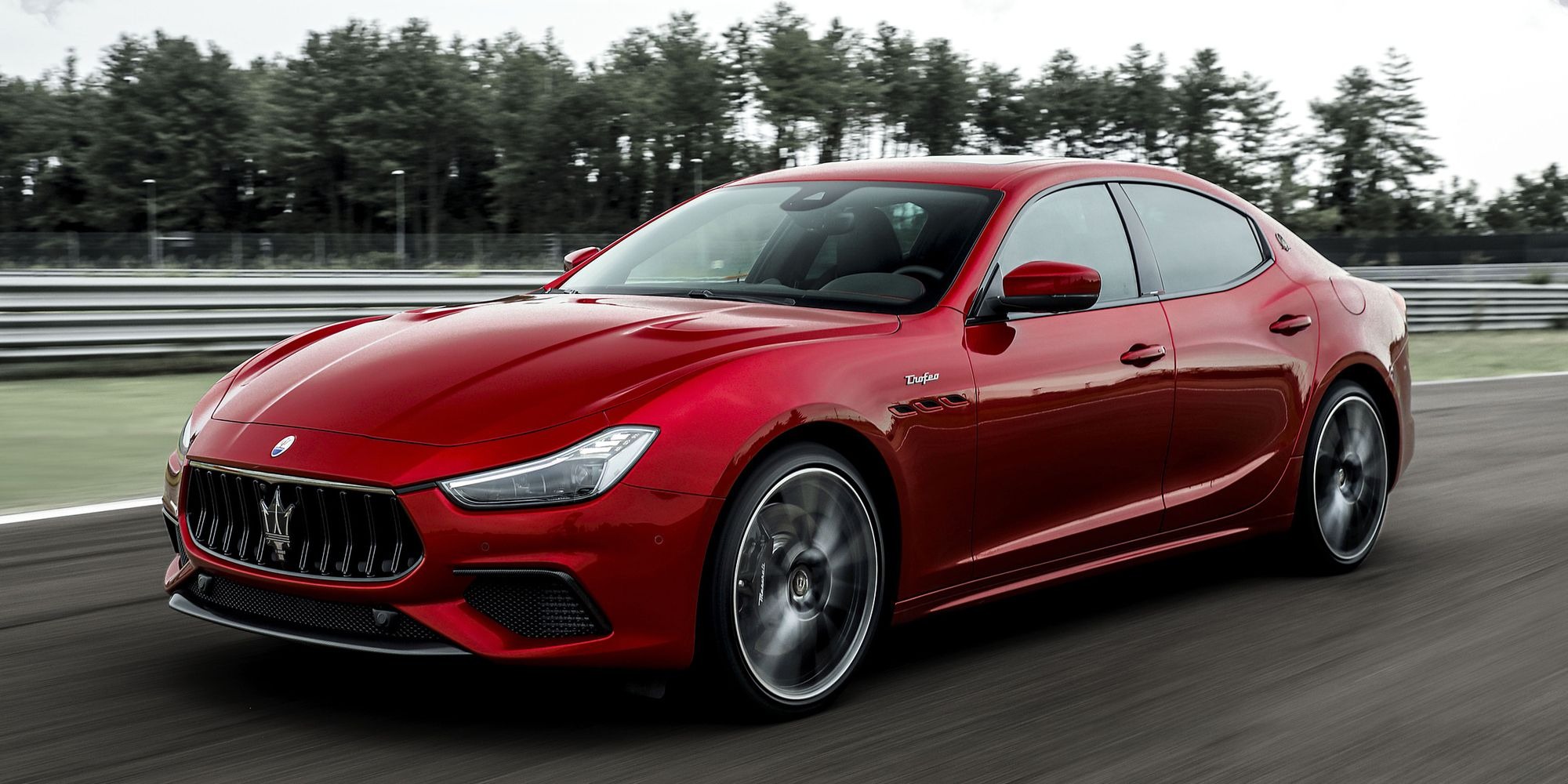
6. Maserati Ghibli
Rounding out Maserati’s V8 departures, the Ghibli ended production in 2024 alongside its stablemates, closing out its own run with the Ghibli 334 Ultima serving as the final V8-powered version of the sedan.
That naming convention, shared across the Levante and Quattroporte send-off editions, gave Maserati a consistent way to mark the end of an entire generation built around Ferrari-developed engines.
The 3.8-liter twin-turbo V8 found across these final Maserati models represented one of the more interesting engineering stories in recent luxury automotive history. Built with direct involvement from Ferrari, these engines gave otherwise conventional luxury sedans and SUVs a level of performance that punched above what buyers typically expect from that segment.
With the Ghibli’s production run complete, Maserati’s smaller sedan lineup faces the same uncertainty as its larger siblings. No confirmed replacement has arrived, and whatever eventually fills that spot in the lineup will almost certainly move away from the twin-turbo V8 formula that defined this generation.
For collectors and enthusiasts specifically interested in Ferrari-engineered engines wrapped inside a Maserati badge, these final Ghibli, Levante, and Quattroporte models represent a closing chapter that won’t be repeated. Whatever comes next from Maserati will be built around a fundamentally different engineering philosophy.
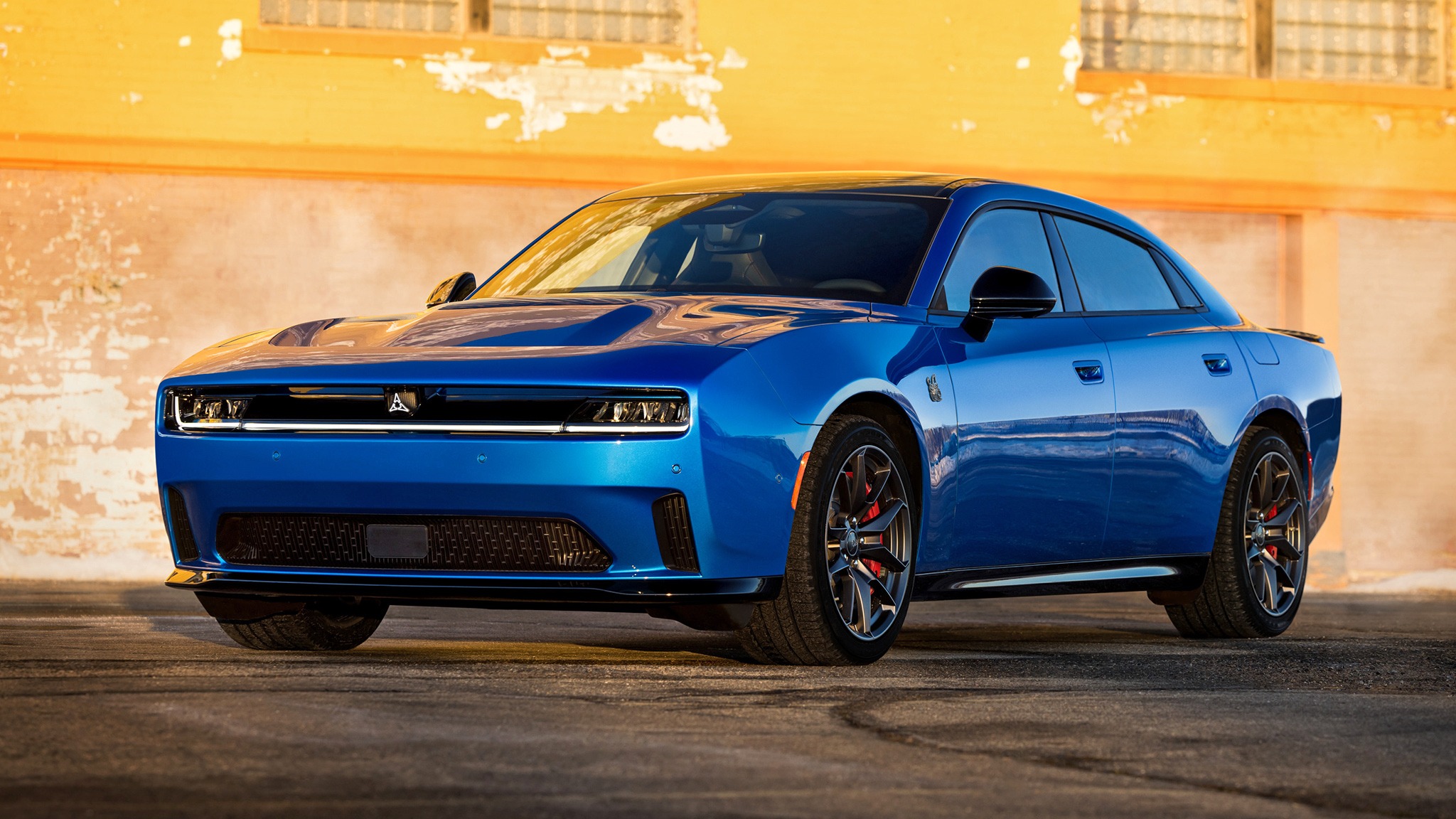
7. Dodge Charger
Dodge ended production of the previous-generation Charger with its HEMI V8 on December 31, 2023, bringing a major chapter in American muscle car history to an end. The engine had been part of Dodge’s performance identity for years, making the decision a major change for buyers who preferred traditional V8 power.
When the latest Charger generation arrived, the HEMI was no longer available. Instead, customers could choose between an electric powertrain and a 3.0-liter twin-turbo inline-six known as the SIXPACK.
The six-cylinder engine offers strong performance while giving Dodge a way to meet modern fuel economy and emissions requirements. It also follows a broader industry move toward smaller engines with turbocharging. The timing of this change is worth clarifying because it has sometimes been linked to the 2028 model year.
Dodge did not wait until 2028 to end HEMI production in the Charger. The V8 was discontinued in 2023, several years before the current-generation model reached dealerships. Therefore, describing the change as a 2028 V8 phase-out would give readers the wrong impression.
For drivers who still want a Charger with traditional HEMI power, older models are the ones to consider. The final V8-equipped examples now represent the closing chapter of the HEMI-powered Charger era.
Their future value will depend on factors such as mileage, condition, service history, specifications, and demand from enthusiasts. Clean, well-maintained examples may attract buyers looking for a piece of Dodge’s V8 performance history.
8. Infiniti QX80
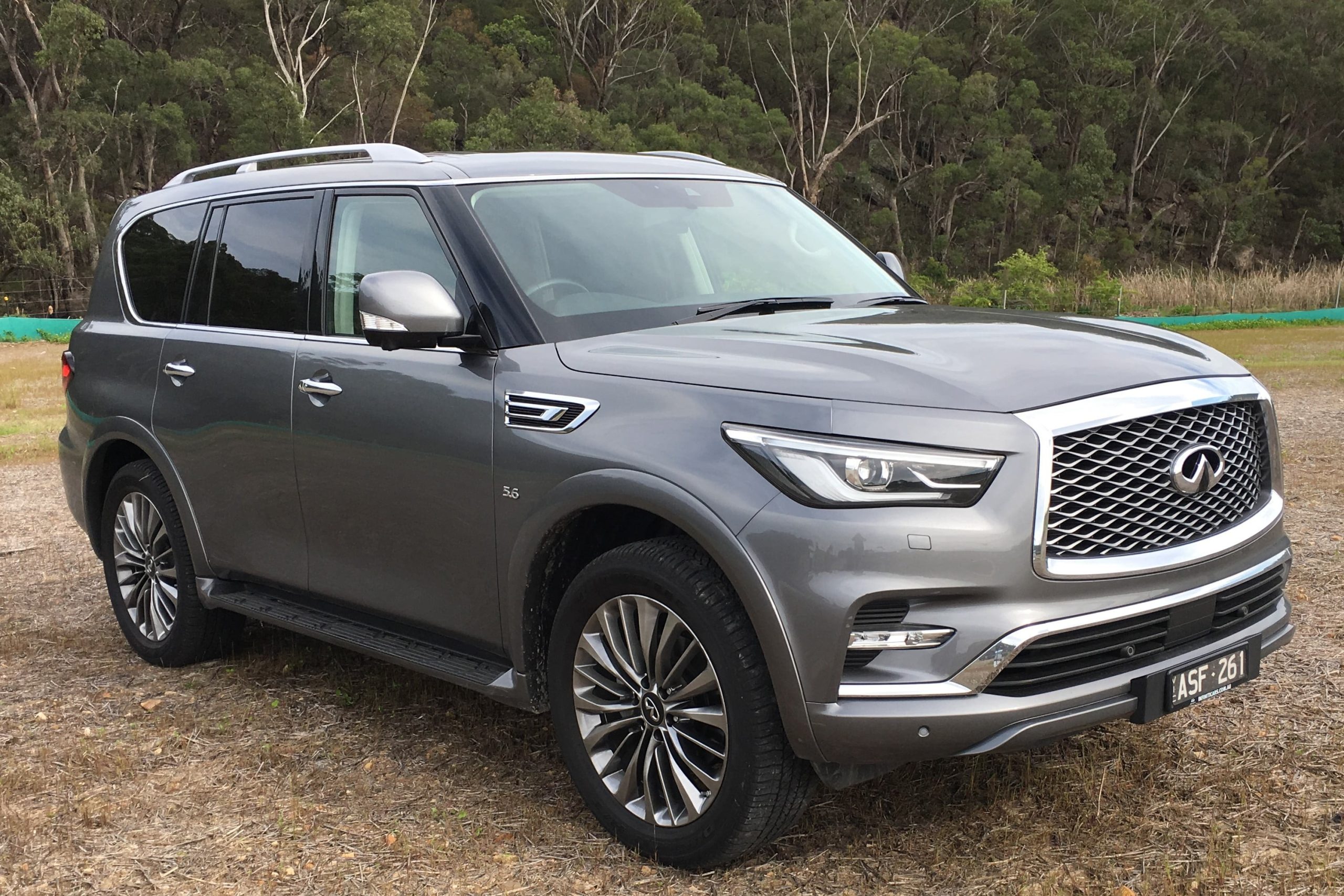
Full-size luxury SUVs haven’t been immune to this broader downsizing trend either. Infiniti’s QX80 dropped its previous 5.6-liter naturally aspirated V8 when the redesigned model arrived for the 2025 model year, replacing it with something considerably more modern under the hood.
That new setup centers around a 3.5-liter twin-turbo V6, producing 450 horsepower and 516 pound-feet of torque, figures that actually exceed what the outgoing naturally aspirated V8 delivered.
Turbocharging allows smaller displacement engines to generate comparable or even superior power output while improving fuel economy and reducing emissions, which explains why so many manufacturers are following this exact playbook across their lineups.
Buyers stepping into the redesigned QX80 get a vehicle that drives with noticeably more low-end torque than its predecessor, since turbocharged engines typically deliver power earlier in the rev range compared to naturally aspirated setups.
That translates into a more responsive feel around town and better towing capability for owners hauling trailers or heavy loads. While the V8 disappeared ahead of the 2028 cutoff commonly referenced across this trend, the QX80’s transition captures exactly why manufacturers keep making this switch.
Smaller turbocharged engines increasingly outperform larger naturally aspirated units while satisfying regulatory pressure that shows no signs of easing up going forward.
9. Nissan Armada
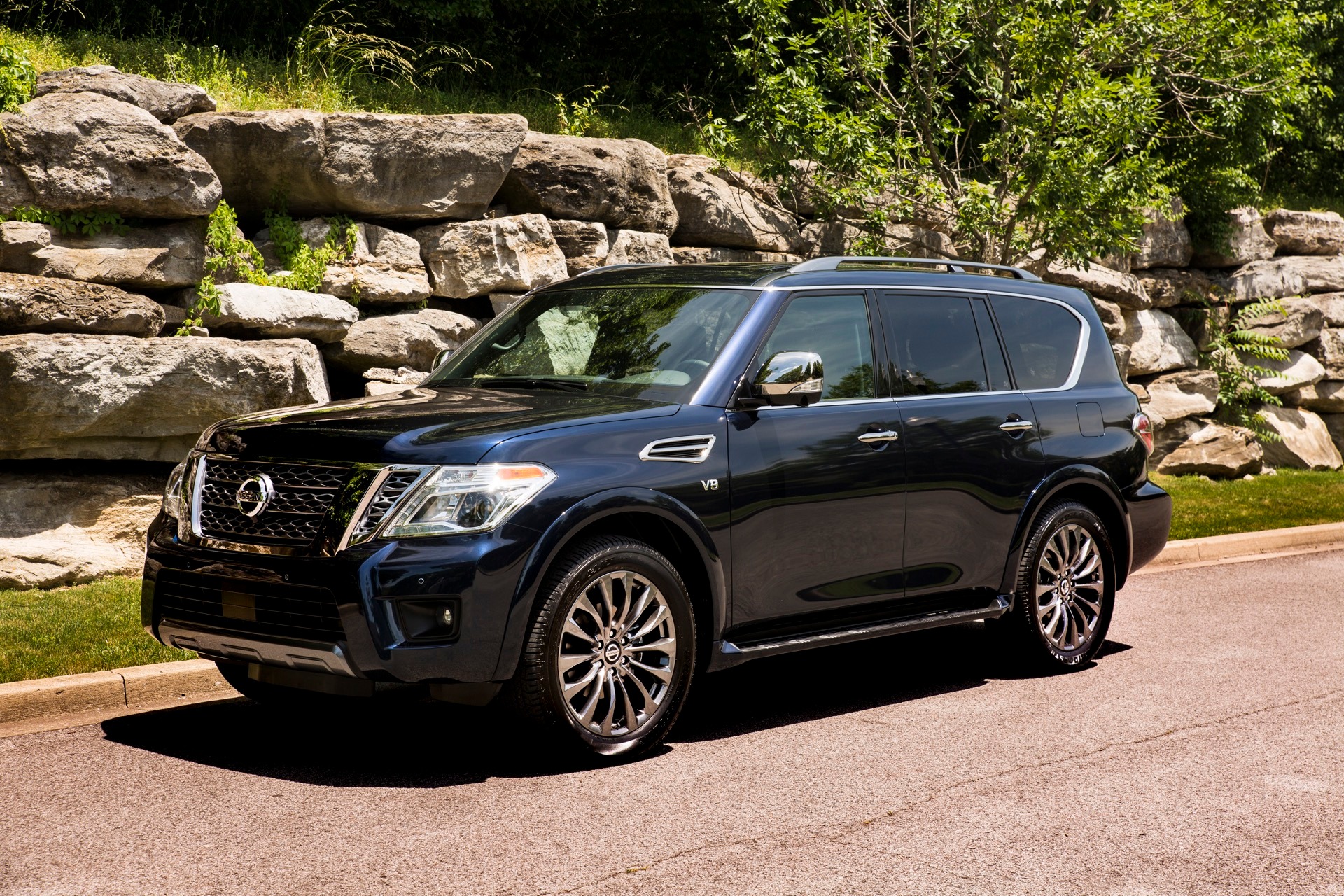
Nissan made a major change to the Armada for the 2025 model year by replacing its long-running V8 with a smaller twin-turbo V6. The new 3.5-liter engine produces 425 horsepower and 516 pound-feet of torque, giving the full-size SUV plenty of power for daily driving, hauling, and towing.
The change is closely connected to Infiniti’s QX80 because both SUVs share much of their engineering. Infiniti also moved away from its V8 and adopted a 3.5-liter twin-turbo V6 around the same period. The two engines produce the same horsepower and torque figures, which is hardly surprising considering the close relationship between the two vehicles.
Nissan’s decision reflects the direction taken by many automakers in recent years. Turbocharged engines allow manufacturers to use less displacement while still producing the power needed in large SUVs. This approach can also help with fuel economy and emissions targets without giving up the strong torque that drivers expect from a full-size vehicle.
Anyone who specifically wants an Armada with a V8 will have to look at older models. The redesigned 2025 Armada switched to the twin-turbo V6, and current versions continue with that engine instead of bringing back the previous V8.
Used buyers should therefore pay close attention to the model year when searching listings. A pre-2025 Armada will provide the V8 experience, while newer examples offer the newer turbocharged engine and its different performance characteristics.
10. Toyota Land Cruiser
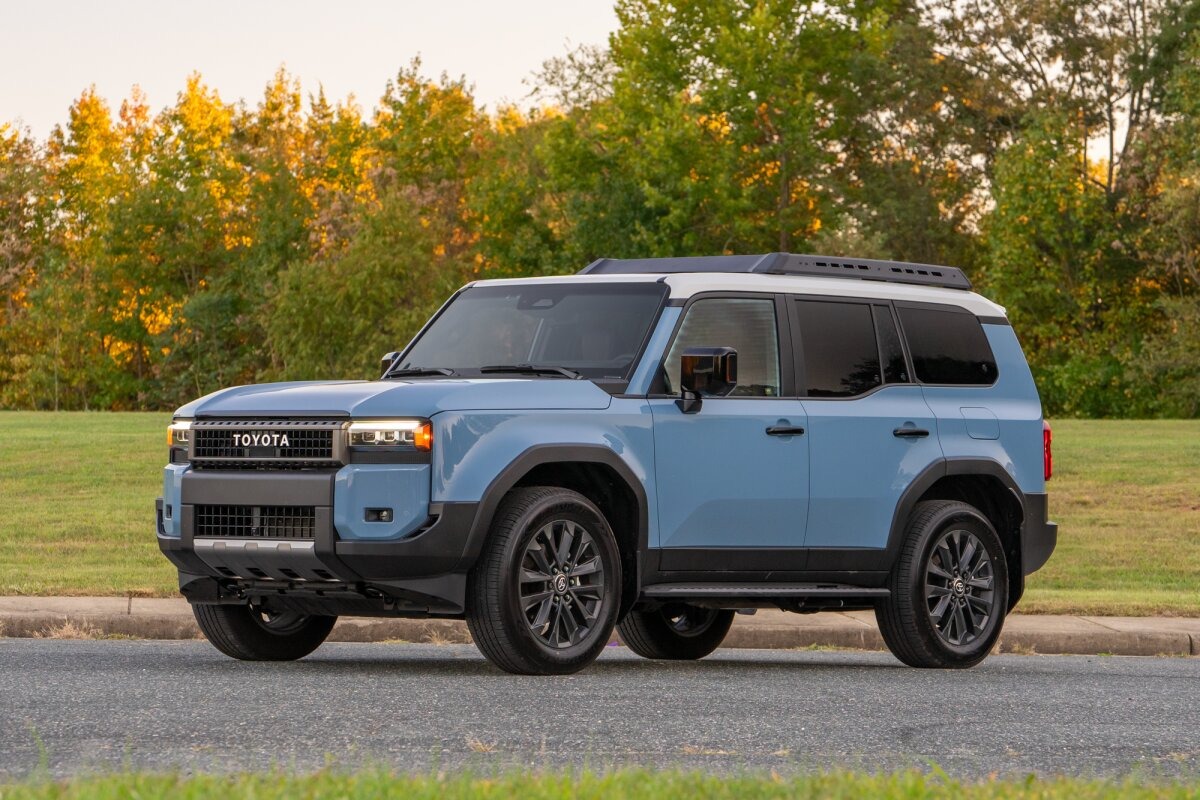
Toyota’s approach to retiring the Land Cruiser’s V8 took a considerably different direction compared to every other entry on this list. Rather than replacing the outgoing 5.7-liter V8 with a turbocharged six-cylinder engine, Toyota jumped straight to a turbocharged hybrid four-cylinder powertrain for its latest-generation Land Cruiser.
That’s a bigger leap in displacement reduction than what Infiniti, Nissan, or even Dodge chose for their own V8 replacements, and it reflects Toyota’s growing confidence in hybrid technology delivering both power and genuine off-road capability without needing larger displacement engines to get the job done.
Given the Land Cruiser’s reputation for durability built specifically around larger, simpler engines over the decades, this shift represents one of the more surprising transitions covered here.
Early feedback on the hybrid four-cylinder setup has generally been positive, with the powertrain delivering competitive towing figures and fuel economy numbers that far exceed what the outgoing V8 ever managed.
Toyota’s hybrid systems have matured considerably since their early years, and the technology now sits comfortably alongside genuinely capable off-road hardware rather than feeling bolted on as an afterthought.
Similar to several other entries here, this transition happened ahead of the broader 2028 timeframe frequently associated with this industry-wide trend. The Land Cruiser’s V8 era ended with the previous generation, making this another example where the shift away from eight-cylinder power arrived earlier than headlines focused on 2028 might otherwise suggest.