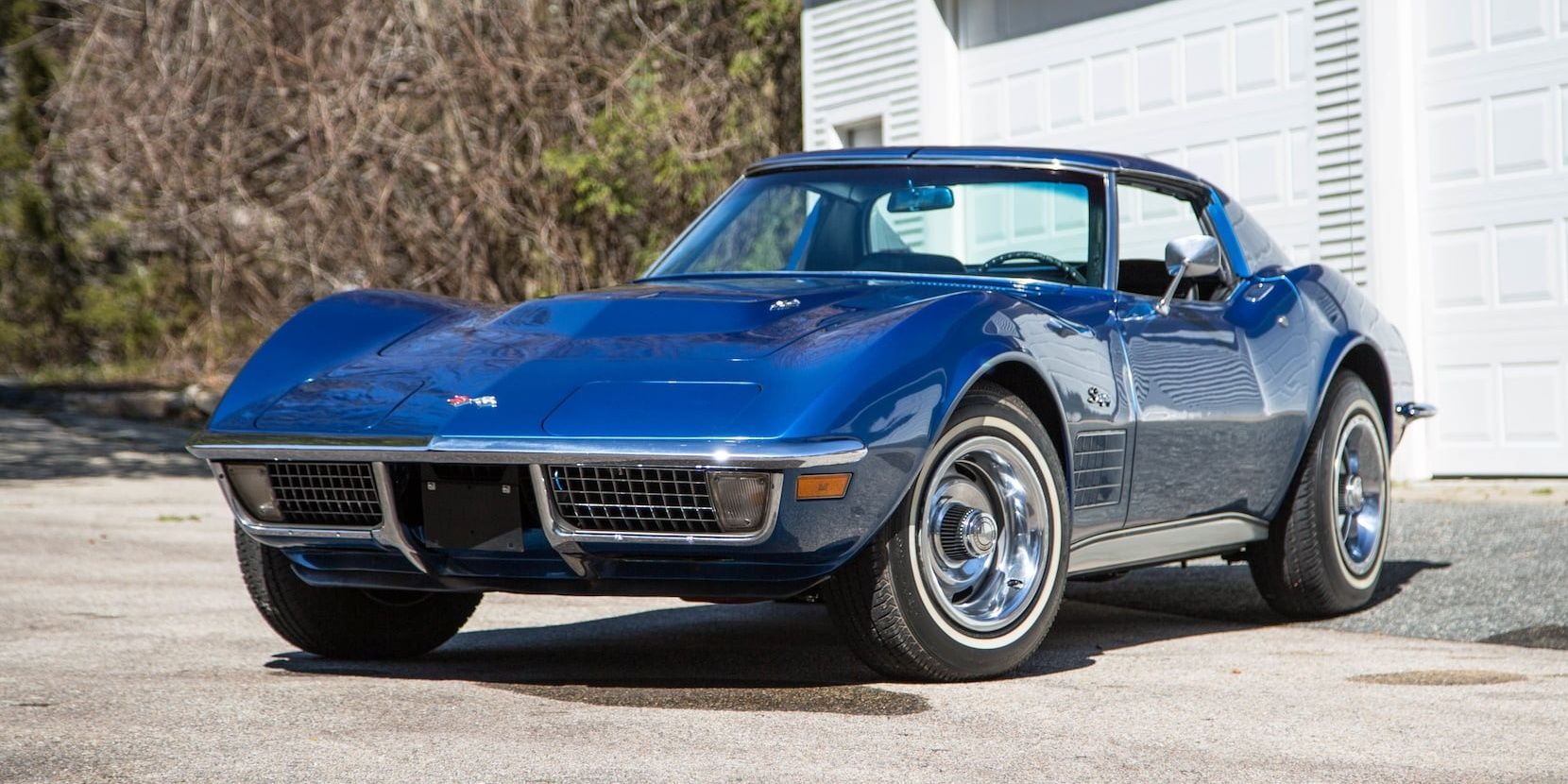
Imagine buying a sports car whose name began with a warship. That is the story behind the Chevrolet Corvette, one of America’s best-known performance cars. The name was not picked because Chevrolet wanted something that sounded expensive or flashy. It came from a small, fast naval vessel, and the person who suggested it was Myron Scott, a Chevrolet public relations employee.
In 1953, Chevrolet needed a name for its new two-seat sports car, and hundreds of ideas were considered before Scott found the word Corvette. The choice gave the car a name connected with speed, agility, and military service. Decades later, the Corvette name remains closely tied to American performance, yet its naval connection is still a surprise to many people.
The Corvette Was Born Before It Had a Name
By the early 1950s, American servicemen returning from Europe had become fascinated by nimble, low-slung sports cars, a type of vehicle that was still largely missing from the American market.
Brands like Jaguar and Alfa Romeo had built loyal followings overseas, and Chevrolet’s leadership, especially styling chief Harley Earl, wanted an answer built on home soil.
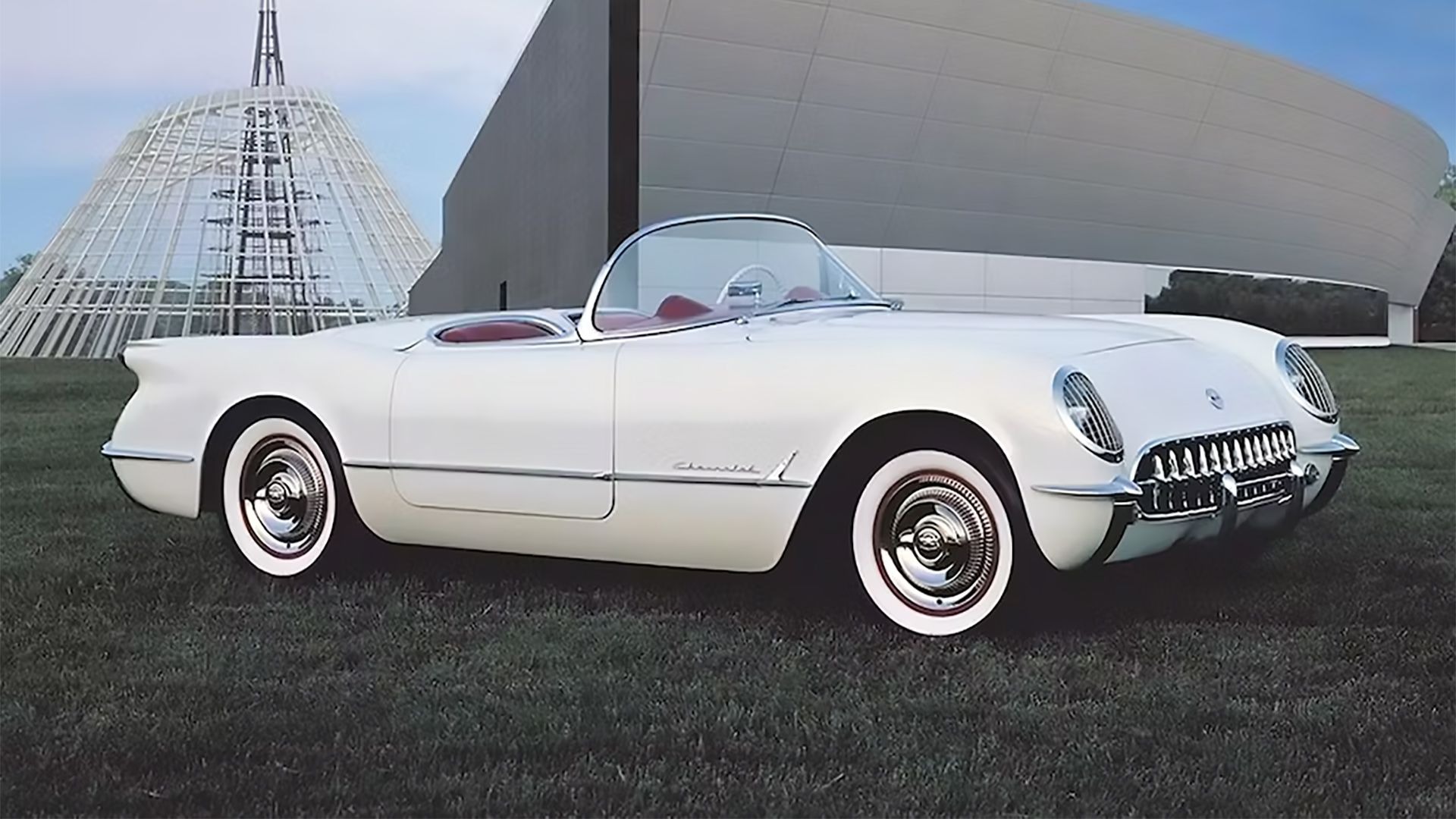
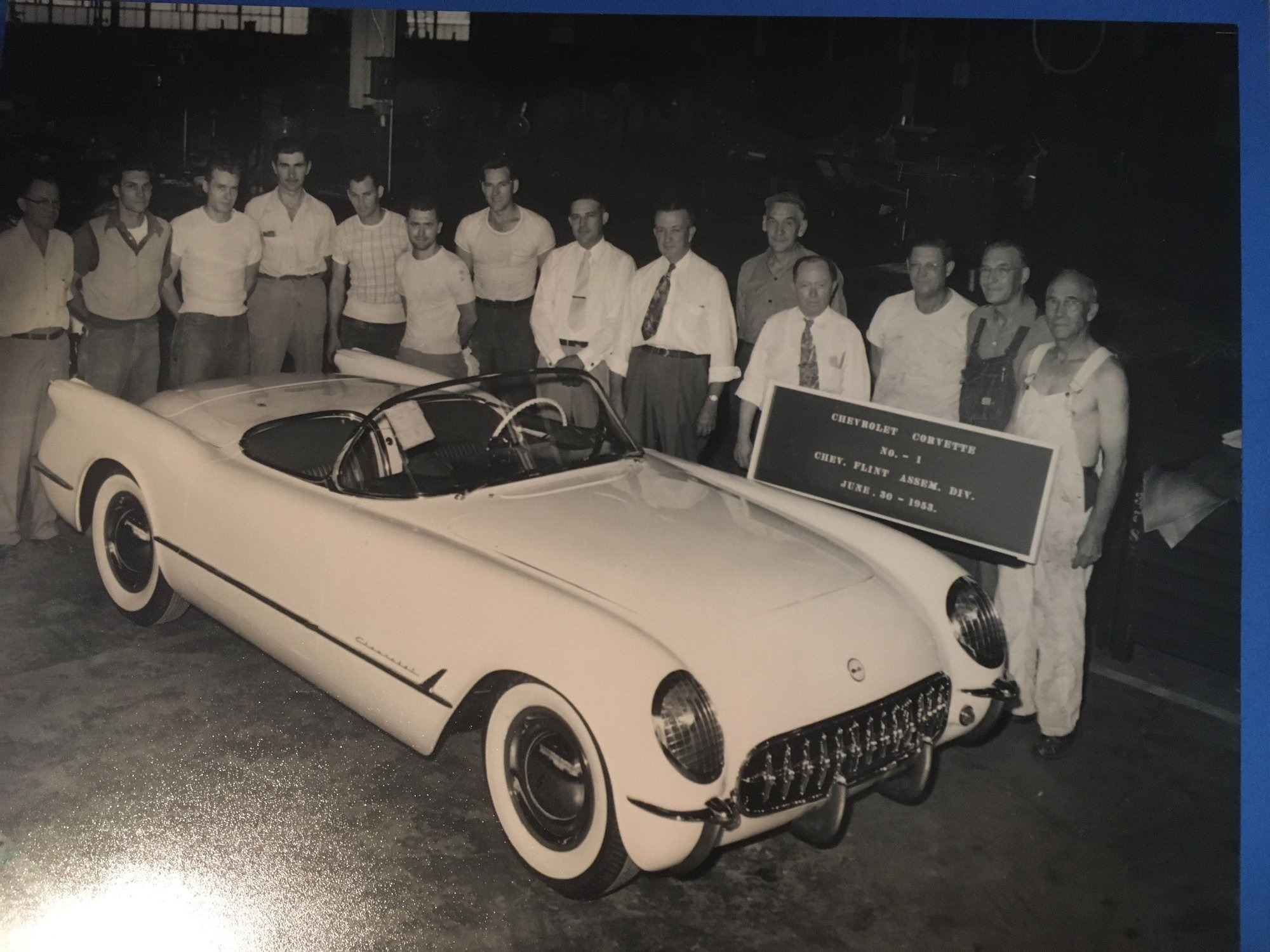
Work began on a fiberglass-bodied two-seater, and by 1953 the concept was close to production. There was just one problem. Nobody could agree on what to call it.
Chevrolet formed a large internal committee, reportedly involving hundreds of employees, and invited workers to submit name suggestions. However, there was one important requirement. The name had to begin with the letter C, following the naming pattern the brand favored at the time.
Suggestions piled up for weeks. Most leaned on the same tired formula European automakers had already claimed, pulling from animal names like Jaguar and Alfa Romeo’s various badges.
Executives rejected batch after batch, unimpressed by anything that sounded borrowed rather than original. As the deadline crept closer, the car remained a prototype without an identity, a striking design with no word to match its ambition.
That gap is where a photographer from the public relations department stepped in with an idea nobody else had considered.
How Myron Scott Found the Name
Myron Scott wasn’t a designer or an engineer. He worked in Chevrolet’s Public Relations department, handling photography for new vehicles, building press materials, and organizing company events.
He’d actually built his reputation years earlier as the creator of the All-American Soap Box Derby, a children’s downhill racing event that Chevrolet later sponsored nationally. Naming a sports car wasn’t part of his job description, but the open call for suggestions gave him a reason to try anyway.
According to accounts from those close to him, Scott sat down one evening at home with a dictionary and started working through the C section, page by page, hoping something would jump out. He wanted a word that started with the required letter, sounded sharp when spoken, and carried a bit of energy behind it.
Partway through, he landed on “corvette,” a nautical term referring to a small, maneuverable warship known for speed rather than firepower. Something about the word clicked. It had the right rhythm, the right punch, and a meaning that lined up neatly with the car Chevrolet was trying to build.
The next day, he brought the suggestion to the group deciding the car’s fate, unsure whether it would land or vanish among the hundreds of other rejected entries already on the pile.
Why a Warship Was a Good Match
The word corvette wasn’t new. It dated back centuries, originally describing small, fast escort ships used by the French navy as far back as the late 1600s. Over the following centuries, corvettes earned a reputation across multiple navies for outmaneuvering larger, slower vessels rather than overpowering them directly.
That reputation carried into World War II, when corvette-class ships served as escorts protecting convoys crossing the Atlantic, valued for their agility and quick handling in dangerous waters.
That last detail mattered enormously in 1953. Many of the executives evaluating car names, along with a large share of the American public, had lived through the war or served in it directly.
A word tied to a scrappy, fast military vessel wasn’t just clever wordplay. It tapped directly into recent memory and shared experience for an entire generation.
While competitors were choosing names inspired by predatory animals, Scott’s suggestion drew from real history and captured a different kind of performance. It represented speed, agility, and the ability to outmaneuver an opponent rather than simply overpower it.
For a two-seat sports car meant to compete against nimble European rivals, the comparison lined up almost perfectly. It gave the car a personality before a single unit had reached a showroom floor.
Chevrolet Executives Finally Approve the Name
Scott’s timing turned out to be right. After weeks of rejected submissions, “Corvette” reportedly won the group over almost immediately once he presented it. It satisfied the letter requirement, avoided the animal-name trend already crowded by rivals, and carried a story that made sense the moment someone heard it.
No prize money was awarded for the winning idea because the contest apparently never established a formal cash reward. Instead, Scott gained something far more enduring, lasting recognition as the person behind one of the most famous car names in American history.
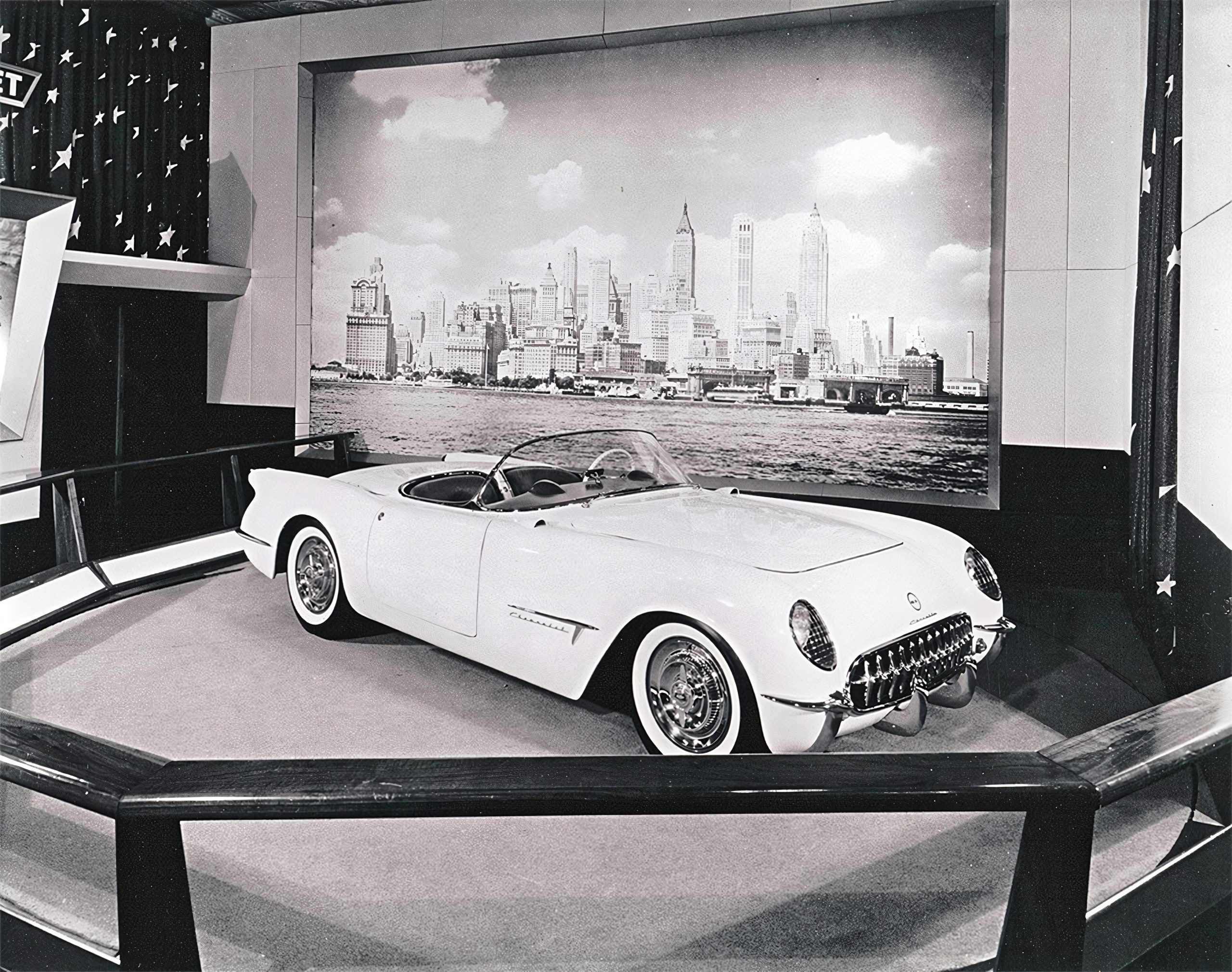
Chevrolet debuted the Corvette as a concept at the GM Motorama in January 1953, and the production version followed later that year. From the outset, the name did real work for the brand.
It suggested speed and precision without relying on aggression or menace, distancing the car from the predator-themed names already claimed elsewhere. It also gave marketing teams a built-in story to tell, one connecting a fiberglass American roadster to a small but relentless warship with centuries of history behind it.
Few internal naming decisions age as gracefully, and fewer still go on to define an entire vehicle lineup for generations afterward.
How the Corvette Name Became a Lasting Legacy
After giving Chevrolet the Corvette name, Myron Scott remained with the company for many years, working in public relations until his retirement in 1971. Later in life, he often played down his contribution, saying the car’s success depended more on its engineering and styling than on the name he found in a dictionary.
Chevrolet eventually honored him by placing him in the Corvette Hall of Fame in 2002, four years after his death. Today, Corvette remains one of America’s best-known car names.
The badge still reflects Scott’s original idea of a vehicle that was fast, capable, and difficult to catch. When most people hear “Corvette,” they rarely think about naval history. Instead, they picture a sleek two-seat sports car powered by a V8 engine.
Scott’s simple dictionary discovery went far beyond what he probably expected, giving Chevrolet a name that has remained familiar for more than seven decades. His contribution may have started with a single word, but that word became closely connected with American car culture and performance.