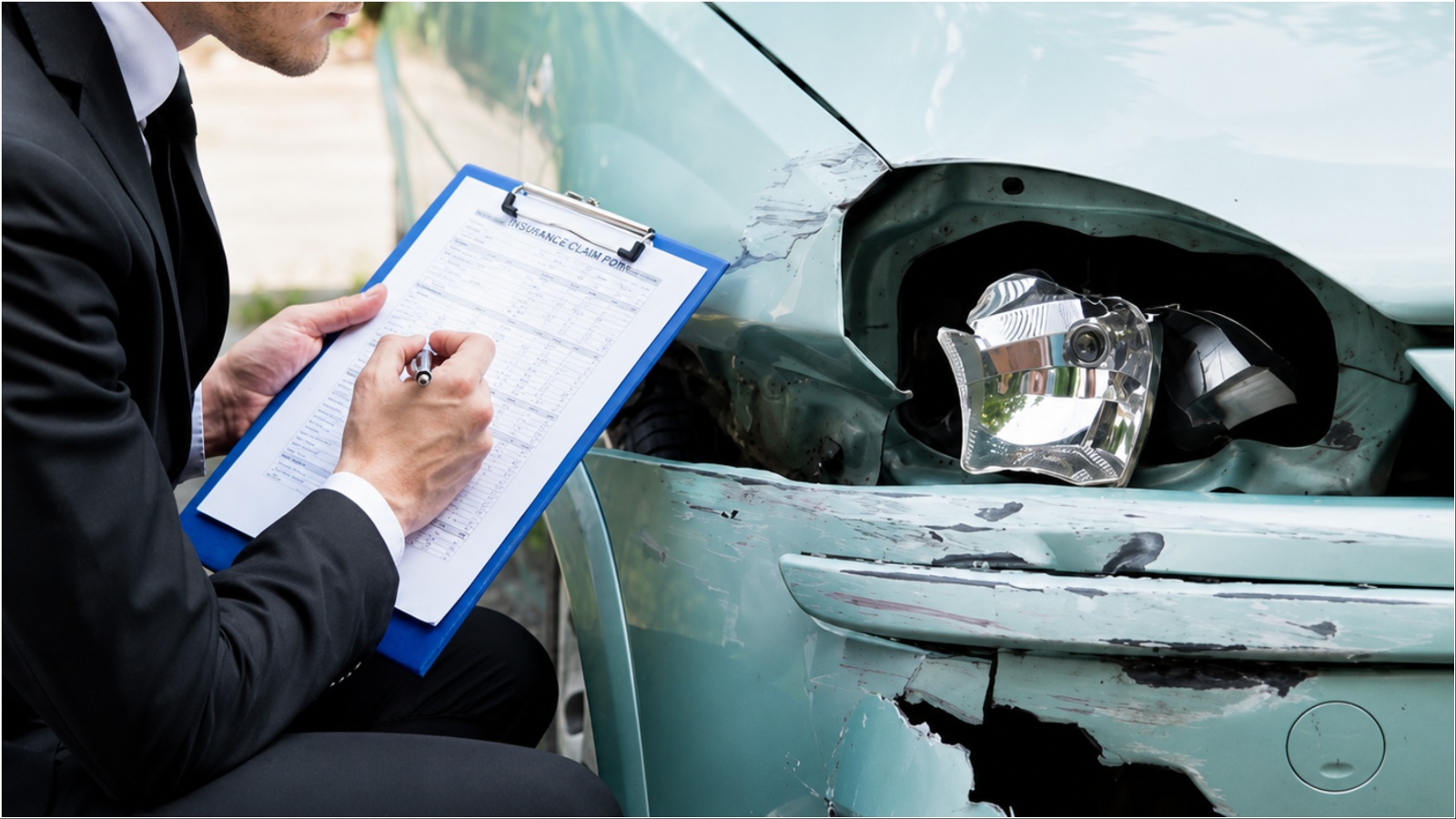
When a vehicle is damaged in a minor collision and the repair estimate reaches $4,000, it is easy to assume the body shop keeps a large portion as profit. In reality, the financial picture is more complicated. Revenue from an insurance repair claim can come from several areas, including parts, labor, materials, and negotiated markups.
After covering operating expenses, the shop’s actual profit is often much smaller than customers expect. Looking at how a typical claim is divided also helps explain why repair shops may challenge insurers over individual charges that can seem insignificant to customers.
The Main Revenue Streams Behind A Typical Collision Repair Job
Every repair starts with an estimate, and that estimate is really a stack of separate pricing categories, each with its own markup logic. The four core components are parts, labor, paint and materials, and any sublet work sent to outside specialists.
Parts are billed at the shop’s cost plus a markup, typically ranging from 20% to 50% depending on whether the part is new from the manufacturer (OEM), aftermarket, or a used/recycled part pulled from a salvage vehicle. Insurers often push for aftermarket or used parts specifically because they’re cheaper, which squeezes the shop’s per-part profit even as it lowers the total claim amount.
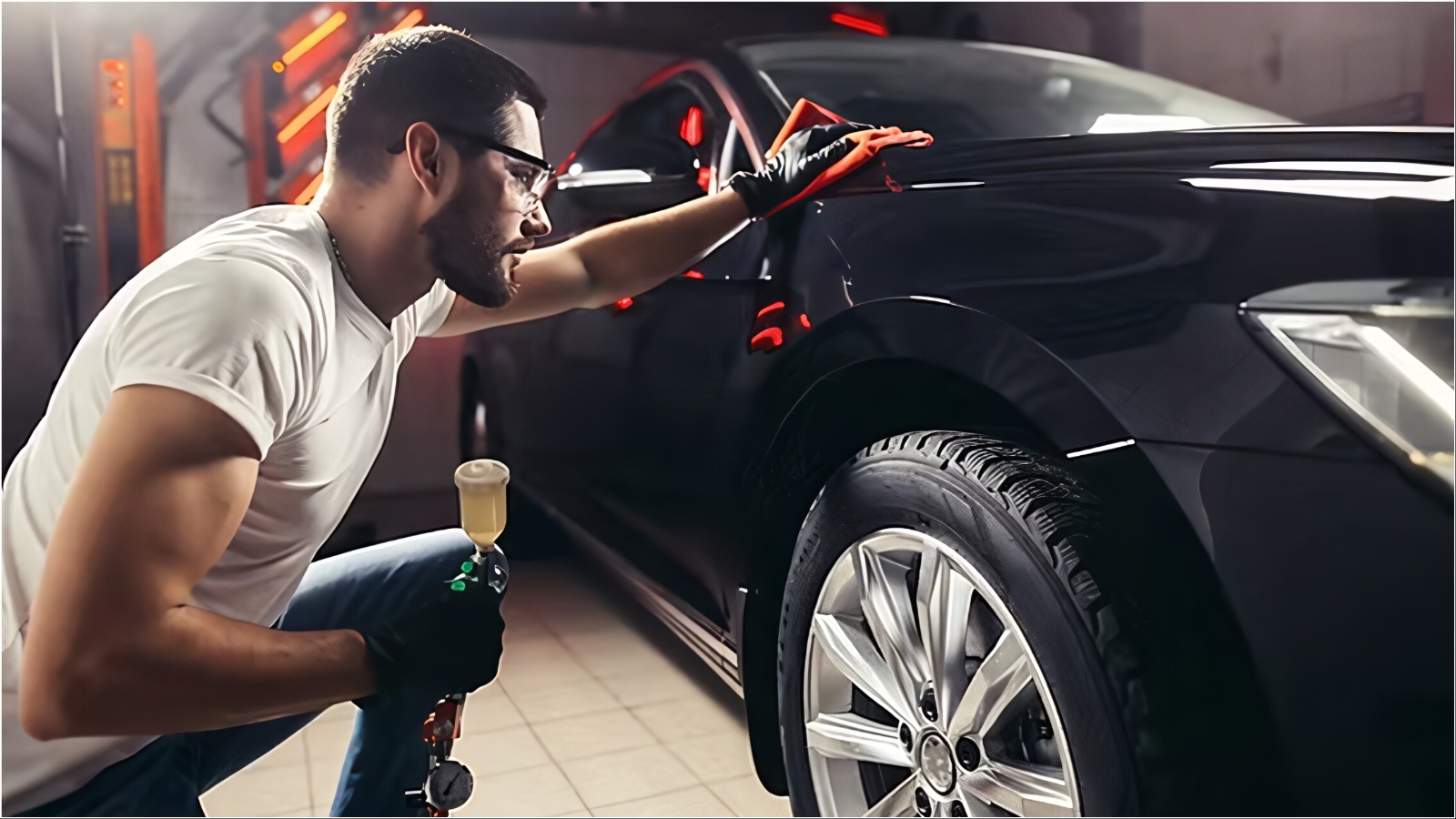
Labor is billed at an hourly “door rate,” which the shop sets based on local market conditions, though insurers frequently negotiate this down to a “prevailing rate” they consider standard for the area.
A shop might want $65 an hour but get paid $52 by the insurer, and that gap compounds across every hour of labor on the job. Paint and materials are usually billed separately from labor, often calculated using a formula tied to the number of body panels refinished, and this category carries meaningful markup since the shop is buying bulk paint and thinner but billing per job.
Sublet work, things like wheel alignment, glass replacement, or calibration of advanced driver-assistance systems after a windshield or bumper repair, is typically billed at whatever the outside vendor charges, sometimes with a small markup added by the shop for coordinating it.
For a typical mid-size claim worth around $4,000 to $5,000 for moderate collision damage, the costs may be divided approximately as follows. Parts can account for 40 to 50 percent, labor may represent 25 to 35 percent, while the rest goes toward paint, materials, and sublet work. These figures reflect revenue rather than actual profit. A shop’s earnings ultimately depend on the difference between its expenses and the amount it receives for the repair.
Parts markup is where a lot of the real margin lives. A shop might pay $300 for a replacement bumper cover from a supplier and bill the insurer $420, pocketing the difference before even touching labor. Multiply that across a dozen parts on a serious collision repair, and the parts markup alone can represent a significant share of the shop’s gross profit on the job.
Labor operates differently because it also has to cover the technician’s wages, so the “profit” in labor is really the spread between the door rate charged and what the shop pays its technicians plus overhead.
A shop billing 20 labor hours at $60 an hour brings in $1,200, but a technician being paid $28 an hour in wages and benefits accounts for a meaningful chunk of that before the shop’s overhead, rent, equipment leases, insurance, and utilities are even covered.
Industry benchmarks generally put a well-run shop’s net profit margin, after all expenses, somewhere in the range of 10% to 20% of total revenue per job, which on a $4,500 claim might mean $450 to $900 in actual bottom-line profit, not the $1,500-plus that a naive read of the markups might suggest.
Paint and materials often carry the highest percentage markup of any category, sometimes 30% or more, because the actual cost of paint per job is relatively low compared to what’s billed under standard industry pricing guides that insurers and shops both reference when negotiating.
How Insurance Claims And Repair Negotiations Affect Costs For Shops And Customers
A huge amount of a body shop’s eventual profit on any given claim is determined before a single wrench is turned, in the back-and-forth between the shop’s estimator and the insurance company’s adjuster.
Insurers use standardized estimating software, and both sides generally start from the same baseline numbers, but disagreements are common over which parts are necessary, whether a panel should be repaired or replaced, and how many labor hours a given operation should reasonably take.
This is where supplements become important. They are additional charges identified after a vehicle is taken apart and previously hidden damage comes to light. These costs may not have been included in the original estimate and can significantly increase the final claim amount.
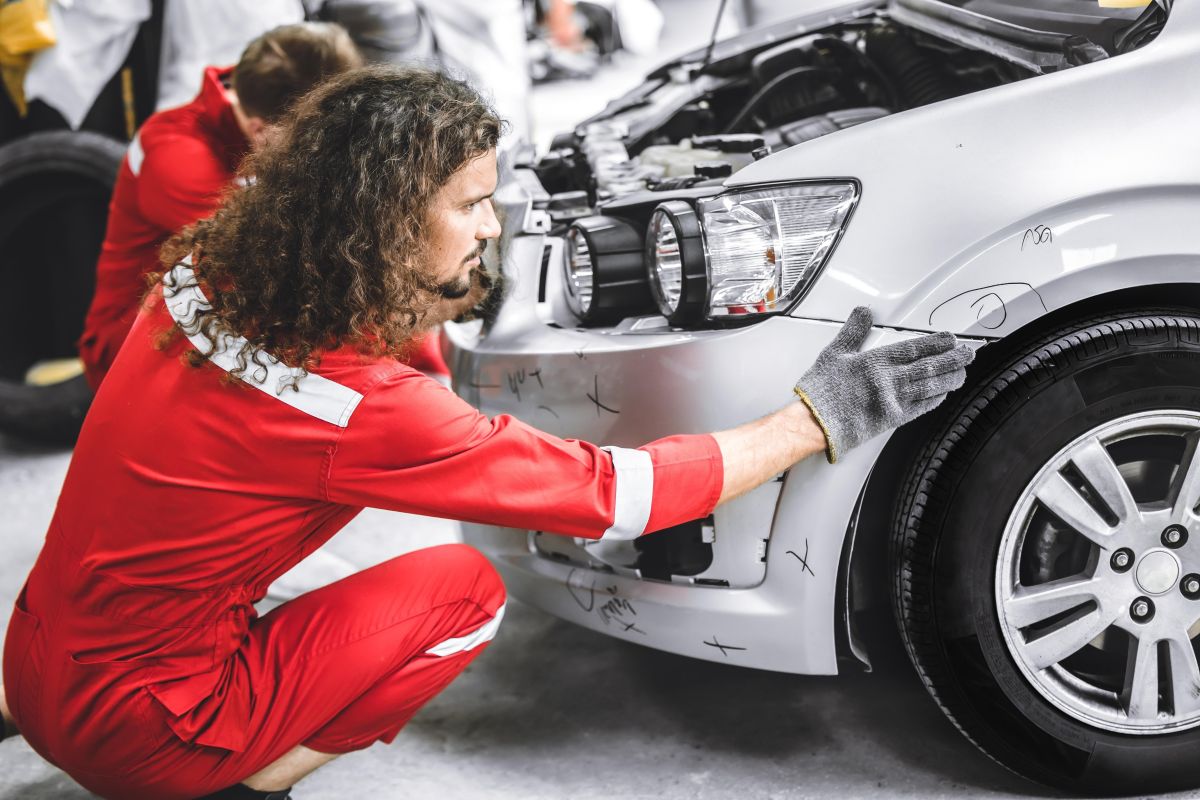
Repair shops that carefully document hidden damage with photos and detailed notes are generally better positioned to recover these extra costs than those that do not challenge the initial estimate.
Shops that are part of an insurer’s “direct repair program” (DRP) often get a steadier stream of referred customers in exchange for agreeing to the insurer’s preferred labor rates and repair procedures, which can mean lower per-job margins but higher overall volume.
Independent shops outside these networks have more room to negotiate rates in principle but may spend more time fighting individual line items and face longer payment delays. Either way, the adjuster relationship is a recurring, almost daily negotiation that shapes a shop’s profitability far more than any single claim in isolation.
For a car owner going through an insurance claim, this behind-the-scenes structure matters in a few practical ways. First, it explains why a shop might advocate strongly for OEM parts or a full panel replacement rather than a cheaper repair. Sometimes this reflects a genuine safety or quality concern, and sometimes it reflects the shop’s financial interest in a larger parts bill, and it’s not always easy to tell which from the outside.
It also helps explain why some repairs take longer than expected. A shop may need to pause the work while waiting for the insurer to approve additional damage found during the repair process.
This communication can add several days to an otherwise simple repair. It is also important to understand that a shop’s participation in an insurer’s direct repair program can influence how quickly approvals are handled and how much the shop is paid. These factors may also affect how the shop prioritizes your vehicle compared with other cars waiting for repairs.
Customers can make better informed decisions by asking for a detailed estimate instead of relying on one total figure. It is also helpful to confirm whether the replacement parts are OEM, aftermarket, or used and to ask if additional charges are likely once the vehicle is disassembled.
These questions do not have to turn into an argument over every expense. Reputable repair shops are usually willing to explain their pricing. It is important to remember that a $4,000 insurance claim does not translate into $4,000 in profit. The payment must cover parts, labor, materials, and operating expenses before the shop’s actual earnings are determined.
A body shop’s profit on a single insurance claim isn’t a simple percentage skimmed off the top; it’s the accumulated result of markups on parts, the spread between billed labor rates and technician wages, materials pricing, and the outcome of ongoing negotiation with insurance adjusters.
After accounting for real overhead, a shop’s net profit on a given job often lands in the 10% to 20% range of total revenue, even though the itemized markups on individual components can look much larger in isolation. Knowing how these pieces fit together helps explain both why shops negotiate hard over seemingly small line items and why the final bill on your repair looks the way it does.