
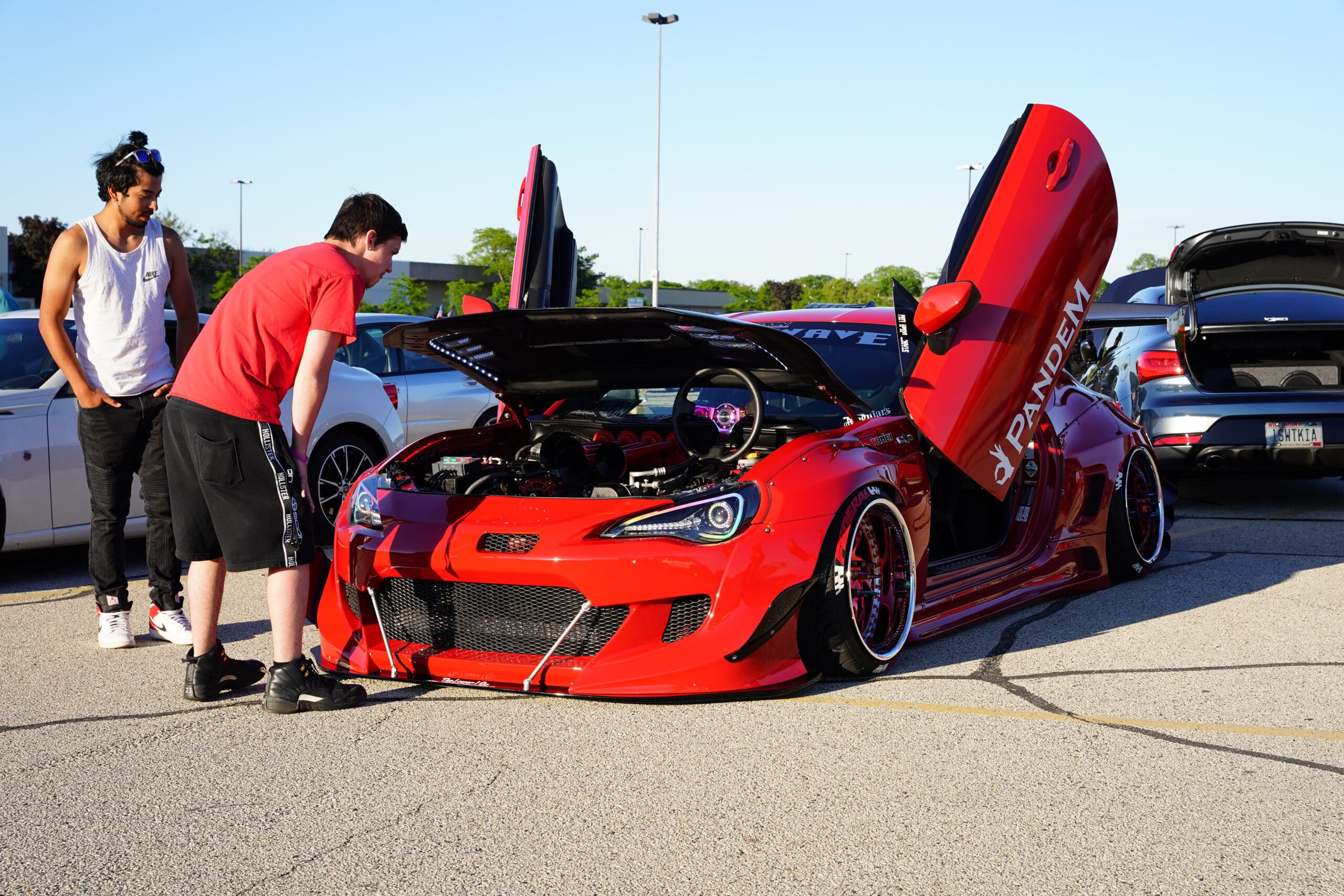
Customizing a car can be fun, but some modifications can create legal trouble long before a vehicle reaches a car show or public road. Federal rules control certain emissions equipment and safety standards, while state laws regulate many other changes involving lighting, noise, registration, and vehicle operation.
That distinction matters because a modification described as illegal nationwide may actually fall under different rules depending on where the vehicle is driven.
Still, there are several changes that drivers should approach with caution because they can violate federal requirements, state laws, or both. From removing emissions equipment to making a car resemble an emergency vehicle, these modifications can lead to failed inspections, fines, repair costs, or other penalties. Here are 10 changes that can put a vehicle on the wrong side of the law.
1. Removing the Catalytic Converter (Cat Delete)
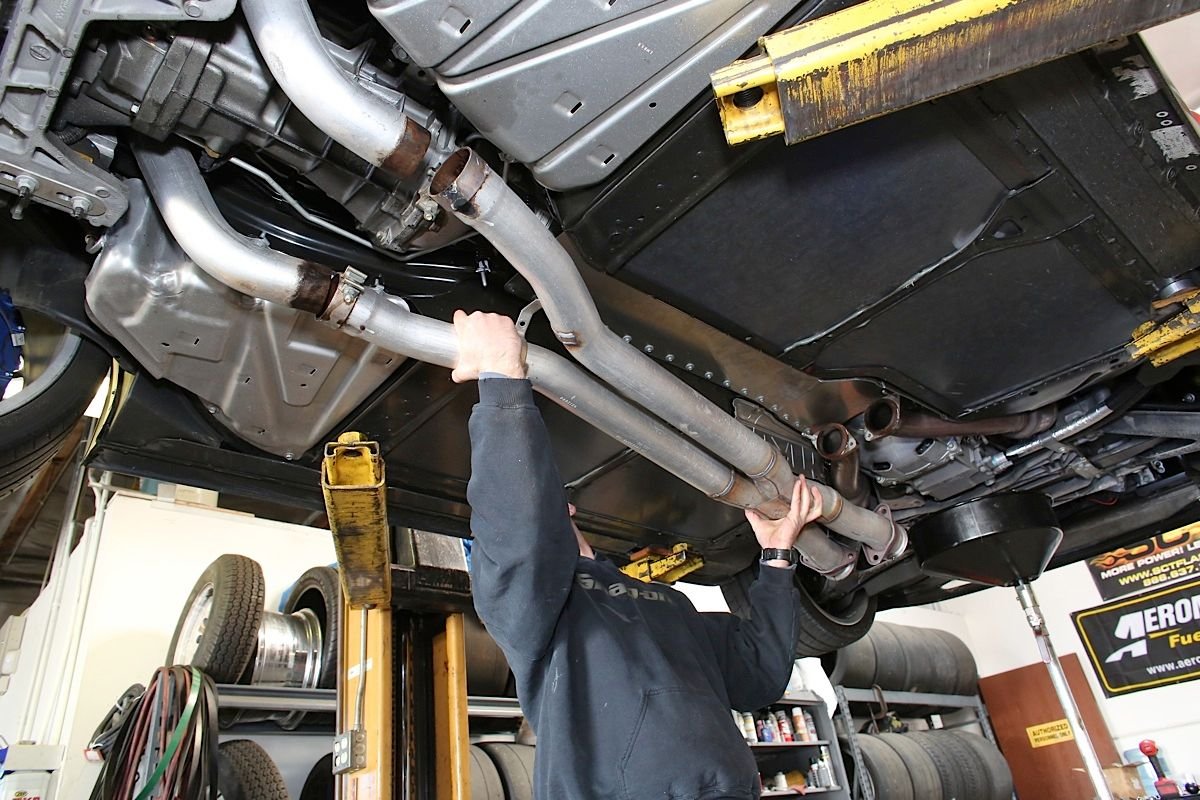
Few vehicle modifications create clearer legal problems than removing a catalytic converter from a street-driven vehicle. The catalytic converter is part of the emissions-control system, using chemical reactions to reduce harmful pollutants produced by the engine. Without it, a vehicle can release higher levels of certain pollutants through the exhaust.
Federal law prohibits tampering with emissions-control equipment on motor vehicles. That restriction applies whether the vehicle is modified for extra performance, a louder exhaust sound, or any other reason.
A person who removes or disables the converter may therefore face legal consequences, while businesses that perform or sell illegal emissions tampering can also face enforcement action.
There is another practical issue. Modern vehicles use oxygen sensors and computer programming to monitor exhaust operation. Removing the converter can trigger warning lights, diagnostic trouble codes, and other problems.
The popularity of high-performance exhaust systems sometimes causes confusion. A legal aftermarket exhaust is not automatically the same as a cat delete. Manufacturers can sell replacement parts that meet applicable requirements, but removing federally required emissions equipment from a vehicle used on public roads is a different matter.
The basic rule is easy to understand. If a vehicle was originally equipped with a catalytic converter for legal street use, removing or disabling it is not a lawful way to gain extra performance.
2. Non-Compliant Exhaust Muffler or Muffler Delete
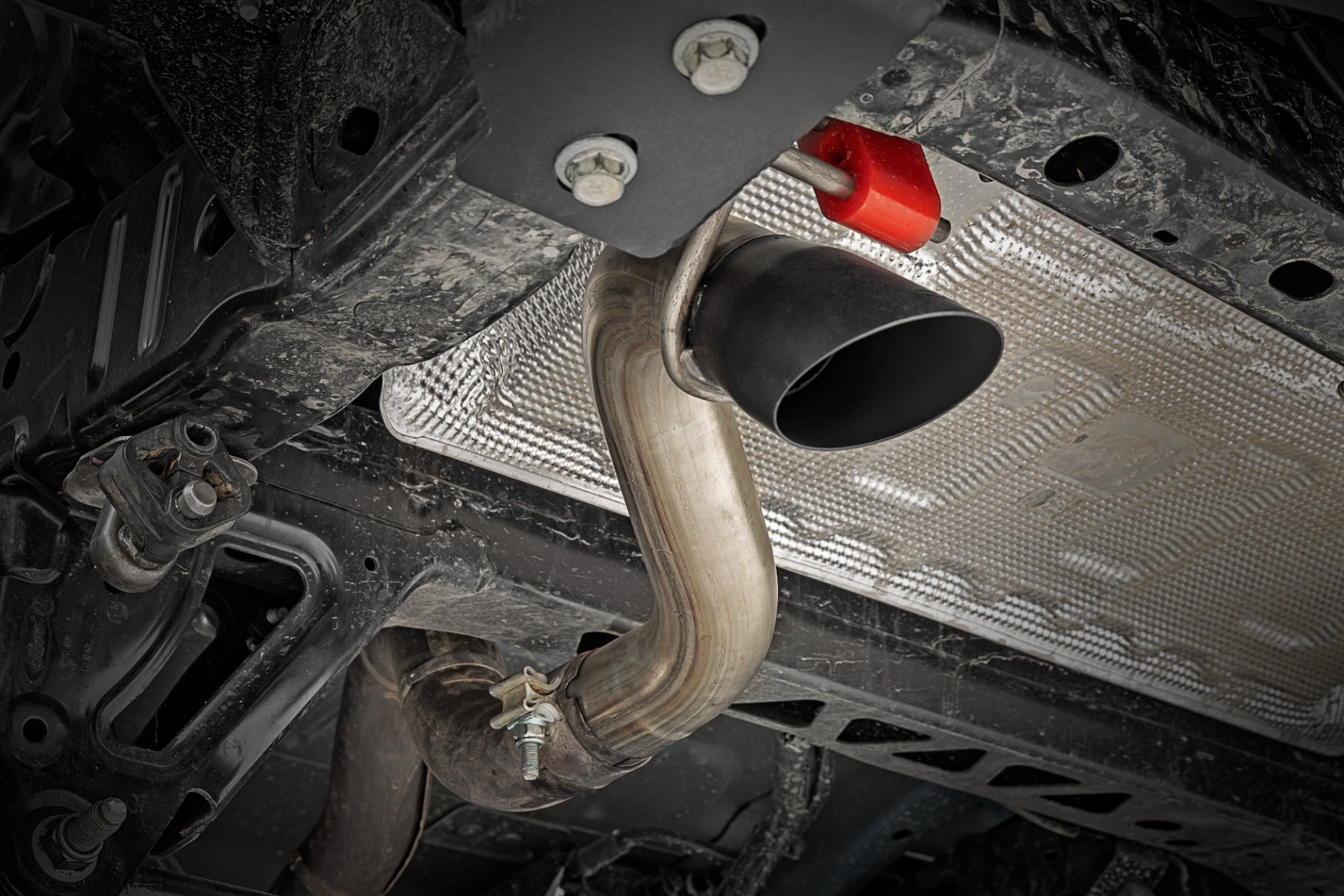
A muffler delete is often marketed as an inexpensive way to give a car a more aggressive sound. The modification can certainly make an exhaust louder, but legality depends on more than whether the owner likes the result.
Federal standards and state laws do not always operate in exactly the same way when it comes to vehicle noise. This means a muffler delete should not automatically be described as federally illegal under one identical rule for every privately modified vehicle.
Many states, however, require vehicles to have properly functioning mufflers or prohibit exhaust systems that produce excessive or unusual noise.
That creates a problem for drivers who assume a modification is legal simply because they can buy the parts online. A product’s availability does not guarantee that it can legally be used on every public road.
Local enforcement can also vary. Some areas use specific decibel limits, while others use broader rules covering excessive or unusual vehicle noise. A driver might install a straight pipe without trouble in one location and receive a citation elsewhere.
There is also a mechanical consideration. Modern exhaust systems are designed as complete systems, and removing components can affect sound, exhaust flow, and, in some cases, emissions compliance.
A legal aftermarket exhaust system that retains required equipment is usually a safer choice than removing the muffler entirely.
3. Non-White or Non-Amber Headlights
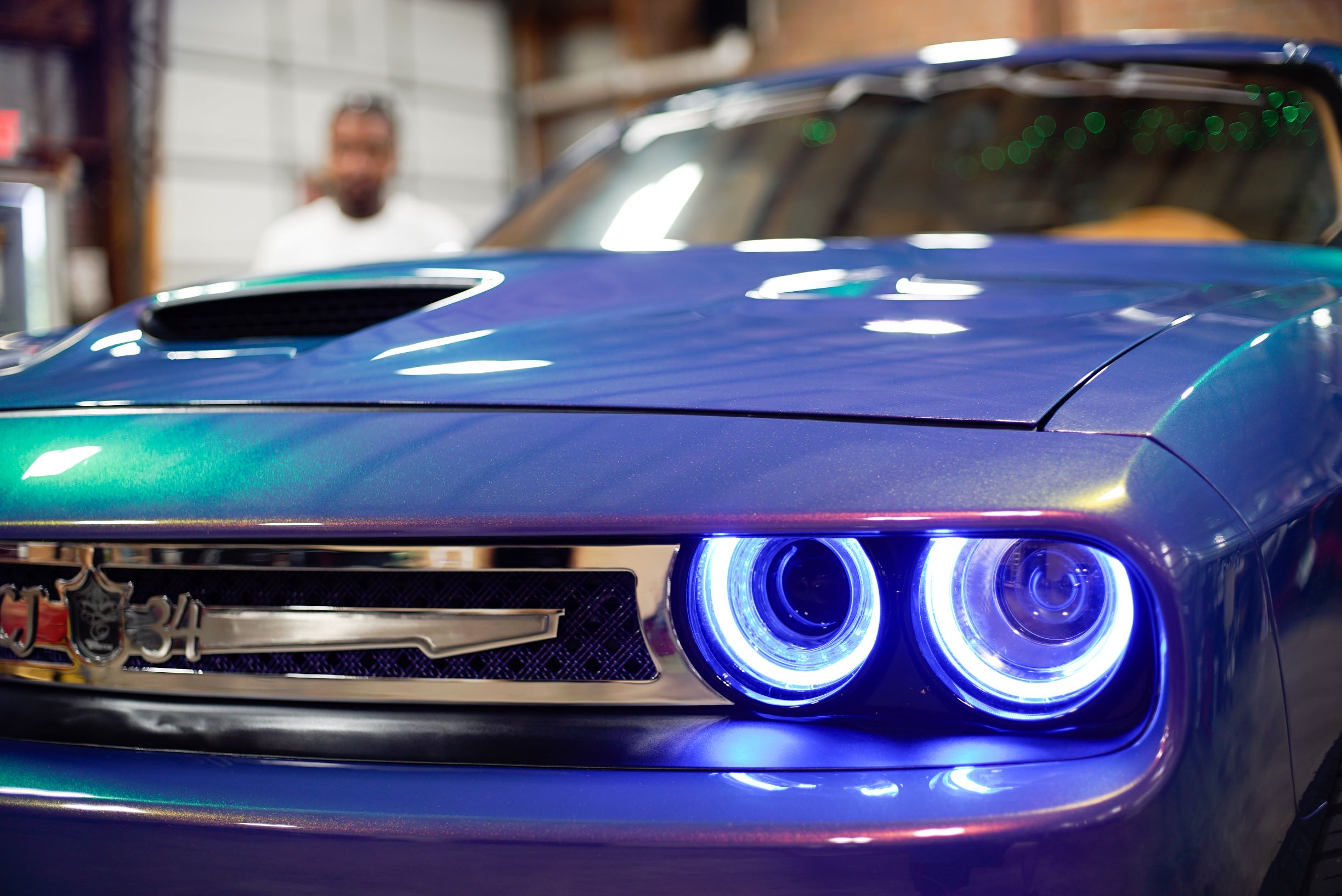
Vehicle lighting is tightly regulated because other drivers depend on it to identify approaching traffic and judge distance at night. Headlights are generally required to meet established color and performance standards, and replacing normal road-going lights with unusual colors can create a legal problem.
For headlights, the familiar white appearance serves an important purpose. Amber is also used in certain lighting applications, including turn signals and some auxiliary equipment. Blue, red, green, purple, and other decorative colors can make a vehicle look unusual, but they may also violate lighting laws when used on public roads.
The exact rules governing aftermarket modifications can involve both federal standards and state equipment laws. Federal Motor Vehicle Safety Standard No. 108 establishes requirements for lighting equipment installed on new vehicles and replacement equipment. State laws then regulate what drivers may use while operating vehicles on public roads.
Tinting films and sprays can cause trouble even when the original light was legally colored. A headlight covered with a dark or colored material may no longer produce the required amount or color of light.
Aftermarket LED bulbs can raise similar concerns. A bulb that physically fits inside a headlamp housing is not automatically compliant with applicable requirements.
The safest approach is to use lighting equipment designed and approved for the vehicle, rather than relying on decorative modifications that may reduce visibility or confuse other road users.
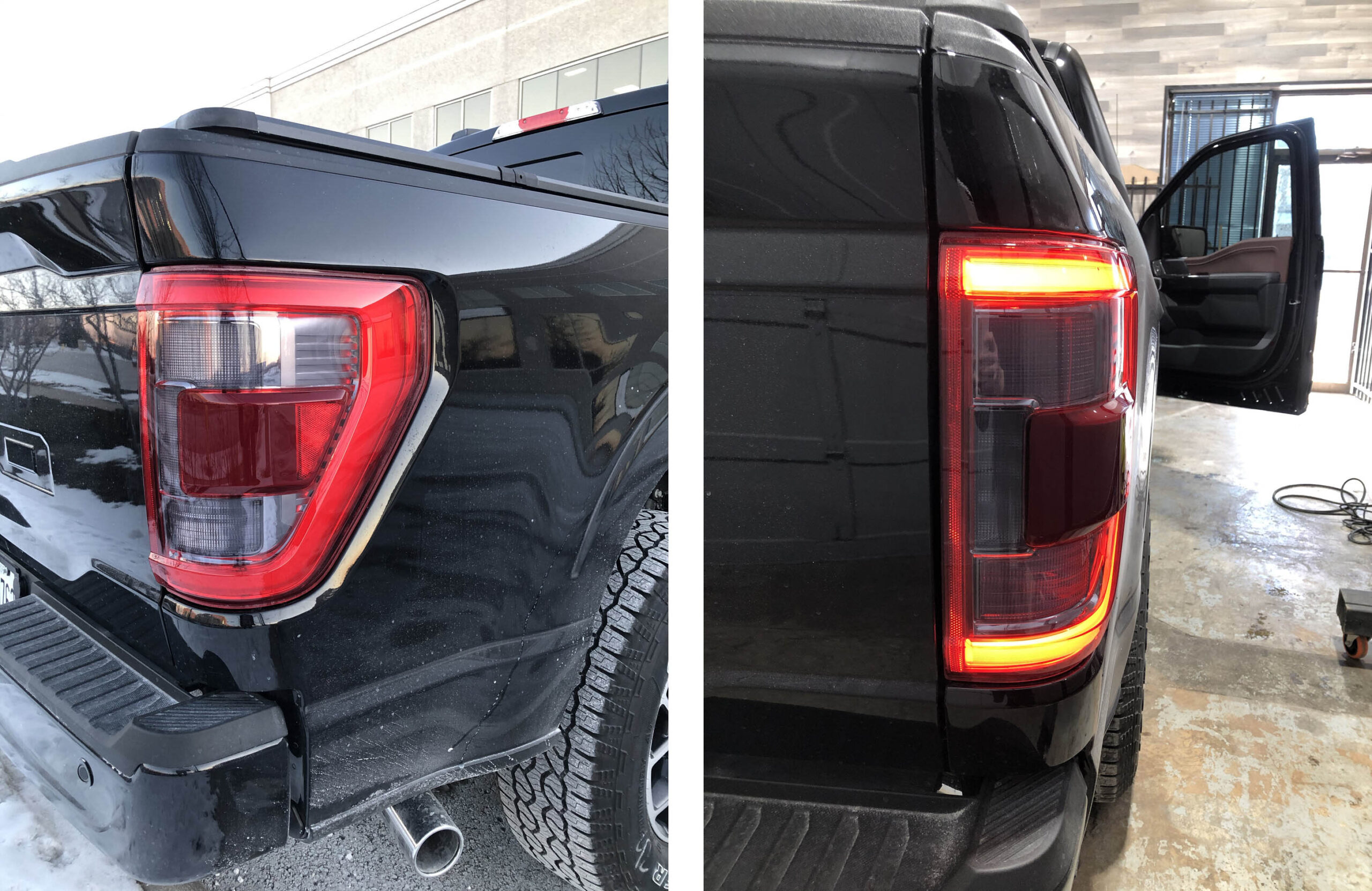
4. Illegally Tinted Taillights or Brake Light Covers
Darkened taillights can give a vehicle a cleaner or more customized appearance during daylight, but the modification can become dangerous when visibility drops. Brake lights and taillights must be visible enough for drivers behind the vehicle to recognize braking and other movements.
A light tint may appear harmless, yet even a thin film can reduce the amount of light reaching other drivers. Heavy tint, spray coatings, and dark covers create an even greater problem.
Federal standards establish performance requirements for original vehicle lighting, while state laws can regulate modifications and equipment used on vehicles traveling public roads. Because state rules differ, not every tinted taillight is treated identically across the country. What is consistent is that a modification cannot lawfully reduce required lighting performance below applicable standards.
Brake lights deserve particular attention. A driver following a vehicle needs to recognize braking quickly, especially in traffic or poor weather. A decorative modification that makes those signals harder to see can create both a safety hazard and a legal issue.
Some owners assume that brighter aftermarket bulbs solve the problem. That is not always the case. Adding an extremely bright bulb behind an improperly tinted lens may still fail to meet equipment requirements.
Before tinting any exterior light, drivers should check their local vehicle laws and remember that factory lighting was engineered for visibility, not simply appearance.
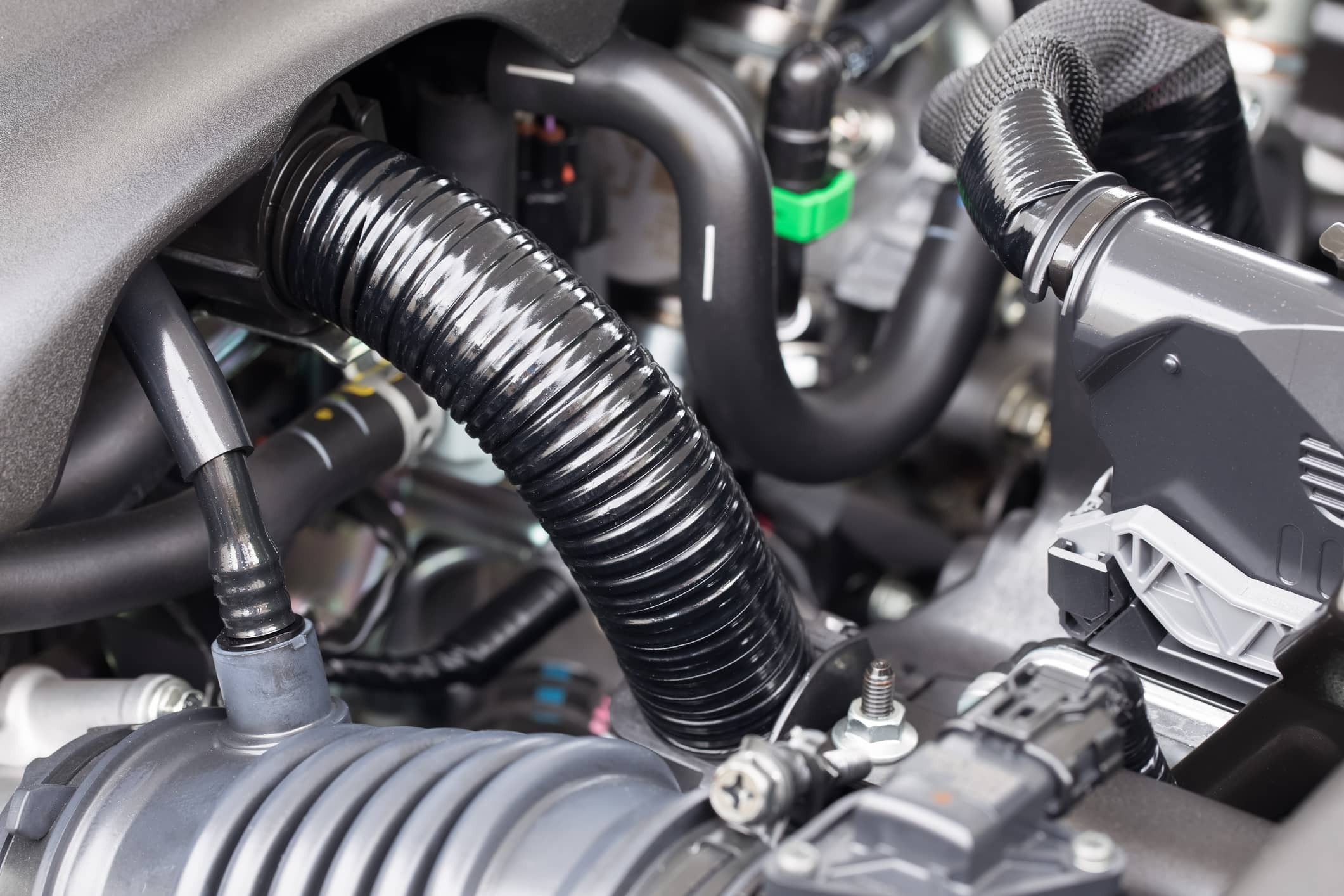
5. Disabling or Tampering with Emissions Control Systems
Modern engines rely on a network of emissions-control devices that work together to limit pollutants. These systems can include oxygen sensors, exhaust gas recirculation equipment, evaporative emissions components, engine computers, and other hardware.
Tampering with these systems can violate federal law. The Clean Air Act prohibits certain actions involving the removal or disabling of emissions-control equipment, and enforcement can apply to individuals as well as businesses involved in illegal modifications.
Performance tuning is one area where confusion is common. Not every aftermarket engine tune is automatically unlawful. The legal issue arises when a modification disables required emissions functions, defeats diagnostic monitoring, or causes the vehicle to exceed applicable emissions standards.
A tuner may advertise extra horsepower, sharper throttle response, or altered fuel delivery. Those benefits do not erase emissions requirements for a vehicle operated on public roads.
Owners should also consider inspection requirements. In states that perform emissions testing, altered software or missing equipment can cause a vehicle to fail.
Trying to hide a modification is a poor solution. Modern diagnostics can identify missing equipment, software changes, and faults that do not belong on a properly functioning vehicle.
For a street-driven car, performance improvements should be selected carefully. Parts and software designed to maintain required emissions controls are a far better choice than systems built around disabling them.
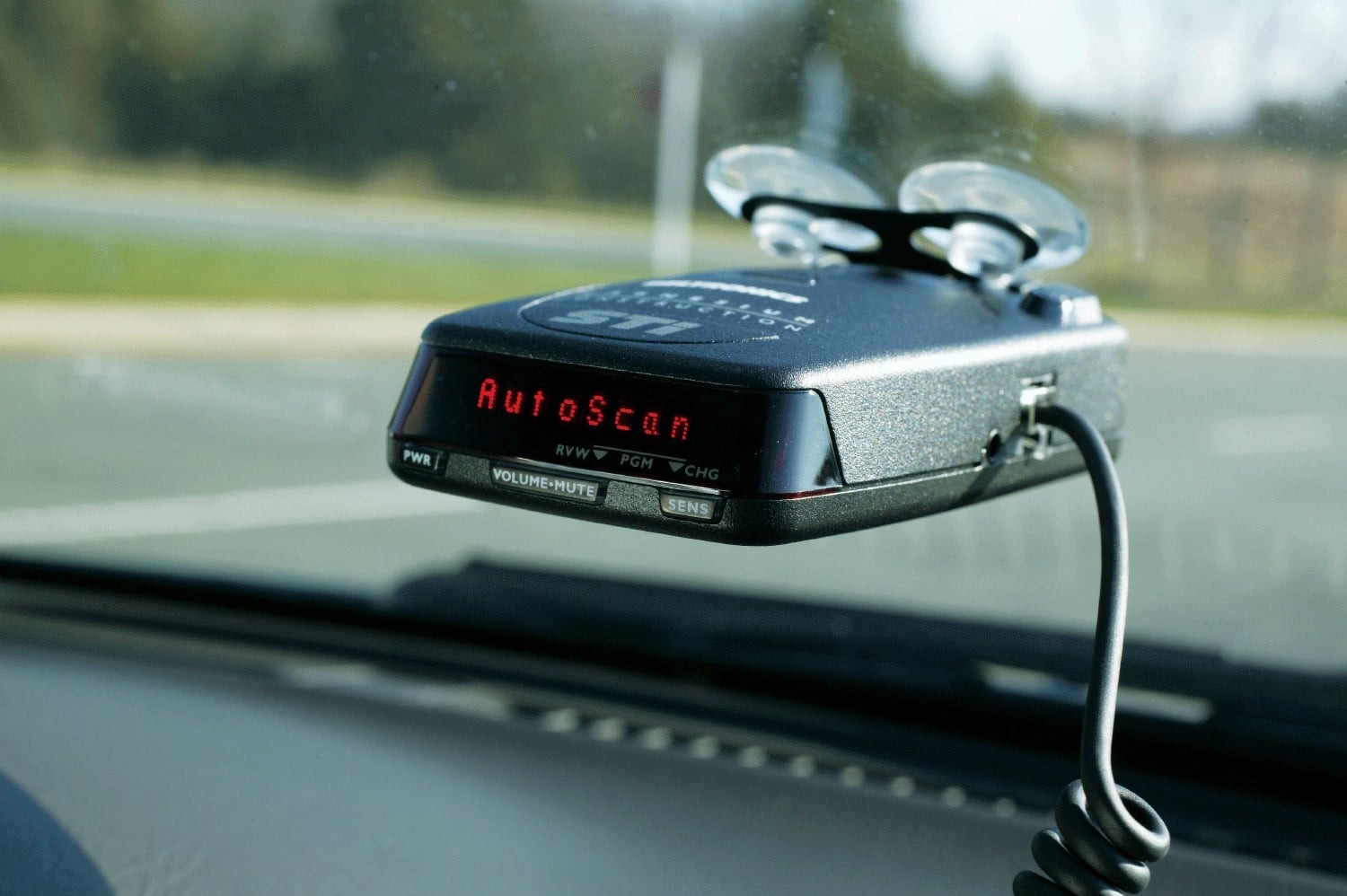
6. Radar Detectors and Laser Jammers in Certain Restricted Scenarios
Radar detectors and laser jammers are often discussed together, but they are not legally identical. That difference is important.
Radar detectors are generally legal for passenger vehicles in many parts of the United States, although restrictions apply in certain locations and circumstances. Commercial vehicles and military installations can face different rules.
Simply owning a radar detector therefore does not mean a driver has installed something illegal in all 50 states. Laser jammers present a different legal issue.
These devices are designed to interfere with laser-based speed measurement, and federal communications rules and state laws can restrict equipment intended to interfere with authorized signals. State laws regarding laser jammers also vary.
The distinction is easy to understand. A passive device that receives a signal is different from equipment that actively transmits or interferes with another device.
Drivers should also remember that avoiding detection does not make unsafe driving legal. Speed limits, reckless driving laws, and other traffic rules still apply regardless of what electronics are installed in a vehicle.
Another concern involves aftermarket devices that interfere with communication systems or emergency equipment. Such modifications can create serious legal consequences beyond an ordinary traffic citation.
The safest approach is to use automotive technology for legitimate driving purposes rather than attempting to interfere with law enforcement equipment or other authorized systems. It is also important to understand that radar detectors and radar jammers are different types of devices and should not be treated as the same thing.
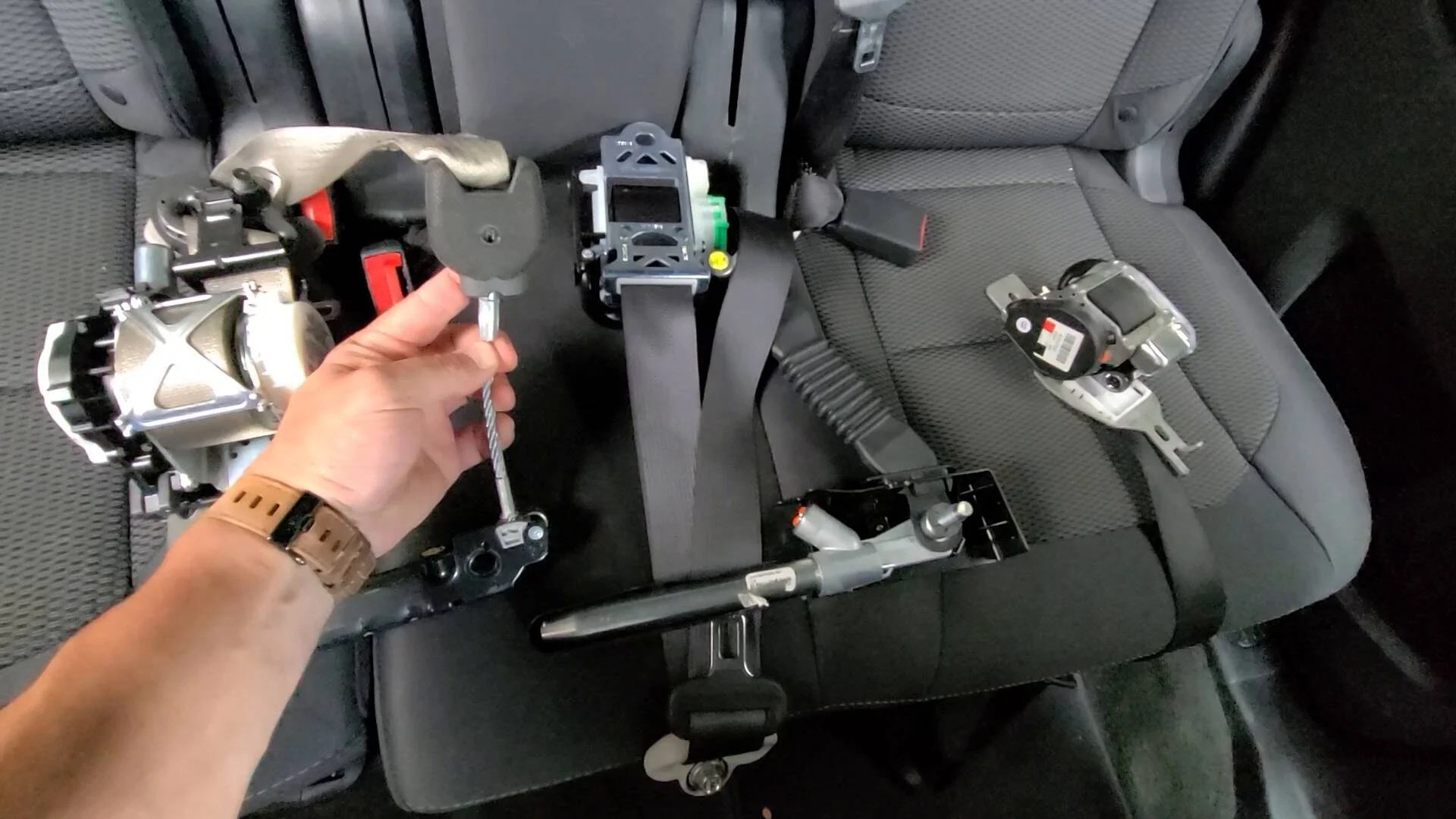
7. Airbag or Seat Belt Removal or Disabling
Airbags and seat belts are among the most important safety systems inside a modern vehicle. Removing or disabling them may affect both safety and legal compliance, particularly when a vehicle is used on public roads or sold to another person.
Federal safety standards establish requirements for new vehicles and regulate how manufacturers and certain businesses handle safety equipment. The legal treatment of a private owner’s modifications can be more detailed than the simple claim that every airbag removal is automatically illegal under identical rules in every state.
Even so, disabling occupant protection systems can create serious consequences.
A vehicle equipped with airbags may trigger warning lights when parts of the system are disconnected. Removing airbags can also affect insurance claims, resale disclosures, inspections, and liability after a collision.
Seat belts present another concern. States generally require occupants or drivers to follow seat belt laws, and vehicles must meet applicable equipment requirements. Removing factory belts from a street vehicle can leave the car unsafe and may make it unlawful to operate under applicable state rules.
There are limited circumstances involving specially prepared race cars or other vehicles not intended for ordinary public-road use. Those situations do not give a street-driven vehicle a blanket exemption.
For most drivers, removing factory safety equipment is simply not worth the risk. If an airbag system has a fault, repairing it properly is far safer than disabling the warning system or removing the equipment.
8. Unsafe Headlight or Taillight Flash Patterns Mimicking Emergency Vehicles
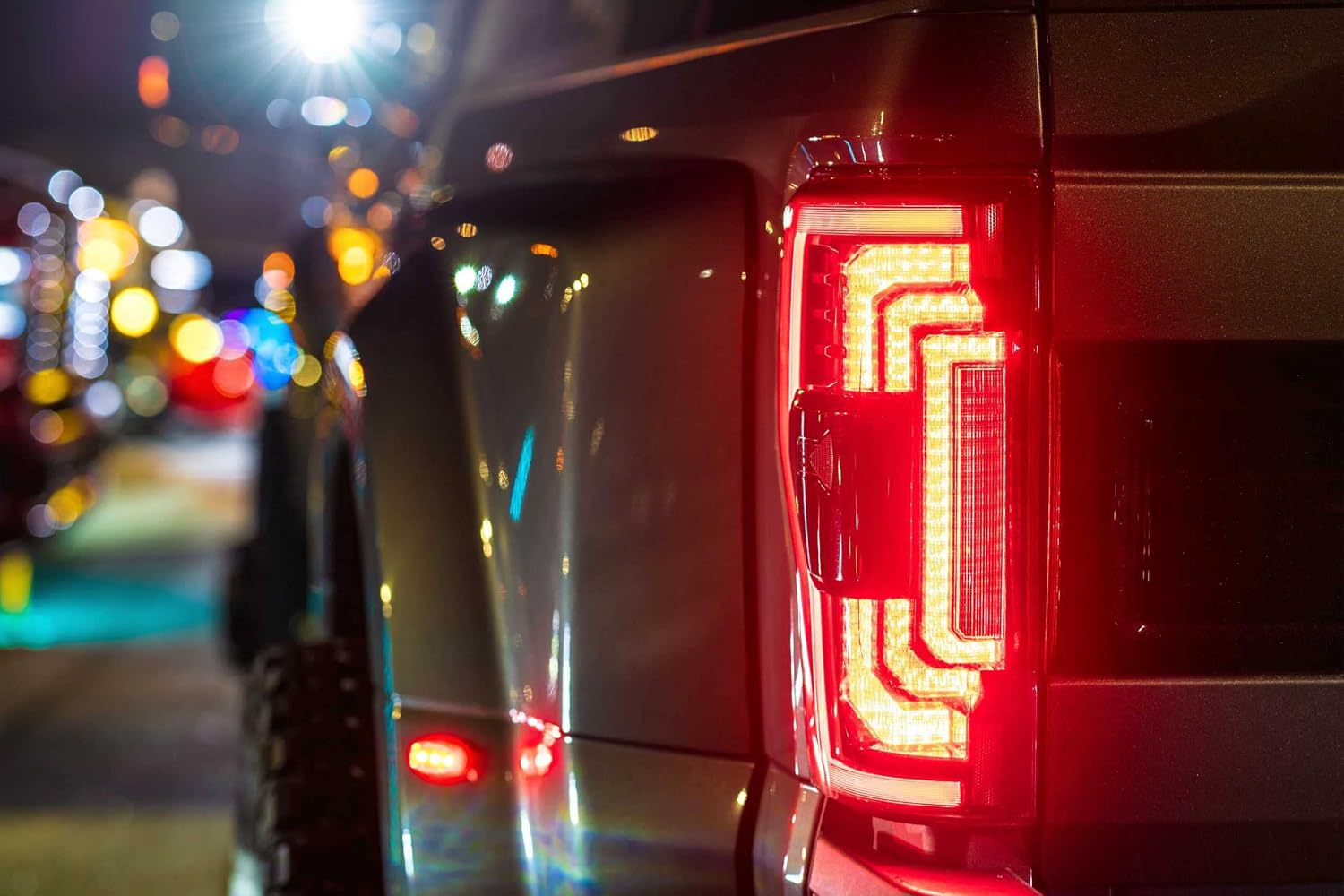
Flashing blue or red lights may look dramatic on a customized car, but they can create immediate problems when the vehicle resembles an emergency vehicle.
Police cars, fire apparatus, ambulances, and other authorized vehicles use distinctive lighting patterns so other road users can recognize emergencies and respond appropriately. When a privately owned vehicle imitates those signals, drivers may become confused about whether they are required to stop or move aside.
State laws differ regarding exactly which colors and patterns are reserved for authorized vehicles. Still, every state has restrictions designed to prevent unauthorized drivers from impersonating police officers or other emergency personnel.
The location of the lights can matter as much as the color. Roof-mounted strobes, grille lights, windshield flashers, and other emergency-style equipment may attract attention from law enforcement even if the owner claims the lights are only decorative.
Using the lights while driving can create an even more serious situation. A person who attempts to make other drivers believe that the vehicle belongs to law enforcement could face criminal charges.
There is also a basic safety issue. A sudden flash of intense blue or red lighting can distract nearby drivers at night.
Aftermarket lighting should improve visibility without creating confusion. Decorative systems designed for shows or private property should not be treated as equipment suitable for unrestricted use on public roads.
9. Non-Compliant Exhaust or Emissions Backpressure Modifications
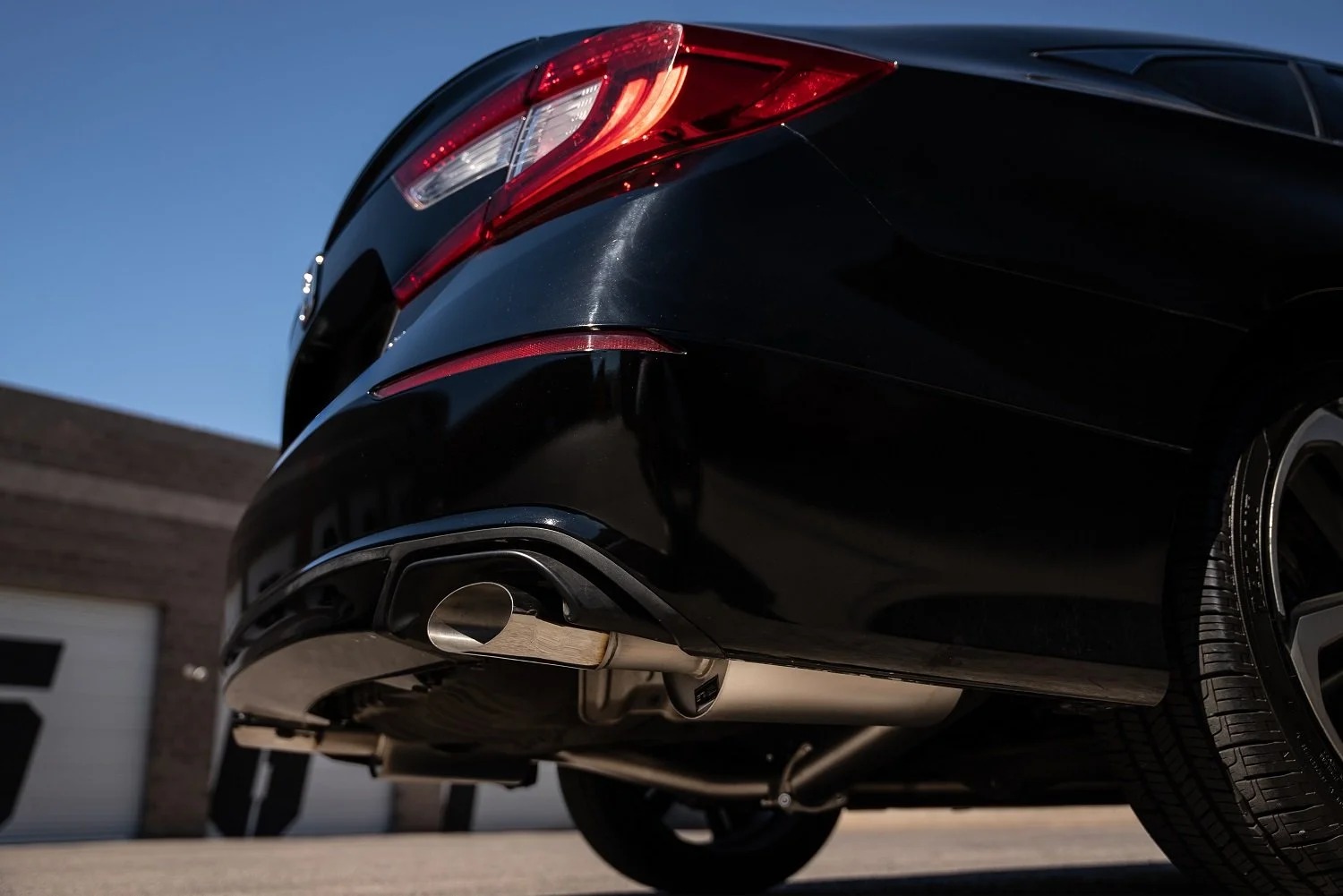
Performance enthusiasts often modify exhaust systems in search of more power, a deeper sound, or a different driving experience. Headers, resonators, pipes, and other components can all affect how an engine performs.
The problem begins when a modification removes required emissions equipment or causes the vehicle to violate applicable noise and emissions rules. An exhaust system is not automatically illegal simply because it is aftermarket, louder than stock, or designed for better flow. Compliance depends on the equipment installed and how the vehicle is used.
The term “backpressure” can also be misunderstood. Engines do not simply need as much exhaust restriction as possible. Exhaust system design involves gas flow, engine calibration, scavenging effects, and emissions controls.
A poorly planned modification may produce less usable performance while making the vehicle louder and more difficult to operate legally.
Removing resonators or changing pipe diameters may be allowed in some situations, but removing catalytic converters or other required emissions equipment is another matter. Noise laws can also apply even when the emissions equipment remains intact.
Race-only components require special caution. A part intended exclusively for competition use may not be lawful for installation on a car driven on public roads.
Before modifying an exhaust, owners should verify that the complete system remains suitable for their vehicle and complies with the rules that apply where it will be operated.

10. License Plate Covers that Obscure Visibility
A license plate may seem like a minor part of a vehicle’s exterior, but it serves an important identification purpose. Police officers, toll systems, parking enforcement, and other authorized systems need to read the plate accurately.
Dark plastic covers, reflective materials, tinted shields, and other accessories can interfere with that visibility. Many states prohibit covers that obscure any portion of a plate or make its letters, numbers, registration stickers, or other required information difficult to read.
The exact laws differ by state, so the claim that one federal rule makes every plate cover illegal in all 50 states is too broad. Federal law does not generally regulate ordinary state-issued passenger vehicle plates in the same way that it regulates emissions equipment.
Still, a cover that obscures plate information can violate state law in every part of the country under the rules applicable to the vehicle’s registration and operation.
Some drivers install clear covers to protect against scratches or dirt. Even these products can create problems if they produce glare, reflections, distortion, or interference with automated plate readers.
The safest choice is usually no cover at all unless the vehicle’s registration authority clearly permits the type being used.
A customized car can still look good without hiding its registration information. When a modification affects something that authorities and other road users must clearly see, the practical risk often outweighs the cosmetic benefit.
