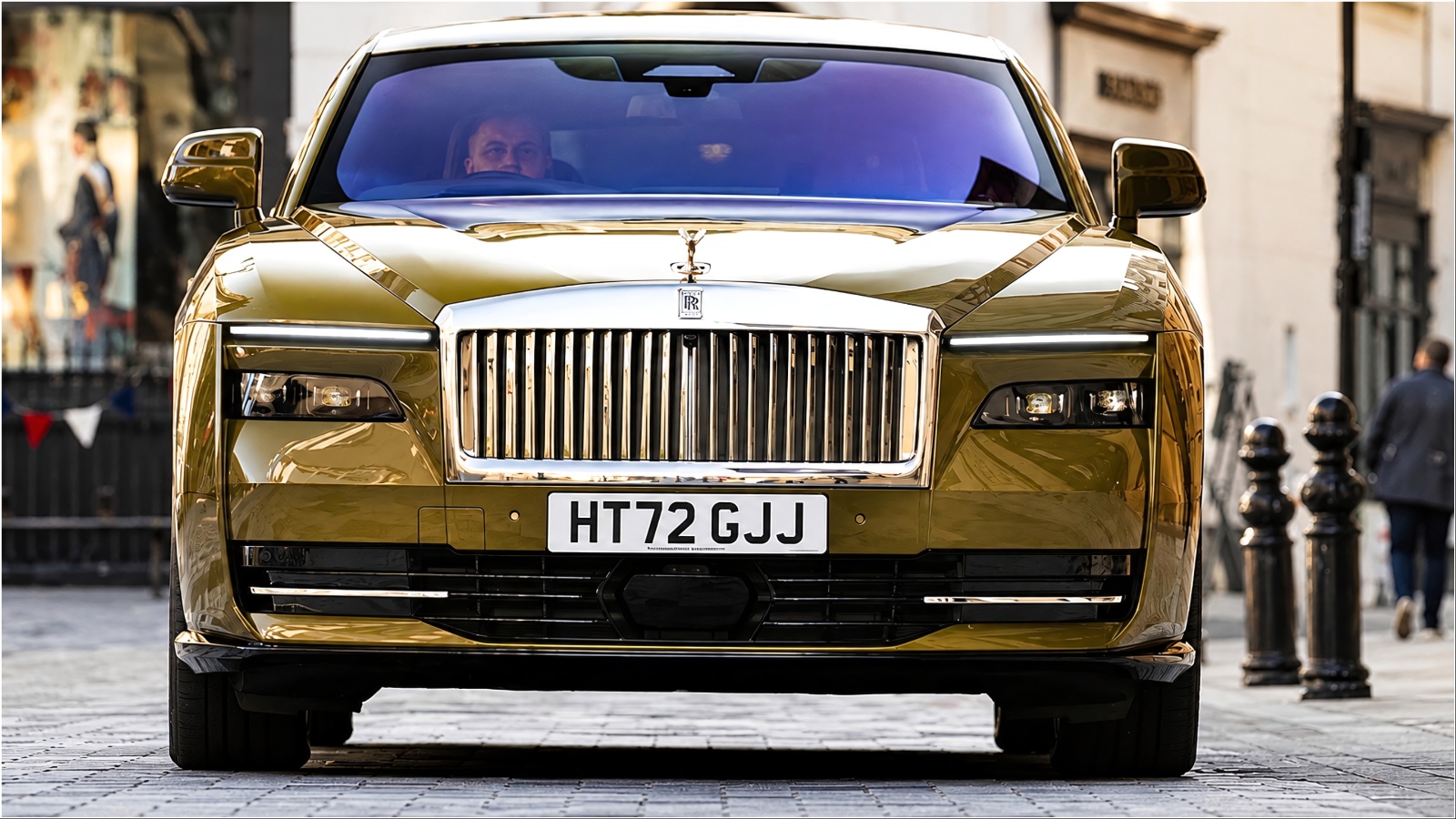
There is no official industry ranking of the “quietest cars ever tested” because prototype vehicles were rarely subjected to identical cabin-noise tests under the same conditions. Some were evaluated by journalists on public roads, others on test tracks, and many were experimental electric or hydrogen vehicles whose lack of a conventional engine gave them an obvious acoustic advantage.
So the list below should be treated as a selection of exceptionally quiet, genuinely driveable prototypes and non-production vehicles, rather than a strict decibel ranking.
What makes these cars particularly interesting is that they were not simply static auto-show sculptures. Each one was functional enough to be driven, tested, or evaluated on the road or a closed course, yet none became a normal production model.
Several previewed technologies that eventually became commonplace, including battery-electric drivetrains, fuel-cell propulsion, drive-by-wire controls and advanced noise isolation. Others were simply too expensive, too experimental or too impractical to justify production.
1. Rolls-Royce 102EX
The Rolls Royce 102EX stands out as one of the most compelling examples because it transformed an already exceptionally refined luxury car by replacing its combustion engine with electric power. Introduced in 2011, the 102EX was a one off experimental electric version of the Phantom. Rolls Royce developed it to explore whether electric propulsion could deliver the level of refinement and comfort expected by its customers.
The 102EX went beyond the usual role of a concept car because journalists were given the opportunity to drive it. Beneath its exterior was an electric powertrain rather than a V12, with a large lithium-ion battery pack powering two electric motors. Together, they generated 389 horsepower and 800 Nm of torque.
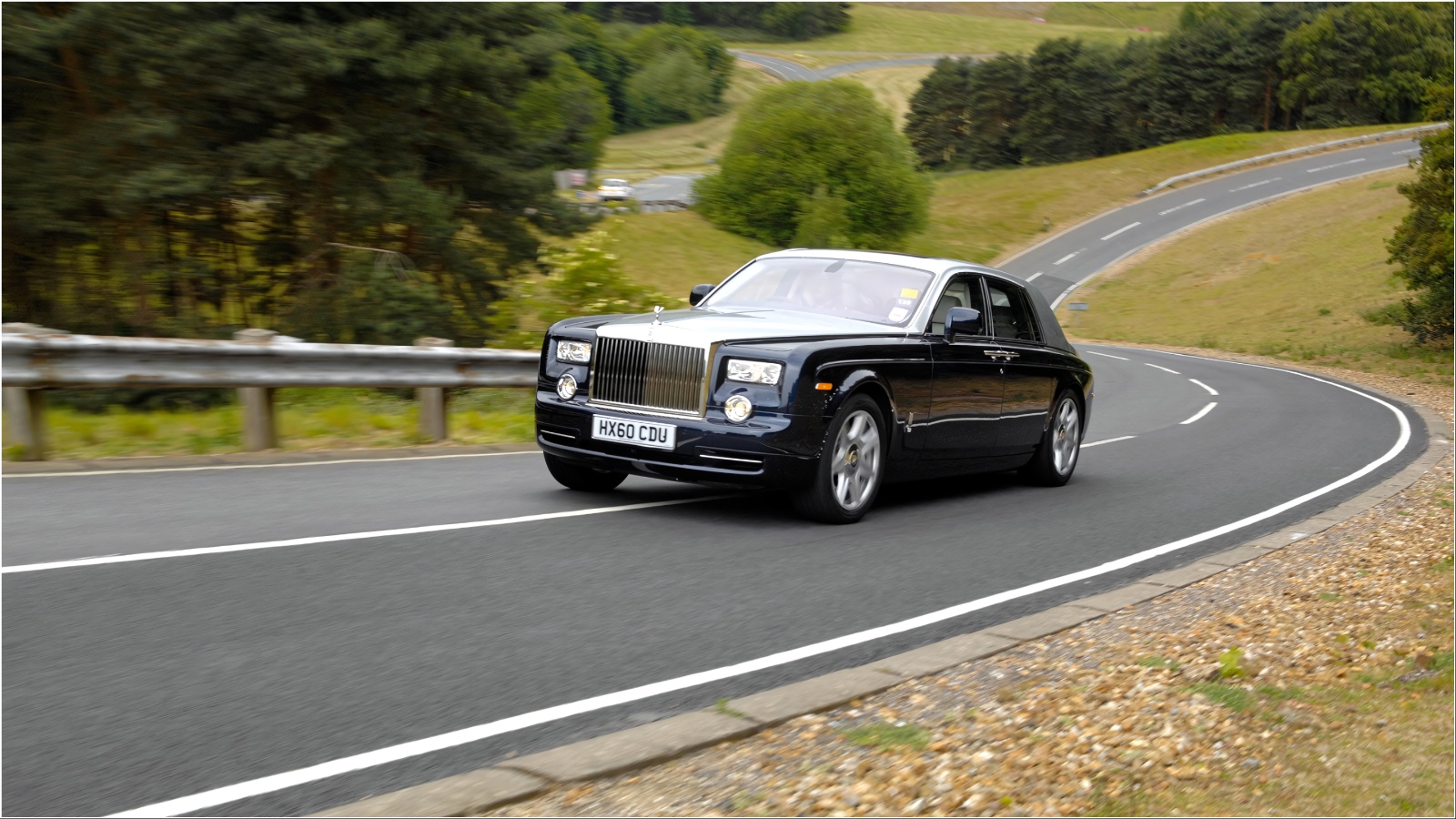
Despite the car’s considerable weight, the electric motors delivered smooth and immediate acceleration with very little noise. Test drives revealed an almost silent departure, accompanied only by a subtle whir from the motors.
The silence was particularly striking because the Phantom itself was already engineered around isolation and refinement. With the combustion engine removed, however, the character changed completely. There was no exhaust note, no conventional transmission noise, and no engine vibration.
Rolls-Royce chose not to move forward with an electric Phantom at that stage, leaving the 102EX as a technology demonstrator rather than a production vehicle. Even so, the project proved that electric power could complement the brand’s core philosophy. For a luxury vehicle built around a quiet and peaceful driving experience, an electric powertrain offered the potential to make the cabin even more serene.
2. MINI E
The MINI E is an unusual entry because hundreds of examples existed and ordinary drivers were allowed to experience them, but it never became a normal production model. BMW built the electric MINIs primarily as a field trial, with vehicles distributed to customers and researchers in several markets to study how people would use battery-electric cars in everyday conditions.
The drivetrain replaced the conventional MINI engine with a 200-horsepower electric motor and a large lithium-ion battery pack. Once switched on, the car produced almost none of the mechanical sounds drivers normally associate with an automobile.
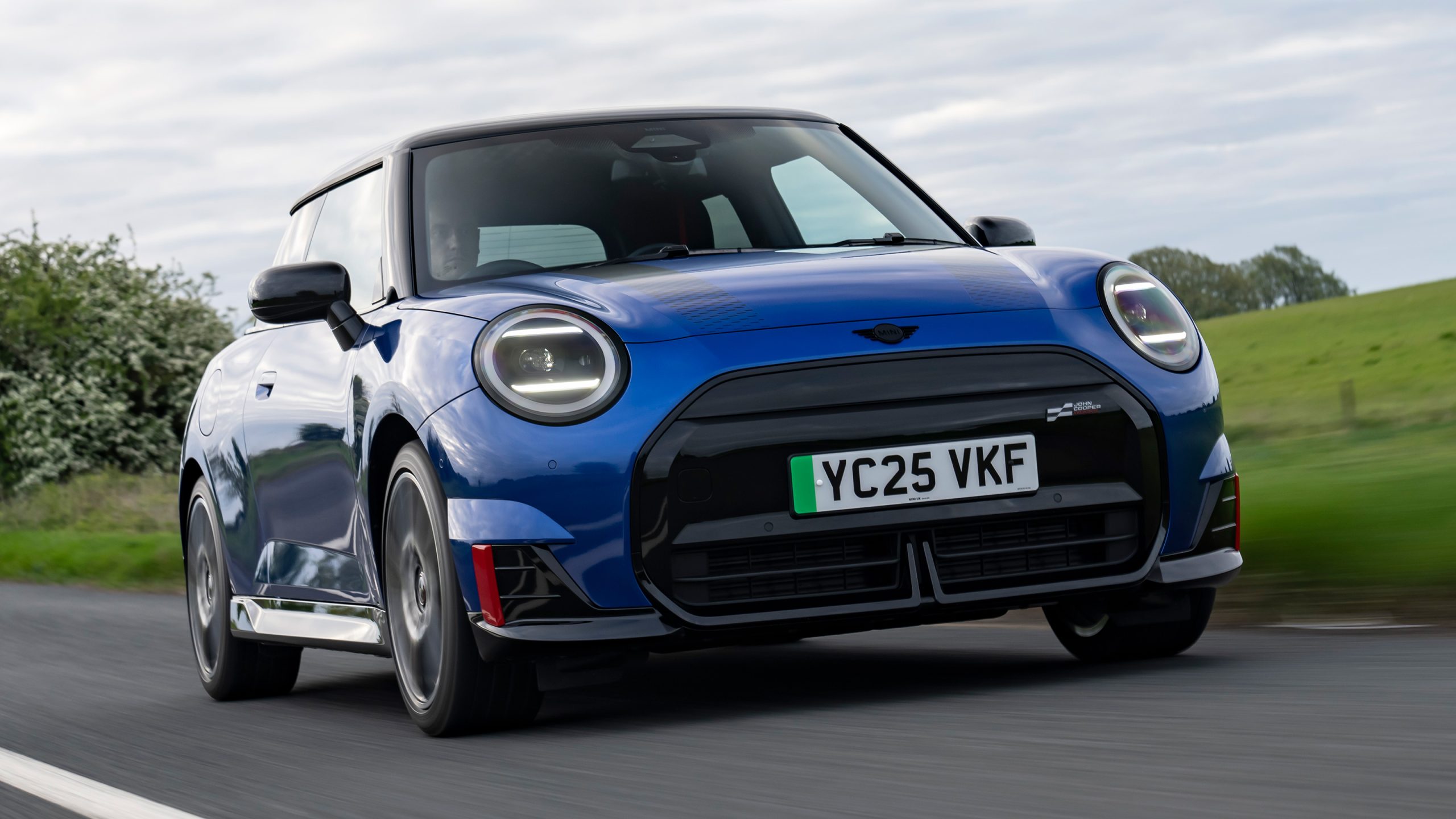
Journalists repeatedly commented on the silence, particularly during startup and low-speed driving. Motor Trend described the drivetrain refinement as extraordinary, while Top Gear noted that the car remained eerily quiet, with wind and tire noise becoming the dominant sounds.
The MINI E was also extensively tested rather than merely demonstrated at auto shows. BMW produced roughly 600 prototypes for worldwide testing, while selected drivers used the cars in normal commuting and daily-life conditions.
That makes the MINI E particularly significant. It was effectively a real-world laboratory on wheels. The program helped BMW understand battery-electric driving before the company developed the i3 and later electric models. Although it looked almost identical to a conventional MINI, its acoustic character was completely different.
The MINI E proved that an ordinary small hatchback could become extraordinarily quiet simply by replacing its combustion drivetrain with electric propulsion.
3. Volkswagen Golf Blue-E-Motion
The Volkswagen Golf Blue-E-Motion was another fascinating experiment in making a familiar car dramatically quieter. Developed as an electric prototype before Volkswagen launched its later electric Golf, the Blue-E-Motion used a 115-horsepower electric motor and lithium-ion batteries distributed throughout the vehicle.
Journalists were given the opportunity to drive the prototype, and the first impression was its smoothness. Despite Volkswagen installing an artificial sound generator to warn pedestrians of the vehicle’s presence, the underlying drivetrain remained extremely quiet. One road test described the car as producing an “eerie silence and smoothness,” with tire and wind noise becoming the primary sounds as speed increased.
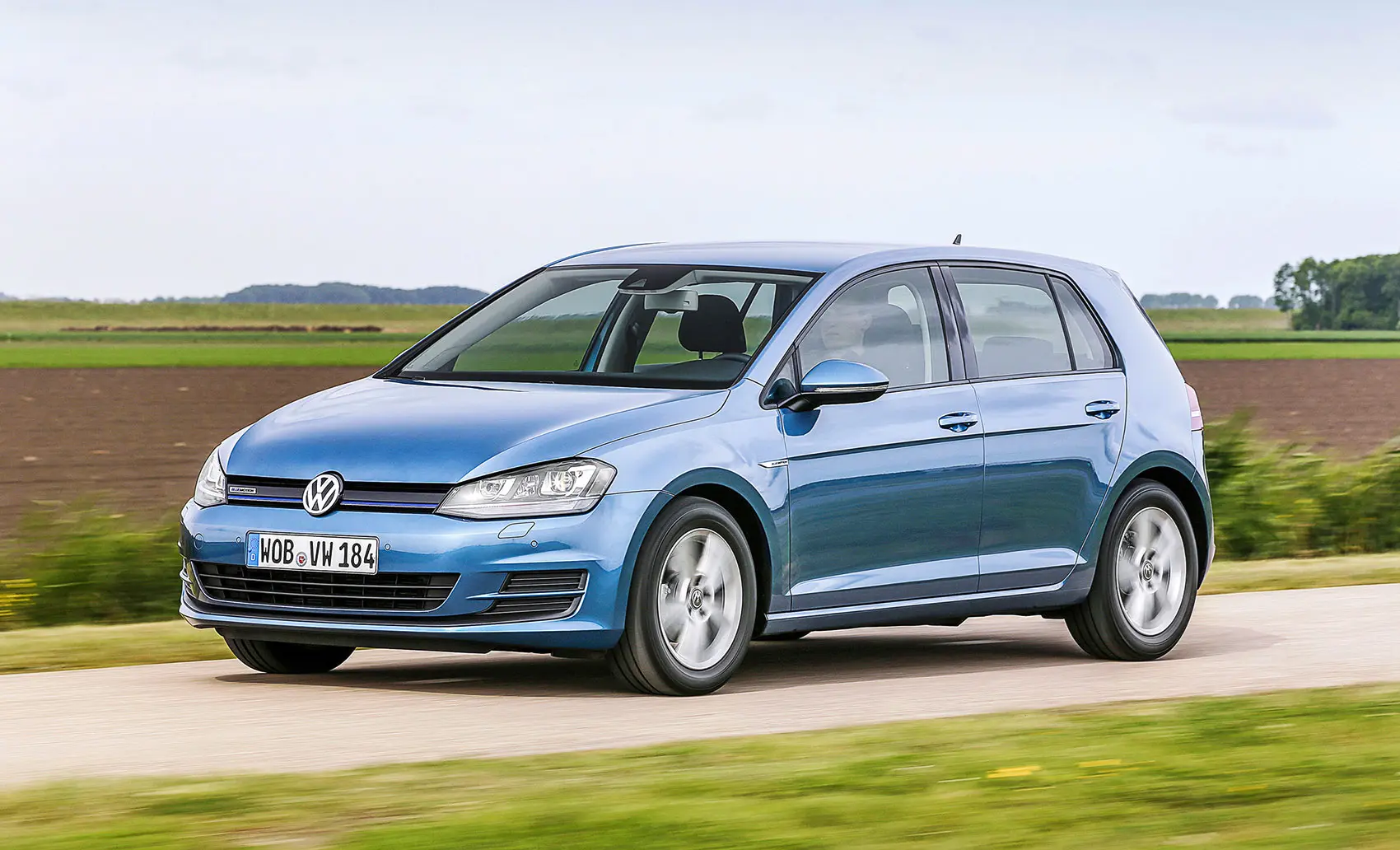
Green Car Reports went even further, calling the Golf Blue-E-Motion one of the quietest electric cars it had tested. At startup, the cabin was essentially silent. Once underway, the artificial engine-like sound disappeared at higher speeds, leaving primarily tire and aerodynamic noise.
The car was not simply an electric Golf that happened to be available to customers. It was a development prototype used to investigate how an electric powertrain could be packaged into a mainstream Volkswagen.
The Blue-E-Motion never entered production under that name. Instead, Volkswagen continued developing its electric technology, eventually producing later electric Golf variants and, ultimately, the ID family.
Its real significance was the way it showed that a practical family hatchback could deliver an exceptionally refined driving experience without the vibrations, exhaust noise, and mechanical sounds associated with a traditional combustion engine.
4. Nissan X-Trail FCV Prototype
The Nissan X-Trail FCV is one of the most interesting hydrogen-powered entries because journalists actually drove it and immediately noticed its unusual quietness. Beneath the familiar X-Trail body was a hydrogen fuel-cell powertrain that generated electricity for an electric drivetrain.
Top Gear’s road test made the acoustic character one of its central observations. The publication described the fuel-cell system as extremely quiet and smooth, with no conventional combustion engine or exhaust system producing the noises normally associated with gasoline-powered SUVs. Instead, occupants heard little more than a distant electric-motor whirr.
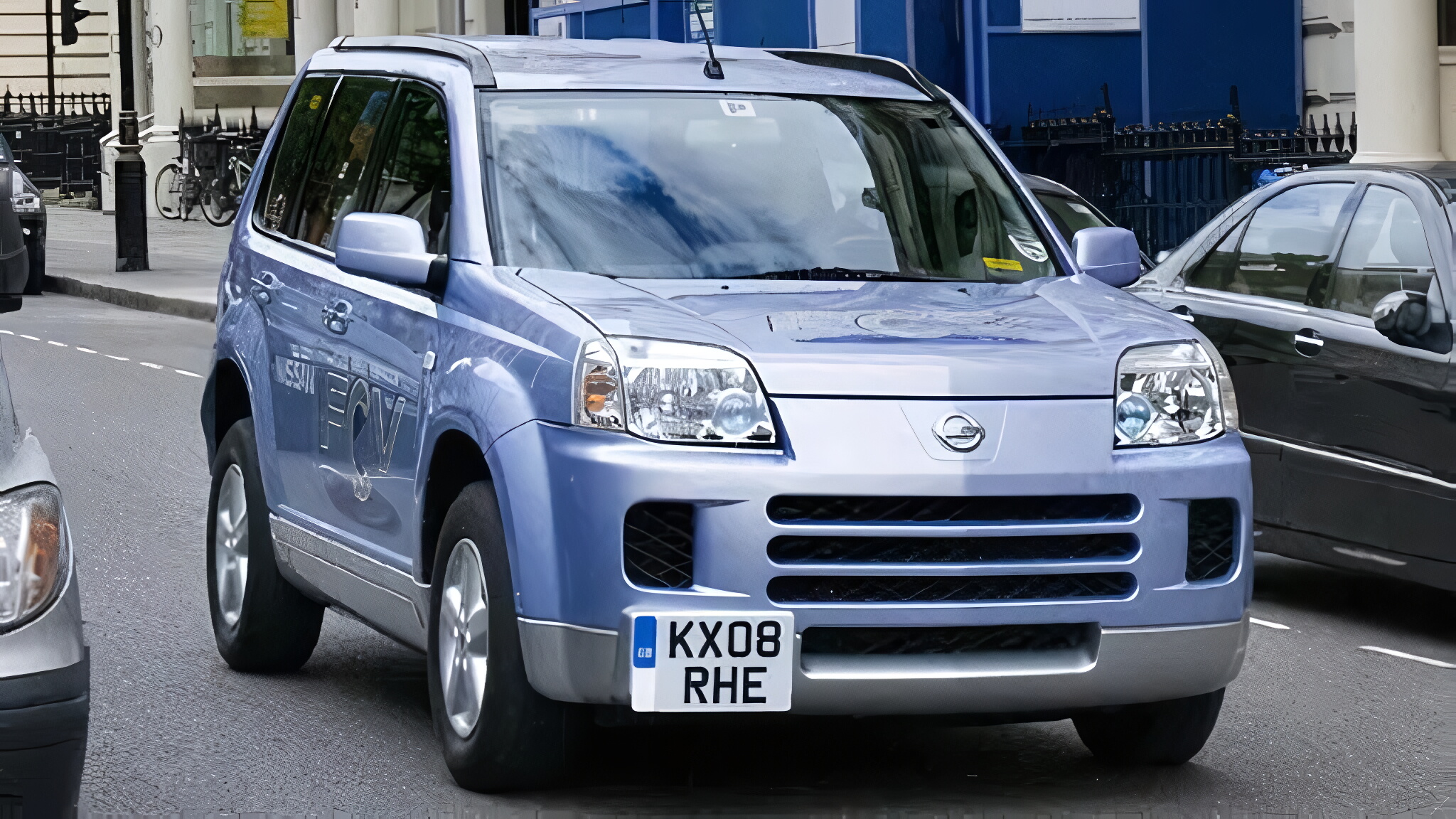
The technology operated quite differently from a traditional gasoline powertrain. The fuel cell combined hydrogen with oxygen to produce electricity, which then supplied power to the vehicle’s electric motor. As a result, the driving experience shared several traits later associated with battery electric cars, including instant torque, smooth acceleration, and minimal mechanical noise.
The prototype reportedly offered around 500 km of range, impressive for the period, although the lack of hydrogen refueling infrastructure made the technology impractical for ordinary customers.
Nissan never transformed the X-Trail FCV into a mass-market production model. It remained a development vehicle designed to investigate hydrogen fuel-cell technology.
Its significance is therefore less about outright luxury and more about how dramatically quiet propulsion technology could transform a conventional SUV. To drivers accustomed to gasoline-powered four-wheel-drive vehicles, the X-Trail FCV demonstrated how futuristic a familiar vehicle could feel simply by eliminating combustion.
5. GM Hy-wire
The GM Hy-wire was one of the most ambitious drivable concepts of the early 2000s. It combined hydrogen fuel-cell propulsion with a radical drive-by-wire architecture that placed many major vehicle systems into a flat skateboard-style chassis.
Unlike many futuristic concept cars, the Hy-wire was genuinely functional. Car and Driver drove the vehicle in 2003 and described it as a running proof of concept for General Motors’ vision of future transportation.
Its powertrain naturally contributed to its quiet character. Instead of a gasoline engine, the vehicle used a hydrogen fuel cell to generate electricity, which powered electric motors. That eliminated the conventional engine’s combustion noise and much of its vibration.
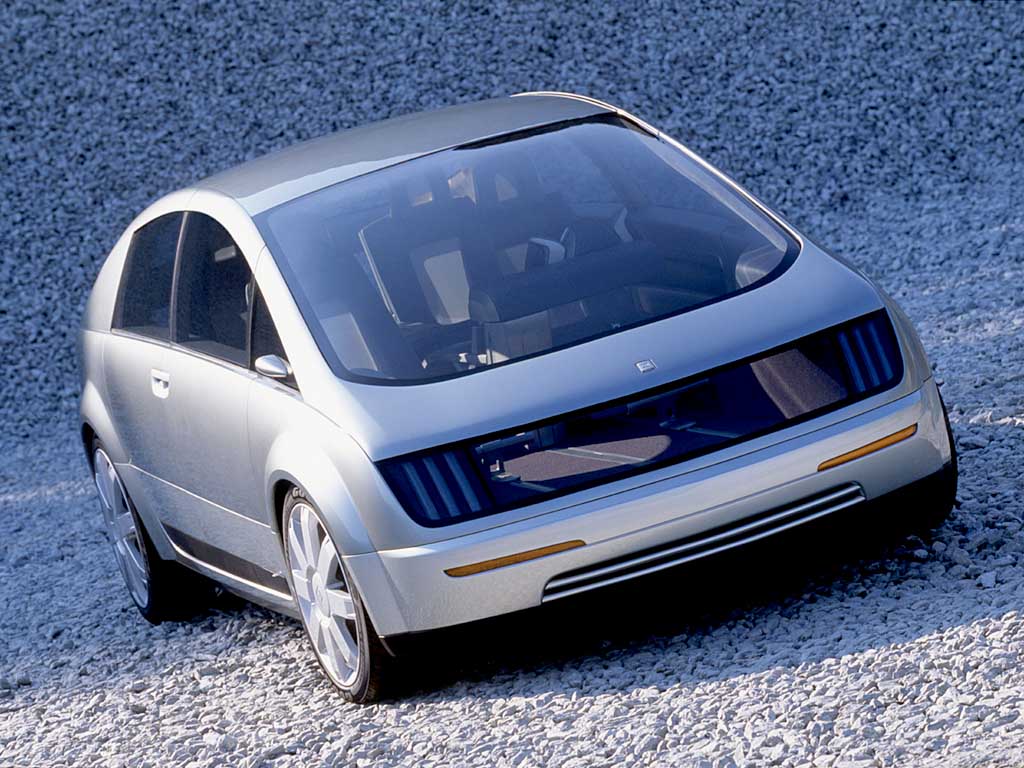
The most remarkable aspect, however, was that the quietness was only one part of the experiment. Steering, braking, and acceleration were controlled electronically rather than through traditional mechanical connections. The driver essentially operated the vehicle through electronic controls.
The technology was impressive but immature. Car and Driver found that the steering controls required considerable adaptation and that the brake feel was not yet convincing. The concept demonstrated the possibilities of the technology but also exposed why such systems were not ready for immediate mass production.
The Hy-wire never became a production vehicle. Its influence instead appeared through GM’s continuing experimentation with fuel cells, electronic controls, and skateboard architectures.
Its quiet operation gave it a distinctly futuristic character. More importantly, the project offered a glimpse of how automotive engineering could evolve. It showed that future vehicles might eliminate engine noise while also moving away from many of the mechanical systems that had shaped automobiles for more than a century.
6. Chevrolet Equinox Fuel Cell
The Chevrolet Equinox Fuel Cell was one of General Motors’ most ambitious attempts to put hydrogen technology into the hands of ordinary drivers. Rather than creating an exotic-looking concept, GM installed a hydrogen fuel-cell system into the familiar Equinox crossover.
That decision made the vehicle particularly valuable for real-world testing. Through GM’s Project Driveway program, more than 100 Equinox Fuel Cell vehicles were placed with private drivers, allowing the company to gather extensive feedback from everyday use.
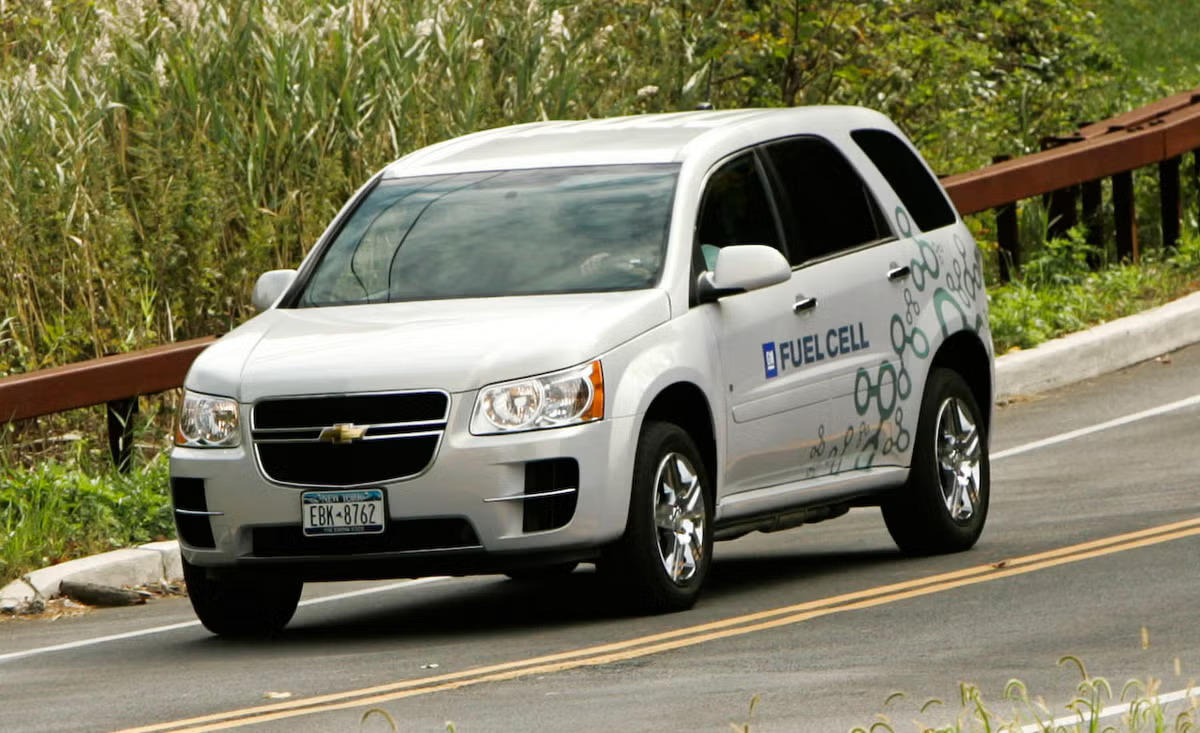
The absence of a gasoline engine made the Equinox noticeably quieter than its conventional counterpart. Car and Driver reported that the quieter environment made it easier to appreciate the silence of the electric motor, while the vehicle retained familiar steering, ride, and braking characteristics.
It wasn’t completely silent. Fuel-cell compressors and other supporting equipment could generate noise, and early versions had some audible mechanical sounds. But compared with conventional SUVs of the period, the Equinox Fuel Cell demonstrated how quiet an electric drivetrain could be.
The vehicle was never sold as a conventional production model. It was essentially a large-scale technology demonstration designed to determine whether hydrogen fuel-cell vehicles could function in everyday life.
For that reason, the Equinox is more important than its forgettable appearance suggests. It represented one of the earliest attempts to make zero-emission propulsion feel completely normal.
7. Ford Edge HySeries Drive Prototype
The Ford Edge HySeries Drive prototype looked like a normal crossover, but underneath its conventional body was a highly unusual plug-in hybrid hydrogen fuel-cell system. Ford used the vehicle to investigate whether batteries and hydrogen could work together without requiring the fuel cell to directly provide all the vehicle’s propulsion power.
The system operated electrically at all times. A lithium-ion battery supplied energy to the electric drivetrain, while a hydrogen fuel cell acted primarily as an onboard generator to recharge the battery when its state of charge became low. Ford described the system as a way of combining plug-in electric driving with extended range from hydrogen.
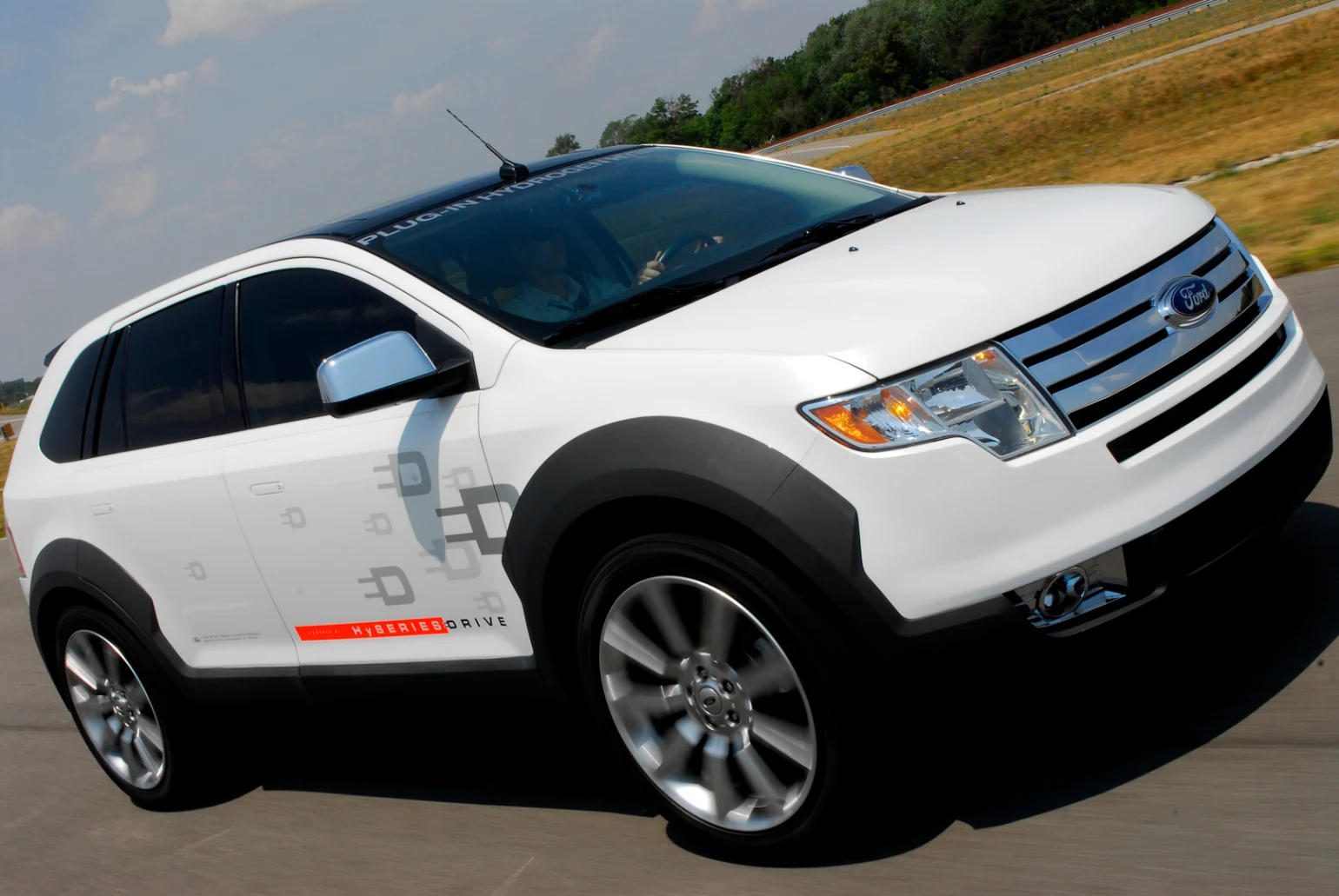
Journalists were actually allowed to test-drive the Edge prototype. That makes it much more relevant to this list than a static concept drawing. During operation, the vehicle could behave like an electric car, delivering smooth acceleration without the characteristic sounds of a gasoline engine.
The project never reached production. Ford demonstrated the technology in the Edge and other experimental vehicles but ultimately abandoned the HySeries approach as the automotive industry’s strategy shifted toward conventional hybrids, plug-in hybrids, and battery-electric vehicles.
The Edge itself was therefore not a revolutionary production model. It was a rolling laboratory.
Its remarkably quiet operation came from an approach that would later become central to electric vehicles by removing combustion from the powertrain. What made Ford’s approach unusual was the combination of battery electric driving characteristics with a hydrogen fuel cell that supplied the vehicle’s energy.
For a brief period, the Edge HySeries prototype offered a glimpse of a future that ultimately took a different direction.
8. Jaguar C-X75
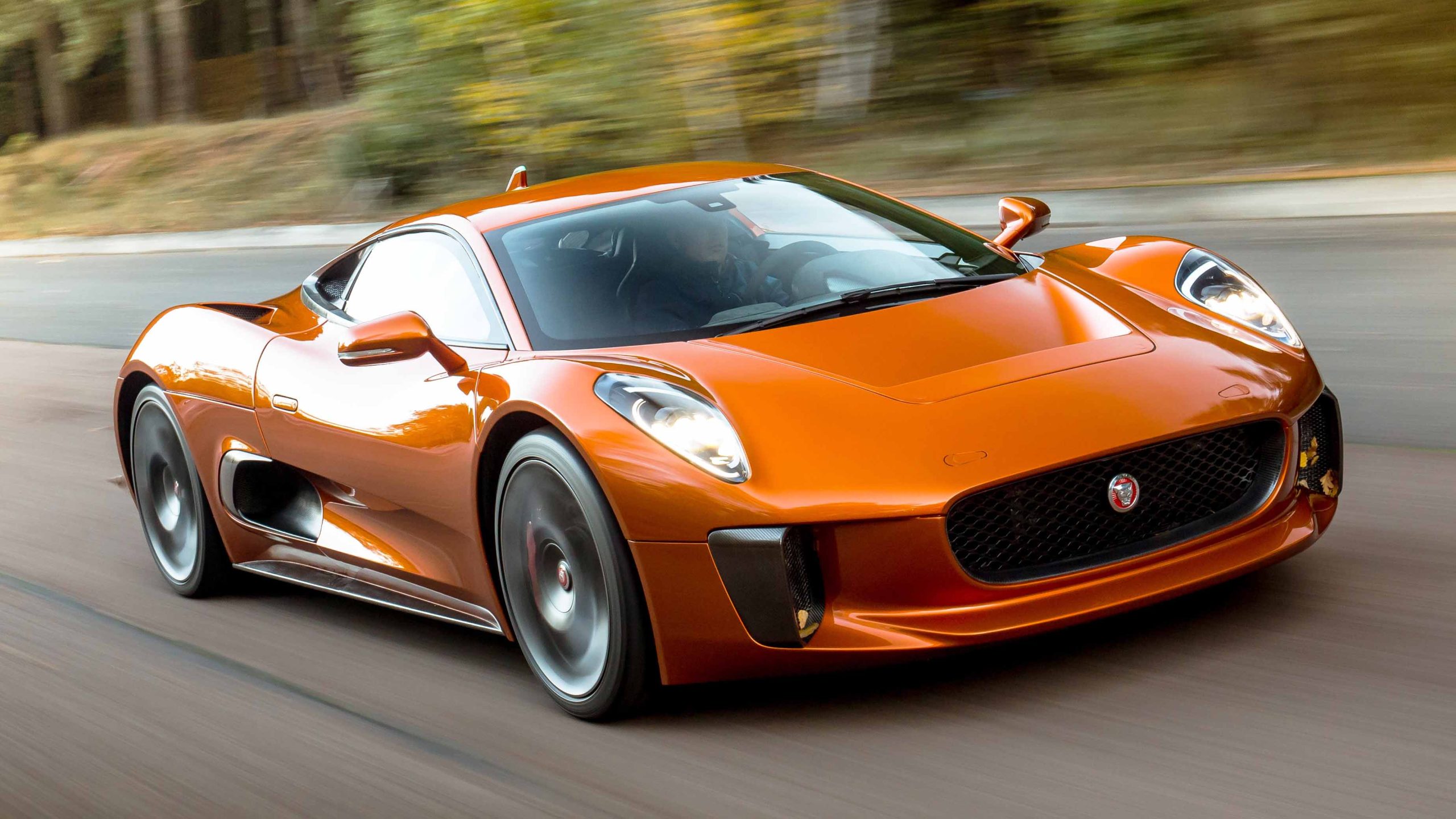
The Jaguar C-X75 is perhaps the most dramatic car on this list. It was conceived as an ultra-high-performance hybrid supercar and eventually evolved into a sophisticated collection of working prototypes. Jaguar built only five operational examples, and journalists were given the extraordinary opportunity to drive them.
The car’s powertrain combined electric motors with a highly developed internal-combustion engine, so it was not consistently quiet. In full performance operation, it was anything but silent. However, the C-X75 could operate using electric power alone, and that transformed its acoustic character.
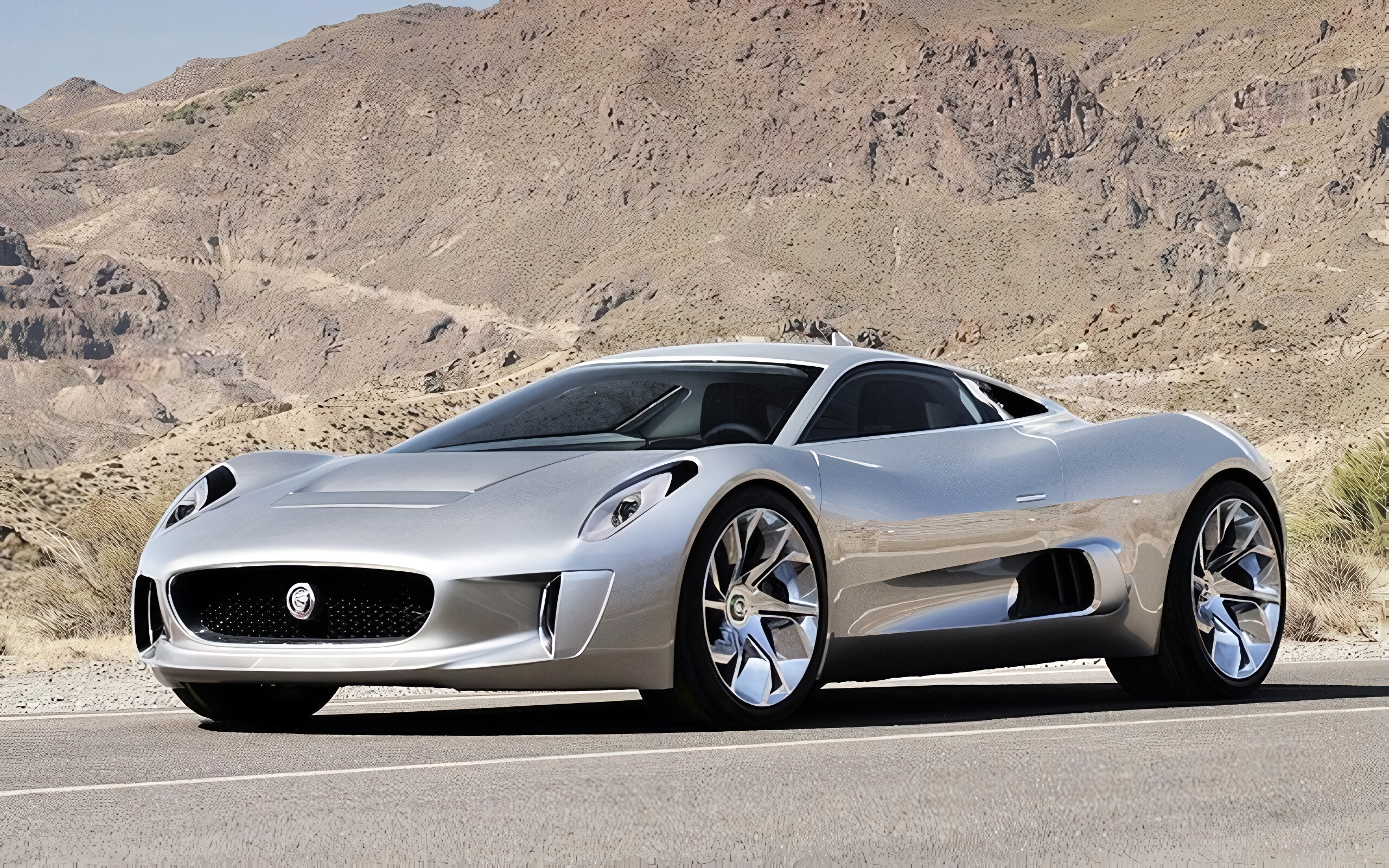
During an exclusive road test, journalists were allowed to ride in an electric-only prototype before driving another example. The electric car produced a distinctive low-frequency sound because Jaguar deliberately installed a device that transmitted vibrations through the carbon-fiber roof to give occupants acoustic feedback. Without that artificial system, the electric drivetrain itself would have been remarkably quiet.
The contrast was extraordinary. In electric operation, the car could glide almost silently; activate the combustion powertrain and the experience changed into the sound of a supercharged and turbocharged performance machine.
Jaguar eventually cancelled the planned production program. Five working prototypes survived, making the C-X75 one of the rarest modern supercars that never actually reached customers.
The C-X75 deserves a place on this list with one important caveat. It was far from quiet when pushed to its limits. Its inclusion is based on the remarkably subdued nature of its electric driving mode and the advanced powertrain that could shift from nearly silent electric propulsion to intense combustion-powered performance.
9. Toyota Fine-X
The Toyota Fine-X was one of the strangest experimental cars of the mid-2000s, combining hydrogen fuel-cell technology with four independently driven electric wheels and four-wheel steering. It was presented as a vision of future mobility rather than a conventional production candidate.
Toyota’s concept used electric motors at each wheel, powered by a fuel-cell hybrid system. The absence of a conventional gasoline engine meant that propulsion was inherently quiet, while the four independent motors allowed the car to perform extraordinary maneuvers, including rotating around its own axis.
The Fine-X was also notable for how much technology was integrated into its compact body. Four-wheel independent steering, individual electric motors and extensive camera-based monitoring were combined into a vehicle that could turn within remarkably small spaces.
Unlike the Nissan X-Trail FCV or Chevrolet Equinox Fuel Cell, the Fine-X was never intended to become a normal family car. It was primarily a technological showcase demonstrating what Toyota believed could be achieved through fuel cells, electric motors and advanced electronic controls.
That makes its quietness somewhat different from the other cars here. It was not designed primarily as a luxury vehicle, and Toyota did not publish a conventional cabin-noise measurement establishing it as a record holder. Instead, its quiet character was a natural consequence of its electric propulsion.
The Fine X never moved beyond the concept stage, but its engineering ideas proved remarkably forward-looking. The vehicle showcased compact electric motors, electronically managed propulsion, advanced steering technology, and an efficient layout that allowed a small body to accommodate an impressive amount of technology. Many of these concepts would later become increasingly common in modern electric vehicles.