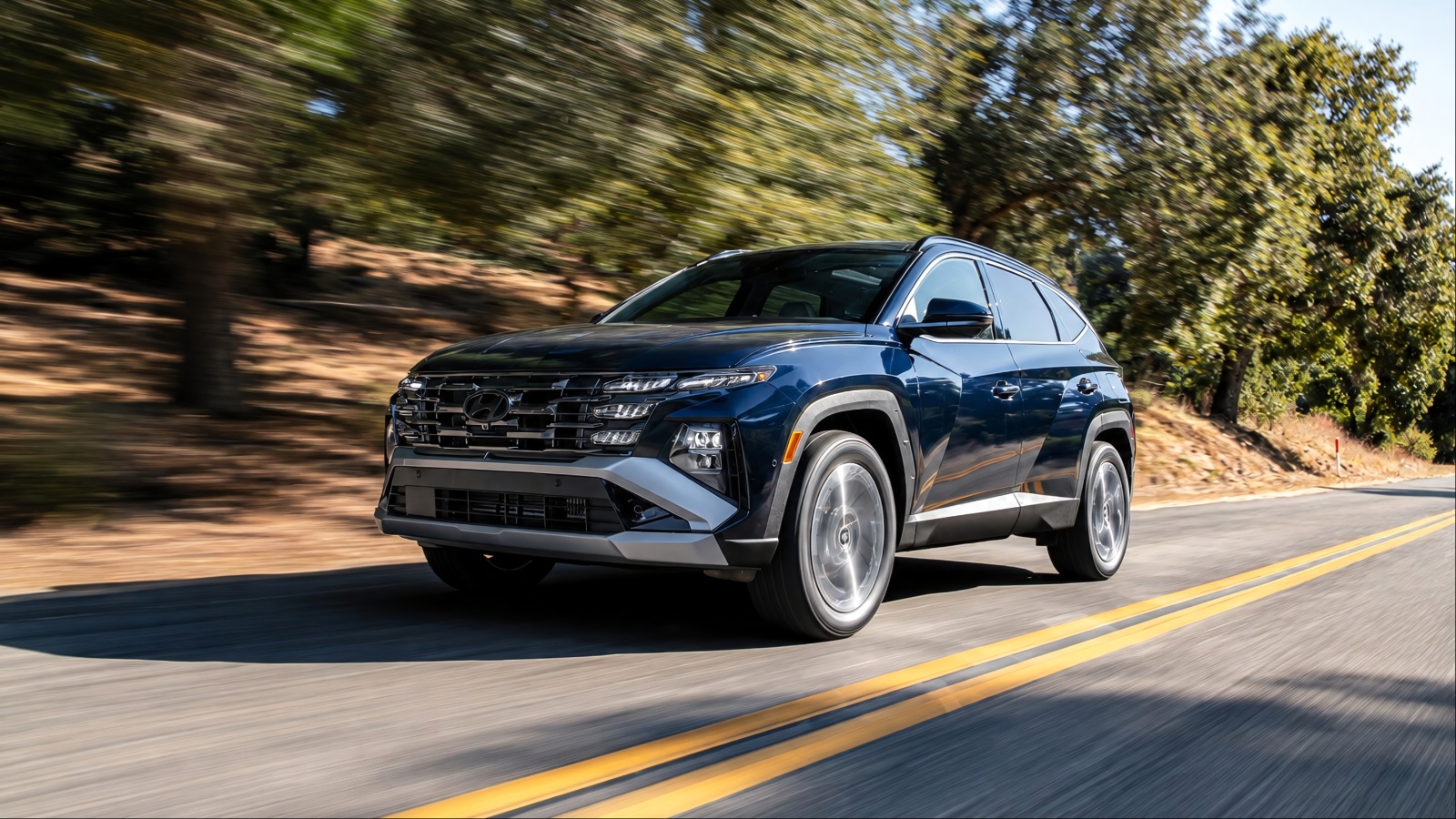
Highway driving exposes every weakness in a car’s sound insulation. At city speeds, engine noise and tire noise can mask small aerodynamic imperfections, but once a vehicle reaches 70 mph, wind rushing around the mirrors, windshield pillars, doors, roof, and glass becomes much more noticeable.
The quietest cars therefore require more than a well-insulated engine bay; they need careful aerodynamic design, thick acoustic glass, extensive door sealing, and a body structure that keeps outside sounds from entering the cabin.
One detail is important when interpreting the list below. There is no standardized industry ranking that measures wind noise by itself. Most professional automotive tests instead record total cabin noise at a set highway speed, which can include wind, tire, powertrain, and other sounds.
For that reason, the vehicles listed here are chosen for their exceptionally quiet measured cabin environments at highway speeds rather than for having independently published wind noise figures.
1. Bentley Bentayga V8 – 61 dBA
The Bentley Bentayga V8 is one of the strongest examples of how far modern luxury engineering can go when silence is a priority. In independent testing, a 2019 Bentayga V8 recorded just 61 dBA at 70 mph, putting it among the quietest vehicles measured in comparable testing. That’s an extraordinary result for an SUV, especially one powered by a twin-turbocharged V8 rather than an electric motor.
Much of the Bentayga’s ability to suppress highway noise comes from the fundamentals of its construction. The cabin is heavily isolated from the chassis, while the vehicle’s substantial mass and extensive sound-deadening help prevent exterior noises from becoming intrusive. Its aerodynamic shape also reduces the amount of turbulent air striking the cabin at highway speeds.
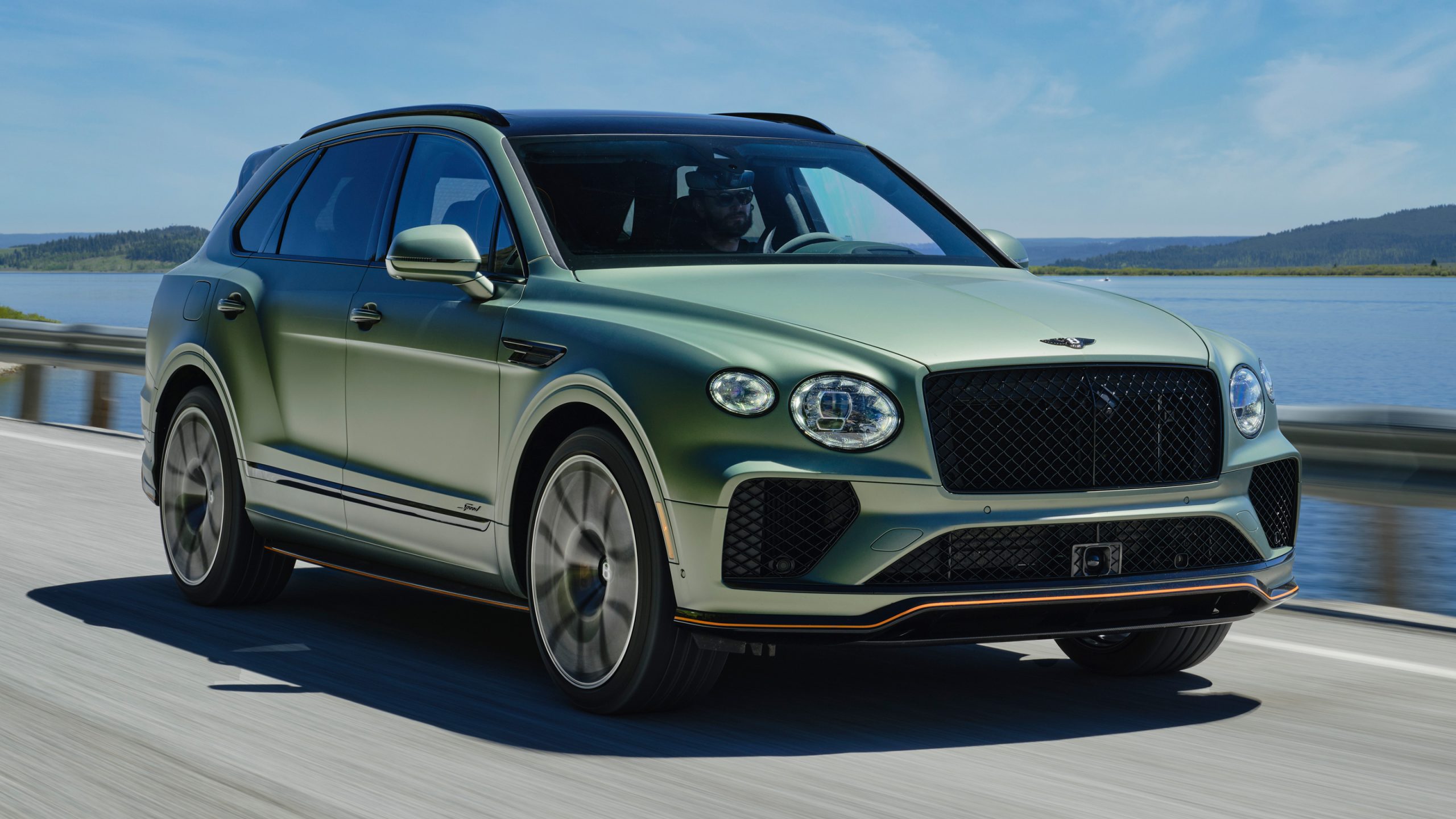
The result is a vehicle where the V8 can essentially disappear into the background while cruising. At steady highway speeds, the engine is operating at relatively low load, allowing aerodynamic and tire noise to become the dominant sounds.
The Bentayga highlights an important lesson about creating a quiet vehicle. Achieving a peaceful cabin is not simply a matter of eliminating one source of noise. Instead, the vehicle must be engineered to limit sound from several different sources before it reaches the passengers.
For highway travelers, that makes the Bentayga particularly impressive. At 70 mph, the cabin has the kind of low background noise that allows conversations to remain relaxed and music to be enjoyed without constantly increasing the volume.
2. Rolls-Royce Cullinan – 62 dBA
If there is one brand that has made cabin silence part of its identity, it is Rolls-Royce. The Cullinan backs up that reputation with measurable results. A 2019 Cullinan recorded 62 dBA at 70 mph in independent testing, placing it just one decibel behind the Bentley Bentayga in that comparison.
The Cullinan’s quietness is particularly remarkable because it uses a massive twin-turbocharged 6.75-liter V12. Rather than depending on an electric powertrain to eliminate engine noise, Rolls-Royce relies on extensive insulation and isolation to keep the mechanical components away from the occupants’ ears.
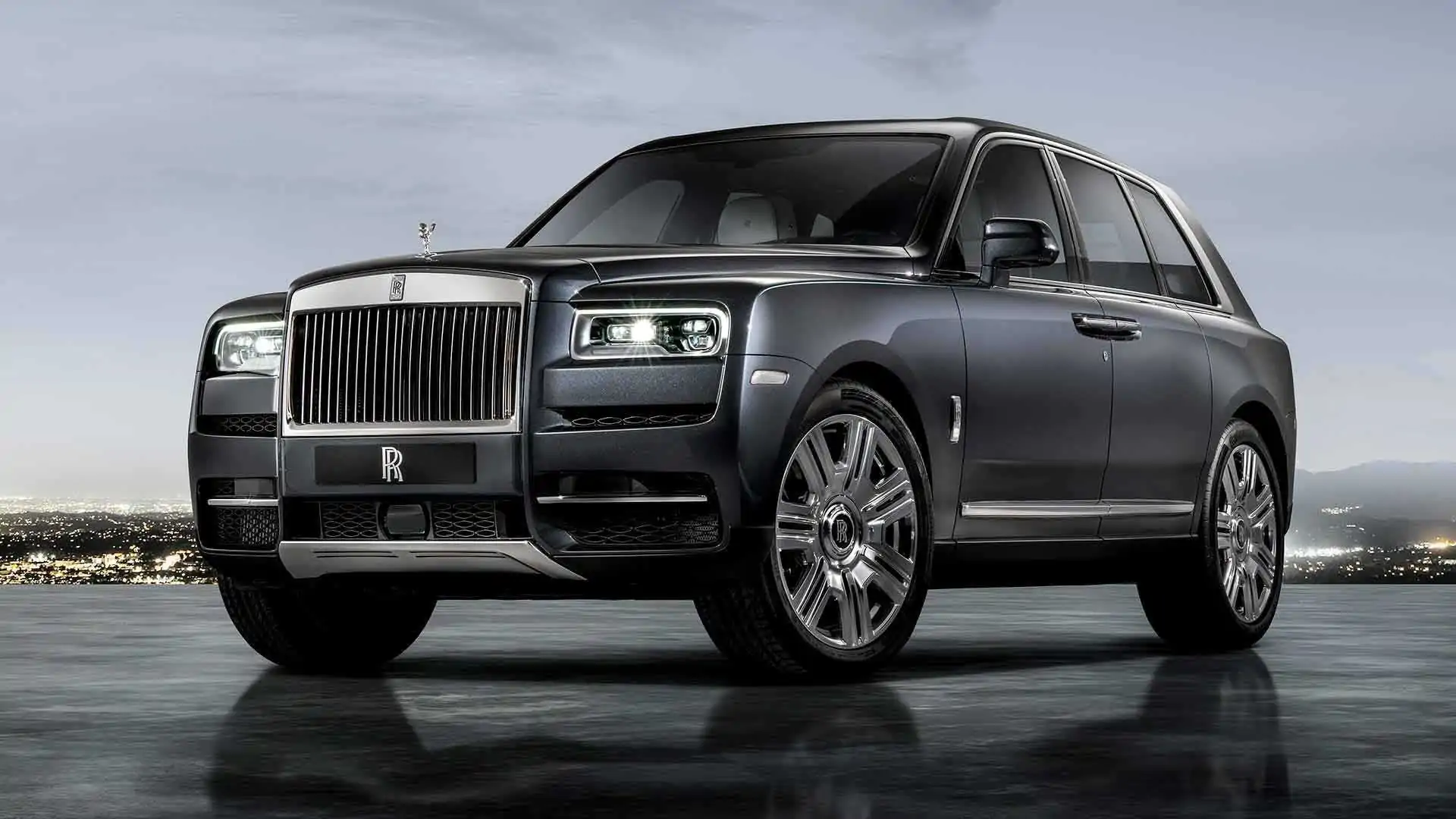
At highway speeds, that isolation becomes particularly valuable. The engine is operating at relatively low load, allowing the cabin to remain extremely calm while the vehicle moves rapidly through the air. The substantial body structure, carefully sealed doors and sophisticated acoustic treatment all contribute to the effect.
Wind noise is also affected by the Cullinan’s large, carefully shaped body. Large luxury SUVs can theoretically suffer from aerodynamic noise because of their height and frontal area, but Rolls-Royce has invested heavily in reducing the sounds generated by airflow.
The result is not simply a quiet vehicle but an environment designed to make outside activity feel distant. Road imperfections, surrounding traffic and mechanical sounds are heavily muted.
The Cullinan isn’t necessarily the quietest vehicle under every condition. Electric vehicles can eliminate powertrain noise almost completely, but that makes remaining tire and wind sounds more noticeable. The Cullinan’s achievement is therefore especially impressive because it reaches such a low cabin-noise level while retaining a conventional combustion engine.
3. Audi S8 – 62 dBA
The Audi S8 is another excellent example of a performance sedan that doesn’t sacrifice highway serenity. Independent testing of a 2020 Audi S8 recorded 62 dBA at 70 mph, putting it among the quietest vehicles measured in that group.
That result is particularly impressive because the S8 isn’t designed solely as a chauffeur-oriented luxury sedan. It combines a powerful twin-turbocharged V8 with sophisticated suspension technology and all-wheel drive, yet it can remain remarkably subdued during steady-state highway driving.
The S8 benefits from the fundamental advantages of a large luxury sedan. Its long, low body allows designers to carefully manage airflow over the roof, windshield and rear bodywork. The vehicle’s substantial insulation and premium glass further reduce the amount of exterior sound reaching the occupants.
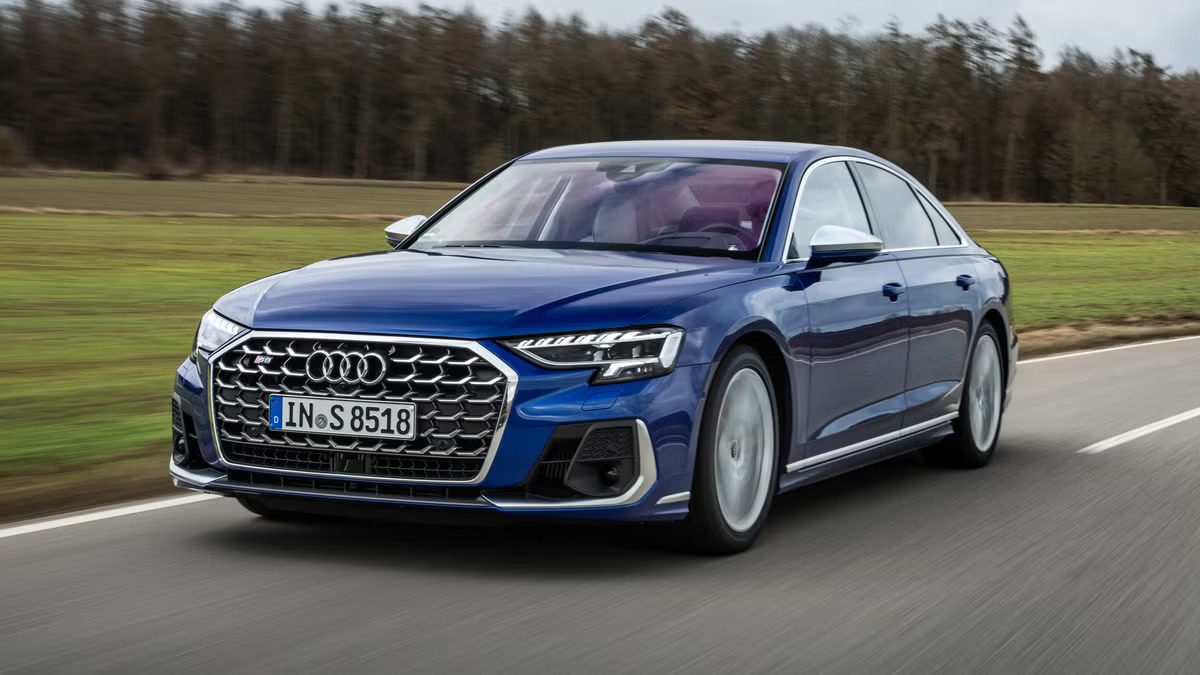
Another advantage is the S8’s ability to keep the engine at relatively low rpm during relaxed cruising. This means the powertrain contributes comparatively little to the cabin’s overall noise level, leaving aerodynamic and tire noise as the dominant sources.
Its 62-dBA result is particularly notable because it matched the much more expensive Rolls-Royce Cullinan in comparable testing.
For someone who spends long periods on the highway, the S8 demonstrates why a well-engineered luxury sedan can still compete with much more expensive vehicles. It provides performance when requested but becomes almost anonymous acoustically once it settles into a steady cruise.
The S8 therefore belongs on this list not because it eliminates wind noise entirely, but because its overall cabin isolation is good enough that aerodynamic noise remains remarkably subdued at highway speeds.
4. Jaguar I-Pace – 62 dBA
The Jaguar I-Pace is one of the quietest electric vehicles to have been measured in highway cabin-noise testing. Independent testing recorded 62 dBA at 70 mph, placing it alongside the Audi S8 and just behind the Bentley Bentayga and Rolls-Royce Cullinan in comparable results.
Electric propulsion gives the I-Pace an obvious advantage because there is no conventional gasoline engine constantly producing combustion and exhaust noise. But that alone does not guarantee a quiet highway cabin. At 70 mph, aerodynamic and tire noise become increasingly important, and EVs still have to deal with exactly the same air rushing around their bodies as gasoline-powered cars.
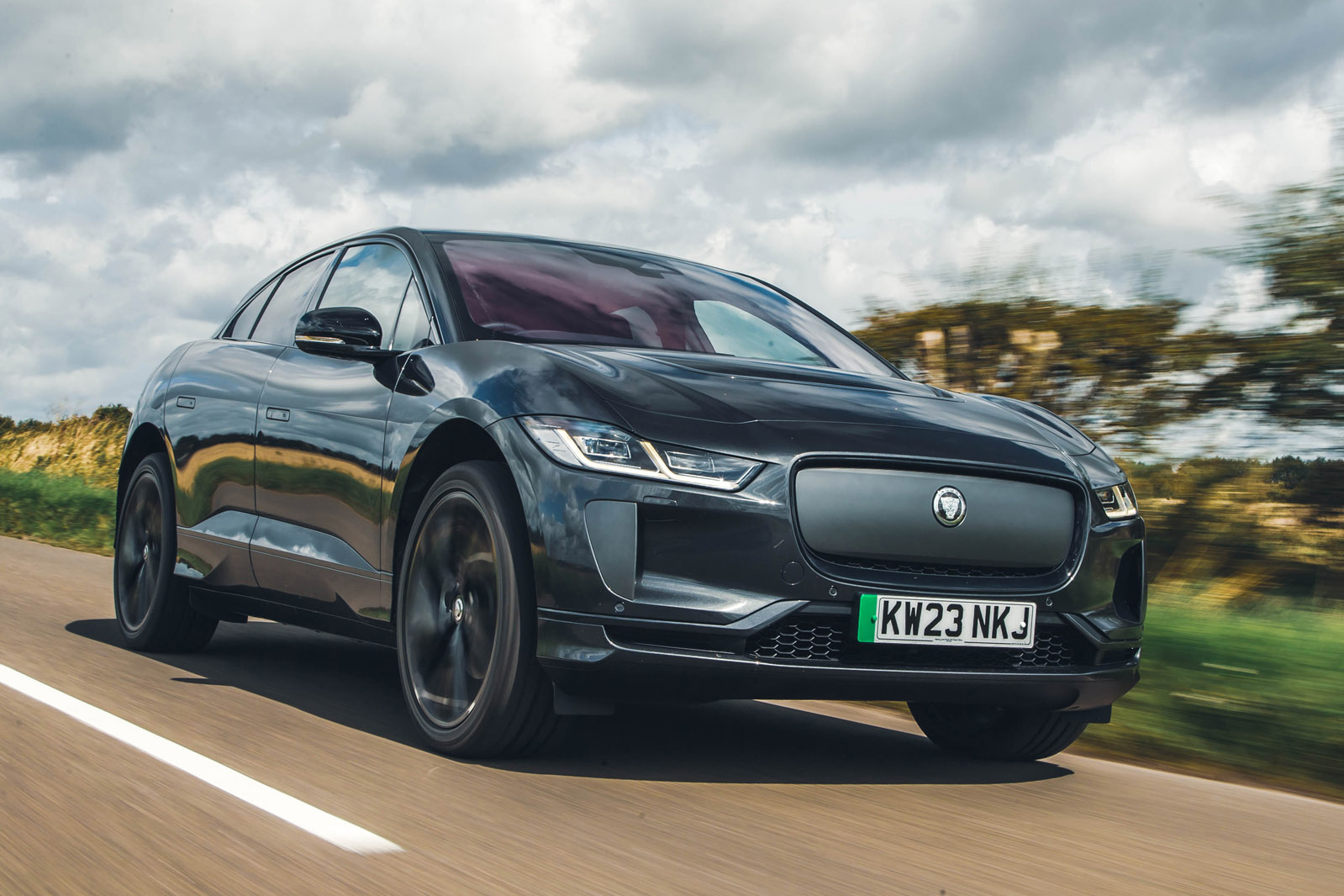
The I-Pace’s low noise level therefore demonstrates the importance of its overall engineering rather than simply its electric drivetrain.
Its aerodynamic crossover shape helps manage airflow, while the cabin is designed with the isolation expected from a premium vehicle. With the propulsion system contributing relatively little noise, the remaining sounds are easier to control.
The I-Pace was particularly impressive because it combined this acoustic refinement with a relatively compact body. It wasn’t a giant luxury sedan or limousine designed primarily around rear-seat comfort.
The model is also notable historically. The I-Pace became one of Jaguar’s earliest serious attempts at a premium battery-electric vehicle, and although it never achieved the sales volume of some rivals, its refinement helped establish the idea that an electric performance crossover could be exceptionally calm at highway speeds.
The I-Pace is no longer in production, but its measured cabin quietness remains impressive.
5. Audi e-tron Sportback – 63 dBA
The Audi e-tron Sportback recorded 63 dBA at 70 mph in independent testing, placing it among the quietest vehicles measured.
The Sportback’s shape is important here. Unlike a conventional SUV with a relatively upright rear section, its sloping roofline is designed to move air smoothly toward the rear of the vehicle. That aerodynamic treatment can help reduce turbulence, which becomes increasingly important as speed rises.
The e-tron Sportback also benefits from electric propulsion. With no gasoline engine operating at highway speed, one major source of cabin noise is largely eliminated. But its 63-dBA result shows that the vehicle’s quietness cannot simply be attributed to its electric motor.
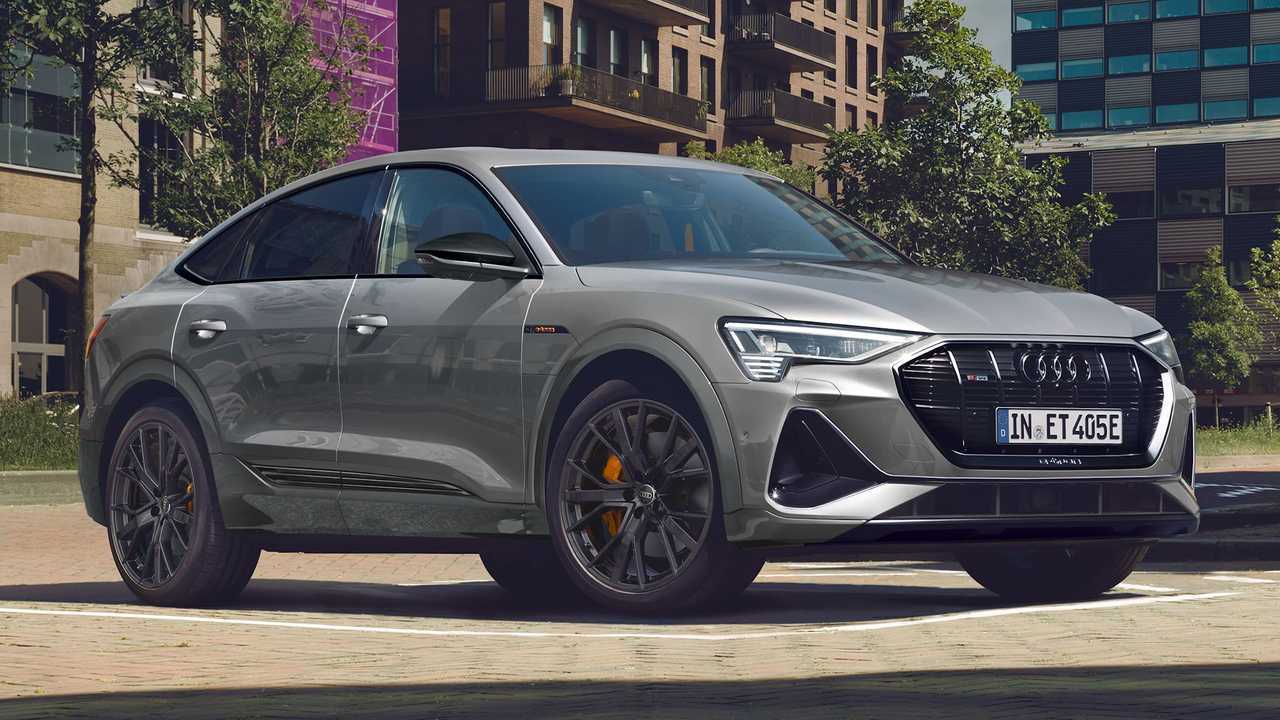
Tires and airflow remain significant sources of noise at highway speeds, so Audi had to address the cabin as a complete acoustic environment. The result was a luxury EV that remained remarkably composed even when traveling at 70 mph.
The vehicle’s premium construction also helped isolate occupants from the road. Acoustic glass, insulation, and carefully controlled body sealing all play important roles in preventing outside noise from entering the cabin.
The Sportback’s low roofline gives it another advantage. Aerodynamic turbulence around the rear of a vehicle can contribute significantly to wind noise, so controlling airflow around the roof and rear bodywork is crucial.
For highway drivers, the e-tron Sportback’s combination of low powertrain noise, aerodynamic bodywork and premium cabin isolation makes it one of the more compelling examples of quiet EV engineering.
6. BMW iX – 63 dBA
The BMW iX is one of the clearest demonstrations that an electric SUV can be extraordinarily quiet even at highway speeds. Independent testing measured a 2022 BMW iX xDrive50 at 63 dBA while cruising at 70 mph.
That number is particularly impressive because the iX is not a small, low-slung sedan. It is a relatively large electric SUV, meaning its tall body could theoretically generate substantial aerodynamic noise. BMW instead placed considerable emphasis on acoustic refinement.
The test vehicle was equipped with large optional wheels and specialized low-noise tires, making its 63-dBA result even more noteworthy.
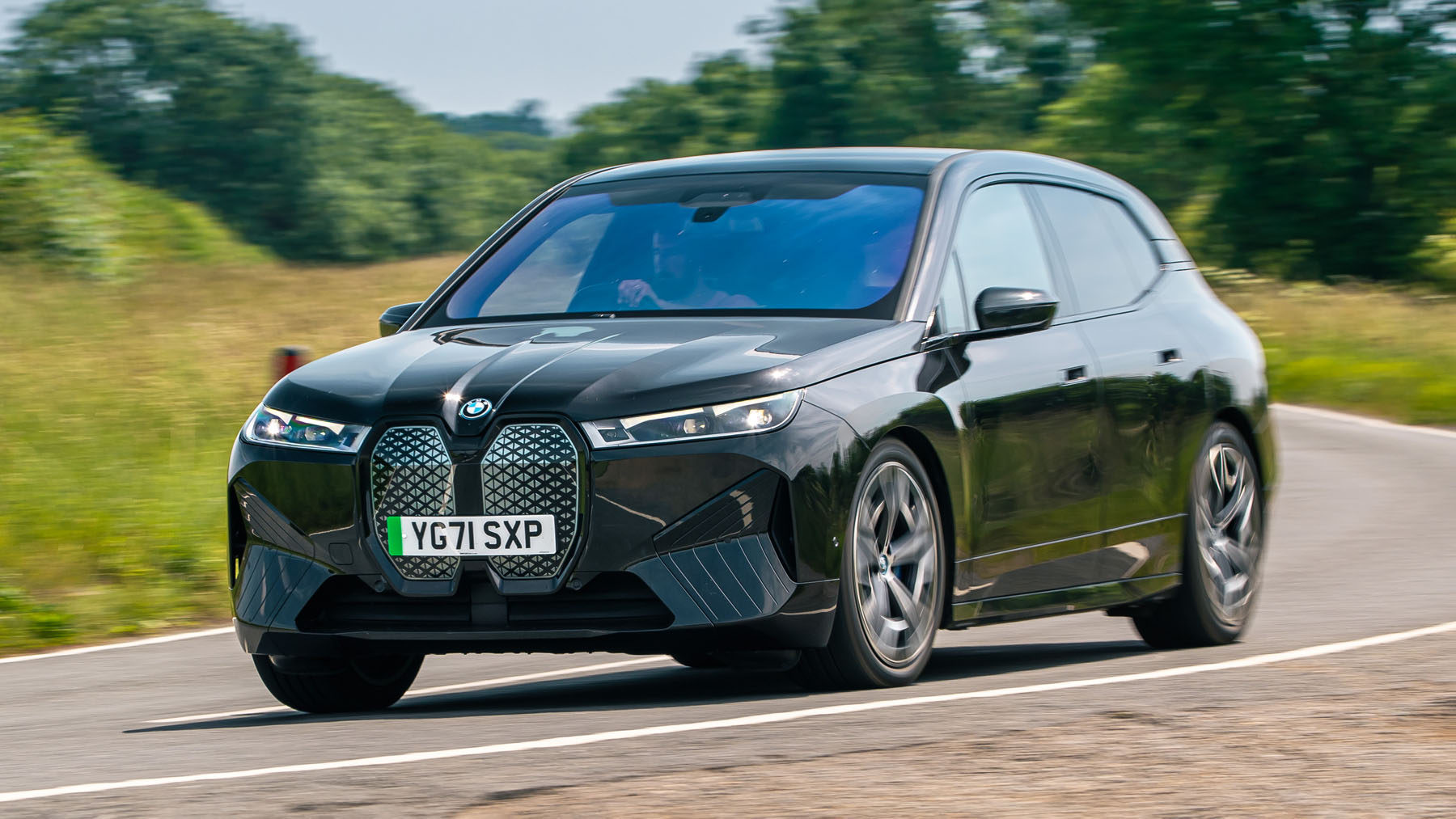
The electric powertrain certainly helps. At highway cruising speeds, there is no conventional engine producing the continuous vibration and combustion noise found in gasoline vehicles. But the iX still has to contend with tires, suspension and airflow.
Its cabin isolation is therefore the more interesting achievement. BMW created an SUV that can maintain a very low acoustic level without requiring occupants to travel in a traditional ultra-luxury limousine.
The iX’s construction also demonstrates how EV manufacturers have had to rethink sound insulation. Because electric motors are much quieter than combustion engines, designers cannot rely on engine noise to mask other sounds. Tire roar and wind noise can become surprisingly obvious unless the body, glass and seals are carefully engineered.
For highway use, this makes the iX particularly appealing. The lack of engine noise combined with strong isolation means that conversations, music and other cabin sounds don’t have to compete against a constant mechanical soundtrack.
It is one of the best examples of a modern electric SUV designed around acoustic comfort.
7. Rolls-Royce Spectre – 63 dBA
The Rolls-Royce Spectre demonstrates that an electric powertrain doesn’t automatically make a luxury car quieter than a gasoline-powered Rolls-Royce. Independent testing recorded 63 dBA at 70 mph, placing the electric coupe among the quietest vehicles tested.
What makes the Spectre particularly interesting is that Rolls-Royce had already established an extraordinary standard for quietness with its gasoline-powered models. The Spectre takes that philosophy into the electric era, where the absence of engine noise creates an even greater opportunity to focus on aerodynamic and tire noise.
The result is impressive even under hard acceleration. Testing found that the Spectre’s cabin noise remained remarkably low even when the car was using its substantial electric power.
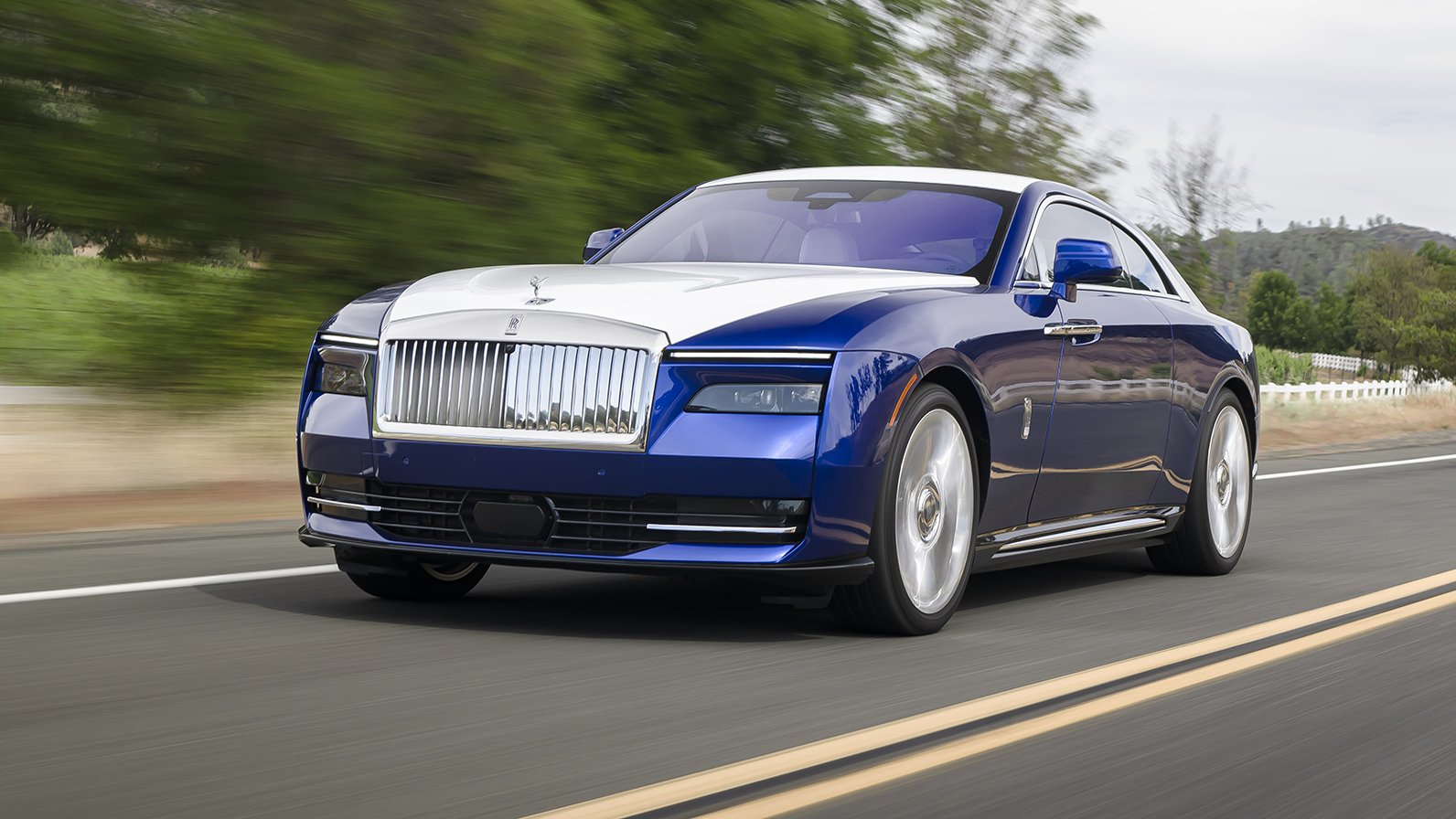
At a steady highway speed, however, the absence of engine noise means that airflow becomes one of the primary challenges. The Spectre’s designers therefore had to make the body, glass, seals and underbody sufficiently refined to prevent the cabin from becoming dominated by wind noise.
Interestingly, the Spectre’s large wheels can contribute more road noise than smaller wheel-and-tire combinations. This illustrates why a quiet car isn’t necessarily quiet because of a single engineering trick. Tires, wheel size, road surface and aerodynamic conditions all influence the experience.
Even so, a 63-dBA highway measurement puts the Spectre firmly among the quietest vehicles tested.
The Spectre also demonstrates the continuing evolution of Rolls-Royce’s philosophy. The company has historically used enormous effort to suppress combustion-engine noise. With electric propulsion, the challenge shifts toward eliminating everything else.
That makes the Spectre particularly interesting as an example of how luxury manufacturers are approaching acoustic refinement in the electric era.
8. Genesis Electrified GV70 – 64 dBA
The Genesis Electrified GV70 is perhaps the most surprising vehicle on this list because it delivers extraordinary acoustic refinement without carrying the price tag of a Bentley or Rolls-Royce.
Independent testing measured the Electrified GV70 at 64 dBA at a steady 70 mph, making it one of the quietest vehicles evaluated under that testing methodology.
That result is particularly impressive because the GV70 is a midsize luxury SUV rather than a full-size flagship limousine. Its relatively compact dimensions demonstrate that exceptional cabin quietness doesn’t necessarily require an enormous vehicle.
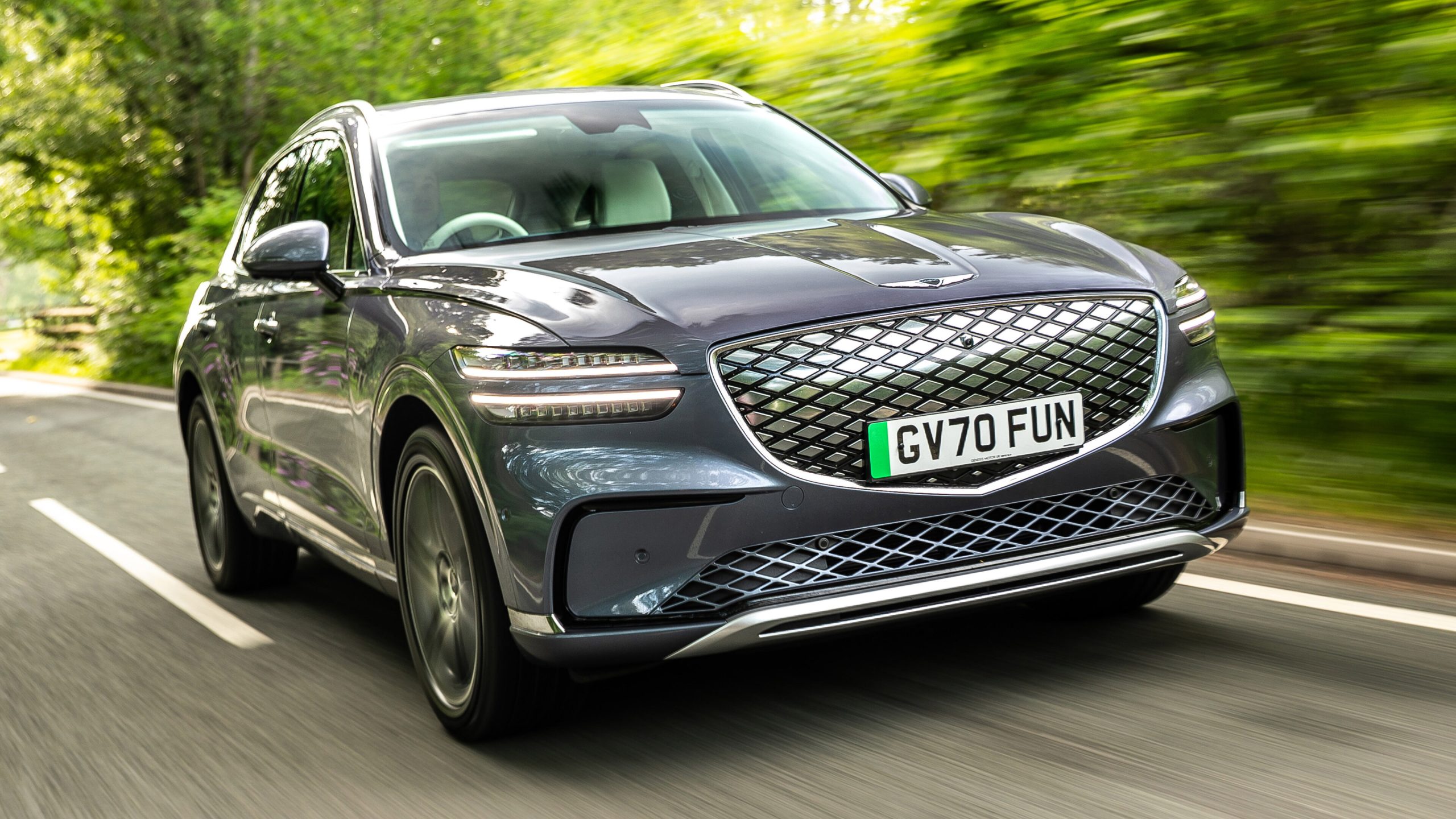
The electric drivetrain naturally eliminates traditional engine noise, but highway wind noise remains. The GV70 therefore has to rely on aerodynamic design, insulation, and acoustic treatment to keep the cabin peaceful.
Its low noise level also demonstrates why EVs have changed the priorities of automotive acoustic engineering. With engine noise largely removed, manufacturers have to focus much more heavily on tires, suspension, glass, door seals and airflow.
The GV70 benefits from Genesis’s emphasis on luxury refinement. The cabin is designed to isolate occupants from the outside environment, while the vehicle’s aerodynamic body helps control airflow around the windshield, roof and side mirrors.
It is worth emphasizing that the 64-dBA measurement should not be interpreted as a pure wind-noise score. Tire noise, airflow and other sounds are included in a highway cabin measurement. Nevertheless, because wind becomes an increasingly important contributor at 70 mph, a very low overall reading is a strong indication of excellent aerodynamic and acoustic engineering.
For buyers who want a quiet highway vehicle without moving into ultra-luxury territory, the Electrified GV70 is one of the most interesting examples available.