
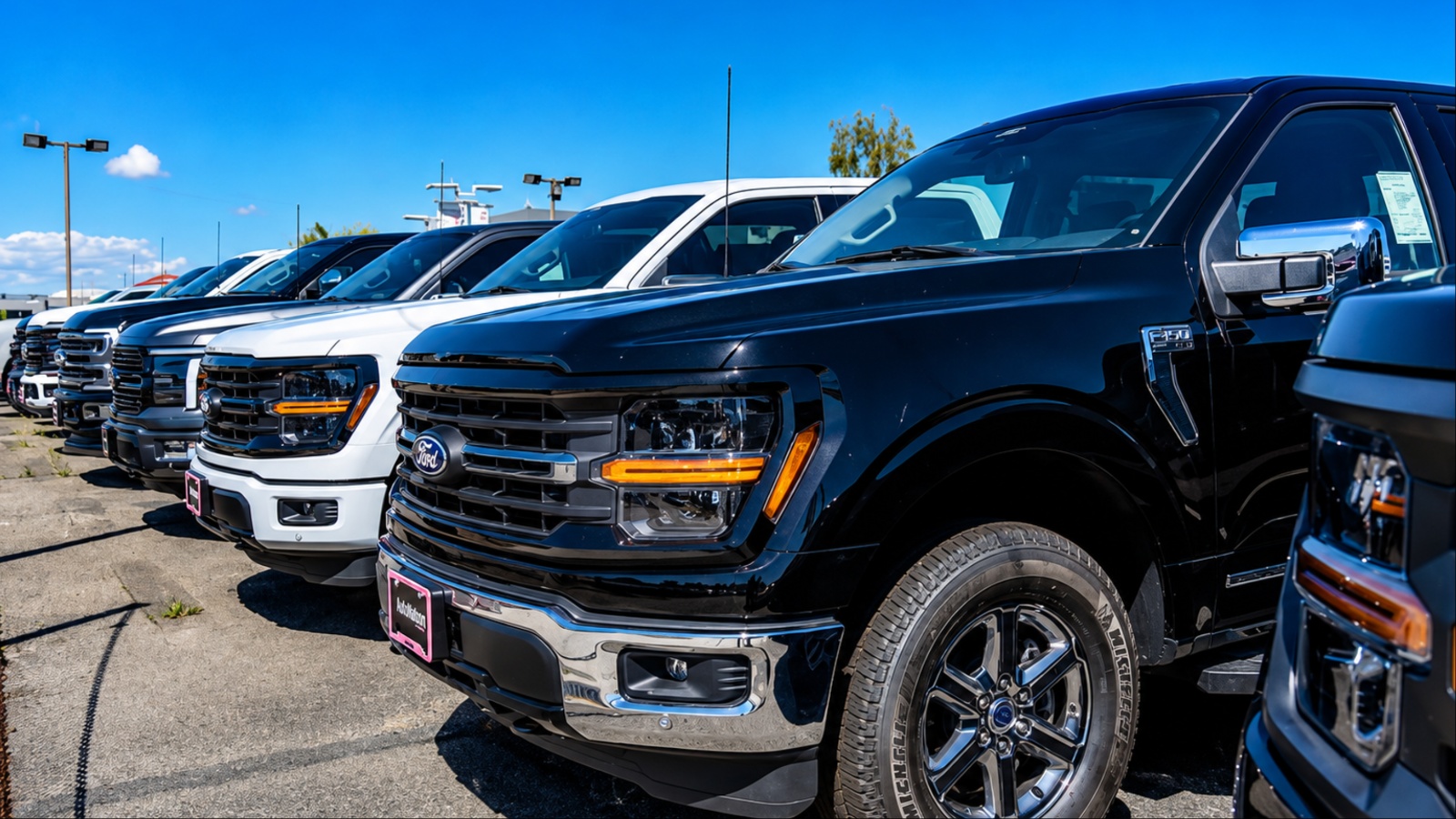
Pickup trucks are not just America’s best-selling vehicles. They are the financial engine that keeps entire car companies running. Every quarter, Ford, GM, and Stellantis lean on their truck lineups to offset losses elsewhere in the business, from struggling sedans to money-losing electric vehicle programs.
The numbers behind a single truck sale are staggering once you break them down. Analysts and industry reports have pegged profit per truck anywhere from a few thousand dollars to well over twenty thousand dollars, depending on the trim and year.
This piece looks at real, sourced figures from automaker earnings reports, Reuters disclosures, and industry analysts to explain exactly where that money comes from.
We will walk through the cost structure of building a truck, the actual profit figures automakers have reported or leaked, and why trucks specifically generate such outsized margins compared to sedans and small cars. All figures cited here come from public reporting, company earnings calls, and industry data rather than speculation.
What Goes Into the Cost of Building a Truck
Before profit can be calculated, it helps to understand pricing. Truck sticker prices have climbed dramatically in recent years across every major brand.
In late 2022, Ford’s average F-150 transaction price hit roughly $57,514, a 16 percent jump from 2020 levels. That increase reflects both higher trim demand and general inflation in vehicle manufacturing.
GM has seen similar movement. By October 2025, the average transaction price for full-size pickup trucks industry-wide hit an all-time high of $66,462, with average sticker prices even higher.
GMC specifically, which sells mostly higher-trim trucks and SUVs, posted an average transaction price of $66,550 in October 2025. That is more than double the price of an average compact car.
These prices matter because trucks carry unusually high markups relative to their manufacturing cost. A base work-trim truck costs relatively little extra to build compared to a loaded luxury trim.
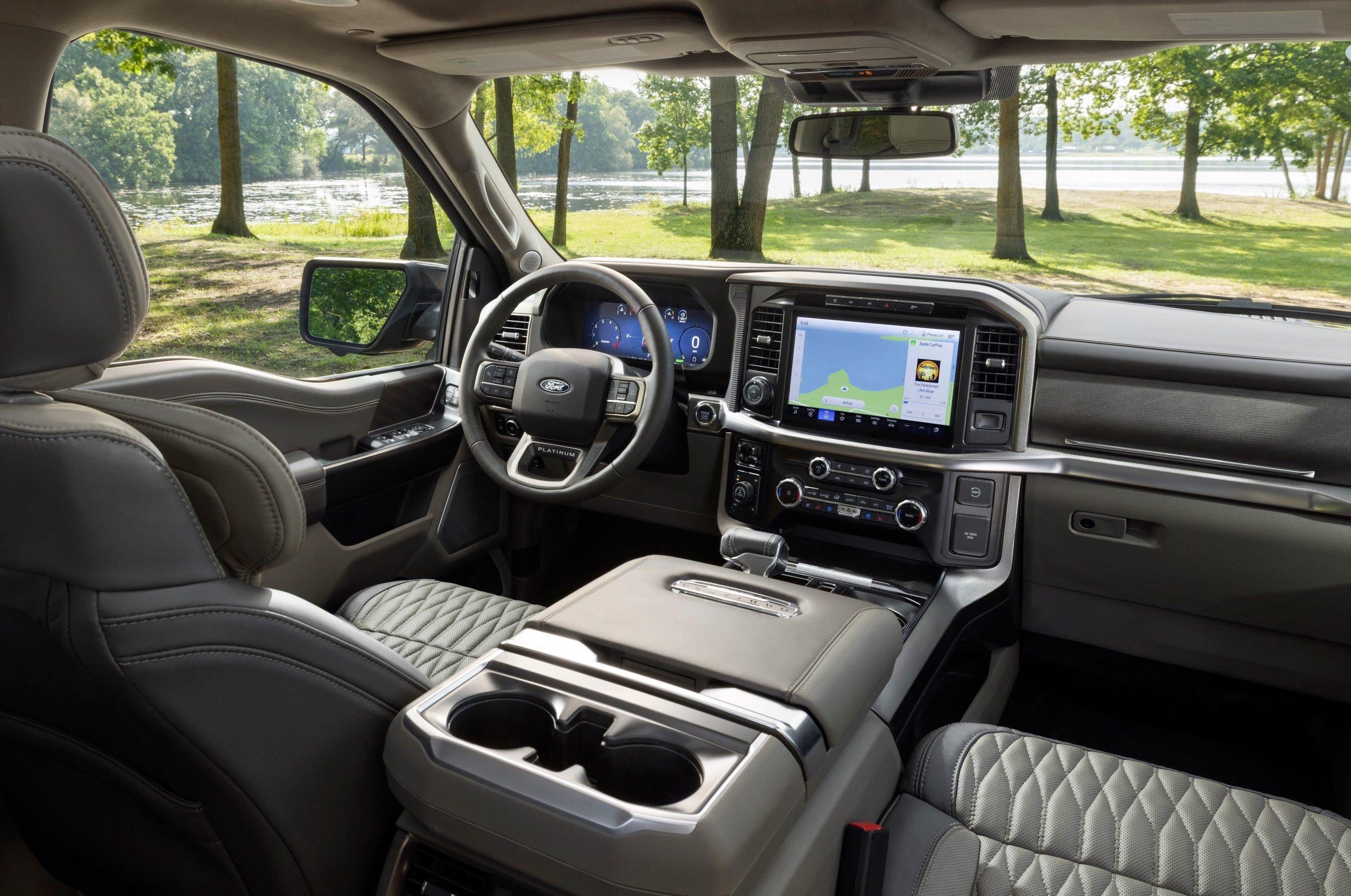
Yet the price gap between a stripped-down XL trim and a fully loaded Platinum or Denali trim can exceed $30,000. Nearly all of that difference falls straight to the bottom line.
Industry watchers have long noted this dynamic. One report explained that the profit per pickup stems from buyers paying extra for special editions, while comparable economy cars attract buyers who want basic transportation and nothing more.
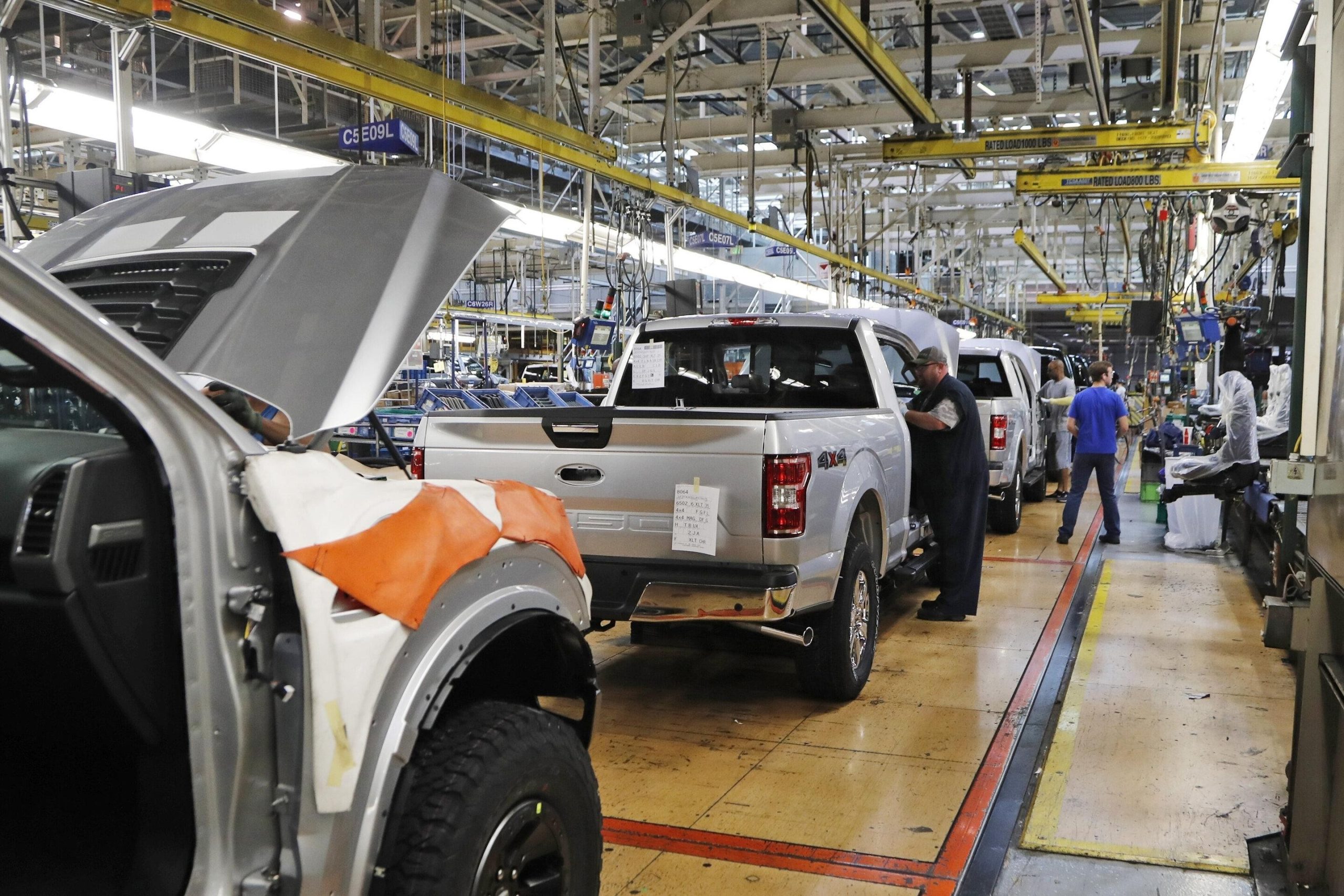
Manufacturing efficiency also plays a role. Automakers have spent decades refining truck platforms shared across multiple models, spreading tooling and engineering costs over millions of units sold annually.
GM, for instance, has explained cost-saving engineering choices directly. A GM executive noted the company studied Ford’s aluminum-body approach and used a mix of high-strength steel and aluminum to save both weight and money on the redesigned Silverado.
That kind of material engineering directly widens margins. Every dollar saved on production costs, multiplied across hundreds of thousands of trucks, becomes real money at the corporate level.
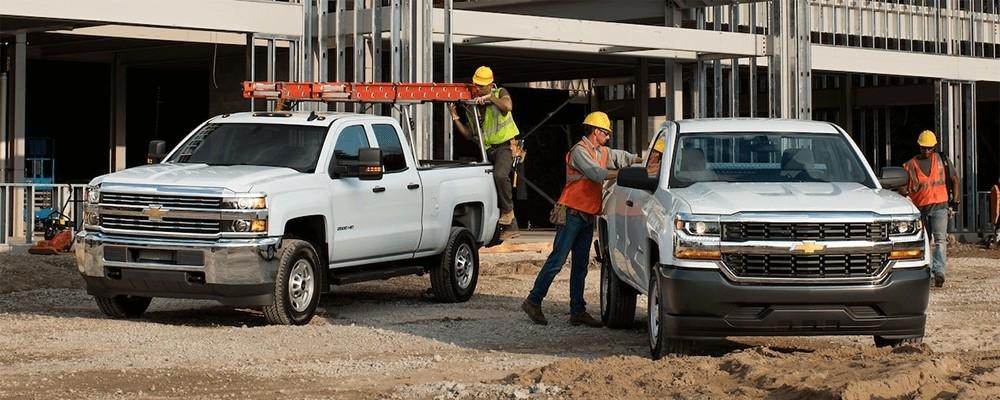
Commercial and fleet sales add another dimension entirely. Ford’s commercial truck and van division, Ford Pro, has become the company’s most profitable business segment by a wide margin.
How Much Profit Automakers Actually Make Per Truck
The most commonly cited historical figure comes from a 2013 Automotive News estimate. Analysts at the time guessed Ford earned roughly $13,000 in profit per pickup truck, though other analysts pegged it closer to $10,000.
That estimate grew substantially over the following decade. By 2018, Reuters reported based on company disclosures that GM’s large pickups generated at least $17,000 per vehicle in pretax profit.
That figure was confirmed elsewhere too. Another report from the same period stated plainly that General Motors banked $17,000 in average pretax profit for every Chevrolet Silverado and GMC Sierra sold.
Some analysts pushed estimates even higher during peak pricing years. One Ford enthusiast forum discussion, citing industry figures, noted profit estimates around $20,000 average per full-size F-Series truck, with the lowest-trim XL version still profitable and higher trims like King Ranch or Platinum reaching $40,000 or more.
That same discussion pointed out how much this figure had grown historically, referencing an earlier report that put Ford’s average truck profit at $13,333 back in 2015. The trajectory shows steady, sustained margin growth over roughly a decade.
Segment-level financial reporting backs up these per-unit estimates. Ford Pro, which sells the F-150, Super Duty, and commercial vans, posted Q1 2024 revenue of $18.0 billion and EBIT of $3.0 billion, an EBIT margin near 17 percent.
That margin was described by Ford itself as exceeding its own target. The company noted the segment’s nearly 17 percent EBIT margin beat the mid-teens sustained target Ford had set for the business.
Full-year 2024 results told a similar story at massive scale. Ford Pro reported $9.015 billion in operating income for the year, up 25 percent year-over-year, with a 13.5 percent operating margin.
That is a genuinely enormous profit pool concentrated almost entirely in truck and van sales. It dwarfs Ford’s other divisions by a wide margin. For comparison, Ford’s electric vehicle unit, Model e, lost $5.076 billion in 2024, up from a $4.701 billion loss the year before. Truck profits are effectively subsidizing the company’s EV transition.
GM shows a comparable pattern, though the company discloses truck-specific numbers less directly than Ford does. Analysts have still managed rough estimates of the segment’s profitability over time.
One 2017 estimate suggested GM’s pretax margin on the combined Silverado and Sierra lineup ran around 20 percent, on a combined average transaction price near $46,000 per truck. At that margin, roughly $9,000 in pretax profit per truck would be implied.
By 2023, newer estimates citing a Reuters report on GM’s electrification strategy suggested GM could earn as much as $7.5 billion from gas-powered truck and SUV sales through 2035, working out to about $10,678 in average profit per vehicle before interest and taxes.
Pricing has only climbed further since then. GM’s average transaction price across all vehicles reached $51,292 in the fourth quarter of 2024, well above the broader industry average of $45,343 for the same period.
By late 2025, GM’s brand-level pricing climbed even higher. GMC’s average transaction price hit $66,550 in October 2025, while the GM brand average reached $56,181, a 7.9 percent year-over-year increase.
Even so, the consistency across multiple independent analysts, Reuters reporting, and Ford’s own segment disclosures gives a reasonably reliable picture. Profit per full-size truck likely ranges from roughly $10,000 to $20,000 depending on the automaker, trim mix, and year.
Why Trucks Are the Most Profitable Vehicles in the Industry
The core reason trucks generate such outsized profit comes down to price elasticity. Truck buyers, especially commercial and enthusiast buyers, are less price-sensitive than typical sedan shoppers.
This lets automakers charge premium prices for options, larger engines, and luxury trim packages. Small cars simply cannot support that kind of margin stacking.
Industry averages make the gap obvious. The average profit across all new vehicles sold industry-wide runs around $750 per vehicle, representing roughly a 3 percent after-tax profit margin.
Compare that to the truck-specific figures discussed above, and the gap becomes clear. Trucks routinely earn ten to twenty times the profit of an average passenger vehicle.
This dynamic has directly reshaped what automakers choose to build. Detroit’s three major automakers have largely abandoned sedans in favor of trucks and SUVs.
One industry report noted this trend explicitly, observing that many Detroit Three sedans became so unprofitable that manufacturers simply stopped building them. Trucks filled that gap and then some.
Sales volume reinforces the profit story further. Ford’s F-Series alone generated $41.5 billion in revenue in a single year, more than Starbucks, Netflix, and Visa combined revenue individually.
That is not a typo. One single truck model line outsells the entire revenue of several Fortune 500 companies people interact with daily.
Sales volume has stayed remarkably strong too. Ford sold 765,649 F-Series trucks in the US in 2024, up 2 percent from 750,789 units the year before, marking the 48th consecutive year as America’s best-selling vehicle.
Growth accelerated further into 2025 and 2026. Ford reported selling 828,842 F-Series units in 2025, a 15.63 percent increase over 2024’s 716,801 units.
GM has stayed competitive too, sometimes edging ahead. In 2018, combined Chevrolet and GMC pickup sales, including midsize models, reached 973,469 units versus Ford’s 909,330 F-Series units that year.
The strategic implications go beyond simple bragging rights. Truck profits actively fund riskier, less profitable initiatives elsewhere in each company’s portfolio.
Ford has been explicit about this trade-off in recent earnings calls. The company confirmed plans to increase F-Series production by more than 50,000 units in 2026 through roughly 1,000 new manufacturing jobs, while prioritizing profitable gas and hybrid trucks over the money-losing F-150 Lightning EV.
That decision reflects a company betting on proven profit centers rather than uncertain new technology. Trucks are simply too financially important to deprioritize.
Whatever comes next in the industry, from electric trucks to autonomous fleets, the traditional gas and hybrid pickup will likely keep paying the bills for years to come.
