
Minnesota winters can turn a routine morning commute into a test of a vehicle’s weakest components. Temperatures regularly fall below freezing, while prolonged exposure to extreme cold places extra demands on batteries, engine oil, fuel systems, and electrical components.
That does not mean a particular vehicle is guaranteed to fail, but some cars and powertrains can become especially difficult to start when temperatures plunge. Battery condition, oil viscosity, parking habits, and maintenance often matter as much as the badge on the hood.
The following vehicles are notable for specific cold-weather vulnerabilities, using documented specifications and winter operating considerations rather than unsupported claims about reliability.
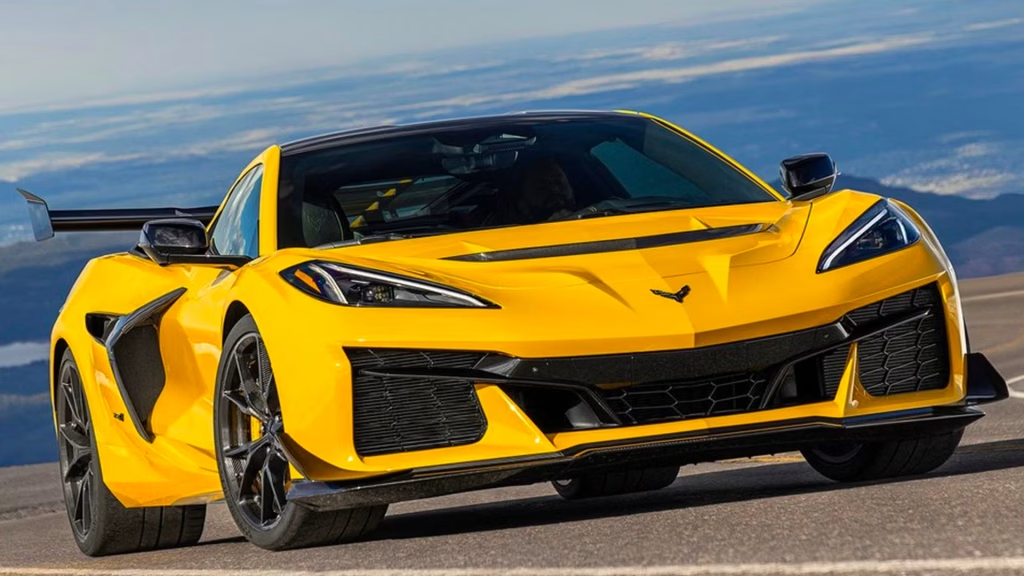
1. Chevrolet Corvette C8
The Chevrolet Corvette C8 is engineered primarily around performance, not repeated starts in subzero conditions.
Its mid-engine layout places the 6.2-liter naturally aspirated V8 behind the passenger compartment, producing 490 horsepower and 465 lb-ft of torque in the standard configuration, with the available performance exhaust raising output to 495 horsepower and 470 lb-ft.
Those numbers make the Corvette exceptionally capable on dry pavement, but they do not make it an ideal Minnesota winter commuter.
Cold itself does not make a properly maintained Corvette incapable of starting. The bigger issue is that extremely low temperatures place additional demands on the starting system and battery.
Chevrolet’s owner’s information warns that extreme cold can affect battery performance, while the manufacturer also recommends appropriate engine oil for the expected temperature range. As temperatures fall, conventional engine oil becomes more resistant to flow, increasing the effort required to crank an engine.
The Corvette’s low ground clearance adds another Minnesota-specific concern. Fresh snow, packed ice, and rutted residential streets can make getting the car out of a parking space difficult even when the engine starts normally.
Its summer-oriented tire configurations can also provide dramatically less traction in cold and snowy conditions than dedicated winter tires.
The C8 does have useful technology, including a remote start function on appropriately equipped models, which can help warm the vehicle before departure. But remote starting cannot compensate for a weak battery or unsuitable oil.
For someone storing a Corvette through winter, keeping the battery charged, following Chevrolet’s maintenance recommendations, and using tires appropriate for the conditions are far more important than simply assuming the engine will start because it is a modern vehicle.
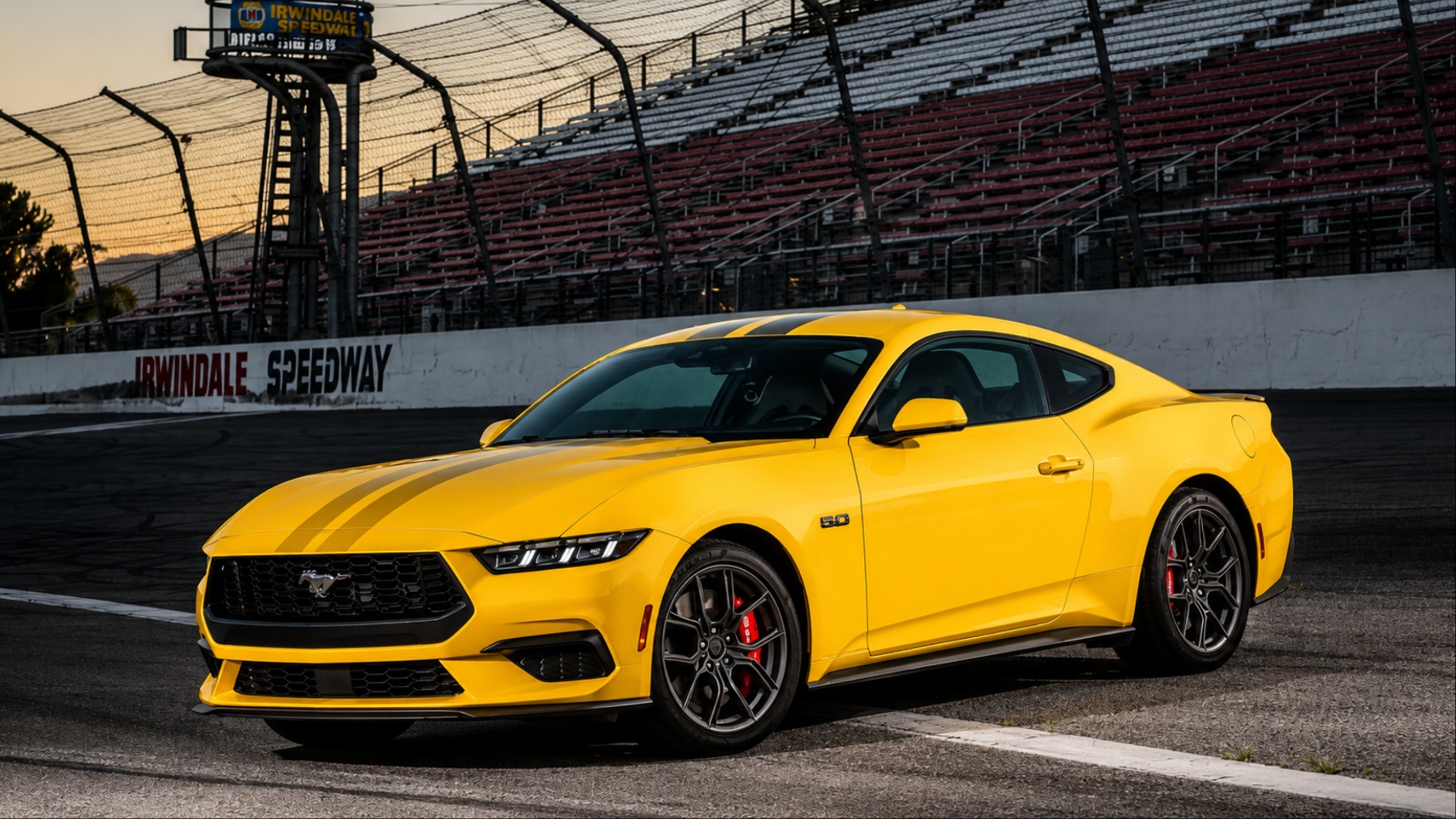
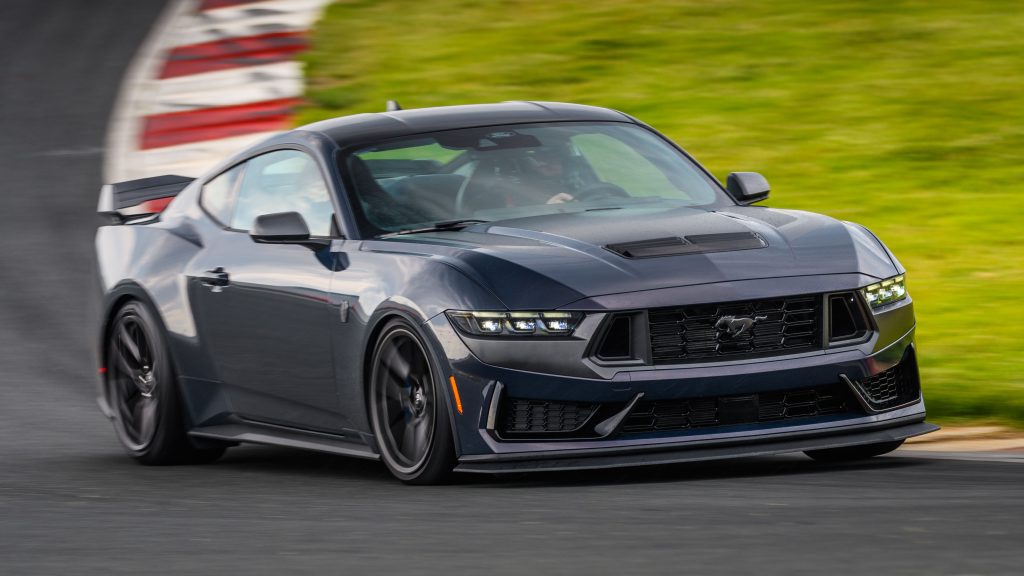
2. Ford Mustang Dark Horse
The Ford Mustang Dark Horse brings a very different set of winter considerations. Its 5.0-liter naturally aspirated V8 produces 500 horsepower and 418 lb-ft of torque, making it one of the most powerful versions of the modern Mustang.
That performance comes with a rear-wheel-drive layout, which becomes particularly relevant when Minnesota roads are covered by snow and ice.
Starting the engine is not inherently difficult simply because the Mustang has a V8. A healthy battery, correct oil, and a properly maintained starting system should allow the car to operate in cold weather. The challenge comes when several cold-weather factors combine.
Low temperatures reduce available battery performance, while thicker oil increases the mechanical resistance the starter must overcome. Ford’s maintenance information specifies the recommended oil grade and service requirements, which become particularly important when temperatures are severe.
The Dark Horse also uses performance-focused tires and suspension tuning. Those features are valuable on dry roads but do not automatically translate into winter capability. A rear-wheel-drive performance car can become difficult to control when acceleration is applied on a slippery surface, especially with cold summer-oriented tires.
Ford provides selectable drive modes and traction-control systems that can help manage available grip, but electronic aids cannot create traction that the tires do not have. Winter tires can make a substantial difference, and maintaining the battery at full charge is equally important for reliable morning starts.
There is another practical consideration: snow accumulation. A low-slung performance coupe may face deeper snow more aggressively than a taller crossover, making road clearance a problem before the starting issue even appears.
The Mustang Dark Horse can operate in cold weather, but it requires preparation. For a Minnesota owner, battery condition, correct engine oil, and winter-appropriate tires should be treated as essential rather than optional.
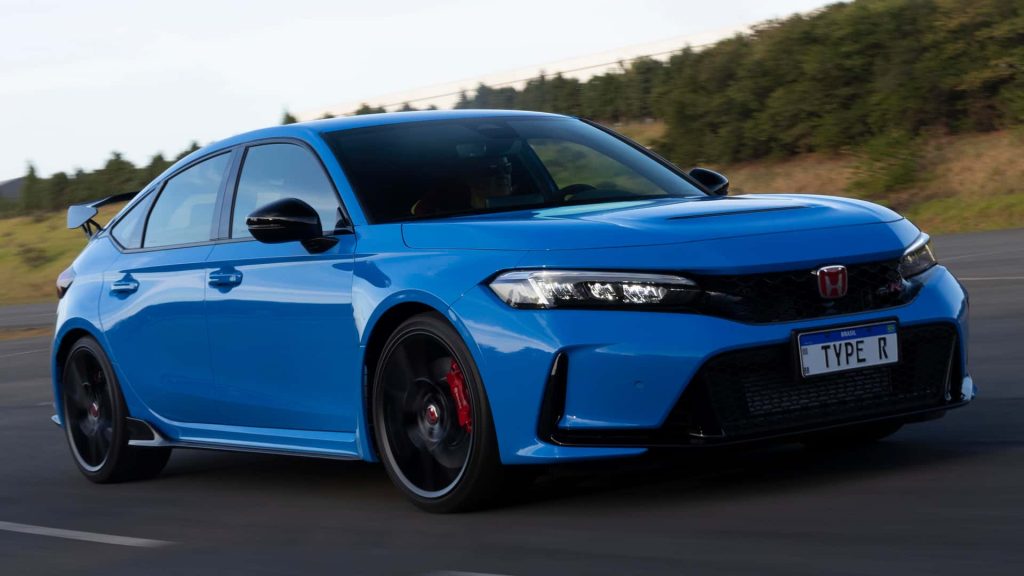
3. Honda Civic Type R
The Honda Civic Type R is a performance hatchback that can be driven year-round, but its factory setup is not particularly well matched to a Minnesota winter.
Honda equips the current U.S. model with a 2.0-liter turbocharged four-cylinder producing 315 horsepower and 310 lb-ft of torque, paired with a six-speed manual transmission and front-wheel drive.
Honda also fits the car with Michelin Pilot Sport 4S summer tires, sized 265/30ZR19. Those tires are a major consideration when temperatures plunge.
Summer performance tires are designed around warm-weather grip. Their rubber compound can become substantially less effective as temperatures fall, and snow or ice makes the situation even more challenging.
A powerful front-wheel-drive car can still move through winter conditions, but the tires are often the limiting factor rather than the engine.
Starting reliability presents another issue shared by gasoline vehicles. The National Highway Traffic Safety Administration explains that cold weather reduces battery power, while gasoline and diesel engines require more battery power to start in cold temperatures. NHTSA recommends having the battery and charging system checked before winter arrives.
The Type R’s six-speed manual transmission adds a driver-dependent element that is less noticeable in ordinary weather. Smooth clutch engagement becomes particularly important when pavement is slippery. Abrupt throttle or clutch inputs can overwhelm available traction even when the vehicle’s electronic systems are functioning correctly.
This does not mean a Civic Type R will automatically refuse to start in Minnesota. A properly maintained example with a healthy battery and the correct fluids can operate in cold weather. The problem is that the car’s performance-focused hardware demands more preparation than a typical winter commuter.
For Minnesota owners, switching to appropriate winter tires, keeping the battery fully charged and following Honda’s specified maintenance schedule can make a substantial difference. The Type R is capable of being a winter car, but its factory performance setup makes it a poor choice for someone who wants effortless snow-day transportation.
4. Mazda MX-5 Miata
The Mazda MX-5 Miata presents a completely different winter challenge. Its lightweight roadster formula prioritizes low mass, rear-wheel drive, and responsive handling rather than maximum snow clearance.
The current U.S. Miata uses a 2.0-liter naturally aspirated four-cylinder producing 181 horsepower and 151 lb-ft of torque. Its compact dimensions and low seating position make it enjoyable on a clear road, but those same characteristics can become disadvantages after a heavy Minnesota snowfall.
Cold starting remains a maintenance issue rather than a model-specific guarantee of failure. NHTSA notes that low temperatures reduce battery power and increase the amount of battery energy required to start gasoline engines. A battery that seems adequate during mild weather can therefore reveal its weakness on a particularly cold morning.
The Miata’s rear-wheel-drive layout deserves more attention. When roads are dry, it contributes to the car’s balanced handling character. On snow and ice, however, the rear tires can lose traction much more readily if the driver applies too much throttle.
A dedicated set of winter tires can significantly improve available grip, but no tire can eliminate the limitations imposed by deep snow and ice.
Ground clearance is another concern. The Miata sits low to the road, so accumulated snow can become a physical obstacle rather than merely a traction problem. A snow-covered driveway may be enough to keep the car parked even if the engine fires immediately.
Its small size also means there is less room for carrying bulky winter equipment, although that is hardly a mechanical weakness. The bigger concern is that a Miata is best treated as a fair-weather performance car in areas where heavy snow and extreme cold are routine.
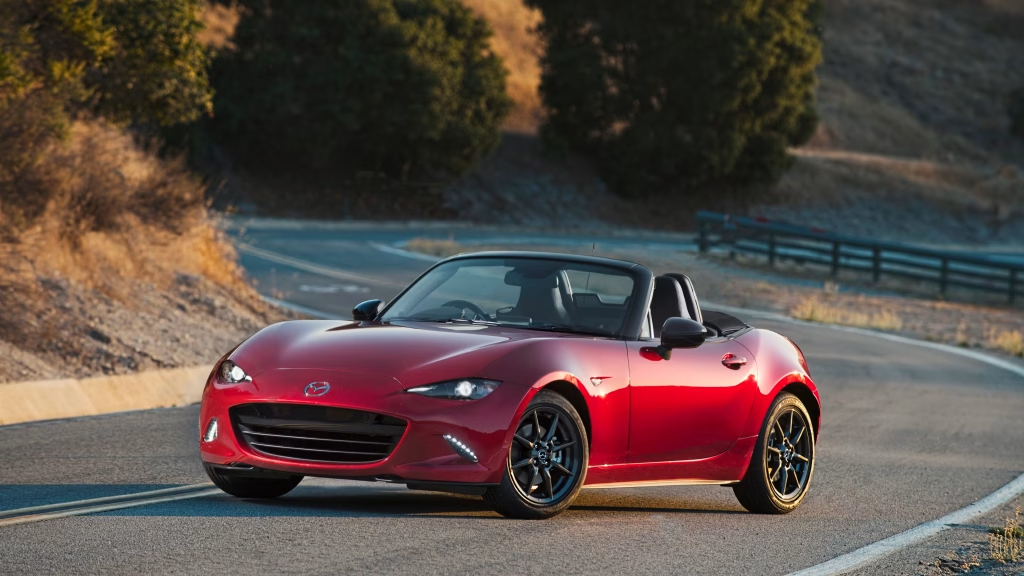
For an owner determined to drive one through a Minnesota winter, preparation matters. A strong battery, manufacturer-approved oil, proper antifreeze protection, and genuine winter tires should be priorities.
Still, when several inches of snow arrive, the Miata’s low stance and rear-drive configuration make it a much less forgiving choice than a vehicle designed specifically for severe winter conditions.
5. Subaru BRZ
The Subaru BRZ is an interesting case because its name may suggest winter capability, yet the car itself is built around a very different philosophy. The 2026 BRZ uses a 2.4-liter naturally aspirated four-cylinder BOXER engine producing 228 horsepower and 184 lb-ft of torque.
Subaru pairs that engine with rear-wheel drive, and the car has only 5.1 inches of ground clearance. Those specifications make the BRZ an engaging sports car, but they also highlight why Minnesota winters can be difficult for it.
The low ground clearance is particularly important after a major snowfall. A road that is merely inconvenient for a crossover can become difficult for a low sports coupe. Packed snow can accumulate underneath the car, while uneven frozen surfaces can make parking lots and residential streets challenging to negotiate.
Cold starts introduce another variable. NHTSA advises drivers to have their vehicle’s battery and charging system checked before winter because cold temperatures reduce battery performance and increase the power required to start an engine. That means an aging battery can become a much bigger problem when Minnesota temperatures plunge.
The BRZ’s rear-wheel-drive layout also puts greater emphasis on tire selection. Subaru’s performance-oriented chassis can deliver excellent handling when the tires have sufficient grip, but electronic traction systems cannot overcome a lack of traction on ice.
Dedicated winter tires are therefore far more appropriate than simply assuming the car’s stability-control systems will handle everything.
The BRZ can still start and operate in cold weather when it is properly maintained. The real concern comes when extremely low temperatures occur alongside snow and ice. In those conditions, several aspects of the car can make winter driving more challenging.
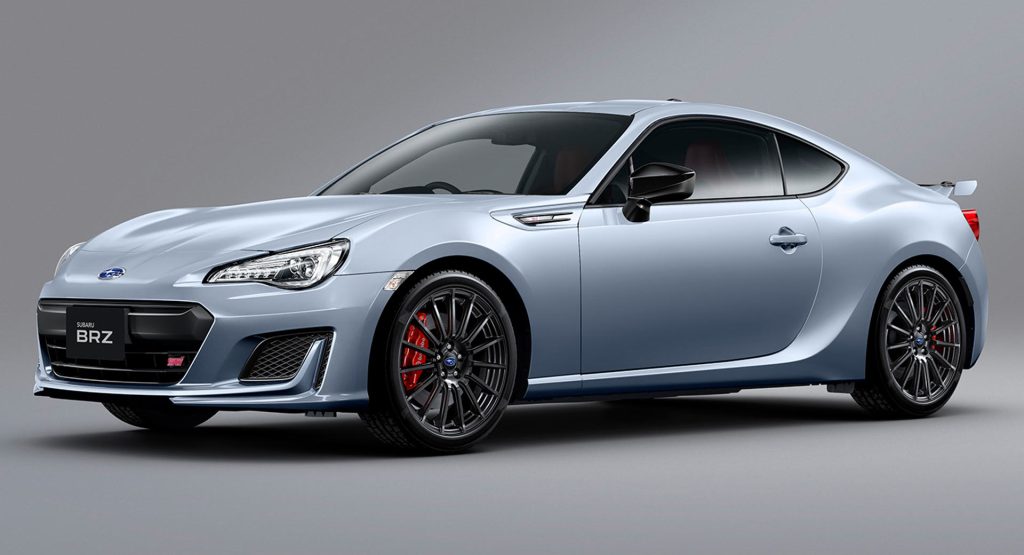
For a Minnesota owner, maintaining the battery, using the correct engine oil, keeping the cooling system properly protected and fitting genuine winter tires can make the BRZ much more practical.
Still, its low stance and rear-drive configuration make it a demanding winter choice compared with a vehicle designed around severe-weather conditions.
6. Toyota GR86
The Toyota GR86 has the ingredients of a great driver’s car, but Minnesota winter exposes the compromises built into its lightweight sports-car design. The 2026 GR86 uses a 2.4-liter four-cylinder boxer engine producing 228 horsepower and 184 lb-ft of torque.
Toyota offers both six-speed manual and automatic transmissions, while the car remains rear-wheel drive. Toyota’s specifications make clear that this is a compact performance coupe rather than a vehicle designed around deep-snow mobility.
Cold weather can make starting harder for any gasoline-powered vehicle when the battery is marginal. NHTSA specifically warns that low temperatures reduce battery power, while engines require additional battery power to start in cold conditions.
That combination is why a battery that works perfectly during Minnesota’s warmer months can suddenly become the reason a car will not crank on a frigid morning.
The GR86’s winter limitations extend beyond the starter. Rear-wheel drive is excellent for balanced handling, but snow and ice demand careful throttle control. The 228-hp engine has enough output to spin the rear tires when grip is limited, particularly if the car is fitted with tires intended for warmer conditions.
Then there is the question of clearance. The GR86 sits close to the pavement, so deep snow can become a physical obstacle. Drivers may find that a plowed road is manageable while an unplowed driveway or parking area is not. That can leave the car stranded despite having a perfectly healthy engine.
Winter tires are therefore one of the most important upgrades for someone determined to drive a GR86 throughout the season. They address the traction problem directly, while a healthy battery and properly specified fluids address cold-start concerns.
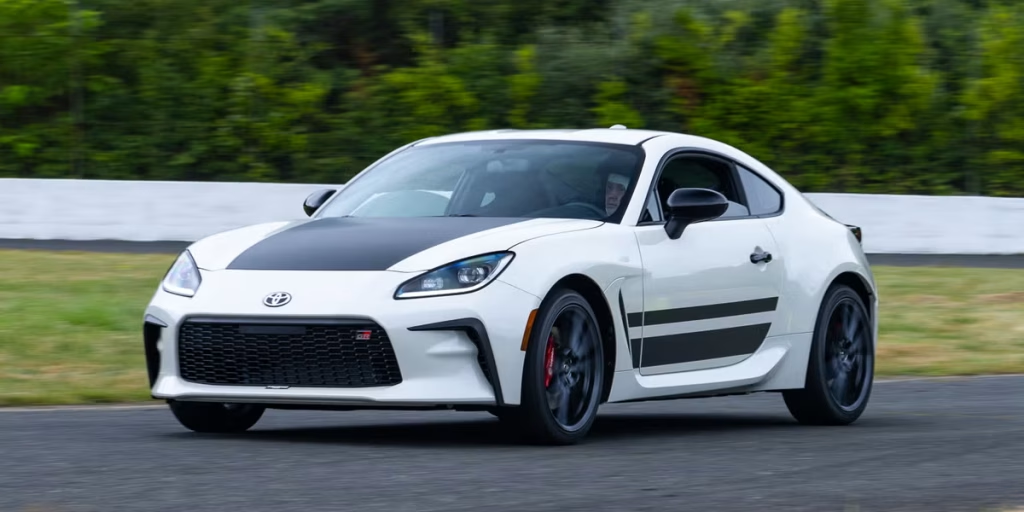
The GR86 should not be described as a car that simply “cannot start” in Minnesota. That would be misleading. Its real weakness is the combination of cold-sensitive battery demands, rear-wheel drive, low clearance, and performance-focused tires.
With careful preparation, it can survive winter, but it asks substantially more from its owner than a purpose-built winter vehicle.
7. Ford Mustang
The Ford Mustang can handle cold weather, but Minnesota winters can expose weaknesses that are easy to ignore during warmer months. The current Mustang’s standard powertrain uses a 2.3-liter turbocharged four-cylinder producing 315 horsepower and 350 lb-ft of torque.
Ford also offers the 5.0-liter V8, but the underlying winter issue is not simply engine size. Cold temperatures place additional stress on the battery, fluids, and starting system.
NHTSA warns that freezing temperatures reduce battery power while making engines harder to start. An older or partially discharged battery can therefore become the difference between a normal morning and a no-start situation. Keeping the battery properly charged and having its condition checked before winter is especially important.
Traction is another concern. The Mustang is rear-wheel drive, so its ability to accelerate on snow depends heavily on tire selection and driver inputs. Winter tires can provide substantially better cold-weather traction than summer or all-season performance tires, while electronic traction control can only work with the grip available from the tires.
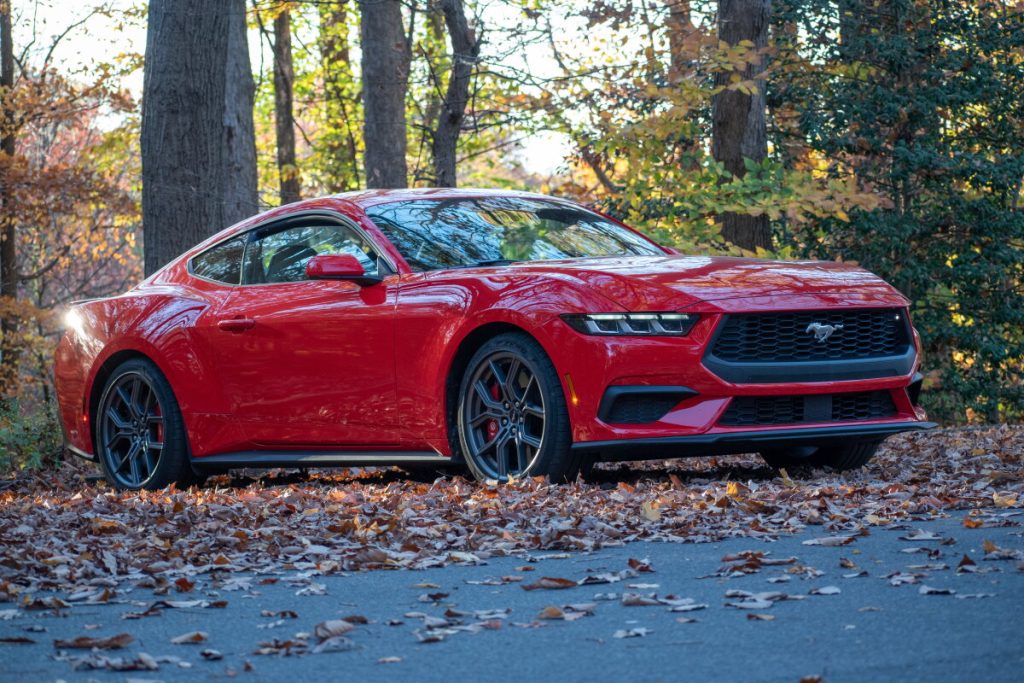
The car’s relatively low ride height also becomes inconvenient when snow accumulates. A plowed highway may be manageable, but an unplowed driveway can present a much greater challenge.
A Minnesota Mustang owner should therefore prepare before temperatures collapse. Battery condition, correct engine oil, proper coolant protection, and winter tires deserve attention. The Mustang is not guaranteed to fail in freezing weather, but neglecting those areas can make an already demanding winter environment considerably harder.
8. Chevrolet Camaro
The Chevrolet Camaro is another rear-wheel-drive performance car that can become difficult to live with when Minnesota turns icy.
Its final U.S. model year offered several engines, including the 2.0-liter turbocharged four-cylinder with 275 horsepower and 295 lb-ft of torque. Chevrolet discontinued the Camaro after the 2024 model year, so the vehicles now found on Minnesota roads are used examples.
Cold starts can become problematic when a battery is weak. NHTSA explains that cold weather reduces battery performance and increases the electrical power required to start an engine. That makes battery condition especially important for older Camaros, where the battery may already have several years of service behind it.
The bigger winter challenge is traction. The Camaro’s rear-wheel-drive configuration works well for performance driving but requires more care on snow and ice. Performance tires can lose effectiveness as temperatures drop, and acceleration that feels harmless on dry pavement can cause wheelspin on a slippery road.
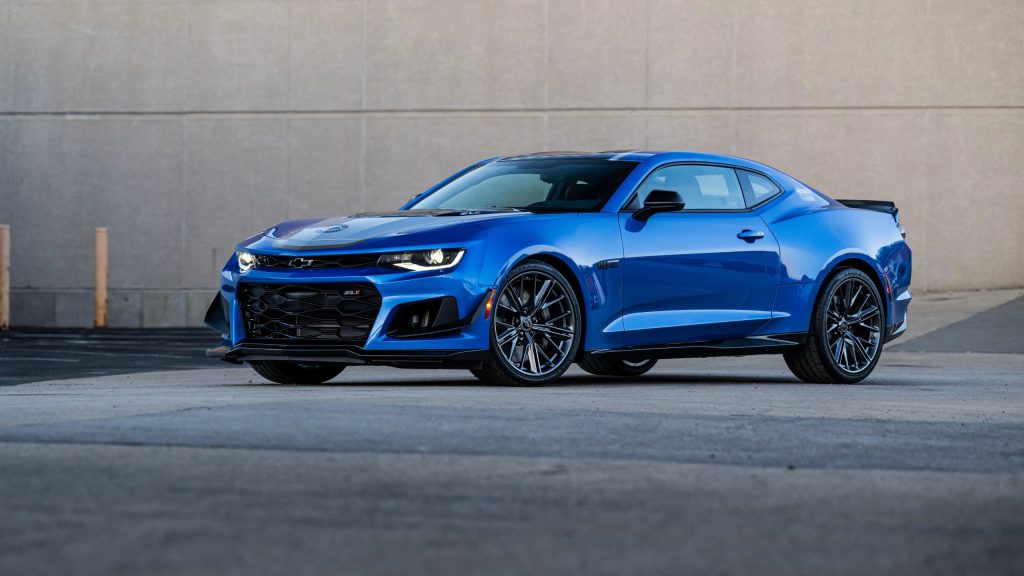
Its low stance presents a second problem. Deep snow can reach the underside quickly, while packed snow at the end of a driveway can prevent the car from moving even when the engine starts normally.
That does not make every Camaro unsuitable for winter. A properly maintained car equipped with suitable winter tires can be driven in cold conditions. However, owners should pay particular attention to the battery, fluids, tire condition, and available ground clearance before attempting a serious winter commute.
9. Dodge Challenger
The Dodge Challenger is another rear-wheel-drive performance car that can become a difficult winter companion when temperatures drop sharply. The final U.S. Challenger lineup included several engines, from the 3.6-liter Pentastar V6 to high-output V8s.
The 3.6-liter V6 produced 303 horsepower and 268 lb-ft of torque, while the available 5.7-liter HEMI V8 produced 375 horsepower and 410 lb-ft in the Challenger R/T.
The cold-start concern is largely related to the vehicle’s battery and fluids rather than the engine being inherently incapable of operating in freezing temperatures.
NHTSA warns that low temperatures reduce battery performance and increase the electrical demand required to start gasoline engines. An aging battery can therefore become a serious problem during an exceptionally cold Minnesota morning.
The Challenger’s size and rear-wheel-drive configuration create additional challenges after snowfall. Without suitable winter tires, the rear wheels can struggle for traction on packed snow or ice. A powerful V8 version requires particularly careful throttle control because abundant torque can easily exceed available grip.
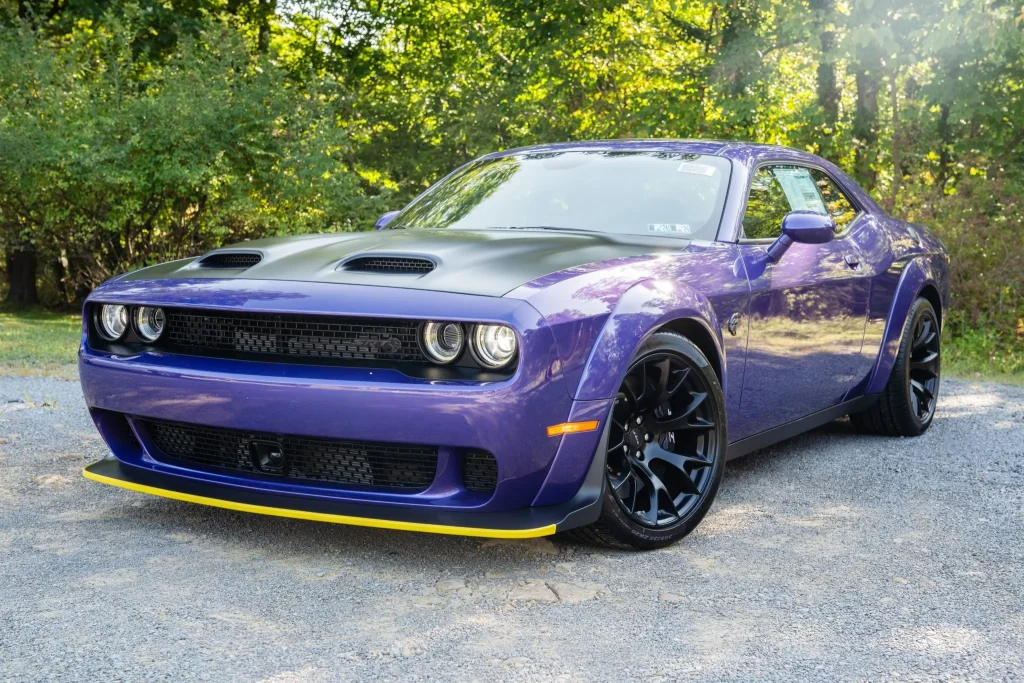
Ground clearance can also become an issue when snow accumulates. A Challenger sitting in a heavily snow-covered parking area may have difficulty getting moving even when its engine starts normally.
Owners who keep one outside during winter should test the battery before the coldest months, maintain the correct coolant mixture, and use manufacturer-approved engine oil for the expected temperatures. Proper winter tires are equally important.
10. Nissan Z
The Nissan Z combines a powerful engine with rear-wheel drive, making winter preparation particularly important in Minnesota. The current Z uses a 3.0-liter twin-turbocharged V6 producing 400 horsepower and 350 lb-ft of torque.
Nissan designed the car around performance, so its low stance, rear-drive layout, and performance-oriented tires require more attention when roads become covered with snow and ice.
The starting system faces the same fundamental challenge as other gasoline vehicles. NHTSA explains that cold temperatures reduce available battery power while simultaneously increasing the power required to start an engine.
A battery that appears healthy during mild weather can therefore struggle when temperatures fall well below freezing.
Tires may be an even bigger concern. Cold-weather compounds and dedicated winter tires maintain useful flexibility at temperatures where summer performance tires become less effective. Even with traction-control electronics, the Nissan Z cannot generate grip that the tires do not have.
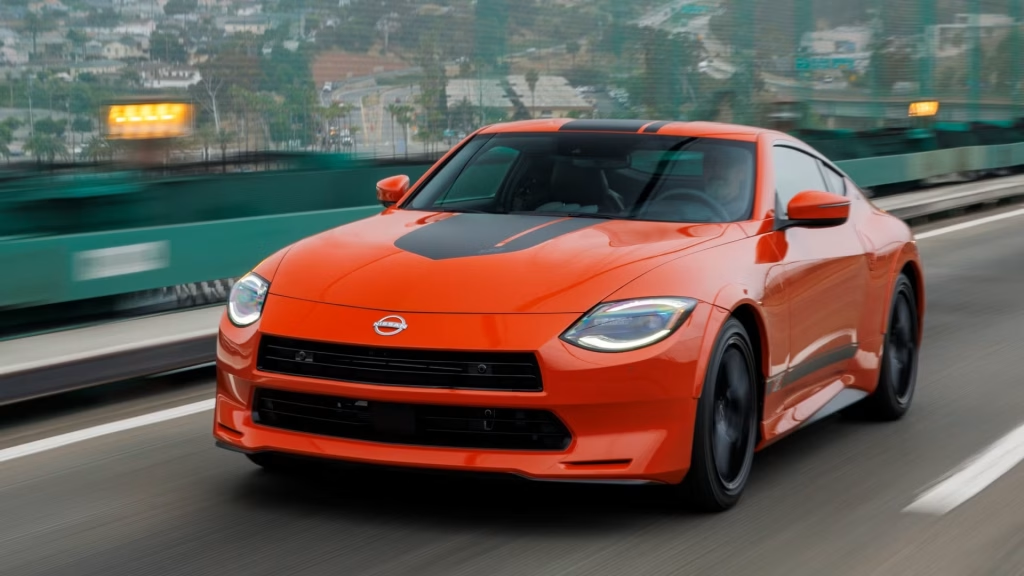
Snow depth presents another limitation. The Z’s low sports-car profile is poorly suited to deep or poorly cleared roads. A significant accumulation can interfere with movement before mechanical reliability even becomes relevant.
None of this means every Nissan Z will fail to start during a Minnesota winter. A properly maintained example can start and operate in cold weather. The problem arises when an aging battery, unsuitable oil, inadequate tires, and extreme temperatures occur together.
For owners determined to drive one year-round, preventive maintenance is essential. Battery testing, correct fluids, appropriate winter tires, and sheltered parking can substantially reduce cold-weather problems.
