
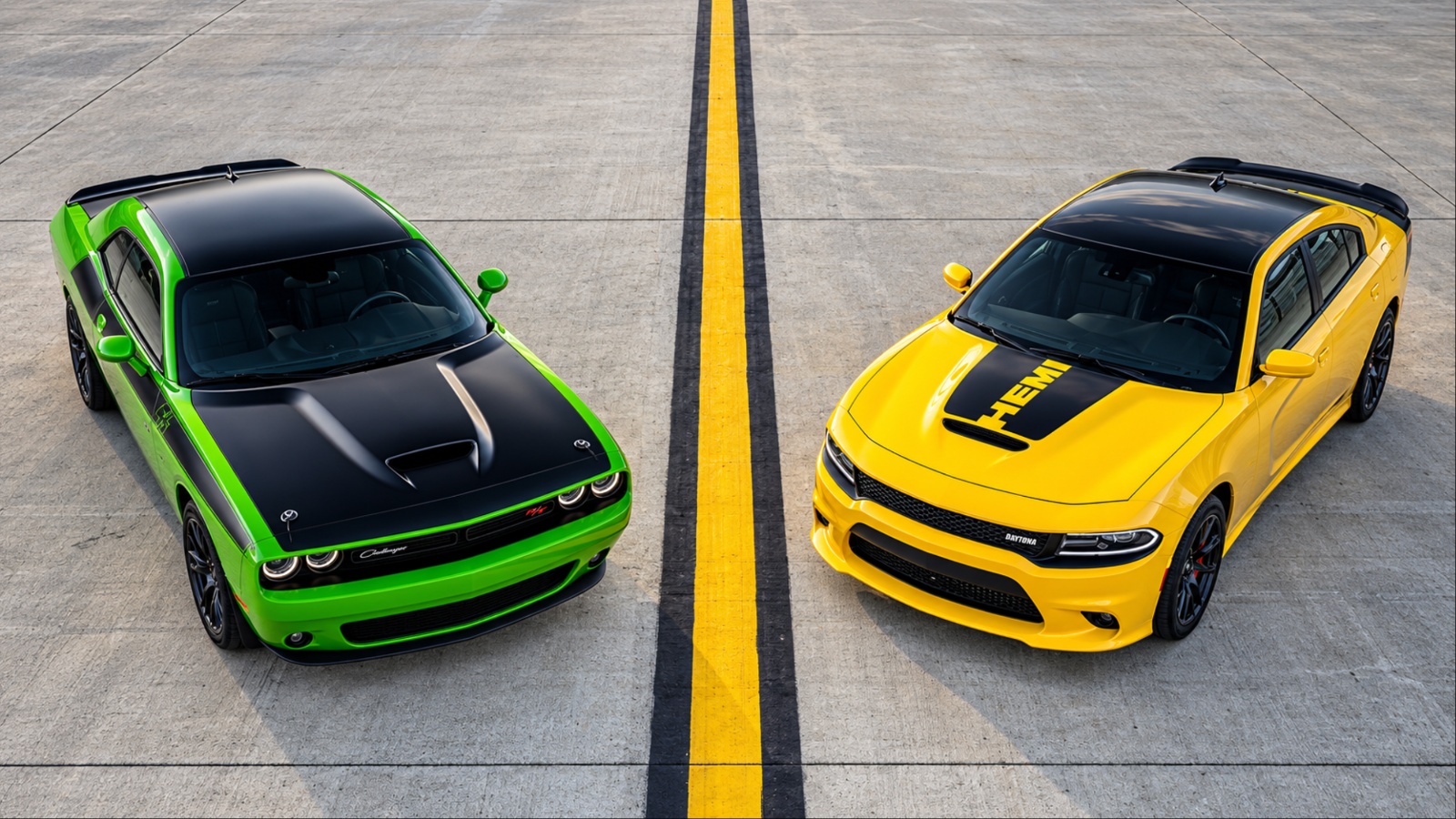
Ever wonder why some cars vanish off dealer lots within days while others just sit there, month after month, collecting dust under the showroom lights? Turns out, not every model is flying off the lot in 2026. Some are parked so long that salespeople probably know them by name.
Based on fresh inventory data, these ten vehicles are taking the longest to find buyers right now, and the reasons range from sky-high price tags to slow EV adoption to plain old shifting taste. Buckle up, because if you’re hunting for a deal, this list might just be your shopping guide.
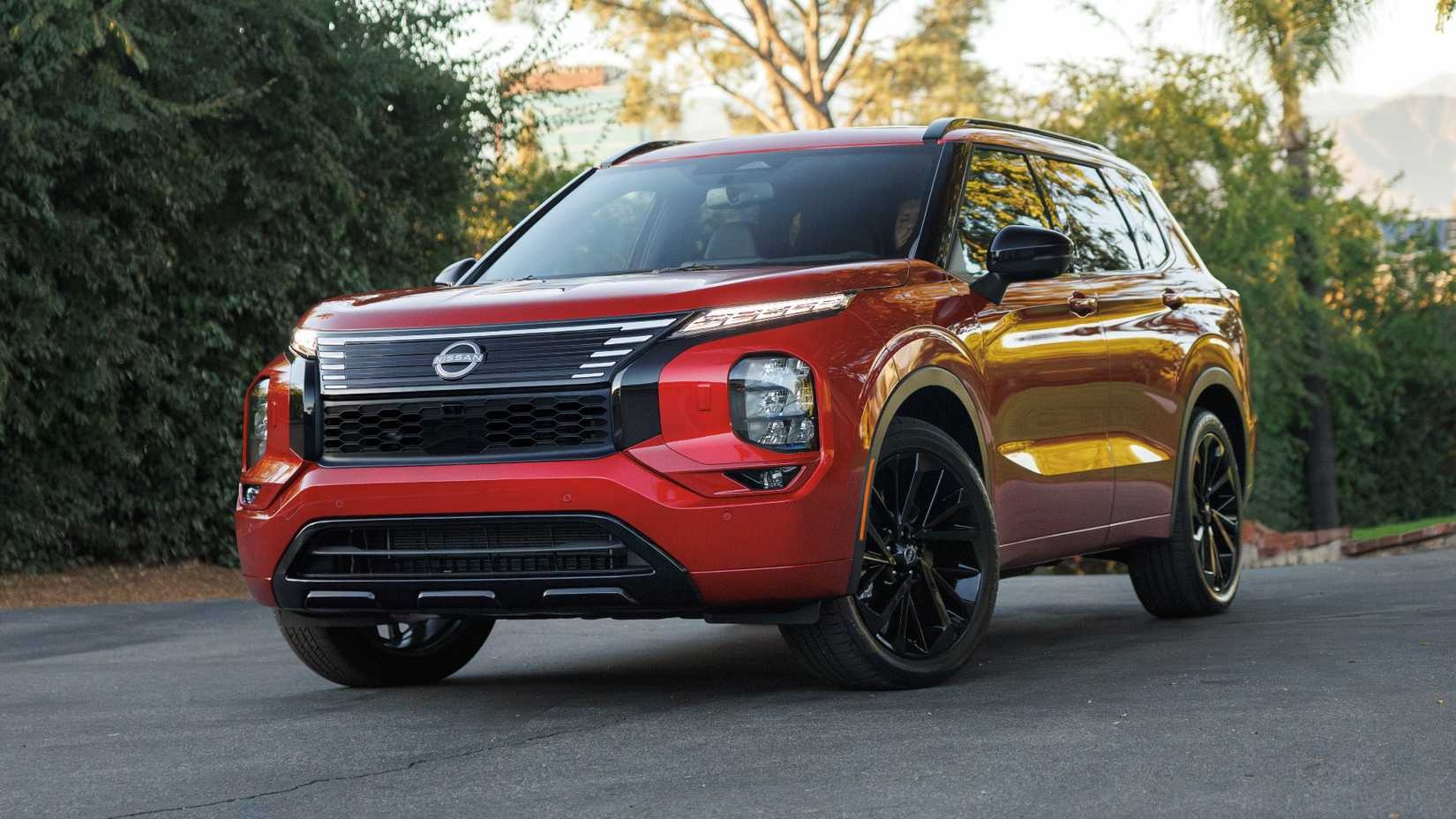
1. 2026 Nissan Rogue Plug-in Hybrid
443 days on lot
At the very top of this list sits a car that’s been parked so long it practically needs its own zip code. The 2026 Nissan Rogue Plug-in Hybrid is averaging 443 days on dealer lots, a number that puts it well ahead of almost everything else in the current inventory data.
What’s going on here? Plug-in hybrids occupy a strange middle ground in the current market. They cost more than a standard hybrid, they require charging infrastructure that many buyers still don’t have at home, and yet they don’t offer the full electric range that pure EV shoppers are after. That awkward positioning tends to scare off both camps of buyers rather than appealing to either one.
Add in the fact that the Rogue already exists in gas and standard hybrid form, and shoppers have less reason to pay extra for the plug-in variant unless they’re specifically chasing tax credits or short commute efficiency. Dealers are left holding inventory that technically checks a lot of boxes on paper but just isn’t connecting with buyers walking the lot.
For someone patient enough to negotiate, this kind of extended lot time usually translates into serious room to talk down the price. Dealers hate seeing a car sit this long, and that frustration tends to work in a buyer’s favor come negotiation time.
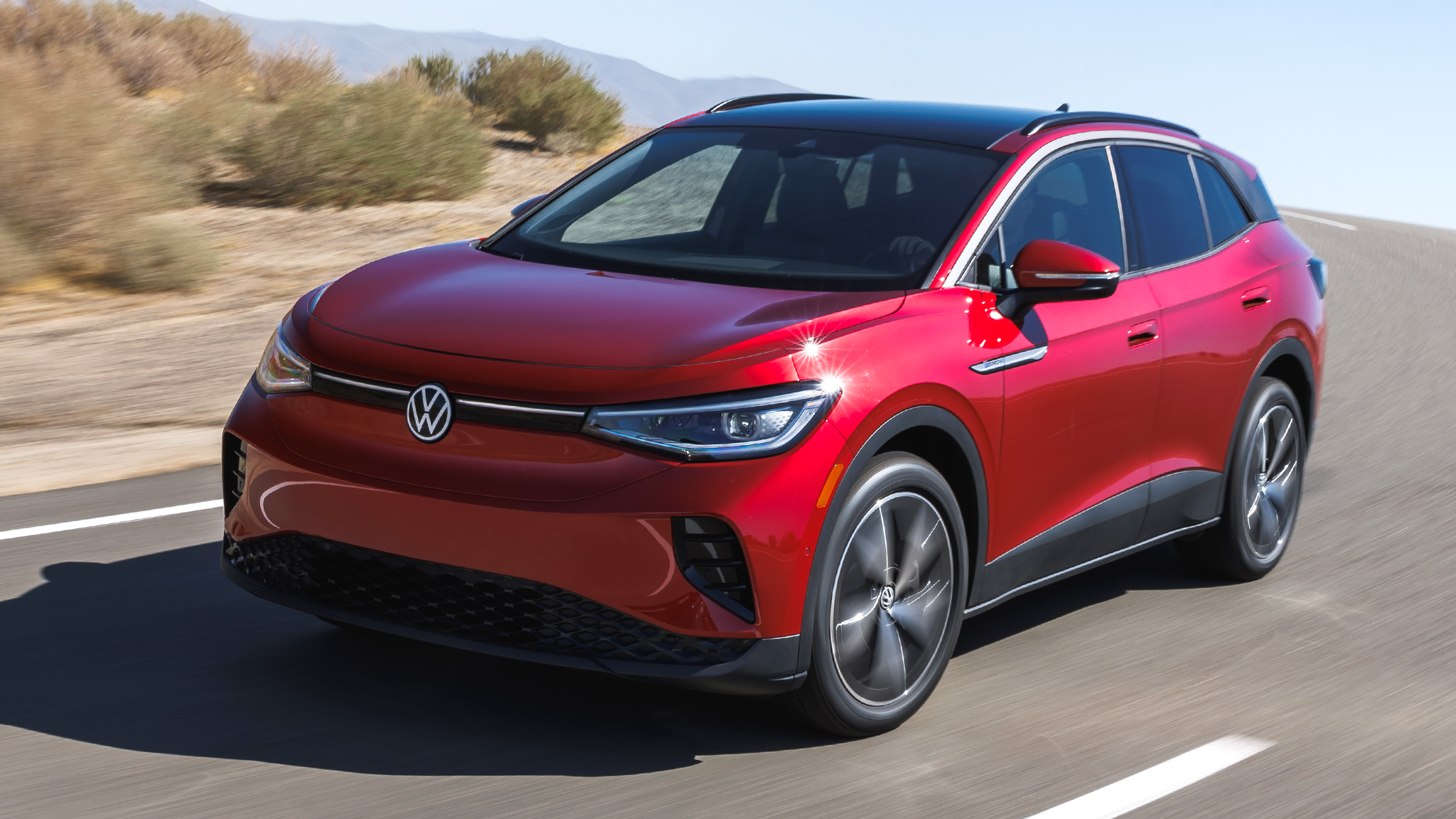
2. 2026 Volkswagen ID.4
374 days on lot
Electric vehicles were supposed to be the future, and in many ways they still are, but the 2026 Volkswagen ID.4 is proof that the road there isn’t exactly smooth. Averaging 374 days on dealer lots, this compact electric SUV is struggling to find buyers despite reasonably competitive specs on paper.
Part of the problem traces back to broader hesitation around EV ownership. Charging infrastructure remains inconsistent depending on where someone lives, and plenty of shoppers still worry about range, resale value, and battery longevity. Those concerns don’t disappear just because a manufacturer releases an updated model year.
There’s also the competitive angle to consider. The compact electric SUV segment has gotten crowded fast, with options from multiple brands all fighting for the same pool of environmentally conscious buyers. When shoppers have that many choices, a single model can easily get lost in the shuffle, even one with genuinely solid engineering behind it.
Pricing incentives haven’t fully closed the gap either. Buyers comparing an ID.4 against a similarly priced gas-powered SUV often still lean toward the familiar option, especially if they’re uncertain about long-term EV ownership costs.
Until broader confidence in electric vehicles catches up with the technology itself, cars like the ID.4 will likely keep sitting around longer than automakers would prefer.
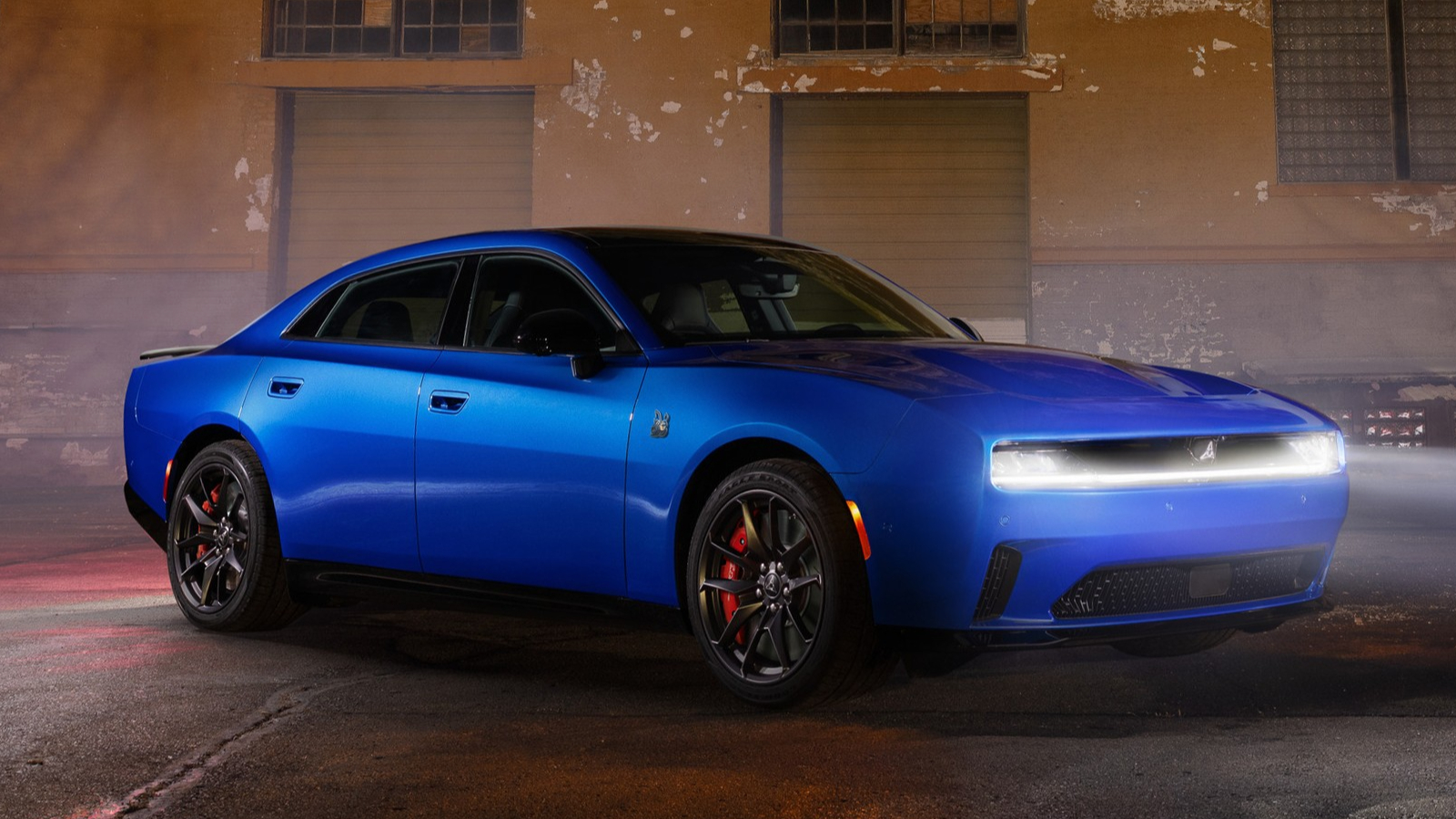
3. 2026 Dodge Charger
329 to 406 days on lot
The Dodge Charger used to be a name that got pulses racing, but its 2026 version is sitting on lots anywhere from 329 to 406 days, a wide range that tells its own story about buyer hesitation.
The culprit largely comes down to a slow and somewhat bumpy transition toward electrification for a nameplate that built its entire identity on loud, gas-powered muscle. Longtime Charger lovers grew up associating this car with roaring V8 engines and tire-smoking launches.
Introducing electric powertrain options into that legacy hasn’t been a seamless sell. Plenty of traditional muscle car buyers simply aren’t interested in an electric version, no matter how quick it is off the line, because the sound and feel just aren’t the same experience they’re chasing.
Meanwhile, buyers who do want an EV often gravitate toward brands that built their reputation around electric performance from the start, rather than a legacy nameplate still finding its footing in that space. That leaves the Charger stuck between two audiences, neither of which is fully satisfied with what’s currently on the lot.
Dealers are noticing the slow movement, and it’s showing up in extended incentives and more aggressive pricing on remaining inventory. For buyers who don’t mind a car that took its time finding a home, there’s real value to be found here.
4. 2026 Maserati Grecale
300 days on lot
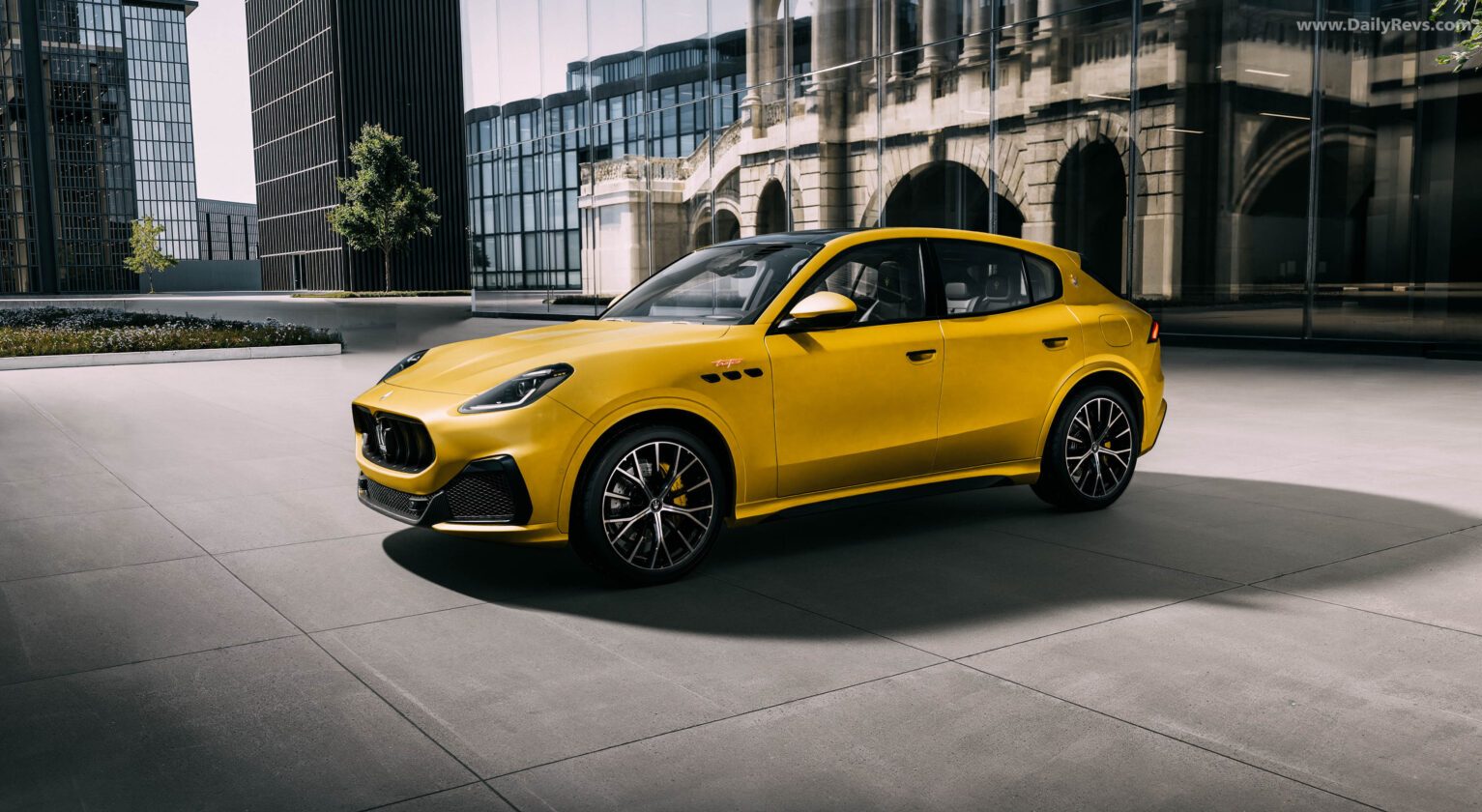
Luxury doesn’t always move fast, and the Maserati Grecale is proving that point with an average of 300 days parked on dealer lots. This compact luxury SUV brings Italian styling and premium badge appeal, yet it’s clearly having a harder time converting window shoppers into actual buyers.
Price plays an obvious role here. Luxury SUVs in this segment already ask buyers to stretch their budgets, and Maserati’s reputation, while prestigious, doesn’t carry quite the same broad name recognition as some German rivals that dominate this space.
Shoppers weighing a Grecale against a comparably priced Porsche or BMW often lean toward the more familiar option, purely out of comfort and perceived reliability. There’s also the matter of service network size.
Maserati dealerships and service centers are far less common than those for mainstream luxury brands, which can make ownership feel riskier to buyers worried about maintenance access down the road. That hesitation adds up, especially for a vehicle priced well into premium territory.
Style enthusiasts who prioritize exclusivity over convenience might see this slow movement as an opportunity rather than a red flag. Fewer Grecales on the road means more distinction for whoever eventually drives one home, and 300 days of patience from dealers usually means better deals for buyers willing to look past the badge recognition gap.
5. Grand Wagoneer
465 days on lot
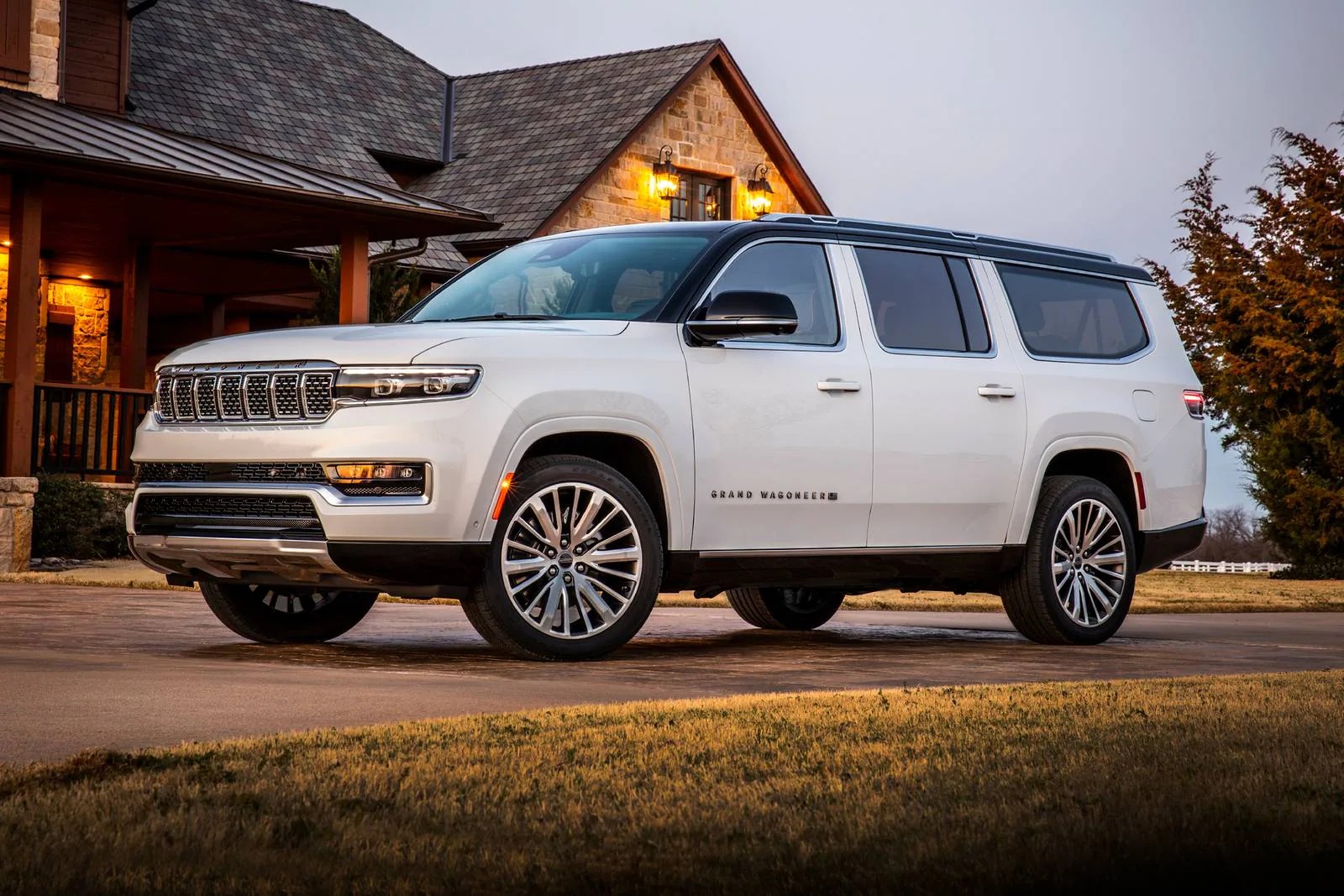
One number helps explain why the Grand Wagoneer has been so difficult for dealers to sell. Some units have remained on dealer lots for an average of 465 days. With prices reaching beyond $100,000 and customer demand remaining relatively modest, moving these vehicles has become a significant challenge.
For many shoppers, spending that much requires a strong reason to choose this SUV over familiar luxury brands. Jeep intended the Grand Wagoneer to serve as a high-end flagship, placing it against well-established luxury SUVs with long histories and loyal customers.
Although the cabin offers quality materials, advanced technology, and plenty of comfort, those features may not be enough to persuade buyers who already trust brands such as Mercedes-Benz, BMW, or Cadillac. At this price level, reputation carries considerable weight.
Another concern is the vehicle’s size and fuel consumption. A large SUV can be expensive to refuel, difficult to fit into tight parking spaces, and costly to operate. As more shoppers look for better fuel economy without giving up comfort, the Grand Wagoneer has to justify its size and running costs.
For dealerships, keeping a vehicle unsold for roughly a year and four months can tie up a substantial amount of money. That situation gives potential buyers more bargaining power. Dealers may be more willing to offer discounts, rebates, financing deals, or other incentives to clear aging inventory.
Someone who has been waiting for a better price could therefore find an attractive opportunity, especially when negotiating directly with a dealer holding an older unit.
6. Jeep Wagoneer
315 days on lot
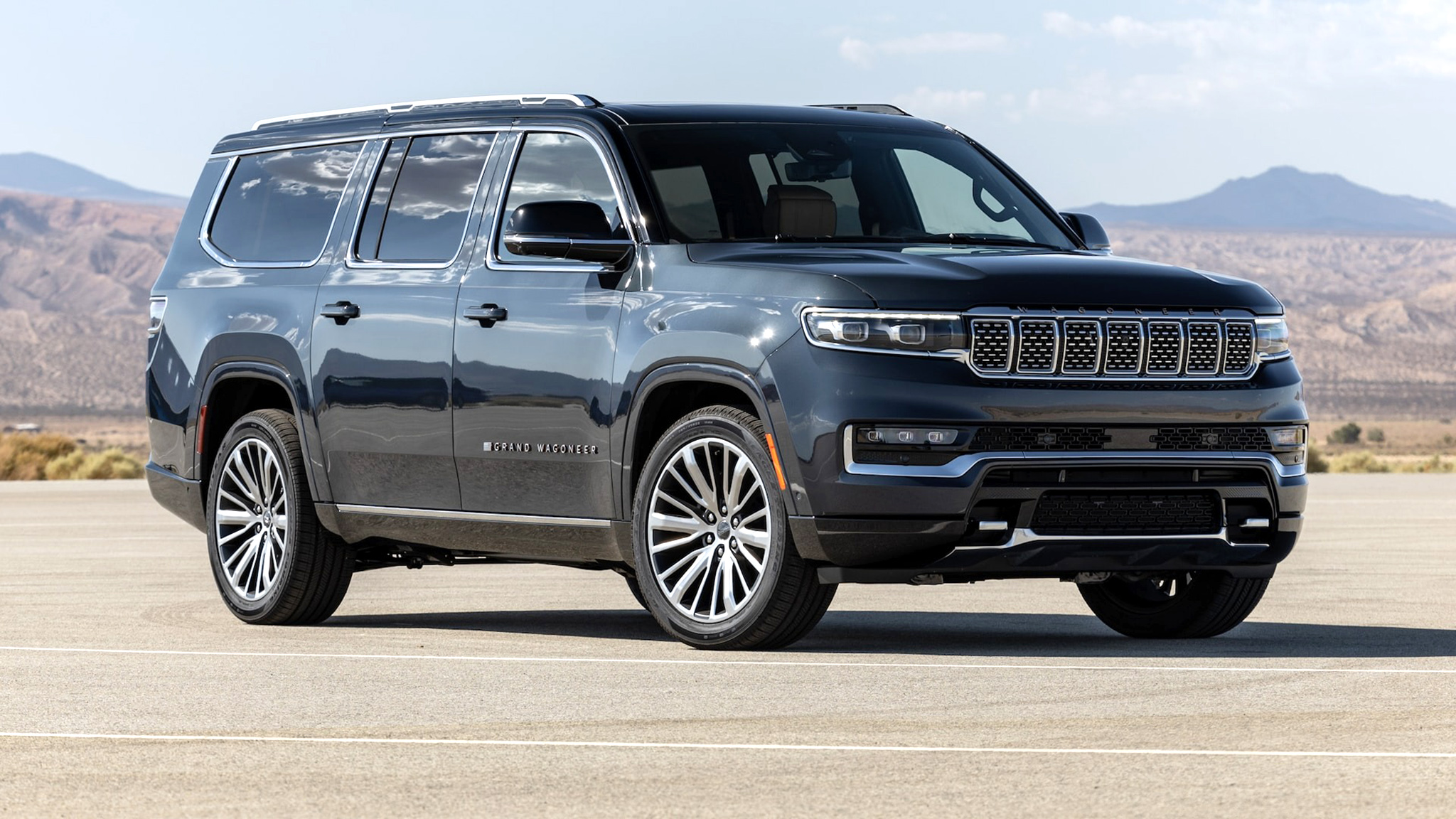
Sitting one tier below its Grand Wagoneer sibling, the standard Jeep Wagoneer is averaging 315 days on dealer lots. Still slow, still a challenge for dealers, but slightly less dramatic than the flagship version’s extended stay.
Why does a full-size SUV with genuine capability and comfortable seating for large families struggle to move? Part of it comes down to overlap within Jeep’s own lineup and competing full-size SUVs from other manufacturers.
Buyers shopping in this category have no shortage of choices, from long-running nameplates with established reputations to newer entries offering more tech for similar money.
Fuel economy concerns weigh on this segment too. Full-size SUVs aren’t known for sipping gas gently, and as prices at the pump fluctuate, buyers become more cautious about committing to something this large unless they genuinely need the third-row space and towing capacity it offers.
There’s also a pricing sensitivity issue tied closely to its bigger sibling. Shoppers cross-referencing the standard Wagoneer against the Grand Wagoneer sometimes hesitate on both, unsure which trim level actually justifies the jump in cost. That indecision extends a lot of time on both versions simultaneously.
Buyers who need serious hauling capacity and interior space might find this extended availability translates directly into better financing terms and stronger incentive offers from dealers eager to clear inventory.
7. GMC Sierra 3500 Chassis/Cab
221-day supply of heavy-duty inventory
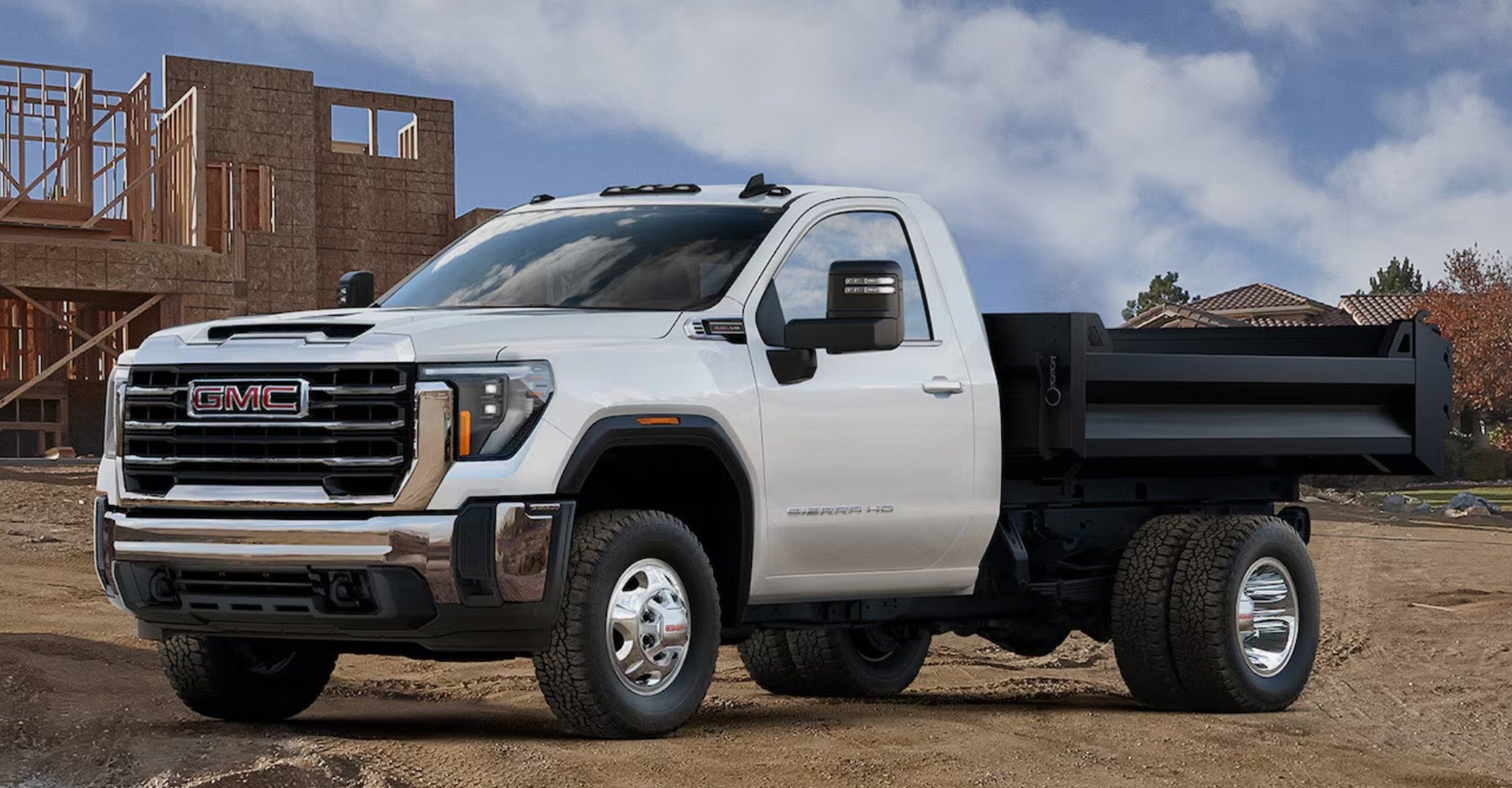
Heavy-duty trucks operate in a different world than passenger vehicles, and the GMC Sierra 3500 Chassis/Cab reflects that with a 221-day supply currently sitting in dealer inventory. This isn’t your average commuter truck; it’s built for serious work applications, and that specialization naturally limits its buyer pool.
Chassis/cab configurations typically go to buyers who need to add specific upfitting, like flatbeds, dump bodies, or specialized equipment mounts, rather than everyday drivers looking for a standard pickup. That narrower target audience means these trucks were never expected to move at the same rate as consumer-focused models.
Business purchasing cycles also play a role here. Fleet buyers and contractors often plan purchases around budget cycles, tax considerations, and project timelines rather than impulse decisions.
That means inventory can sit for extended periods simply waiting for the right commercial buyer to come along with a specific need that matches the truck’s configuration.
Interest rates and financing costs for commercial vehicles add another layer of hesitation, especially for smaller operations watching every dollar closely. When borrowing costs climb, businesses tend to delay big equipment purchases longer than they might during more favorable lending conditions.
For contractors or business owners with the right project lined up, this extended supply likely means dealers are more willing to negotiate on price, financing terms, or upfit packages to finally close a sale.
8. Hyundai Santa Cruz
225 days on lot
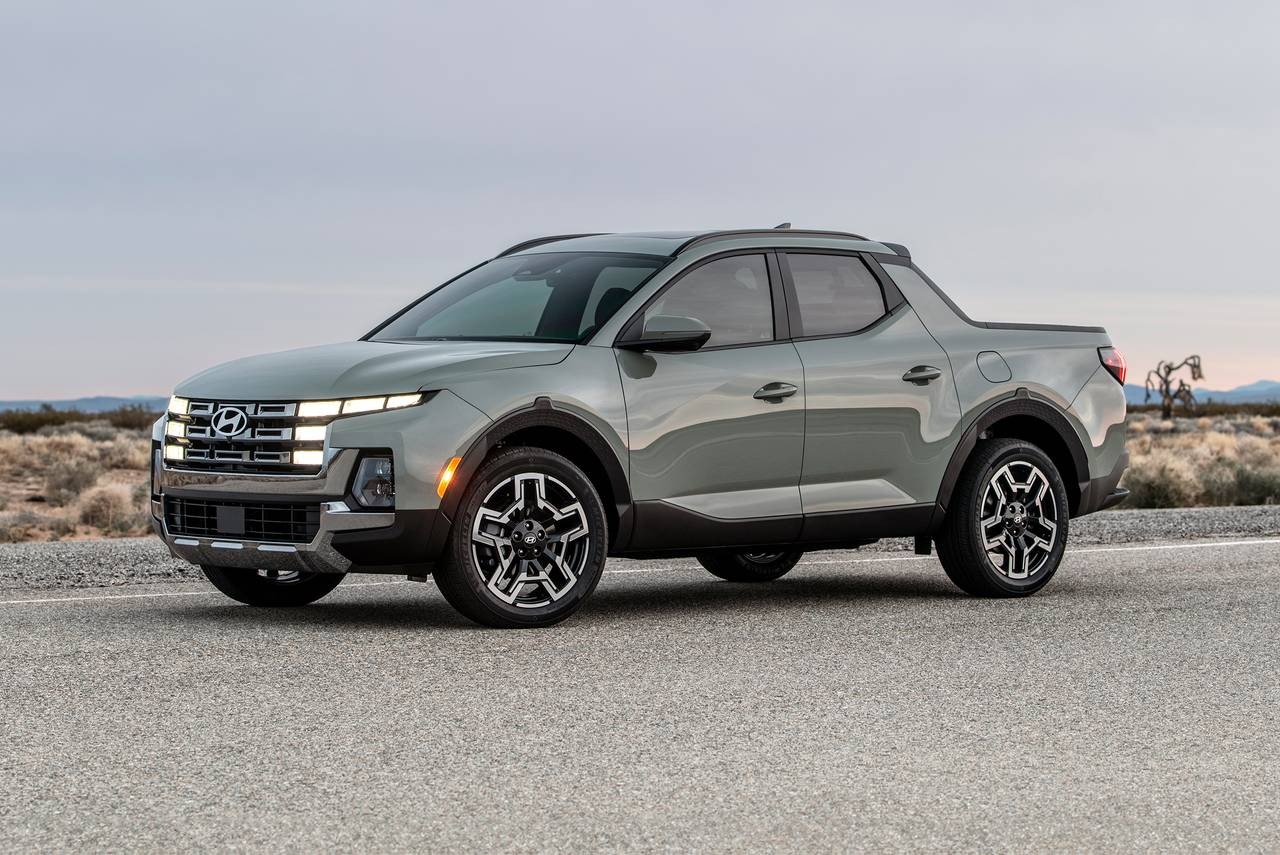
The Hyundai Santa Cruz occupies an unusual space in the truck world, blending pickup functionality with car-like handling, and that unusual positioning seems to be part of why it’s sitting on lots for around 225 days right now. Struggling against strong competitors like the Ford Maverick certainly isn’t helping matters either.
Truck buyers tend to be a particular crowd, often loyal to established names and traditional body styles they’ve trusted for years. The Santa Cruz asks them to consider something different, a smaller, more car-based approach to what a pickup can be. That’s a tough sell for buyers who equate truck capability with size and traditional body-on-frame construction.
Meanwhile, the Maverick has captured plenty of attention in this exact segment, offering a hybrid option and aggressive pricing that’s made it the default choice for shoppers interested in a compact truck.
When one competitor establishes itself as the go-to option first, everyone else in that lane tends to fight an uphill battle for attention, regardless of how capable their own vehicle actually is.
Shoppers open to trying something different from the norm might find real value here. Extended lot time on the Santa Cruz likely means dealers are ready to sweeten the deal for buyers willing to give this unconventional truck a genuine look before defaulting straight to its more popular rival.
9. Ford Mustang
205 days on lot
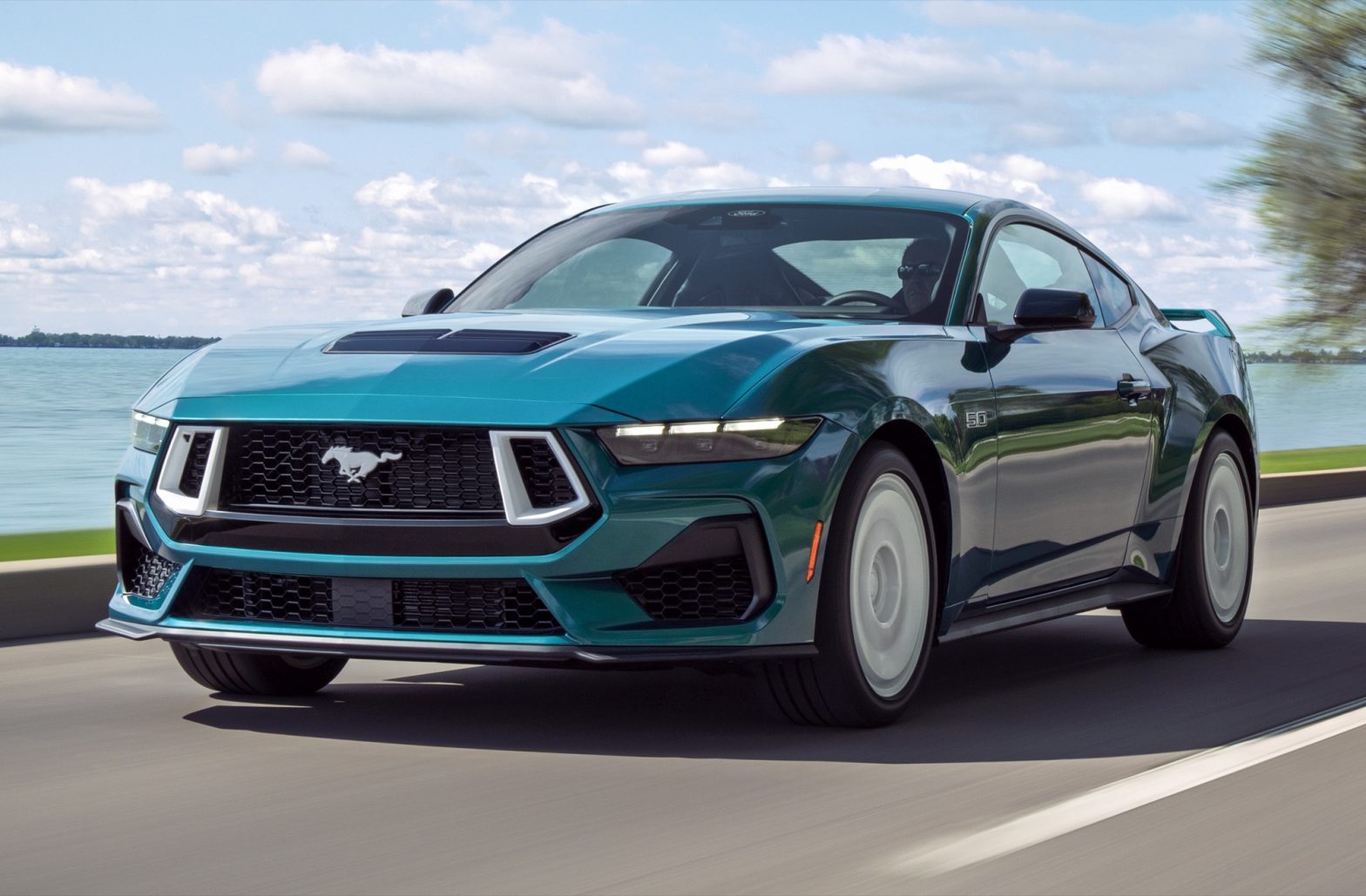
Two-door sports cars are no longer attracting buyers the way they used to, and the Ford Mustang is feeling the effect. With some models spending an average of 205 days on dealer lots, it is clear that many customers now want something different.
This is an unusual situation for a car that has represented American performance and style for several generations. SUVs and crossovers have taken much of the attention that once went to traditional coupes.
They give families more room for luggage, easier access to the rear seats, and greater flexibility for everyday driving. Even people who enjoy fast cars are becoming more interested in powerful SUVs because they can deliver strong performance while still being practical for daily use.
Younger drivers are also entering the market with priorities that are not quite the same as those of older buyers. Many are more interested in modern technology, fuel economy, comfort, and useful features than having a large engine with a loud exhaust.
The Mustang still has plenty of appeal, but the number of people actively looking for a two-door performance car has become smaller. For buyers who genuinely want a rear-wheel-drive sports coupe, however, the situation could work in their favor.
When fewer customers are competing for these cars and dealers want to clear older stock, there is usually more room to negotiate. Anyone interested in owning a Mustang may find better prices by taking advantage of a dealer that has had one sitting unsold for months.
10. Hyundai Sonata
201 days on lot
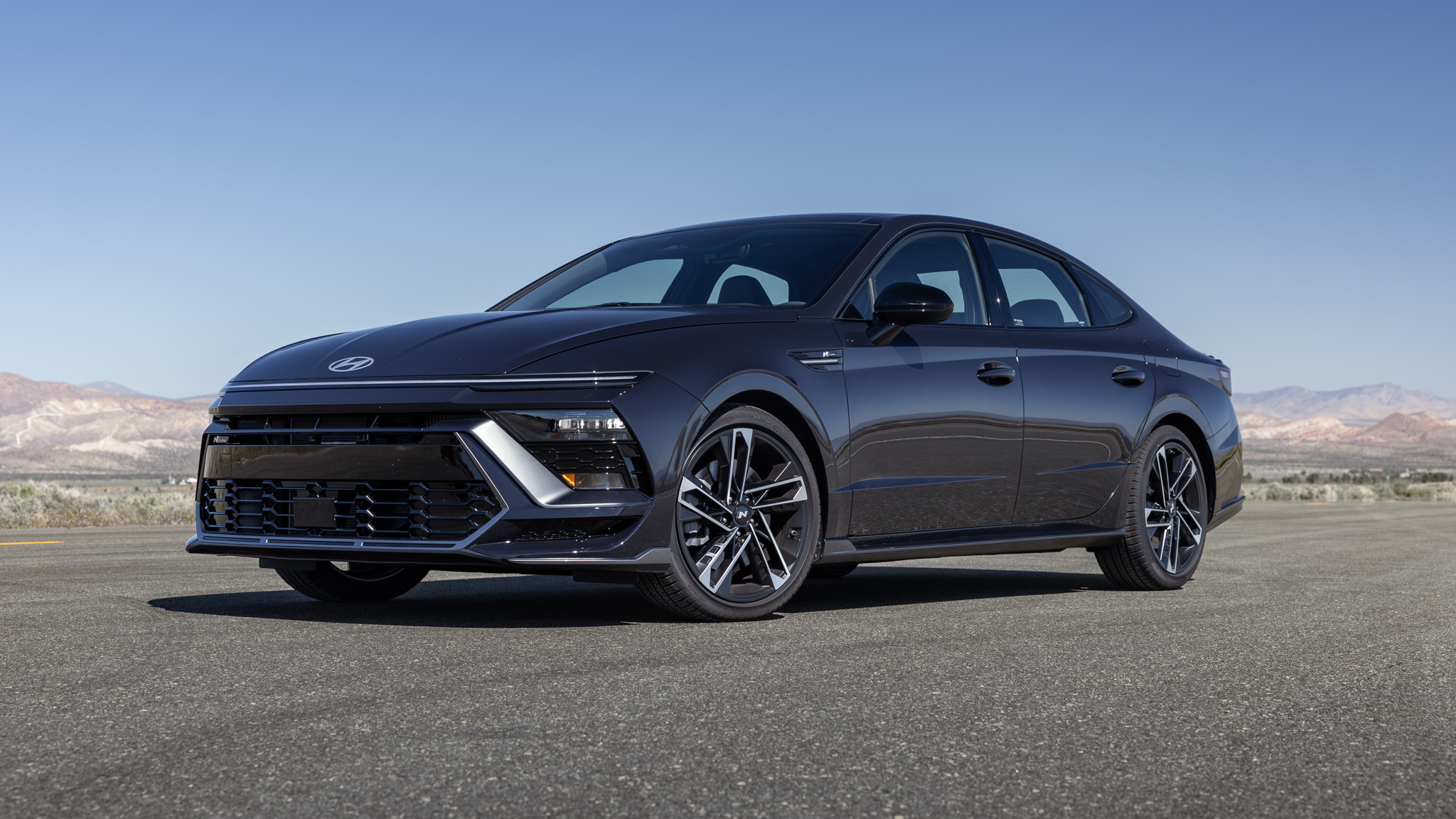
The Hyundai Sonata is also spending a long time at dealerships, with some units averaging about 201 days before finding buyers. Much of this appears to be linked to concerns about reliability that have affected how some people view the brand.
Even when such concerns are not fully based on current facts, public opinion can have a strong influence on what people decide to buy. Midsize sedans have faced another challenge for several years as more buyers choose SUVs and crossovers instead.
That means the Sonata already has to compete for attention in a market where traditional family cars are becoming less popular. When potential buyers also come across mixed reviews or older reports about reliability, convincing them to choose the Sonata becomes even more difficult.
Hyundai has worked hard to improve its vehicles in recent years, with better build quality and generous warranty coverage that can compete well with other manufacturers. However, changing public opinion takes time.
Some buyers still depend on what friends, relatives, or online reviews say instead of checking the latest information before making such an expensive purchase. For someone who still prefers a sedan, the Sonata could be worth a closer look.
A vehicle that remains unsold for many months may give buyers more room to negotiate a lower price. If the current model proves more dependable than its older reputation suggests, a careful buyer could end up with a comfortable, well-equipped car at a price that offers good value.
Doing proper research and taking a test drive can help separate old concerns from the car’s actual performance.
