Funny how that works, isn’t it? You drive a car for years without a hiccup, the warranty clock ticks down to zero, and suddenly something under the hood decides it’s had enough. Coincidence? Maybe. Bad luck? Possibly. But there’s actually a pattern here, and it’s one automakers rarely advertise.
Certain components are simply engineered with a lifespan that lines up suspiciously close to typical coverage periods. Knowing which parts tend to give out right after that safety net disappears can save you from an ugly surprise bill and a whole lot of frustration. Here are ten components with a habit of failing at the worst possible time.
1. Plastic Thermostat Housings and Coolant Pipes
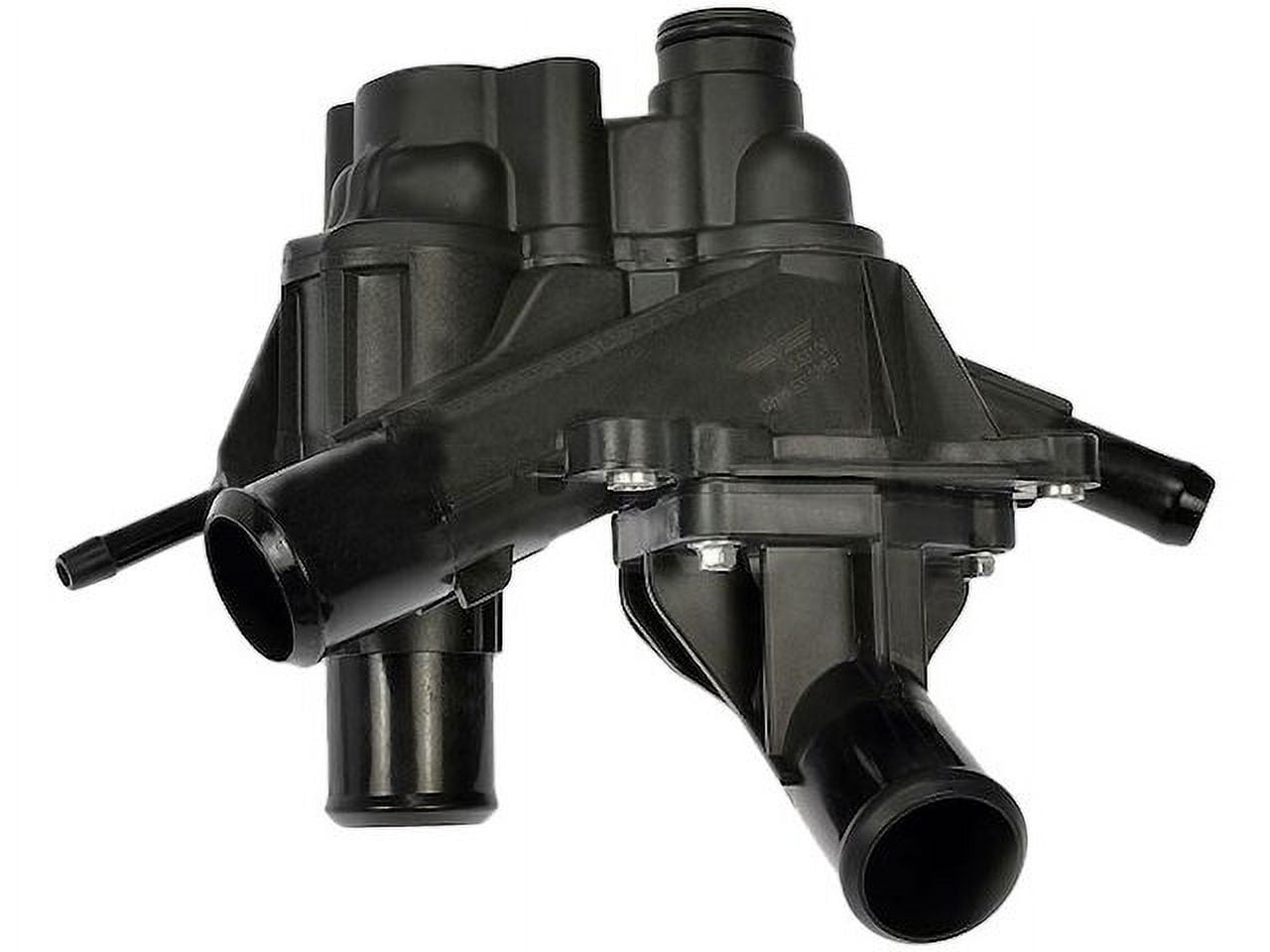
Automakers switched to plastic for thermostat housings and coolant pipes years ago, chasing lighter weight and lower manufacturing costs. The tradeoff, unfortunately, shows up down the road in the form of brittle, cracking components that plastic simply handles worse than the metal parts they replaced.
Think about what these pieces endure daily. Every time you start your engine, that plastic heats up as coolant circulates through the system. Then you shut the car off, everything cools back down, and the cycle repeats the next morning.
Multiply that heating and cooling process by thousands of trips, and the plastic slowly loses its flexibility. It becomes stiff, then brittle, then eventually prone to hairline cracks that widen with continued exposure to heat.
Once a crack forms, coolant starts seeping out, often slowly at first. Many drivers don’t notice anything unusual until they spot a puddle under the car or watch the temperature gauge creep upward on a hot afternoon commute. By then, the leak has usually progressed enough that a simple top-off won’t solve the problem.
The timing lines up almost too perfectly with warranty expiration for many vehicles, since these plastic components tend to hold up fine for the first several years before material fatigue really sets in.
Regular visual inspections during routine maintenance can catch early warning signs like discoloration or small stress lines before a full crack develops into a roadside breakdown.
2. Electric Water Pumps
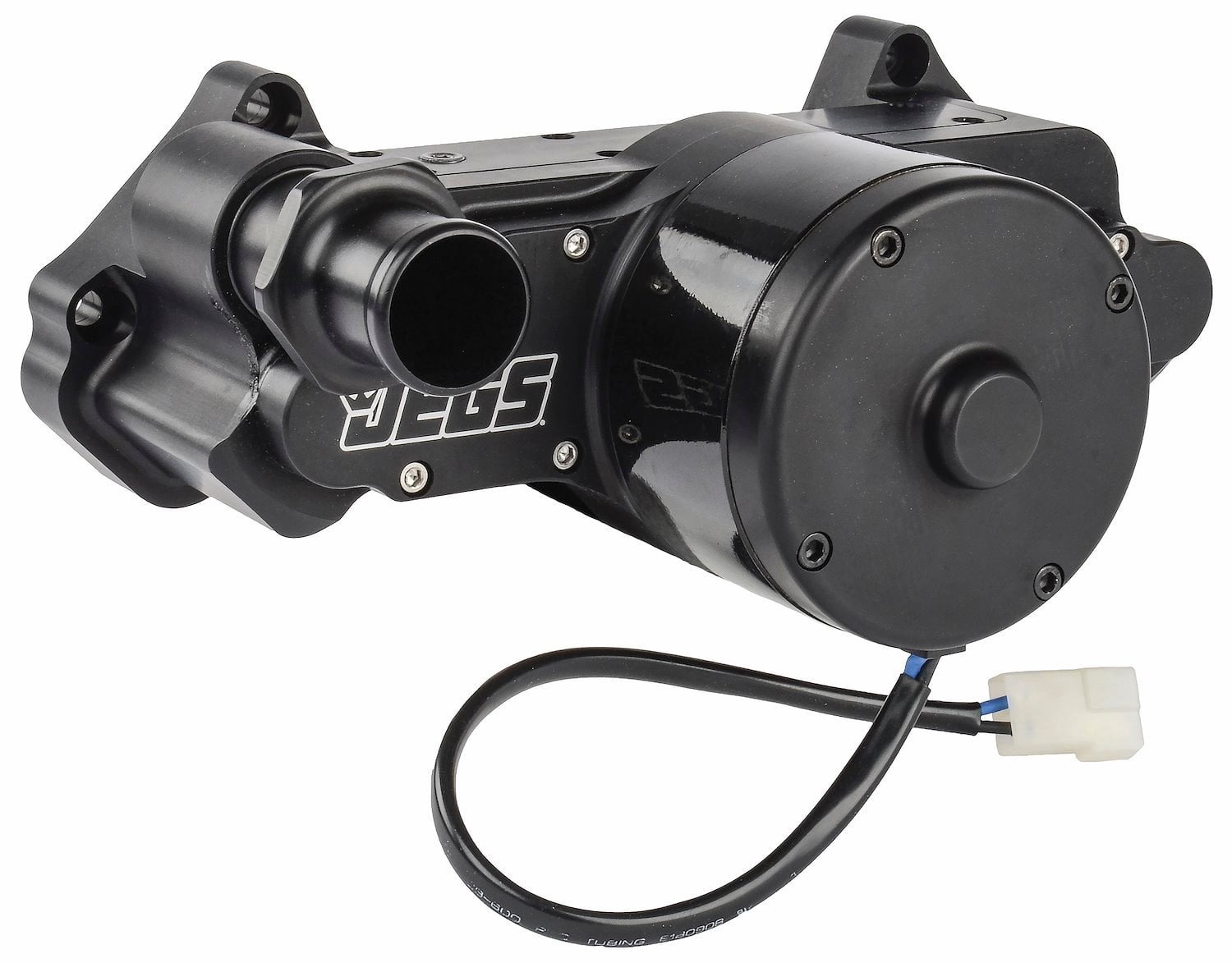
One issue that surprises many owners is how suddenly an electric water pump can fail. Everything may seem perfectly normal one day, only for the temperature gauge to rise rapidly the next because coolant is no longer circulating through the engine.
Unlike the old-fashioned belt-driven pumps that showed gradual wear through squealing noises or visible leaks, electric water pumps rely on internal components and electronic controls that can fail more abruptly.
A bearing seizes, a seal gives out, or the electronic control module governing the pump simply stops responding, and that’s it. No gradual decline, no fair warning, just a sudden loss of cooling function.
This matters because engines depend heavily on consistent coolant flow to manage temperature, especially during longer drives or hot weather conditions.
When that flow stops unexpectedly, overheating can happen within minutes rather than the gradual buildup drivers might associate with a slow coolant leak.
Catching it in time often comes down to paying close attention to dashboard warnings the moment they appear rather than assuming everything’s fine.
Replacement costs for electric water pumps also tend to run higher than traditional pumps, partly due to their more complicated design and partly because labor involved in accessing them can be more involved depending on the vehicle.
Budgeting for this possibility once your warranty coverage ends is a smart move for peace of mind.
3. Wet Timing Belts
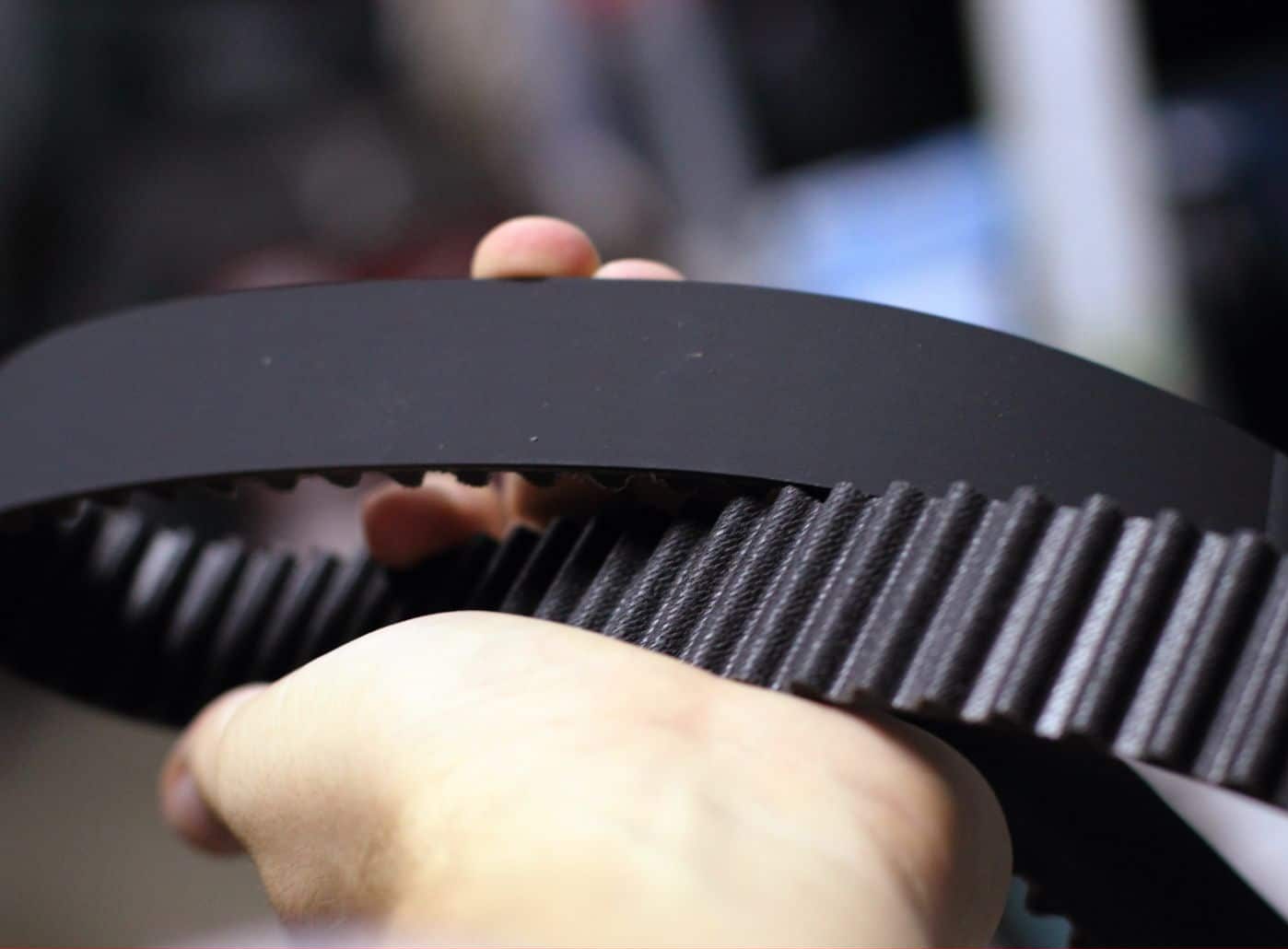
Few car owners expect to hear that a timing belt can operate inside engine oil, but that design is now used in some modern engines. Manufacturers adopted wet timing belts mainly to reduce friction and improve fuel efficiency compared with traditional dry belts.
However, keeping rubber in contact with oil for long periods can create its own problems. Engine oil is formulated to protect metal parts and keep the engine running smoothly, but prolonged exposure can affect certain rubber materials.
The belt may gradually become soft, swollen, brittle, or cracked. As the material weakens, the chances of the belt slipping or breaking increase, sometimes without giving the driver enough warning to react.
If the belt breaks while the engine is running, the repair can become very expensive. Its job is to keep the valves and pistons moving at the correct time. When that timing is suddenly lost, the moving parts can hit each other and cause serious internal damage.
In severe cases, the owner may need an engine rebuild or replacement. Another concern is how difficult these belts are to inspect. Unlike some external components that can be checked easily during routine servicing, a wet timing belt sits inside the engine and may require considerable disassembly to examine properly.
This makes regular inspection difficult for many owners. For that reason, following the manufacturer’s recommended replacement schedule is very important.
Waiting until the belt shows obvious signs of trouble may be too late. Using the correct engine oil and servicing the vehicle properly can also help reduce the chance of premature belt failure.
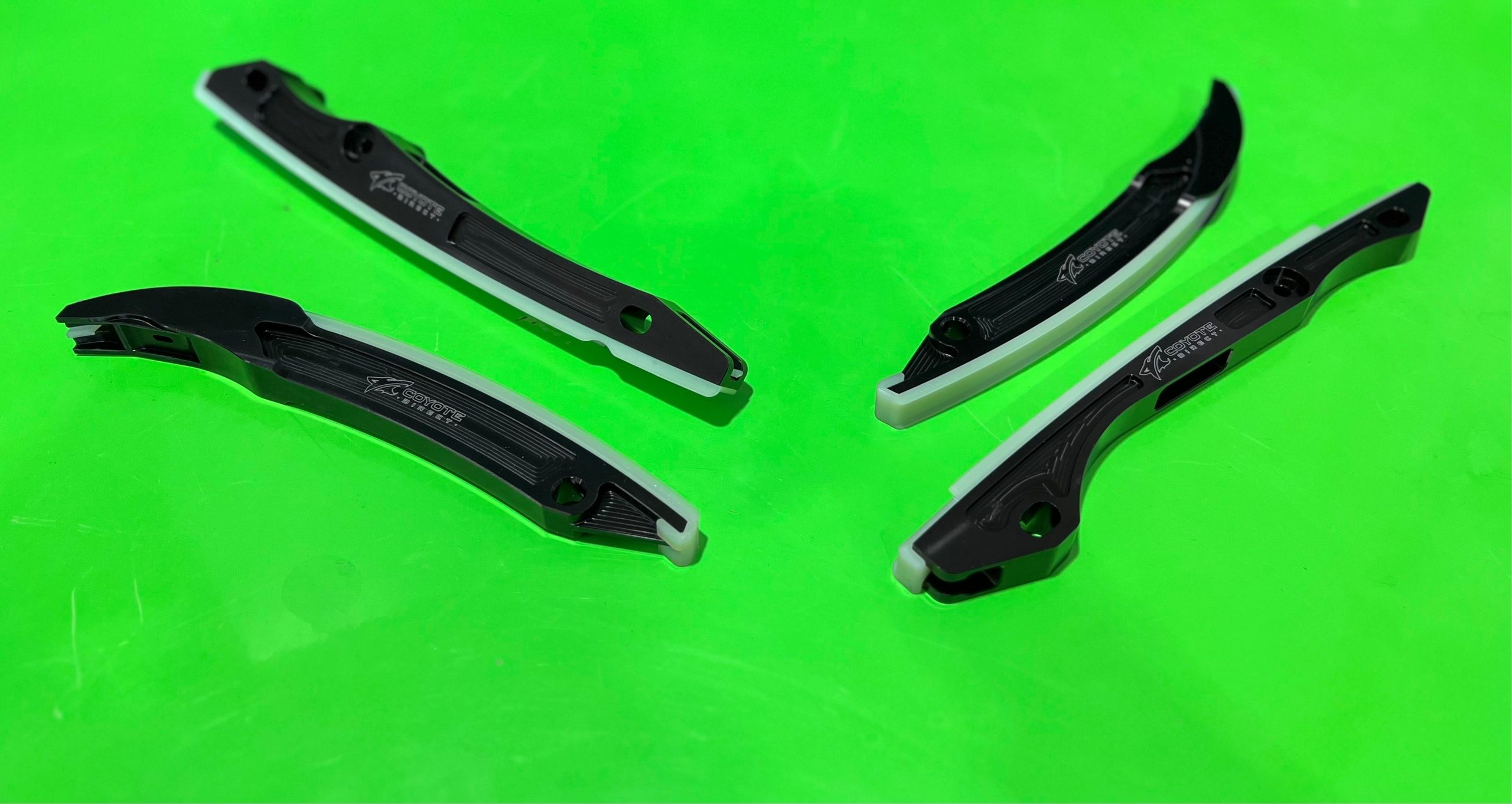
4. Plastic Timing Chain Guides
Timing chains have a reputation for lasting the life of an engine, and that reputation isn’t entirely wrong. What often fails first, however, isn’t the chain itself but the plastic guides responsible for keeping that chain properly tensioned and aligned as it runs.
These guides sit directly in the path of constant engine heat, cycle after cycle, mile after mile. Over years of operation, that heat exposure causes the plastic material to lose its original flexibility.
It becomes hard and brittle, similar to what happens with coolant housings, except the consequences here can be considerably more serious given the guide’s direct role in engine timing.
Once a guide becomes brittle enough, small pieces can start breaking away during normal engine operation. Those fragments can get caught within the timing chain mechanism itself, causing rattling noises, chain slap, or in more severe cases, complete chain failure.
A timing chain that skips or breaks can lead to the same kind of catastrophic internal engine damage associated with timing belt failures.
Unfortunately, unlike a serpentine belt you can visually inspect during an oil change, timing chain guides are buried within the engine, making early detection genuinely difficult. Unusual rattling sounds during startup, particularly if they fade after a few seconds, sometimes indicate developing guide wear.
Catching this early through professional inspection, rather than waiting for obvious symptoms, remains the most reliable way to avoid a serious repair bill later.
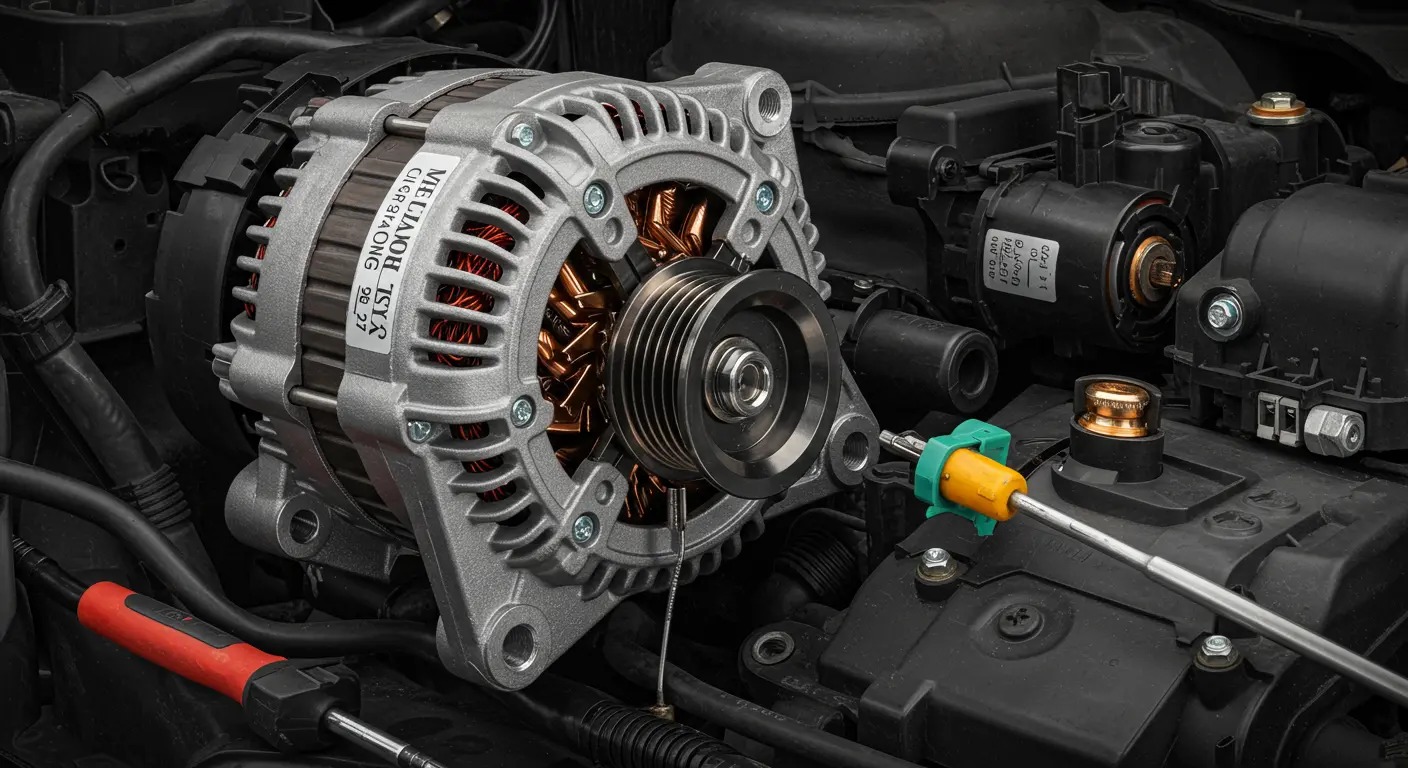
5. Alternators
Every alternator eventually reaches the end of its usable life, and the internal components responsible for that eventual failure tend to be smaller than most drivers realize.
Bearings inside the unit spin constantly whenever the engine runs, and voltage regulators work continuously to keep charging output within the correct range for your electrical system.
Bearings wear down gradually through simple mechanical use, similar to bearings in any rotating machinery. As they degrade, you might notice a whining or grinding noise coming from the alternator area, particularly when the engine is cold.
That noise often signals bearing wear progressing toward eventual failure, though plenty of owners dismiss it as background engine noise until the problem worsens.
Voltage regulators face a different kind of stress, dealing with constant electrical current and the heat that comes with it. When a regulator starts malfunctioning, it can either undercharge or overcharge the battery, neither of which does your electrical system any favors.
Undercharging leaves you with a weak battery prone to failure, while overcharging can damage the battery itself along with other sensitive electronic components throughout the vehicle. Warning signs typically include dimming headlights, a dashboard battery light, or accessories behaving erratically.
Since alternators often provide gradual warning before complete failure, paying attention to these early symptoms can help you replace the unit proactively rather than getting stranded with a dead battery and no charging system to recover from it.
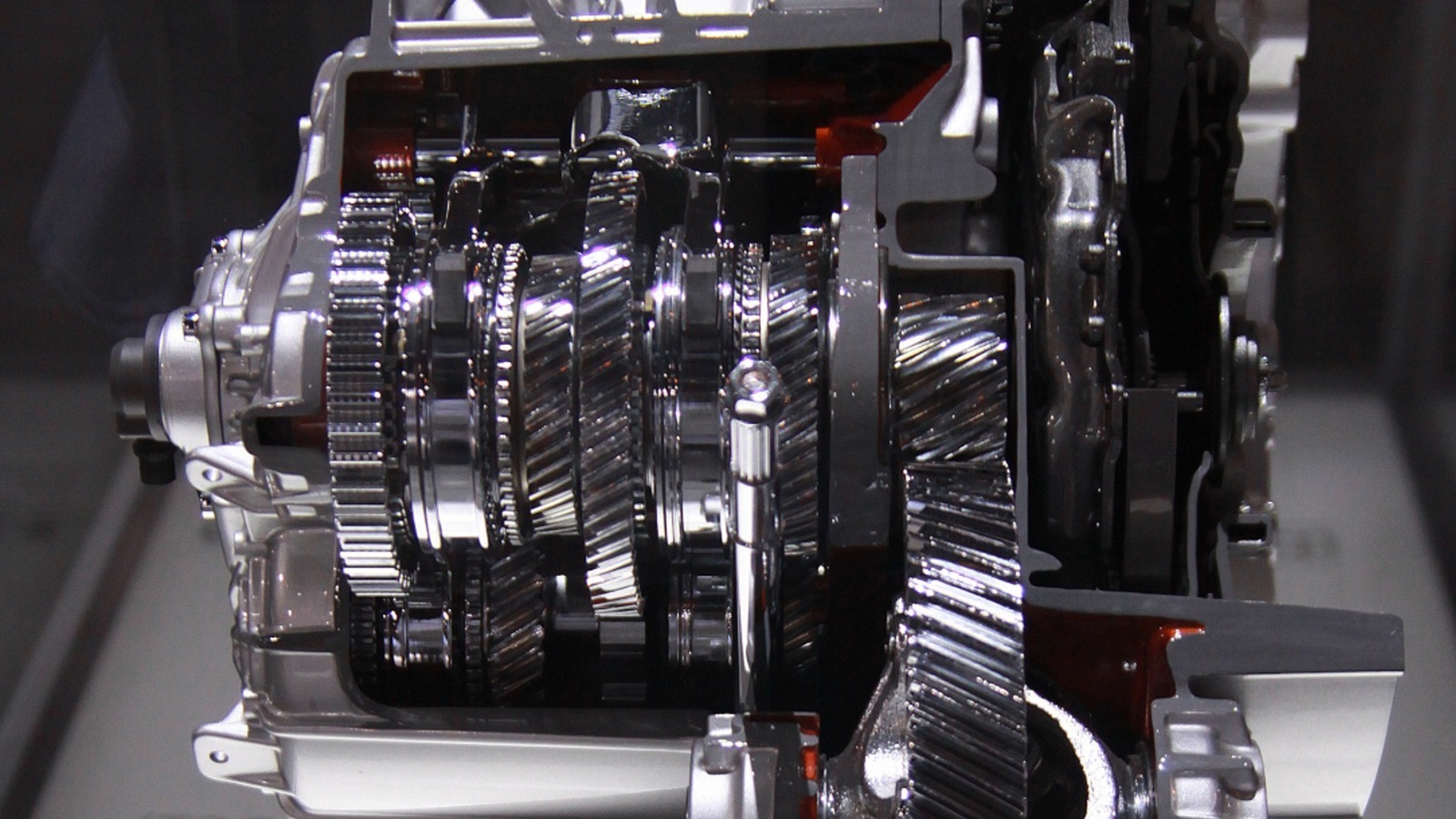
6. Dual-Clutch and CVT Transmissions
Modern transmission systems are designed to make driving smoother while improving fuel economy, but that extra technology can create concerns as mileage increases.
Dual-clutch and continuously variable transmissions are good examples. They can work well when new, yet repairs may become expensive once the vehicle reaches mileage beyond the factory warranty period.
A dual-clutch transmission uses two clutch packs to manage gear changes quickly. This setup removes the need for a traditional torque converter, but it also contains additional components that can wear out.
As the vehicle ages, drivers may notice shaking, hesitation, or rough movement, especially when pulling away slowly or driving through traffic. CVT transmissions use belts and pulleys instead of traditional fixed gears.
Their design allows the engine to maintain an efficient operating range, which can help reduce fuel consumption. However, worn internal parts may produce slipping, delayed acceleration, or a rubber-band sensation when pressing the gas pedal. Electronic faults can also cause warning lights or unusual driving behavior.
Both systems can remain dependable during their early years, which often matches the period covered by a factory warranty. Trouble may appear later, leaving owners with repair bills that can take a large portion of the vehicle’s value.
Regular maintenance is therefore important. Following the manufacturer’s fluid service recommendations and using the correct transmission fluid can help reduce wear and give these systems a better chance of lasting longer without costly repairs.
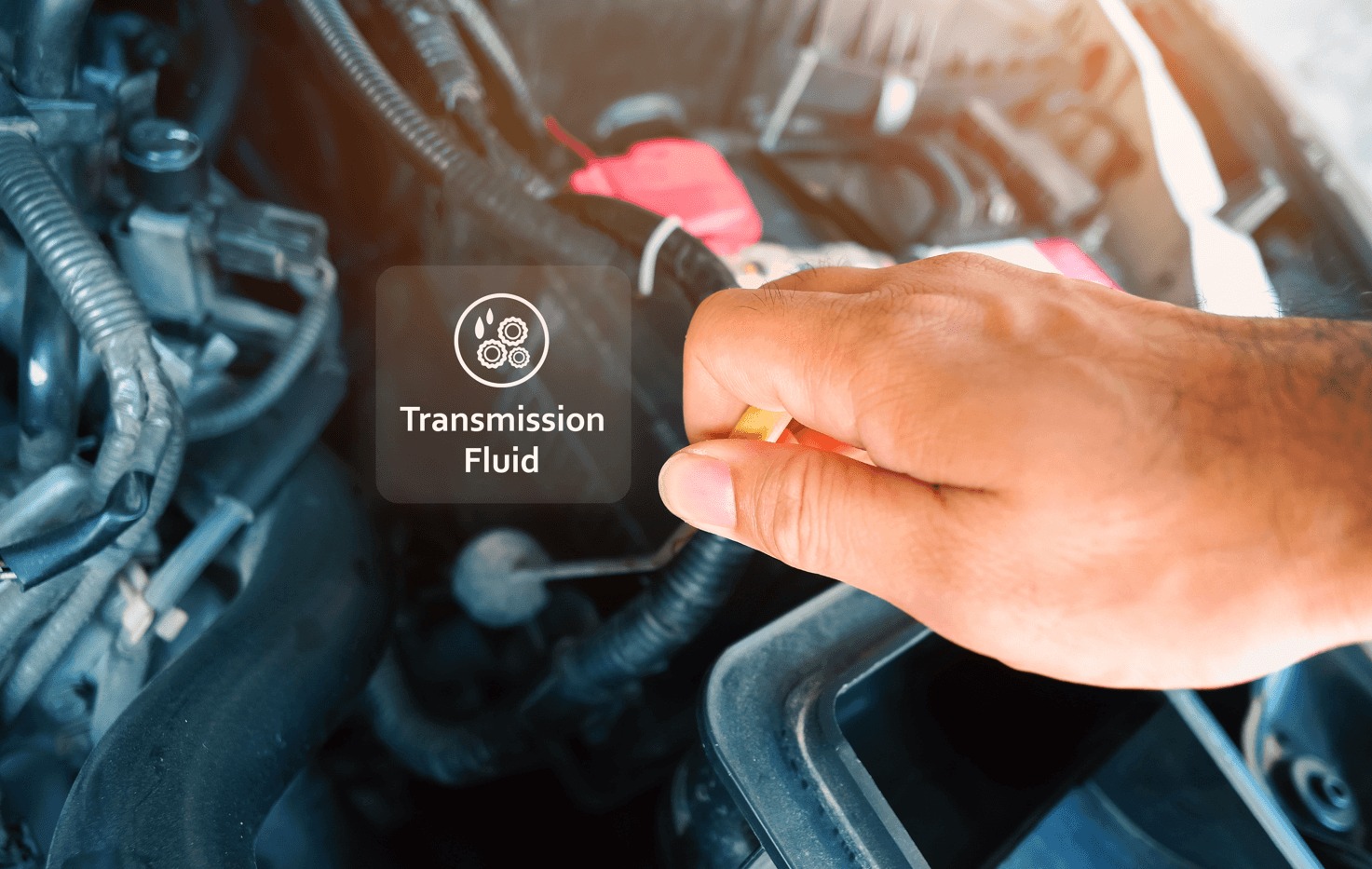
7. Transmission Fluid
It sounds almost too simple, but neglected transmission fluid causes more expensive problems than most drivers ever expect. This fluid does more than just lubricate; it also cools internal components and helps maintain proper hydraulic pressure needed for smooth shifting throughout the transmission’s operation.
Fluid breaks down chemically as it ages and accumulates heat cycles from normal driving. Additives that once protected metal surfaces and maintained proper friction characteristics gradually lose effectiveness.
Small metal particles from normal wear also accumulate within the fluid as time goes on, turning what started as a clean, protective lubricant into something considerably less effective at doing its job.
Many manufacturers extended service intervals for transmission fluid over recent years, sometimes advertising units as requiring lifetime fluid with no scheduled changes at all.
That marketing language has led plenty of owners to skip fluid service entirely, unaware that real-world driving conditions often warrant more frequent attention than optimistic factory recommendations suggest.
Once degraded fluid starts contributing to internal wear, the damage isn’t something a fresh fluid change alone can reverse. Symptoms like delayed engagement, rough shifting, or unusual noises during gear changes often indicate that wear has already progressed beyond simple maintenance.
Staying proactive with fluid changes, particularly once your vehicle passes the warranty mark, remains one of the most cost-effective ways to protect an expensive transmission from premature failure.
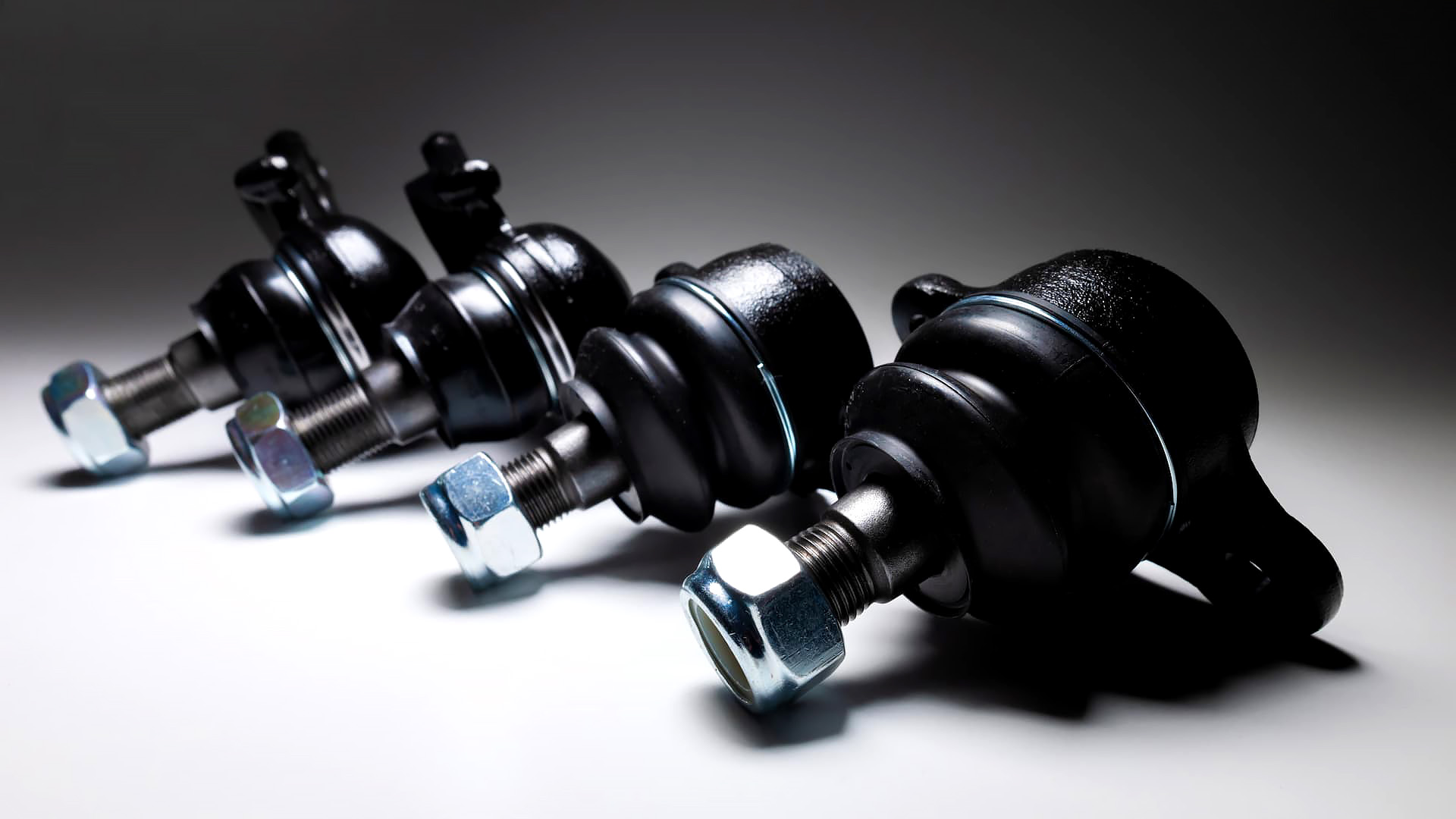
8. Suspension Bushings and Ball Joints
Every bump, pothole, and rough patch of pavement takes a small toll on your suspension system, and the rubber components holding everything together absorb much of that punishment.
Bushings and ball joints work quietly in the background, allowing suspension components to move and flex while keeping everything properly aligned during normal driving.
Rubber, by its nature, degrades with age and exposure to the elements. Heat, cold, road salt, and constant flexing all contribute to gradual deterioration.
What starts as slightly softened rubber eventually becomes cracked, torn, or completely worn through, allowing excessive movement in joints that were designed to stay tightly controlled.
That excessive movement translates directly into symptoms drivers actually notice. Knocking or clunking sounds over bumps often indicate worn bushings or ball joints working themselves loose.
Handling can start feeling vague or imprecise, particularly during cornering, as suspension components no longer hold their intended geometry. Tires often wear unevenly too, since proper alignment depends heavily on suspension components staying within their designed range of motion.
These parts rarely fail all at once, which is actually part of the problem. Gradual wear can be easy to dismiss as normal aging rather than a developing issue requiring attention.
Regular suspension inspections during routine service visits can catch deteriorating bushings and ball joints before they progress into bigger alignment problems, uneven tire wear, or more serious handling concerns down the road.
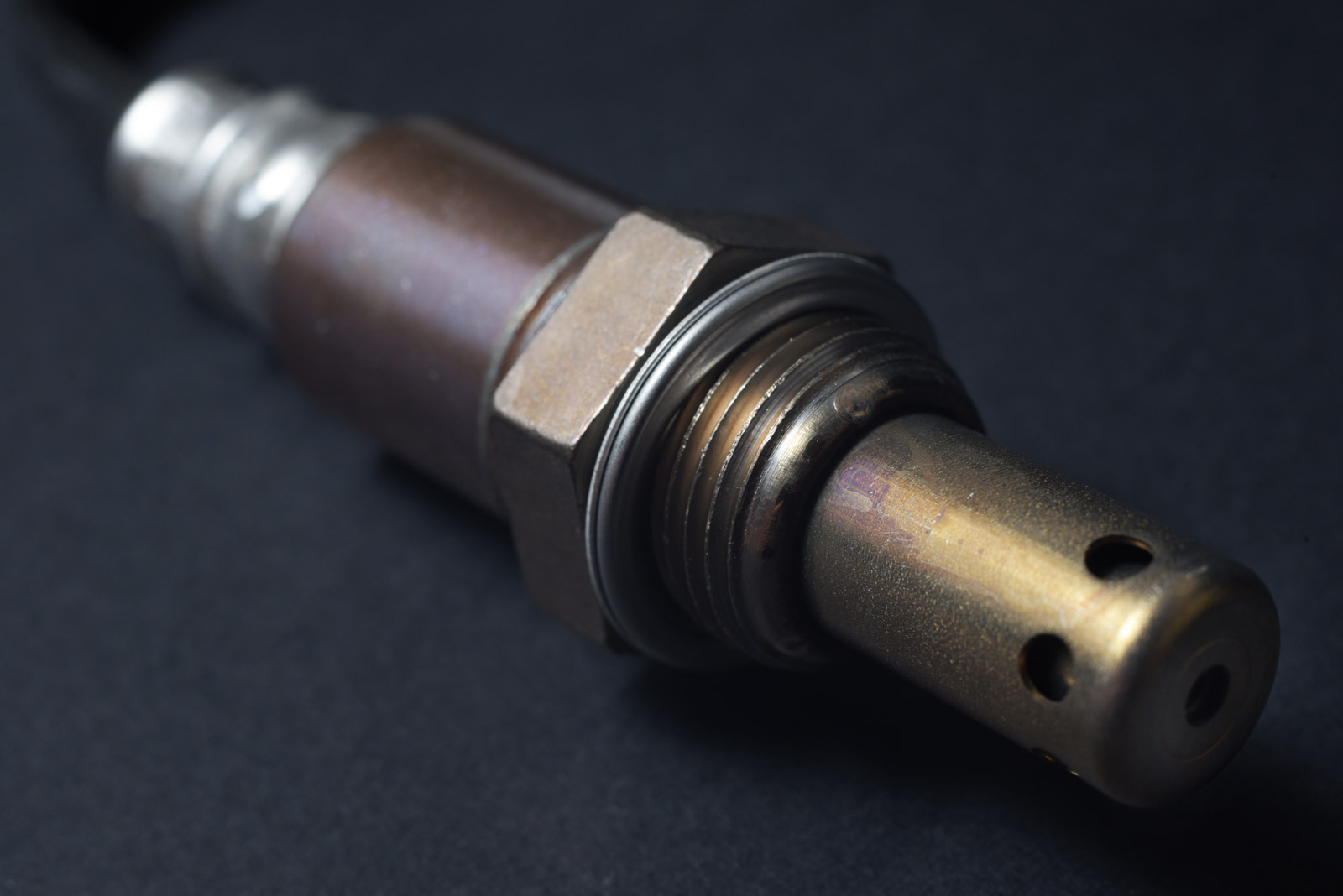
9. Oxygen (O2) Sensors
Oxygen sensors sit inside the exhaust system and constantly monitor the gases leaving the engine. They send this information to the engine computer, which uses it to adjust the fuel mixture for proper combustion. Because of their location, these sensors operate under harsh conditions every time the engine is running.
High exhaust temperatures are one of the main challenges they face. Carbon deposits and other combustion residues can also build up on the sensor, making it harder to measure oxygen levels accurately.
As the sensor becomes less reliable, the engine computer receives incorrect information and may struggle to maintain the right fuel mixture. A failing oxygen sensor will often cause the check engine light to come on.
Drivers may also notice poorer fuel economy, rough idling, hesitation, or reduced engine performance. In some cases, the vehicle may fail an emissions test because the sensor is no longer providing accurate readings.
Although replacing an oxygen sensor is usually less expensive than repairing major engine components, ignoring the warning can become costly. An incorrect fuel mixture can place extra strain on the catalytic converter and may eventually damage it.
When the check engine light appears, getting the vehicle properly diagnosed is a better choice than waiting for the warning to disappear on its own.
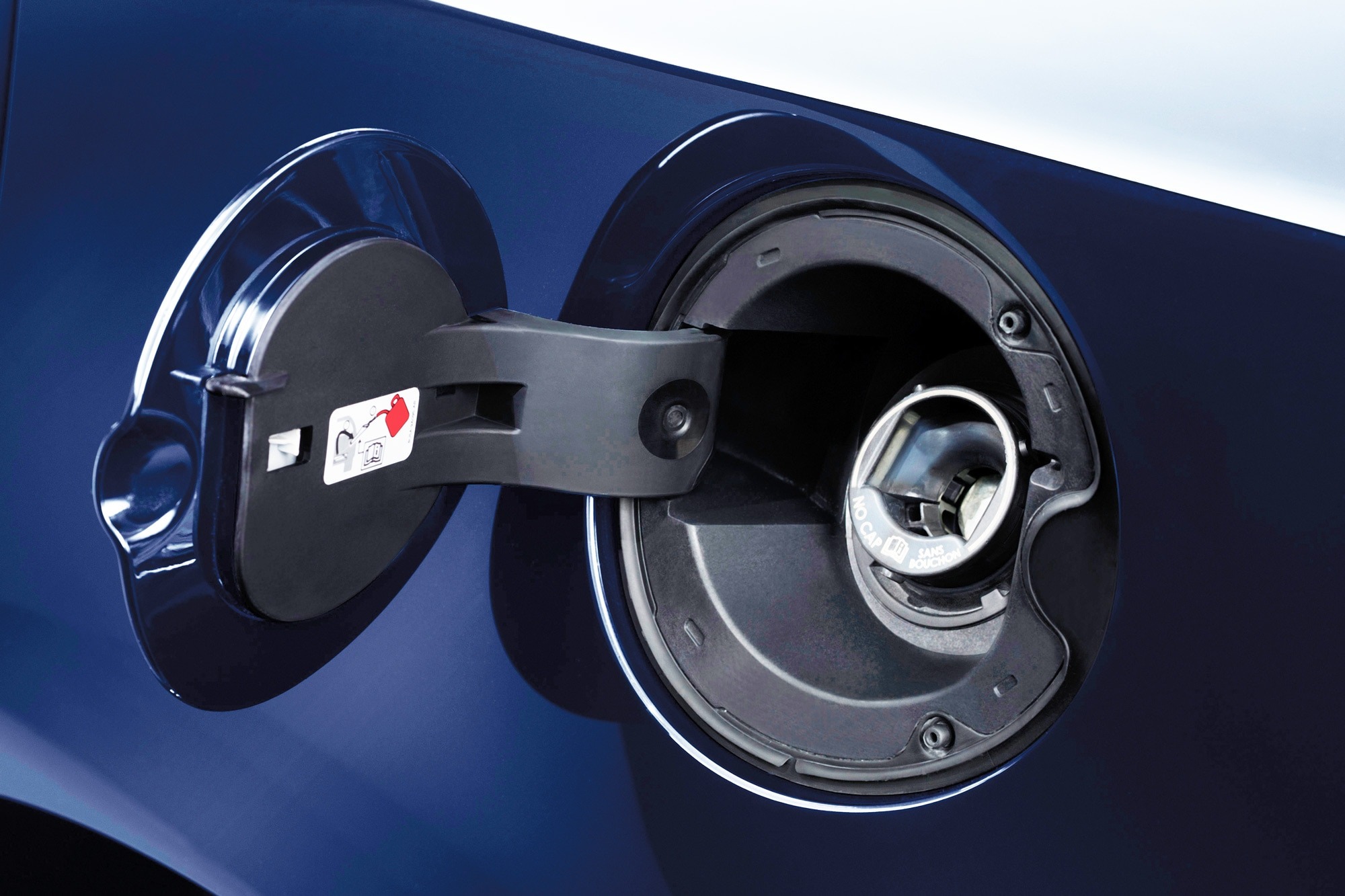
10. Capless Fuel Filler Seals
Capless fuel filler systems were introduced to make refueling easier by removing the need to unscrew and replace a traditional fuel cap. While this design is convenient, it depends on internal rubber seals to keep the fuel system properly closed. These seals can wear out with age and repeated use.
Every time you refuel, the filler mechanism opens and closes around the nozzle. The seal is also exposed to fuel vapors, heat, rain, dirt, and changing weather conditions. After years of this treatment, the rubber can become hard, cracked, or less flexible, making it difficult to maintain a proper seal.
When the seal starts leaking, fuel vapors may escape from the system. The vehicle’s evaporative emissions system, commonly called EVAP, is designed to detect this type of leak. As a result, a damaged filler seal can trigger a warning code and turn on the check engine light.
For many drivers, seeing that warning can immediately cause concern about a major engine problem. However, the actual issue may be a small and inexpensive seal that needs replacement.
Rather than replacing parts based on guesswork, having the vehicle properly scanned can identify the source of the fault. A correct diagnosis can save money, reduce unnecessary stress, and prevent owners from paying for repairs that are unrelated to the actual problem.