

A transmission rarely fails because of one bad day behind the wheel. More often, small habits, skipped maintenance, and poor driving choices gradually put extra strain on parts that are expensive to replace.
The good news is that many transmission problems can be prevented. Whether your vehicle uses a traditional automatic, manual gearbox, continuously variable transmission, or dual-clutch system, the way you drive and maintain it matters.
Some mistakes are easy to overlook because the car may continue running normally for months or years. That does not mean the transmission is escaping damage. From ignoring fluid problems to towing beyond the vehicle’s limits, these habits can shorten transmission life and turn a manageable maintenance issue into a costly repair.
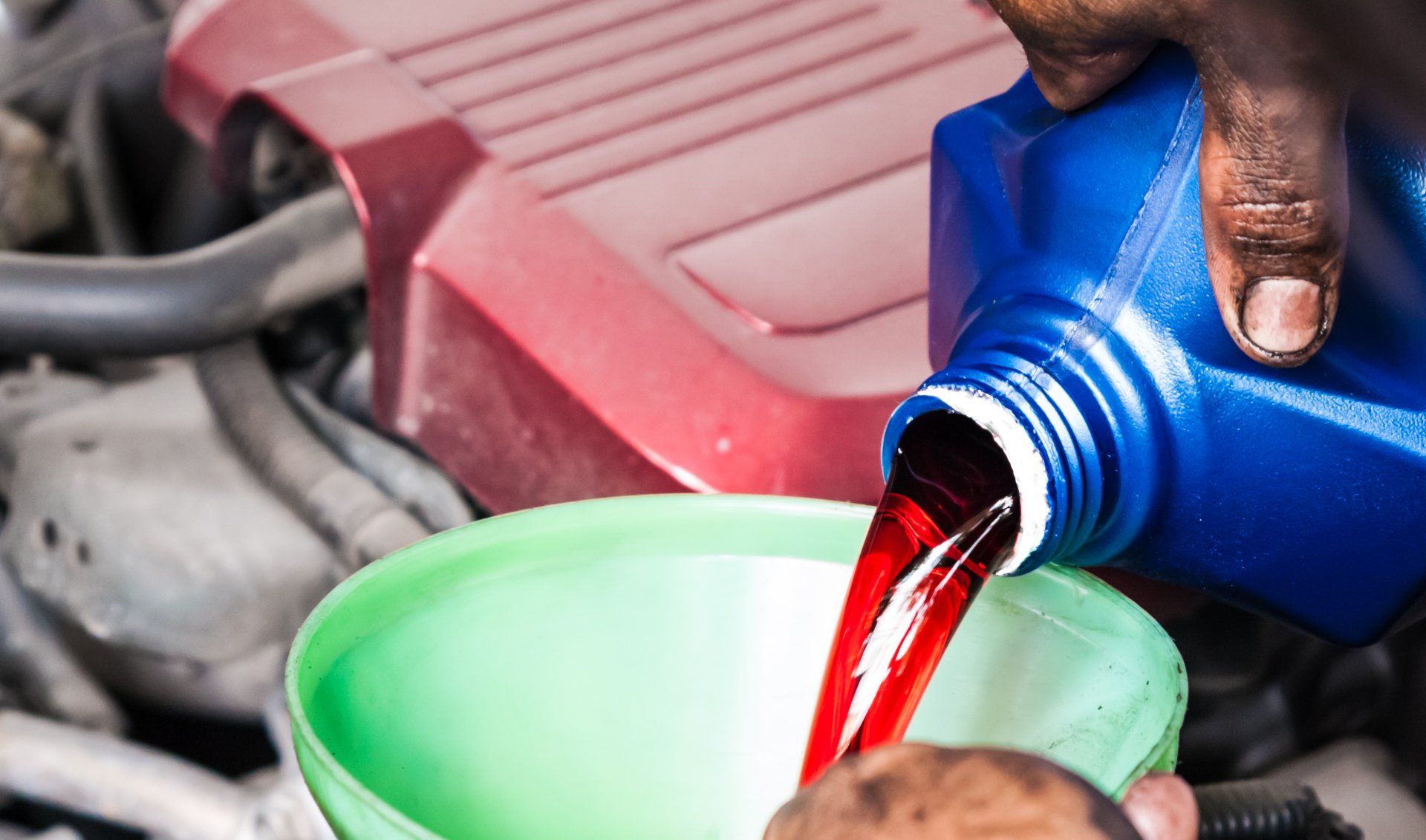
1. Neglecting Transmission Fluid Maintenance
Transmission fluid does far more than most drivers give it credit for. It lubricates moving parts, cools internal components, and creates the hydraulic pressure needed for gears to engage smoothly. Skip regular checks, and this fluid slowly degrades, losing its ability to protect the parts it was designed to serve.
Old fluid picks up metal particles and heat damage, turning from a protective layer into something closer to sandpaper circulating through sensitive components.
A slow leak is often the quiet culprit behind a transmission’s demise. Drivers frequently miss small drips on the driveway or a slight decline in fluid level, assuming everything is fine because the car still drives normally.
By the time slipping gears or delayed shifting shows up, internal damage has usually already begun. Heat buildup accelerates this breakdown further, since fluid that’s low or degraded can’t properly cool the transmission, creating a cycle where friction increases, and fluid quality drops even faster.
Checking fluid levels and condition on a regular schedule, and replacing it according to manufacturer recommendations, remains one of the simplest and most effective ways to extend a transmission’s working life.
Fresh fluid keeps friction low, temperatures controlled, and gears shifting the way they’re supposed to. Ignoring this basic task is, without question, one of the fastest routes to an expensive repair bill down the road.

2. Rough or Abrupt Gear Shifting
A transmission can handle normal acceleration, braking, and gear changes without drama. Problems arise when the driver repeatedly treats every shift like a race launch.
One common mistake is moving the selector from Drive to Reverse before the vehicle has completely stopped. Even when the car seems capable of handling the maneuver, the transmission is being asked to change operating direction while the vehicle is still moving. Repeating that behavior can place unnecessary stress on internal components.
Hard acceleration can create another source of strain. Flooring the accelerator frequently commands rapid gear changes and sends more torque through the drivetrain. Modern transmissions are designed to manage these forces, but repeated harsh treatment leaves less room for wear.
Manual transmissions have their own version of this problem. Dropping the clutch aggressively, forcing a gear, or making poorly timed shifts can place extra load on gears, synchronizers, and clutch components.
Smooth driving does not mean driving slowly. It means allowing the vehicle to complete one operation before demanding another. Come to a full stop before selecting Reverse or Drive, apply the accelerator progressively, and give the transmission time to make its intended changes.
Those simple habits reduce unnecessary shock and help preserve the drivetrain.
3. Ignoring Warning Signs
A transmission often provides clues before a major failure occurs. The trouble is that drivers sometimes dismiss those clues because the vehicle still moves.
A delayed engagement can be one warning. If there is an unusual pause after selecting Drive or Reverse, something deserves attention. Slipping is another concern, especially when engine speed rises without a matching increase in vehicle speed.
Then there are sounds. Whining, clunking, humming, or unusual noises during gear changes should not automatically be blamed on the engine or tires. A burning odor from the fluid is also worth investigating.
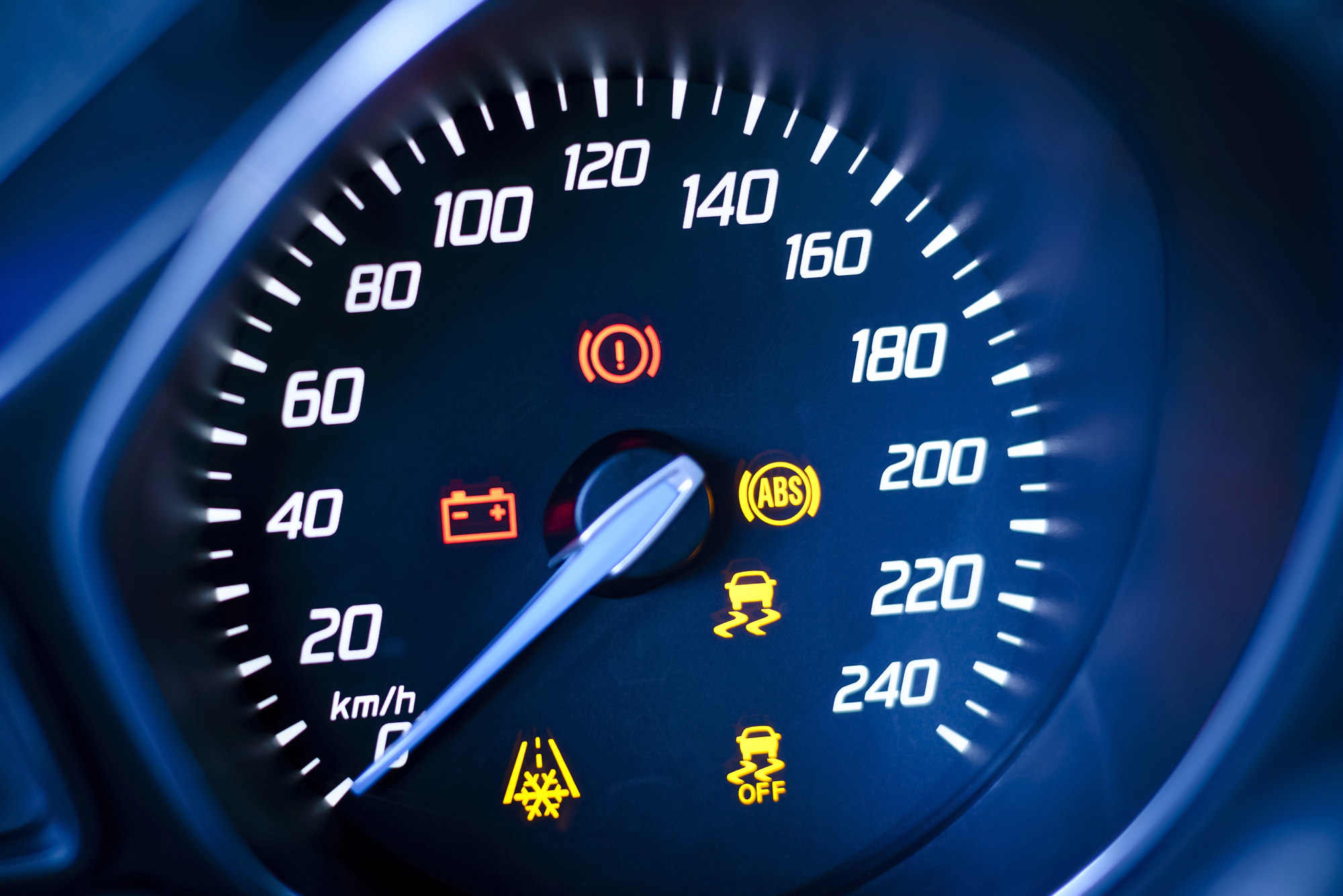
Dashboard warnings should receive the same attention. Modern vehicles monitor transmission operation with sensors and computer systems, so a warning light may appear when the system detects an abnormal condition.
Waiting rarely makes a transmission problem cheaper to repair. A minor leak might become low fluid. Low fluid can contribute to heat and internal wear. A small shifting problem may become a larger failure if damaged components continue operating.
Think of unusual behavior as an invitation to investigate rather than something to tolerate. Write down when the symptom occurs, such as during cold starts, acceleration, highway driving, or gear changes. That information can help a technician diagnose the problem.
Prompt attention may turn a repair into a manageable service instead of a transmission replacement.
4. Overheating due to Excessive Heat
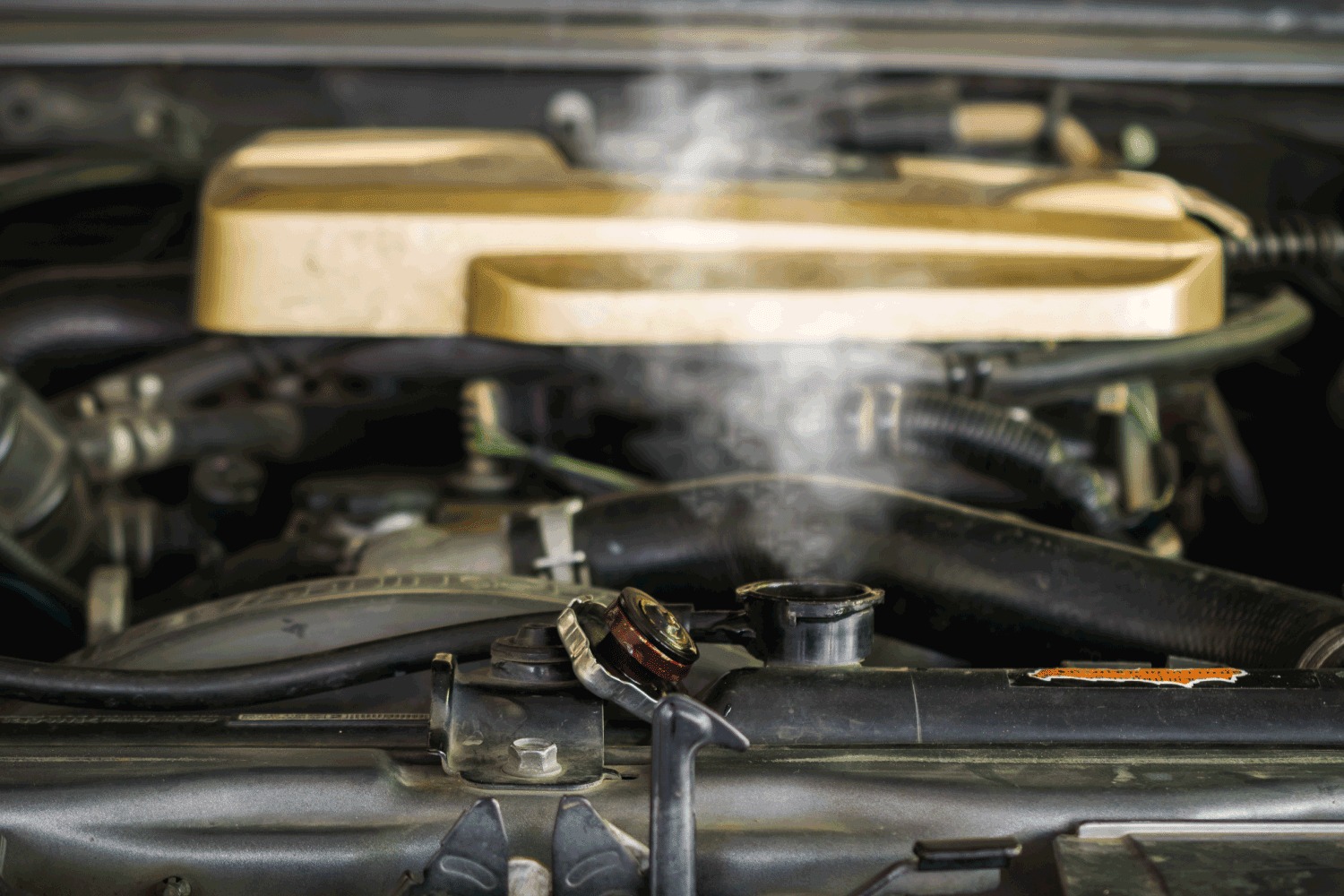
Heat is one of the most damaging forces a transmission faces, and it builds up faster than most drivers expect. Stop-and-go traffic, towing heavy loads, and climbing steep hills all place extra strain on the transmission, generating temperatures that break down fluid and wear out internal components far faster than normal driving conditions.
Picture a transmission working overtime during a slow crawl through rush hour traffic on a hot afternoon, engaging and disengaging repeatedly with barely any airflow to cool things down.
That constant low-speed strain, combined with high outside temperatures, creates a heat load that many transmissions simply weren’t designed to handle for extended periods.
Towing adds another layer entirely, since pulling extra weight forces the engine and transmission to work harder just to maintain normal speeds, generating heat that compounds quickly on long trips.
Fluid breakdown accelerates dramatically once temperatures climb past a certain threshold, losing its lubricating properties and leaving metal components grinding against each other with far less protection than they need.
This creates a cycle where heat causes fluid degradation, and degraded fluid causes even more heat, compounding the damage the longer it continues unaddressed.
Drivers who frequently tow, climb mountain roads, or spend long periods in heavy traffic should pay particular attention to their transmission’s cooling system and fluid condition.
Auxiliary transmission coolers can help manage this heat load in vehicles regularly exposed to these demanding conditions, offering a layer of protection that stock cooling systems sometimes struggle to provide on their own.
5. Low or Overfilled Transmission Fluid
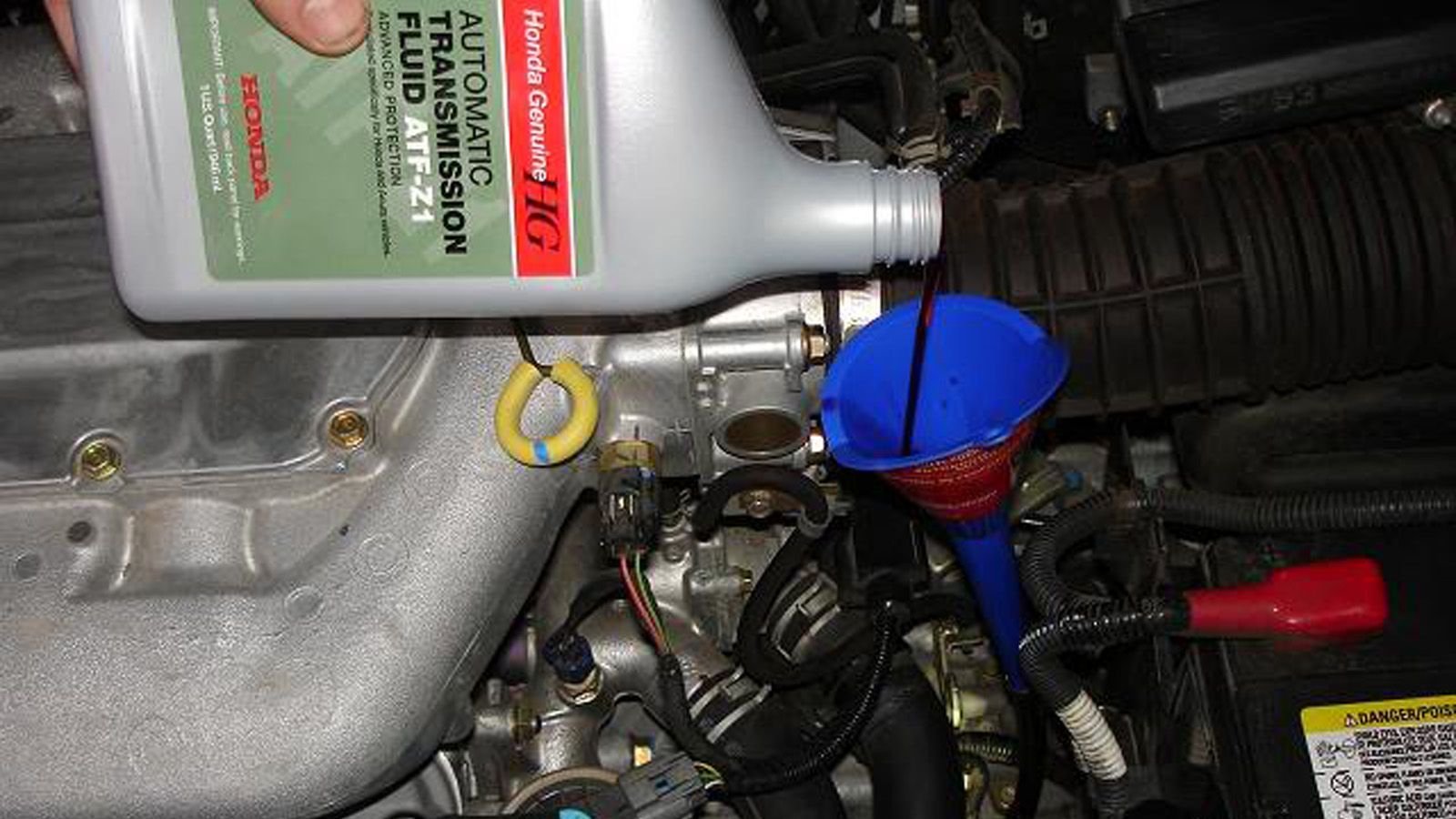
Getting fluid levels wrong in either direction creates real problems, and it’s a mistake that happens more often than people assume. Too little fluid means there isn’t enough lubrication or hydraulic pressure to operate the transmission correctly, leading to slipping gears and inconsistent shifting almost immediately.
Too much fluid, on the other hand, can cause foaming and aeration inside the transmission, which interferes with hydraulic pressure just as badly as running low.
Both scenarios compromise the transmission’s ability to function the way it was engineered to, and both accelerate internal wear considerably faster than normal operation would.
A transmission running low on fluid has to work harder to maintain proper pressure, generating additional friction and heat in the process. An overfilled transmission churns fluid into foam as internal components move through it, reducing lubrication effectiveness even though there’s technically plenty of fluid present.
This is why checking fluid with the correct procedure matters so much, whether that means checking with the engine running, at operating temperature, or with the vehicle level, depending on the specific make and model.
Guessing, or filling fluid based on assumption rather than manufacturer specifications, often does more harm than skipping the check altogether. Getting fluid levels checked professionally, particularly after any fluid service, protects against both extremes.
It’s a small detail that carries outsized consequences, and getting it right the first time saves drivers from chasing shifting problems that stem from something as simple as an incorrect fluid level.
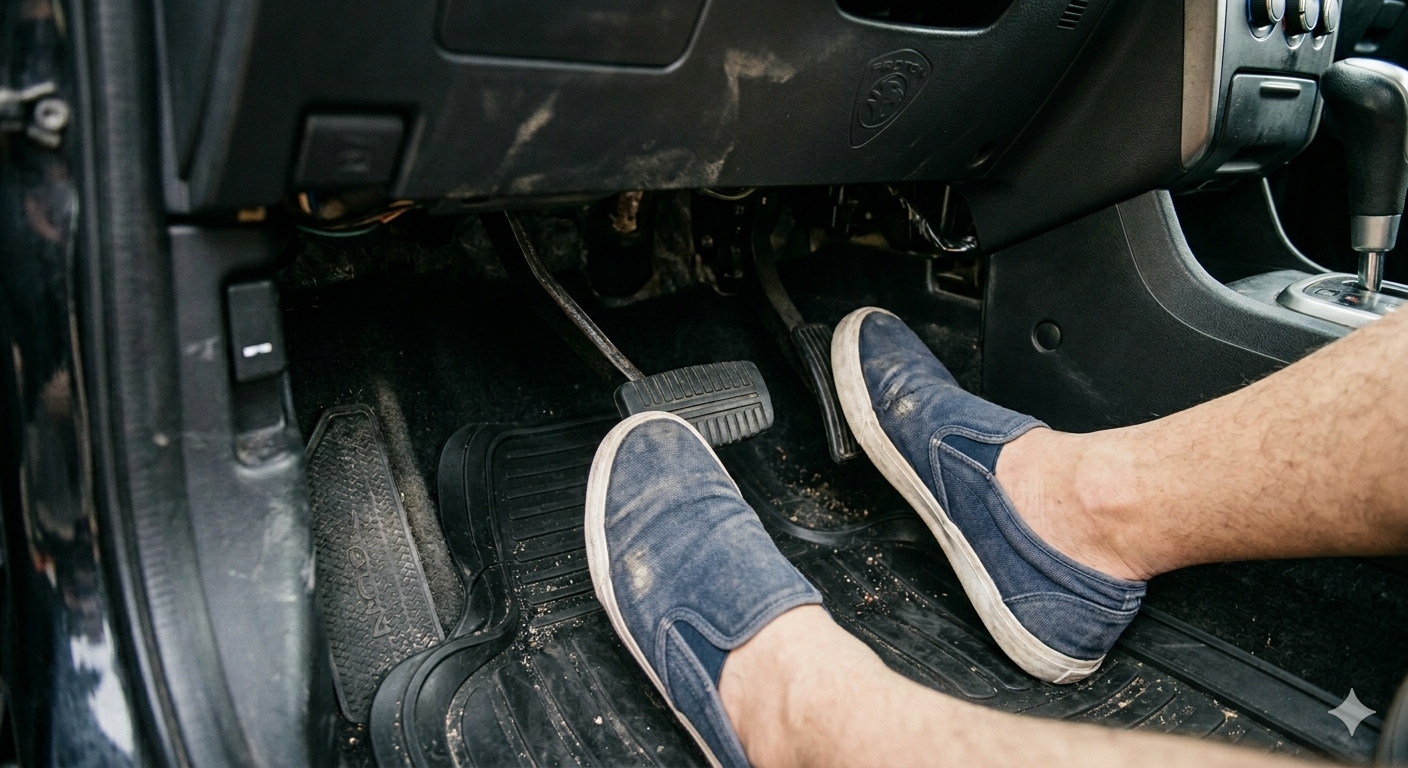
6. Riding the Brakes or Improper Downshifting
Long descents test a transmission and a driver’s habits at the same time. Riding the brakes continuously down a steep hill might feel like the safer choice, but it transfers enormous heat and stress onto brake components while missing an opportunity to let the transmission share that workload through proper downshifting.
Downshifting allows engine braking to slow the vehicle naturally, reducing the burden placed on the brakes while also keeping the transmission working within a controlled, predictable range.
Skipping this step and relying entirely on brake pressure for extended downhill stretches often leads drivers to eventually downshift anyway, but suddenly and at a higher speed than ideal, which creates a jarring shock to the transmission rather than a smooth transition.
This habit tends to show up most among drivers unfamiliar with mountain roads or steep grades, where the instinct is to brake continuously rather than trust the transmission to help manage speed.
Over repeated trips, that instinct creates unnecessary heat buildup and strain, particularly in vehicles towing trailers or carrying heavy loads, where the extra weight amplifies the consequences of improper downshifting even further.
Learning to downshift smoothly before a descent begins, rather than reactively partway down, keeps both the brakes and transmission working within safer limits.
It’s a technique worth practicing on smaller hills before attempting it on longer, steeper drives, and it pays off considerably in reduced wear over years of driving through hilly or mountainous terrain.
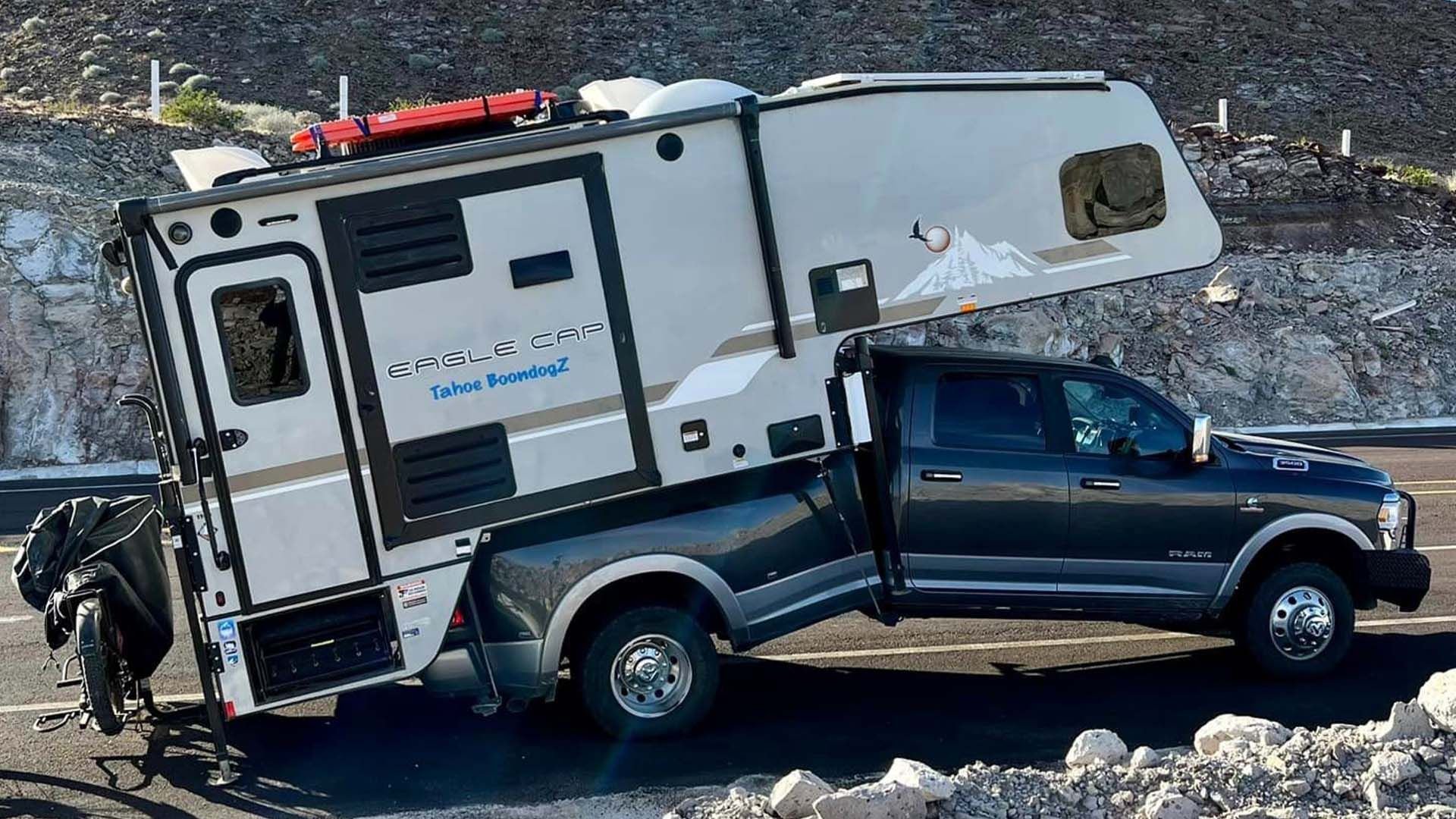
7. Overloading or Towing Beyond Capacity
Every vehicle has a towing and cargo capacity for a reason, and pushing past those numbers puts direct strain on the transmission every single time. Carrying more weight than a vehicle was designed for forces the transmission to work harder to move that load, generating excess heat and placing additional pressure on bands and clutches that were engineered around specific weight limits.
Drivers sometimes underestimate how quickly cargo weight adds up, whether it’s a truck bed loaded past its rating or a trailer that exceeds the vehicle’s towing capacity by a wide margin.
That extra weight doesn’t just make acceleration feel sluggish; it forces the transmission to shift more frequently and hold gears longer under load, both of which generate heat and wear that a properly loaded vehicle wouldn’t experience nearly as severely.
Bands and clutches inside the transmission bear much of this burden, and repeated exposure to loads beyond rated capacity accelerates their wear considerably.
What might seem like an occasional exception, hauling a slightly heavier trailer for one trip, becomes a real problem when it happens regularly without the vehicle or transmission being built to handle it.
Checking towing and payload capacity before loading up, and considering a transmission cooler for vehicles regularly used near their upper limits, goes a long way toward protecting internal components.
Respecting these limits isn’t about being overly cautious; it’s about giving the transmission a fighting chance to last as long as it’s designed to.

8. Flat Towing Without Proper Circulation
Flat towing may seem simple at first. You hook up one vehicle behind another and pull it down the road with all four wheels on the ground. The complication comes when the towed vehicle’s engine remains off, as many automatic transmissions depend on the running engine to circulate fluid properly throughout the system.
Without that circulation, internal components can end up operating essentially dry, spinning without adequate lubrication even though the vehicle isn’t under its own power.
This creates friction and heat buildup exactly where a transmission needs protection the most, and the damage often isn’t obvious until the vehicle is driven normally again and shifting problems appear.
Not every vehicle is even rated for flat towing in the first place, and checking the owner’s manual before attempting it matters more than many drivers realize.
Some vehicles require a lubrication pump or specific towing equipment designed to keep fluid circulating during the process, while others simply shouldn’t be flat towed at all without risking exactly this kind of internal damage.
RV owners and anyone regularly towing a secondary vehicle should confirm the correct towing method for their specific transmission type before hitting the road.
A quick check beforehand costs nothing, while skipping that step and towing incorrectly can lead to transmission damage that shows up hundreds of miles later, far from home and far from an easy fix.

9. Resting Your Hand on the Gear Lever
For manual-transmission drivers, resting a hand on the gear lever can feel completely harmless. After all, the pressure may seem too light to matter.
The shifter, however, connects to mechanisms that control gear selection. Depending on the vehicle’s design, keeping pressure against the lever while driving can place unnecessary force on components involved in selecting and holding gears.
That does not mean a brief touch will damage anything. The concern is making the habit constant, especially when the driver presses against the lever while accelerating, cornering, or traveling over rough pavement.
There is another benefit to keeping both hands available for steering whenever appropriate. A gear lever should be used when changing gears, then released rather than treated as a handrest.
Manual transmissions vary considerably in design, so the exact effect of resting pressure depends on the vehicle. Still, avoiding unnecessary force is a sensible habit.
Drivers can also pay attention to how the transmission feels during normal shifts. Resistance, grinding, difficulty selecting a gear, or unusual movement from the lever may indicate a problem that deserves inspection.
The simple fix costs nothing. Use the shifter when you need to change gears, then keep your hand elsewhere. Small habits rarely seem important in the moment, but they can make a meaningful difference over time.
Yet mechanical systems respond to repeated forces, even when those forces feel minor to the person behind the wheel.
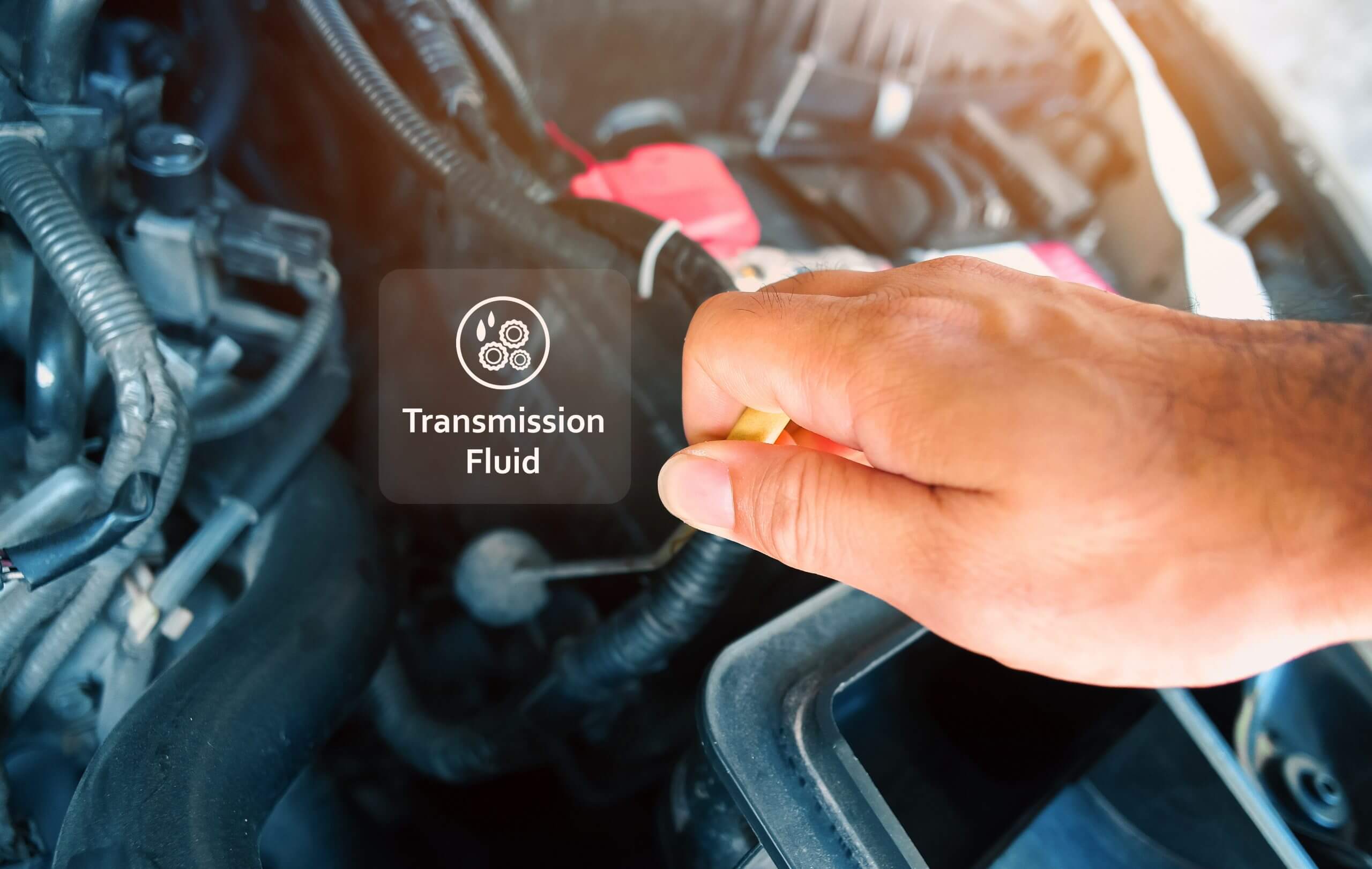
10. Using the Wrong Transmission Fluid or Additives
Transmission fluid is engineered for a particular system. Two fluids may look similar and still have very different properties, which is why choosing one by appearance, price, or general description is risky.
A transmission depends on fluid characteristics that match its internal components and hydraulic controls. Using an incompatible product can affect shifting, lubrication, seals, and other parts.
Additives deserve similar caution. The market contains products that promise smoother shifts, leak reduction, cleaning, or longer transmission life. Some may have legitimate applications, but that does not mean they belong in every transmission.
Modern transmissions can be especially sensitive to fluid specifications. Continuously variable transmissions, dual-clutch units, and many newer automatic transmissions use fluids designed for their particular operating requirements.
The owner’s manual should be the first reference when selecting fluid. If the manufacturer specifies a particular standard or product, follow it. There is little value in taking chances with a component that can cost thousands of dollars to replace.
If a transmission is already shifting poorly, adding an aftermarket product should not replace proper diagnosis. The symptom may come from a fluid leak, worn component, electrical problem, or another mechanical issue.
A technician can identify the required fluid and determine whether the existing fluid should be replaced. Correct fluid matters because the transmission was designed around it. Saving a small amount on an unsuitable product can create a much larger expense later.

11. Skipping Warm-Up in Cold Weather
Cold mornings tempt drivers to hop in and take off immediately, especially when running late or eager to get moving. Transmission fluid, however, behaves very differently when cold compared to when it’s reached proper operating temperature.
Cold fluid is noticeably thicker, meaning it doesn’t circulate through the transmission’s internal components as easily or as quickly as warm fluid does.
Driving immediately after starting a cold engine forces metal components to operate before they’ve received adequate lubrication, essentially grinding against each other with a thinner protective layer than they’re designed to have.
Over repeated cold starts, particularly in regions with harsh winters, this habit contributes to gradual wear that adds up considerably faster than most drivers realize.
Giving a vehicle even a short period to warm up, allowing fluid to thin slightly and begin circulating properly before demanding full performance from the transmission, makes a real difference.
This doesn’t require sitting in the driveway for ten minutes; simply driving gently for the first several minutes, avoiding hard acceleration or aggressive shifting, allows the system to reach a safer operating temperature gradually rather than being shocked into full engagement while still cold.
Drivers in colder climates should pay particular attention to this habit, since the difference between cold and warm fluid viscosity is far more pronounced in freezing temperatures.
A few minutes of patience each morning protects internal components that would otherwise bear the brunt of operating without proper lubrication.

12. Aggressive Driving Habits
Rapid acceleration, sudden stops, and consistently high-speed driving might feel exciting behind the wheel, but they place a transmission under repeated stress that adds up faster than most drivers expect.
Every hard launch from a stoplight forces the transmission to handle a sudden surge of power, while every abrupt stop demands a rapid, forceful disengagement that wasn’t part of the system’s intended operating rhythm.
Heat spikes are one of the most immediate consequences of this driving style. Aggressive acceleration generates far more heat within the transmission than gradual, controlled acceleration does, and that heat accumulates rapidly during repeated hard launches throughout a single drive.
Fluid properties begin breaking down faster under these conditions, losing the lubricating and cooling qualities needed to protect internal components properly.
Gears themselves wear down faster under this kind of pressure as well, since aggressive driving repeatedly pushes them through rapid, forceful engagements rather than the smoother transitions they were designed around.
High-speed driving compounds this further, keeping the transmission working at elevated output for extended periods rather than allowing it to settle into a steady, less demanding rhythm.
None of this means driving has to be dull or overly cautious. It simply means recognizing that consistently aggressive habits, repeated day after day, place a cumulative burden on the transmission that eventually shows up as premature wear.
Moderating acceleration and braking, even slightly, extends the life of a transmission considerably while barely affecting how the vehicle feels to drive on a daily basis.
