
For drivers in states such as Minnesota and Massachusetts, winter road salt can be one of a vehicle’s biggest enemies. It may keep icy roads usable, but repeated exposure can eat away at unibody structures, brake lines, and exhaust components.
Vehicles with weak undercoating are particularly vulnerable, while models designed with galvanized steel, thorough seam sealing, and proper drainage have a much better chance of resisting corrosion. In the salt belt, that difference can determine whether an older car develops a little surface rust or becomes a serious corrosion problem.
Reliability and resistance to rust are two different qualities, but in areas where roads are heavily salted during winter, they often go hand in hand. A vehicle can have a dependable engine and transmission, yet serious corrosion underneath can eventually make it unsafe or too expensive to keep.
The vehicles below are ranked from strongest to weakest based on their reputation for long-term mechanical durability and their ability to withstand corrosion over many years and miles.
1. Toyota 4Runner
The 4Runner earns the number one spot because it blends rugged body-on-frame construction with Toyota’s reputation for long-lasting drivetrain performance. That formula has remained largely unchanged for more than a decade, giving the SUV plenty of time to build a strong reliability record.
In states such as Michigan and Wisconsin, many owners have reported their 4Runners reaching beyond 250,000 miles while still using their original engine and transmission. That kind of longevity is difficult to match among midsize SUVs.
Toyota has also put considerable attention into protecting the vehicle underneath. Thicker underbody coatings and improved frame sealing can help defend against moisture and road salt. Since the basic platform has remained consistent over the years, common problem areas have had time to be identified and addressed.
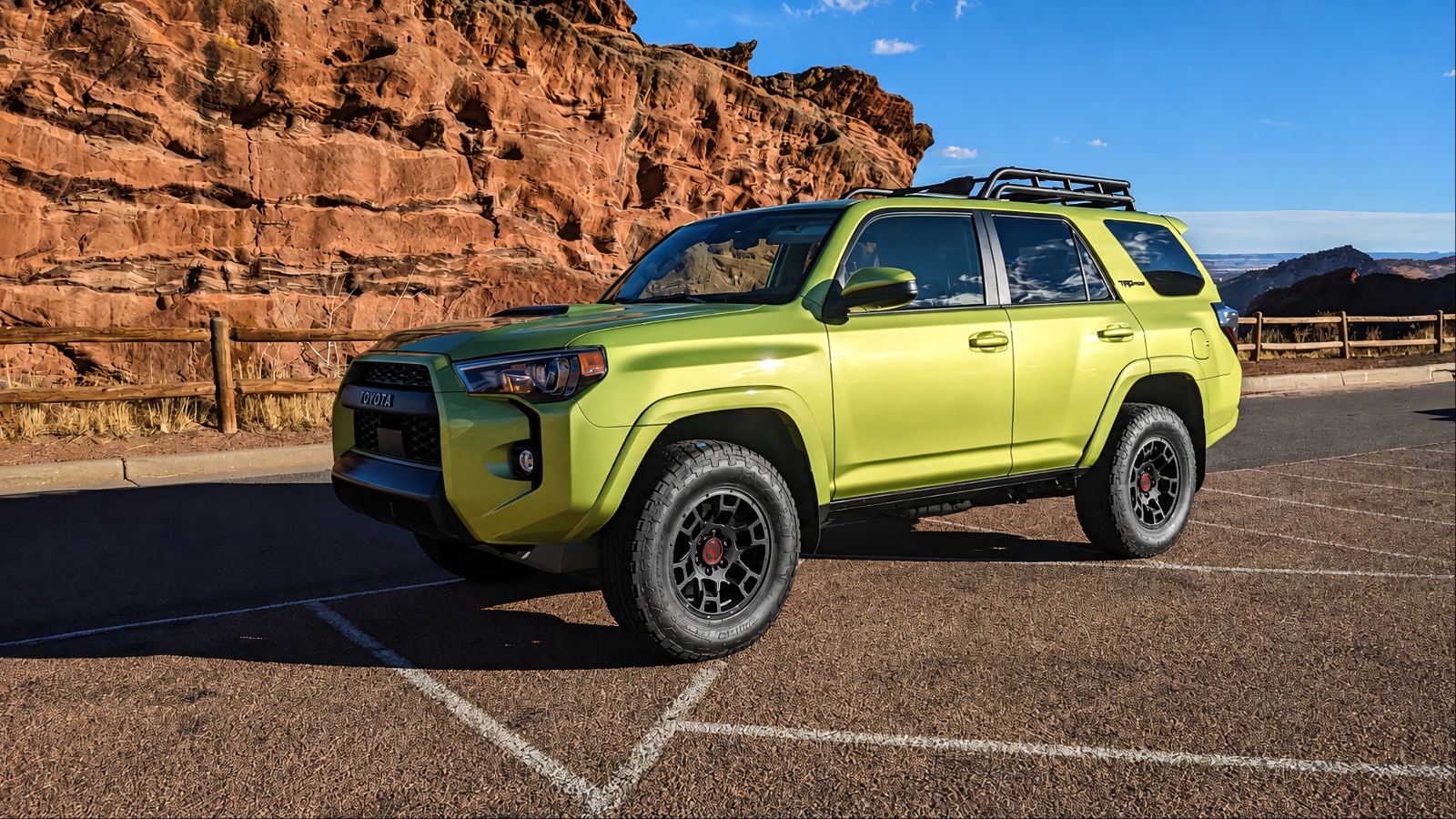
Instead of starting from scratch with every new generation, Toyota has been able to refine the proven design and improve its weak points. This combination of durability, proven engineering, and corrosion protection helps explain why the 4Runner has such a strong reputation in harsh winter climates.
Where rust does appear, it tends to be cosmetic rear wheel arches and rocker panel edges rather than structural, and even 15-to-20-year-old trucks in heavy salt regions are frequently reported as still structurally sound underneath. The naturally aspirated V6 is understressed by modern standards, which means fewer turbo or direct-injection complications to fail down the line.
Parts availability is excellent, independent mechanics know the platform inside and out, and resale values stay high specifically because buyers trust it to survive winters that kill lesser trucks. For anyone cross-shopping salt-belt durability against daily-driver comfort, the 4Runner remains the benchmark other body-on-frame SUVs get measured against, even as its interior tech falls behind newer rivals.
Its solid front axle and simple suspension geometry also mean fewer bushings and joints exposed to brine-soaked road spray compared with more complex independent setups, further reducing long-term wear-related repairs in the harshest climates.
2. Toyota Tacoma
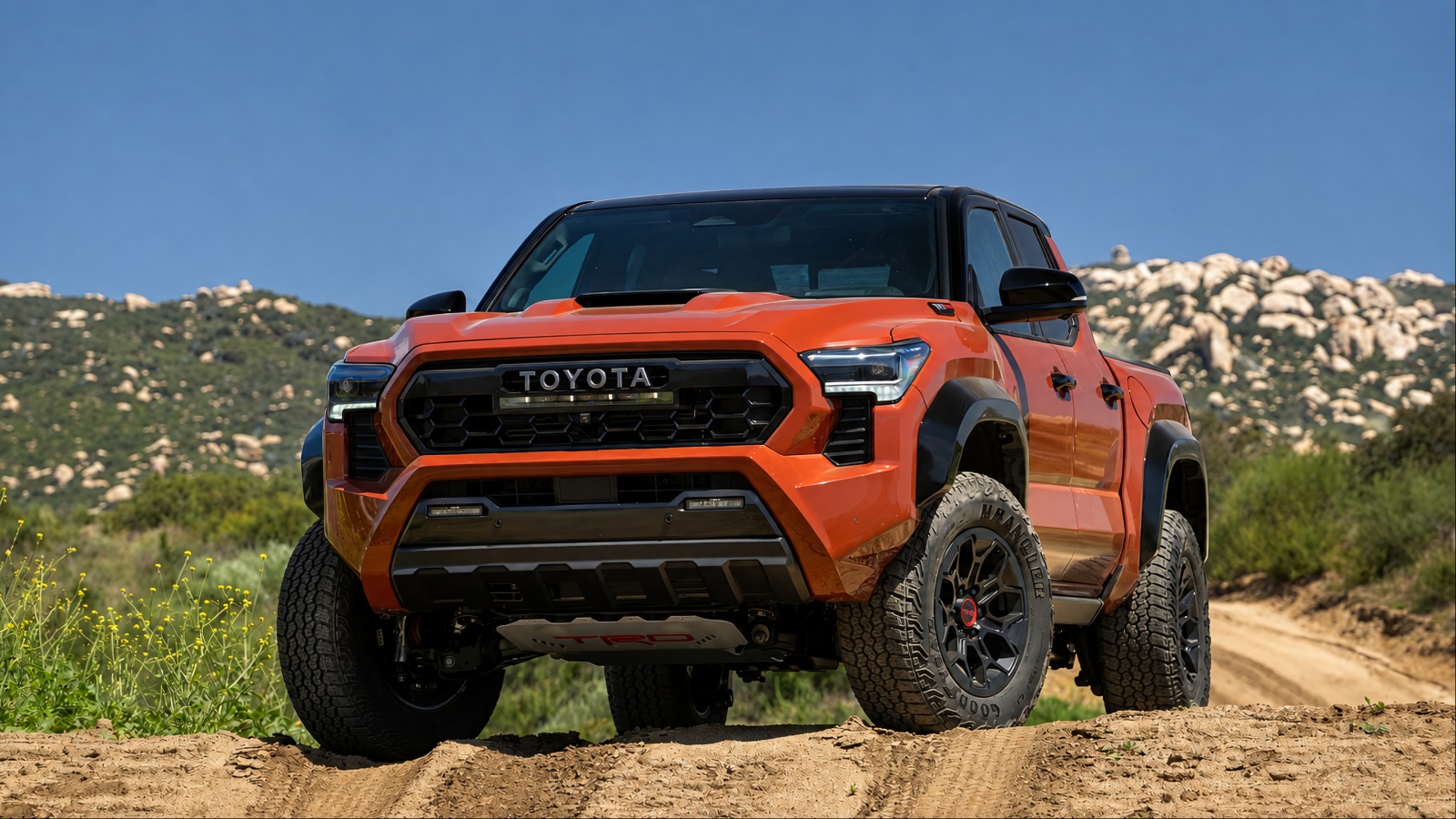
The Toyota Tacoma has earned a strong reputation for durability through years of use in harsh climates across North America. Contractors, rural drivers, and winter commuters have relied on it through heavy snow, freezing temperatures, mud, and heavily salted roads.
Toyota also improved the Tacoma’s corrosion protection after frame problems and recalls affected older models in the mid-2000s. Newer trucks feature improved factory coatings and added protection in vulnerable areas, including the frame rails and rear crossmembers. These updates provide better resistance against moisture and road salt, particularly in regions with severe winters.
The Tacoma’s mechanical reputation is also supported by durable engines, relatively simple electronics, and a proven drivetrain designed to withstand demanding use. Its straightforward maintenance requirements and accessible service points can help keep ownership costs manageable over time. The leaf-spring rear suspension also uses a simpler design than some competing setups.
Older Tacomas still require careful inspection, especially for frame and bed corrosion. Used buyers should pay close attention to trucks that may not have received proper corrosion treatment. The Tacoma remains a popular choice for long-term durability, with strong resale values and a large aftermarket dedicated to rust prevention and maintenance.
3. Lexus RX
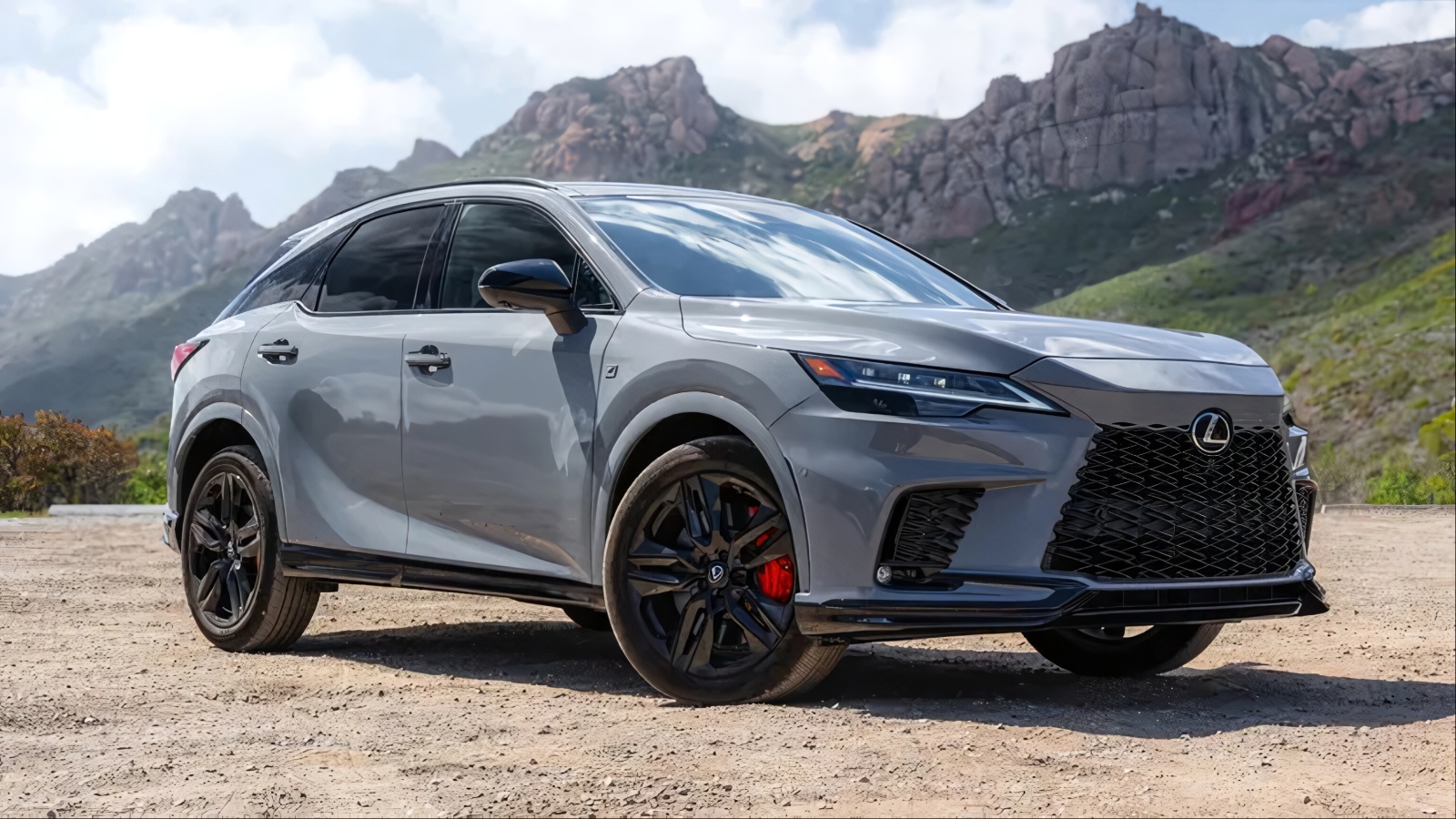
The RX benefits from being mechanically a Toyota underneath Lexus’s more premium finishing, which means it inherits the brand’s reputation for engines and transmissions that run past 200,000 miles without major intervention.
Lexus applies more thorough corrosion protection than the Toyota-badged versions of similar platforms, including additional wax-based cavity injection and higher-grade undercoating, a byproduct of positioning the brand for buyers who expect their vehicles to look presentable for a decade or more.
This shows up in fewer complaints about premature rust on rocker panels, wheel wells, and exhaust hangers compared to mainstream competitors in the same segment.
The RX’s electrical systems, while more complex than a base Toyota’s, have matured over multiple generations and avoid the failure-prone infotainment and sensor issues that plague some European luxury SUVs in cold, salty climates brake sensors and wiring harnesses exposed to road brine are a common failure point industry-wide, and Lexus’s more robust connector sealing reduces this risk.
The RX has a strong track record for requiring little unexpected maintenance beyond routine items such as tires and brakes. That reliability can make it a smart choice for owners who plan to keep their vehicle for many years. The main drawback is that maintaining an RX generally costs more than maintaining a comparable Toyota.
Replacement parts and labor can be more expensive, while the more sophisticated suspension and all-wheel-drive system may add to repair costs if road salt and moisture eventually cause problems with bushings, fasteners, or other components.
Even with those higher ownership costs, the RX remains an attractive option for drivers who want Toyota-level dependability in a more refined package.
Its comfortable ride and strong protection against corrosion give it an advantage in regions where winter roads are frequently treated with salt. For anyone looking for a luxury SUV that can handle years of cold weather and demanding conditions, the RX remains one of the stronger long-term choices.
4. Honda CR-V
The CR-V takes a different approach to salt-belt survival than the truck-based entries on this list; rather than leaning on heavy frame construction, Honda focuses on corrosion prevention through material treatment and body design improvements, including galvanized steel panels in vulnerable areas and revised drainage paths that keep water from pooling inside doors and rocker panels.
From a mechanical standpoint, the CR-V has earned its reputation with a straightforward, proven four-cylinder engine paired with a CVT. In newer generations, Honda has also refined the transmission to address many of the reliability concerns associated with earlier models.
Owners in the Rust Belt consistently report the CR-V holding up better than most compact crossovers, with structural rust remaining rare even past the 150,000-mile mark when the vehicle has been washed periodically through winter.
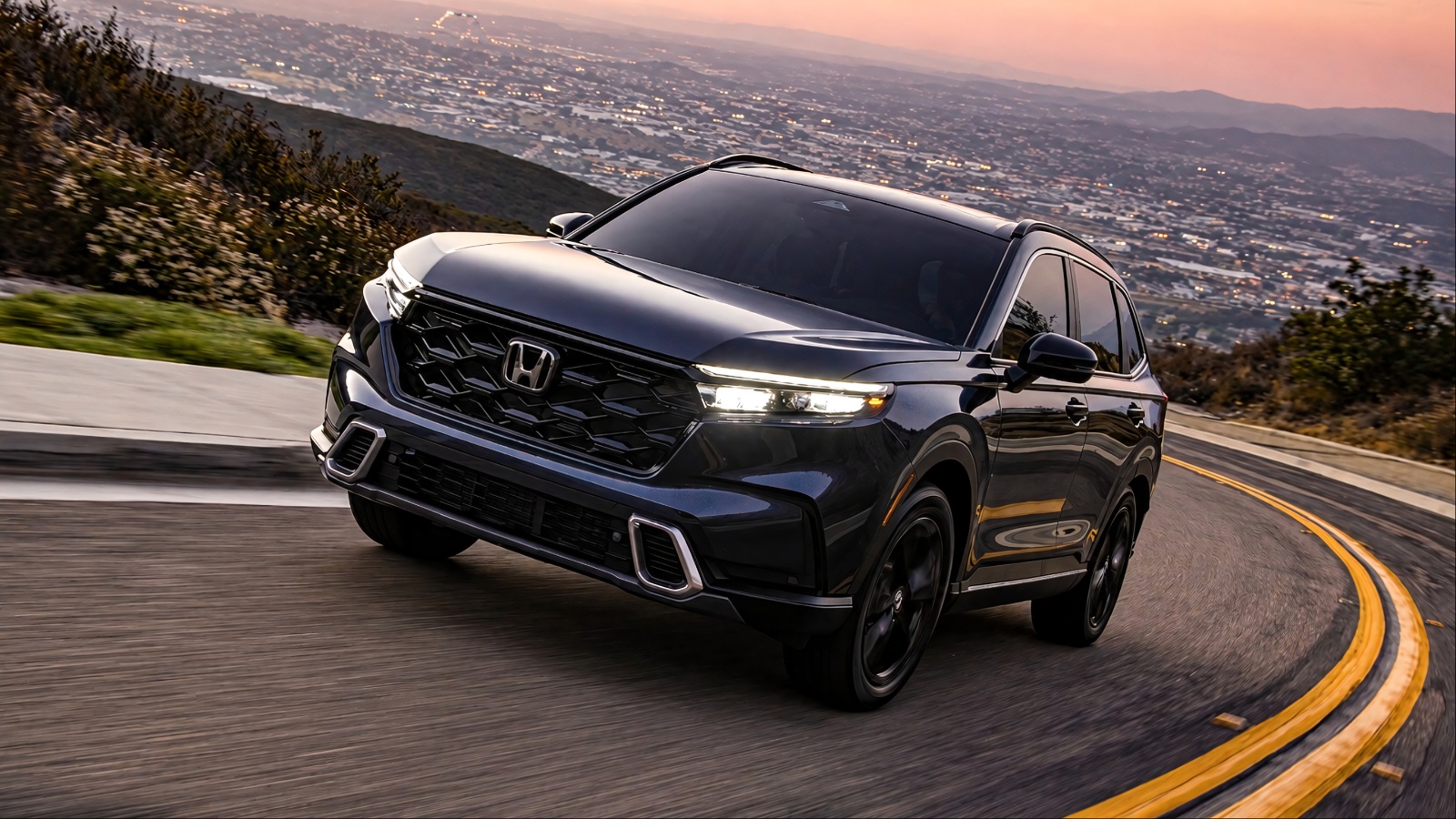
The CR-V uses unibody construction, so it does not have a traditional separate frame that needs to be protected from corrosion. Instead, the main areas of concern are the body structure and subframe. Honda has made improvements to its protective coatings over the last two generations, giving newer CR-V models better resistance against moisture, road salt, and other harsh winter conditions.
Another advantage is the CR-V’s relatively straightforward mechanical design compared with some newer turbocharged SUVs. A simpler layout can mean fewer complicated components exposed to moisture and salt over many years of use.
That can help reduce the number of potential trouble spots as the vehicle ages, particularly for owners who regularly drive on heavily salted roads. Combined with Honda’s established reputation for dependable engines and practical engineering, the CR-V remains a solid choice for drivers who want an SUV that can handle harsh climates without becoming excessively complicated to maintain.
Brake lines and exhaust systems remain the most common wear points in high-salt states, but these are inexpensive, well-documented repairs rather than the catastrophic frame failures that plague less carefully engineered vehicles, which keeps the CR-V a trusted daily driver through a decade of Midwest and Northeast winters.
5. Toyota Land Cruiser
Built for durability across the harshest global conditions rather than just American winters, the Land Cruiser brings a level of overengineering that translates directly into salt-belt longevity.
Its frame uses heavier gauge steel than most competitors, with additional coating layers applied specifically for corrosion resistance, and Toyota’s global reputation for this nameplate rests on decades of vehicles surviving deserts, mud, and road salt alike without structural failure. Owners frequently keep Land Cruisers well past 300,000 miles, a mileage figure few other vehicles on this list approach.
The tradeoff for this durability is cost and complexity in some markets, along with a heavier curb weight that can accelerate wear on suspension components exposed to salt brine.
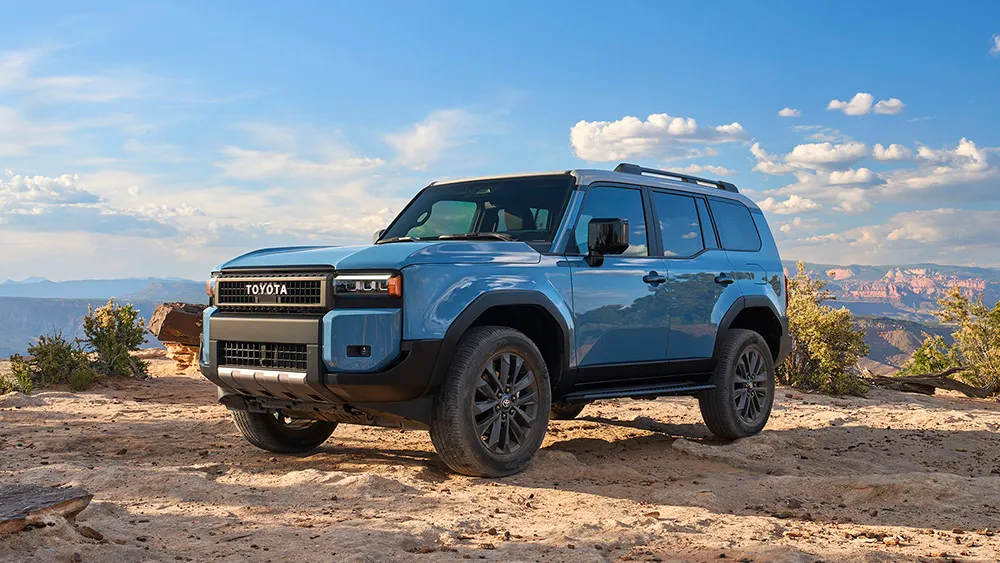
Even so, reported cases of structural rust remain rare relative to mileage and age, and the Land Cruiser’s simple, robust mechanical layout historically avoided the failure-prone electronics that complicate repairs on some luxury SUVs after years of cold-weather exposure.
Where the Land Cruiser falls behind the 4Runner and Tacoma is in availability and affordability. Recent generations often command a premium that puts them beyond the budget of many salt-belt buyers who simply need dependable daily transportation rather than a vehicle they plan to keep as a long-term investment.
For those who can justify the cost, however, few vehicles offer the same combination of mechanical durability and corrosion resistance, helping make the Land Cruiser a favorite among owners who plan to keep a single vehicle for twenty years or more.
6. Subaru Outback
The Outback has become a reliable companion for drivers in snowy states, and Subaru has clearly designed the car with winter traction and road-salt resistance in mind rather than treating them as separate concerns.
Standard all-wheel drive gives it genuine utility through slush and snow, while its unibody structure benefits from improved e-coating and cavity wax treatments that Subaru introduced after earlier generations developed reputations for premature rust on rear subframes and trailing arms in the harshest climates.
The boxer engine and CVT pairing has become significantly more refined over the years, but the CVT still tends to be a somewhat more frequent source of unexpected repairs than the transmissions used in the Toyota and Honda models mentioned above.
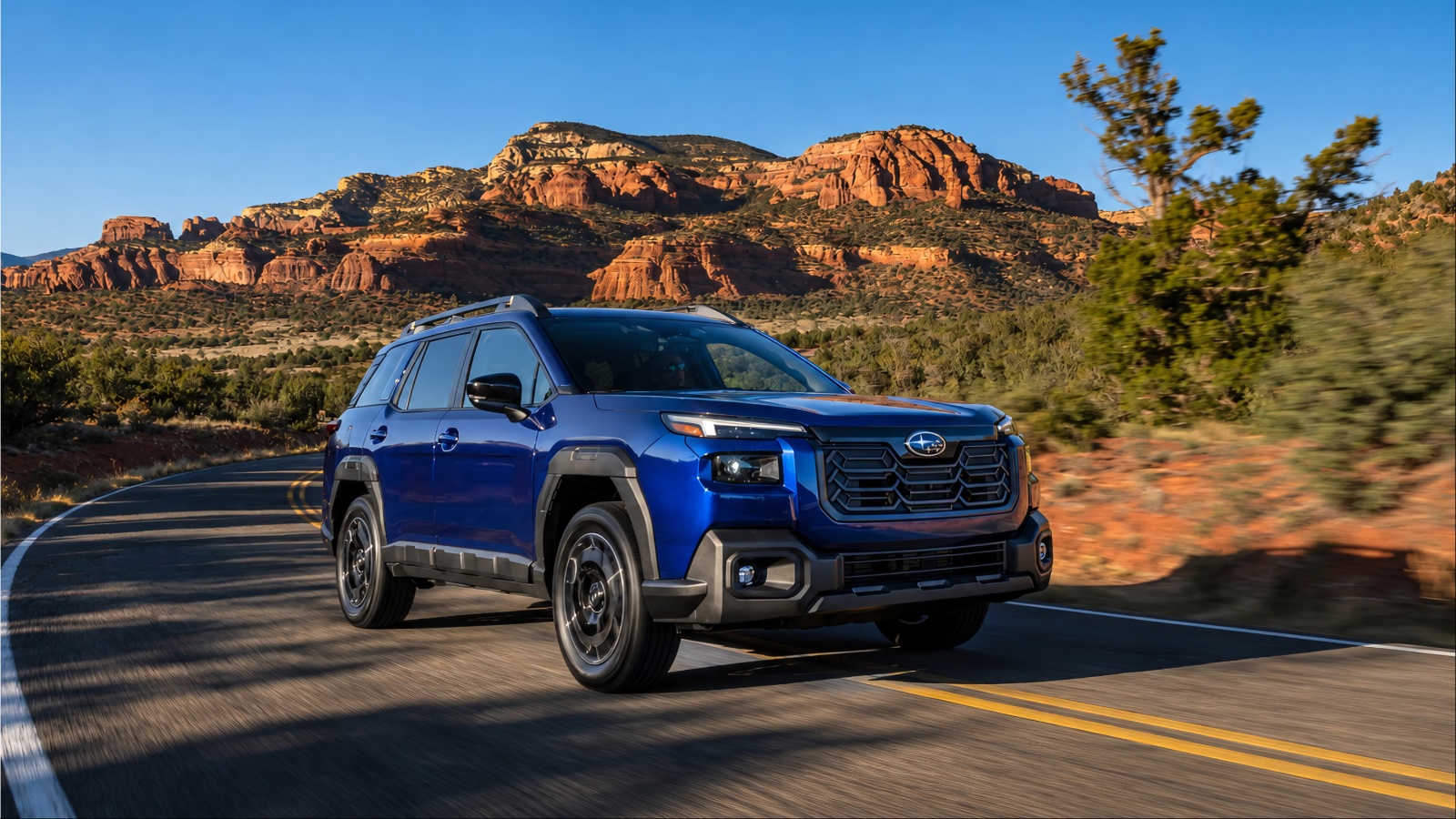
Subaru’s corrosion warranty coverage, extended after past recall campaigns targeting salt-belt-registered vehicles, reflects the brand’s awareness that this is a make-or-break issue for its core Northeast and Midwest customer base.
Current Outbacks show meaningfully better resistance to subframe and brake line corrosion than models from a decade ago, and owners in the harshest climates report far fewer rust-related structural complaints than in earlier generations.
The Outback’s blend of genuine snow capability, wagon-like practicality, and continually improving corrosion engineering keeps it a top choice for buyers who need one vehicle to handle both the mechanical and structural demands of a true salt-belt winter.
Owners who stay current with recommended fluid changes and periodic underbody rinses tend to report the fewest surprises once the car crosses the 100,000-mile mark.
7. Toyota Camry
The Camry’s reputation for reliability is built on mechanical simplicity and an enormous track record of high-mileage examples, and that same conservative engineering approach extends to its corrosion protection.
Toyota applies consistent underbody coating and galvanized panels across trim levels, so even base Camrys avoid the premature rust that once plagued budget sedans from other manufacturers. Engine and transmission reliability remain the Camry’s calling card, with owners regularly reporting minimal issues well past 200,000 miles even in climates with harsh winters.
As a front-wheel-drive unibody sedan, the Camry sits lower to the road than the SUVs above it, which means more direct exposure to salt spray on rocker panels, wheel wells, and exhaust components during winter driving.
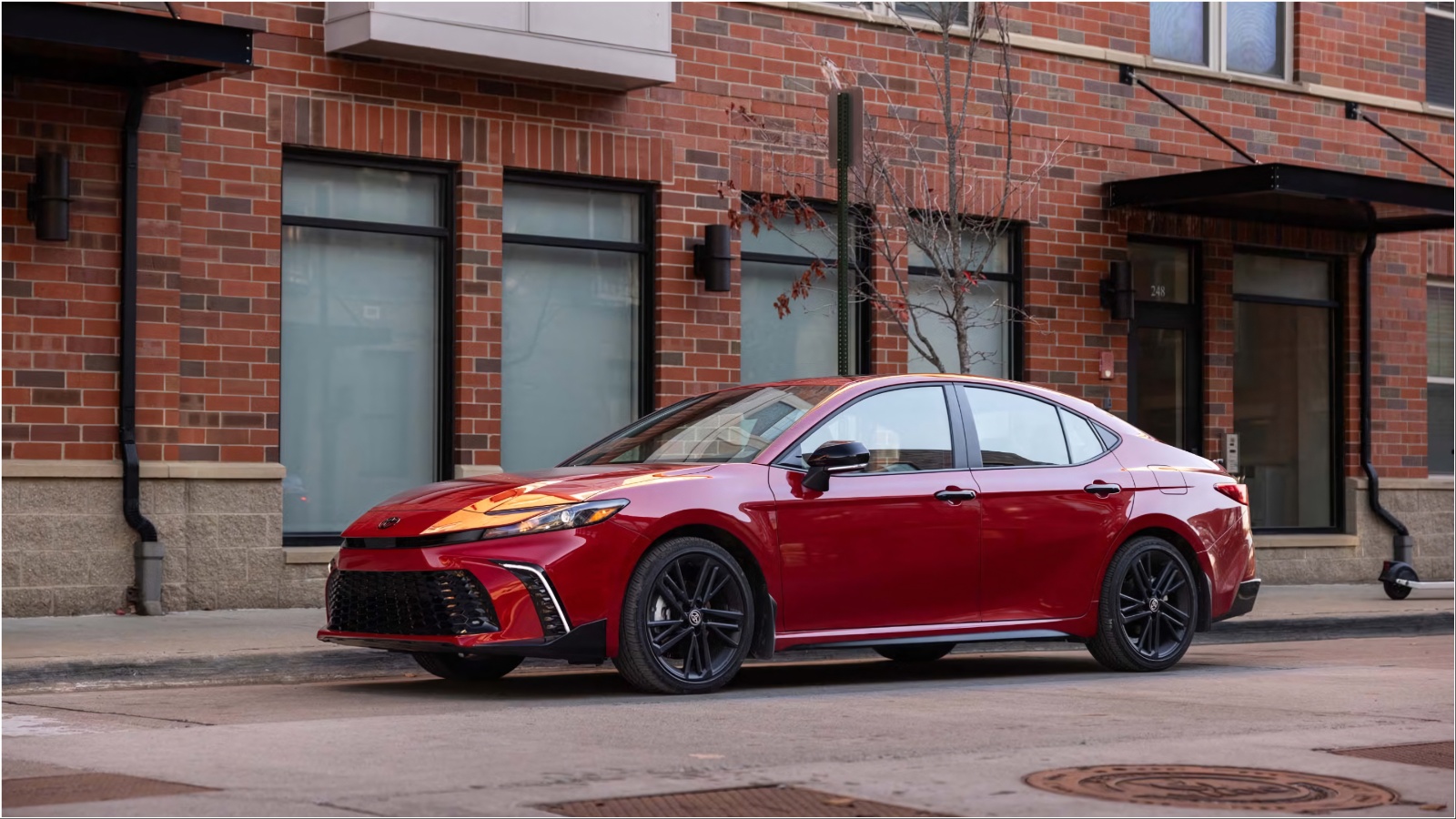
This makes regular undercarriage washing more important for Camry owners than for taller vehicles, and owners who skip this maintenance step see faster cosmetic corrosion, particularly around rear wheel arches.
Structural rust remains uncommon relative to the car’s age, though, and Toyota’s simple, well-tested platform avoids the complex electronic and turbocharged components that create additional failure points for corrosion-related wiring issues in some competitors.
Combined with low ownership costs, widespread parts availability, and a resale market that rewards well-maintained examples, the Camry remains one of the most dependable and cost-effective choices for salt-belt commuters who don’t need SUV ground clearance.
8. Honda Accord
Much like its CR-V sibling, the Accord pairs Honda’s reputation for engine and transmission longevity with meaningfully improved corrosion protection compared to older Honda sedans, which had a spottier rust reputation in the 1990s and early 2000s.
Modern Accords use galvanized steel in high-exposure areas and better sealing around wheel wells and rocker panels, addressing what was historically one of Honda’s weaker points relative to Toyota. The result is a sedan that combines strong mechanical dependability with corrosion resistance that, while not quite matching the Camry or CR-V, has closed the gap considerably over the past two generations.
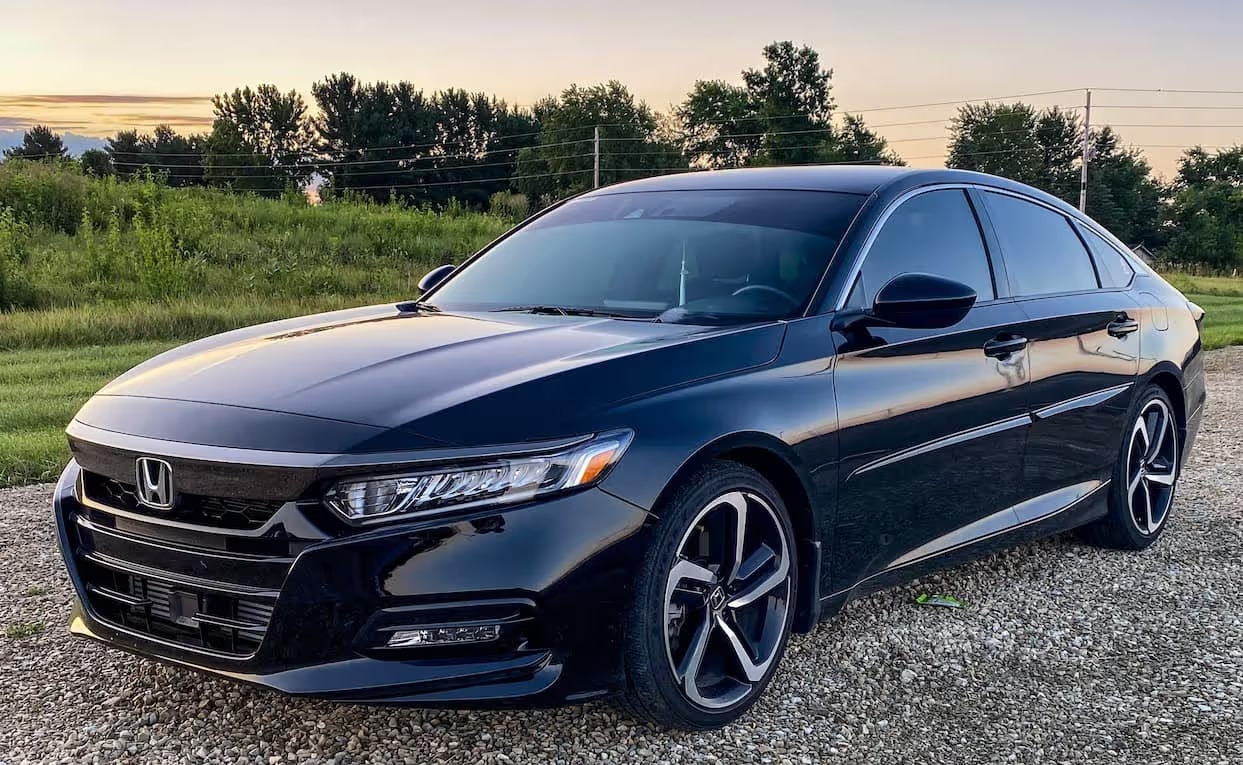
Owners in salt-heavy states report the Accord holding up well through a decade of winters provided it receives periodic undercarriage washing, with most rust issues remaining cosmetic rather than structural.
The turbocharged four-cylinder engines in recent generations introduce slightly more complexity than the older naturally aspirated units, which can create additional points where corroded wiring harnesses or sensors cause intermittent issues, though these remain relatively uncommon complaints.
Brake lines and exhaust hangers are the most frequently replaced components in high-mileage, salt-exposed Accords, consistent with industry-wide trends rather than any particular Honda weakness. The Accord remains a strong, if slightly less bulletproof, alternative to the Camry for buyers who prioritize driving dynamics without sacrificing much in the way of long-term salt-belt durability.
9. Ford F-150
America’s best-selling truck has earned that position in part through years of engineering investment. Recent F-150 generations use an aluminum body and bed, eliminating the traditional sheet-metal rust concerns that affected older all-steel models.
Beneath that, however, the steel frame still needs proper corrosion protection, particularly around seams, joints, and mounting points. Ford’s combination of an aluminum body with a coated steel frame has significantly reduced visible body corrosion, while newer frame-coating processes have helped improve resistance to rust underneath the truck.
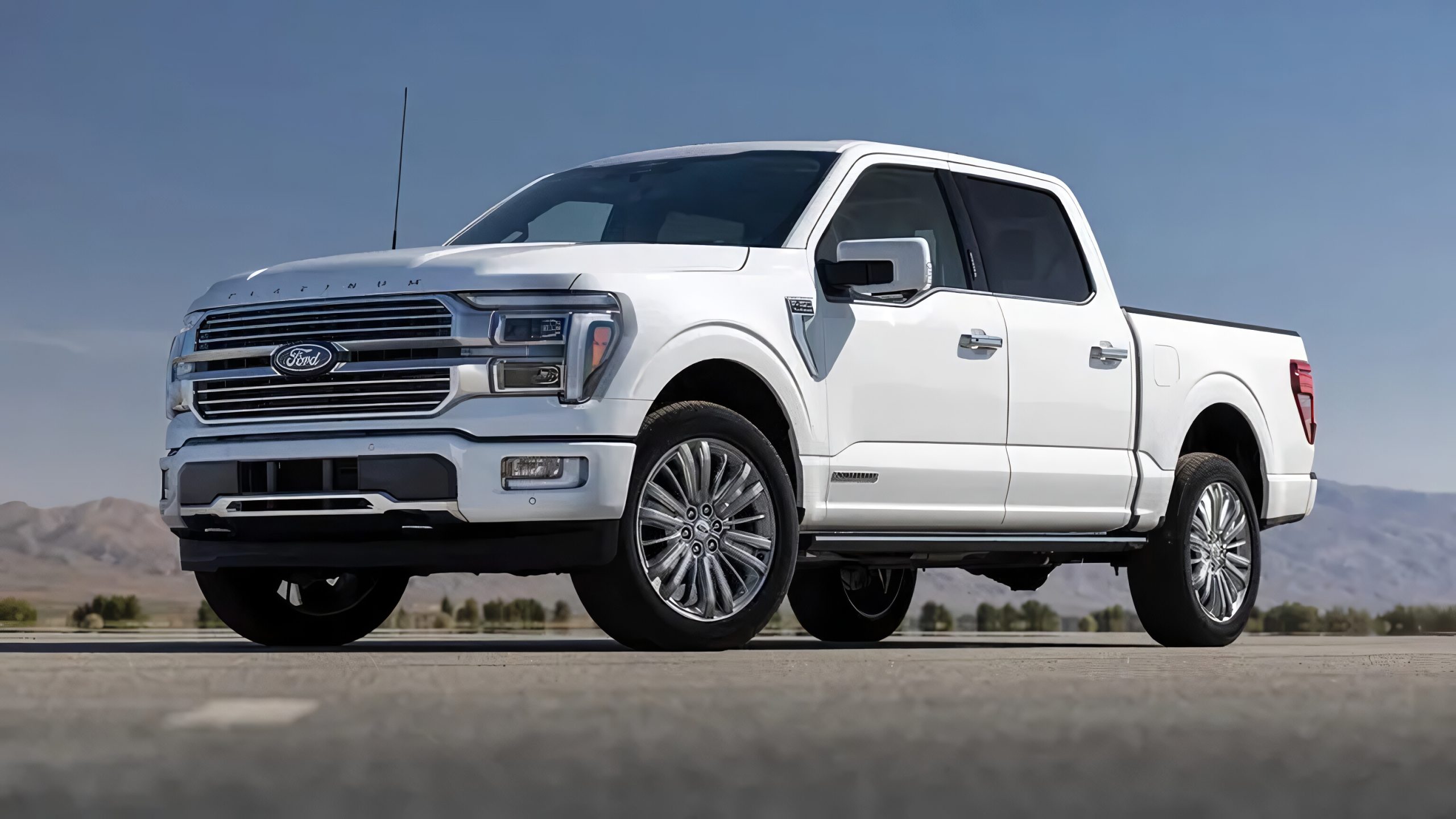
When it comes to mechanical reliability, the F-150 is highly dependent on its powertrain. The naturally aspirated V8 engines have generally earned a stronger reputation for durability over the long haul, while some EcoBoost models have been more prone to issues involving turbochargers and timing-chain components, particularly in certain model years.
Brake line corrosion remains a documented concern in high-salt states, serious enough that it prompted federal scrutiny of the segment, and owners in the harshest climates should factor in periodic inspection of these lines regardless of body material.
Frame rust at welds and crossmembers is less common than in the all-steel trucks of decades past, but not eliminated. For salt-belt buyers who need full-size truck capability, the F-150 offers meaningfully better corrosion resistance than its all-steel predecessors, balanced against engine-dependent variability in long-term mechanical reliability.
10. Audi A4
The A4 receives excellent rust protection at the manufacturing stage and can generally be counted on to remain largely rust-free for a long time, even in vehicles regularly exposed to road salt, thanks to Audi’s extensive use of galvanized steel and multi-layer corrosion coating processes shared across the Volkswagen Group.
This factory-level protection puts the A4 ahead of many competitors on pure corrosion resistance, with owners reporting minimal body rust even on higher-mileage examples in Northeast and Midwest climates.
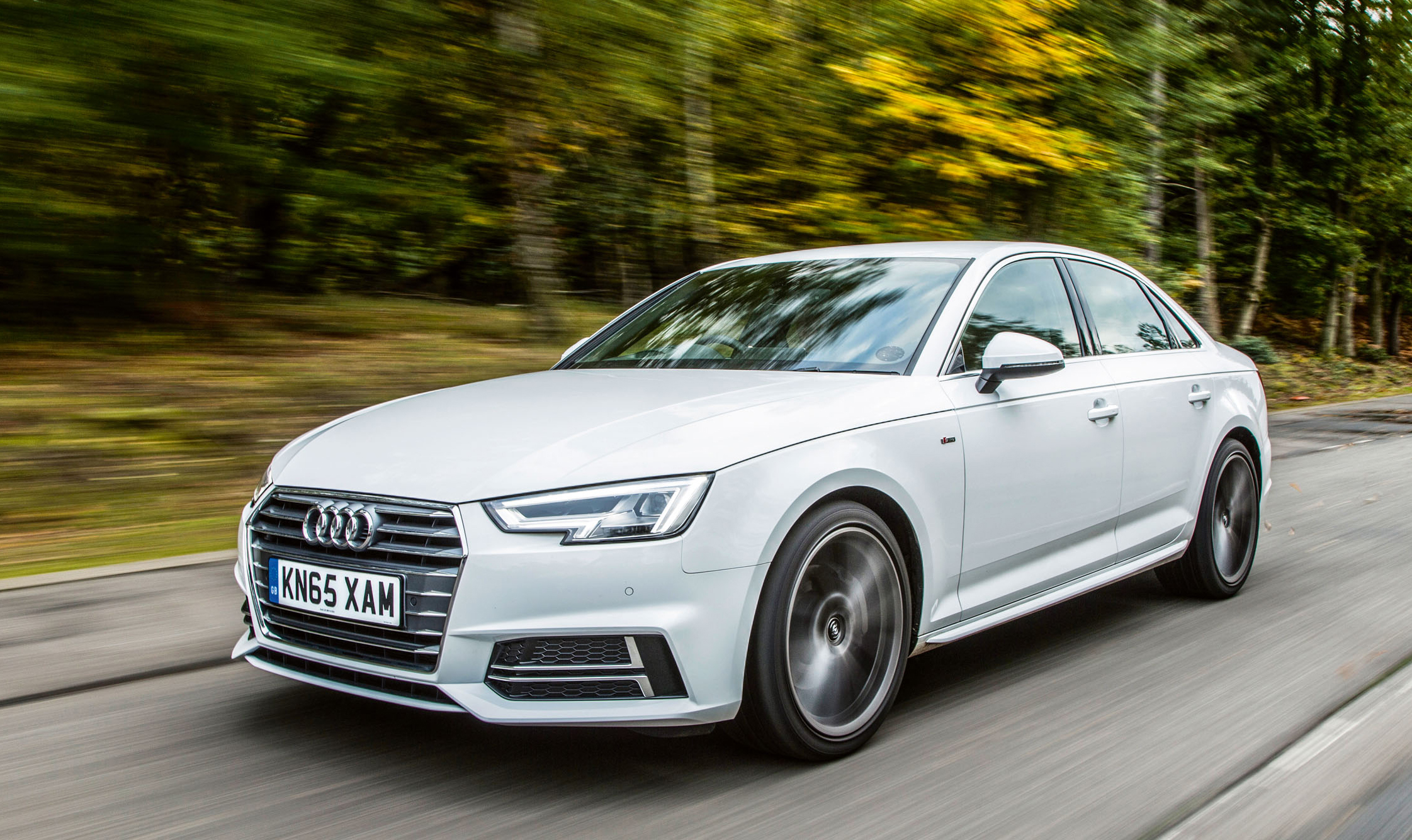
Rust is not where the A4 falls short on this list. Its bigger concern is long-term mechanical reliability. The car uses a complex mix of electronics, turbocharged engines, and all-wheel-drive components that can become costly to repair with age.
These systems also tend to carry a higher repair risk than the simpler setups found in the Japanese and American models above, especially once the vehicle is beyond its warranty coverage.
Corroded electrical connectors and sensor housings, while less common than on some rivals, can still cause intermittent faults in vehicles that see heavy winter salt exposure over many years. Maintenance costs run noticeably higher than for a comparable Toyota or Honda, and repairs often require specialized tools or dealer-level diagnostics.
For buyers who prioritize a body that resists rust exceptionally well and are prepared to budget for more involved mechanical upkeep, the A4 remains a strong choice, but it trails the more mechanically simple vehicles above it in total long-term dependability.
11. Volvo XC60
The XC60 rounds out this list on the strength of genuinely excellent factory rust protection combined with Volvo’s safety-first engineering culture, which extends to structural components designed to resist long-term corrosion in the exact climates where the brand has historically sold well.
Scandinavia and the American Northeast share similar salt-heavy winter maintenance practices, and Volvo’s coatings reflect decades of designing for that reality. Body panels and the underlying unibody structure show strong resistance to the cosmetic rust that plagues cheaper crossovers.
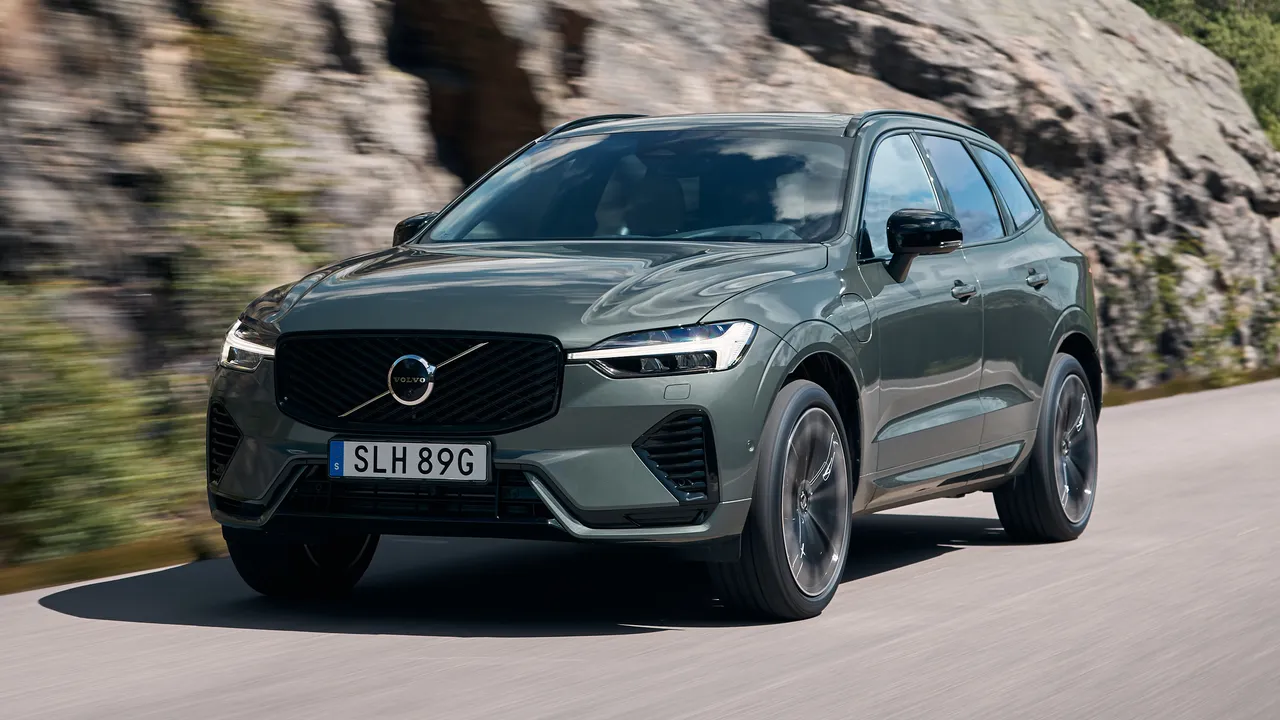
The XC60’s mechanical reliability, however, is the most variable on this list. Turbocharged and supercharged engine options add complexity, and the brand’s infotainment and electrical systems have historically generated more owner complaints than the Japanese entries ranked above, particularly as connectors and wiring harnesses age in vehicles regularly exposed to salt brine and winter moisture.
Repair costs run high when issues do surface, and independent mechanic familiarity with Volvo’s systems is less widespread than for mainstream Japanese and domestic brands, which can mean longer waits and higher labor bills.
Serious structural rust is uncommon on the XC60 because of its strong factory corrosion protection. That level of protection helps explain why it still makes this list despite ranking last. In harsh, salty winter conditions, the body may remain solid long after some of its more failure-prone mechanical and electrical components begin to cause problems.
Regular preventive maintenance is therefore important for owners looking to keep the XC60 running reliably for years.
