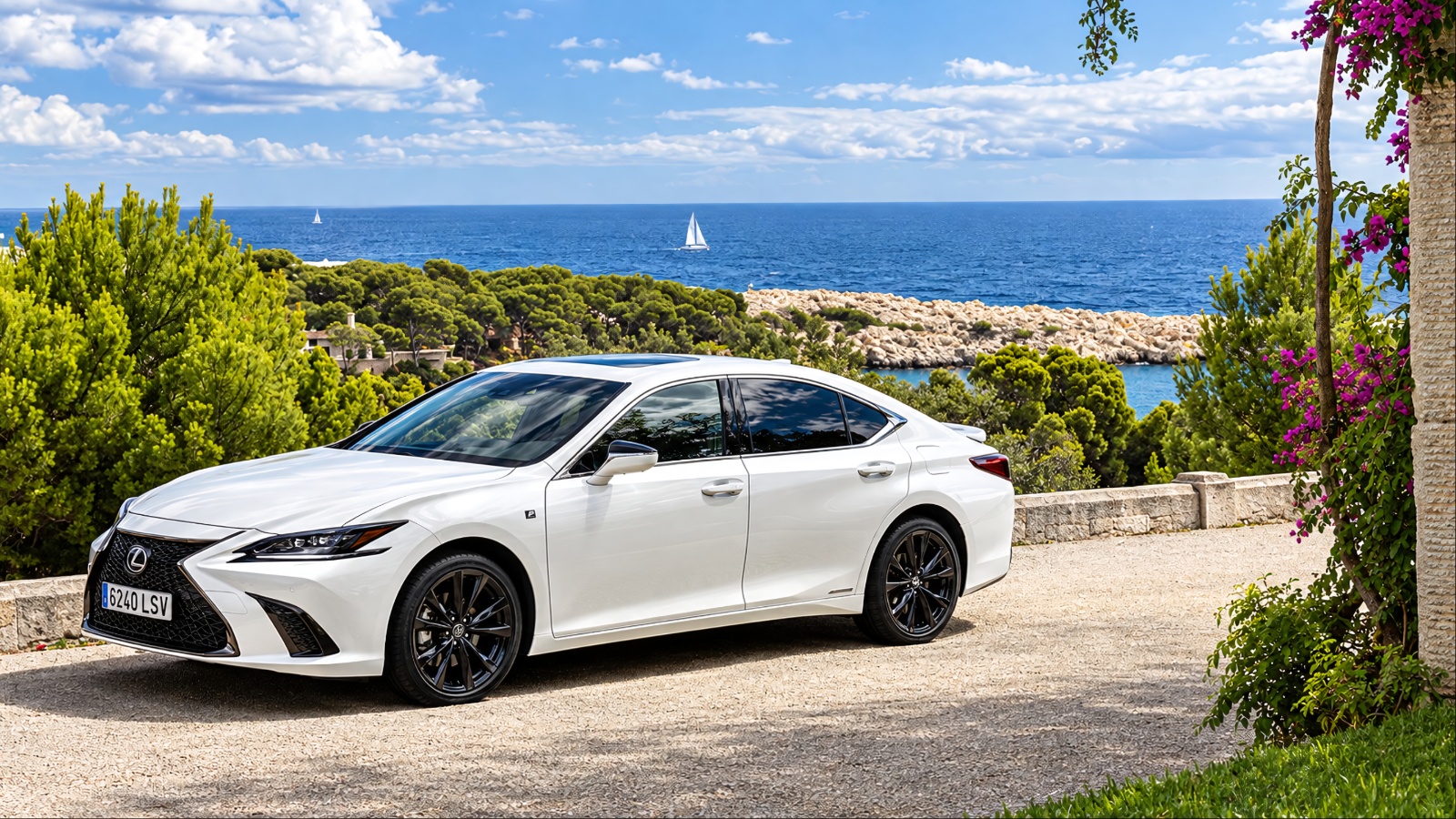
Buying a hybrid with 100,000 miles can be a smart way to get excellent fuel economy without paying new-car prices. Mileage alone does not tell the whole story, though. Battery condition, service history, drivetrain design, age, climate, and previous use all matter when judging a high-mileage hybrid.
Some models have proven capable of running far beyond 100,000 miles with relatively modest repairs, while others can become expensive once aging hybrid components begin to fail. This guide looks at five hybrids worth considering around the 100,000-mile mark and five that deserve extra caution before purchase.
5 Hybrids Worth Buying at 100,000 Miles
1. Toyota Prius
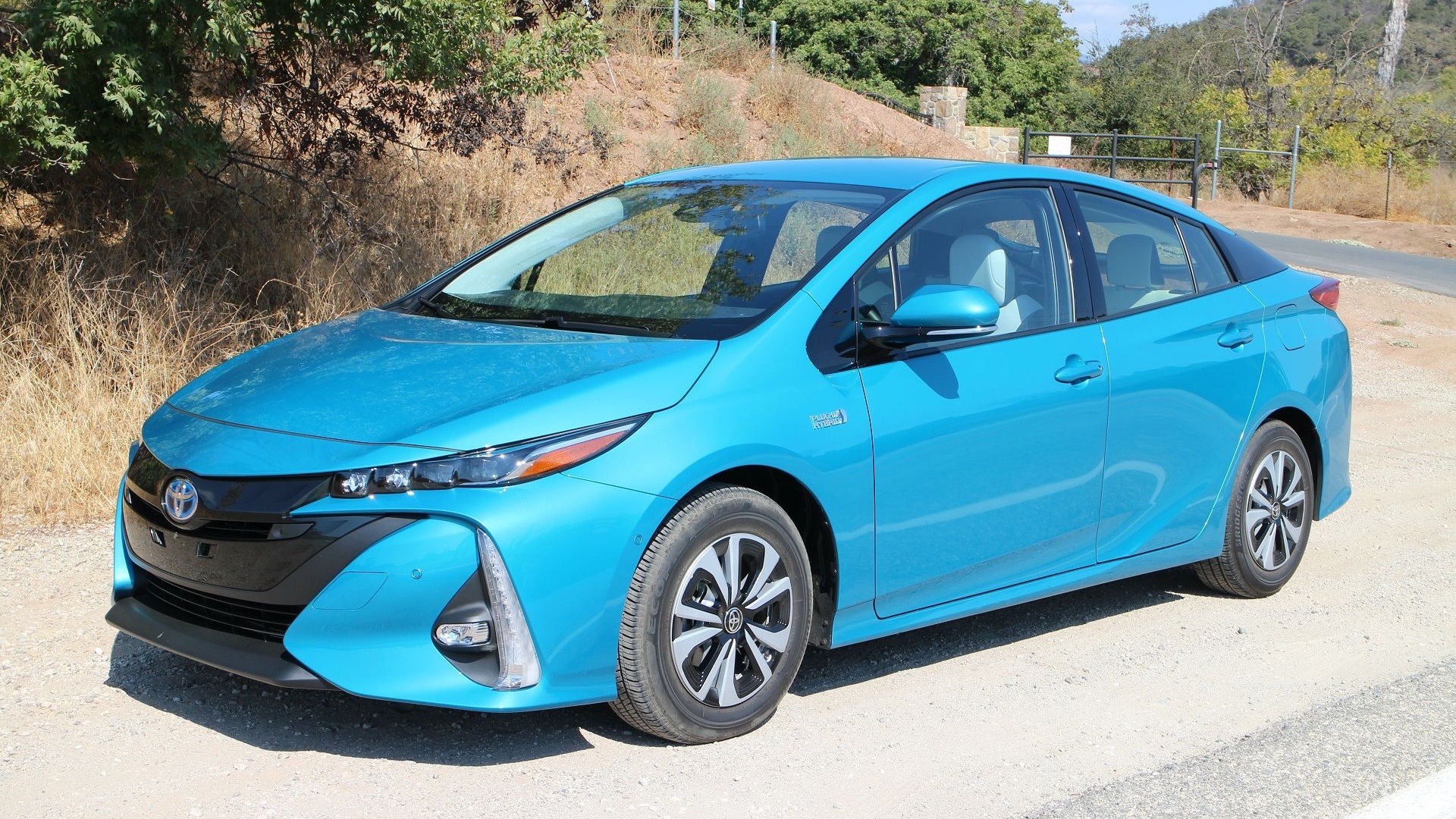
The Toyota Prius is perhaps the easiest high-mileage hybrid to recommend when the vehicle has been maintained properly. Its reputation comes from years of real-world use, a mature hybrid system, widespread parts availability, and a large network of technicians familiar with the technology.
A Prius approaching 100,000 miles is not automatically approaching the end of its useful life. In fact, many examples continue well beyond that point.
Used Prius buyers should still inspect the hybrid battery, cooling system, engine, suspension, brakes, and 12-volt battery before committing to a purchase. A clean service history is more valuable than simply finding the lowest odometer reading.
The hybrid battery remains the biggest concern for many shoppers. A 100,000-mile Prius does not necessarily need a battery replacement, and mileage alone cannot accurately predict when a battery will fail.
Age, heat exposure, battery cooling, driving conditions, and individual cell condition all influence longevity. Hybrid batteries can last well beyond 100,000 miles, though their lifespan varies considerably by vehicle and environment.
2. Toyota Camry Hybrid
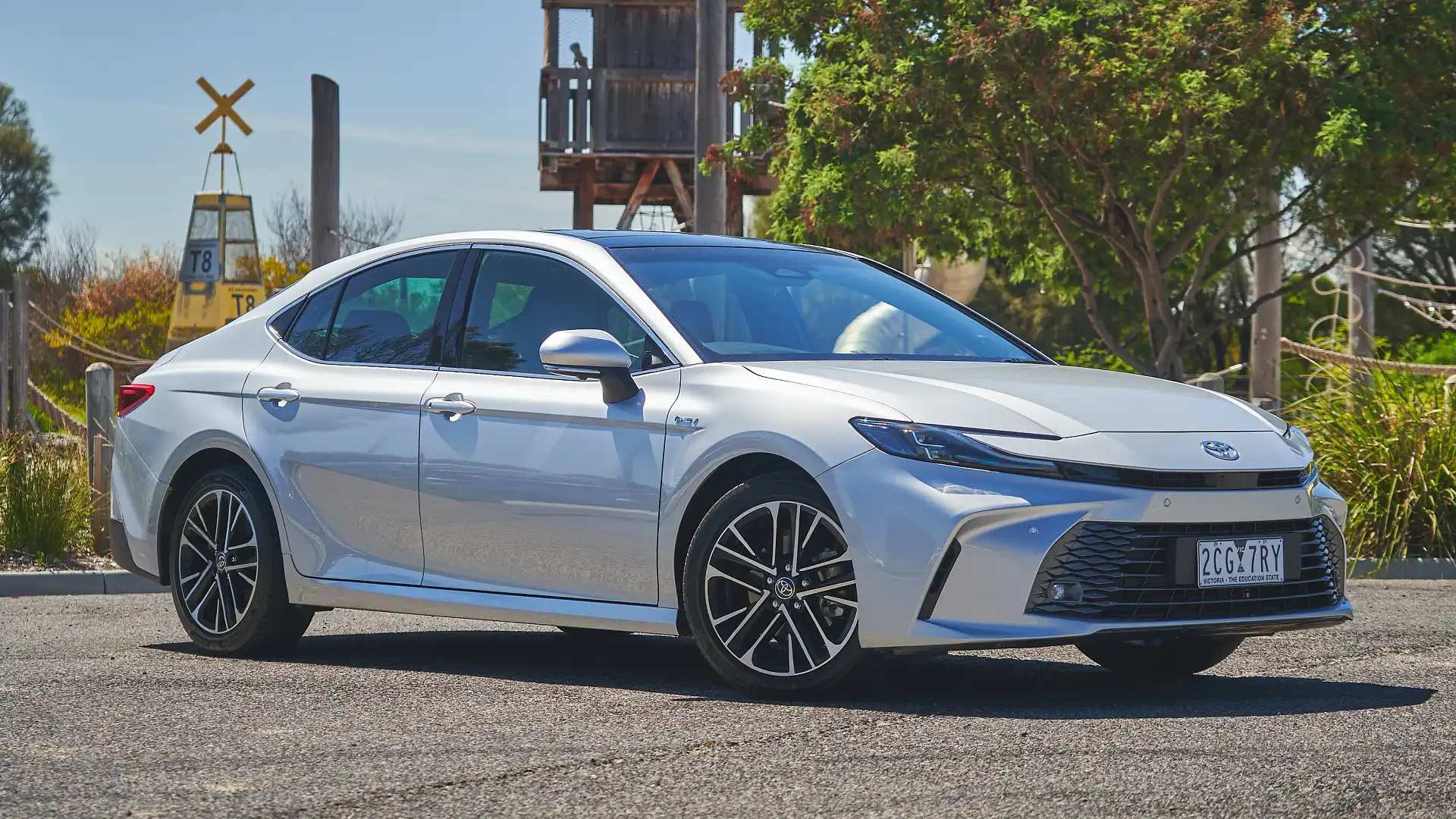
The Toyota Camry Hybrid is an excellent choice for buyers who want hybrid efficiency without the driving character and packaging of a Prius. It combines the familiar midsize-sedan layout of the Camry with Toyota’s established hybrid technology. A properly maintained Camry Hybrid at 100,000 miles can still offer a comfortable ride, strong fuel economy, and dependable daily transportation.
The model is particularly attractive to buyers who want a conventional-looking sedan rather than a hatchback. Its hybrid system has also been used across multiple generations, giving technicians considerable experience diagnosing and repairing these vehicles.
The powertrain is an important part of the Camry Hybrid’s appeal. Toyota’s hybrid architecture has been refined over many years, and the system is designed to blend gasoline and electric power efficiently. There is no traditional stepped automatic transmission constantly shifting through multiple gears in the usual manner.
Instead, the hybrid drivetrain manages engine and motor output electronically. That design can reduce some conventional transmission wear concerns. It does not eliminate the need for maintenance, but it gives the Camry Hybrid a drivetrain that can remain very usable at six-figure mileage.
Battery condition still deserves serious attention. Buyers should not automatically reject a Camry Hybrid because it has crossed 100,000 miles. A battery showing healthy performance can continue working for many additional years, while a poorly maintained car with substantially fewer miles could be a much worse purchase.
Climate also matters because prolonged exposure to high temperatures can accelerate battery aging. Before purchasing, have the battery scanned by a qualified hybrid technician and check whether the cooling intake is clean. A diagnostic inspection can reveal warning signs that a normal test drive may not expose.
3. Toyota RAV4 Hybrid
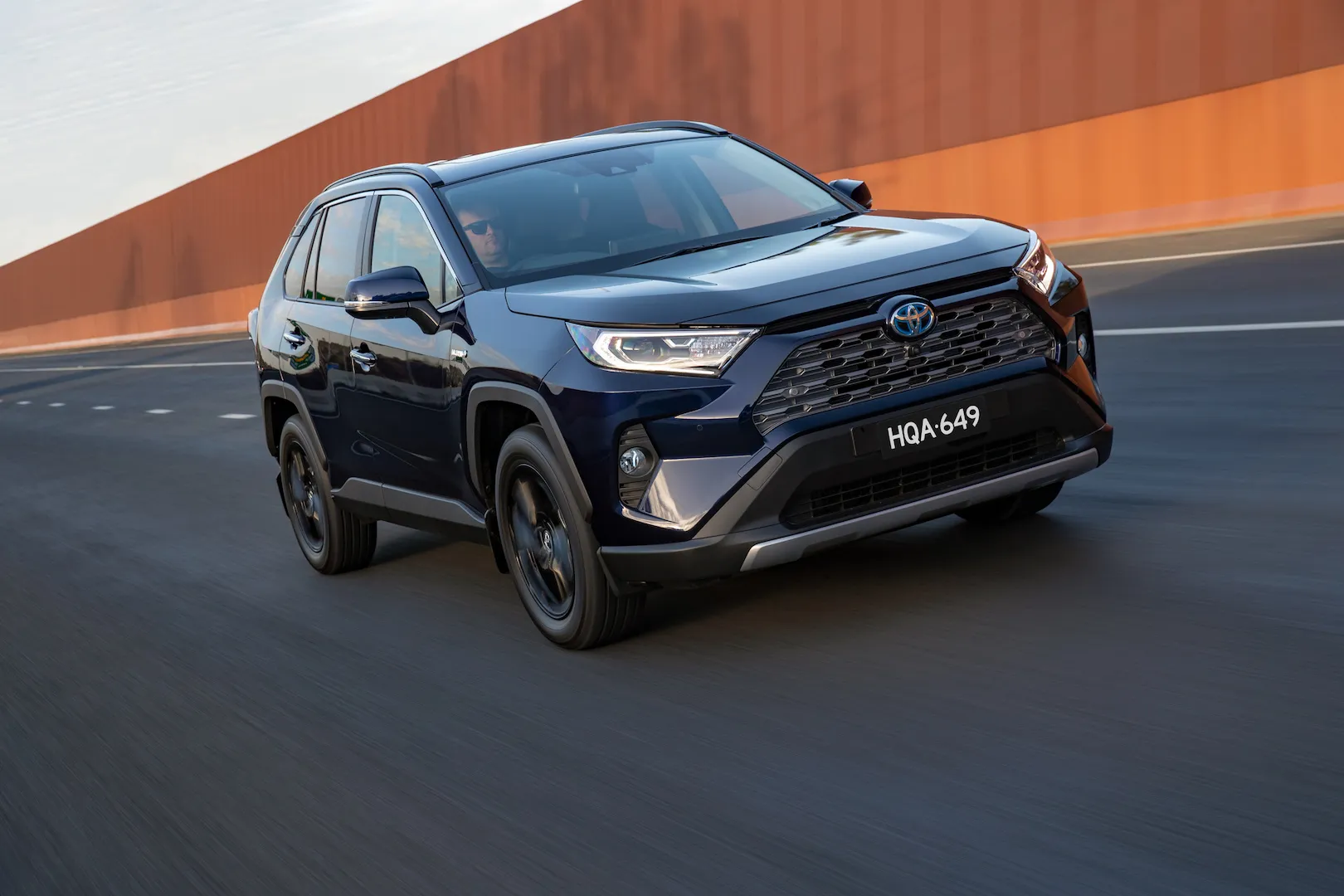
The Toyota RAV4 Hybrid is worth considering for shoppers who need SUV practicality while still wanting good fuel economy. It offers a useful combination of passenger space, cargo capacity, ground clearance, and hybrid efficiency.
Unlike many older hybrid SUVs, the RAV4 Hybrid was developed as part of Toyota’s modern hybrid lineup rather than as a short-lived experiment. This matters when buying at 100,000 miles because a mature system generally means better parts availability and more technicians who understand its operation.
The RAV4 Hybrid’s electric-assisted drivetrain also provides a useful advantage for everyday driving. Electric motors can provide immediate torque, helping the vehicle feel responsive when pulling away from a stop. The hybrid system can also use regenerative braking to recover energy that would otherwise be lost as heat during deceleration.
This can reduce reliance on the friction brakes in some driving situations, though brake components still need regular inspection. Tires, suspension components, wheel bearings, fluids, and other conventional parts remain just as relevant to a high-mileage SUV.
Battery health is again the major question mark for a used RAV4 Hybrid. A battery that has performed well for 100,000 miles is not necessarily at the end of its life.
Conversely, a vehicle that has experienced harsh heat, poor ventilation, or long periods of neglect may have greater battery degradation. Prospective buyers should request a hybrid-system scan and inspect the battery cooling system. A dealer or specialist should also check for stored diagnostic codes rather than simply clearing warning lights before the sale.
Another benefit is the RAV4 Hybrid’s practical design. Buyers who would otherwise need a larger gasoline SUV can potentially reduce fuel consumption without moving into a much smaller vehicle.
The hybrid system can be particularly useful for city driving and stop-and-go traffic, where electric assistance has greater opportunity to contribute. Reliability rankings and used-hybrid evaluations commonly place Toyota’s hybrid SUVs among the more attractive long-term choices, though individual examples can vary considerably.
4. Honda Accord Hybrid
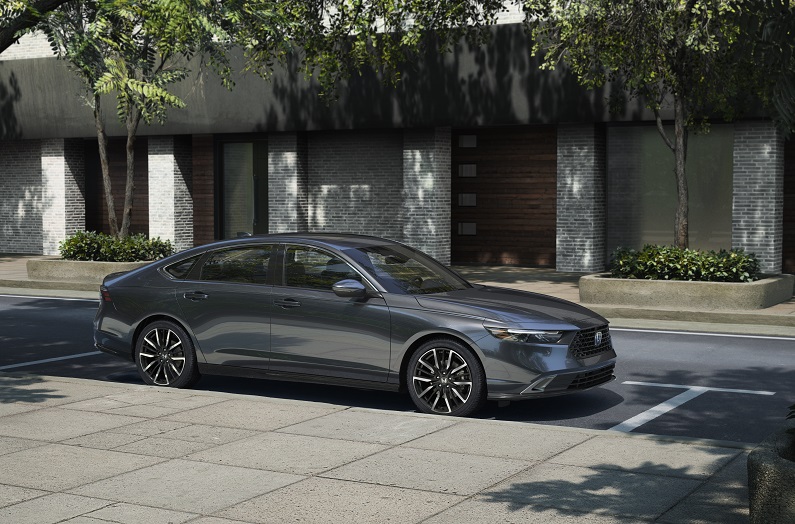
The Honda Accord Hybrid is another strong candidate for buyers searching around the 100,000-mile mark. The Accord has a long-standing reputation as a practical midsize sedan, and its hybrid versions add substantial fuel-saving potential.
Newer Accord Hybrid generations use Honda’s two-motor hybrid approach, which allows the vehicle to rely heavily on electric drive in many situations while using the gasoline engine efficiently when conditions call for it. That setup differs from Toyota’s hybrid architecture, but the result can still be a smooth and efficient daily driver.
One important point is that buyers should distinguish newer Accord Hybrids from older Honda hybrid systems. Honda’s earlier Integrated Motor Assist technology was structurally different from the later two-motor system.
Older hybrid models can therefore have different battery and drivetrain concerns. When shopping for a 100,000-mile Accord Hybrid, knowing the exact generation is essential. A seller simply describing a vehicle as a “Honda hybrid” does not provide enough information to judge its long-term risk.
The Accord’s conventional sedan layout is another advantage. It provides good passenger room, a comfortable ride, and a familiar driving position. Buyers who do not want a Prius-style hatchback or SUV can get hybrid efficiency without changing their preferences dramatically.
The car can also make sense for highway commuters who want reasonable fuel economy while retaining a refined interior and strong road manners. At six-figure mileage, however, suspension wear, air-conditioning performance, tire condition, brake components, and electrical accessories deserve as much attention as the hybrid system.
Current reliability information on newer Accord Hybrid models is encouraging, though modern vehicles can still develop isolated battery, electrical, climate-control, or drive-system problems. Consumer Reports currently rates the 2025 Accord Hybrid as more reliable than other cars from its model year, while also documenting reported problems in areas such as electronics and hybrid-system components.
Long-term used-car buyers should take this as a reminder that good model-level reliability does not eliminate the need for a pre-purchase inspection.
A 100,000-mile Accord Hybrid can be a particularly attractive purchase when the price reflects the mileage and the vehicle has been properly maintained. Independent longevity data also suggest strong potential for high-mileage service from the Accord Hybrid, with iSeeCars estimating an average lifespan approaching 200,000 miles across its analyzed data.
That figure is not a promise for every vehicle, but it supports the idea that 100,000 miles should not automatically be considered excessive. Battery health and service records should determine the purchase decision.
5. Lexus ES 300h
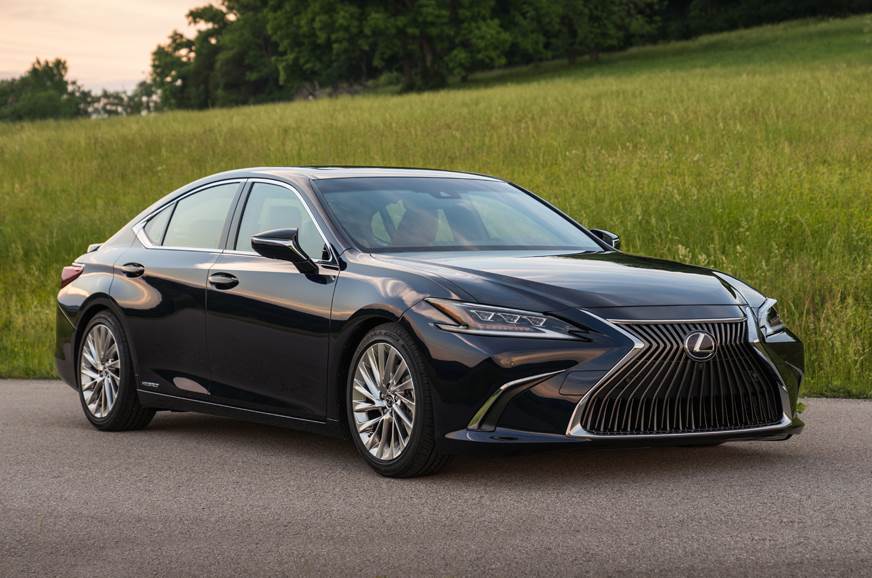
The Lexus ES 300h is an appealing option for buyers who want a more upscale hybrid without automatically accepting the reliability compromises sometimes associated with aging luxury vehicles. The ES 300h shares significant hybrid engineering with Toyota products, giving it a foundation that has been tested across a large number of vehicles.
At 100,000 miles, the biggest attraction is the combination of comfort and efficient hybrid operation. It can deliver a quieter, more refined driving experience than many mainstream hybrids while retaining a drivetrain designed with fuel efficiency in mind.
The luxury badge does introduce additional considerations. Leather seats, powered equipment, electronic features, advanced climate-control systems, and other premium components can cost more to repair than basic equipment in an economy sedan.
This is why a 100,000-mile ES 300h should not be evaluated solely on engine and battery condition. A buyer should test every electrical function, operate the climate system in different modes, inspect the suspension, examine the interior for abnormal wear, and check for warning messages.
The hybrid powertrain is the reason the ES 300h remains attractive. Toyota-derived hybrid engineering has a long history in the market, and the system does not depend on a conventional transmission design with the same number of mechanical shifting components.
The battery should still be inspected, particularly on older examples. Age can be just as important as mileage when evaluating a hybrid battery, so a car with 100,000 miles accumulated over a decade may deserve a different assessment from a car that reached the same mileage in four years.
5 Hybrids That Are Not Worth the Risk at 100,000 Miles
1. Ford C-Max Hybrid
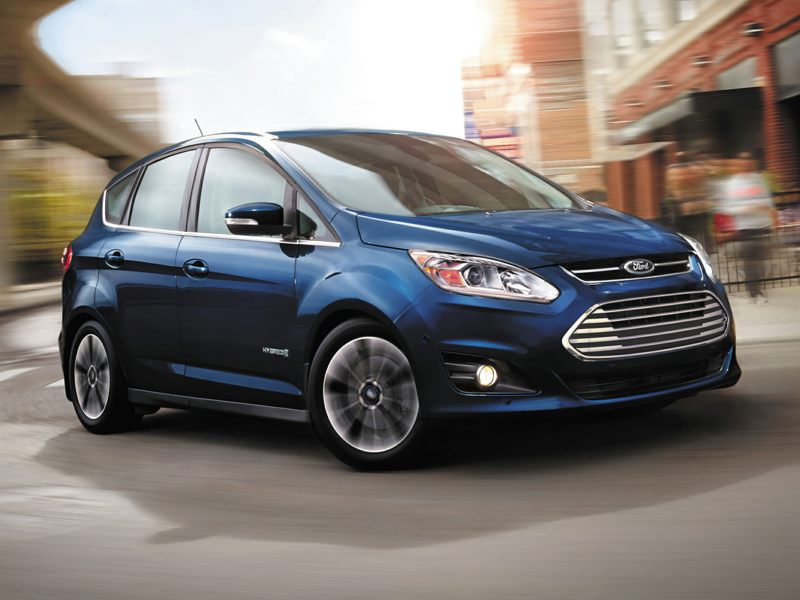
The Ford C-Max Hybrid can look tempting on the used market because its purchase price is often lower than that of comparable Toyota hybrids. It offers respectable fuel economy, a practical hatchback shape, and an efficient hybrid powertrain. The problem for a buyer approaching the 100,000-mile mark is not that every C-Max is destined to fail.
The concern is that the model does not have the same long-term reputation, market support, and widespread hybrid ecosystem as the Prius. Historical complaint data have placed the C-Max near the bottom among hybrid models for reported reliability concerns.
Age becomes particularly important because most C-Max examples are now considerably older. Rubber components, suspension parts, electrical equipment, cooling systems, and battery-related components can all be affected by time.
A vehicle may look inexpensive compared with a Prius while carrying similar repair exposure. Once several aging systems require attention at the same time, the low purchase price can disappear quickly.
The hybrid battery also needs a professional inspection. Ford used lithium-ion battery technology in the C-Max Hybrid, meaning buyers should not assume that maintenance procedures or battery repair strategies used for older Toyota nickel-metal-hydride systems apply directly.
A specialist familiar with the specific vehicle should evaluate the pack and associated electronics before purchase. A normal engine diagnostic scan is not enough to establish the condition of the entire hybrid system.
There are certainly well-maintained C-Max examples that continue to provide dependable transportation. That is why the recommendation is not “never buy one.” Instead, the issue is value.
If a C-Max has an excellent service history, a recently verified battery, strong mechanical condition, and a price substantially below stronger alternatives, it may make sense. The buyer needs a larger safety margin because the model’s long-term ownership case is less convincing than that of Toyota’s established hybrids.
For most shoppers seeking a 100,000-mile hybrid, there are simply easier choices. A Prius or Camry Hybrid may cost more upfront, but the combination of market familiarity, parts availability, technician knowledge, and established hybrid engineering can reduce uncertainty. The C-Max becomes more attractive only when its purchase price properly reflects its age and potential repair exposure.
2. Ford Fusion Hybrid
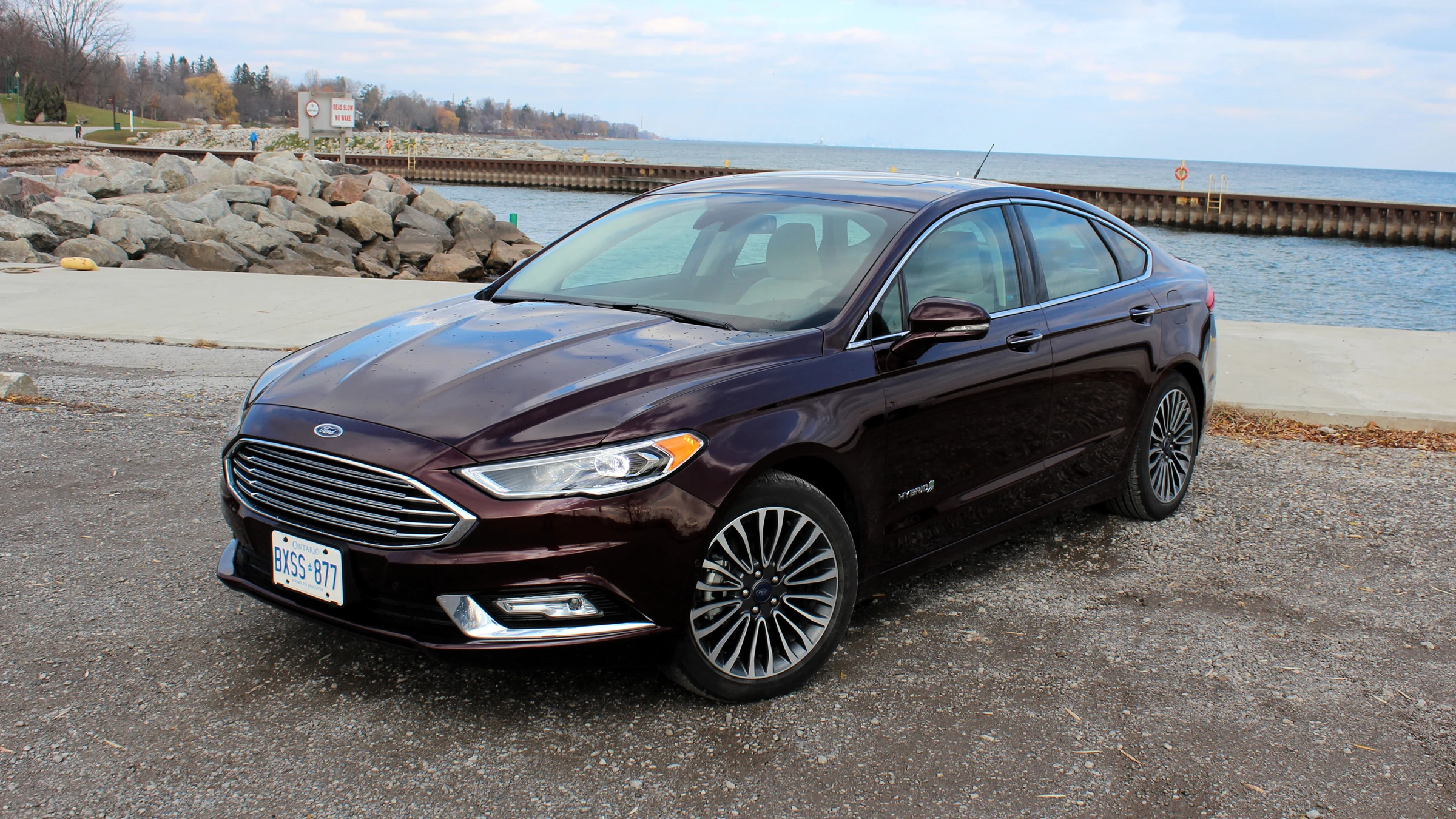
The Ford Fusion Hybrid has several appealing characteristics, including a comfortable cabin, good fuel economy, attractive styling, and a smooth hybrid drivetrain.
The problem is that high-mileage buyers need to think beyond the driving experience. Historical complaint data have ranked the Fusion Hybrid poorly among hybrid models, placing it near the bottom of the analyzed group.
That does not mean every Fusion Hybrid is unreliable, but it should make buyers more cautious when considering a 100,000-mile example.
The Fusion Hybrid also faces the normal challenges associated with an aging vehicle. Electronic modules, sensors, suspension parts, air-conditioning equipment, and other components can develop problems as the car gets older. These repairs can occur independently of the hybrid battery.
A buyer who focuses exclusively on battery condition could therefore miss expensive conventional-car problems hiding underneath an attractive purchase price.
Battery and hybrid-system inspections remain essential. The Fusion Hybrid’s lithium-ion battery system should be evaluated by someone familiar with Ford’s hybrid technology. Buyers should check for warning messages, unusual changes in fuel economy, inconsistent electric operation, and any history of hybrid-related repairs. The seller should also be asked directly whether the battery or related electronics have ever been serviced.
The Fusion can still be reasonable when the circumstances are right. A later model with excellent records, a healthy battery, low asking price, and a clean mechanical inspection can provide inexpensive transportation.
The problem is that there are many used hybrids that present a more comfortable long-term ownership proposition. When the price difference between a Fusion Hybrid and a well-maintained Toyota hybrid is small, the Toyota is usually easier to justify.
A 100,000-mile Fusion Hybrid therefore belongs in the “buy only after careful inspection” category rather than the “automatic bargain” category.
The car’s attractive used prices can be misleading if buyers fail to budget for aging components. For someone who wants a hybrid specifically because of low running costs, reducing the chance of unexpected hybrid and electrical repairs should be a priority.
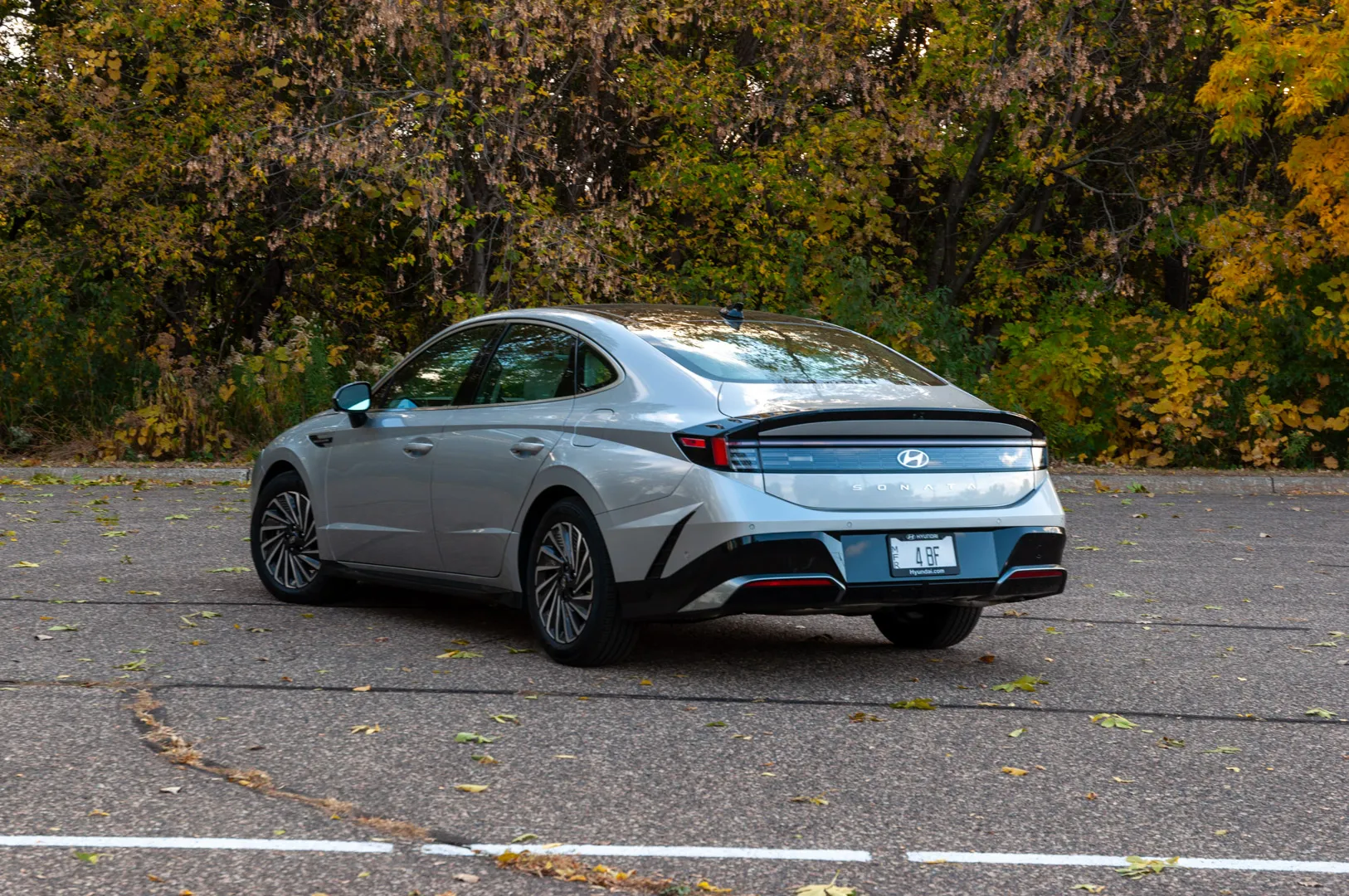
3. Hyundai Sonata Hybrid
The Hyundai Sonata Hybrid is a more complicated recommendation because certain model years can be quite appealing while others deserve significantly more caution. The Sonata Hybrid delivers good fuel economy, comfortable seating, and a competitive feature list.
On paper, it can look like a fantastic bargain at 100,000 miles. The challenge is that reliability concerns reported for certain model years include hybrid battery, electric motor, electronics, and engine-related areas. Consumer Reports has rated several recent Sonata Hybrid model years below the average reliability of comparable vehicles.
The battery deserves special attention when looking at a high-mileage Sonata Hybrid. Buyers should never assume that a hybrid battery is healthy simply because the car drives normally during a short test drive.
Some battery problems can appear intermittently or become more noticeable under specific conditions. A qualified technician should inspect the hybrid system and look for stored codes before the purchase.
There are also differences between generations, so broad statements about every Sonata Hybrid can be misleading. Some examples have accumulated significant mileage without major failures. Current longevity data from iSeeCars, for example, estimate an average lifespan of about 127,639 miles for the Sonata Hybrid based on a large vehicle dataset.
That suggests many examples can continue operating beyond 100,000 miles, but the relatively modest average compared with stronger long-term performers means buyers should remain selective.
The value proposition can also change depending on the price. If a Sonata Hybrid costs dramatically less than a comparable Camry Hybrid and has a complete service history, it may be worth investigating.
If the savings are small, taking on additional uncertainty makes less financial sense. A used hybrid should offer enough purchase-price savings to compensate for the possibility of future battery, electrical, or drivetrain repairs.
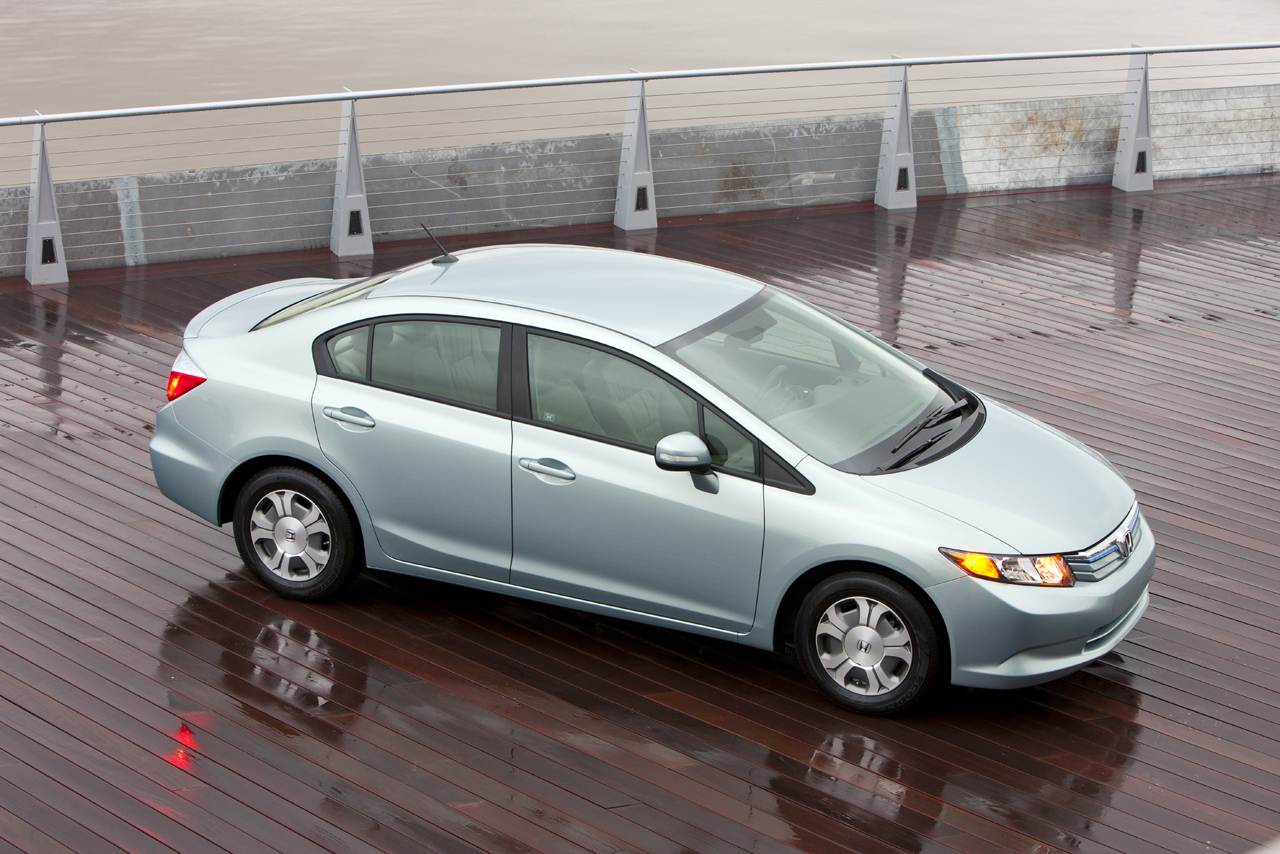
4. Older Honda Civic Hybrid
Older Honda Civic Hybrids can be appealing because they are inexpensive, compact, and efficient. They were also produced during an earlier period of hybrid development, when manufacturers were still refining battery management and hybrid-system durability.
That history makes some older Civic Hybrids a difficult recommendation for buyers who want predictable ownership at 100,000 miles or beyond.
The biggest concern involves the older IMA battery system. Battery capacity can decline significantly with age, and replacement can become a meaningful percentage of the vehicle’s value. Historical hybrid reliability data identify older Civic Hybrid models among those with documented battery-related concerns.
When the car is inexpensive enough, owners sometimes accept the risk and repair it. For someone buying a vehicle specifically to save money, however, an unexpected battery bill can quickly undermine that goal.
Age creates additional problems. Many of these cars are now old enough to have worn suspension components, deteriorated seals, aging air-conditioning systems, electrical faults, rust in some climates, and tired interior components.
Even if the hybrid battery remains operational, the rest of the vehicle may require several repairs. The cumulative cost can exceed the market value of the car.
A low purchase price is not necessarily a good deal. Suppose an older Civic Hybrid is priced at a few thousand dollars below a better-supported hybrid. That discount might disappear after a battery repair, suspension work, tires, and other maintenance. Buyers should therefore calculate the likely total cost rather than comparing asking prices alone.
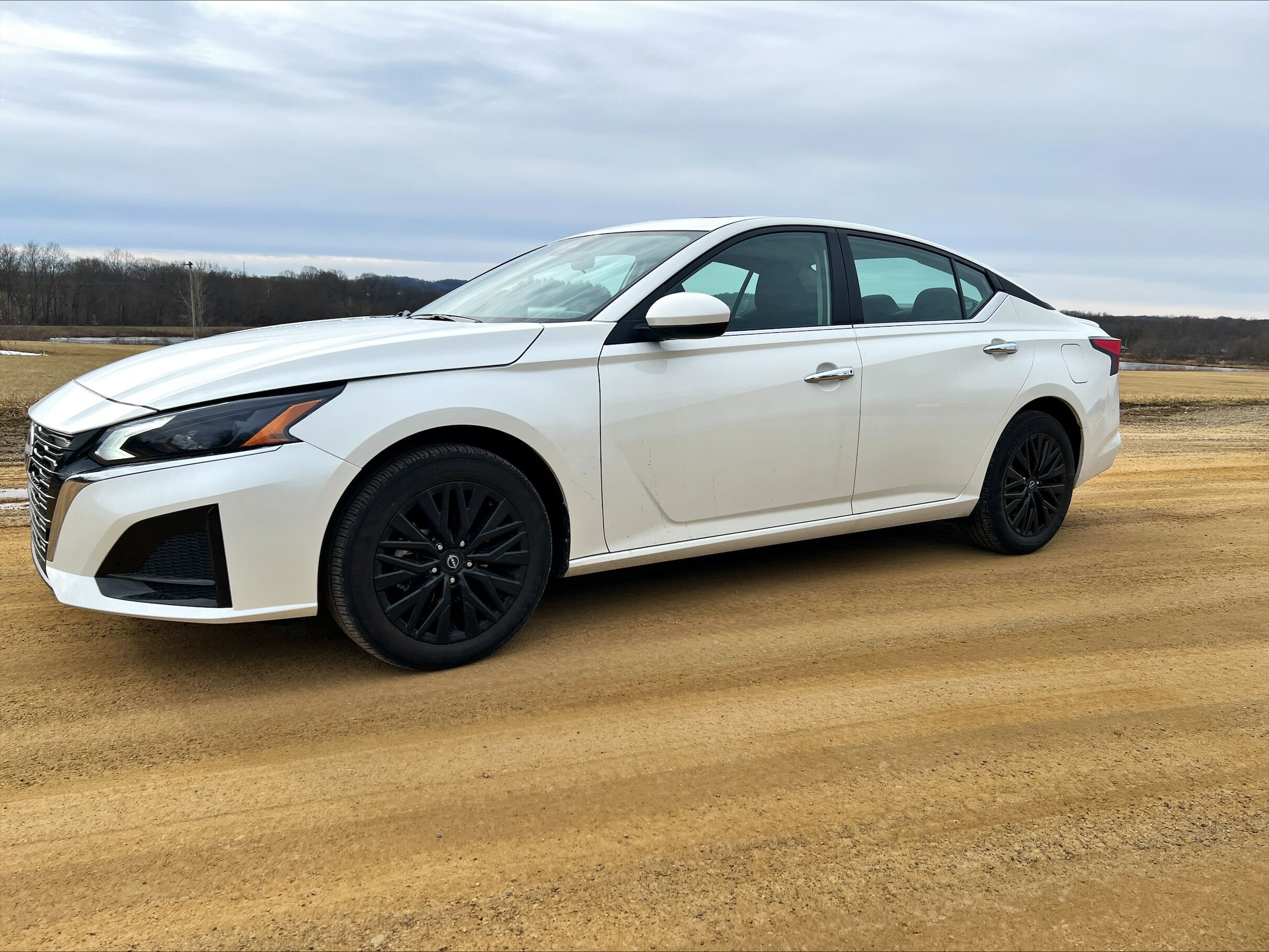
5. Nissan Altima Hybrid
The Nissan Altima Hybrid is an interesting piece of hybrid history, but that does not make it a strong choice for a modern 100,000-mile used-car purchase.
It was produced for a relatively limited period, which means the number of surviving examples is much smaller than the number of Prius, Camry Hybrid, or Accord Hybrid vehicles on the road. Limited production can create problems when owners need specialized parts or technicians who are familiar with the particular hybrid system.
The age of the vehicle is also a significant concern. Most Altima Hybrids are now old enough that buyers must think about time-related deterioration as much as mileage.
Even a car with a modest odometer reading can have aging seals, suspension components, cooling-system parts, electrical components, and interior equipment. At 100,000 miles, those issues can begin appearing at the same time that hybrid components are reaching an advanced stage of service life.
Battery condition is another important consideration. The hybrid system uses a battery pack that should be professionally evaluated before purchase.
A test drive can show whether the car moves normally, but it cannot establish the remaining useful life of the battery. If replacement or specialist repair becomes necessary, the limited number of these cars on the road can make the process less convenient than it would be with a common Toyota hybrid.
The Altima Hybrid also lacks the strong used-market ecosystem enjoyed by more popular hybrids. Prius owners have access to a large network of independent hybrid specialists, aftermarket parts, battery specialists, and experienced technicians.