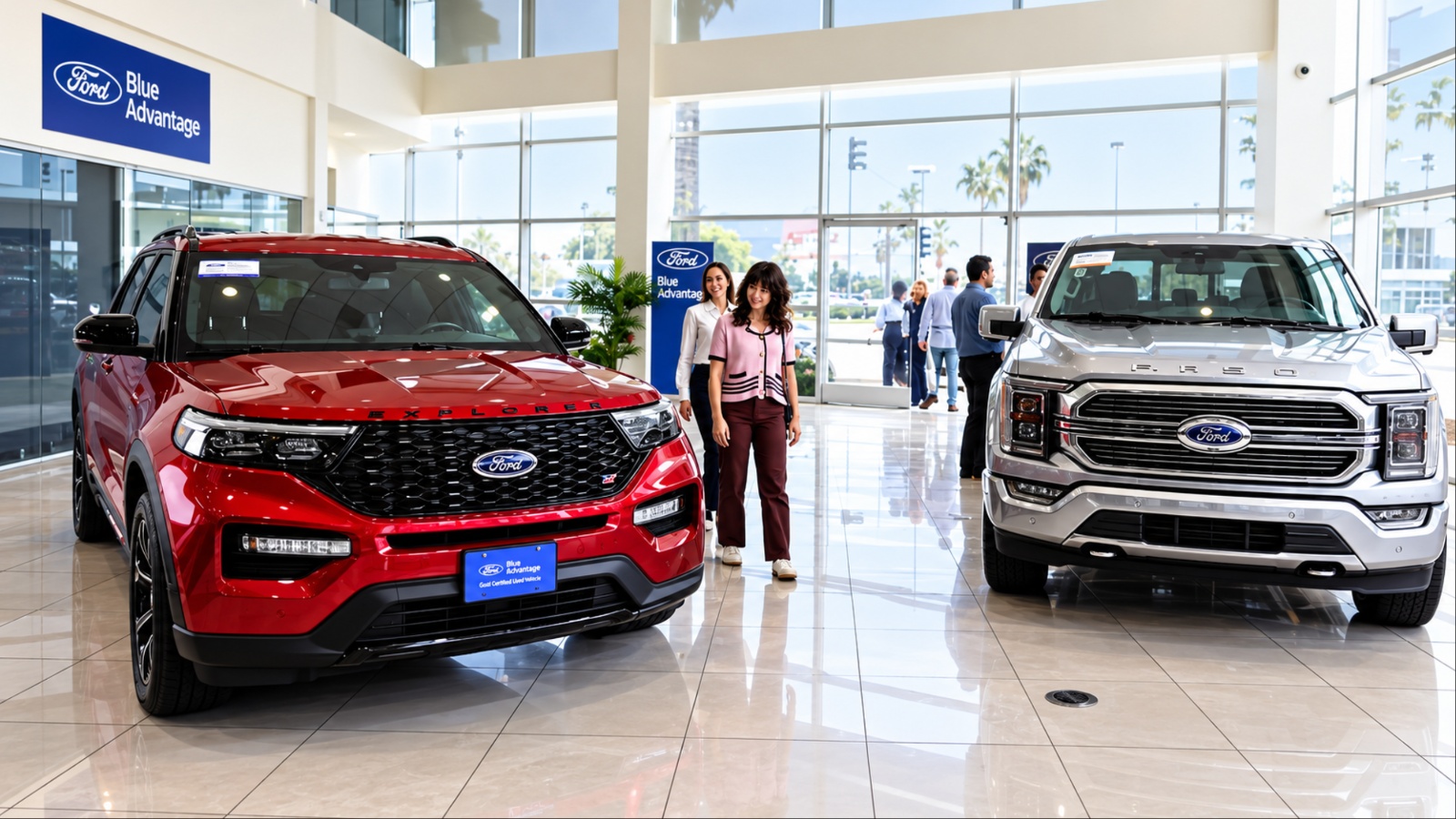
Buying a used car can feel like a gamble, especially when the vehicle carries a “dealer certified” label. The phrase sounds reassuring, but what does it actually mean?
A certified used car may have received inspections, repairs, reconditioning, and some form of warranty, yet the quality of that protection depends on who performed the certification and what standards were followed. Manufacturer-backed certification and dealer-created certification can be very different.
Understanding that distinction can help buyers avoid paying extra for a label that offers little practical value. Before signing a purchase agreement, it is worth looking beyond the badge and examining the inspection, history, warranty, and actual condition.
What Does Dealer Certified Used Car Really Mean?
A dealer certified used car is generally a pre-owned vehicle that a dealership has inspected and approved for sale under its own certification process.
The important word here is “dealer.” Unlike a manufacturer-backed certified pre-owned program, a dealer certification may be based entirely on standards created by that particular dealership. Some dealers have detailed inspection procedures, trained technicians, documented repairs, and meaningful warranty coverage.
Others may use the word certified more loosely after completing basic mechanical checks and cosmetic preparation. That difference is why buyers should never assume that every vehicle carrying a certified label has received the same level of inspection.
A genuine certification process can still provide useful benefits. A dealership may check the engine, transmission, brakes, suspension, steering, electrical equipment, air conditioning, tyres, bodywork, interior, and other major components. The vehicle may also receive routine maintenance or repairs before being offered for sale.
A thorough inspection can identify problems that might otherwise become the buyer’s responsibility shortly after purchase. However, an inspection is not a guarantee that a vehicle is mechanically perfect. Used vehicles have already experienced wear, and some faults only appear under particular driving conditions or after additional mileage.
The certification process can also include a review of the vehicle’s paperwork and history. Depending on the dealership and market, this might involve checking registration documents, ownership records, accident information, service records, financing status, or other available history.
Buyers should still verify these details independently rather than treating certification as absolute proof of a clean past. A certification program is only as strong as its inspection process and the information available to the people performing it. A car can look excellent and drive smoothly while still having a history that deserves closer attention.
One important distinction is between dealer certification and manufacturer certified pre-owned programs. A manufacturer certified vehicle usually has to meet eligibility requirements established by the automaker, including restrictions related to age, mileage, condition, and vehicle history.
The vehicle also typically undergoes a prescribed inspection and comes with manufacturer-backed warranty protection. Dealer certification can vary considerably from dealership to dealership. Automotive buying guides also warn that a vehicle described as “dealer certified” is not necessarily part of an official manufacturer CPO program.
That does not automatically make dealer-certified vehicles bad purchases. In fact, a reputable dealership with strong inspection and reconditioning practices can prepare a used car extremely well. The key is to find out what “certified” means at that specific dealership.
Ask for the certification checklist, inspection report, repair records, warranty contract, and vehicle history. If the salesperson cannot clearly explain what was checked and what protection you receive, the certification label should not influence your decision very much.
What Happens Before a Used Car Gets Certified?
The first stage usually involves a physical inspection. Technicians examine the vehicle to determine its mechanical and cosmetic condition. Common areas include the engine, transmission, brakes, suspension, steering, tyres, battery, lights, electrical systems, air conditioning, body panels, glass, interior equipment, and safety-related components.
A road test may also be performed to identify unusual noises, vibrations, shifting problems, braking issues, or other symptoms that cannot be detected while the vehicle is parked. The exact checklist varies by certification program.
Reconditioning is another major part of the process. A dealership may replace worn tyres, repair damaged components, change fluids, replace filters, correct warning lights, perform scheduled maintenance, or address cosmetic problems.
The goal is generally to make the vehicle ready for retail sale rather than simply placing it on the lot in the condition in which it arrived. This can be valuable because some used cars require substantial preparation before they are suitable for everyday driving.
However, buyers should ask which repairs were actually performed instead of assuming that certification means every component has been replaced or restored.
A vehicle history check can provide a second layer of protection. It may reveal previous accidents, ownership changes, mileage records, insurance events, or other information depending on the country and database being used.
Still, no history report should be considered a perfect record of everything that has happened to a car. Some repairs may never have been reported to an insurer or entered into a commercial database. This is why a history report should complement, rather than replace, a physical inspection and test drive.
The certification inspection itself has limitations. A technician can identify visible wear, leaks, damaged components, warning lights, and many mechanical concerns, but intermittent problems may not appear during a short inspection. An electrical fault might occur only occasionally.
A transmission problem could become noticeable only after the vehicle reaches operating temperature. A suspension noise might appear on a particular type of road. For this reason, even official guidance on used-car purchases recommends considering an independent mechanical inspection even when a vehicle has already been certified or inspected by a dealer.
A smart buyer therefore treats certification as an additional layer of protection, not a substitute for personal research. Take the vehicle for a meaningful test drive, inspect the exterior in daylight, check the tyres and interior, examine warning lights, and ask questions about maintenance.
If possible, have an independent mechanic inspect the car before completing the purchase. An independent opinion is particularly useful when the dealer’s certification report is vague or when the vehicle has high mileage, previous accident repairs, multiple owners, or an unclear service history.
Is the Warranty Really Worth Paying More For?
Warranty coverage is often the strongest selling point of a certified used car. A warranty can reduce the financial impact of certain mechanical or electrical failures during the covered period.
However, warranties differ substantially. Some cover a broad range of components, while others focus mainly on the engine and transmission. Certain plans include roadside assistance or other benefits, while others provide only limited repair coverage. The duration may also be based on months, mileage, or whichever limit is reached first.
The phrase “warranty included” should never be accepted without reading the actual contract. Buyers need to know what components are covered, what exclusions apply, where repairs can be performed, whether a deductible exists, and what maintenance requirements must be followed.
Some warranties may exclude wear-and-tear items such as tyres, brake pads, batteries, belts, or other maintenance components. Others may contain specific exclusions for certain electronic or mechanical parts. The value of the warranty depends on what it actually pays for.
It is also important to establish who backs the warranty. A manufacturer-backed CPO warranty and a third-party service contract are not necessarily equivalent.
A dealer may offer a warranty administered by an outside company, while another dealership may provide coverage directly. The reputation and financial stability of the warranty provider, the claims process, repair-authorisation requirements, and geographic coverage can all affect how useful the protection becomes when something fails.
A manufacturer certified pre-owned vehicle generally has a more standardized warranty structure because the automaker establishes the program requirements. Dealer-certified vehicles can have considerably more variation.
Some dealer programs offer useful protection, while others may provide limited coverage that sounds impressive in advertising but covers relatively few expensive components. Automotive consumer guidance specifically notes that third-party warranties can differ from manufacturer CPO coverage and may have narrower protection or additional service restrictions.
The right question is therefore not “Does this car have a warranty?” It is “What exactly does this warranty protect me from?” Ask the dealership to show you the contract before you commit to the purchase.
If a covered component fails, find out where you must take the vehicle, whether the dealership needs to approve the repair, how much you pay, and whether parts and labour are covered. A clear warranty can add genuine value. A vague promise should not justify a large premium.