

The Ford Explorer offers something for nearly every type of three-row SUV buyer, but choosing the right trim can make a major difference in what you get for your money. The lineup ranges from a more affordable entry model to sporty, luxurious, and off-road-focused versions, each with its own personality. Some buyers may simply want a comfortable family vehicle, while others may care more about power, premium features, or all-weather capability.
The wide range of Explorer trims gives buyers plenty of options, but it can also make choosing the right model more difficult. Comparing the Base trim, also known as the Ford Explorer Active 100A, with the Active, ST-Line, Tremor, Platinum, and ST models makes it easier to see which features justify the higher price and which ones some buyers may be better off skipping.
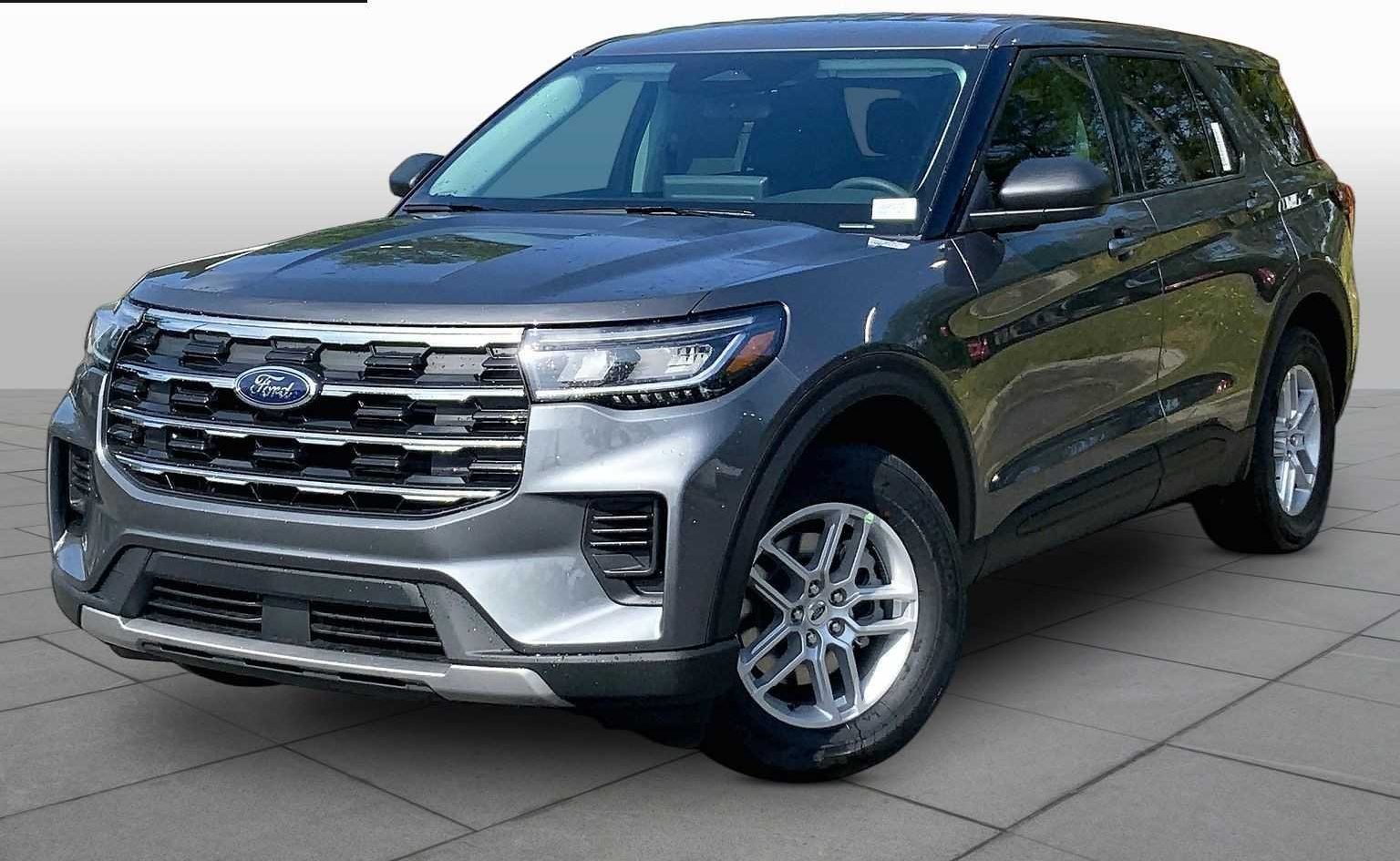
Ford Explorer Active 100A
Starting at $38,465, the Active 100A is where the 2026 Explorer lineup begins, and Ford didn’t cut many corners to hit that price. Every Explorer trim, including this base model, comes standard with a turbocharged 2.3-liter EcoBoost four-cylinder producing 300 horsepower, meaning even the cheapest Explorer on the lot doesn’t feel underpowered pulling away from a stoplight or merging onto a highway. Rear-wheel drive comes standard, with four-wheel drive available for those who want it.
Ford didn’t strip the cabin down to bare bones either. The Active 100A includes an expansive infotainment display, cloth seat upholstery with its own distinct pattern, and wireless smartphone connectivity built in from the start, features that used to require a step up to a mid-range trim on plenty of competing three-row SUVs.
Fuel economy sits at a respectable 20 city and 29 highway miles per gallon, numbers that hold steady across most of the lineup regardless of trim. For buyers who mainly need reliable transportation without a long list of luxury extras, the Active 100A covers the basics convincingly.
It won’t turn heads in a parking lot, and options like heated seats or a panoramic roof require moving up the ladder, but as an entry point into three-row SUV ownership, it holds its own.
Anyone cross-shopping base trims from other brands will find the Active 100A a genuinely competitive starting point rather than a compromise.
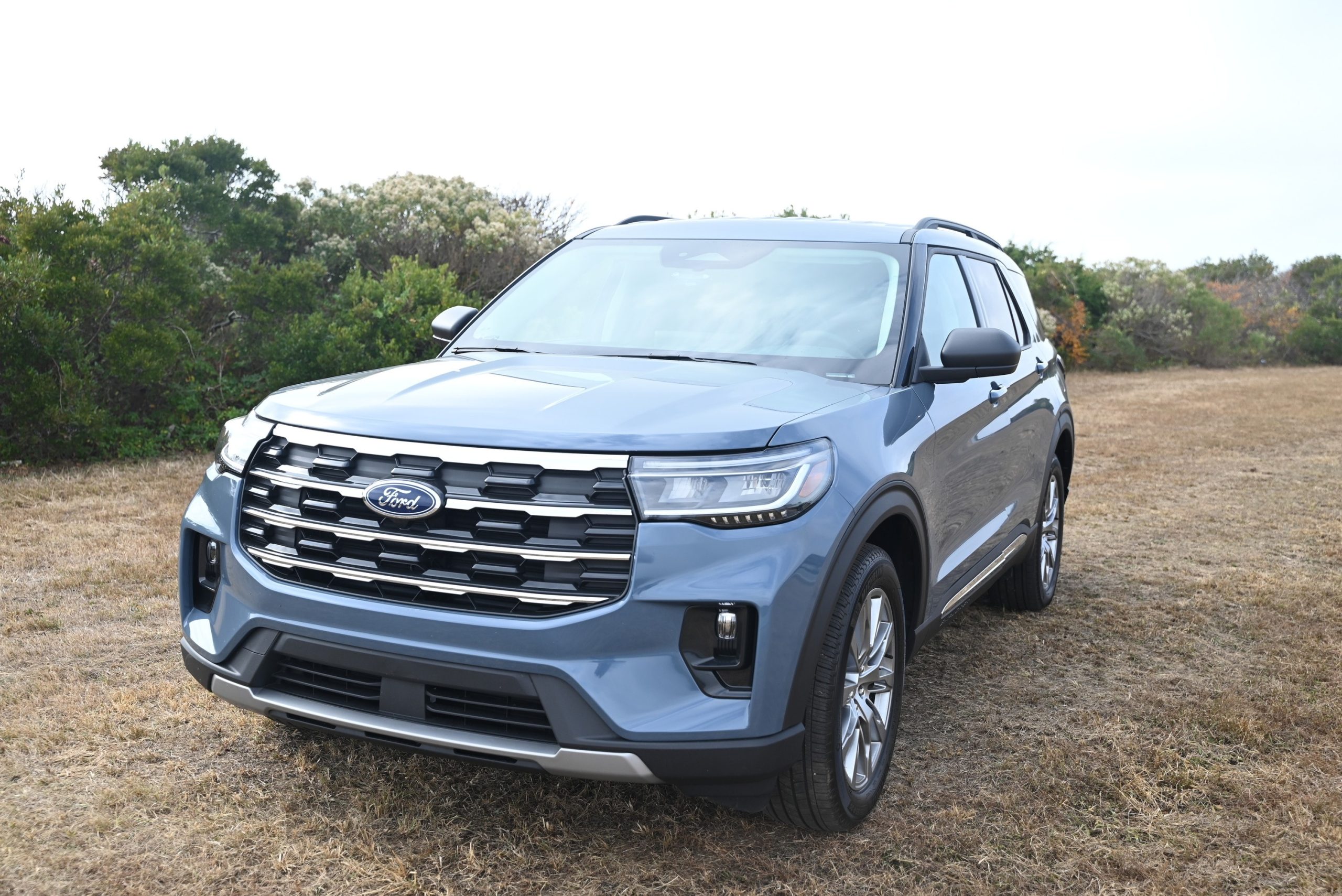
Ford Explorer Active
For many shoppers, the regular Explorer Active is where the lineup starts to feel properly equipped. It retains the turbocharged 2.3-liter engine and 300 horsepower, so performance remains similar to the Base model. The difference comes from convenience and comfort.
Heated front seats are included, which can make a daily commute more pleasant during colder months. A 10-way power driver’s seat, roof rails, and a power liftgate also improve the experience in ways that become easy to appreciate during regular use. These are not dramatic additions, but they address some of the Base model’s biggest omissions.
The Active can also be ordered with rear-wheel drive or four-wheel drive, giving buyers more freedom to choose based on their driving needs. Fuel economy remains competitive for a midsize three-row SUV, particularly with rear-wheel drive.
This trim works well for families who want a balanced package rather than a specialized vehicle. It provides plenty of technology, useful convenience features, and enough power for everyday driving without pushing the price toward the premium end of the range.
The Explorer Active is also the most sensible choice for buyers who want an SUV they can keep simple. There is no need to pay for aggressive styling, a performance engine, or luxury-focused extras if those features will not be used regularly. For practical ownership, this trim has a very strong argument.
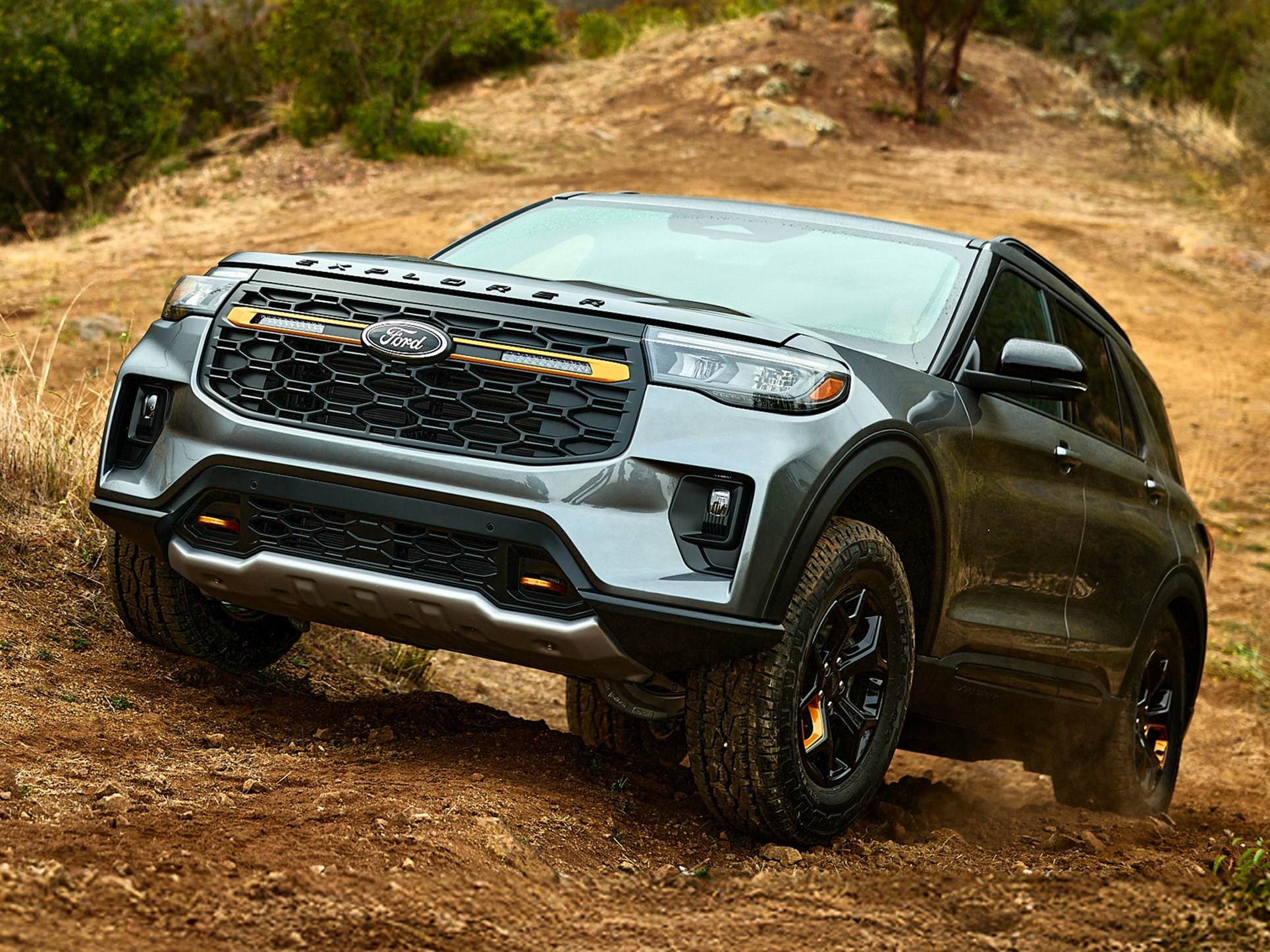
Ford Explorer ST-Line
The Explorer ST-Line is designed for buyers who like the appearance of a sportier SUV but do not necessarily need the stronger engine found in the actual Explorer ST. That distinction is important because the ST-Line keeps the 300-horsepower turbocharged four-cylinder rather than moving up to the 3.0-liter twin-turbo V6.
Its appeal is largely visual. Sportier exterior details and a more aggressive appearance give the ST-Line a stronger road presence than the Active. The cabin also receives a more athletic presentation, helping create a different atmosphere without demanding the price of the high-performance ST.
For some shoppers, that formula makes perfect sense. The four-cylinder provides enough power for normal driving, and the lower price compared with the ST leaves room in the budget for other priorities. Fuel economy is also better than in the V6-powered version.
The key question for buyers is whether the added cost is justified by the styling they prefer. The ST-Line carries a higher price than the Active, yet much of its underlying mechanical equipment remains the same.
If appearance matters greatly, the upgrade can be justified. If value means getting more comfort or more capability for every dollar spent, another trim may offer a better return.
Still, the ST-Line fills a useful position in the Explorer lineup. It is the choice for drivers who want sporty style without making the jump to a more expensive performance SUV.
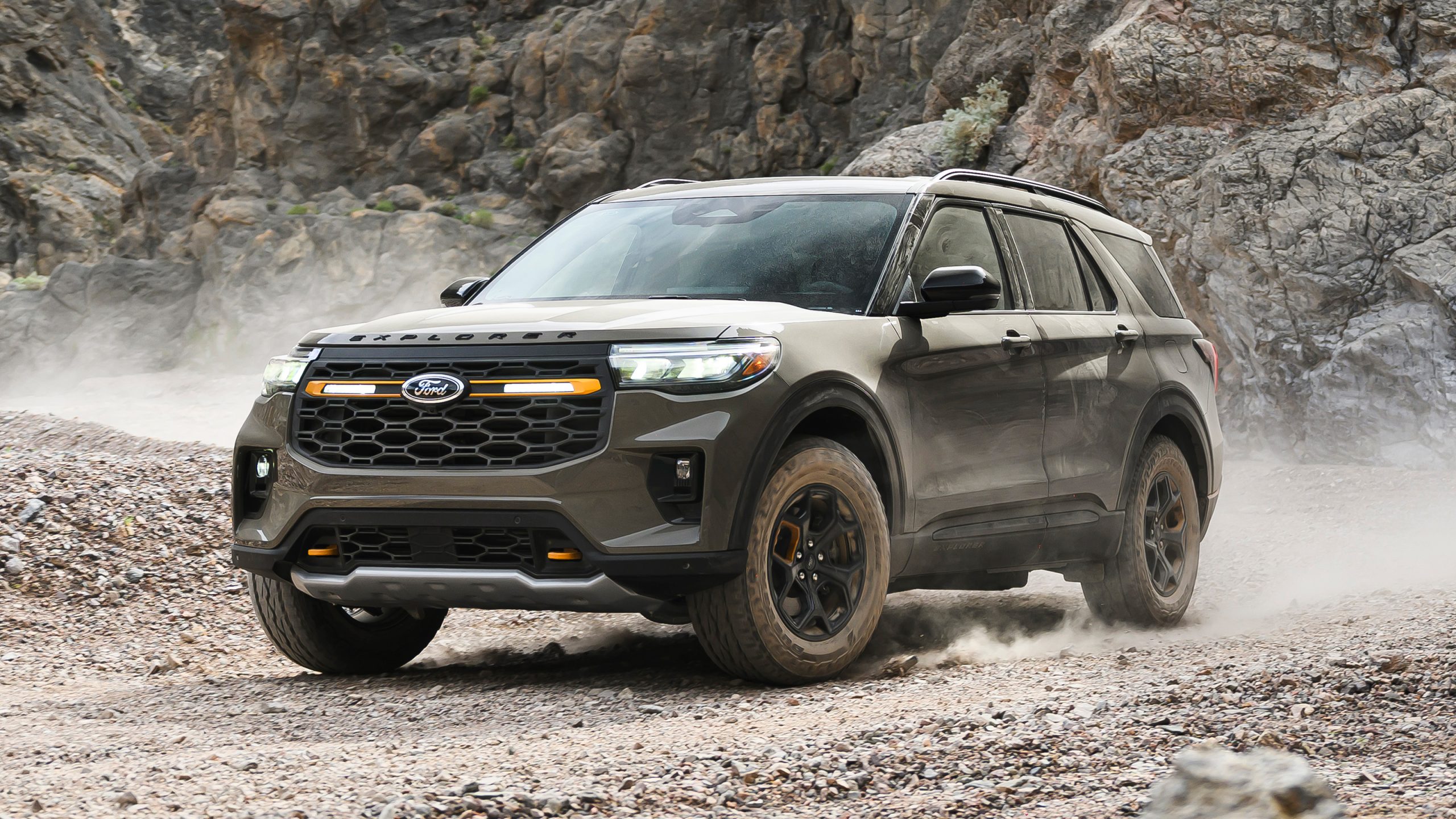
Ford Explorer Tremor
The 2026 Explorer Tremor takes the model in a more adventurous direction. Unlike the other trims, this version is built for buyers who want extra capability away from paved roads while still needing the comfort and space of a three-row family SUV.
Ford gives the Tremor four-wheel drive as standard equipment, along with an off-road-tuned suspension, specially tuned springs and sway bars, additional ride height, and protective equipment underneath the vehicle. Its ground clearance is also greater than that of the Active and ST-Line versions. These changes make the Tremor more useful on rough roads and in poor weather.
This trim can also be equipped with the more powerful 3.0-liter twin-turbo V6, producing 385 horsepower in certain configurations. That adds another layer of appeal for drivers who want stronger performance alongside extra capability.
The downside is price. The Tremor costs much more than the Active, and its specialized equipment may offer little benefit to someone who spends every day on smooth city and highway roads. Fuel economy can also suffer compared with the standard four-cylinder models.
For the right buyer, though, the Tremor is easy to understand. If your driving regularly takes you beyond ordinary pavement, its extra hardware is more than a styling exercise. That makes the price easier to justify.
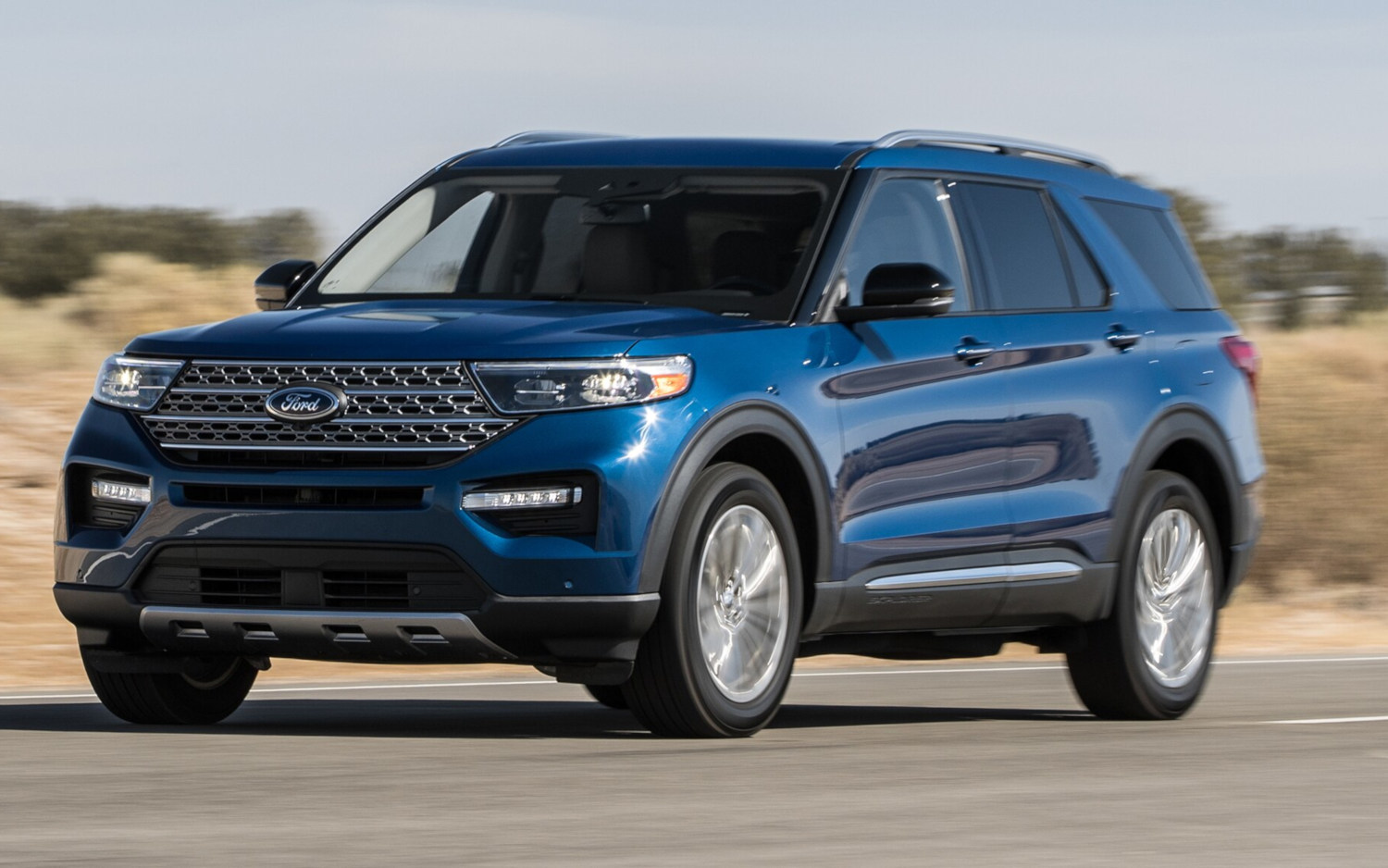
Ford Explorer Platinum
Luxury takes center stage once you reach the Platinum trim, starting at $50,965. Ford positions this as the top comfort-focused Explorer in the lineup, and the feature list backs that up clearly.
Automatic Lane Change technology comes standard here, a system that monitors highway traffic and can switch lanes hands-free without the driver needing to touch the turn signal, a genuinely advanced piece of driver assistance tech that isn’t available on the lower trims.
Premium materials extend throughout the cabin, along with a more sophisticated sound system and additional comfort features designed to make longer trips feel less tiring for both driver and passengers.
Despite sitting near the top of the lineup, the Platinum is interestingly not the most expensive Explorer available, a detail that surprises plenty of shoppers expecting luxury trims to always command the highest price.
The standard engine remains the 300-horsepower turbocharged four-cylinder, meaning buyers here are paying primarily for comfort, technology, and refinement rather than outright performance.
For buyers whose priority is a smooth, quiet, feature-loaded family hauler rather than sporty handling or off-road capability, the Platinum makes a compelling case, delivering genuine luxury touches without pushing into the performance-focused pricing of the trim sitting just above it.
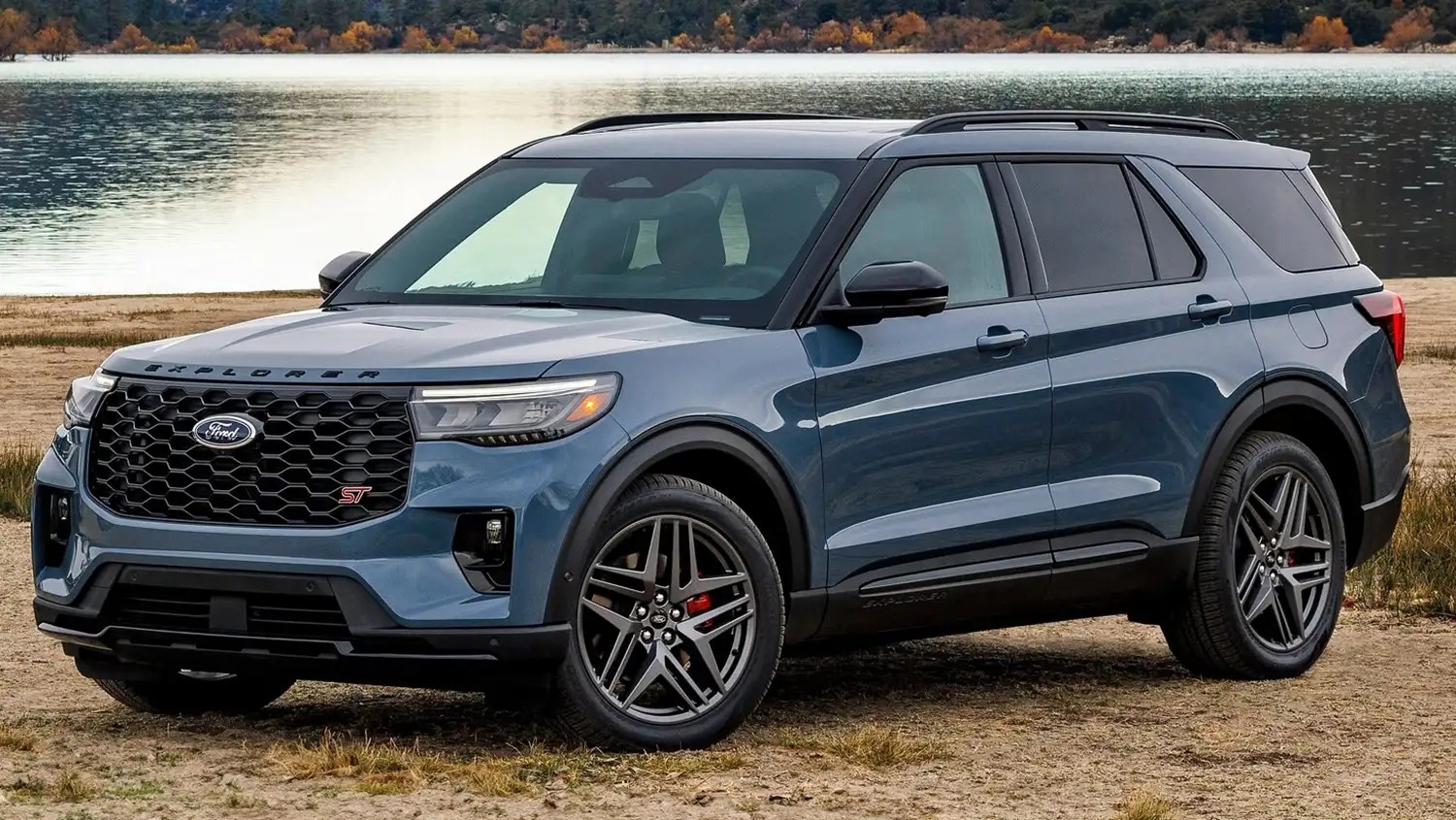
Ford Explorer ST
At the top of the performance ladder sits the ST, starting at $54,905, and it’s the only Explorer trim built around genuine speed. Under the hood is a twin-turbo 3.0-liter V6 producing 400 horsepower, a substantial jump over the 300-horsepower four-cylinder found across the rest of the lineup, and enough to push the ST from zero to sixty in around 5.1 seconds, a genuinely quick number for a three-row family SUV.
Beyond straight-line speed, the ST adds a sport-tuned suspension, rear-wheel drive with six selectable drive modes, and SelectShift capability with paddle shifters for drivers who want more direct control over gear changes.
Synthetic leather upholstery with suede inserts and ventilated seats round out an interior that feels distinctly sportier than anything else in the lineup, reinforcing that this trim exists for buyers who genuinely want performance rather than just performance-inspired styling.
Fuel economy takes a noticeable hit compared to the rest of the lineup, dropping to 18 city and 25 highway, a fair trade-off given the substantial power increase. It’s also worth noting the ST costs more than the Platinum specifically because of this performance hardware, not simply due to added luxury features.
For buyers who genuinely want a fast three-row SUV and are willing to pay for it, the ST delivers on that promise convincingly, though it’s a narrower value proposition than trims further down the lineup.
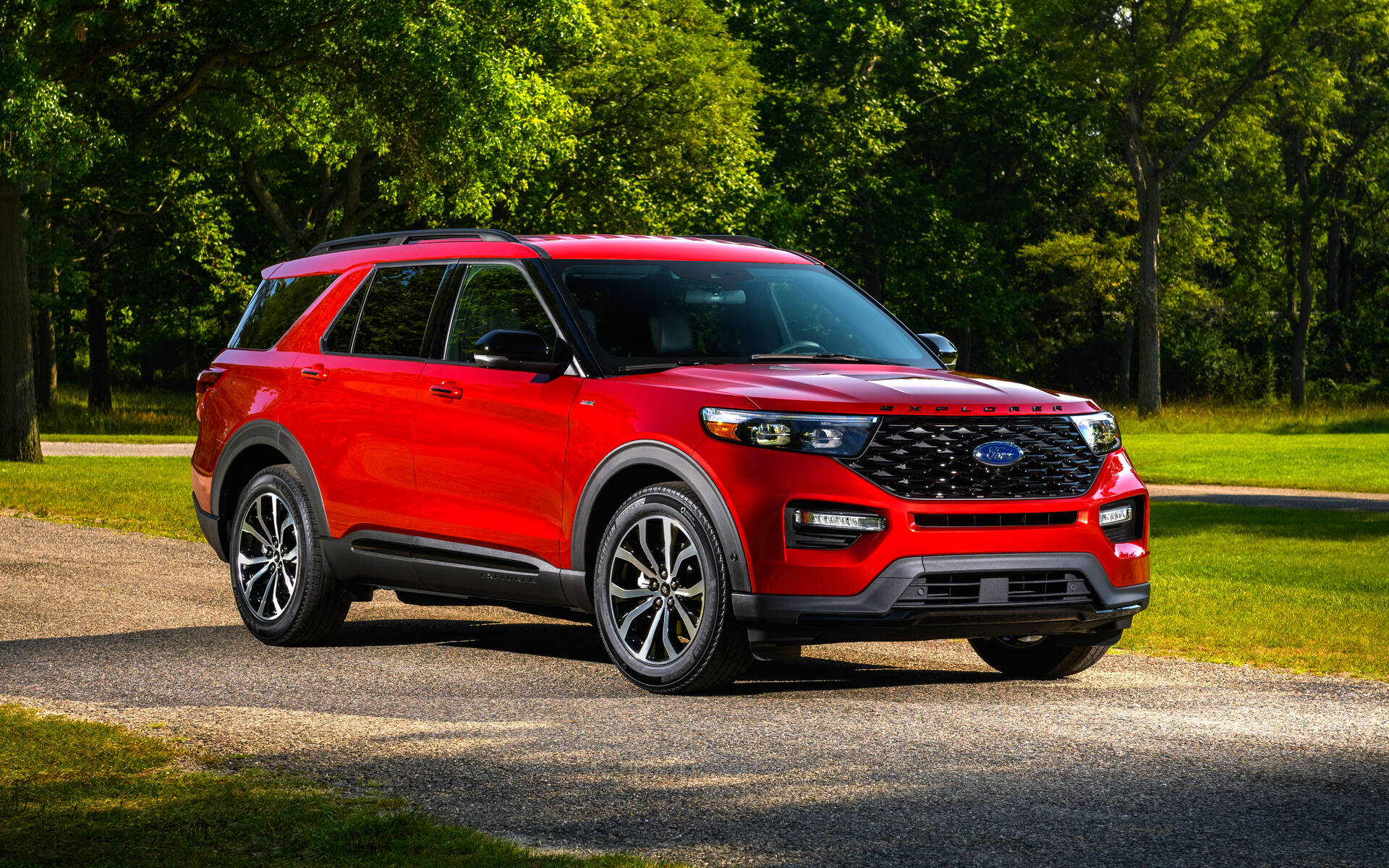
So, Which Trim Is Worth the Money?
Based on the full picture, the ST-Line stands out as the trim delivering the strongest value across the entire 2026 Explorer lineup. For roughly $6,700 more than the base Active 100A, buyers gain a genuinely upgraded interior, a premium sound system, heated seating front and back, sportier styling, and noticeably more advanced technology, all without needing to jump into ST-level pricing or sacrifice the practicality most three-row buyers actually need.
That said, “worth the money” depends heavily on individual priorities. Budget-focused buyers who just need reliable transportation will find the Active 100A hard to beat given how much comes standard at its price point.
Off-road-minded families should look seriously at the Tremor, since nothing else in the lineup offers comparable capability. And buyers who genuinely crave speed and sharper handling will find the ST worth its premium, provided fuel economy isn’t a dealbreaker.
For most shoppers comparing features against price across the board, though, the ST-Line consistently comes out as the trim offering the most noticeable upgrade per dollar spent, making it the smartest starting point for anyone unsure which Explorer to choose.
