
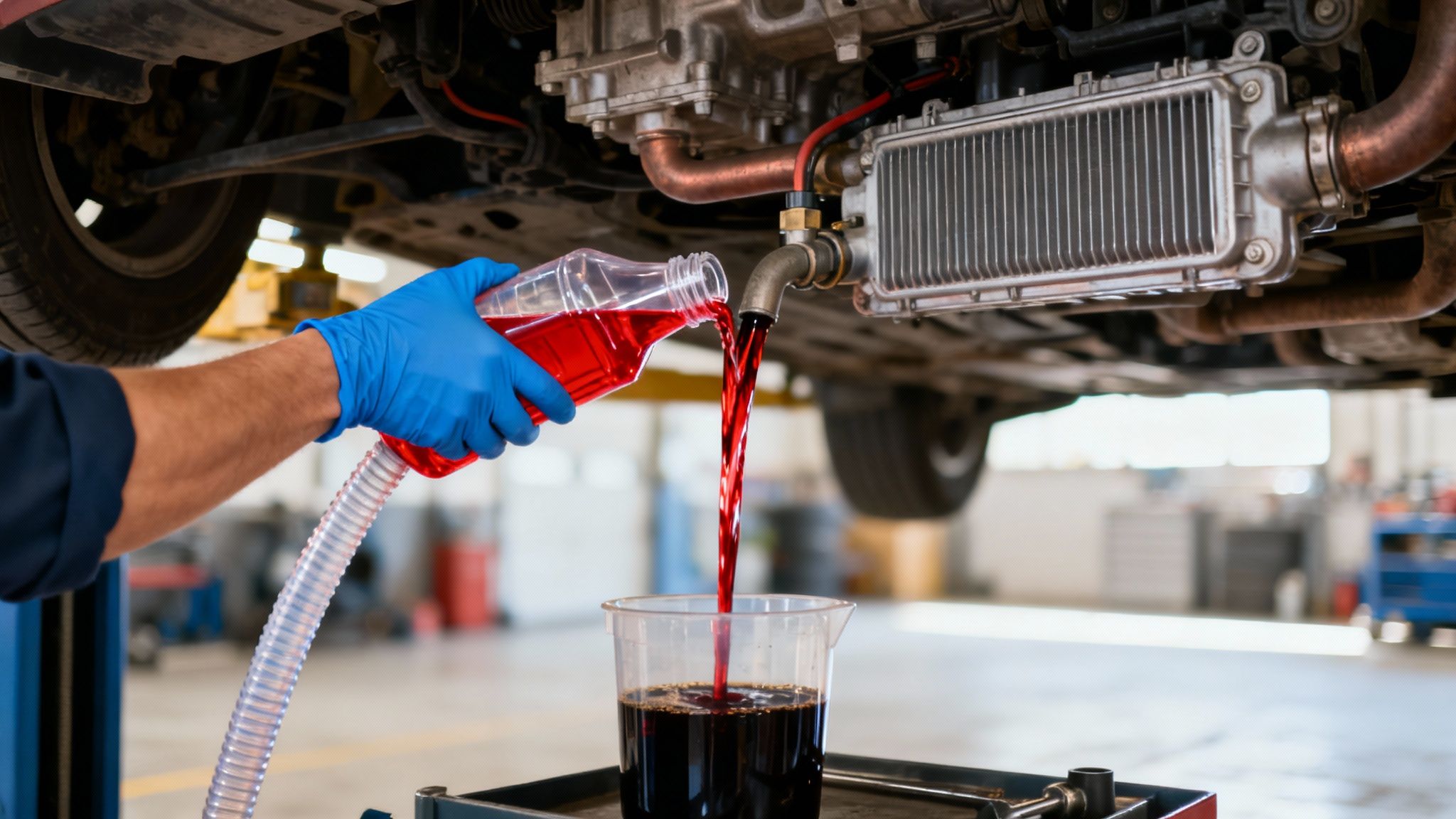
Few car maintenance questions spark as much debate as transmission fluid service on a high-mileage vehicle. Some drivers believe a flush can help extend the life of an aging transmission, while others worry that changing old fluid could trigger problems. If your vehicle has passed 100,000 miles without a transmission service, you may be wondering whether it is finally time to change the fluid or whether leaving it alone is the safer choice.
Mechanics themselves don’t always agree, and that disagreement leaves plenty of owners stuck, worried one wrong move could turn a healthy transmission into an expensive problem. Let’s sort through what’s actually true here.
Why This Question Sparks So Much Debate
Ask five different mechanics whether a transmission flush is safe past 100,000 miles, and you might get five different answers. That inconsistency isn’t due to anyone being wrong exactly; it comes down to genuinely different experiences with different vehicles, different fluid conditions, and different flush methods used across the industry.
Some mechanics have seen high-mileage transmissions fail shortly after a flush, and that memory sticks with them permanently. When fluid has never been changed, sludge and worn friction material can accumulate inside the transmission over years of driving.
That buildup, while not ideal, sometimes helps seals and clutch packs maintain a temporary grip despite their age. Introducing fresh, high-pressure fluid through a flush can dislodge that accumulated material suddenly, potentially causing shifting problems or outright failure that wasn’t happening before the service.
Other mechanics have had the opposite experience, successfully flushing high-mileage transmissions without any resulting issues, particularly when using gentler methods and proper care during the process.
Online forums and social media groups are full of stories supporting both outcomes, which only deepens the confusion for owners trying to make the right call for their specific vehicle.
The truth sits somewhere in the middle, depending heavily on your particular transmission’s condition, service history, and how the actual flush procedure gets performed by whoever’s doing the work.
The Difference Between a Flush and a Fluid Change
People often use “flush” and “fluid change” interchangeably, but they’re genuinely different procedures with different levels of risk, especially on a transmission that’s gone 100,000 miles without service. Understanding that distinction matters more than most owners realize before booking an appointment.
A standard fluid change, sometimes called a drain and fill, involves removing the transmission pan, draining out old fluid, replacing the filter if applicable, and refilling with fresh fluid.
This method typically only replaces a portion of the total fluid volume, since some fluid remains trapped within the torque converter and various internal passages that a simple drain doesn’t reach.
Because this process is gentler and doesn’t involve forceful high-pressure fluid movement, it’s generally considered the safer option for high-mileage transmissions with an unknown service history.
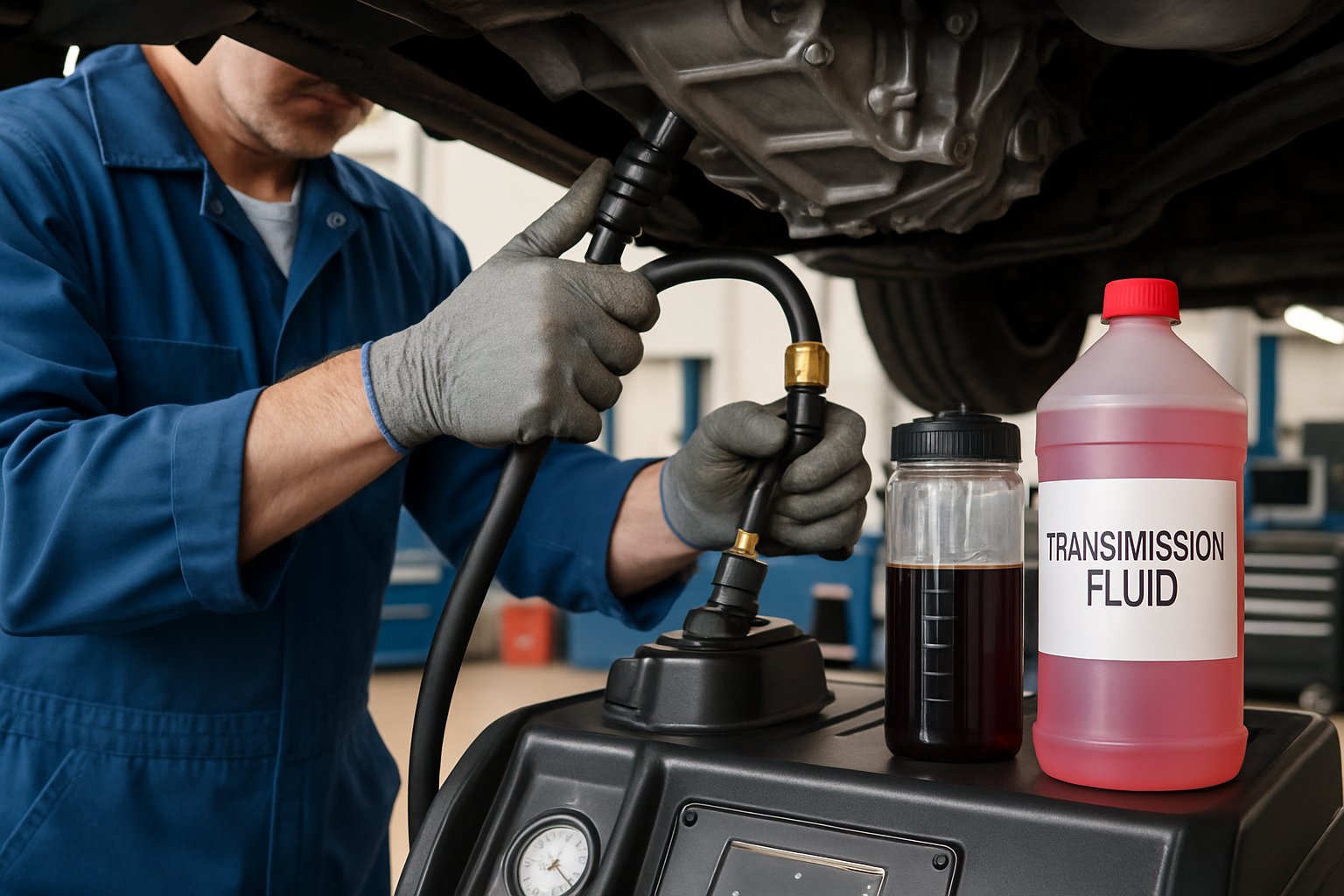
A flush, on the other hand, uses machine-powered equipment to push new fluid through the entire transmission system under pressure, forcing out essentially all the old fluid, including what’s trapped in the torque converter.
While this method does a more thorough job replacing fluid, that same thoroughness and pressure is exactly what worries mechanics concerned about dislodging built-up debris in an aging, never-serviced transmission.
For high-mileage vehicles with questionable fluid history, many technicians recommend starting with a simple drain and fill rather than jumping straight into a full flush, precisely because of this risk difference between the two approaches.
What Actually Determines the Risk
Whether a flush causes problems on your specific vehicle depends on several factors that go beyond simply counting miles on the odometer. Current transmission behavior matters enormously here.
If your transmission is currently shifting smoothly without any hesitation, slipping, or unusual noises, the internal components are likely in reasonably good condition despite never having had a fluid service, which lowers the risk somewhat compared to a transmission already showing warning signs.
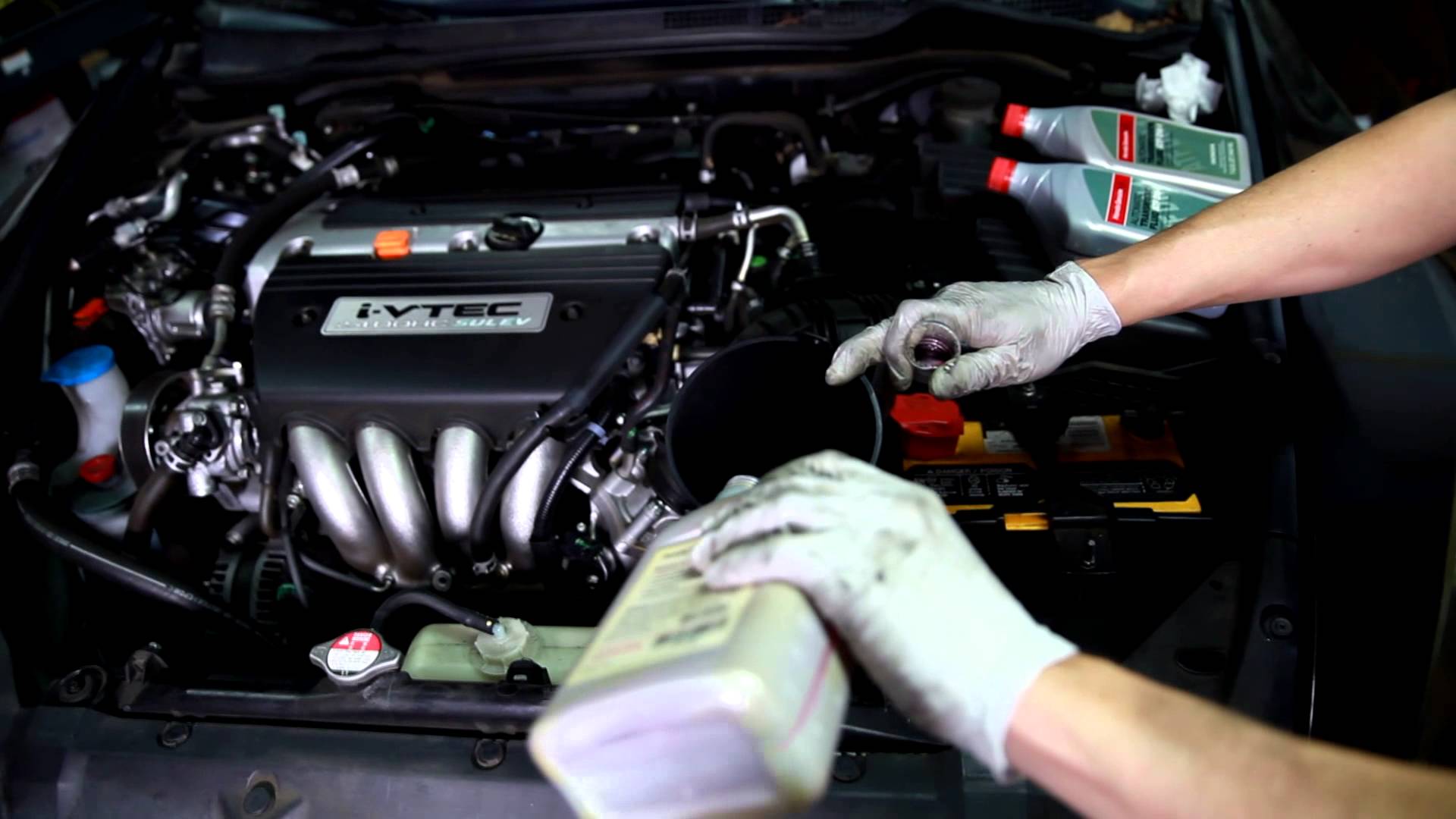
Fluid condition itself offers real clues too. Checking the fluid’s color and smell before deciding on a service can be genuinely informative.
Fluid that’s turned dark brown or black and carries a burnt smell suggests more internal wear and heat exposure, raising the stakes considerably for any type of fluid service, flush or otherwise.
Fluid that still looks reasonably red or pink, even after 100,000 miles, suggests a healthier internal environment less likely to react badly to a full flush.
The specific transmission model and manufacturer also play a role, since some designs handle fluid exchange better than others based on their internal construction and how sensitive their clutch packs are to fluid changes.
Certain vehicles have documented histories of flush-related problems circulating within owner communities, while others rarely show any issues at all following the same procedure. Who’s actually performing the service matters just as much as the vehicle itself.
An experienced technician using proper equipment and a gentler approach reduces risk considerably compared to a rushed job at a high-volume shop using aggressive machine settings without regard for the vehicle’s specific history or current condition.
So, Is It Safe?
The honest answer is that it depends, but leaning toward caution makes sense for most high-mileage vehicles that have never had a transmission service. If your transmission currently changes well and shows no warning signs, a full machine flush carries some genuine risk of stirring up built-up debris that’s been quietly helping worn components function despite their age.
A safer starting point for most owners in this situation is a simple drain and fill, replacing what fluid you can access through the pan without the aggressive pressure involved in a full flush.
This gentler approach still provides some benefit by introducing fresher fluid into the system, while avoiding the more dramatic risk associated with forcing fluid through the entire transmission under pressure.
Some owners choose to perform a couple of these partial drain and fill services spaced a few months apart, gradually improving fluid quality without the shock of one aggressive flush all at once.
If your transmission is already showing symptoms like slipping, delayed engagement, or rough shifting, proceed carefully and talk with a trusted, experienced technician before choosing any service option.
In that situation, some mechanics might actually recommend against fluid service altogether, since a struggling transmission sometimes reaches the end of its service life regardless of what maintenance gets performed at that point.
When in doubt, getting a professional opinion specific to your exact vehicle, mileage, and current transmission behavior remains the smartest move before committing to any type of fluid service.
