
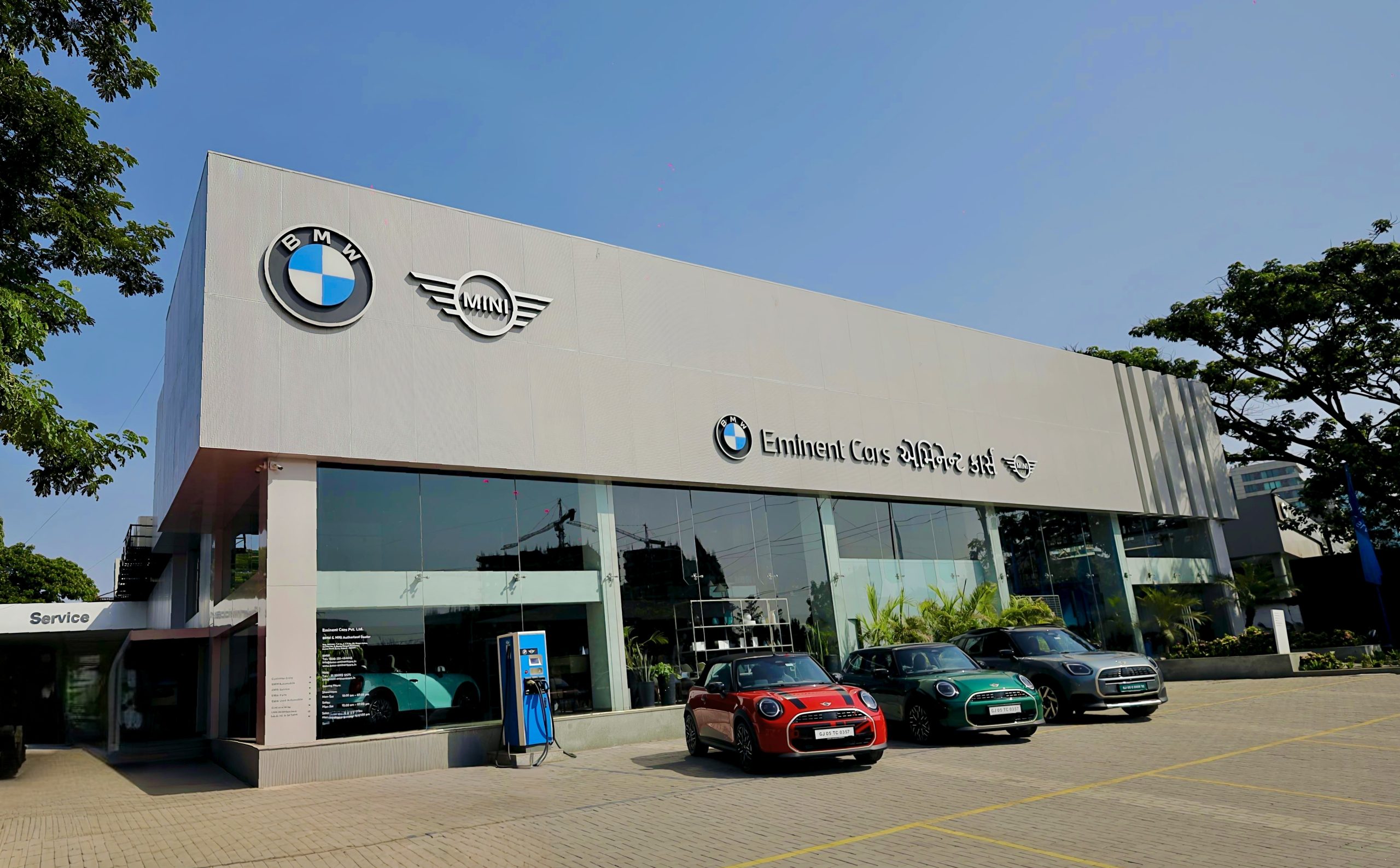
Buying a vehicle can become expensive when buyers focus only on the sticker price. Dealers may have room to adjust pricing, add incentives, remove fees, or improve the terms of a deal when the right questions are asked. Good negotiation does not require being aggressive or confrontational.
It requires knowing what to ask, when to ask it, and how to compare the answers. The questions below can help you understand the dealer’s position and create opportunities for savings. Whether you are buying a new or used vehicle, these questions can make the negotiation clearer, more confident, and potentially much less expensive for you.

1. “What Is the Best Price You Can Give Me?”
This is a simple question, but it can immediately tell you how flexible a dealer may be. Instead of accepting the advertised price as final, ask directly whether there is room to reduce it.
A salesperson may initially provide a modest discount, while others may explain current incentives or pricing programs that are not obvious from the vehicle listing. Your goal is not to demand an unrealistic price. You are opening a conversation about the actual amount you may be able to pay.
The wording matters because you want the dealer to give you a specific number. Asking, “Can you do better?” may produce a vague response such as, “We are already giving you a great deal.”
Asking for the best available price encourages a more concrete answer. Once you have that figure, you can decide whether it is competitive with similar vehicles and dealerships. A specific number also gives you something useful to negotiate from.
Timing can make this question more effective. If you have already inspected the vehicle, taken a test drive, and shown genuine interest, the salesperson knows you are a serious buyer.
At that stage, asking for the best price may carry more weight than asking before you have demonstrated any interest. Still, avoid making promises you are not prepared to keep. You should remain free to compare offers before committing.
It is also helpful to separate the vehicle price from financing, trade-in value, and optional products. A dealer might reduce the selling price slightly while making money elsewhere in the transaction.
Ask for the vehicle’s selling price before discussing monthly payments. This makes it easier to see whether the discount is real and prevents a lower monthly payment from hiding a higher total cost.
If the first number does not satisfy you, do not immediately reject it. Ask what would need to happen for the price to come down further.
The salesperson may mention manufacturer incentives, dealer discounts, special financing programs, or inventory considerations. Their answer can reveal where additional savings might exist. A calm, direct conversation often produces better information than an aggressive approach.
2. “Are There Any Current Manufacturer Incentives or Rebates?”
Manufacturer incentives can significantly affect the price of a vehicle. Depending on the model, market conditions, and buyer qualifications, programs may include cash rebates, financing offers, loyalty incentives, military programs, college graduate incentives, or other discounts. Not every buyer qualifies for every program, so ask the dealer to identify which offers apply specifically to you.
Do not assume that the advertised price automatically includes every available incentive. Some advertisements display prices that depend on eligibility requirements or financing through a particular lender.
Ask the salesperson to explain exactly how the advertised price was calculated. You can then determine whether the same price is actually available to you.
Ask whether the incentives can be combined. Some programs may be compatible, while others may not be. A dealer should be able to provide a clear explanation of which offers can be stacked. If you qualify for multiple programs, combining them may reduce the effective purchase price considerably.
It is worth asking about incentives even when the vehicle already has a discount. A dealer may advertise a markdown from the manufacturer’s suggested retail price while separate manufacturer programs remain available. The important point is to understand the complete pricing structure rather than assuming the first discount represents the maximum savings.
Keep documentation in mind as well. If a salesperson says a particular rebate is available, ask for the eligibility requirements and the amount in writing when possible.
This helps prevent misunderstandings later. A genuine incentive should have clear conditions, and you should understand those conditions before signing a purchase agreement.
3. “How Long Has This Vehicle Been on Your Lot?”
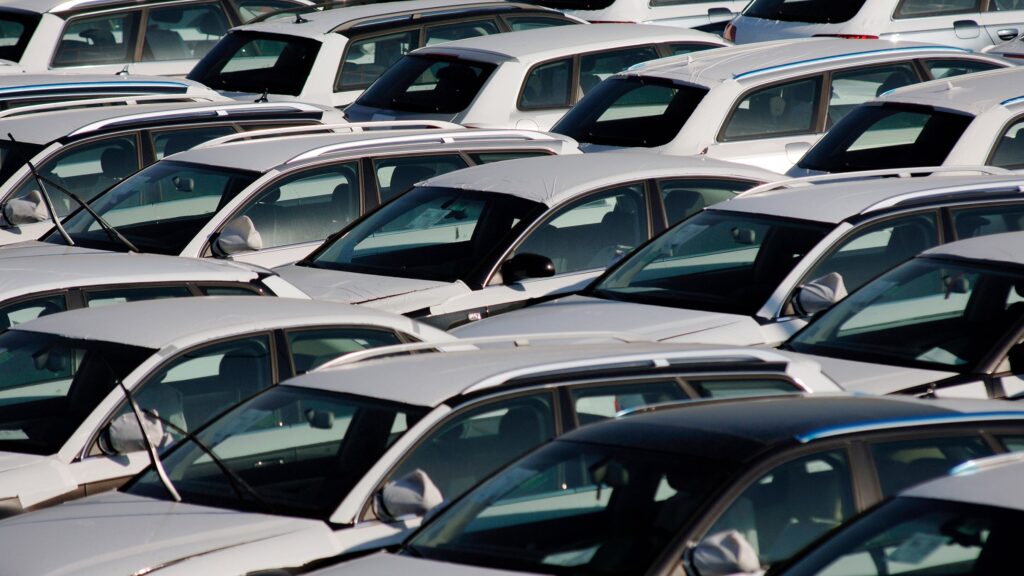
A vehicle that has been sitting at a dealership for an extended period can sometimes provide additional negotiating leverage. Dealers have money tied up in inventory, and older inventory may become less attractive as newer vehicles arrive.
Asking how long the specific vehicle has been in stock can therefore give you useful information about its sales history.
This question is particularly useful when you are considering a vehicle that is not especially popular or has been replaced by a newer model year. A dealer may be more willing to negotiate on inventory that has been occupying space for a long time. That does not guarantee a discount, but it gives you another factor to consider during the conversation.
For used vehicles, ask how long the dealership has had the vehicle rather than relying solely on the date it was first registered. A used car could have been traded in months earlier and remained unsold. Long inventory periods can sometimes lead dealerships to reconsider pricing because holding a vehicle creates ongoing costs.
You should also ask whether the price has already been reduced. If it has been listed for several weeks or months, the dealer may have already adjusted the asking price.
That does not mean there is no room left, but it helps you understand the current position. Compare the vehicle with similar listings so you know whether the reduced price is actually competitive.
Use this information as part of a larger negotiation rather than treating it as a guaranteed bargaining weapon. Dealers understand their inventory costs, and some vehicles may have strong demand even after sitting for a while.
The question is valuable because it provides context. The more you know about the vehicle, the easier it becomes to judge whether the asking price makes sense.
4. “Can You Remove Any Dealer Fees?”
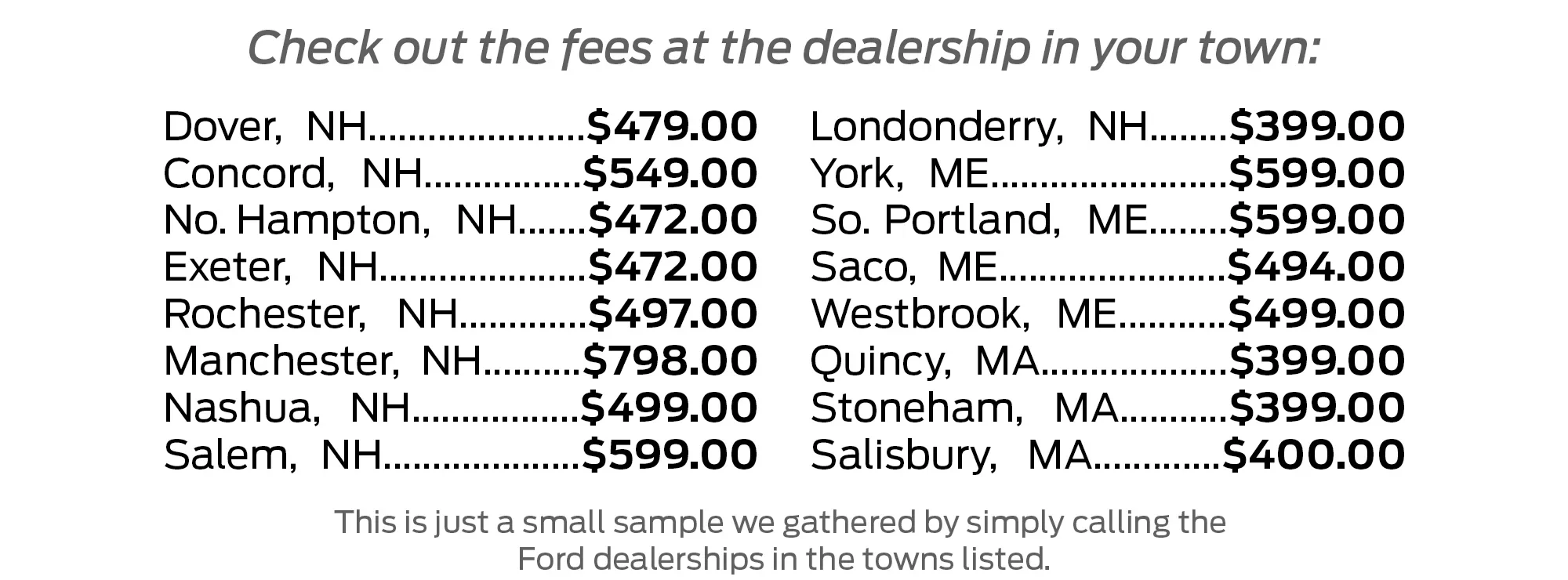
Dealer fees can have a major effect on the final amount you pay. Documentation fees, preparation charges, advertising fees, administrative fees, and other dealer-added costs may appear after you have already negotiated the vehicle price.
Asking about these charges early can prevent unpleasant surprises near the end of the transaction.
Request an itemized breakdown of every dealer fee. You want to know exactly what each charge represents and whether it is mandatory, negotiable, or connected to a specific service. Some charges may be required by local regulations, while others may be dealership policies. The rules differ by location, so never assume that every fee is negotiable.
If a fee cannot be removed, ask whether the dealer can compensate for it by reducing the vehicle price. This keeps the discussion focused on the total amount you will pay. A dealer may be unwilling to delete a particular fee from the paperwork but may have flexibility elsewhere in the deal.
Be particularly careful with charges connected to optional products or services. Paint protection, fabric protection, extended warranties, service packages, theft protection, and similar products can add substantial amounts to the transaction. Ask whether each item is optional and whether you can decline it.
The best approach is to negotiate the out-the-door price rather than getting trapped in discussions about individual charges. Your target should be the complete amount required to purchase and register the vehicle, including applicable taxes and mandatory fees. Once you know that number, you can compare it with competing offers much more accurately.
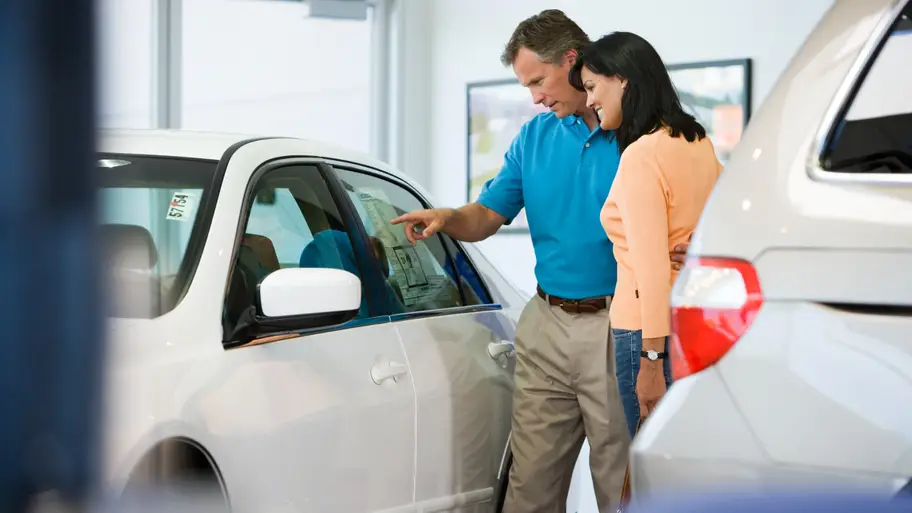
5. “What Is Your Out-the-Door Price?”
The out-the-door price is among the most useful figures to request when buying a vehicle. It brings together the vehicle price, dealer fees, applicable taxes, registration costs, and other required charges. Asking for this number helps you see what the purchase will actually cost instead of focusing on an attractive advertised price.
Monthly payment discussions can distract buyers from the true cost of a vehicle. A salesperson might offer a payment that fits your budget by extending the loan term or adjusting the down payment.
That does not necessarily mean you received a good deal. Negotiating the total purchase price first gives you a stronger foundation.
Ask the dealer to provide the out-the-door figure in writing. This makes comparisons much easier when contacting multiple dealerships. You can send the same request to several sellers and compare the actual numbers instead of comparing advertisements that may use different assumptions.
Once you receive an out-the-door price, you can negotiate from there. If another dealership has offered a lower total amount for a comparable vehicle, you can present that information. The dealer may decide to match or beat the competing offer. Even when they refuse, you have gained a clearer understanding of the market.
This question also reduces the chance of unexpected charges appearing late in the transaction. Before signing anything, review the final paperwork carefully and compare it with the agreed figures.
If a new charge appears, ask what it represents. A clear out-the-door quote makes it easier to identify discrepancies before you complete the purchase.

6. “Can You Match This Competitor’s Price?”
Competition can work in your favor when dealerships are selling comparable vehicles. If you have found a lower legitimate offer elsewhere, ask whether the dealer is willing to match it. This is especially effective when the competing vehicle has similar equipment, mileage, condition, and warranty coverage.
Bring evidence rather than making a vague claim. A written quote, listing, or official price offer can give the salesperson something concrete to evaluate. Make sure you are comparing equivalent vehicles. A lower price may reflect fewer features, higher mileage, additional fees, or different financing requirements.
Do not exaggerate a competing offer. If the dealer checks the price and discovers that the comparison is inaccurate, you can lose credibility. Honest negotiation is generally more effective because both sides can focus on the actual numbers instead of arguing over claims.
You can also ask what the dealer would need to do to earn your business today. This communicates that you are serious without giving away more information than necessary. If the dealership believes it is close to winning the sale, it may have greater motivation to improve its offer.
Competition is particularly useful when you have contacted several dealers before visiting the showroom. Collect comparable quotes, confirm the conditions attached to them, and use the strongest legitimate offer as your benchmark. This gives you a much stronger negotiating position than relying on the sticker price alone.
7. “Is There Any Discount for Financing Through the Dealership?”
Dealership financing can sometimes come with promotional rates or purchase incentives. Asking about these programs may uncover savings that are not available when paying through another method. However, you should evaluate the complete financial arrangement rather than focusing solely on the monthly payment or advertised interest rate.
Ask whether financing through the dealership changes the vehicle’s selling price. Some manufacturers offer special financing programs instead of cash rebates, while other offers may combine financing with a purchase incentive.
The dealer should explain which programs apply and what conditions come with them.
Compare the annual percentage rate, loan term, amount financed, and total interest. A lower vehicle price is not necessarily the better deal if the financing arrangement costs substantially more over time. Likewise, a low promotional interest rate can be valuable if it does not require you to accept an inflated vehicle price.
You can also obtain financing approval from a bank or credit union before visiting the dealership. Having an outside option gives you a useful benchmark.
If the dealer can beat that rate or provide a better package, you can consider using its financing. If not, you have another option available.
Keep the financing negotiation separate from the vehicle price whenever possible. First establish what the vehicle costs. Then compare financing options. This makes it harder for changes in the interest rate or loan term to obscure the actual discount you received on the vehicle.

8. “What Can You Do on My Trade-In?”
If you have a vehicle to trade, its value can significantly influence the final transaction. Asking directly what the dealership can offer for your trade creates an opportunity to negotiate. However, you should research your vehicle’s approximate market value before discussing the figure.
Obtain estimates from several sources and look at comparable listings. Condition, mileage, service history, trim level, accident history, and regional demand can all affect a vehicle’s value.
A dealership also needs to account for inspection, reconditioning, marketing, and resale costs, so its offer may differ from a private-party price.
Avoid allowing the trade-in value to distract you from the purchase price. A dealer could offer more for your trade while reducing the discount on the vehicle you are buying. What matters is the net difference between the value of your trade and the total amount required for the new vehicle.
Ask the dealer to provide the trade-in value separately from the vehicle’s purchase price. This creates a clearer picture of the transaction.
If the dealership cannot match another buyer’s trade offer, you can consider selling or trading the vehicle elsewhere if doing so produces a better financial result.
Your trade can also become a useful negotiating tool near the end of the discussion. If the dealership wants your business and your vehicle is desirable, there may be room to improve its offer. Stay focused on the total transaction rather than getting attached to a particular number for the trade.

9. “What Would Make You Lower the Price Today?”
This question encourages the salesperson to explain what flexibility exists. Rather than simply demanding a discount, you are asking what conditions could lead to a better deal.
The answer might involve choosing a particular vehicle, using a qualifying incentive, financing through the dealership, or completing the purchase promptly.
You should listen carefully to the response. If the salesperson says the dealership can reduce the price by a certain amount if you complete the purchase immediately, decide whether the discount is worthwhile.
Never allow artificial urgency to pressure you into buying a vehicle you have not properly inspected or compared.
The question can also reveal what matters most to the dealer. Perhaps the dealership wants to move a particular unit, meet a sales target, or sell a vehicle that has been in inventory for a long time. You do not need to know every internal detail. Even basic information can help you negotiate more intelligently.
Keep your position flexible. You might be willing to accept a small price reduction in exchange for removing unwanted accessories, receiving a better trade value, or getting a useful service included.
The goal is to improve the total value of the transaction, not simply to force the lowest possible sticker price.
If the dealer gives you a final offer, ask for it in writing. Review the complete numbers before agreeing. A verbal discount can lose its value if other charges are added later. Written figures make it easier to confirm exactly what you negotiated.

10. “If I Am Ready to Buy, What Is the Lowest Total You Can Offer?”
This question works best when you are genuinely ready to purchase. By this point, you should know the vehicle you want, understand its condition, have reviewed comparable pricing, and know your financing options. You are now asking the dealer to make its strongest reasonable offer.
The phrase “lowest total” is important because it shifts attention away from isolated discounts. You want the complete purchase figure. Ask the salesperson to include the vehicle price and all applicable fees, while clearly identifying taxes and registration costs. This creates a more useful final number.
Do not feel obligated to accept the first final offer. If the number is higher than your target, you can politely explain that you are prepared to buy if the dealer can reach a particular figure. Make sure your target is realistic and based on comparable vehicles and actual market information.
If the dealer cannot reach your desired price, consider the complete value of the offer. A slightly higher price may be reasonable if the vehicle has desirable equipment, better condition, lower mileage, stronger warranty coverage, or other advantages. The cheapest vehicle is not always the best purchase.
Before signing, read the purchase agreement carefully. Confirm the selling price, trade value, financing terms, fees, optional products, and final amount.
If something differs from what you negotiated, ask for clarification before signing. A successful negotiation is not simply about getting a lower number. It is about making sure the final contract accurately reflects the deal you agreed to.
