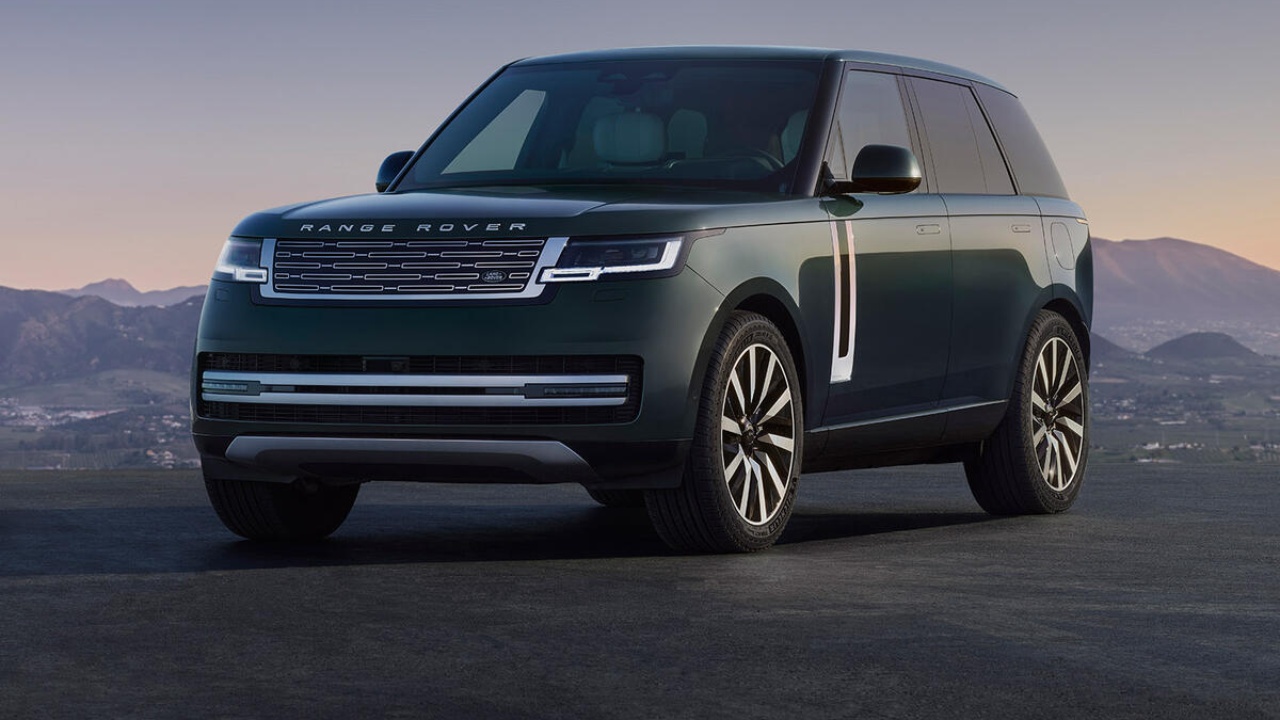
After years of development and anticipation, the Range Rover Electric has finally reached the market, giving Jaguar Land Rover a major new entry in the luxury electric SUV segment.
According to Autocar, the new electric Range Rover combines the design, luxury, and off-road capability associated with the nameplate with a newly developed dual-motor electric powertrain. The SUV has a claimed 372-mile range, putting it among the more ambitious premium electric SUVs currently available.
The arrival is important for JLR because Range Rover is one of the company’s most valuable and recognizable brands. Electrifying it was therefore never simply a matter of replacing an internal-combustion engine with batteries.
The challenge was to preserve the refinement, capability, and distinctive character customers expect from a Range Rover while adapting the vehicle to electric propulsion.
The result is intended to be a genuine Range Rover rather than simply an electric luxury SUV wearing the familiar badge.
Electric Power Without Losing the Range Rover Character
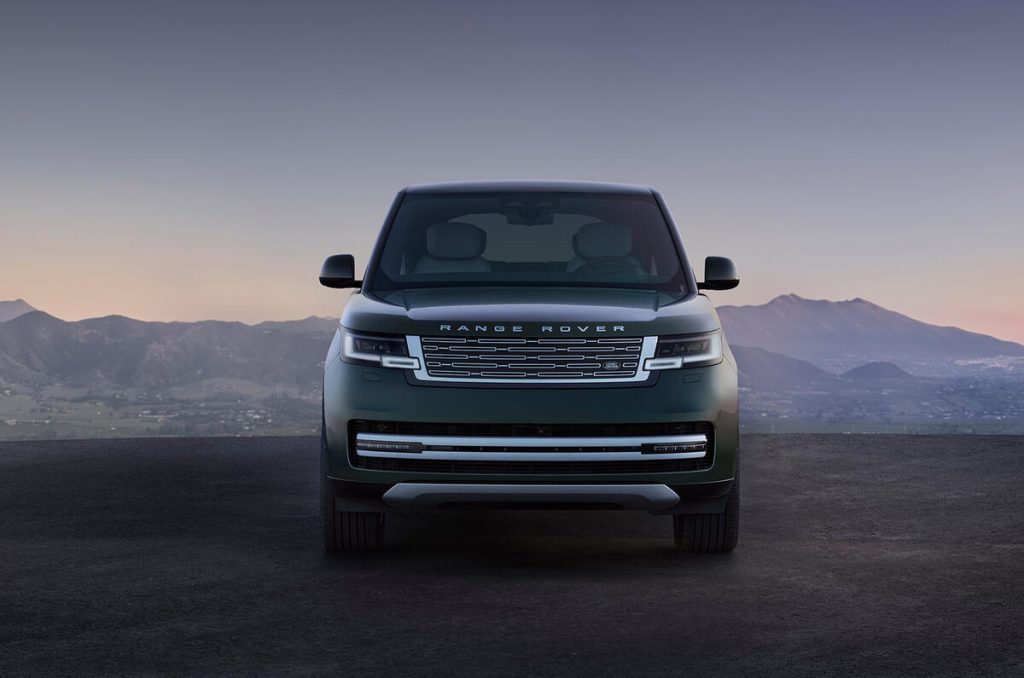
The most important aspect of the new model is how JLR has approached electrification. Rather than creating an entirely separate design language, the Range Rover Electric retains the familiar proportions and minimalist styling that define the modern Range Rover family.
That gives the vehicle an immediate connection to its combustion-powered siblings while allowing its electric drivetrain to provide a different driving experience.
The SUV uses a dual-motor all-wheel-drive system, giving it the ability to send power to both axles while providing the traction expected from a vehicle in this class.
Electric propulsion also brings characteristics that suit a luxury SUV. Electric motors can deliver torque almost instantly, allowing the vehicle to accelerate smoothly without conventional gear changes. The absence of a combustion engine can also reduce mechanical noise, potentially making the cabin quieter.
That refinement is particularly important in a Range Rover. Luxury buyers expect effortless performance, a comfortable ride, and a quiet interior. Electric power can support those characteristics while also eliminating tailpipe emissions.
However, JLR has had to ensure that electrification does not compromise the vehicle’s ability to travel away from paved roads.
Range Rover has a long history of combining luxury with genuine off-road capability. The electric version therefore needs to provide more than impressive road manners. Its all-wheel-drive system, electronic controls, and chassis engineering are designed to maintain the capability associated with the brand.
The vehicle’s 372-mile claimed range is another important part of the package. For a large luxury SUV, range is critical because buyers are likely to use these vehicles for long-distance journeys.
A high-range figure reduces the need for frequent charging and makes an electric Range Rover easier to integrate into the lifestyle of customers who regularly travel between cities.
Real-world range will depend on driving conditions, temperature, speed, and terrain. Heavy use of heating or air conditioning can also affect battery consumption. Nevertheless, the claimed figure gives the Range Rover Electric a strong starting position in a premium market where range remains a major purchasing consideration.
A New Challenge for JLR in the Luxury EV Market
The Range Rover Electric arrives as competition among premium electric SUVs intensifies. Mercedes-Benz, BMW, Audi, Porsche, and other luxury manufacturers have expanded their electric offerings, while Tesla continues to compete in the premium EV market.
Chinese manufacturers are also increasingly targeting high-end segments with technology-rich electric vehicles. JLR therefore cannot rely solely on the Range Rover name.
The company needs the electric model to deliver the quality, technology, and driving experience expected from a premium product while providing enough range and charging capability to make electric ownership convenient.
The Range Rover badge gives JLR an advantage because it already has strong recognition among luxury-SUV buyers. The challenge is converting that brand loyalty into demand for an electric model.
That could depend heavily on pricing and ownership experience. Luxury EV buyers have become more selective as the market has matured. A vehicle can offer advanced technology and impressive specifications, but customers still compare it against alternatives before making a purchase.
The cabin is expected to remain one of the vehicle’s strongest areas. Range Rover has traditionally focused heavily on materials, comfort, and design, and the electric version continues that approach. The quietness of the electric drivetrain can further enhance the feeling of luxury.
Charging will also influence the ownership experience. A long-range battery can reduce the frequency of charging, but rapid charging capability is equally important during longer trips. Recovering a meaningful amount of range during a short stop can make electric vehicles much more practical for long-distance travel.
JLR has been developing the Range Rover Electric for several years, giving the company time to refine its battery management, thermal systems, and electric drivetrain.
That extended development period reflects the importance of the project. Launching an electric Range Rover before the technology was ready could have risked damaging one of the company’s most valuable brands.
The final vehicle therefore represents an attempt to balance innovation with the established expectations of Range Rover customers.
Why the Electric Range Rover Matters
The launch is important beyond one vehicle because it represents a major step in JLR’s transition toward electrification.
The company’s luxury brands occupy segments where electric vehicles can command high prices, making electrification commercially attractive when customers are willing to pay for advanced technology.
The Range Rover is particularly valuable because it has a global reputation and a customer base accustomed to premium pricing. An electric model allows JLR to introduce battery technology to buyers who may not have considered an EV from the company before.
The vehicle could also help JLR respond to increasingly strict emissions requirements in major markets while giving the company greater flexibility as regulations and market conditions evolve.
The model could also serve as a technology platform for future JLR products. Lessons learned from developing a large luxury electric SUV can be applied to other vehicles. Battery technology, software, thermal management, and electric drivetrain development can all benefit from experience gained with the flagship EV.
That makes the Range Rover Electric strategically important even if its sales volumes remain relatively modest.
However, the vehicle enters the market during a challenging period for premium EVs. Some luxury buyers remain interested in electric vehicles, but others continue to prefer petrol, diesel, or hybrid powertrains because of concerns about charging infrastructure, long-distance travel, and resale values.
JLR will therefore need to offer customers a compelling reason to choose the electric model rather than simply providing another powertrain option. Its combination of luxury, capability, and range is intended to provide that reason.
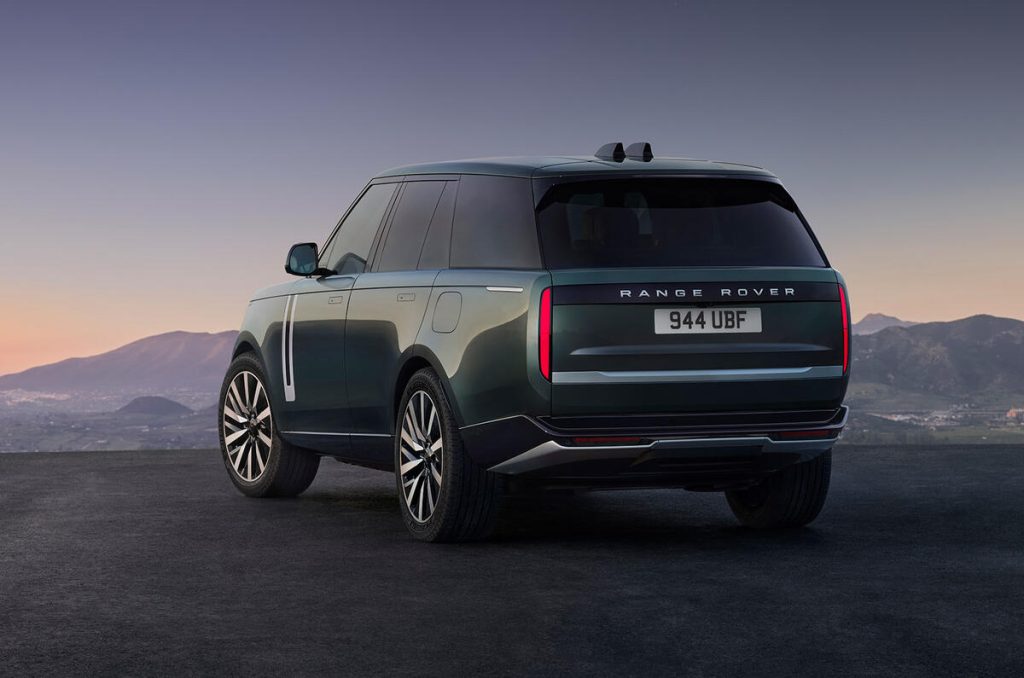
The 372-mile claimed range addresses one of the biggest concerns about large electric SUVs, while the dual-motor all-wheel-drive system preserves the performance and capability expected from the Range Rover name.
The biggest question is whether customers believe the electric version delivers the same sense of occasion and versatility as the conventional Range Rover.
If it does, the model could become one of JLR’s most important electric vehicles and provide the company with a strong foothold in the premium electric-SUV market.
The Range Rover Electric demonstrates how established luxury manufacturers are approaching the transition differently from newer EV companies. Instead of building their brands around electrification from the beginning, companies such as JLR are attempting to transfer decades of luxury and engineering heritage into an electric future.
With a claimed 372-mile range, dual-motor all-wheel drive, and the design language that has made Range Rover one of the world’s best-known luxury SUVs, JLR has given itself a serious contender.
The market will now determine whether that combination is enough to convince traditional Range Rover buyers that going electric does not mean giving up what made the vehicle desirable in the first place.