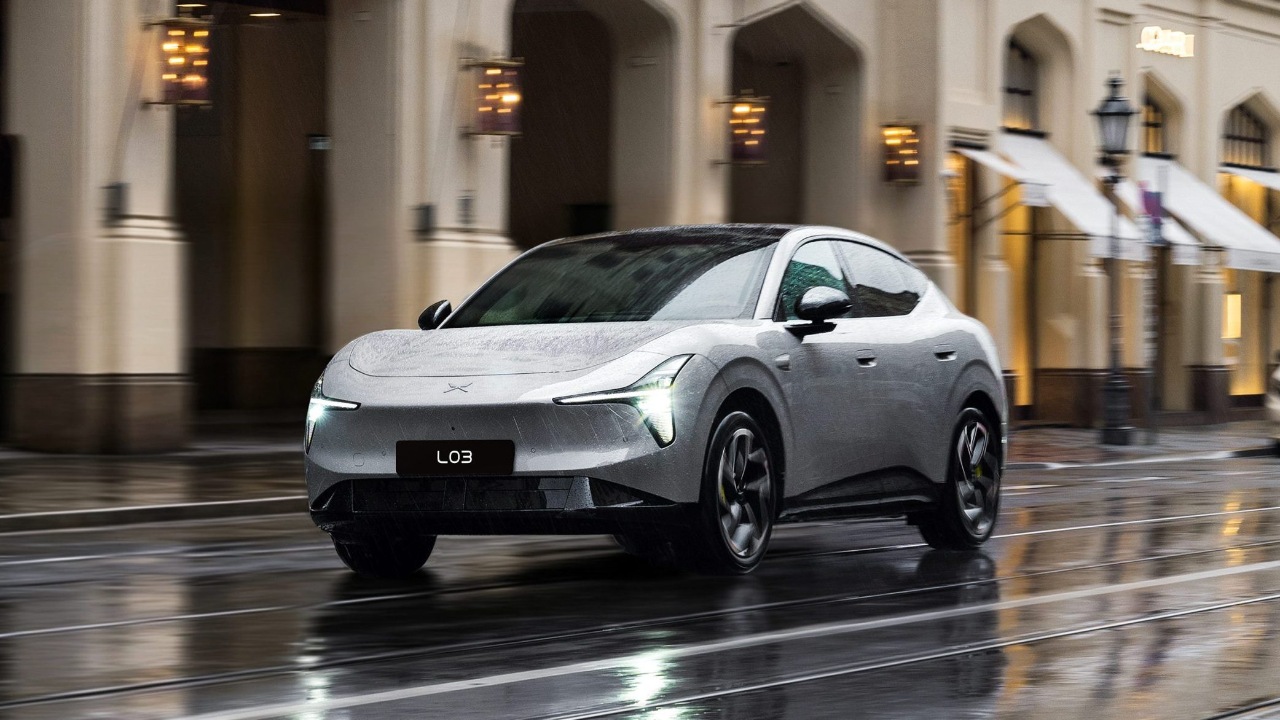
Chinese electric-vehicle manufacturer Xpeng is strengthening its position in the British market by taking direct control of its UK retail operation, a move that signals a more ambitious approach to selling and supporting its vehicles in Europe.
According to Autocar, Xpeng is moving away from its previous distributor-led arrangement in the UK and will take greater responsibility for sales, marketing and customer relationships.
The change comes as the company prepares to introduce its new L03 crossover, giving the expansion added significance as Xpeng attempts to increase its visibility among British car buyers.
The decision reflects a broader shift among Chinese EV manufacturers operating in Europe. Rather than relying entirely on local distributors, some brands are increasingly seeking greater control over pricing, customer experience, and after-sales support.
For Xpeng, direct involvement could make it easier to establish a consistent brand identity while responding more quickly to changes in the British market.
The UK is an important market for this strategy because consumers have shown growing interest in electric vehicles, while competition is intensifying from both established European manufacturers and other Chinese brands.
Xpeng therefore needs to establish itself not only as a technology-focused EV company but also as a credible mainstream automotive brand. The arrival of the L03 could become an important part of that effort.
Why Xpeng Is Changing Its UK Strategy
Taking direct control of a national sales operation is a significant step for an automaker. It requires investment in retail infrastructure, customer service, marketing, and dealer relationships, but it also gives the manufacturer greater control over how its vehicles are presented and sold.
Autocar reported that Xpeng’s UK operation is being brought under direct management as the company prepares for its next stage of expansion. Instead of depending primarily on an external distributor, Xpeng will have a closer relationship with customers and greater influence over the retail process.
That could be particularly useful for a relatively young automotive brand. Chinese EV manufacturers entering European markets face a challenge that goes beyond vehicle specifications.
Customers need confidence that parts will be available, servicing will be reliable, and warranty support will remain accessible for many years. Building a strong local operation can help address those concerns.
Direct control also gives Xpeng more flexibility over pricing. The company can potentially adjust its strategy more quickly when market conditions change, something that becomes increasingly important as European EV competition grows.
The move could also help Xpeng gather better information about British customers. Direct interaction with buyers can provide valuable feedback about preferred equipment, pricing, charging requirements, and vehicle usability.
That information could influence future product decisions across Europe. The timing is especially relevant because Xpeng is preparing to introduce the L03 crossover. The new model allows the company to expand beyond its existing products and reach a broader group of customers.
Crossovers are among the most important vehicle categories in Europe, making the segment strategically attractive. Buyers increasingly want the higher seating position and practicality associated with SUVs without necessarily moving into larger and more expensive vehicles.
A well-positioned electric crossover could therefore give Xpeng access to a significant portion of the market.
The L03 Could Broaden Xpeng’s Appeal
Xpeng has built its reputation around technology-heavy electric vehicles, including advanced driver-assistance systems, digital interfaces, and connected features. The L03 gives the company another opportunity to use those strengths while targeting a practical and highly competitive segment.
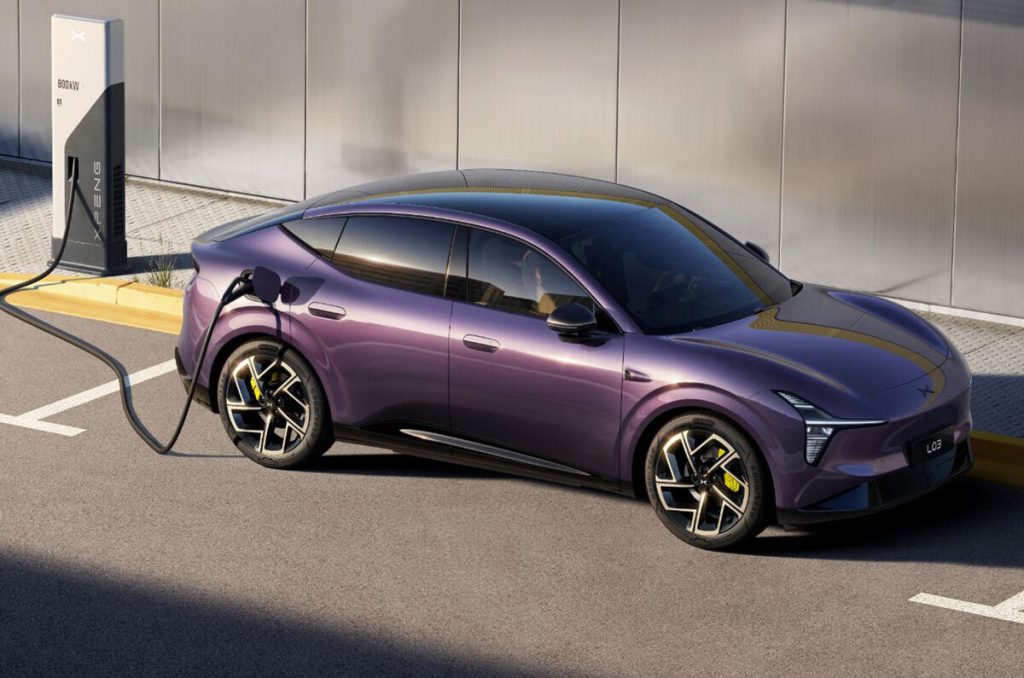
The vehicle is expected to play an important role in Xpeng’s European product expansion. By combining an electric powertrain with crossover practicality, it could appeal to customers who want an EV that can function as a family vehicle while still offering the technology associated with newer Chinese brands.
The model’s arrival will also put greater pressure on Xpeng to establish competitive pricing. Chinese automakers have frequently entered overseas markets by offering high levels of standard equipment for the money.
However, European buyers are becoming increasingly familiar with Chinese EV brands, meaning equipment alone may no longer be enough to differentiate a new entrant.
Xpeng will need to demonstrate quality, reliability, and strong customer support alongside competitive specifications. This is where its new UK retail strategy could prove important.
By handling sales and service directly, Xpeng can maintain greater control over the customer experience from the initial purchase through long-term ownership. This approach could also address one of the biggest hurdles facing newer automakers, which is giving buyers confidence that the company will continue supporting their vehicles for years to come.
The UK market also provides a useful platform for Xpeng’s broader European ambitions. Britain has a large automotive market and an established EV customer base. Success there can help demonstrate that a Chinese manufacturer can compete effectively in a mature European market without relying entirely on low prices.
However, Xpeng is entering an increasingly crowded field. Brands such as BYD, MG, and other Chinese manufacturers are expanding across Europe, while Volkswagen, BMW, Mercedes-Benz, Renault, Peugeot, and other established companies continue to introduce new electric models.
Tesla also remains a major competitor in the EV sector. That means Xpeng has to build a distinct identity. Its technology-focused positioning can help, but it must translate those technical advantages into benefits that customers can understand and value.
A Bigger European Ambition
The UK strategy is part of a much broader European expansion by Xpeng. The company has been increasing its presence across European markets and introducing more models designed to compete with established manufacturers.
Taking greater control of its British operation suggests that Xpeng is moving from an early market-entry phase toward a more mature retail strategy. That transition is important.
Distributors can help an automaker enter a market quickly without requiring the manufacturer to build an entire sales organization from scratch. But as sales volumes grow, direct control can become more attractive because the manufacturer gains greater influence over pricing, inventory, customer service, and brand positioning.
Xpeng’s decision suggests it believes the UK operation has reached a stage where greater involvement is justified.
It could also reflect the changing competitive environment for Chinese EVs in Europe. Chinese manufacturers are increasingly moving away from simply exporting vehicles and toward establishing long-term local operations.
That includes expanding dealer networks, building service capabilities, and, in some cases, considering local manufacturing.
The objective is to make these companies look less like foreign newcomers and more like established participants in the European automotive industry. Xpeng’s direct UK operation can contribute to that goal.
For British consumers, increased competition could be beneficial. More manufacturers competing for EV buyers can encourage better equipment, improved technology, and more competitive pricing. It also gives customers greater choice as governments and manufacturers continue moving toward electrification.
But Xpeng will have to overcome concerns that often accompany newer brands. Resale values, service availability, and parts supply can influence the total cost of ownership just as much as the initial purchase price.
Established manufacturers have spent decades building networks capable of supporting customers across the country. Xpeng must develop similar confidence among buyers. Its direct sales strategy gives it greater responsibility for doing so.
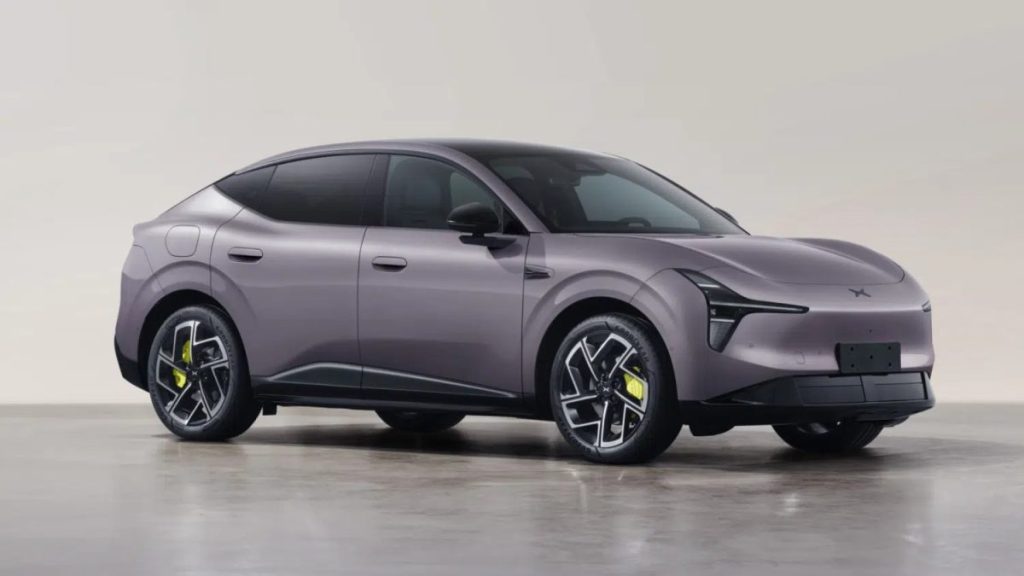
The L03 will therefore be more than another addition to Xpeng’s lineup. Its launch will provide an early test of whether the company’s expanded UK operation can convert interest in Chinese EV technology into actual sales.
If the model attracts customers and Xpeng successfully builds a strong support network, the company could establish a stronger foundation for future European growth.
If sales remain limited, the direct model could prove more expensive to operate than a distributor-led approach.
For now, however, Xpeng’s decision shows that it is taking the British market seriously. The company is investing not only in new vehicles but also in the structure needed to sell and support them.
That distinction could become increasingly important as Europe’s EV market matures. The next stage of Xpeng’s UK strategy will ultimately depend on how well the L03 performs and whether customers respond positively to the brand’s combination of technology, electric power, and competitive equipment.
With direct control of its retail operation, Xpeng will have fewer layers between itself and British buyers. That should give the company greater control over its future in the market and greater responsibility for making that future successful.