
A diesel engine can deliver many years of dependable service, but its reputation for durability should never be mistaken for invincibility. Modern diesel vehicles operate under intense pressure and rely on precise fuel systems, turbochargers, emissions equipment, lubricants, and cooling systems. A few poor habits can gradually wear down expensive components or create problems that become difficult to ignore.
The good news is that many of these issues are preventable with proper maintenance and sensible driving. Whether your diesel-powered vehicle is used for commuting, towing, hauling, or long-distance travel, understanding what causes unnecessary wear can help you avoid costly repairs. Here are 12 habits that can reduce the life of a diesel engine.
1. Using Contaminated or Incorrect Fuel
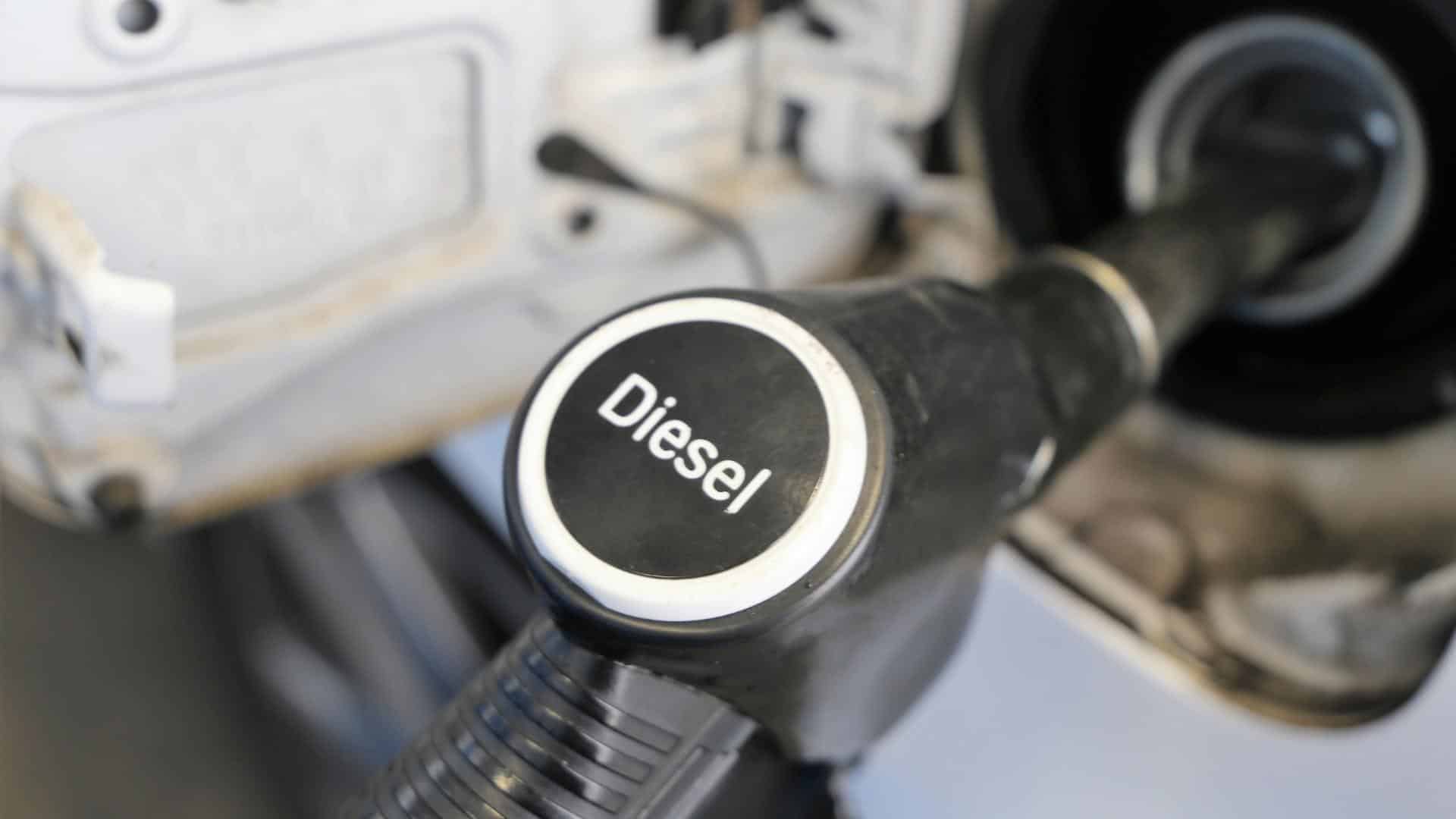
Modern diesel fuel systems operate under pressures that would have seemed unimaginable a couple of decades ago, and that pressure depends entirely on clean, correctly specified fuel to keep everything lubricated and functioning as designed.
Diesel fuel itself acts as a lubricant for the high-pressure pump and injectors, which means anything that compromises fuel quality directly threatens some of the most expensive components under the hood.
Water contamination ranks among the most damaging issues a diesel fuel system can face. Even small amounts introduced through condensation, a poorly sealed fuel cap, or a shady fuel station can cause serious internal damage to injectors and pumps engineered around extremely tight tolerances.
Dirt and debris create similar problems, acting almost like sandpaper inside components built to operate with near-zero clearance. Gasoline contamination, whether from a mixed-up pump at a gas station or an honest mistake during refueling, can be even more destructive, since diesel fuel systems rely on the fuel’s lubricating properties in a way gasoline simply doesn’t provide.
Buying fuel from reputable stations with a track record of clean storage tanks goes a long way toward avoiding this problem altogether. Using the exact fuel specification called for by the manufacturer matters too, since not all diesel fuel is formulated identically.
If contamination is ever suspected, whether from an unusual smell, rough running, or a receipt from an unfamiliar station, addressing it immediately rather than continuing to drive can mean the difference between a minor inconvenience and a five-figure repair bill.
2. Neglecting the Fuel Filter
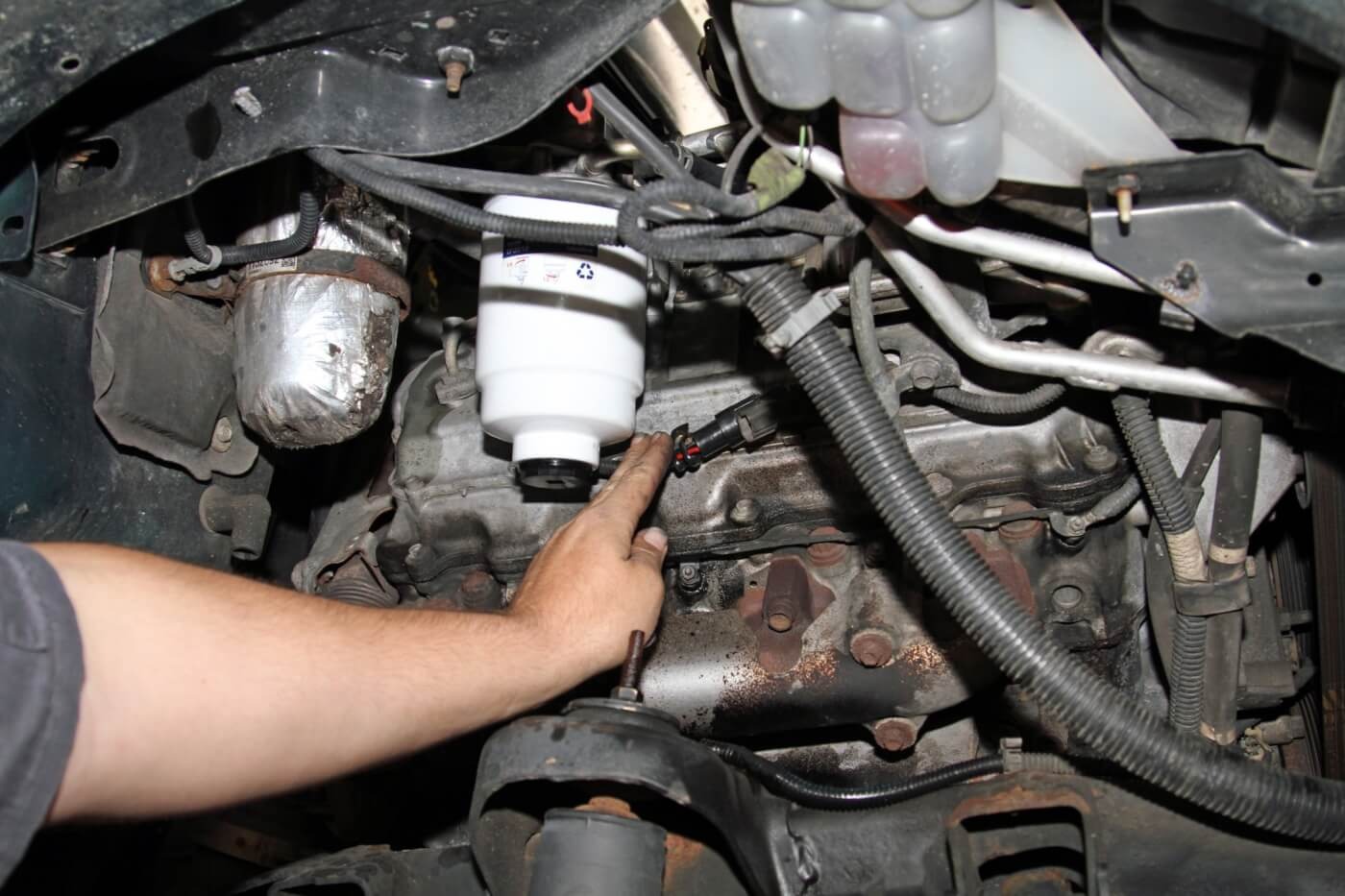
A diesel fuel filter does a lot of quiet, unglamorous work protecting components that are genuinely expensive to replace. Every drop of fuel entering the high-pressure pump and injectors passes through this filter first, and its entire job is catching dirt, debris, and moisture before they reach parts machined to tolerances measured in microns.
Waiting far beyond the manufacturer’s recommended replacement interval creates two separate problems. Restricted fuel flow is the more immediate concern, since a clogged filter starves the engine of fuel and can cause noticeable performance issues, rough idling, or difficulty starting.
The bigger concern comes when the filter becomes saturated and can no longer trap contaminants effectively. At that point, debris that should have been captured can reach the high-pressure pump and injectors, potentially damaging components that may cost thousands of dollars to replace. That is why driving conditions should play a major role in determining when the filter needs to be replaced, rather than relying on mileage alone.
Drivers frequently working in dusty environments, whether that’s rural roads, construction sites, or agricultural settings, should replace fuel filters considerably more often than the standard interval suggests, since airborne particulates find their way into fuel systems more easily than most owners assume.
The same logic applies to anyone who’s recently filled up at an unfamiliar or questionable fuel station. Treating fuel filter replacement as a genuine priority rather than an afterthought protects some of the most expensive components in a diesel engine, and the cost of staying ahead of the schedule is tiny compared to the alternative.
3. Extending Oil Changes Too Far
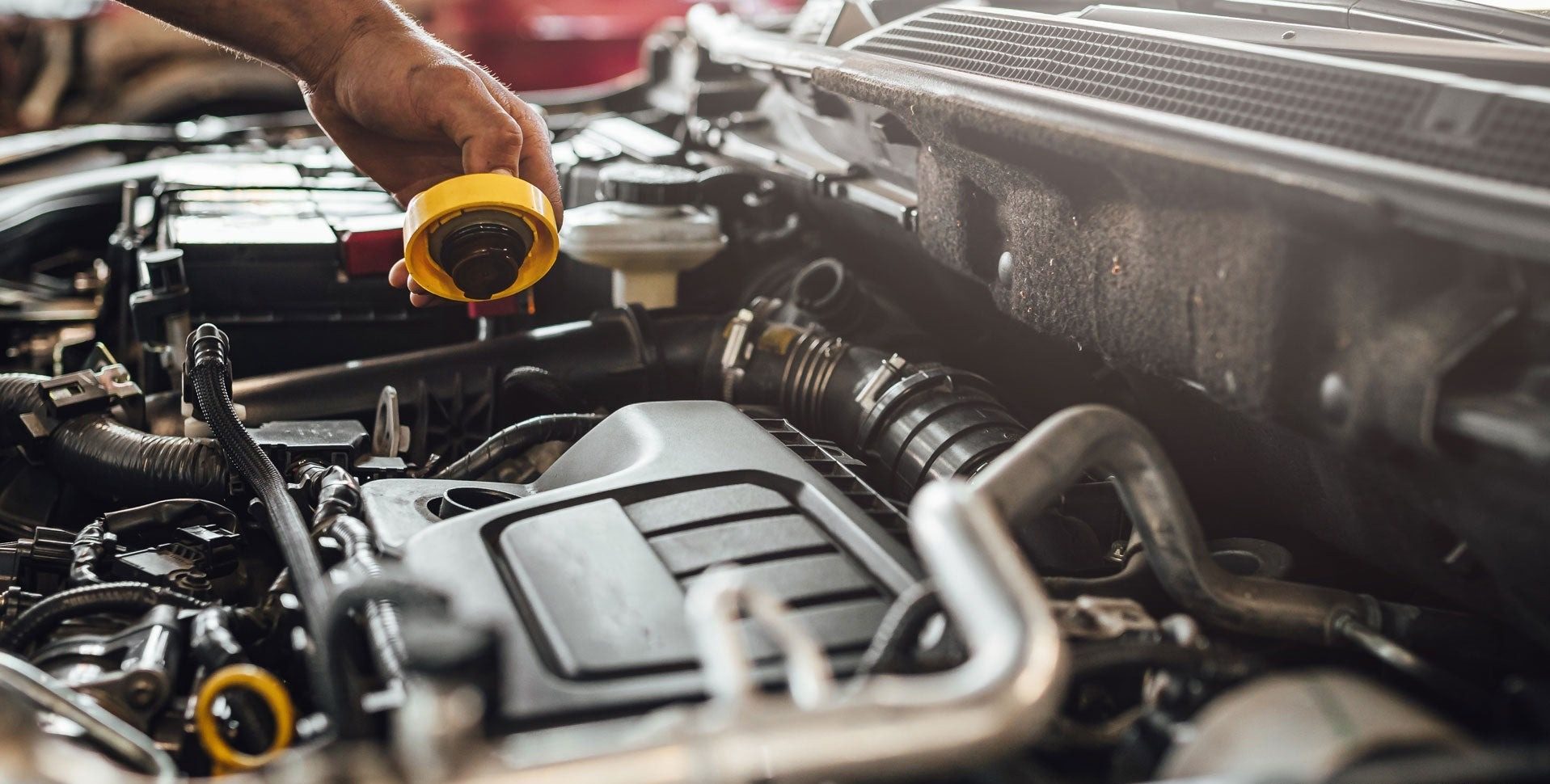
Engine oil does far more than keep internal parts slippery. In a diesel engine, it helps protect bearings, moving components, and turbocharger parts that operate under demanding conditions. As the miles accumulate, soot, fuel, and combustion byproducts can enter the oil and reduce its ability to provide proper protection.
Delaying an oil change for too long may save money today, but it can create a much larger expense later. Contaminated oil can contribute to increased wear and may leave sensitive components without the level of protection they need.
The correct oil matters just as much as the replacement interval. Diesel engines may require specific formulations designed to handle their operating conditions and emissions equipment. Using an oil that does not meet the manufacturer’s requirements can create problems even if the oil is changed regularly.
Some owners assume that a high-quality oil allows them to ignore the recommended service schedule. That is not always true. The vehicle manufacturer’s instructions should remain the starting point, especially for vehicles used for towing, frequent short trips, or demanding work.
Checking the oil level between services is also worthwhile. A sudden change in oil level can point to a developing problem. Fresh, correctly specified oil gives a diesel engine the protection it needs and helps expensive internal parts continue working properly.
4. Ignoring the Fuel-Water Separator
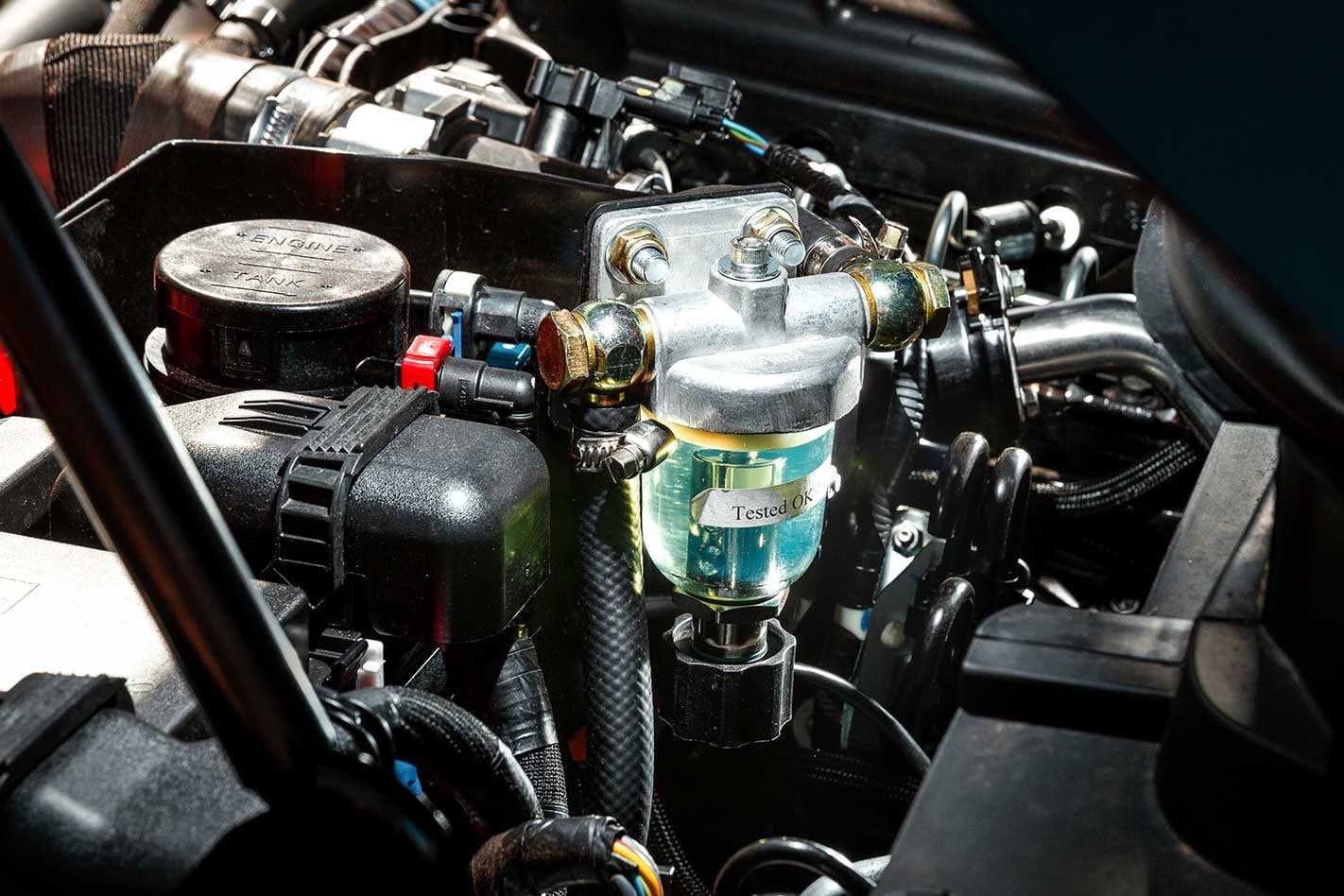
Water has no place inside a modern diesel fuel system. Even a relatively small amount can cause corrosion, reduce lubrication, and damage expensive injection components. For that reason, many diesel vehicles use a fuel-water separator or a warning system designed to alert the driver when water needs attention.
Ignoring a water-in-fuel warning is a mistake that can become expensive quickly. The warning is there because the system has detected a condition that may threaten the fuel pump and injectors. Continuing to drive without investigating the problem gives contamination more time to reach sensitive components.
The separator requires periodic service, and the correct procedure depends on the vehicle. Some systems need to be drained manually, while others may require a technician to perform the service. Following the manufacturer’s instructions is far safer than guessing.
Water can enter diesel fuel through poor storage practices, damaged equipment, or contaminated fuel supplies. Condensation may also become a concern in certain circumstances.
A quick inspection and timely service can prevent far more serious damage. If a warning appears, address it as soon as possible rather than waiting for the next scheduled maintenance visit. Protecting the fuel system from water is one of the simplest ways to avoid unnecessary trouble with a diesel engine.
5. Working the Engine Hard Before It Warms Up
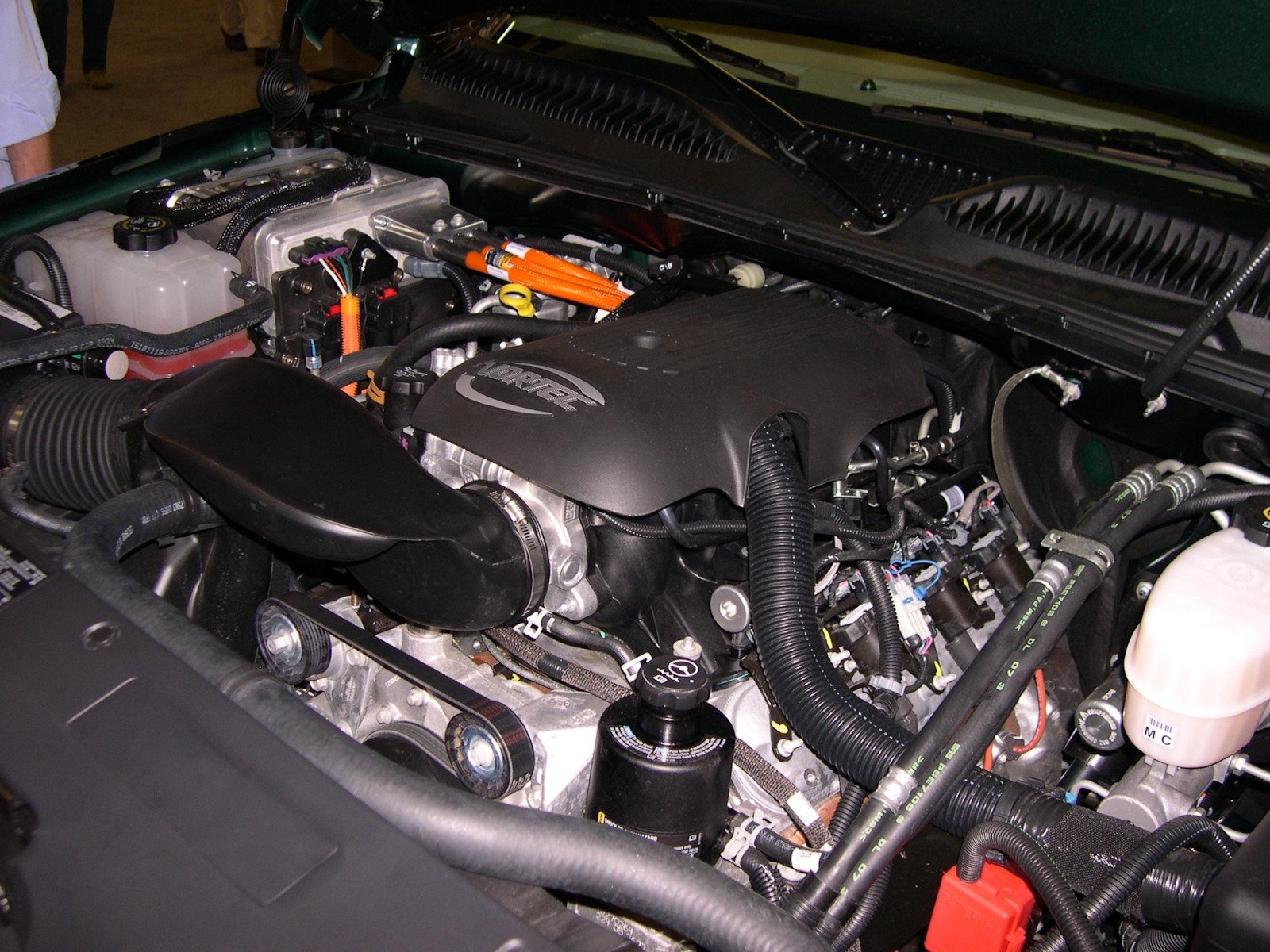
Cold engine oil behaves very differently than oil that’s reached proper operating temperature. It’s noticeably thicker, circulates more slowly, and doesn’t reach every critical component with the same speed and coverage that warm oil provides.
Demanding heavy work from a diesel engine before it’s had a chance to warm up asks internal components to operate under increased mechanical stress precisely when they have the least protection available.
This habit shows up most commonly among drivers who hook up a heavy trailer first thing in the morning and immediately start towing at highway speeds, or those who floor the accelerator and run high boost pressure within the first minute or two of starting the engine.
Bearings, cylinder walls, and turbocharger components all depend on properly circulated, adequately warmed oil to minimize friction and wear, and pushing an engine hard before that circulation is established accelerates wear in ways that add up considerably over years of repeated habit.
Turbocharger bearings are especially sensitive to this issue, since they spin at extremely high speeds and rely heavily on oil that hasn’t yet reached its ideal viscosity when an engine is still cold.
Cold starts followed immediately by aggressive acceleration or heavy loads place these bearings under stress they simply weren’t designed to handle at that stage.
Driving gently for the first few minutes after starting a diesel engine, and holding off on heavy towing or aggressive acceleration until the engine has genuinely warmed up, costs drivers almost nothing in terms of time while offering real protection to some of the most wear-sensitive components under the hood.
6. Shutting Down Immediately After Severe Turbo Use
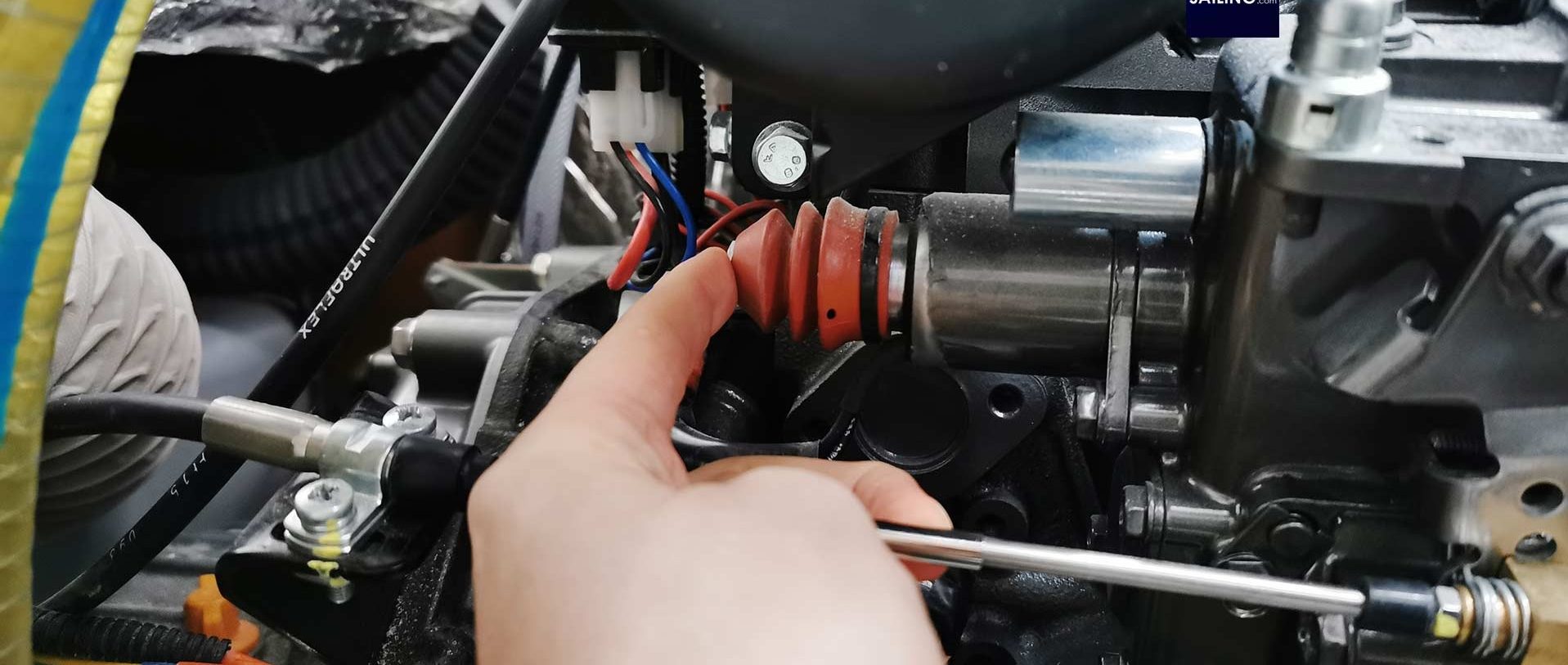
Turbochargers operate under demanding conditions, especially during heavy towing, sustained high-speed driving, or other periods of intense engine use. After this type of driving, the turbocharger and nearby components can remain extremely hot.
Stopping the engine immediately after severe use can leave heat trapped around the turbocharger and its oil system. This additional heat exposure may place extra strain on components, particularly if the engine is repeatedly treated this way after demanding operation.
That does not mean every drive requires several minutes of idling before shutdown. Older advice often suggested a long idle after nearly every trip, but modern diesel vehicles and cooling systems are designed differently. The best practice depends on the type of driving and the manufacturer’s recommendations.
After a particularly demanding trip, giving the vehicle a short period of lighter operation can help reduce temperatures before the engine is turned off. In some situations, a brief cool-down period may also be recommended.
Pay attention to how the vehicle has been used. A relaxed trip to the store does not place the same demands on the turbocharger as pulling a heavy trailer up steep grades.
Following the manufacturer’s guidance is the safest approach. A little care after severe operation can help protect the turbocharger and reduce unnecessary heat-related wear.
7. Excessive Idling
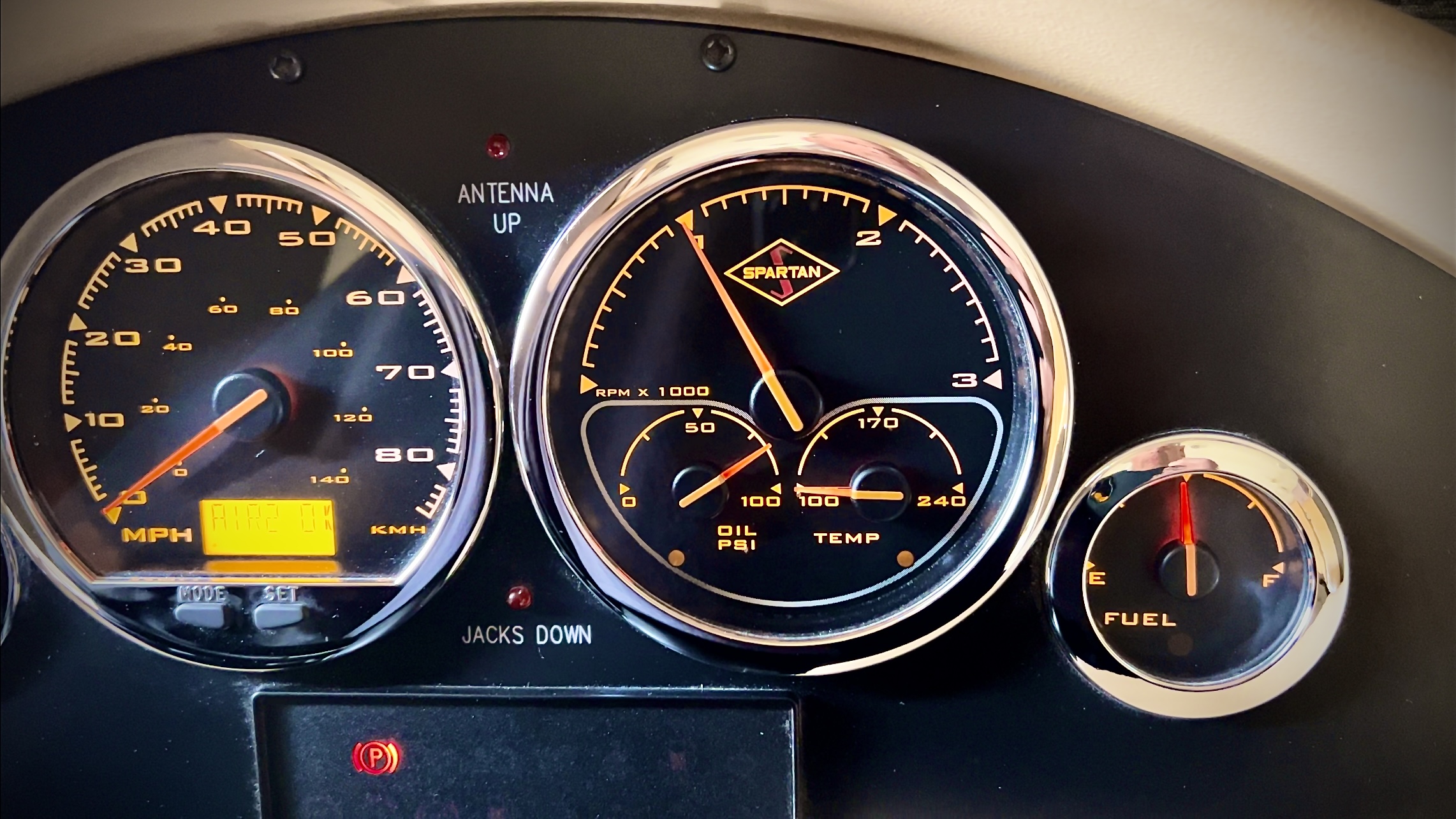
Many people assume that allowing a diesel engine to idle for long periods is harmless. After all, the engine is running without moving the vehicle or carrying a heavy load. Yet unnecessary idling can create conditions that are not ideal for a modern diesel.
During extended idling, the engine may remain below its preferred operating temperature. Incomplete combustion can contribute to soot buildup, while certain emissions systems may not function as effectively as they would during normal driving.
Modern diesel vehicles equipped with particulate filters can be especially sensitive to repeated periods of unnecessary idling. Fuel is also being consumed without accomplishing useful work. Long idling sessions can add hours to the engine without adding miles to the odometer, which means the vehicle is still accumulating wear.
There are times when idling may be necessary, such as brief stops or situations involving specific operating requirements. The issue is making it a regular habit when there is no real reason to keep the engine running.
If the vehicle will remain parked for an extended period, shutting it down is often the better choice. Drivers should also follow any manufacturer instructions related to warm-up, cool-down, or emissions-system operation.
A diesel engine is designed to work, but that does not mean it benefits from running unnecessarily. Reducing excessive idling can help limit soot-related problems and avoid needless engine hours.

8. Lugging the Engine
Lugging occurs when a driver demands a large amount of power while the engine is operating at a very low RPM in a high gear. The vehicle may seem to pull through the situation, but the engine and drivetrain can experience heavy stress.
Imagine climbing a hill with a loaded vehicle while refusing to downshift. Pressing the accelerator harder does not always make the engine’s job easier. Instead, high cylinder pressures and extra strain can build while the engine struggles below its preferred operating range.
Modern automatic transmissions can prevent some forms of lugging by selecting a lower gear automatically. Manual transmissions, however, rely more heavily on driver judgment. Even an automatic may need a different gear when carrying a heavy load or towing.
The better habit is to let the engine operate within the RPM range recommended by the manufacturer. Downshifting when necessary can reduce strain and give the vehicle the mechanical advantage it needs.
Drivers should not confuse efficient driving with forcing the engine to operate at extremely low RPM under heavy demand. Saving fuel is important, but asking the engine to pull too hard in the wrong gear can be counterproductive.
When towing or climbing, pay attention to engine response. Selecting an appropriate gear can make the drive smoother and help reduce unnecessary mechanical stress.
9. Ignoring DPF Warning Signs
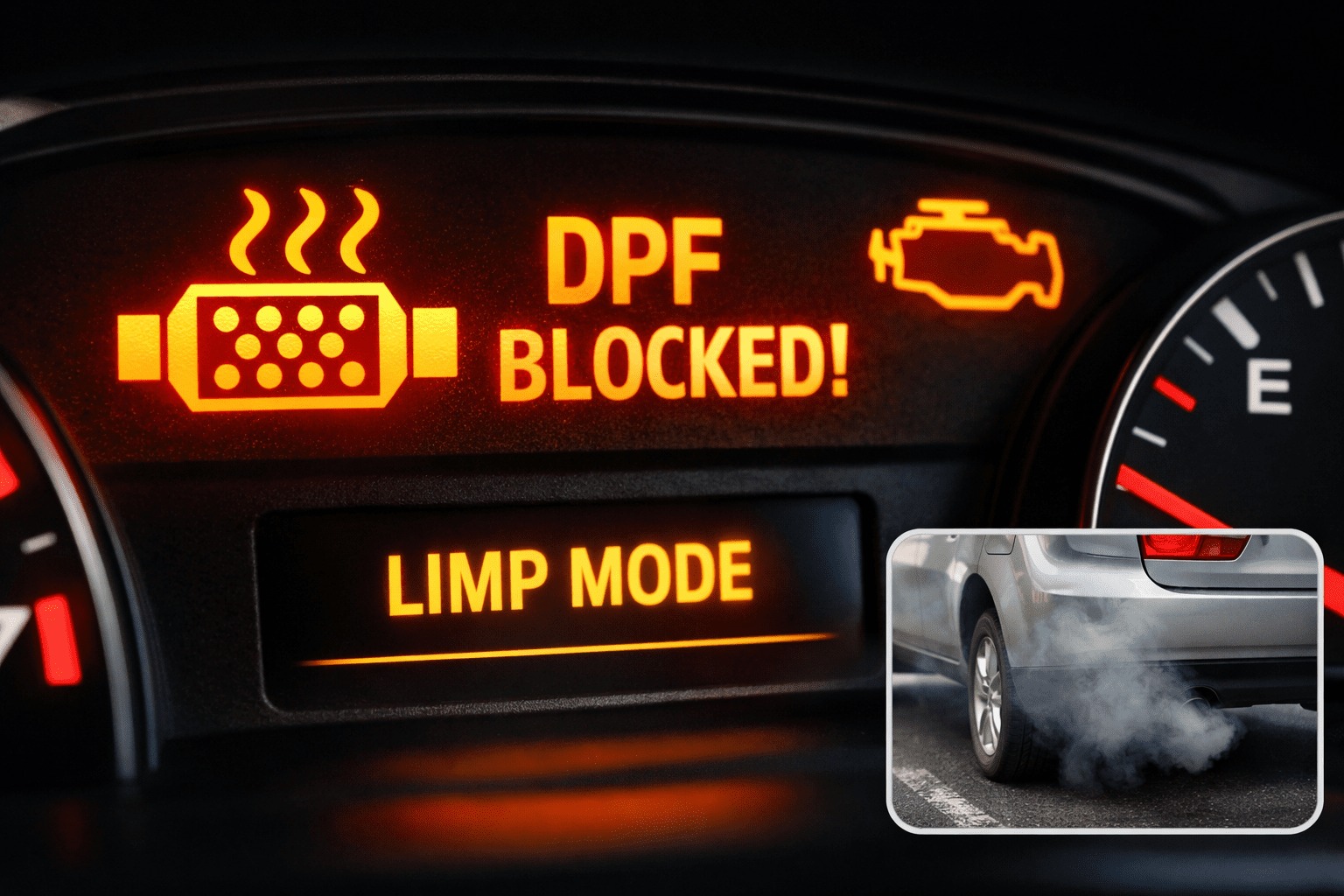
A diesel particulate filter exists specifically to trap soot produced during combustion, periodically burning that accumulated soot off through a process called regeneration to keep the filter clear and functioning properly.
This system works well under normal driving conditions, but certain patterns of use can prevent regeneration from completing successfully, and ignoring the resulting warnings creates a genuinely expensive problem down the road.
Frequent short trips rank among the most common culprits here. Regeneration typically requires the exhaust system to reach and maintain a specific elevated temperature for a sustained period, something that’s difficult to achieve during repeated short drives where the engine barely warms up before being shut off again.
Excessive idling contributes to the same problem, since idling doesn’t generate the exhaust heat and flow needed for successful regeneration to occur.
When regeneration repeatedly fails to complete, soot continues accumulating within the filter beyond what it was designed to hold, gradually restricting exhaust flow.
This restriction doesn’t just hurt performance, though drivers will likely notice reduced power and responsiveness; it can eventually lead to the filter requiring professional cleaning or complete replacement, both of which carry substantial cost.
Warning lights related to the DPF system should never be treated as a minor inconvenience to postpone. These warnings exist specifically to alert drivers before the problem escalates into something requiring expensive intervention.
Following the manufacturer’s specific instructions when a regeneration warning appears, which sometimes involves simply driving at highway speed for a sustained period, resolves the issue before it turns into a serious repair.
10. Neglecting DEF and Using the Wrong Fluid
Diesel Exhaust Fluid has become a standard requirement on modern diesel vehicles equipped with selective catalytic reduction systems, playing an essential role in reducing harmful emissions before they exit the exhaust system.
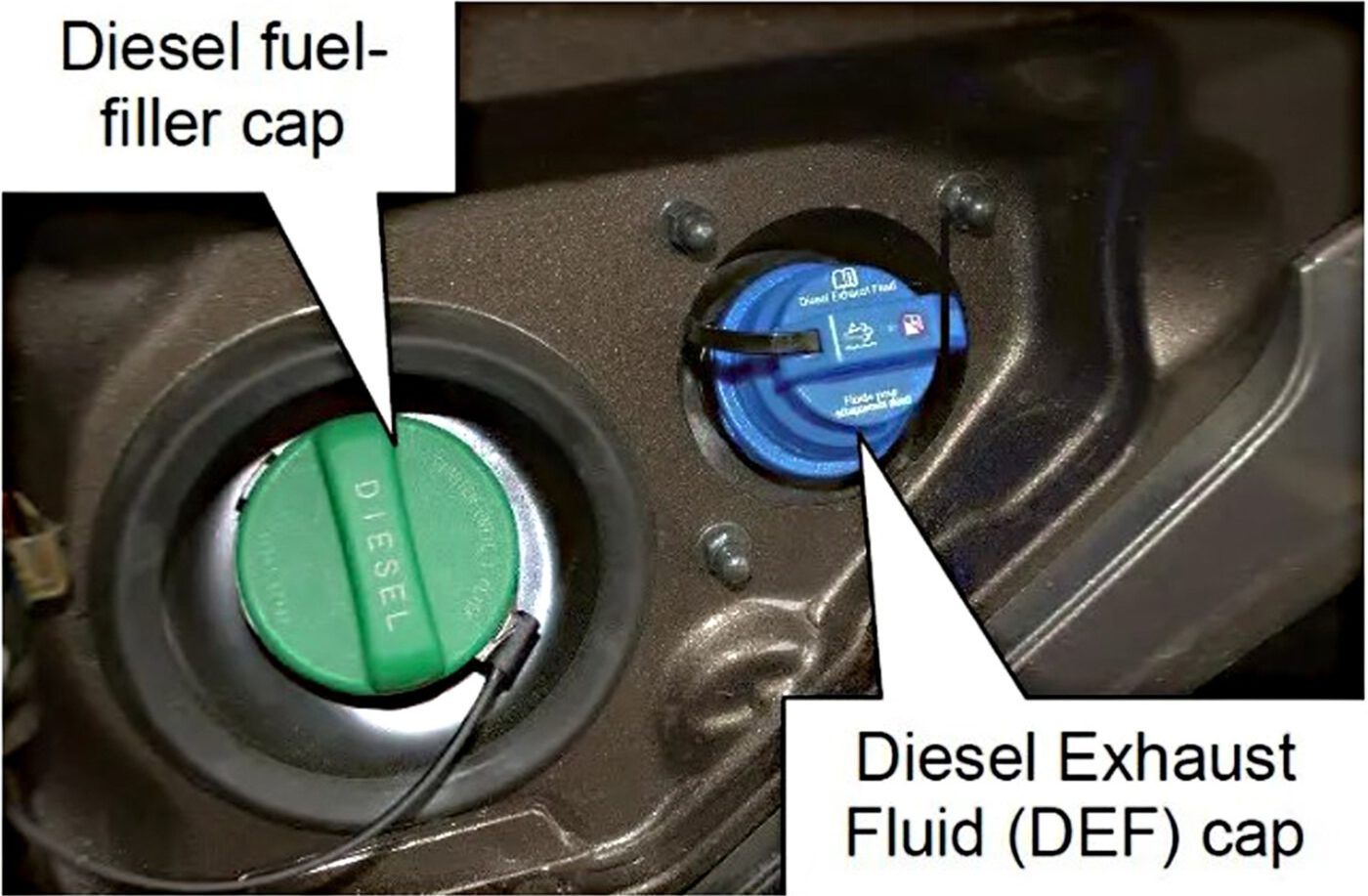
Despite how central DEF has become to modern diesel operation, plenty of drivers still misunderstand exactly what it is and how it needs to be handled. DEF is not a fuel additive, and it should never be mixed with diesel fuel under any circumstances.
It requires its own dedicated tank and delivery system specifically because it needs to remain completely separate from the fuel supply, interacting with exhaust gases rather than the combustion process itself.
Confusing the two, whether through an honest mistake at a fueling stop or simple unfamiliarity with the system, can cause serious and expensive damage to the emissions system.
Fluid quality matters just as much as keeping it in the correct tank. Contaminated, expired, or incorrectly formulated DEF can cause the selective catalytic reduction system to malfunction, and modern vehicles are specifically designed to detect these problems through onboard sensors.
Ignoring DEF-system warnings, or continuing to use fluid that doesn’t meet the required specification, can eventually trigger increasingly restrictive vehicle behavior, sometimes limiting speed or power output as a built-in safeguard against continued emissions violations.
Using only certified DEF that meets the exact specification required for the vehicle, storing it properly to avoid contamination or expiration, and addressing any DEF-system warning immediately keeps this increasingly important system functioning as intended.
11. Neglecting the Cooling System
A diesel engine can produce a great deal of heat, especially when towing, hauling, or operating under demanding conditions. The cooling system is responsible for controlling that heat, which makes regular maintenance far more important than some drivers realize.
Low coolant levels, leaks, worn hoses, degraded coolant, and neglected service can all increase the risk of overheating. An overheating engine can suffer serious internal damage, and repairs may be extremely expensive.
Checking the coolant level occasionally is a useful habit, but the quality and age of the coolant also matter. Manufacturers specify service intervals and approved coolant types for a reason. Mixing incompatible products or ignoring recommended replacement schedules can create additional problems.
Some diesel engines may also be vulnerable to coolant-related cylinder-liner cavitation, depending on their design. This is another reason to use the correct coolant and follow the recommended maintenance procedure.
Drivers who regularly tow heavy loads should pay particular attention to the cooling system. Increased engine demand means increased heat, and a small cooling problem can become far more serious under those conditions.
Do not wait for a temperature warning before thinking about cooling-system maintenance. Inspecting the system, addressing leaks promptly, and using the correct coolant can help protect the engine from heat-related damage and keep it operating reliably for many miles.
12. Using an Air Filter That Doesn’t Meet the Manufacturer’s Specification
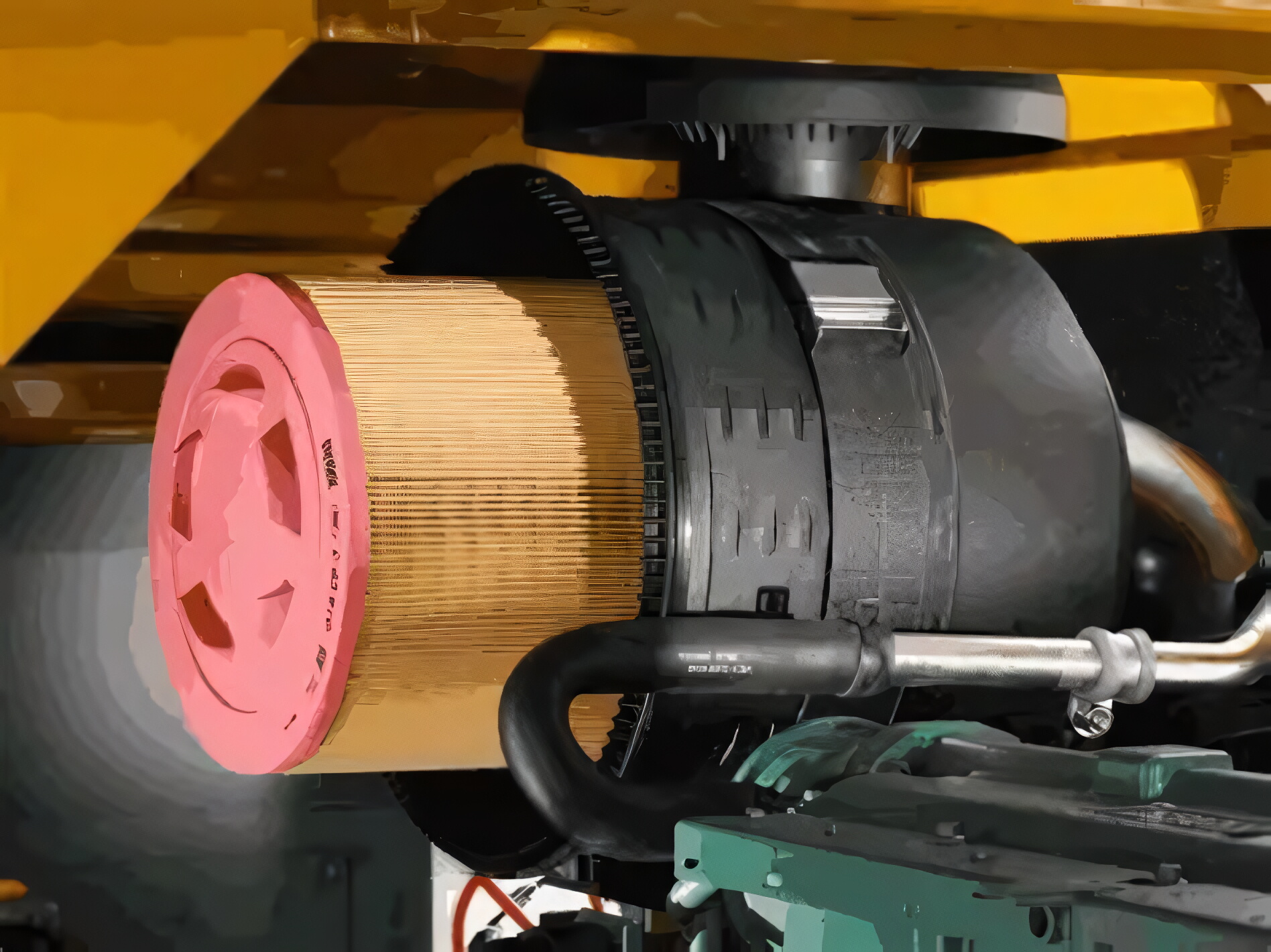
A diesel engine consumes a large volume of air, and the air entering the engine must be properly filtered. Dirt entering through an unsuitable, damaged, or incorrectly installed air filter can cause serious wear and may even threaten the turbocharger.
The answer is not simply to buy an original manufacturer filter every time. A high-quality aftermarket filter can provide excellent protection when it meets the required filtration and fitment standards. What matters most is choosing a product designed for the vehicle and installing it correctly.
Poorly fitting filters can allow unfiltered air to bypass the filtration material. Even small amounts of dirt entering the intake system repeatedly can cause damage over many miles.
Regular inspection is worthwhile, especially when driving in dusty conditions. A filter may need replacement sooner than expected if it has been exposed to unusually dirty air.
Installation deserves just as much attention as the filter itself. The airbox should be properly sealed, and all connections should be secure. A quality filter cannot provide proper protection if air can enter around it.
Following the manufacturer’s specifications when selecting an air filter is a sensible way to protect the engine and turbocharger. This small maintenance decision can make a major difference in keeping unwanted particles out of sensitive components.
