
A sunroof is one of the most enjoyable features in an SUV, but its drainage system can become a hidden source of water leaks. Most factory sunroofs are designed with channels and drain tubes that carry rainwater away from the roof and down through the vehicle. When those passages become clogged with leaves, dirt, pollen, or other debris, water can back up and find its way into the cabin.
The problem can be especially frustrating because the leak may not appear directly beneath the sunroof. Water can travel through the headliner, roof pillars, carpeting, and trim before becoming visible. In some cases, a wet floor or stained headliner may be the first indication that something is wrong. These eight SUVs have documented or commonly reported situations involving sunroof drainage problems, although other sources of water intrusion can produce similar symptoms.
1. Toyota RAV4
The Toyota RAV4 is one SUV where a blocked or restricted sunroof drain can allow water to enter the cabin. The sunroof assembly uses drainage channels and tubes to direct rainwater away from the opening. Under normal conditions, water that gets past the sunroof seal is collected and routed through those drains. When debris accumulates, the water can back up and overflow into areas around the headliner and roof trim.
One of the most obvious signs is moisture appearing around the front portion of the cabin after heavy rain. Depending on where the water escapes, owners may notice damp carpeting, wet trim, water stains, or moisture around the A-pillars. A clogged drain is not the only possible cause, however. Damaged seals, improperly seated components, blocked body passages, and other leaks around the roof can create similar symptoms.

The first repair step is usually to determine whether the drain tubes are allowing water to pass freely. Carefully clearing the drainage channels can restore normal flow if debris is responsible. Compressed air should be used cautiously because excessive pressure can disconnect a drain tube or damage a connection.
If water continues entering the cabin after the drains are cleared, the sunroof assembly and surrounding seals should be inspected. The headliner and carpeting should also be dried thoroughly because trapped moisture can eventually create unpleasant odors, staining, and interior damage.
2. Honda CR-V
The Honda CR-V is another SUV in which sunroof drainage problems can lead to water entering the interior. Like many vehicles equipped with a factory sunroof, the CR-V uses drainage channels around the glass opening. Water collected in those channels is directed through tubes toward outlets underneath the vehicle.
When leaves, dirt, mud, or other debris block the drainage path, water can accumulate around the sunroof instead of leaving the vehicle. Eventually, it may overflow into the headliner or surrounding trim. Drivers may notice dampness near the front roof area, wet A-pillars, water marks, or carpeting that becomes damp after rain.

Cleaning the visible portion of the sunroof channel is a useful first step. The drain openings should be checked for obvious debris before attempting to flush the system. If water does not flow normally, the drain tubes may require additional attention.
It is important not to assume that every CR-V water leak originates from the sunroof. Windshield seals, roof components, body seams, door seals, and other drainage passages can also allow water into the cabin. A leak that appears near the front footwell, for example, may have traveled from another location before becoming visible.
After clearing a suspected blockage, a controlled water test can help confirm whether the repair worked. Water should drain away rather than pooling around the sunroof opening. If the cabin remains wet, further inspection is necessary rather than repeatedly pouring more water into the drainage system.
3. Ford Escape
The Ford Escape can also develop water-intrusion problems associated with its sunroof drainage system. The sunroof is designed to handle water that gets past the glass seal by collecting it in a surrounding channel and sending it through dedicated drain tubes.
A blockage can prevent that water from escaping properly. When the drainage system becomes overwhelmed, water may find another route into the interior. Depending on where the leak develops, the symptoms can include a wet headliner, damp roof trim, moisture around the pillars, or wet carpeting.

Debris is a common reason for a drainage system to become restricted. Leaves and dirt can accumulate around the sunroof opening, particularly when the vehicle is parked beneath trees. Cleaning the channel and checking the drain openings can therefore be a sensible starting point.
However, a clogged drain is not automatically the cause of every Escape sunroof leak. Drain tubes can also become disconnected, kinked, or otherwise unable to move water correctly. Seals and other components around the roof opening can also deteriorate or become damaged.
A proper repair begins with identifying exactly where the water is entering. Once the drain system has been checked, technicians can inspect the tubing and connections. If a blockage is found, it should be removed without applying excessive pressure that could dislodge the tube.
Afterward, the interior needs to be dried thoroughly. Wet carpeting can retain significant moisture underneath the surface, potentially leading to odors, mold growth, or damage to electrical components located beneath the carpet.
4. Subaru Outback
The Subaru Outback has also experienced documented water-intrusion situations involving sunroof drainage. Its large roof opening provides plenty of opportunity for debris to accumulate around the drainage channels, particularly when the vehicle is frequently parked outdoors.
The sunroof drainage system is designed to collect water and route it through tubes toward outlets below the vehicle. If a drain becomes obstructed, water can accumulate around the sunroof frame. Eventually, it can escape into the passenger compartment and travel through the headliner or pillars.

A wet headliner is one possible warning sign, but the water may travel farther before becoming noticeable. Owners might instead discover damp carpeting or moisture around interior trim. This makes diagnosis more difficult because the visible location of the water is not necessarily the point where it entered.
Subaru service information has also highlighted water-management issues involving sunroof and drainage components, meaning a simple assumption that the problem is merely leaves inside the drain may not always be correct. Drain tubes, connections, and related sealing surfaces should be inspected when cleaning does not solve the problem.
A gentle cleaning and controlled water-flow test can help determine whether the drains are functioning. If water backs up or fails to exit underneath the vehicle, the drainage path requires further investigation.
Once the leak is repaired, drying the interior is particularly important. The Outback has carpeting and insulation capable of retaining moisture for an extended period, so simply wiping the visible surface may not be enough.
5. Nissan Rogue
The Nissan Rogue uses a sunroof drainage system that can become problematic when debris restricts the passages. Water entering the sunroof area is supposed to travel through drain channels and tubes before exiting underneath the vehicle. If that route becomes blocked, water can accumulate and eventually enter the cabin.
Owners may discover moisture around the headliner, pillars, floor carpeting, or other areas after rain. The problem can become particularly noticeable following heavy storms because a partially restricted drain may handle light rainfall but become overwhelmed during a downpour.

A visual inspection should begin around the sunroof opening. Leaves and other debris should be removed from the drainage channels. The drain openings should then be checked to determine whether water can move through the system.
The Rogue has also generated owner reports involving sunroof drainage and water intrusion, but these reports should not be interpreted as proof that every leak is caused by a clogged drain. Water can enter through other areas of the roof and body, while disconnected or damaged drain components can create symptoms similar to a blockage.
Using excessive compressed air is not necessarily the best solution. A drain tube can potentially become disconnected if too much pressure is applied. A safer approach is to identify the restriction and clear it carefully.
If the vehicle has already suffered a significant leak, the repair should not end when the drain starts working again. Carpeting, insulation, and hidden areas beneath the interior trim may still contain water. Drying those areas can help prevent persistent odors and longer-term interior problems.
6. Volkswagen Tiguan
The Volkswagen Tiguan is another SUV where sunroof-related drainage problems can result in water entering the cabin. The panoramic roof found on certain Tiguan configurations relies on drainage channels and tubes to move rainwater away from the roof opening.
When debris blocks the drainage system, water can accumulate instead of flowing toward the outlets. A leak may then develop around the headliner or roof trim. Depending on how the water travels, moisture can eventually reach the pillars, floor, or other interior components.

The important point is that not every Tiguan water leak should automatically be blamed on a clogged sunroof drain. Volkswagen has dealt with various water-management issues involving roof and drainage components, and a proper diagnosis may require checking the drain tubes, connections, seals, and surrounding areas.
Cleaning the sunroof channels is a logical first step if debris is visible. The drains should then be tested carefully to make sure water is leaving the system properly. If a tube is kinked, disconnected, or damaged, simply cleaning the opening may not solve the problem.
Water intrusion should be addressed quickly because moisture can spread beyond the area that is immediately visible. Headliner material can become stained, carpeting can remain wet underneath, and electrical components may be affected if water reaches areas containing wiring or modules.
After completing the repair, a controlled water test can confirm whether the drainage system is functioning correctly. If water still enters the cabin, the investigation should expand to other possible leak sources instead of repeatedly cleaning the same drain.
7. Chevrolet Traverse
The Chevrolet Traverse, particularly certain earlier generations, can experience water intrusion associated with the sunroof and its drainage system. The vehicle uses drain tubes to move water away from the sunroof assembly, but restrictions or problems with the drainage system can allow water to enter the interior.
Symptoms can include wet headliners, water around the roof area, damp carpeting, or moisture around interior pillars. Because water can travel along the inside of the vehicle before appearing, the location where the carpet becomes wet may not correspond to the actual point of entry.

General Motors service information has documented water-leak concerns involving the Traverse and related vehicles. Those issues show why diagnosis should go beyond simply assuming that leaves have blocked a drain. Drain tubes, seals, roof components, and other water-management areas may need inspection.
If a clogged drain is suspected, the drainage channels should first be examined for visible debris. The outlets should also be checked to ensure that water can leave the system. Clearing a restriction carefully is preferable to forcing large amounts of compressed air through the tube.
Once the drainage system has been restored, the interior should be inspected for accumulated moisture. Carpeting can hold water beneath its surface, while insulation can remain damp even after the carpet appears dry.
A persistent leak requires additional investigation. The sunroof assembly, drain connections, surrounding seals, and other possible entry points should be examined. Properly identifying the source is important because repeatedly treating the drain will not fix a leak caused by a damaged seal or disconnected component.
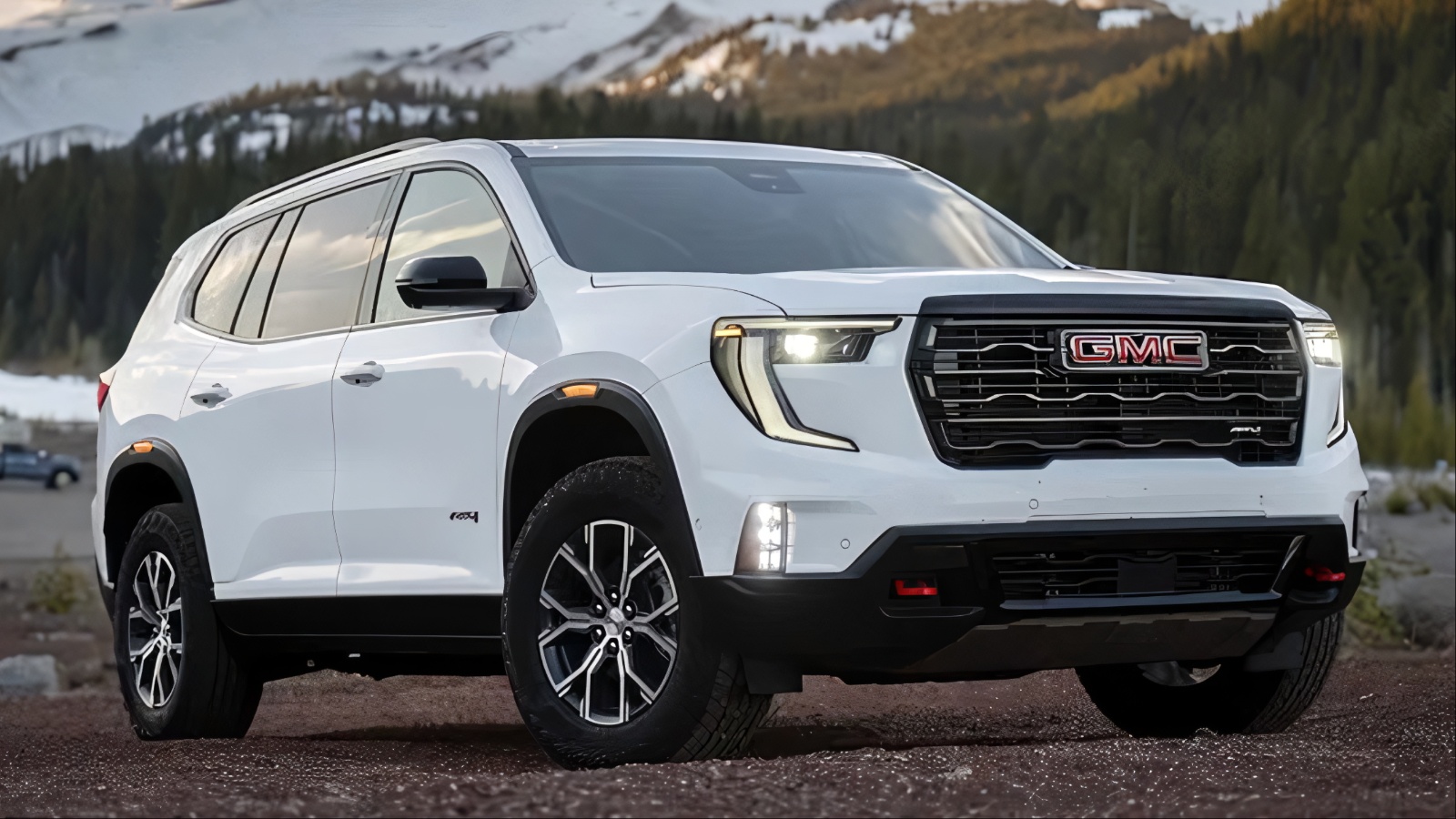
8. GMC Acadia
The GMC Acadia shares some water-management characteristics with other GM SUVs, and sunroof drainage problems can result in water entering the cabin. The sunroof drainage system is intended to collect water around the roof opening and direct it through tubes toward outlets outside the vehicle.
If debris restricts those passages, water can accumulate and eventually escape into the interior. Depending on where it finds a path, moisture may appear around the headliner, pillars, roof trim, or carpeting.

The Acadia is closely related to the Chevrolet Traverse in several generations, and service information concerning water leaks has covered these related vehicles. That makes the drainage system an important area to inspect when an Acadia develops unexplained water intrusion.
However, a clogged sunroof drain should not automatically be considered the culprit. Water can enter through roof seams, seals, drainage connections, or other body openings. A disconnected or damaged drain tube can also produce symptoms that look like a simple blockage.
The repair process should begin with an inspection of the sunroof channel and drain openings. Any visible debris can be removed, followed by a controlled water test. If water does not drain properly, the tubing and connections should be examined rather than forcing excessive pressure into the system.
If water has already reached the floor, drying the cabin is essential. Moisture trapped beneath the carpet can remain hidden for days and contribute to odors and interior deterioration.
For persistent leaks, professional diagnosis may be worthwhile, particularly when the source cannot be identified by inspecting the sunroof itself. A proper repair should address the actual entry point rather than simply treating the visible water damage.
