
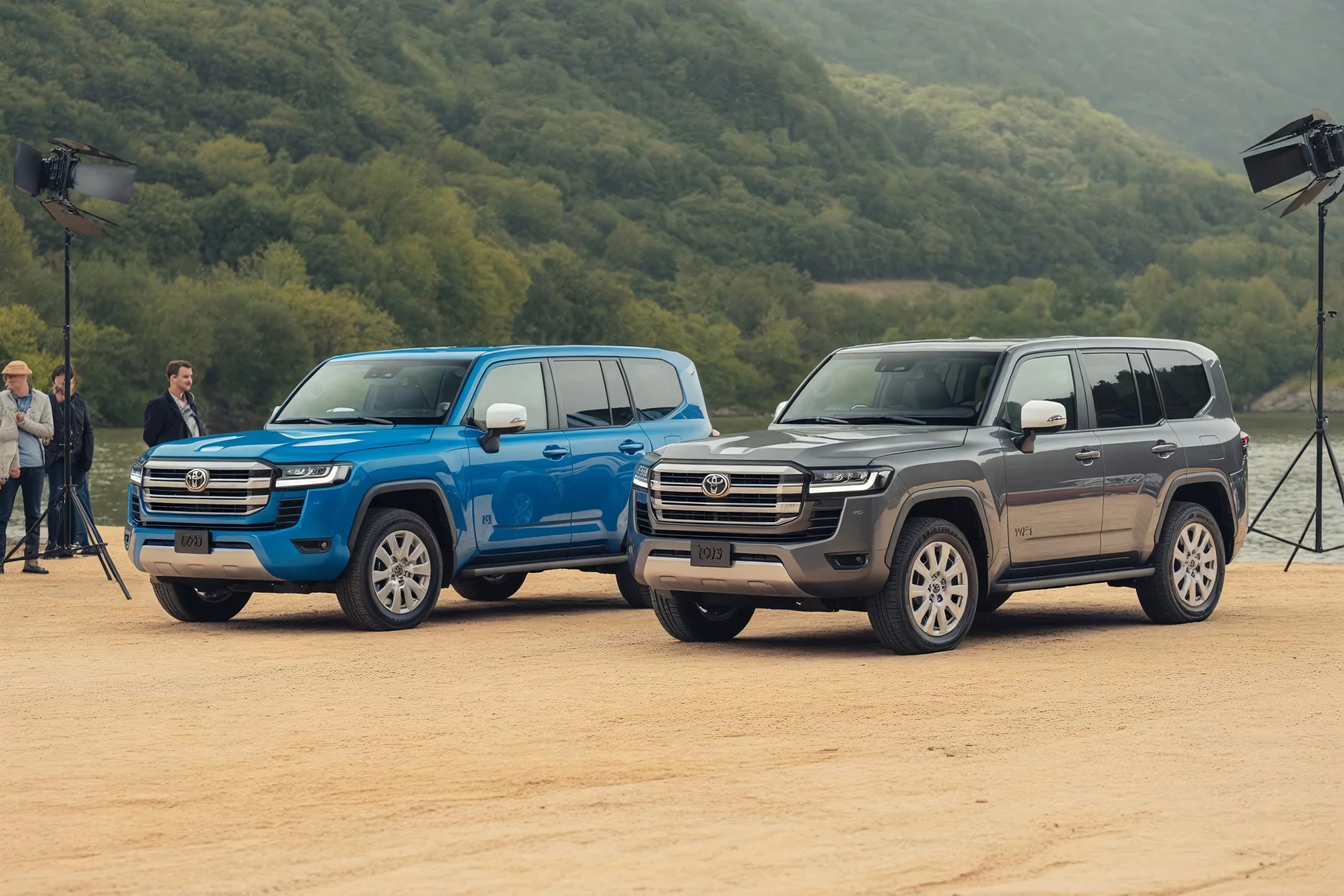
The 2028 model year is shaping up to bring more vehicles built for drivers who want extra capability away from paved roads. Automakers are adding tougher tires, improved suspension setups, stronger driveline hardware, and smarter drive modes to vehicles that once focused mainly on daily comfort. Some of these upcoming choices are familiar names, while others could introduce a fresh approach to recreational driving.
From the Toyota Land Cruiser to the Honda Pioneer 1000 Elite, these eight vehicles are expected to offer varying levels of rough-road ability. Details can still change before production, so features, powertrains, and trim names should be treated as expected rather than guaranteed.
1. 2028 Toyota Land Cruiser
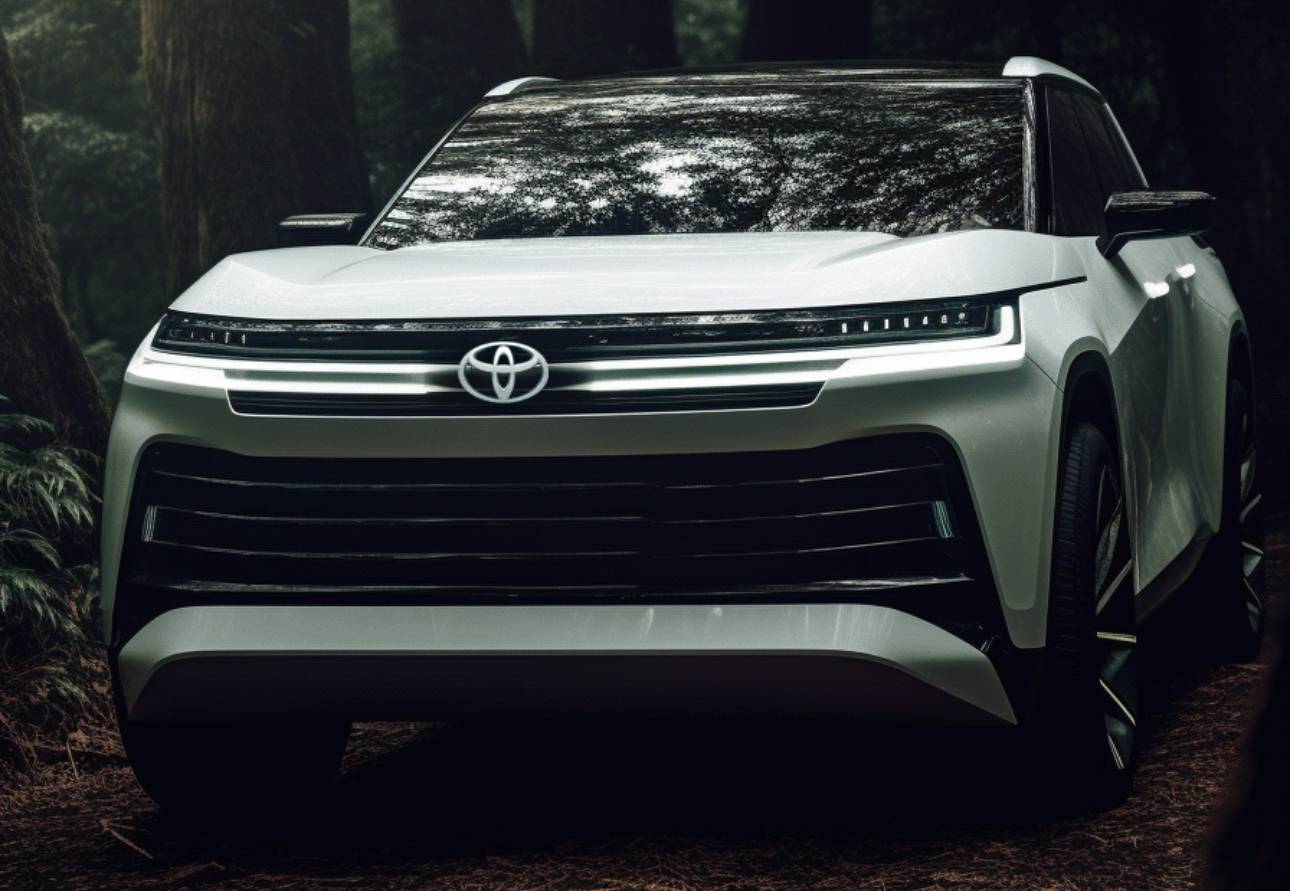
Buyers looking for a capable vehicle for rough roads may have another reason to watch the Toyota Land Cruiser range in 2028. Early reports suggest that Toyota could introduce a new trim combining hybrid power with equipment designed to handle demanding driving conditions more effectively.
The addition of a hybrid system could improve the Land Cruiser’s low-speed performance while also helping it use less fuel during normal daily driving.
Extra electric assistance may be particularly useful when more controlled power is needed on difficult surfaces. Expected features could include an improved suspension system, tougher tires, and advanced driving settings for dirt, rocks, mud, and steep paths.
Toyota has spent decades developing dependable four-wheel-drive vehicles, and many buyers would expect the Land Cruiser to maintain the qualities that have made it popular.
Strong ground clearance and durable protection underneath the vehicle could remain important features, especially for drivers who regularly travel on uneven roads.
Styling changes may also form part of the package. A more rugged exterior could give the Land Cruiser a stronger appearance while preserving the comfort and practicality needed for everyday use.
Should this expected version reach production, it could attract drivers who want genuine rough-road ability without buying a dedicated truck or utility vehicle.
The Land Cruiser has always offered a balance between comfort and strength, and a hybrid version with improved off-road equipment could make the 2028 model an attractive choice for people who want both qualities in one vehicle.
2. BMW X7 2028 (M60 xDrive)
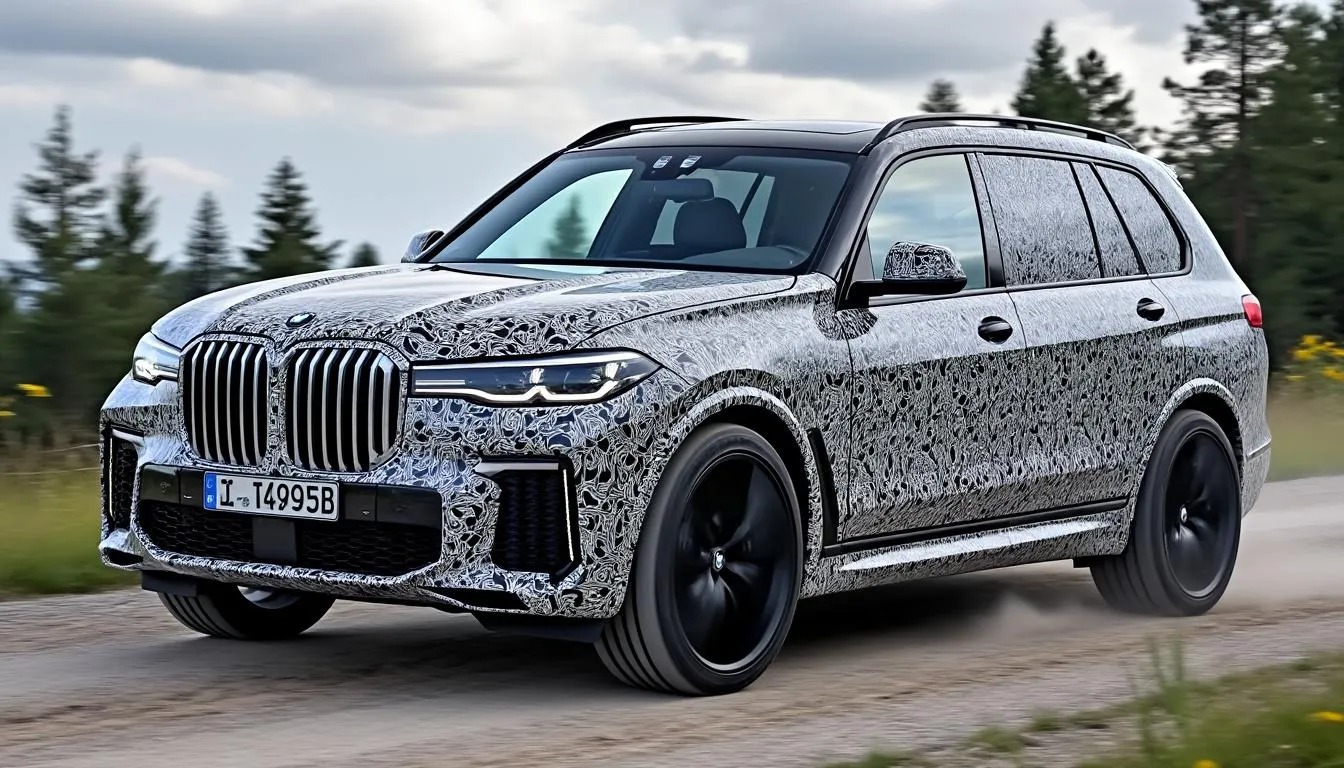
For buyers who want luxury without giving up the ability to handle poor roads, the 2028 BMW X7 M60 xDrive could be an interesting option. Large luxury SUVs are usually associated with comfort, technology, and smooth highway journeys, but this model may offer more practical ability when the road conditions become less predictable.
The X7 is expected to retain its powerful V8 engine, giving it the strong performance buyers have come to expect from the M60 xDrive. Its all-wheel-drive system should also provide a good starting point for driving on wet, uneven, or loose surfaces.
BMW could improve its capability further with tougher tires, revised suspension settings, and driving modes suited to different road conditions. Inside the cabin, comfort is still likely to remain a major part of the package.
Families could use the X7 for daily school runs, long-distance trips, and regular commuting while enjoying the premium features associated with the model. When the weekend arrives, it could also handle gravel roads and other rough access routes with greater confidence.
BMW is unlikely to turn the X7 M60 xDrive into a serious off-road vehicle, and that may not be necessary. The main appeal could lie in its ability to combine luxury with extra versatility.
Drivers would still get strong acceleration, a quiet and comfortable ride, and an upscale interior, while also having a vehicle that may cope better when smooth roads are no longer an option.
3. BMW X5 M (G95) 2028
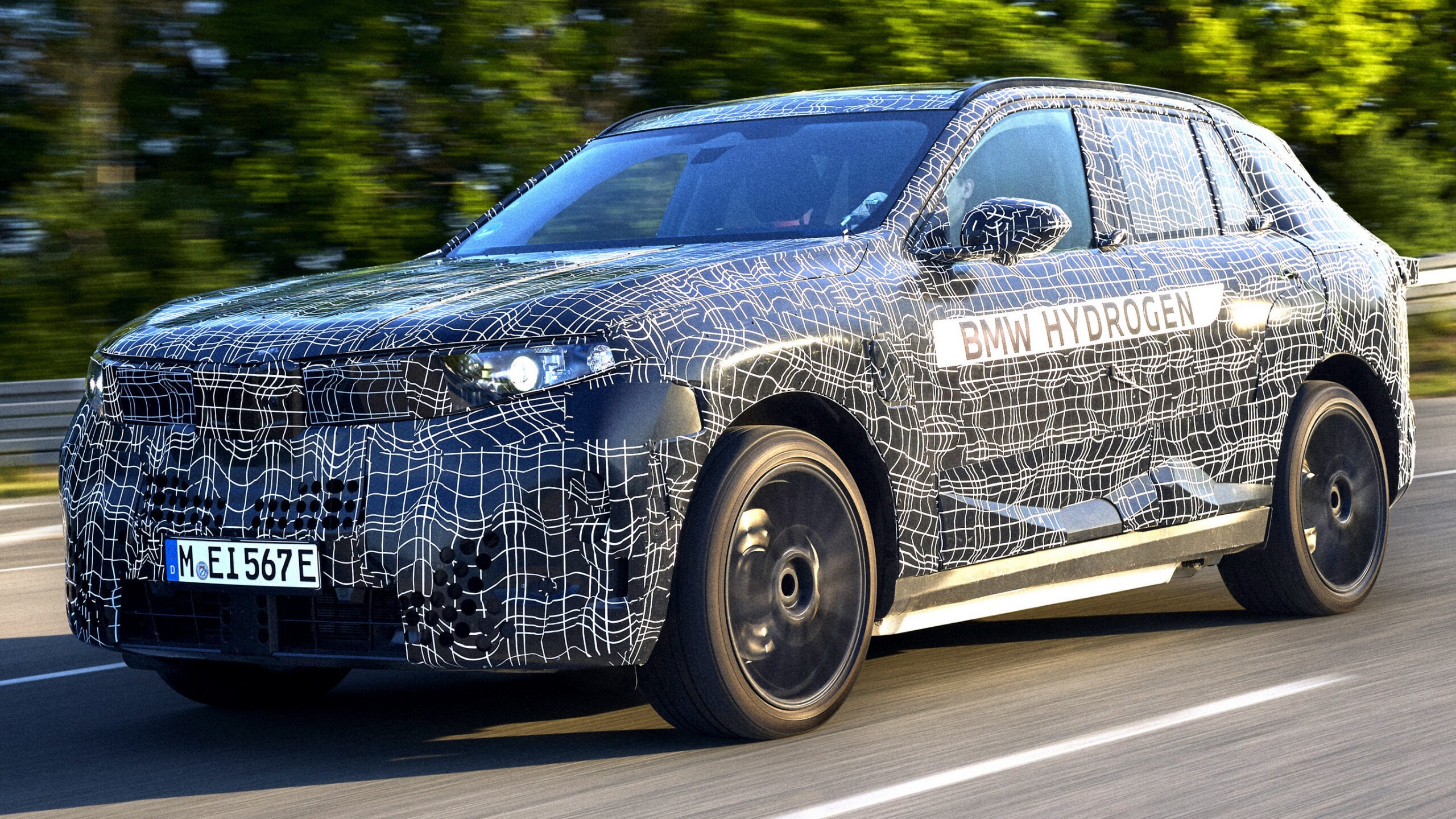
The BMW X5 M G95 is expected to take a different approach by combining high performance with greater ability away from smooth pavement. Rather than being designed strictly as a trail vehicle, this SUV could appeal to drivers who want speed and additional versatility in one package.
Electrification is expected to play a larger role in BMW’s high-performance vehicles, potentially giving the X5 M stronger response from a standstill. Instant electric assistance could also be useful when controlled power is needed on loose surfaces.
A more capable setup could include revised suspension calibration, suitable tires, stronger drive modes, and software designed to manage wheel slip. These additions would make the X5 M more useful when the pavement disappears without turning it into a dedicated off-road machine.
There is also an interesting balance to maintain. An SUV with extreme performance must still provide predictable handling and ride comfort for everyday driving. BMW’s challenge will be making those qualities work alongside extra rough-road ability.
For buyers who want a fast luxury SUV with broader abilities, the 2028 X5 M could be an intriguing option.
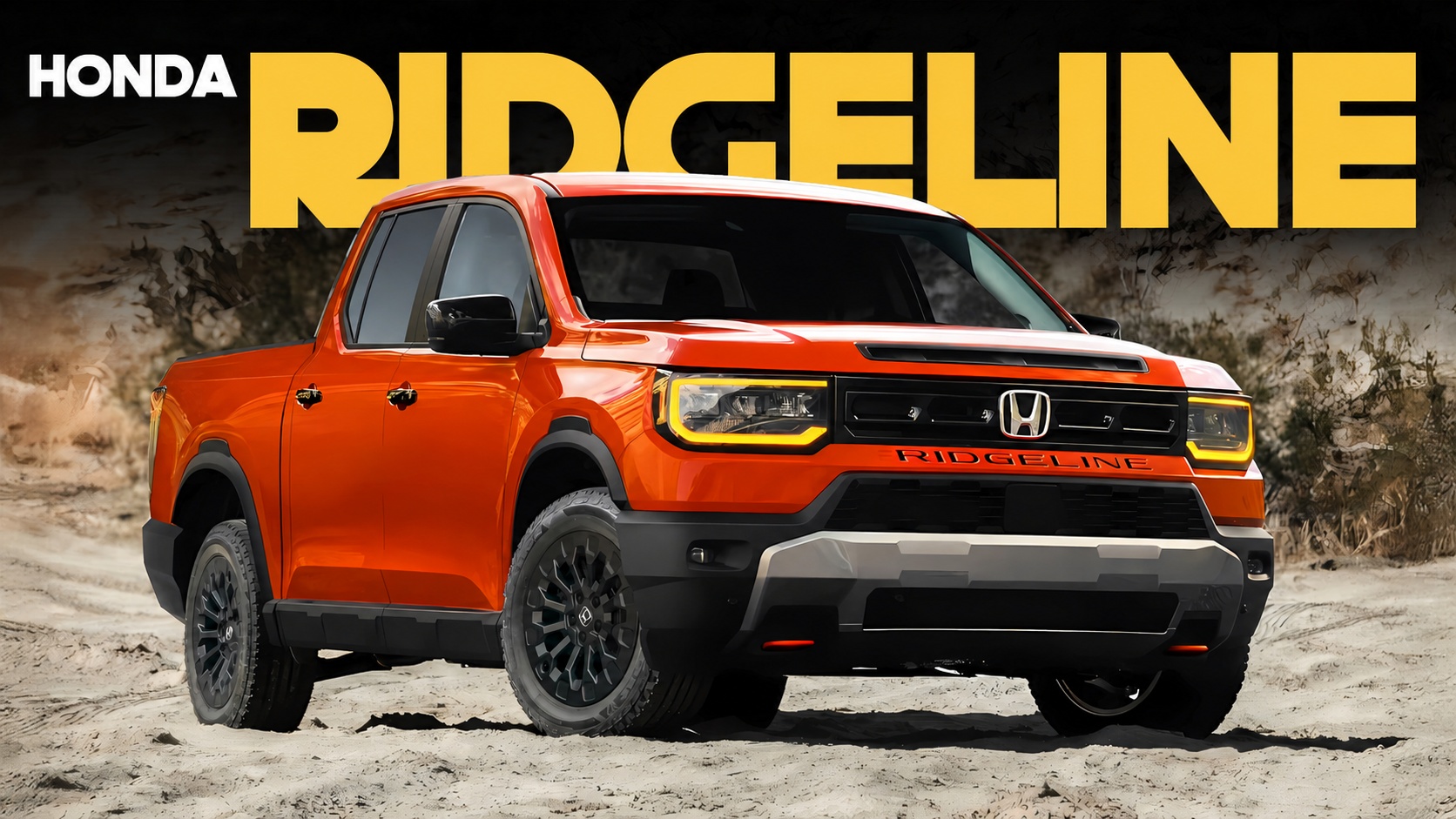
4. Honda Ridgeline (3rd Gen) 2028
Honda’s midsize pickup has always taken a slightly different approach compared to traditional body-on-frame trucks, and the third-generation Ridgeline expected for 2028 appears ready to lean further into genuine off-road territory.
Reports point toward improved off-road capabilities across the lineup, a meaningful change for a truck that’s historically prioritized comfort and everyday usability over rock-crawling credentials.
Lifted suspension options are among the features rumored for this next generation, a change that would give the Ridgeline noticeably improved ground clearance compared to previous versions.
For a truck built on a unibody platform rather than traditional body-on-frame construction, any suspension lift represents a genuine engineering challenge, making this rumored upgrade particularly interesting for anyone who’s followed the ongoing debate over unibody versus body-on-frame truck capability.
Rugged trim features are also expected to accompany these suspension changes, likely including upgraded tires, protective underbody elements, and styling cues that visually communicate genuine off-road intent rather than simply implying it through marketing alone.
Honda has historically positioned the Ridgeline as a practical, comfortable alternative to more traditional midsize trucks, and these rumored upgrades suggest the brand wants to compete more directly with rivals that have built stronger off-road reputations.
If Honda successfully delivers genuine capability improvements alongside the comfort and reliability this truck is already known for, the third-generation Ridgeline could finally shed its reputation as the midsize truck segment’s more paved-road-focused option.
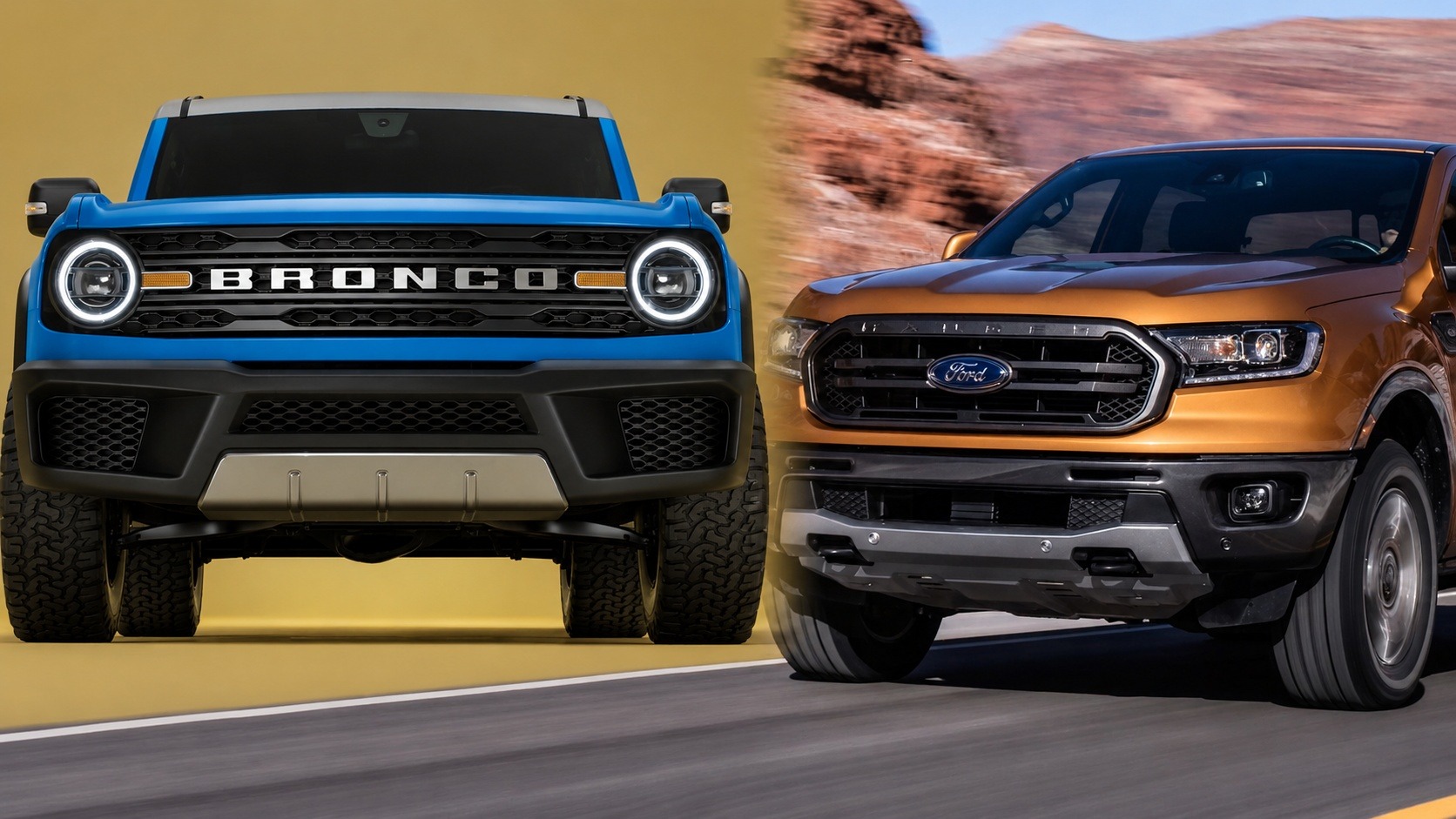
5. Ford Ranger / Bronco Hybrid 2028
Ford has already built a strong reputation with the Ranger and Bronco, particularly among drivers who appreciate vehicles capable of handling rough roads.
By 2028, hybrid technology could give both models an added advantage, combining electric assistance with the durability and capability people already expect from these vehicles.
For the Ranger, an electric motor could provide extra pulling power at lower speeds. This may prove useful when the truck is climbing steep paths, carrying heavy loads, or moving across loose ground.
A well-developed suspension system and tougher tires could also improve grip and make the vehicle better suited for demanding driving conditions. Meanwhile, the Bronco could benefit even more from hybrid technology.
Its body-on-frame construction, four-wheel-drive system, and selectable driving modes already provide a solid base for difficult roads. Adding electric power could offer smoother control at low speeds while also helping to reduce fuel consumption during normal journeys.
Ford may also develop software that allows the petrol engine, electric motor, traction control, and four-wheel-drive system to work closely together. Such a system could adjust the vehicle’s performance based on the type of surface selected by the driver, making it easier to manage different driving conditions.
Although Ford has not released full details about these expected 2028 models, the idea remains promising. A combination of hybrid power, improved suspension, capable tires, and proven four-wheel-drive technology could make the future Ranger and Bronco appealing choices for drivers who want both everyday practicality and greater confidence away from paved roads.
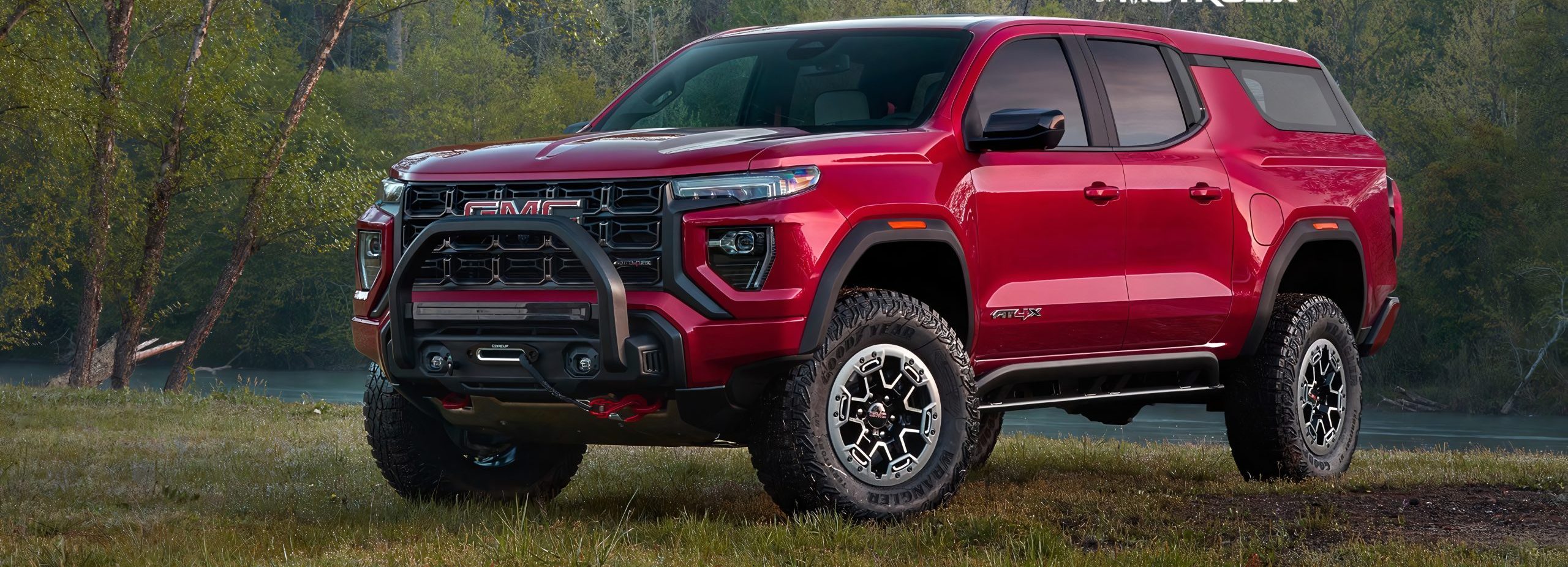
6. GMC Jimmy 2028
Reviving a nameplate carries genuine risk, and GMC appears ready to test that risk with a rumored 2028 return of the Jimmy name, this time reportedly configured as a genuine SUV rather than the smaller model some longtime enthusiasts might remember.
Early rumors suggest possible engine options including both V8 and turbocharged four-cylinder configurations, giving buyers a genuine choice between raw power and a more efficiency-focused setup depending on their specific priorities.
A V8 option would signal GMC’s intent to compete seriously in a segment where torque and towing capability still matter enormously to a large portion of buyers.
Meanwhile, a turbocharged four-cylinder alternative would appeal to buyers prioritizing efficiency without wanting to completely abandon genuine capability, reflecting a broader industry trend toward offering multiple powertrain philosophies within a single model lineup rather than forcing buyers into one narrow choice.
Light off-road functionality appears to be the target here rather than serious rock-crawling capability, positioning this rumored Jimmy revival as something closer to a capable daily driver than a dedicated trail vehicle.
That distinction matters considerably for buyers trying to figure out where this model might fit alongside GMC’s existing lineup, which already includes more overtly off-road-focused options elsewhere.
If these early reports hold up once official details arrive, the Jimmy name returning under GMC could represent a genuinely interesting addition, particularly for buyers wanting moderate off-road capability without stepping into a more specialized, harder-edged vehicle built primarily for serious trail use.
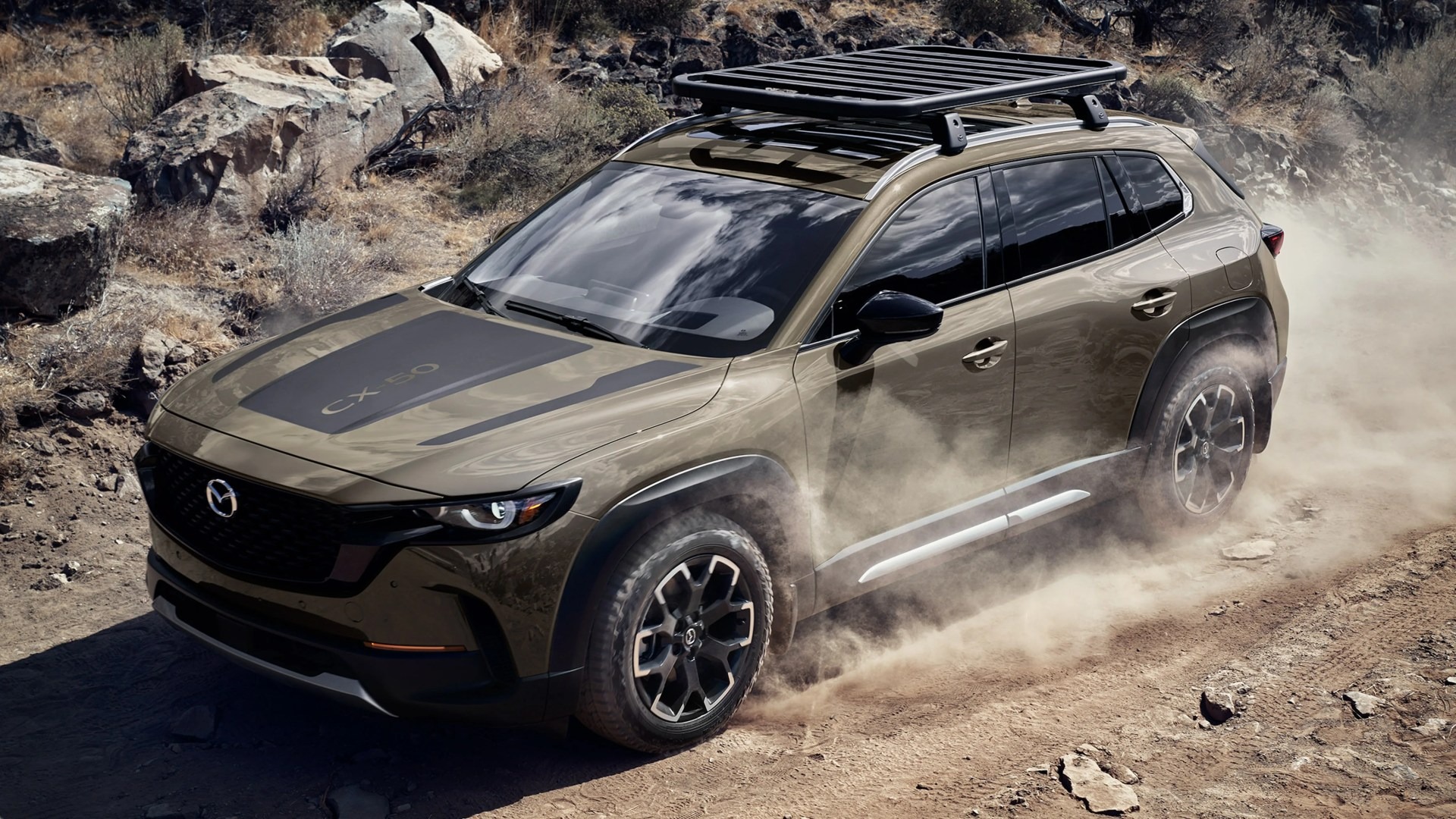
7. Mazda CX-40 Rugged/Off-Road Variant
Mazda may give the CX-40 a tougher character by introducing a version aimed at drivers who occasionally travel beyond smooth, paved roads. Instead of turning the SUV into an extreme off-road machine, the company could focus on practical improvements that make it more capable and useful in different driving conditions.
A longer suspension travel could be one of the most helpful upgrades. With greater wheel movement, the tires may maintain better contact with uneven surfaces, helping the vehicle remain stable when driving across rough ground.
Another possible addition is a set of all-purpose tires designed to offer stronger grip on dirt, gravel, grass, and other loose surfaces. Apart from improving traction, these tires could also give the CX-40 a more rugged and confident appearance.
Beyond the tires, Mazda may make changes to the suspension, raise the vehicle slightly for better ground clearance, and introduce driving modes for slippery or low-grip roads.
Such features could make the crossover feel more secure without placing it in the same category as heavy-duty SUVs built for demanding off-road use.
This version of the CX-40 could appeal to people who enjoy camping, hiking, and travelling along quiet back roads but still need a comfortable vehicle for everyday commuting.
Should Mazda retain the comfort, efficiency, and smooth driving experience expected from its SUVs, the rugged CX-40 could offer a sensible option for buyers who want extra capability without sacrificing daily convenience.
It may serve drivers seeking a practical balance between a standard crossover and a more specialized utility vehicle.
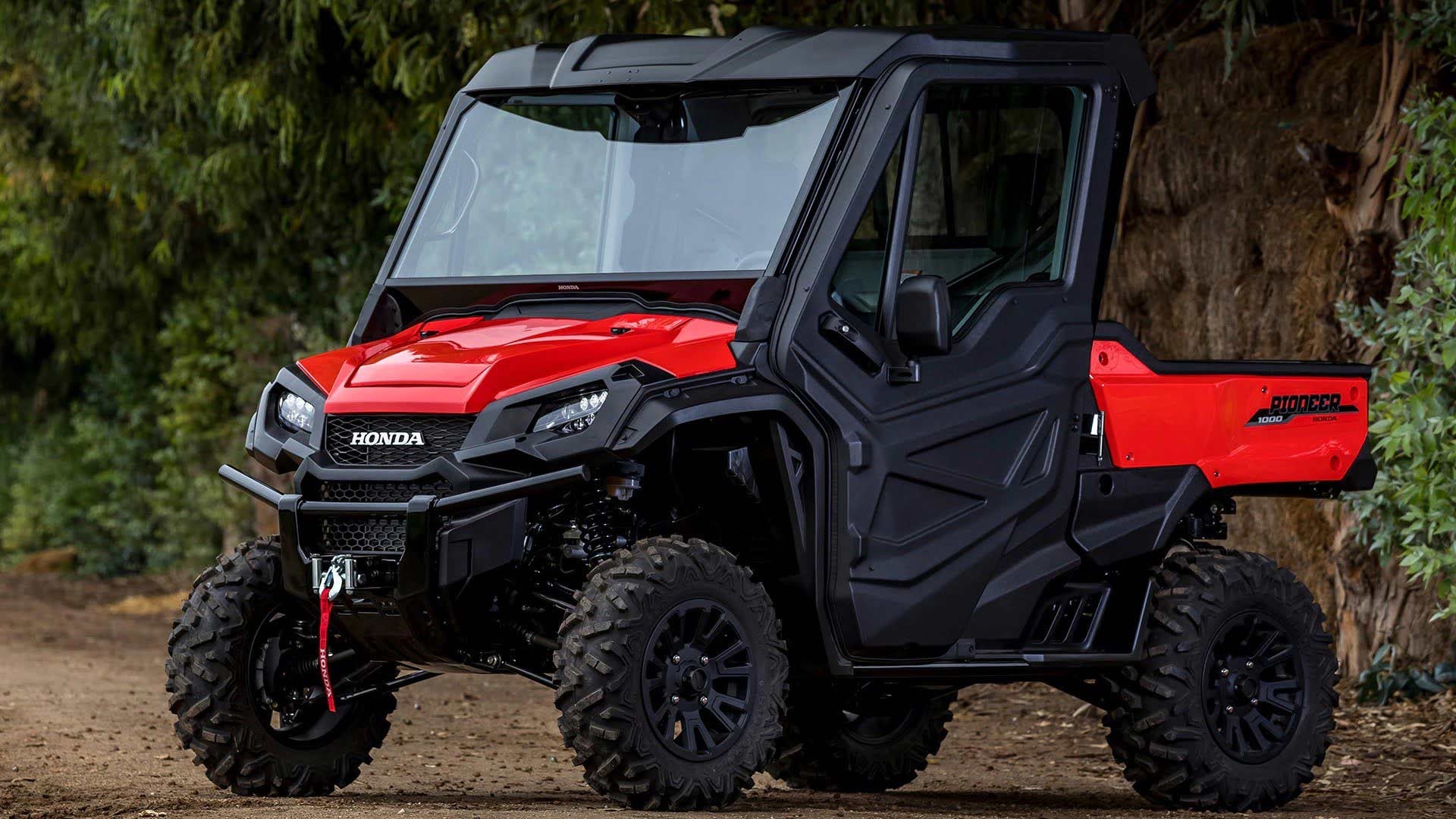
8. Honda Pioneer 1000 Elite UTV
The Honda Pioneer 1000 Elite is different from the other vehicles on this list because it is a UTV rather than a conventional SUV or pickup. Still, its purpose makes it a natural fit for buyers seeking serious recreational and work capability away from paved roads.
The Pioneer 1000 platform is designed for demanding use, with a strong engine, four-wheel-drive capability, and equipment intended for difficult surfaces. The Elite version adds a more premium approach while maintaining the practical design expected from a utility vehicle.
Its compact dimensions are a major advantage. A UTV can fit through areas that would be difficult for a full-size SUV or pickup, making it useful for property work, hunting, recreation, and trail trips.
The seating layout also gives the Pioneer a practical balance between carrying people and handling equipment. Buyers can use it for work during the week and recreational trips when they have free time.
For 2028, the Pioneer 1000 Elite could remain one of the more specialized choices among these eight expected models. It does not try to replace a family SUV. Instead, it focuses on giving drivers a purpose-built machine for demanding outdoor use.
