
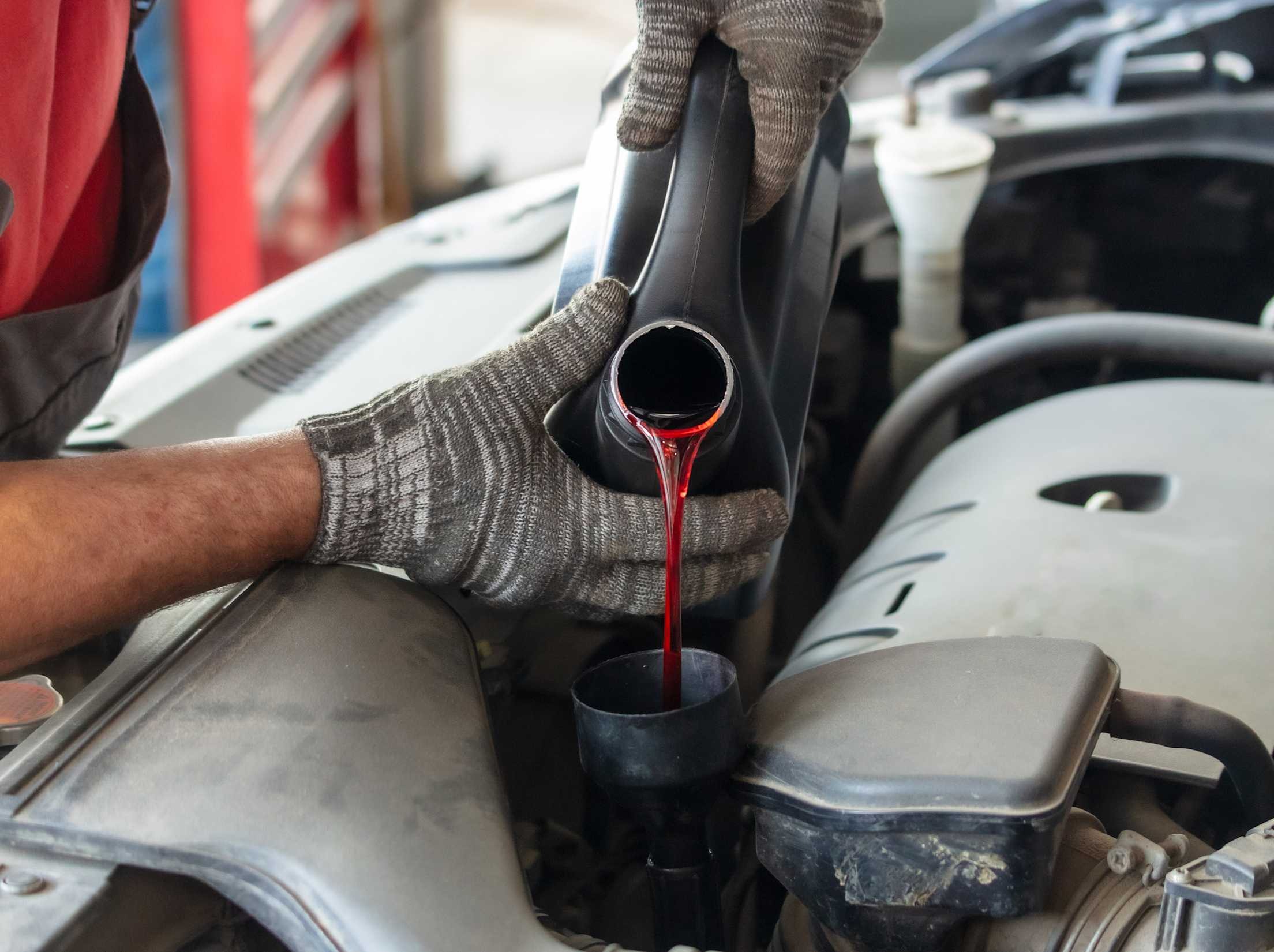
A transmission can keep working for a surprisingly long time without fresh fluid, which makes this maintenance job easy to ignore. That does not mean the fluid is still doing its job. Transmission fluid lubricates moving parts, helps control hydraulic pressure in automatic transmissions, and carries heat away from internal components.
As it ages, heat and contamination can reduce its effectiveness. The result may begin with rough or delayed gear changes and progress toward expensive internal damage. The exact service interval depends on the vehicle and transmission type, so the owner’s manual should always be the first reference.
Transmission Fluid Gradually Loses Its Protective Properties
Transmission fluid works under demanding conditions every time a vehicle is driven. In an automatic transmission, it must lubricate parts while also serving as a hydraulic fluid that helps engage internal clutches and control gear changes. It also absorbs and carries away heat generated inside the transmission.
Heat is one of the main reasons old fluid deteriorates. Repeated exposure to high temperatures can break down additives and reduce the fluid’s ability to protect internal surfaces. Towing, heavy traffic, and other demanding driving conditions can place extra stress on the fluid and transmission.
Contamination creates another problem. Small metal particles and worn friction material can enter the fluid during normal operation. A properly maintained system is better able to manage these contaminants, while neglected fluid may continue circulating abrasive particles through sensitive components. Sludge and deposits can also develop, restricting passages that depend on clean fluid flow.
The fluid may become darker and develop a burnt odor as its condition worsens. By that point, replacing the fluid may no longer be simple preventive maintenance because internal wear could already be underway.
Shifting Problems May Be the First Warning
A transmission rarely goes from working perfectly to complete failure without giving some warning. One of the earliest signs of deteriorated fluid can be delayed engagement. You may select Drive or Reverse and notice a pause before the vehicle responds.
Hard or jerky gear changes can also develop when the transmission struggles to maintain proper hydraulic pressure. Slipping is another warning sign.
The engine speed may rise, but the vehicle may not accelerate as expected because internal clutches are unable to maintain a proper grip. Drivers may also notice whining, grinding, or clunking noises as lubrication becomes less effective and internal parts experience greater wear.
These symptoms should not automatically be blamed on the fluid alone. Transmission problems can have many causes, including worn components, electrical faults, or pressure-related issues. Still, the condition and maintenance history of the fluid provide useful clues.
Waiting for symptoms before checking the transmission can be expensive. A transmission with healthy fluid and no existing mechanical problems is generally in a better position for routine maintenance than one that has already developed serious internal damage.
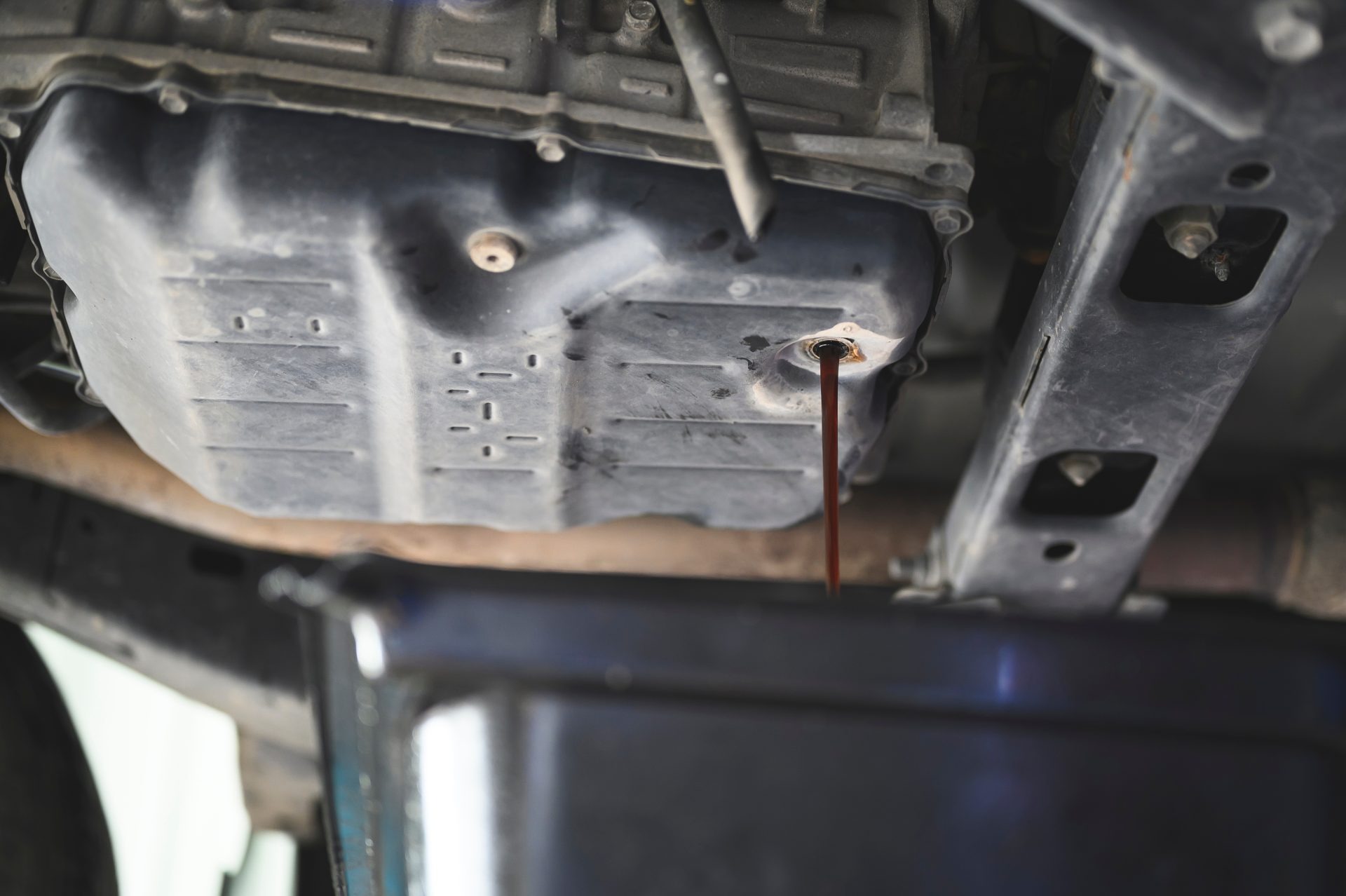
Contamination Can Cause Internal Wear to Accelerate
Think of old transmission fluid as a protective barrier that has gradually lost its strength. As lubrication declines, moving metal parts can experience more friction.
Extra friction produces additional heat, and that heat can further degrade the remaining fluid. The problem can grow from there. Worn clutch material and tiny metal particles may circulate through the transmission, creating an abrasive mixture that contributes to more internal wear.
Deposits can also build inside narrow hydraulic passages and around components that control fluid pressure. When those passages become restricted, the transmission may struggle to send fluid where it is needed.
Valve bodies, pumps, and other components depend on controlled fluid movement and pressure. Reduced flow can lead to erratic shifting, delayed engagement, and poor clutch operation.
Seals and gaskets may also suffer as fluid ages and becomes contaminated. Pressure loss can make existing transmission problems worse, while damaged seals can contribute to leaks.
Once this level of wear begins, a fluid service cannot magically restore damaged parts. Fresh fluid is valuable as preventive maintenance, but it is not a repair for burned clutches, damaged bearings, or clogged internal components.
Neglect Can Lead to Major Transmission Damage
Continued operation with badly degraded transmission fluid can eventually cause serious mechanical damage. Internal clutches and other friction surfaces may wear excessively, while contaminated fluid can interfere with the hydraulic systems responsible for proper gear operation.
In severe cases, the transmission may lose certain gears or stop functioning altogether. A failed transmission can create a difficult financial decision. Repairing internal damage may require extensive disassembly, replacement of worn parts, or installation of another transmission.
Engineer Fix estimates that replacement or rebuilding can cost thousands of dollars, depending on the vehicle and transmission design. That is why skipping a fluid service can become far more expensive than the maintenance itself.
Transmission repairs are labor-intensive, and modern units contain tightly integrated mechanical, hydraulic, and electronic systems. There is also a practical concern for owners of older or used vehicles with an unknown maintenance history.
If the transmission is already slipping or showing severe symptoms, changing the fluid may not reverse the damage. The failure may simply become more obvious after fresh fluid is installed because the underlying wear was already present.
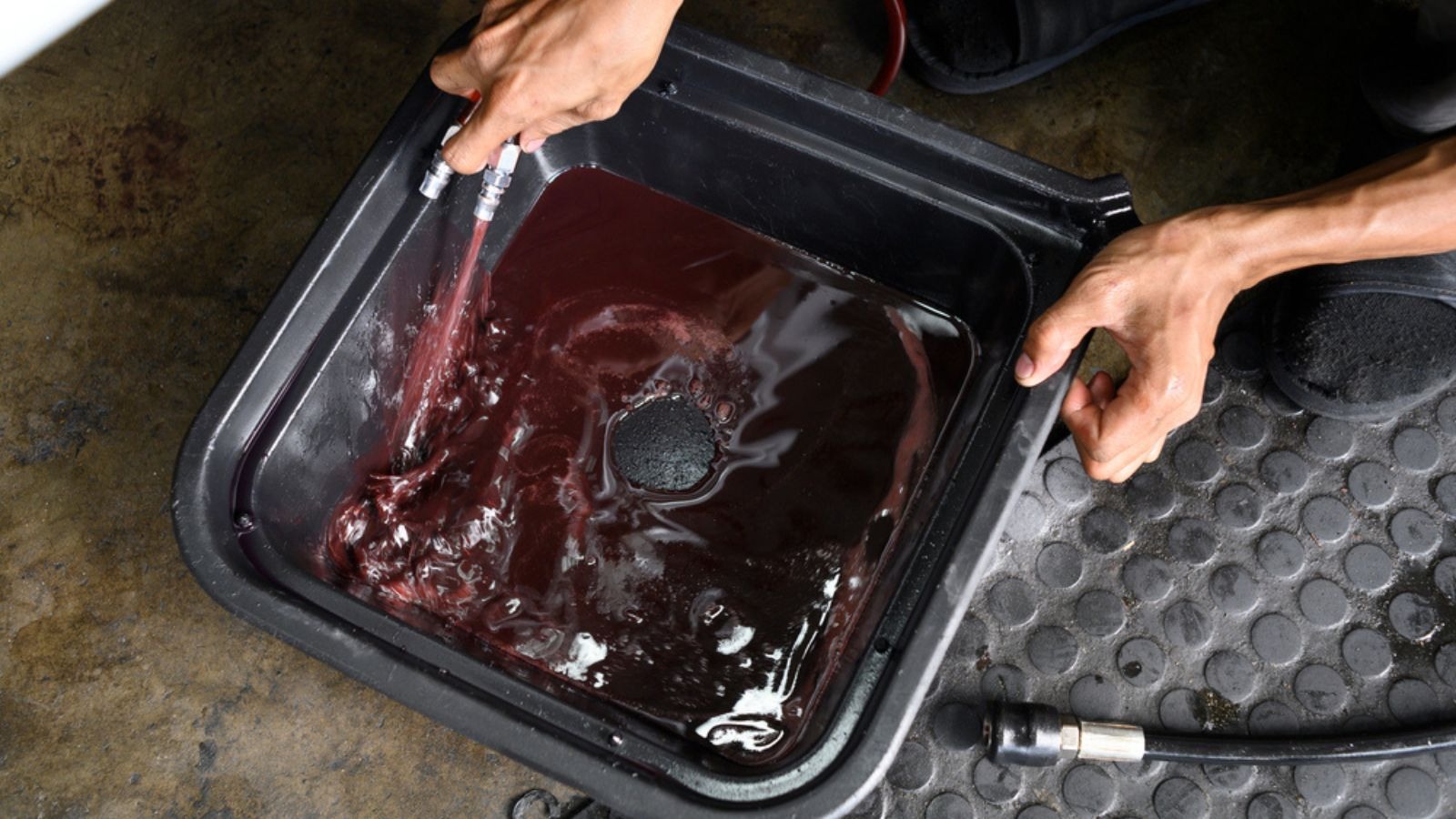
Changing Neglected Fluid Requires a Careful Approach
The idea that old transmission fluid should never be changed is too broad. A vehicle that has missed previous services may still benefit from fresh fluid, but the condition of the transmission should be considered first.
Some sources warn that fresh fluid can loosen deposits inside a severely neglected transmission, while others emphasize that failures following a late fluid change may reflect damage that already existed.
The safest starting point is the owner’s manual. It identifies the correct fluid specification and recommended service procedure for that particular vehicle. Using the wrong fluid can create problems, so transmission fluid should never be selected by color or guesswork alone.
For a high-mileage vehicle with no service records, a qualified technician can assess the transmission before recommending maintenance. The fluid condition, vehicle behavior, and any existing fault codes can help determine whether routine service is appropriate.
The most important lesson is simple. Do not treat transmission fluid as maintenance-free unless the manufacturer’s instructions clearly support that approach.
Fresh, properly specified fluid helps protect an expensive mechanical system, while years of neglect can allow heat, contamination, and wear to build until routine maintenance is no longer enough. Following the recommended schedule gives the transmission its best chance of providing dependable service for many miles.
