
Screens have become one of the biggest selling points in a new car, and automakers know it. Buyers walk into showrooms expecting crisp graphics, fast software, and displays that rival what they already carry in their pockets. That expectation is pushing brands across every price range to rethink their dashboards from the ground up.
Some are simply making existing screens larger, while others are building entirely new digital experiences around them. From compact electric hatchbacks to full-size luxury SUVs, here are ten vehicles bringing bigger, sharper, and smarter displays before 2028 arrives, giving drivers a genuine reason to get excited about what’s ahead.
1. 2027 Chevrolet Bolt
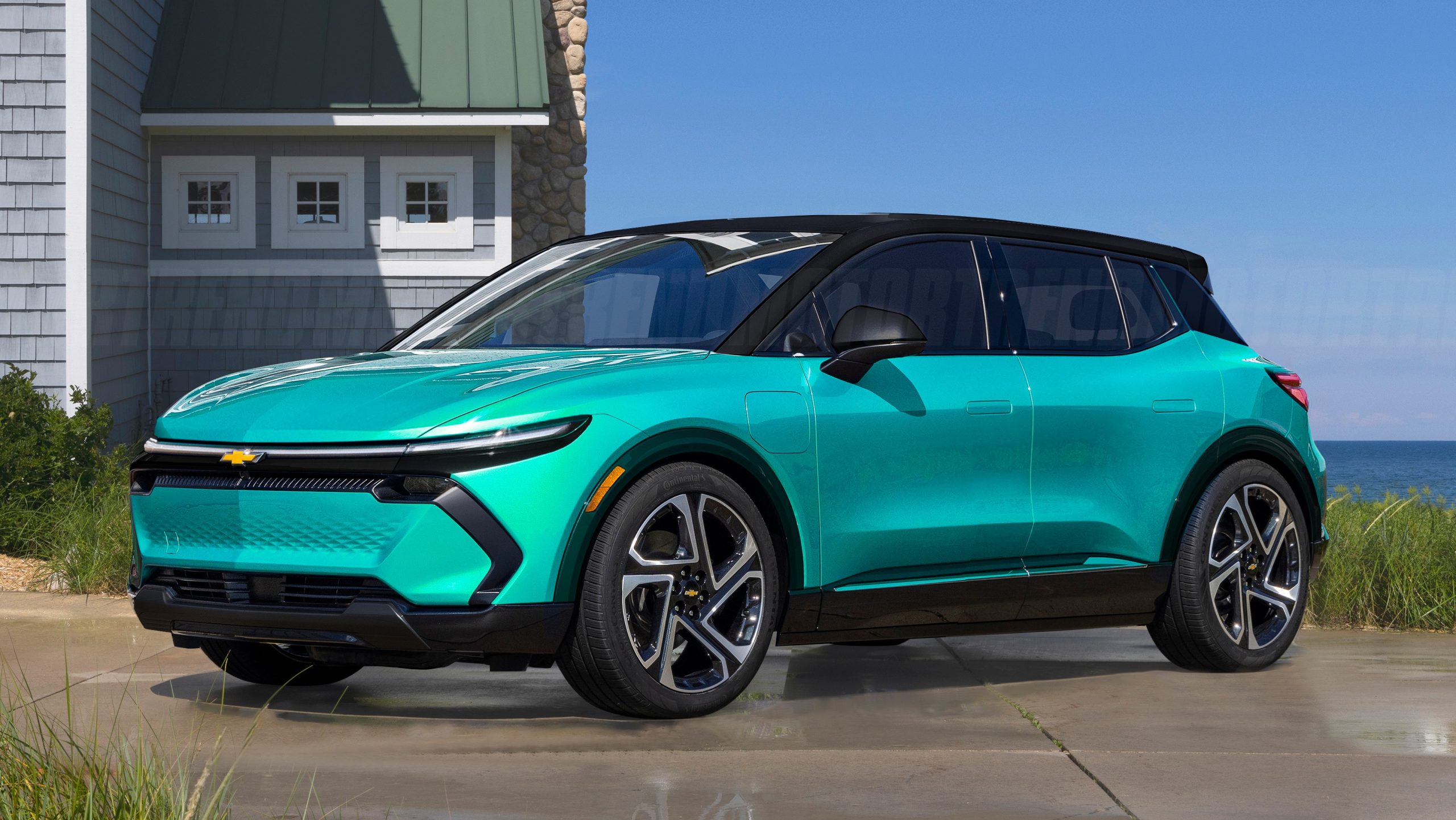
Chevrolet has given the 2027 Bolt a much-needed cabin update, and the new screens are one of the biggest changes drivers will notice. The redesigned model gets an 11.3-inch infotainment touchscreen alongside an 11-inch driver information display.
Chevrolet has also confirmed that both screens are larger than those fitted to the previous Bolt. For anyone familiar with the older model, the difference should be easy to notice.
The previous interior relied on smaller displays that could make the dashboard feel dated beside newer electric vehicles. The 2027 version takes a more modern approach, giving drivers more screen space without making the cabin feel unnecessarily complicated.
The larger displays provide enough room to show navigation directions, battery information, vehicle settings, and driver-assistance details in a clearer format. Instead of squeezing several pieces of information into a small area, the new arrangement gives each function more breathing room and makes the interface easier to read while driving.
Chevrolet has also paid attention to the software behind the screens. The updated system is designed to respond more quickly, helping menus load faster and making everyday interactions feel smoother.
The revised interface also gives the cabin a fresher appearance that matches the rest of the vehicle’s redesign. For buyers looking for an affordable electric vehicle, these upgrades make the Bolt more appealing.
Chevrolet has brought its interior technology closer to what shoppers now expect from a modern EV, while keeping the vehicle focused on value and everyday practicality.
The larger screens give the Bolt a fresher cabin without changing its basic purpose as an accessible electric car.
2. 2026 Toyota RAV4
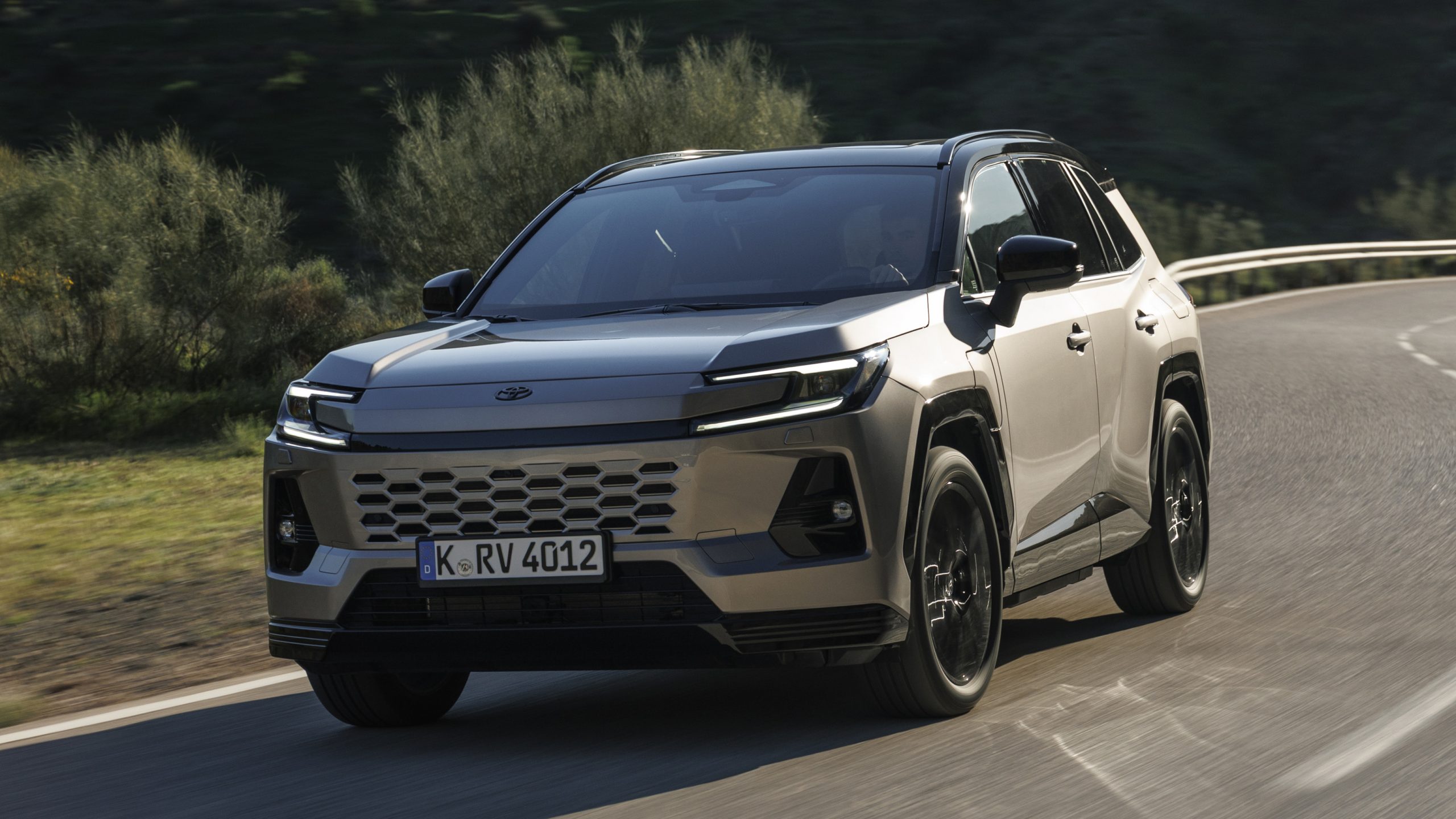
Toyota has given the 2026 RAV4 a major cabin technology update, with larger and more useful screens taking centre stage. The redesigned SUV now comes with a standard 10.5-inch multimedia touchscreen, while higher trims can be fitted with a bigger 12.9-inch display.
Sitting in front of the driver is a new 12.3-inch digital gauge cluster. For drivers who spend plenty of time behind the wheel, the larger screens should make everyday tasks easier.
The bigger multimedia display provides more space for navigation, entertainment, vehicle settings, and connected services without making everything feel squeezed together.
Beyond screen sizes, Toyota has also improved the software running the system. The newer setup is designed to respond faster, so drivers should spend less time waiting for menus to load or searching through different functions. That makes the technology more practical during daily driving.
Meanwhile, the digital gauge cluster gives the driver a cleaner way to view information. Instead of depending only on traditional gauges, the screen can display driving details in a flexible arrangement, depending on what the driver needs to see.
As a popular family SUV, the RAV4 has to keep up with what buyers now expect from a modern cabin. Toyota’s approach goes beyond simply installing larger screens.
The company has updated the digital side of the interior to make the vehicle feel new, easier to use, and better suited to everyday driving. For buyers comparing SUVs, the 2026 RAV4’s improved displays could stand out easily when they sit inside the cabin.
3. 2026 Nissan Leaf
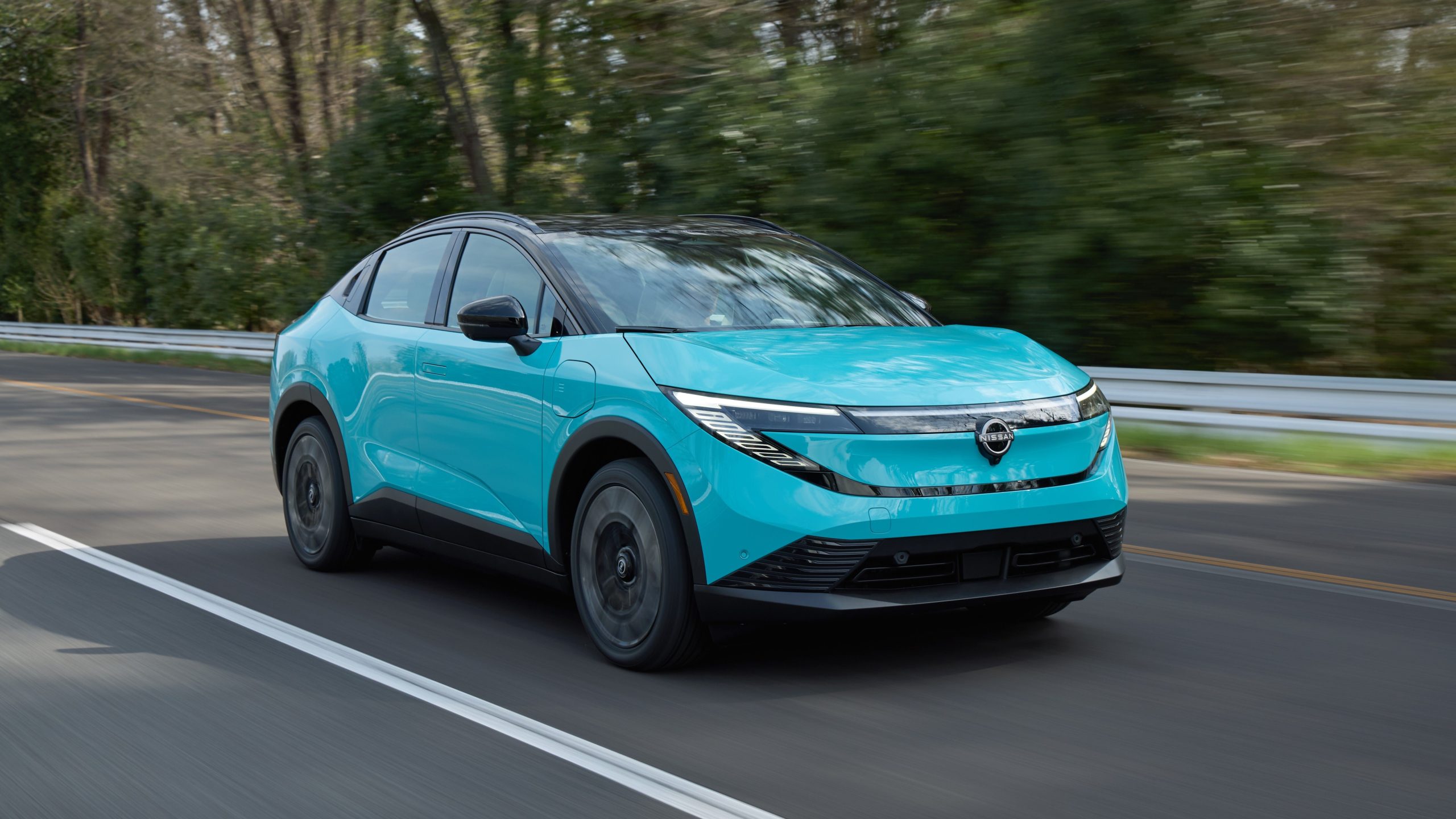
Nissan is taking a bold step with the redesigned 2026 Leaf, moving away from a more conservative digital layout toward something built for buyers who want their car’s interior to feel like a genuine leap ahead of what came before.
Higher trims now come with dual 14.3-inch displays, combining the instrument cluster and infotainment system into one wide, connected dashboard.
That layout choice matters. Instead of two separate screens that feel disconnected from each other, the Leaf’s setup creates a single visual band across the dash, giving the cabin a cleaner, more integrated appearance.
Drivers get a continuous strip of information stretching from the gauge cluster into the infotainment area, a design approach that has become popular among electric vehicles looking to feel distinctly modern.
This move also signals something bigger about where Nissan wants to take its EV lineup. The original Leaf helped introduce mainstream buyers to electric driving, and this redesign suggests Nissan wants the nameplate to feel just as forward-thinking on the inside as it once did mechanically.
Buyers cross-shopping electric hatchbacks and small crossovers will find this cabin approach hard to ignore, especially since dual-screen setups of this size have typically been reserved for pricier vehicles rather than mainstream electric options built for daily, practical use.
4. 2026 Jeep Cherokee
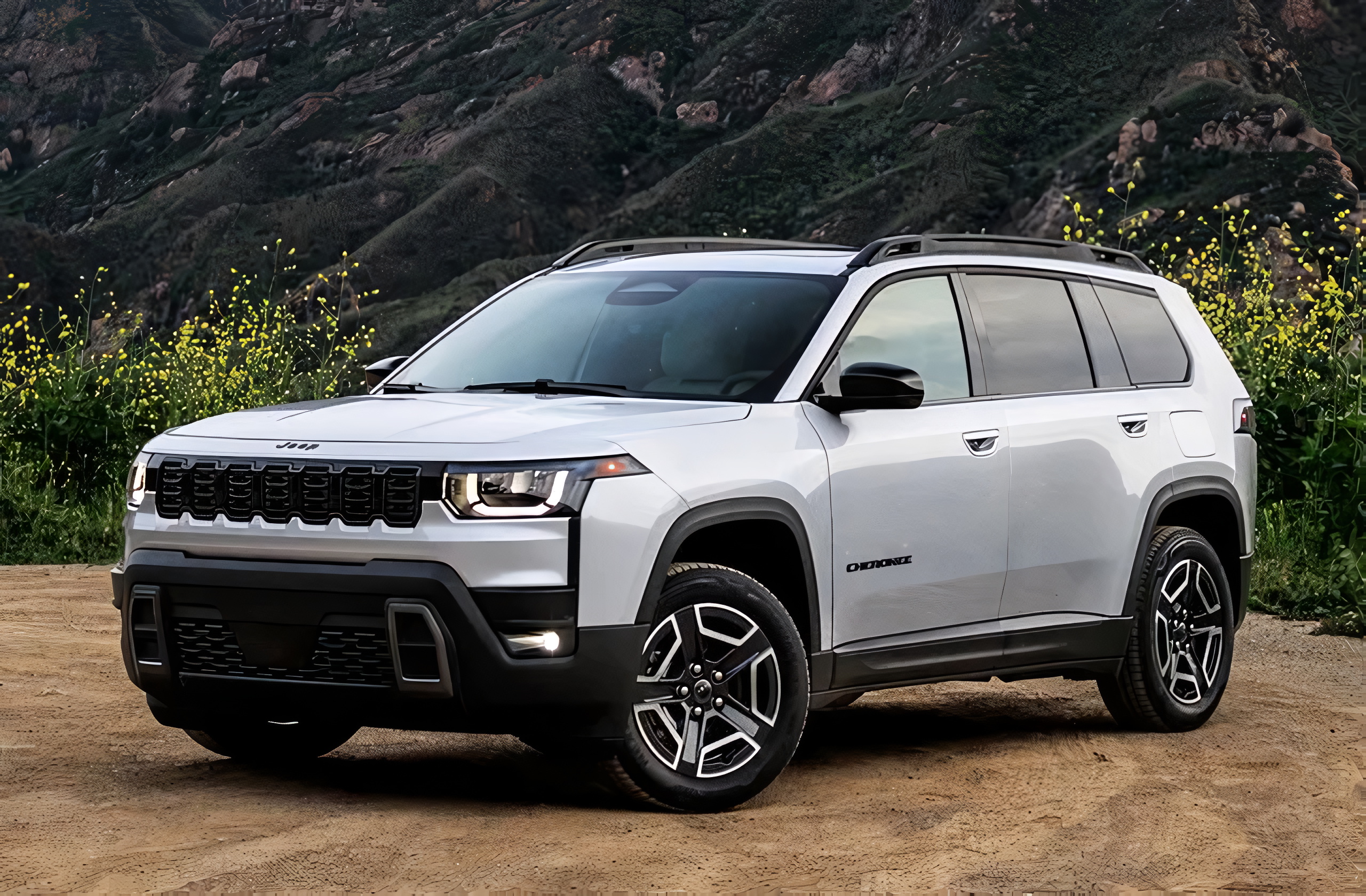
The 2026 Jeep Cherokee returns with a cabin that places much greater emphasis on digital technology. Jeep equips the new model with a 12.3-inch Uconnect touchscreen and a 10.25-inch digital instrument cluster, creating a dashboard that feels far more modern than earlier Cherokee interiors.
The 12.3-inch center display gives the Uconnect system a generous amount of space for its various functions. Drivers can access navigation, media, vehicle controls, and connected features through a larger interface designed to serve as the center of the cabin’s technology.
Directly ahead of the driver, the 10.25-inch digital instrument cluster replaces the traditional gauge-focused approach with a more flexible screen. Important driving information can be displayed digitally, helping the dashboard feel more unified with the large center touchscreen.
For Jeep, this interior represents an important step. The Cherokee is returning to a market where large screens have become common across many compact and midsize SUVs. A smaller or outdated system could have made the new model feel behind its competitors.
Instead, Jeep has built a screen-focused cabin from the start. The combination of a large infotainment display and a digital driver’s screen gives the 2026 Cherokee a stronger technology presence while still leaving room for the practical controls expected in an everyday SUV.
5. 2026 Subaru Outback
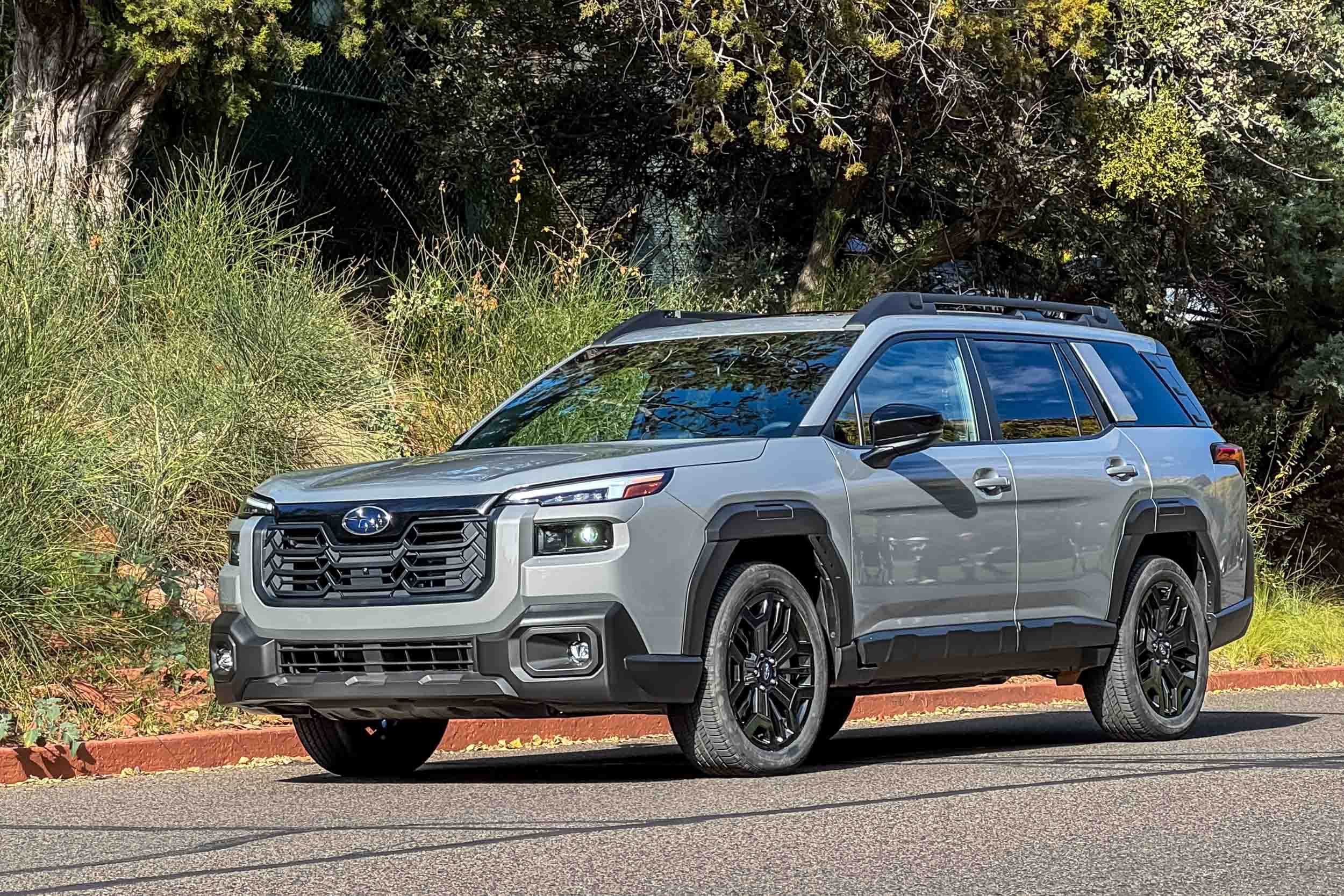
Subaru rebuilt the Outback from the ground up for 2026, and the cabin reflects that effort clearly. A 12.1-inch horizontal infotainment touchscreen takes center stage, paired with a new 12.3-inch digital instrument cluster that replaces the outgoing model’s more traditional gauge setup.
Screen size is only part of the story here. Subaru has specifically pointed to faster processing power behind the new system, along with expanded customization options that let drivers adjust what information appears and how it’s organized.
That combination addresses two common frustrations with older infotainment systems. Slow response times and rigid layouts can make them frustrating to use, while the horizontal design of the main touchscreen adds another noteworthy advantage.
Rather than following the tall, portrait-style screens some competitors have adopted, Subaru stuck with a wider format that keeps navigation maps and split-screen functions easier to read at a glance, something that matters a lot for a vehicle marketed heavily toward road trips and long-distance driving.
Loyal Outback buyers, many of whom have stuck with the model for generations, should find this update reassuring rather than jarring.
Subaru managed to modernize the technology without abandoning the practical, driver-focused approach that has defined the Outback’s cabin for years, giving longtime owners a reason to feel confident about making the switch.
6. 2026 BMW iX3
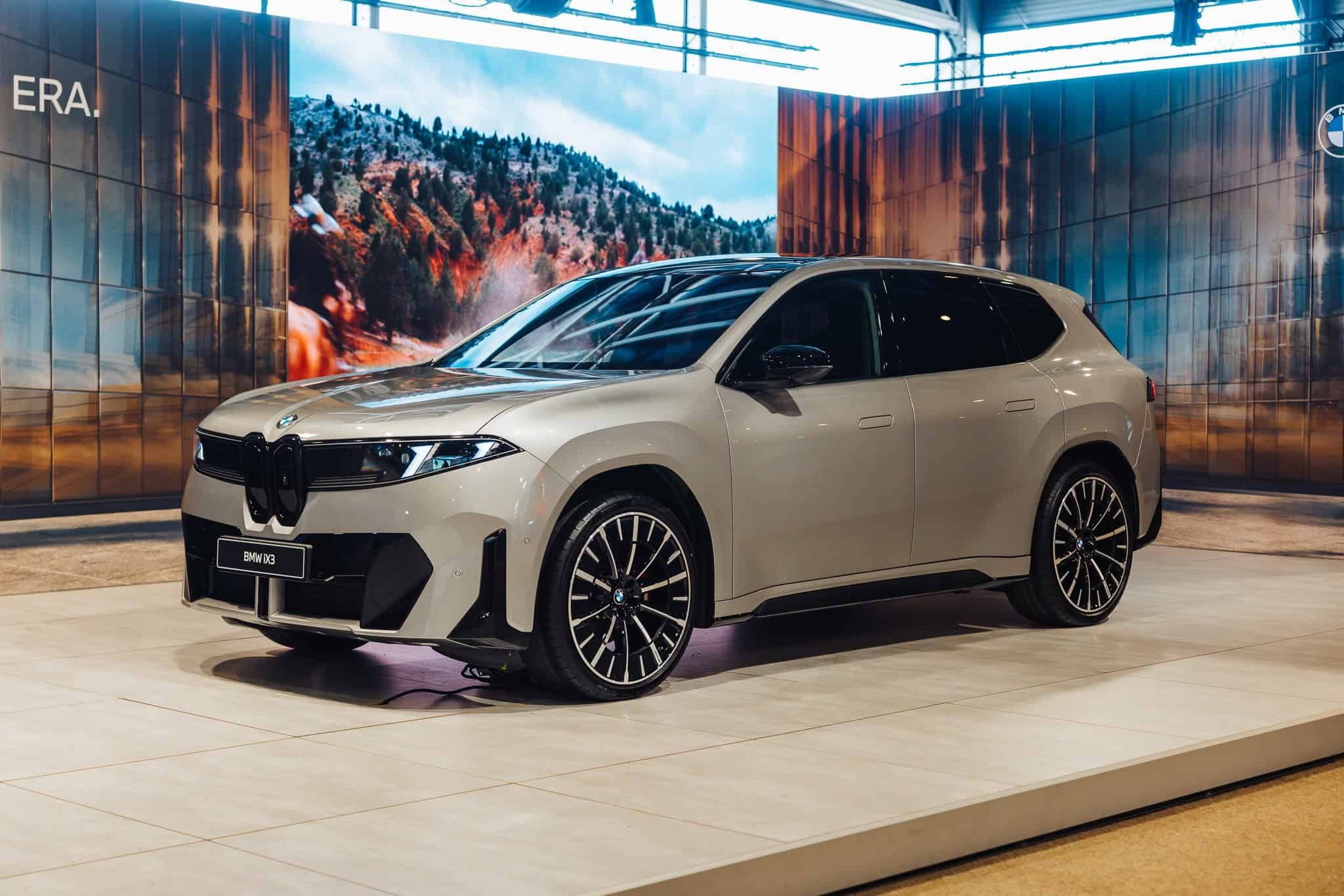
The 2026 BMW iX3 introduces a new approach to interior technology through BMW’s next-generation Panoramic iDrive system. Rather than relying solely on a conventional instrument cluster and center screen, BMW has developed a broader display concept that changes how information is presented inside the vehicle.
A large central display remains part of the dashboard, providing access to infotainment and vehicle functions. The more unusual feature is Panoramic Vision, which projects selected information across the lower portion of the windscreen.
This creates a wide viewing area directly within the driver’s forward field of view. The purpose is not simply to place more screens inside the vehicle. BMW is attempting to distribute information more effectively between the center display, the windscreen-based system, and other driver controls.
For drivers, this could mean that frequently needed information is positioned closer to the line of sight, while entertainment and secondary functions remain on the central screen. The result is a cabin that looks very different from the traditional BMW dashboard.
The iX3 also matters because it represents the beginning of a wider technology program. BMW intends to bring elements of this system to future vehicles, making the model an important starting point for the brand’s next generation of digital interiors.
7. 2027 BMW i3
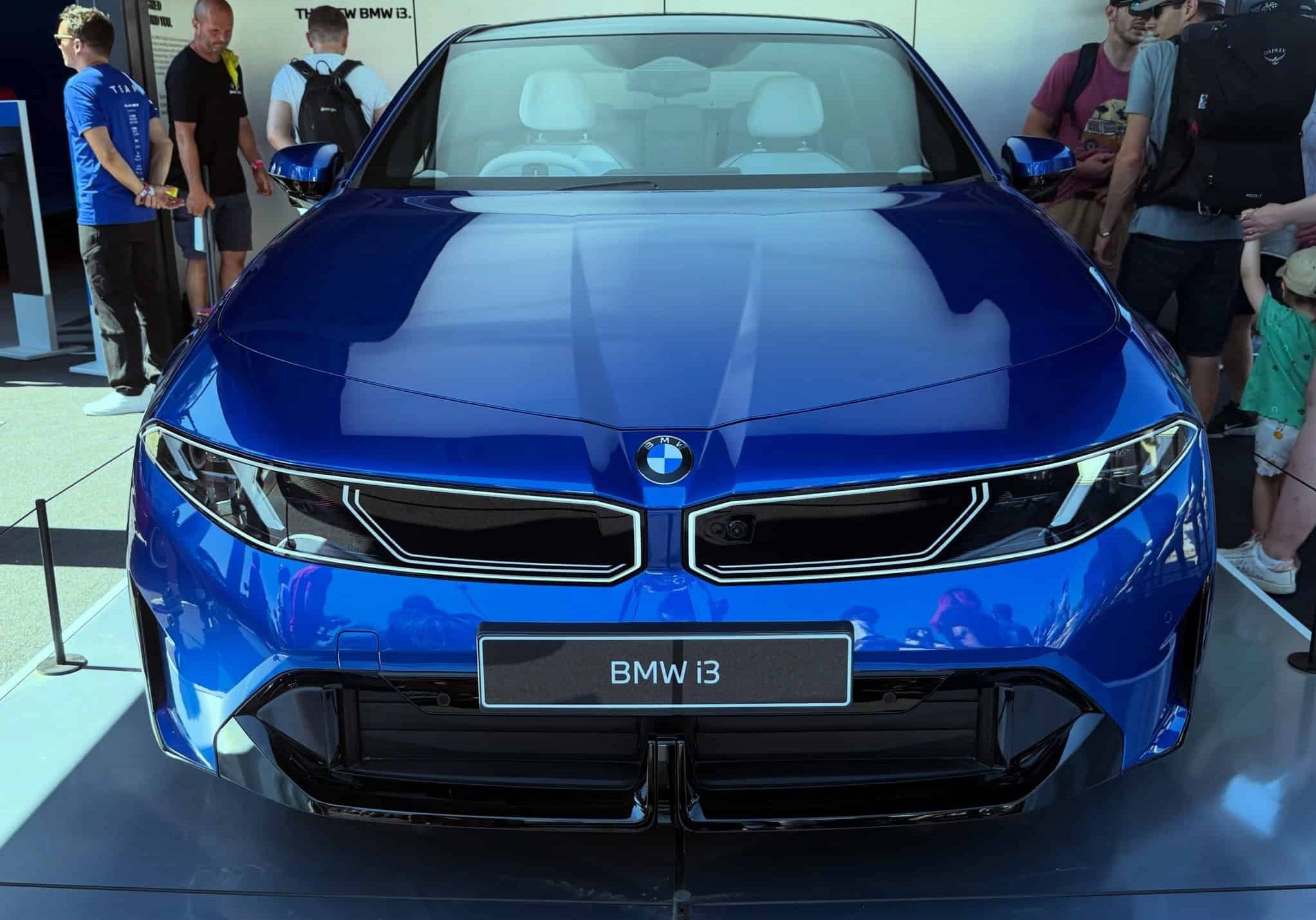
BMW is preparing to give the next-generation i3 sedan a much more advanced cabin as part of its Neue Klasse vehicle program. The new model is expected to feature the company’s Panoramic Vision system and the latest version of iDrive, creating a more technology-focused interior than many previous BMW sedans.
One of the most interesting features is Panoramic Vision. Rather than placing all the important driving details on a traditional screen behind the steering wheel, BMW projects selected information across the lower part of the windscreen.
This gives the driver a wider view of useful information without crowding the dashboard with several separate displays. BMW’s latest iDrive system will also handle many of the vehicle’s main functions.
Drivers will be able to access entertainment, maps, vehicle settings, and connected services through the system. Paired with a large central display, the setup gives the cabin a fresh look while changing how drivers interact with the car’s technology.
The new i3 is also expected to benefit from BMW’s broader plan to introduce more integrated digital displays across future models. Much of the technology developed for the Neue Klasse program is expected to influence the design of upcoming BMW vehicles.
For prospective owners, the 2027 BMW i3 should offer an interior built around modern display technology instead of a conventional dashboard with a few screens added to it.
The car makes it clear that BMW considers advanced digital systems an important part of its future vehicles, with the i3 serving as one of the models expected to bring this new approach to the road.
8. 2026 Cadillac VISTIQ
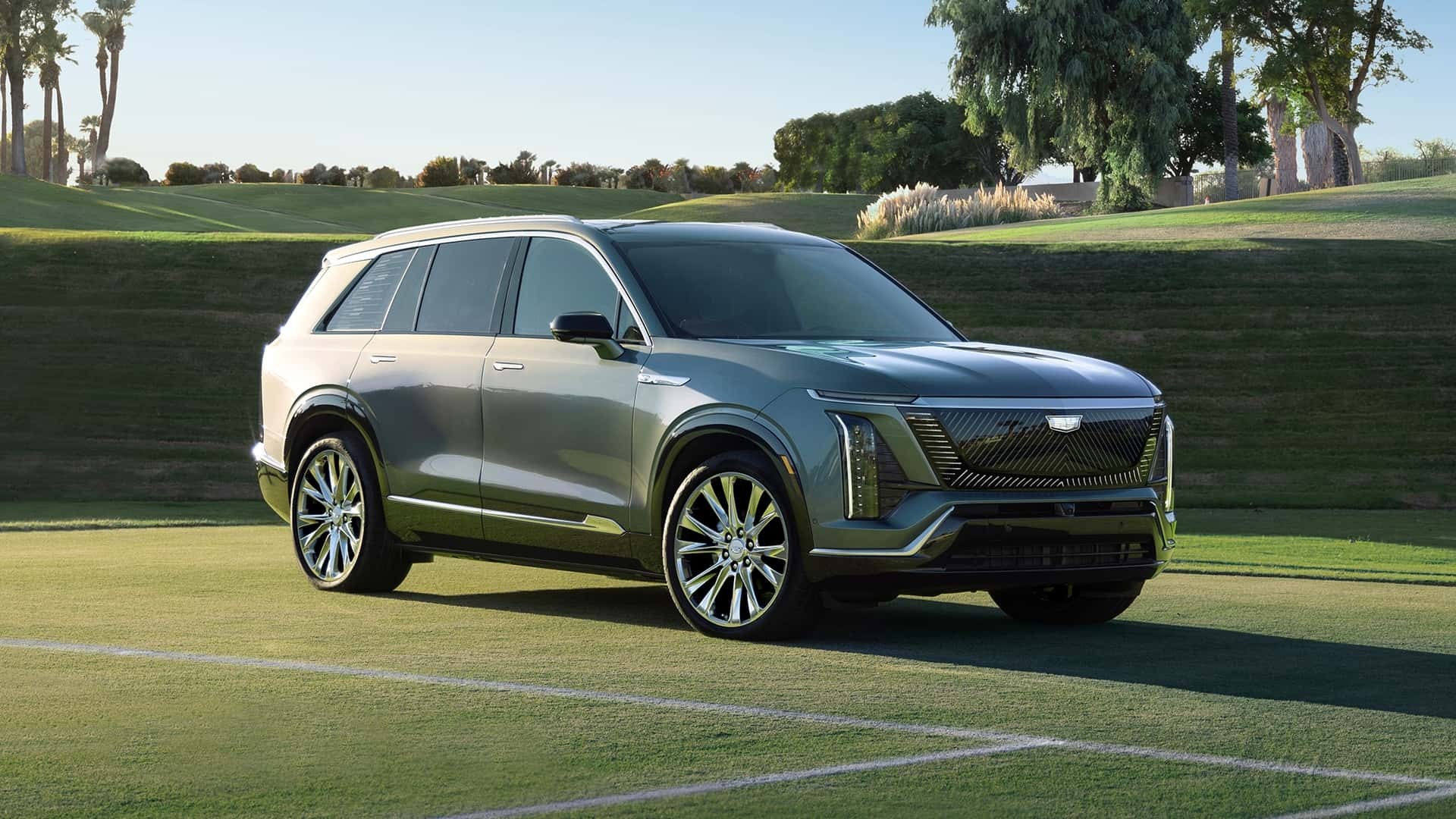
Numbers alone tell part of the story with the Cadillac VISTIQ, and they’re hard to ignore. A 33-inch curved Horizon Display stretches across the dashboard, combining driver information and infotainment into one continuous digital surface rather than splitting them into separate screens.
That size places the VISTIQ among the most screen-focused interiors available anywhere in its class. Rather than treating the driver display and central touchscreen as separate systems, Cadillac merged them into a single curved unit, creating a dashboard that looks and feels closer to something from a concept vehicle than a production SUV.
Software matters just as much as hardware here, and Cadillac backed up the physical display with Google built-in services, giving drivers access to familiar apps, maps, and voice assistance without needing to rely entirely on a connected phone.
That integration makes the massive screen genuinely useful rather than just visually impressive. Buyers stepping into a VISTIQ for the first time are likely to feel a strong initial reaction to the sheer scale of that display.
Cadillac clearly built this cabin to make a statement, and it succeeds at doing exactly that, positioning the brand’s technology as a serious selling point rather than an afterthought.
9. 2026 Mercedes-Benz CLA
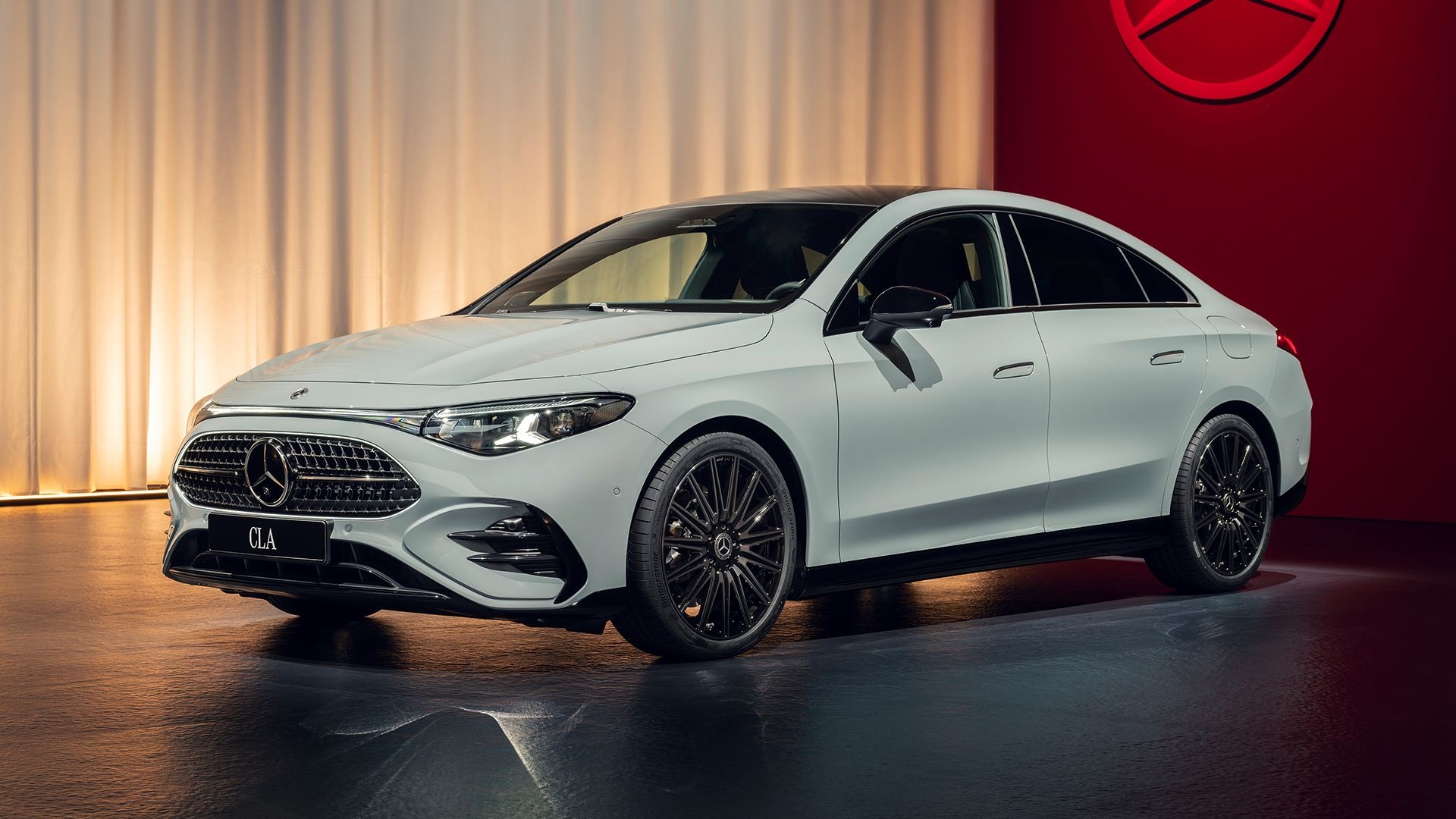
Mercedes-Benz is giving the redesigned CLA a much more advanced cabin by placing three digital displays beneath one large glass panel. The setup brings technology once reserved for bigger and more expensive Mercedes models into a smaller car that more buyers can consider.
Depending on the chosen configuration, the dashboard can feature a 10.25-inch screen for the driver, a 14-inch central touchscreen, and another 14-inch display for the front passenger.
Rather than looking like three unrelated screens, they are housed under one continuous piece of glass. This gives the dashboard a clean, modern appearance while making the controls feel closely connected.
The passenger screen also has a practical purpose. Someone sitting beside the driver can browse content, manage entertainment features, or enter navigation destinations without taking control of the driver’s display.
That arrangement can make long journeys more convenient, especially when the passenger wants to handle tasks while the driver remains focused on driving.
Mercedes-Benz’s decision to offer this setup in the CLA also shows how advanced cabin technology is becoming available in smaller vehicles. Features that were once limited to premium flagship cars are now appearing in models positioned lower in the range.
For buyers, this means the CLA can provide a more sophisticated interior without requiring them to move into a much larger or more expensive Mercedes-Benz model.
The three-screen arrangement gives the cabin a digital feel while adding useful functions for both the driver and passenger, making the redesigned CLA feel more like a modern luxury car.
10. Future BMW X5
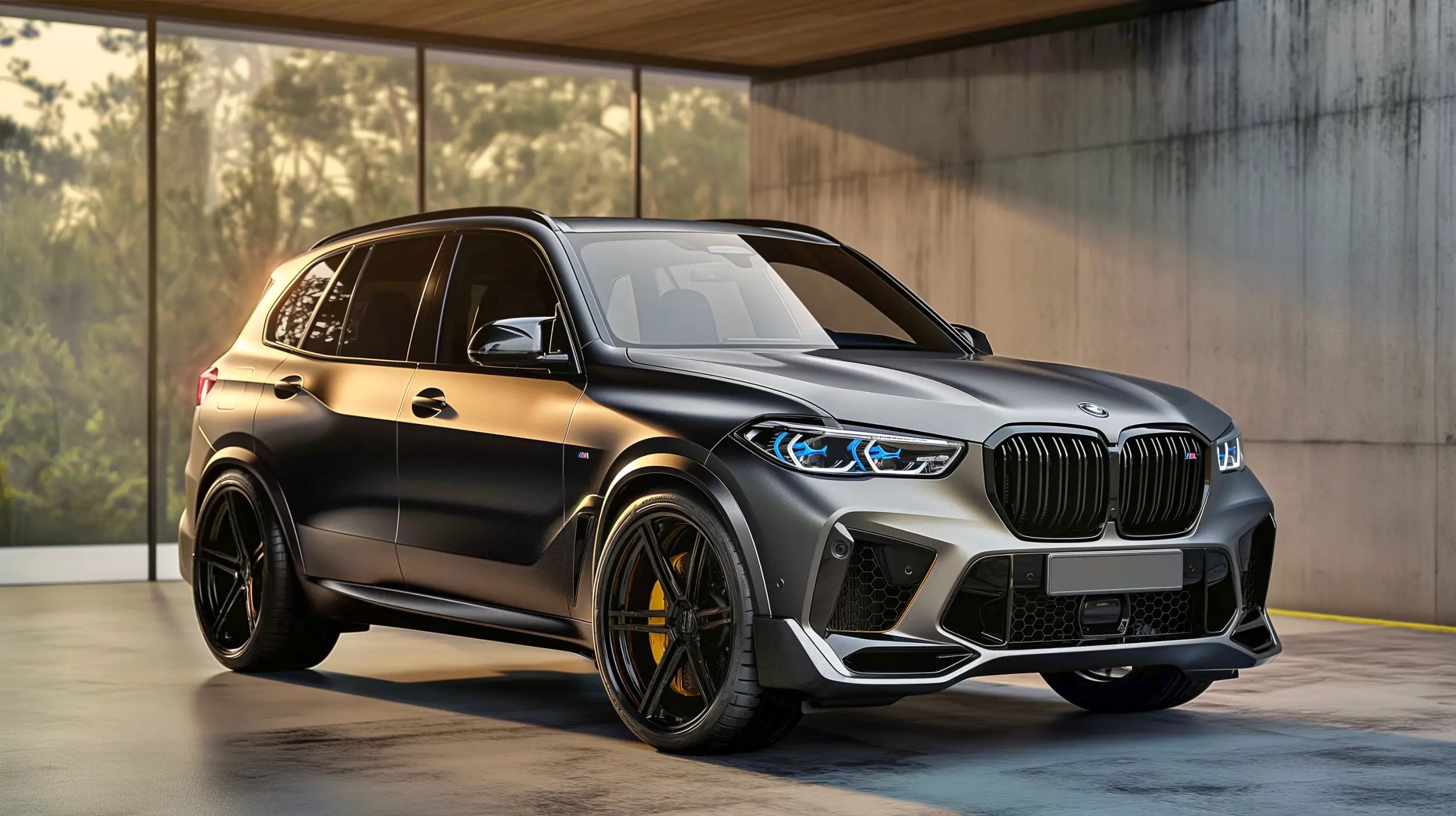
The future BMW X5 is expected to receive BMW’s next-generation Panoramic iDrive system as the company prepares to introduce the technology across more vehicles.
BMW has not released every production detail yet, but the direction of its new cabin technology is already clear. One major part of the system is Panoramic Vision, which places selected driving information across the lower section of the windscreen.
A large central display will also remain an important part of the interior, giving drivers access to navigation, entertainment, vehicle settings, and other functions.
For the X5, this could mean a noticeable change from the cabin layout used by previous generations. BMW is moving towards a more connected digital setup instead of depending mainly on a traditional instrument cluster sitting beside a separate centre screen.
There is still some uncertainty surrounding the X5, though. BMW has not confirmed the final screen sizes or the exact equipment that will be offered when the production model arrives. Because of that, specific measurements should not be presented as official information until the company provides them.
Even with that limitation, the future X5 remains relevant because BMW has made it clear that Panoramic iDrive will not be limited to one model. The X5 is expected to be part of this wider rollout, bringing the newer display system to a major SUV in the company’s lineup.
If the technology arrives as expected, drivers could get a more modern cabin with easier access to important information while keeping the dashboard clean and easy to understand.
