
A vehicle can be more than a way to get from one place to another. For some owners, it becomes a trusted part of daily life for 15 years or even longer. That kind of loyalty says plenty about a vehicle’s usefulness, durability, and ability to keep meeting the needs of its owner. An iSeeCars study found that just 6.1% of vehicles, on average, were still owned by their original buyers after reaching at least 15 years old.
The models below performed far better than that benchmark. Toyota takes seven spots, while Honda claims two and Subaru takes one. From fuel-saving hybrids to rugged pickups and roomy SUVs, these are the vehicles owners were most likely to keep for 15 years or more.
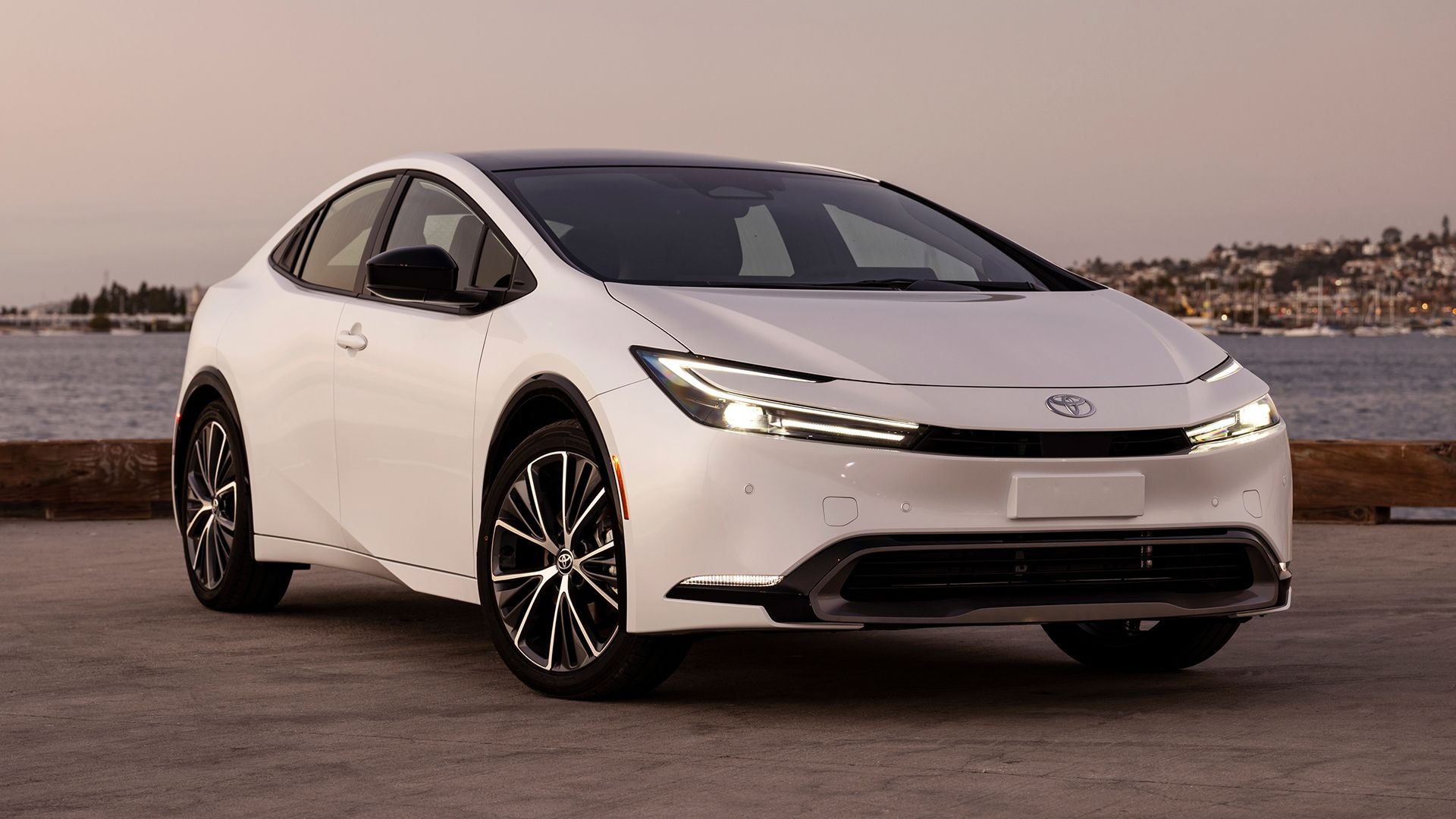
1. Toyota Prius
Topping this list with a genuinely impressive 13.7% of original owners still driving theirs past the 15-year mark, the Prius sits at 2.2 times the study’s average, making it the clear leader among vehicles people simply don’t let go of.
That’s not a small margin either; it’s the kind of gap that separates a merely reliable car from something owners actively choose to hold onto rather than replace.
Fuel efficiency plays an obvious role here, especially for owners who bought their Prius specifically to save money at the pump over the long haul.
Once you’ve already recouped that initial investment through years of reduced fuel costs, there’s less financial incentive to trade in a vehicle that’s still doing exactly what it was bought to do. Every additional year of ownership essentially becomes pure savings compared to financing something new.
Reliability compounds that appeal considerably. Toyota’s hybrid system has earned a reputation for holding up well over high mileage, and battery packs that once worried skeptical buyers have generally proven more durable than early critics predicted.
Owners who might have expected costly battery replacements within the first decade often find their original components still performing adequately well beyond that point.
Practicality rounds out the package nicely too. The Prius offers genuine everyday usability, from decent cargo space to a comfortable ride that doesn’t feel like a compromise despite its efficiency focus.
For owners who bought one expecting a temporary fuel-saving experiment, many discovered a car worth keeping for the long run instead.
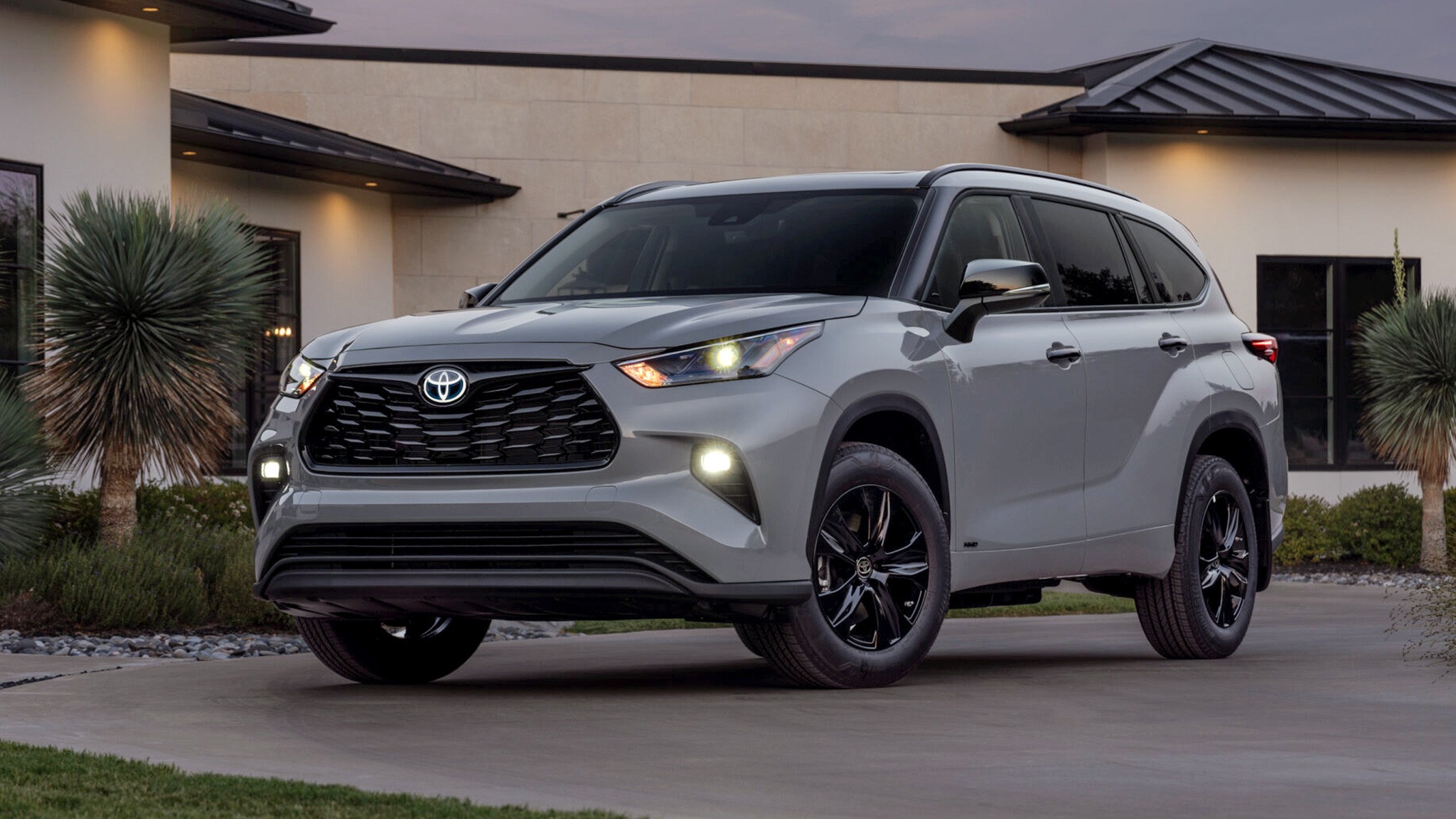
2. Toyota Highlander
The Toyota Highlander earns second place, with 12.4% of original owners keeping their vehicles for 15 years or longer. That is about twice the study’s 6.1% average, giving the Highlander a strong showing among vehicles with extended owner loyalty.
Picture a vehicle purchased when a family is growing, then still being useful when those children are much older. That is where the Highlander’s design makes sense.
Its roomy cabin gives families space for passengers, school activities, groceries, road trips, and the countless items that tend to accumulate in a busy household.
A three-row SUV can also serve several purposes at once. It offers the higher seating position many drivers appreciate while providing more passenger capacity than a typical compact SUV. For owners who need room but do not want a full-size vehicle, that balance can be attractive.
There is another practical reason a Highlander may remain in the driveway for many years. Owners may already know exactly how the vehicle fits into their daily lives. Familiarity with its controls, storage areas, driving characteristics, and maintenance needs can make replacing it seem unnecessary as long as it continues to perform reliably.
With 12.4% of original owners reaching at least 15 years, the Highlander shows how a family-oriented SUV can remain useful well beyond the point when many vehicles are traded or replaced.
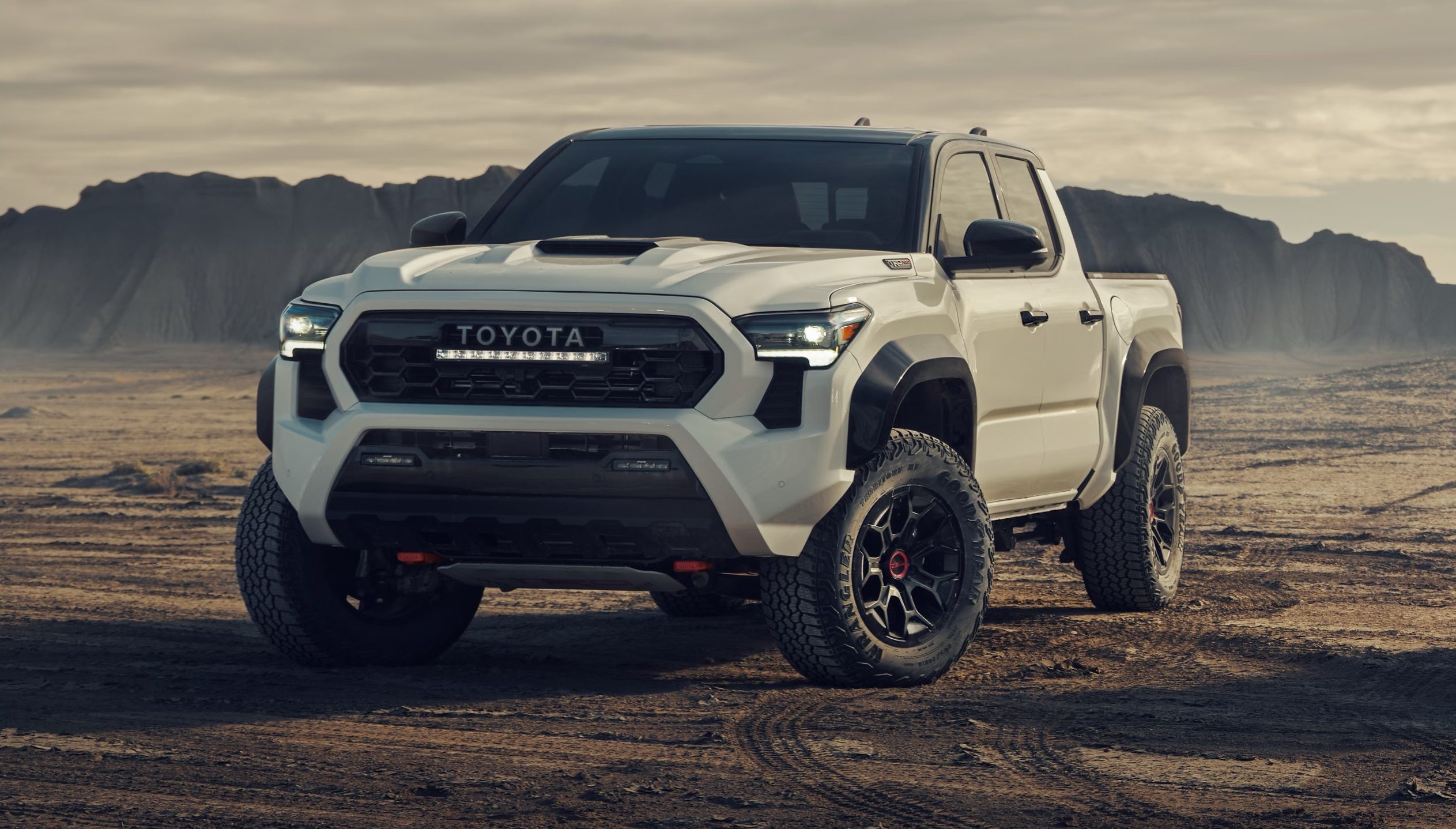
3. Toyota Tacoma
Pickup trucks often inspire strong loyalty, and the Toyota Tacoma is a perfect example. It ranks third in the study, with 11.6% of original owners still driving theirs after 15 years, nearly twice the study average.
As the highest-ranked pickup on the list, the Tacoma stands out not because it is the biggest or most powerful truck, but because owners tend to hold onto it for the long haul.
A big reason is durability. Over several generations, the Tacoma has built a reputation for handling tough jobs and demanding conditions, from hauling materials and towing trailers to tackling rough trails on weekend trips.
Many owners who bought one expecting years of dependable service find that it remains just as useful well into its second decade. Its midsize size also makes it practical for everyday life.
Unlike larger pickups designed mainly for heavy-duty work, the Tacoma is easier to live with while still offering plenty of capability. That versatility can give owners fewer reasons to replace it as their needs change.
Strong resale value helps, too. Tacomas tend to hold their value well, which means owners can feel confident keeping theirs for years or selling it later without taking a huge financial hit.
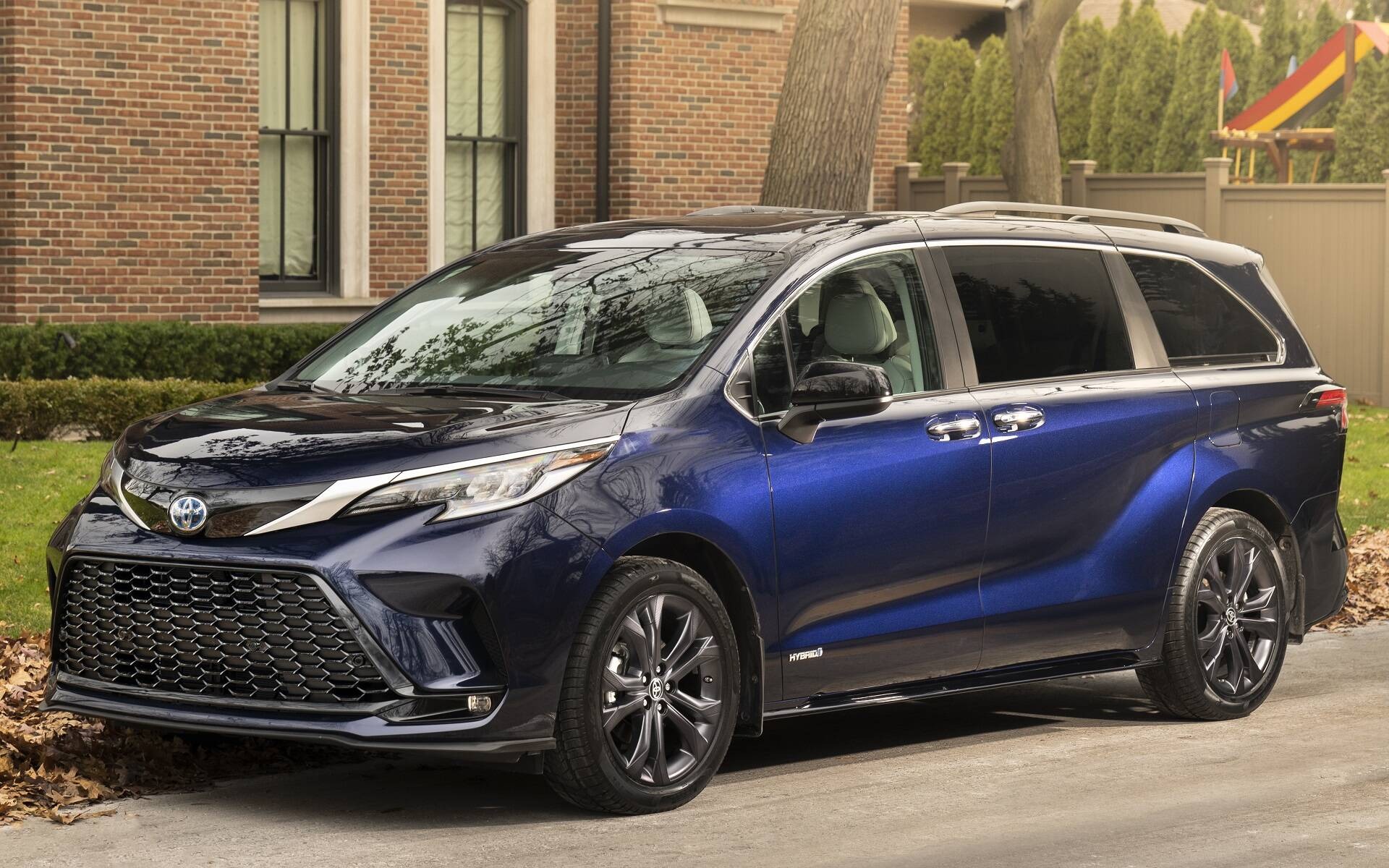
4. Toyota Sienna
The Toyota Sienna sits fourth, with 11.5% of original owners keeping their vehicles for 15 years or more. Compared with the 6.1% average across all vehicles in the study, the Sienna’s figure is nearly twice as high.
Minivans have a unique advantage because their usefulness can extend through several stages of family life. A Sienna might start out carrying young children, strollers, sports equipment, groceries, and all the other gear that comes with raising a family.
Years later, it can still provide the passenger room and cargo flexibility that made it attractive in the first place. That versatility can make an older Sienna difficult to replace.
A smaller vehicle may sacrifice seating or storage, while a larger SUV may cost more to operate or provide a different type of interior layout. If the minivan continues meeting the owner’s needs, keeping it can be a sensible choice.
There is also a practical element to familiarity. Families tend to develop routines around vehicles. They know where everything fits, how much cargo can be loaded, and how the seats can be arranged for different trips. A vehicle that has become part of those routines can earn plenty of loyalty.
The Sienna’s 11.5% long-term ownership rate puts it well above the average. It also shows that a family vehicle does not necessarily become less useful simply because it gets older.
For many owners, a dependable and spacious minivan can remain a valuable household tool for a very long time.
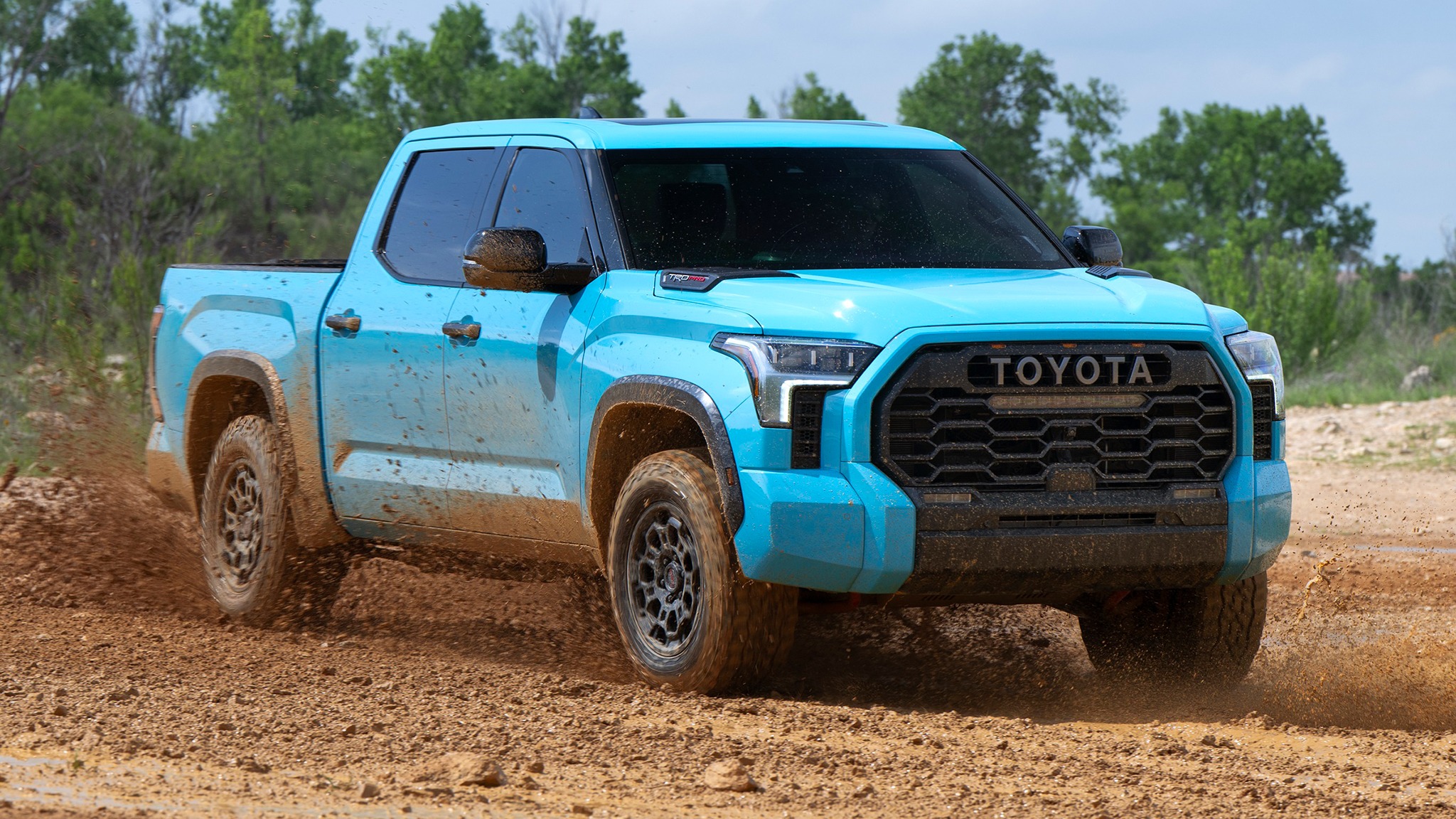
5. Toyota Tundra
The Toyota Tundra claims fifth place, with 11.3% of original owners keeping their trucks for at least 15 years. That gives the full-size pickup a rate about 1.8 times higher than the 6.1% study average.
A truck’s value often comes from what it can do when an ordinary car cannot. The Tundra offers the size and capability expected from a full-size pickup, giving owners a vehicle that can handle demanding tasks while still functioning as everyday transportation.
Consider someone who buys a Tundra for work. Years later, the truck may still be useful for towing, hauling, home projects, camping equipment, or weekend activities. Its role can remain broad enough that replacing it with a regular passenger vehicle would mean giving up abilities the owner still uses.
The Tundra also benefits from Toyota’s strong presence on this list. Two Toyota pickups appear among the top 10, with the Tacoma at No. 3 and the Tundra at No. 5. That is a strong showing for a category where owners often put substantial demands on their vehicles.
An 11.3% 15-year ownership rate does not mean every Tundra will have the same experience. Maintenance, mileage, driving habits, and condition all matter. Still, the study data show that many original owners are willing to keep their trucks for a remarkably long period.
For people who need full-size pickup capability and prefer to keep a vehicle for many years, the Tundra’s ranking provides an interesting reason to consider its appeal.
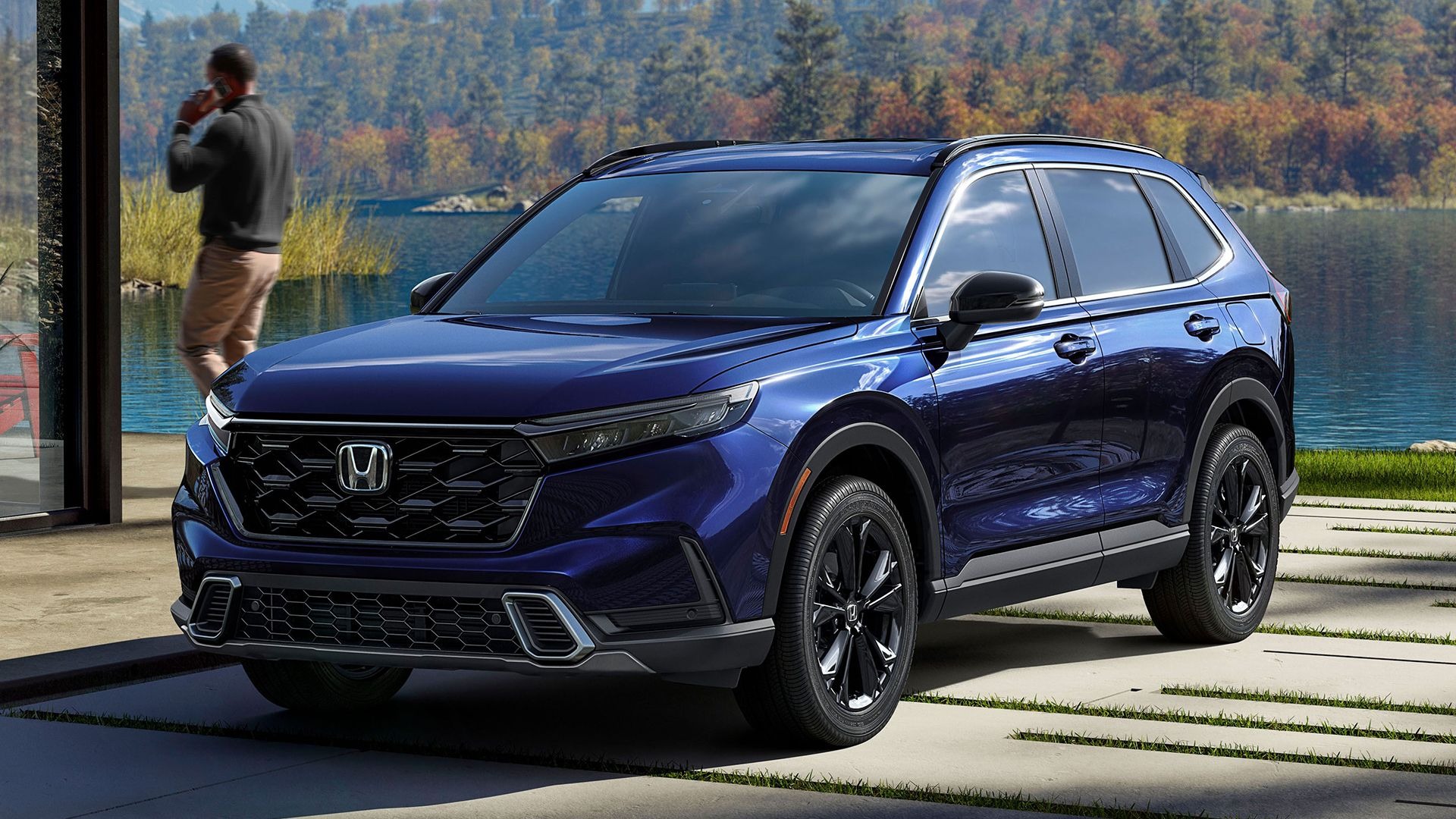
6. Honda CR-V
Breaking Toyota’s streak, the CR-V claims sixth place and the distinction of being the highest-ranked non-Toyota vehicle in this entire study. With 10.7% of original owners still driving theirs past 15 years, landing at 1.8 times the average, Honda’s compact SUV proves that brand loyalty and long-term satisfaction certainly aren’t exclusive to just one manufacturer.
Compact dimensions work in the CR-V’s favor here, striking a balance that avoids feeling too small for everyday needs while still remaining easy to park, maneuver, and live with in tighter urban or suburban settings.
That practical sizing appeals to a wide range of owners, from young professionals to downsizing empty nesters, all of whom find genuine reasons to keep their CR-V well beyond the typical ownership window.
Cabin practicality reinforces that appeal considerably. Despite its compact footprint, the CR-V manages to offer a surprisingly usable interior, with cargo space and passenger comfort that punch above what its exterior dimensions might initially suggest.
Owners who bought one expecting a modest daily driver often discover a vehicle genuinely capable of handling road trips, moving day, and everything in between.
Honda’s broader reputation for reliability mirrors Toyota’s in many respects, giving CR-V owners similar confidence that their vehicle will keep performing without major issues as the years accumulate.
Combined with the model’s long-standing popularity and widespread parts availability, it’s little surprise that so many owners simply see no compelling reason to trade theirs in for something newer.
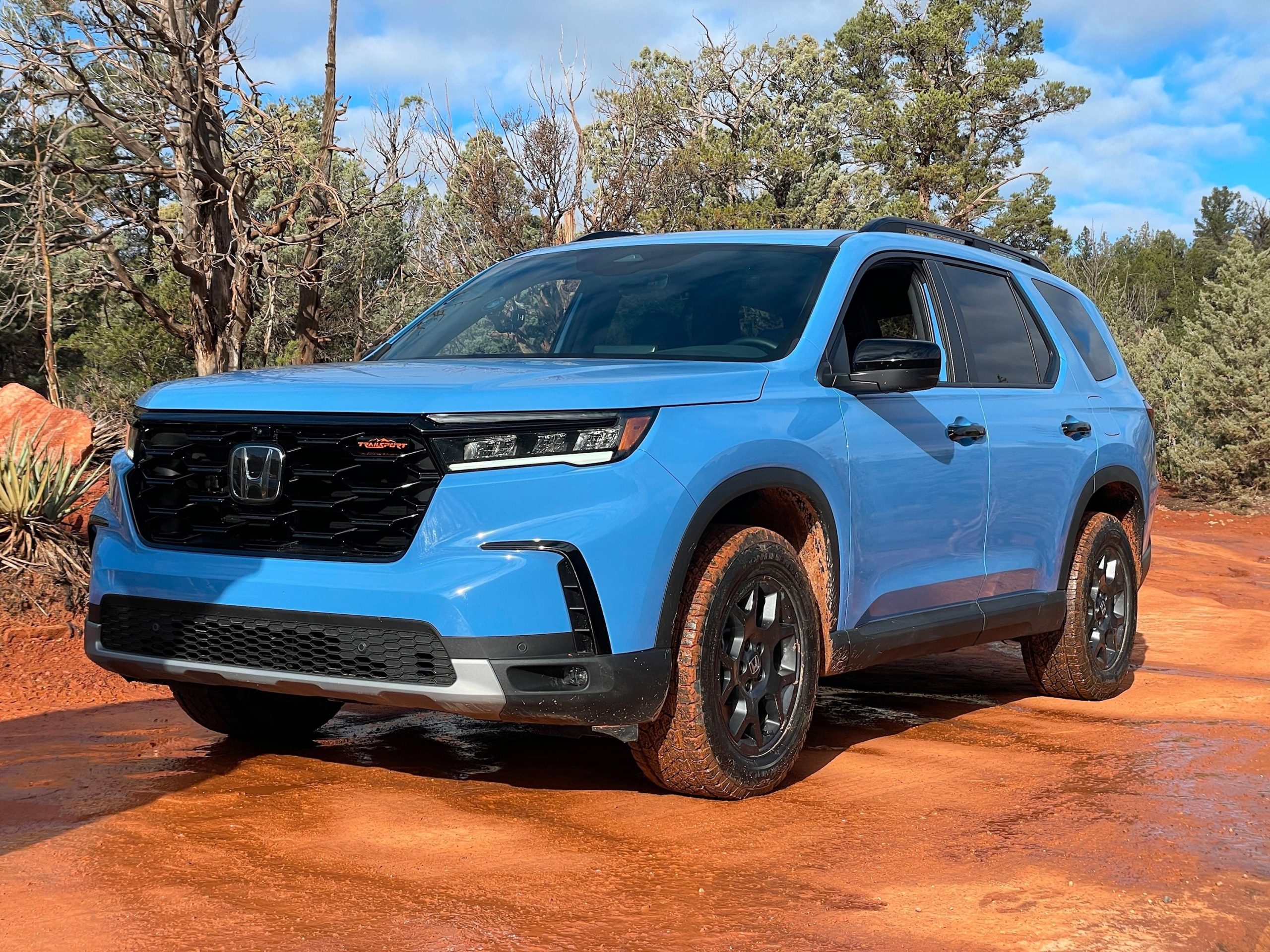
7. Honda Pilot
The Honda Pilot takes seventh place, with 10.4% of original owners keeping their vehicles for 15 years or longer. That is roughly 1.7 times the 6.1% average recorded in the iSeeCars study.
For families, space can make a huge difference. The Pilot is a three-row SUV, giving owners the ability to carry more passengers without moving into a full-size SUV. That extra seating can prove useful for school trips, vacations, carpools, and visits with relatives.
Its usefulness may also explain why owners hold onto it for so long. A vehicle purchased when a family needs three rows can remain practical as children grow older. Later, the third row can be used less frequently, while the remaining cargo and passenger space continues to serve everyday needs.
Something is reassuring about a vehicle that can cover many jobs without demanding a different model for each one. The Pilot can function as a family hauler during the week and a road-trip vehicle on the weekend. That broad usefulness can support a long ownership period.
The 10.4% figure puts the Pilot comfortably above the study average. It also gives Honda two entries in the top 10, alongside the CR-V at No. 6.
For buyers considering ownership beyond the typical replacement cycle, the Pilot’s performance in this study offers an important reminder. A vehicle does not have to be new to continue providing strong value for its owner.
If its space, comfort, and utility continue to match the owner’s needs, there can be plenty of reason to keep driving it.
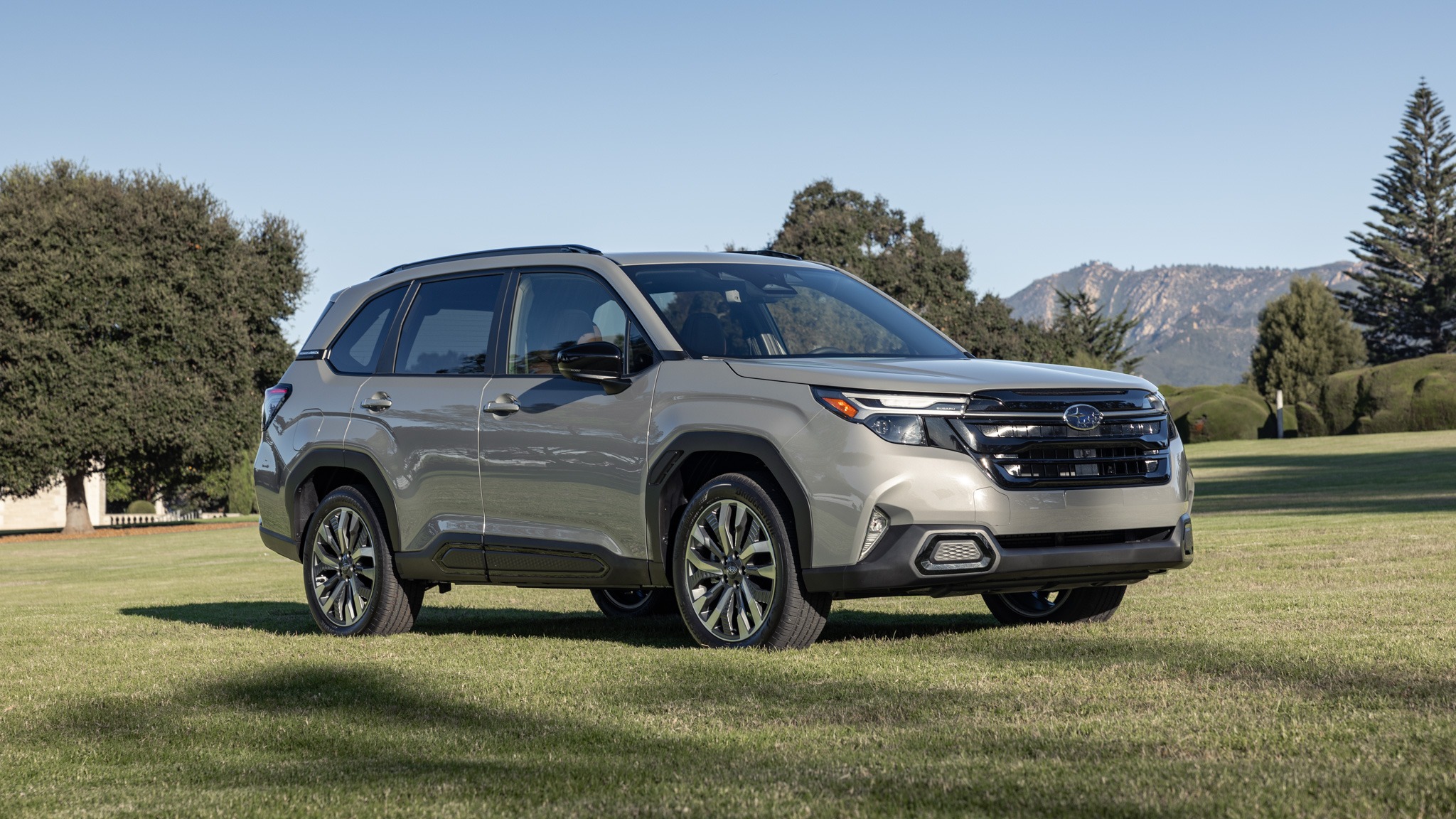
8. Subaru Forester
The Subaru Forester lands in eighth place, with 9.8% of original owners keeping their vehicles for at least 15 years. That is about 1.6 times the 6.1% average for all vehicles in the iSeeCars study.
The Forester has a straightforward formula. It combines compact SUV dimensions with a practical interior and standard all-wheel drive. For drivers who want a vehicle that feels useful in a variety of conditions, that combination can be appealing.
Imagine a buyer choosing a Forester for daily transportation. Years later, the same vehicle may still handle grocery runs, weekend trips, outdoor equipment, family duties, and longer drives.
Its compact footprint keeps it practical for routine use, while its all-wheel-drive system adds versatility for drivers who encounter rain, snow, or rougher roads.
That broad usefulness can help explain why nearly one in 10 original owners in the study kept their Foresters for at least 15 years. The vehicle does not depend on a single purpose. Instead, it can serve several everyday needs without requiring a large footprint.
The Forester is also the only Subaru model to appear among the 10 vehicles on this list. Its inclusion adds some variety to the ranking while highlighting an important point about long-term ownership. Different types of vehicles can inspire lasting loyalty when they suit an owner’s needs and lifestyle.
At 9.8%, the Forester sits well above the study average. For someone seeking a compact SUV with practical space and all-wheel drive, its long ownership record makes it particularly interesting.
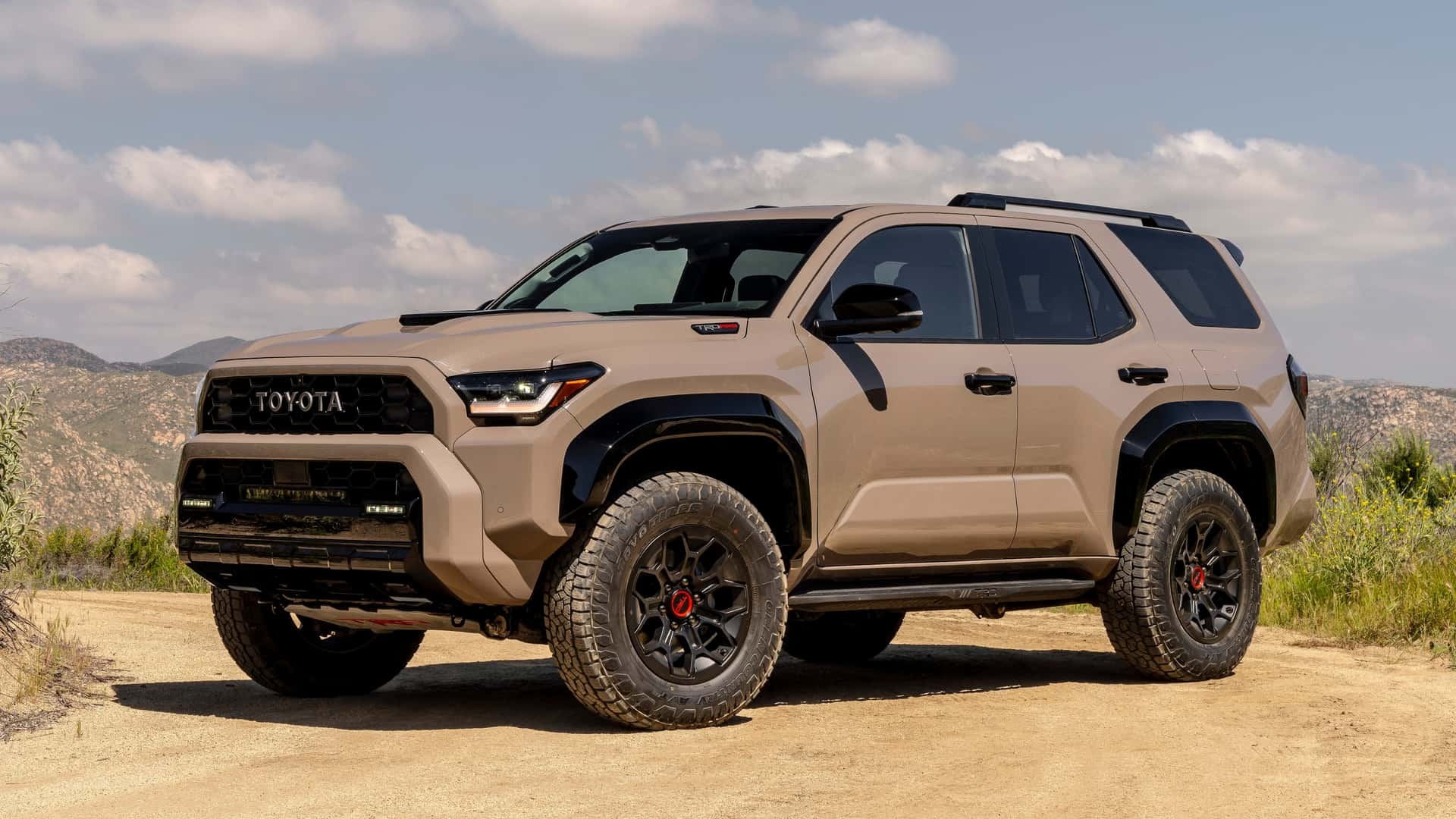
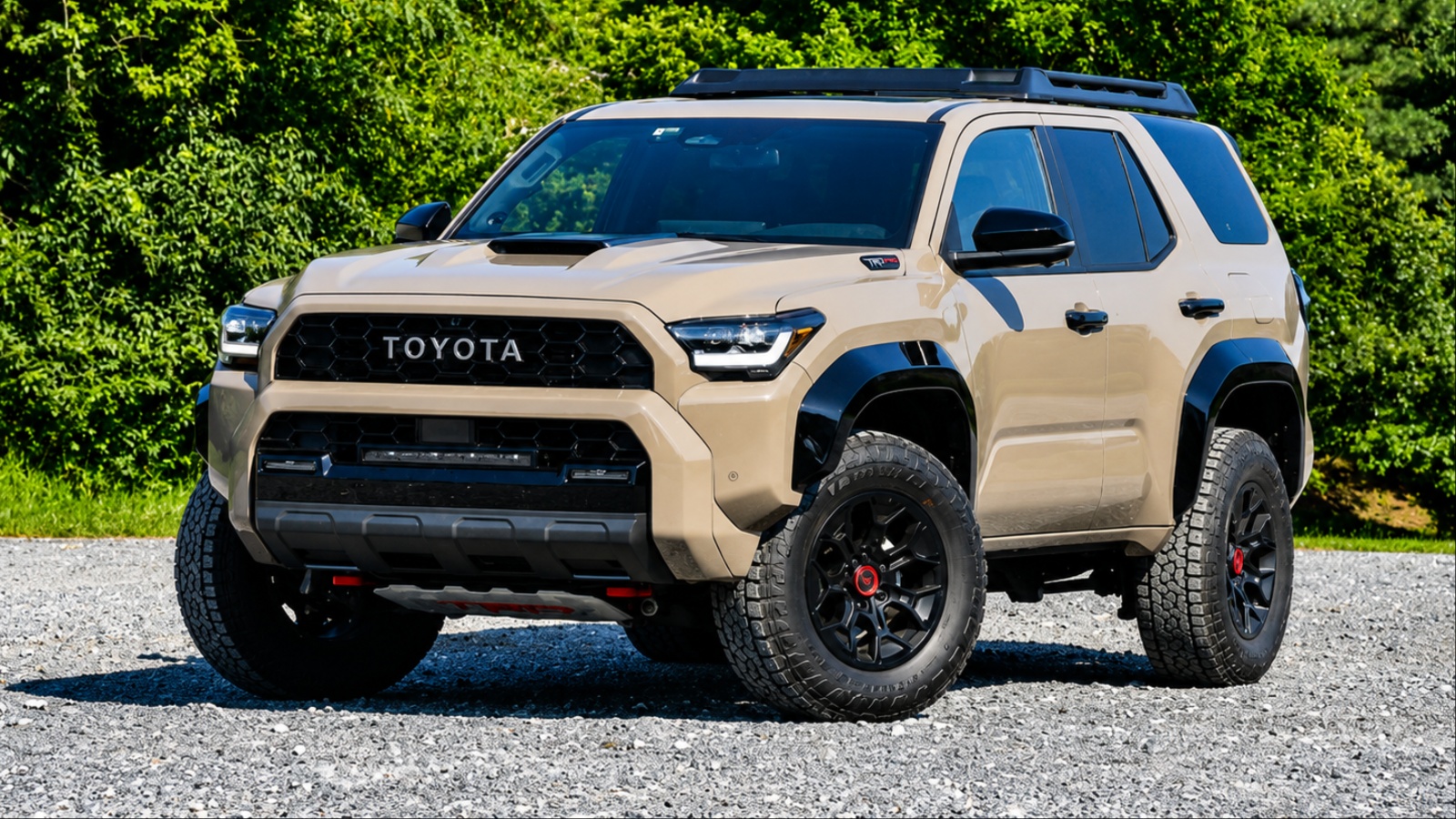
9. Toyota 4Runner
Toyota makes another appearance at ninth place, with the 4Runner keeping 9.4% of its original owners beyond 15 years. That figure is 1.5 times the study average.
What makes the 4Runner stand out is its old-school SUV design. While many newer models focus on comfort, technology, and stylish looks, the 4Runner stays focused on strength and practical use.
That approach has earned it a loyal group of owners who appreciate having a vehicle built for real work. For people who enjoy outdoor trips, the 4Runner offers plenty of capability.
Its truck-based frame gives it the strength needed for rough roads, steep paths, towing, and other demanding activities. Owners who make good use of these abilities may see little reason to replace the vehicle simply because a newer model is available.
Another advantage is its straightforward mechanical design. The 4Runner has avoided some of the electronic systems found in many newer vehicles, which can make ownership easier for people concerned about costly repairs.
Toyota’s reputation for reliability also works in the 4Runner’s favor. With proper care and regular servicing, many owners can expect the SUV to remain dependable for years and continue handling daily driving and demanding trips without major trouble.
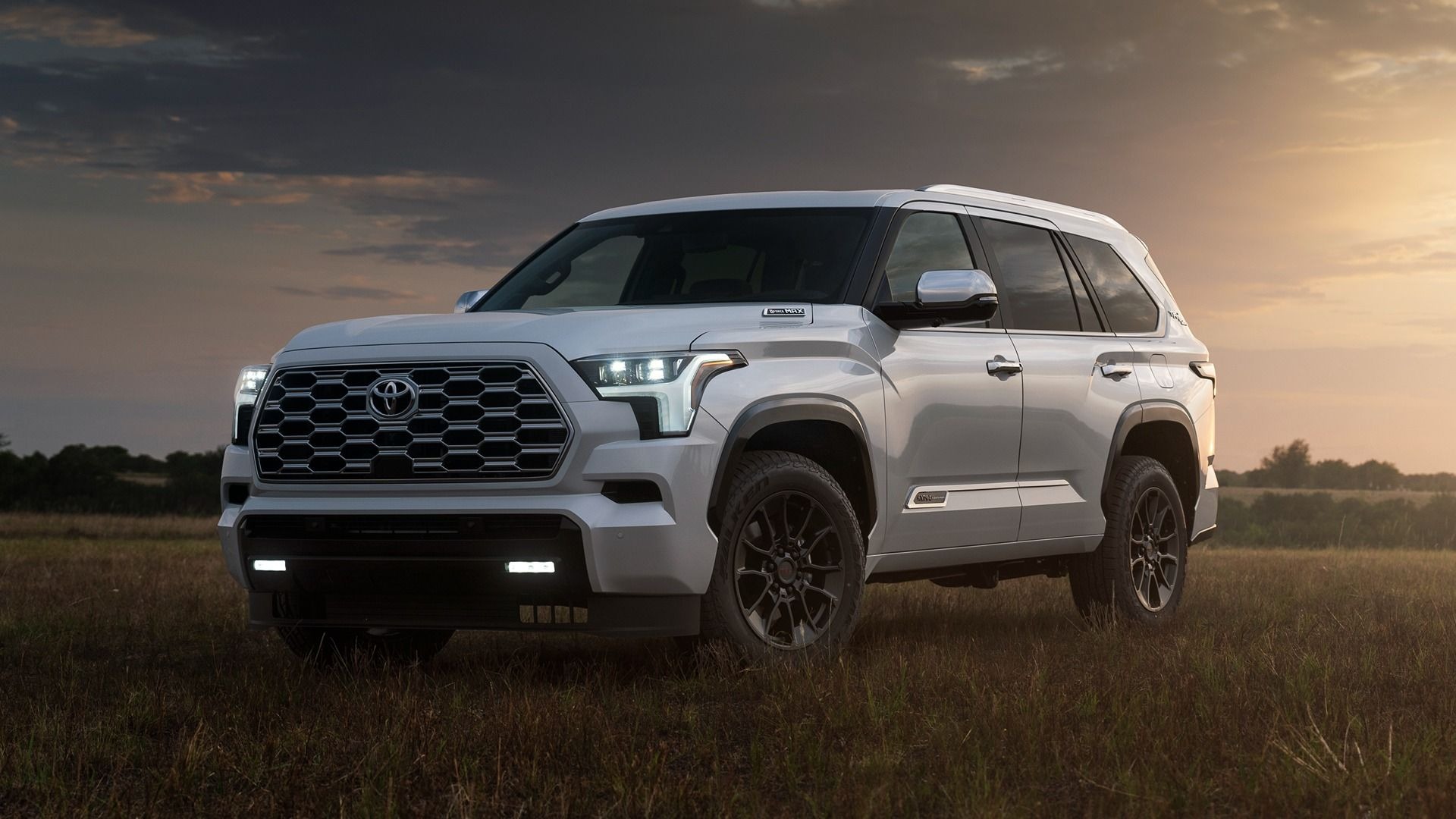
10. Toyota Sequoia
The Toyota Sequoia rounds out the ranking, with 9.1% of original owners keeping their vehicles for at least 15 years. That is about 1.5 times the 6.1% average across all vehicles in the iSeeCars study.
As a large three-row SUV, the Sequoia offers plenty of room for passengers and cargo. That capacity can be especially useful for households that regularly transport several people or need substantial interior space for trips and activities.
Large SUVs can sometimes face pressure from owners looking for newer technology or smaller vehicles, yet the Sequoia’s ownership figure tells a different story. When a vehicle provides the space and capability a household needs, age alone may not be enough to persuade the owner to replace it.
There is also an important pattern in the ranking. The Sequoia is the seventh Toyota model to make the top 10, joining the Prius, Highlander, Tacoma, Sienna, Tundra, and 4Runner. Honda appears twice, with the CR-V and Pilot, while Subaru is represented by the Forester.
That brand distribution makes Toyota’s performance particularly striking. Seven out of these 10 vehicles came from the same manufacturer, while every model listed recorded a 15-year original-owner rate well above the 6.1% study average.
The Sequoia’s 9.1% result may place it tenth, but it still represents a strong level of owner loyalty. For drivers who need three rows, generous space, and the ability to keep a vehicle for many years, the Sequoia finishes the list on a strong note.
