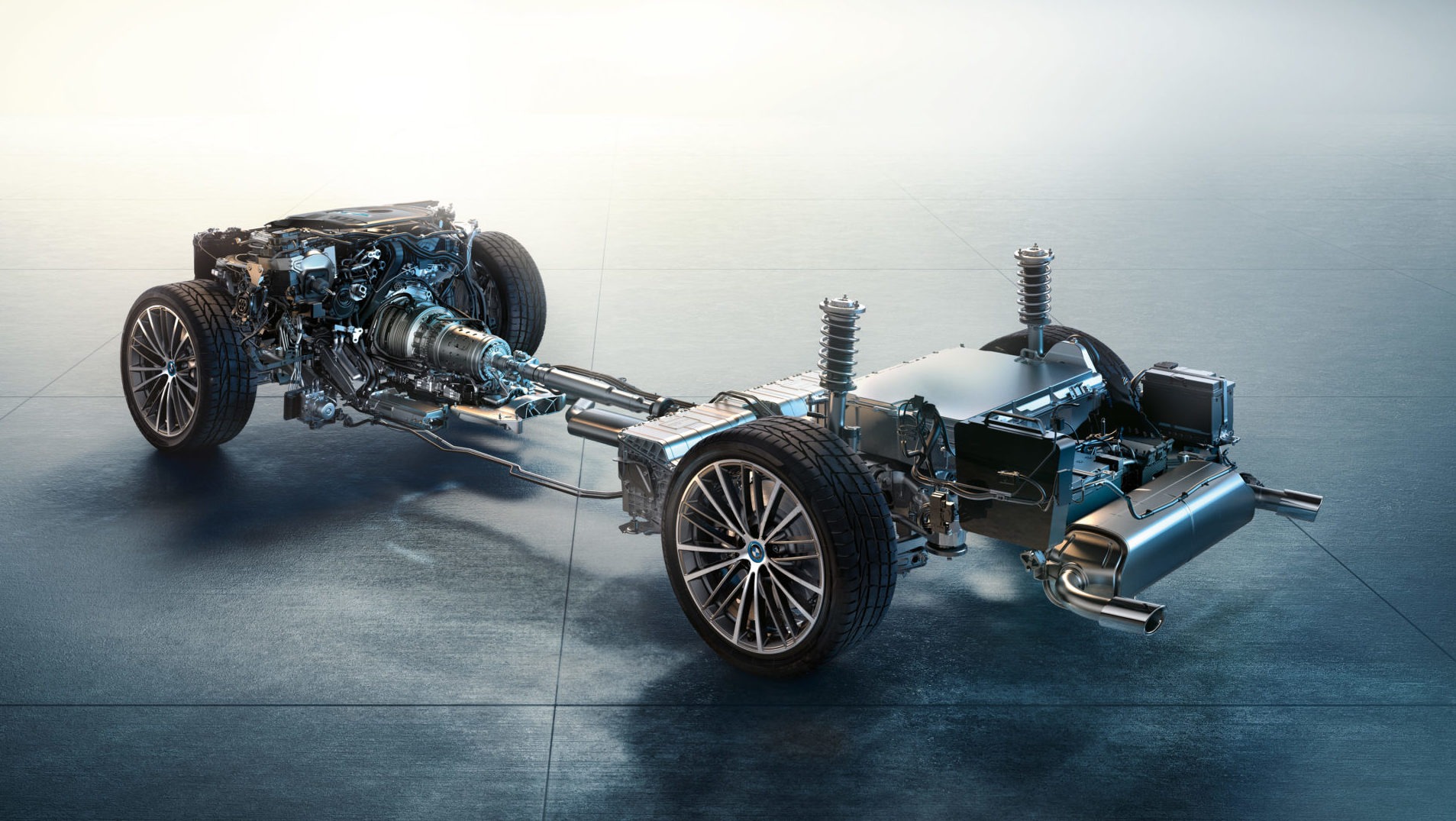
Rear-wheel drive is still one of the best ways to make a car feel engaging, balanced, and properly connected to the road. For 2027 and the years that follow, several automakers are giving buyers more reasons to pay attention to the wheels doing the pushing. Some models are genuine returns, while others have never abandoned rear-wheel drive but continue offering it as part of their formula.
A few take a different approach by combining all-wheel drive with a selectable rear-drive mode. That makes this group especially interesting for drivers who enjoy performance without wanting an electric-only vehicle. From Infiniti and Cadillac to Chevrolet, Lexus, Dodge, and Toyota, these cars show that rear-wheel-drive engineering still has plenty of life ahead.
1. Infiniti Q50
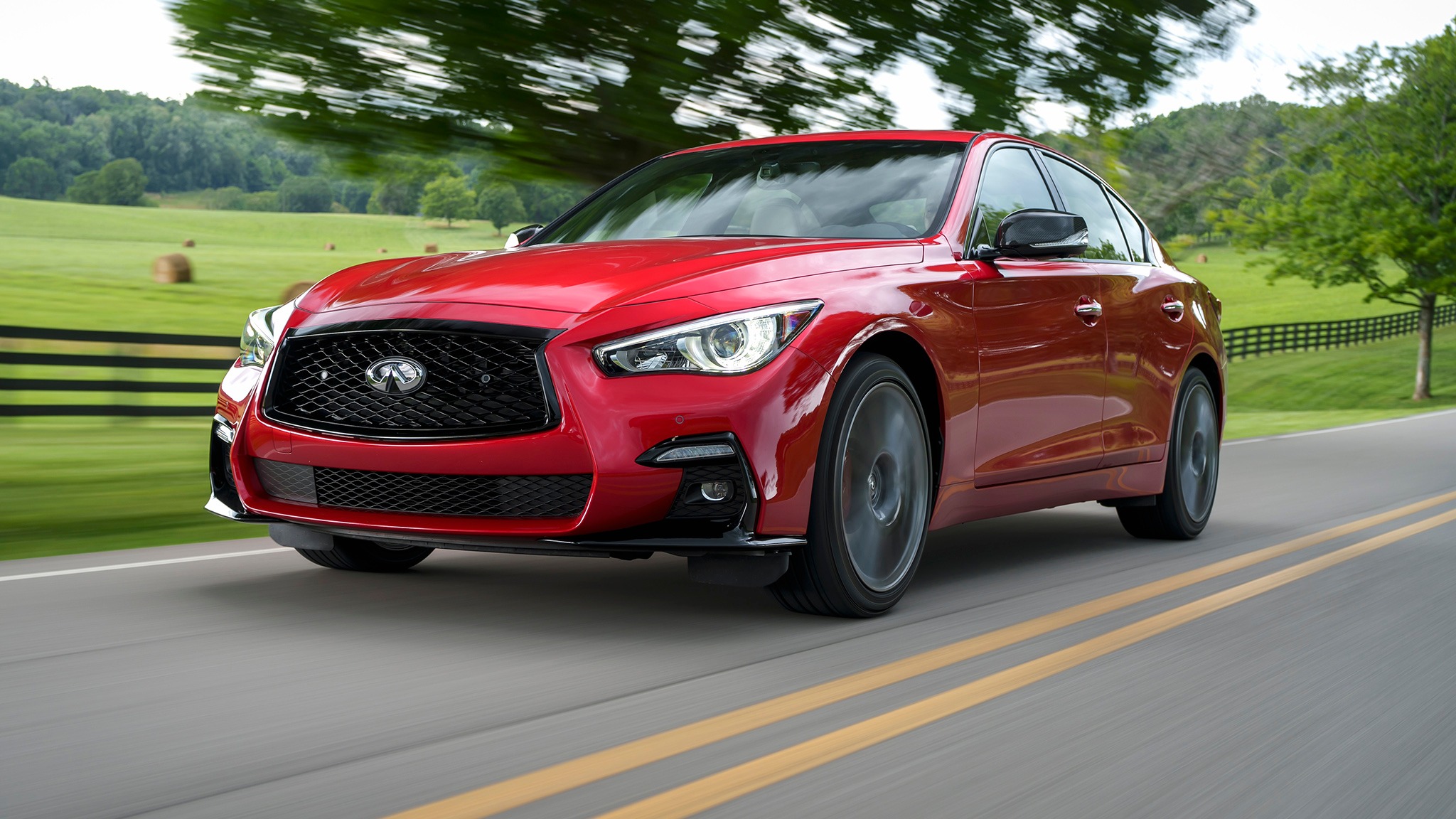
The Infiniti Q50 may be one of the most interesting sedans expected to return for the 2027 model year. Infiniti stopped producing the previous Q50 after 2024, but reports suggest the name could return as a sporty sedan linked to the latest Nissan Skyline.
Under the bonnet, the reported setup is what makes this possible return especially appealing. The next Q50 is expected to use a twin-turbocharged V6 engine producing more than 400 horsepower.
There are also reports of a manual transmission being available, which would give drivers greater control and a more engaging driving experience. A combination like this is becoming harder to find among modern luxury sedans.
Rear-wheel drive is another major part of the expected package. Reports indicate that the new Q50 could share the Skyline’s rear-drive-based architecture. This would provide Infiniti with a suitable foundation for building a sedan focused on performance and enjoyable handling.
However, buyers should remember that some of these details have not been officially confirmed by Infiniti. The company has not released complete production specifications for the 2027 model, so the reported engine, transmission, and other features should be treated as information that is still developing.
If Infiniti follows through with the reported plan, the Q50 could give the brand a strong sports sedan once again. A powerful V6, possible manual transmission, and rear-wheel-drive platform would make it an interesting choice for drivers who still appreciate traditional performance sedans.
2. Cadillac CT5
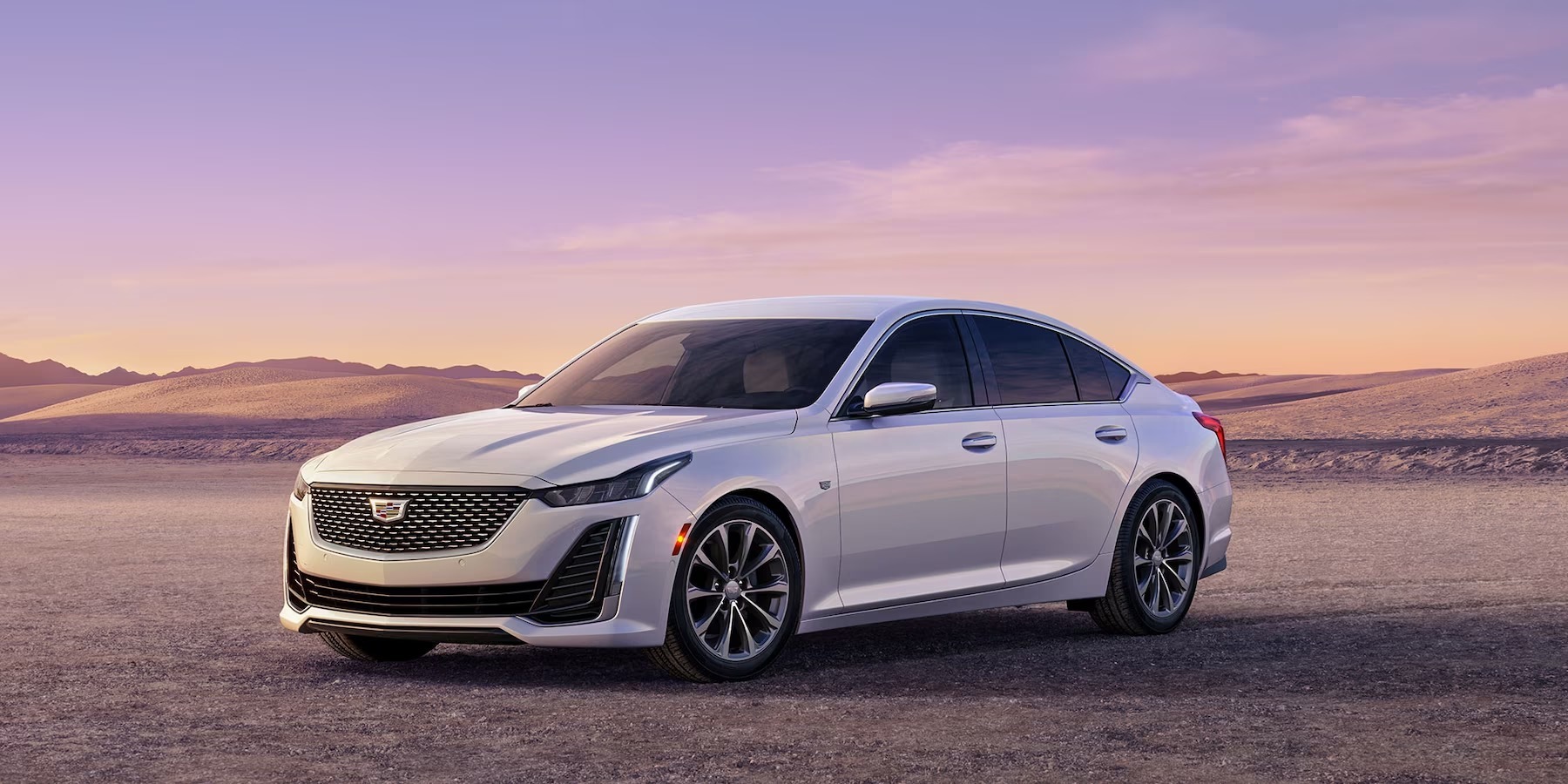
For drivers who still prefer a proper gasoline-powered sedan, the next Cadillac CT5 could be worth watching closely. General Motors has already confirmed that a new generation is being developed, while current reports indicate that gasoline power will remain part of the plan.
A major part of the expected package is GM’s updated Alpha 2 architecture. This platform is built for rear-wheel-drive vehicles, making it suitable for a sedan that sends its engine power to the rear wheels. That arrangement should appeal to buyers who enjoy the driving feel associated with traditional performance sedans.
Cadillac already offers performance versions of the CT5, which naturally raises questions about what the next generation may bring. Reports suggest that a successor to the CT5-V Blackwing could be planned, but Cadillac has not released enough official information to confirm its specifications.
There has been plenty of discussion about a possible V8 engine and manual transmission for the future Blackwing. However, those features should not be treated as confirmed at this point. Cadillac has yet to officially announce those details, so it is better to wait for the company to provide the final specifications.
What we know for certain is that the next-generation CT5 is being developed. Details about its engines, transmissions, performance versions, and other equipment should become clearer as its launch gets closer.
For 2027 and beyond, the CT5 could remain an appealing choice for buyers who want a modern luxury sedan with rear-wheel drive and gasoline power.
3. Buick Rear-Wheel-Drive Sedan
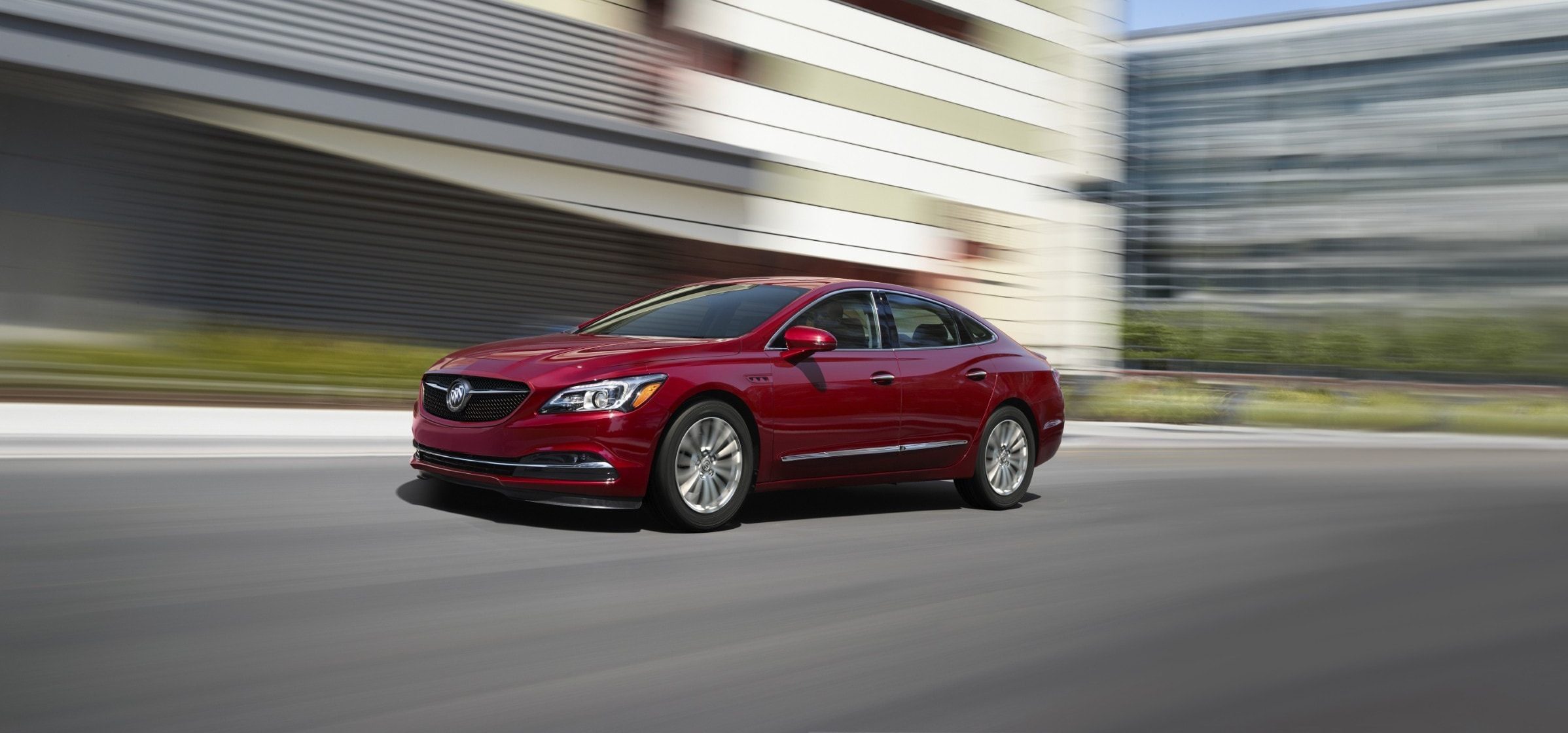
Here’s a genuine surprise for anyone paying attention to Buick’s lineup. The brand currently sells zero sedans in the United States, which makes this next detail all the more interesting.
Reports indicate GM is developing a new Buick sedan closely related to the next-generation CT5, built on the same rear-wheel-drive architecture underpinning its Cadillac sibling.
Think about that for a moment. Buick, a brand many associate with crossovers and SUVs these days, could be preparing a return to rear-drive sedan territory.
That’s a genuinely unexpected direction, and it says something about how GM views the platform’s potential across multiple brands rather than reserving it for Cadillac alone.
Production logistics add credibility to the rumor. GM’s Lansing Grand River facility, the same plant expected to build the CT5, is reportedly slated to produce this Buick sedan as well. Shared production lines for related vehicles are a common industry practice, and it strengthens the case that this isn’t just idle speculation.
Where things get murky is everything else. The name hasn’t been revealed. Styling remains unknown. Engine choices and a firm launch date are still up in the air.
Because of that uncertainty, this entry belongs firmly in the category of a developing project, not a vehicle you’ll be able to walk into a showroom and buy anytime soon.
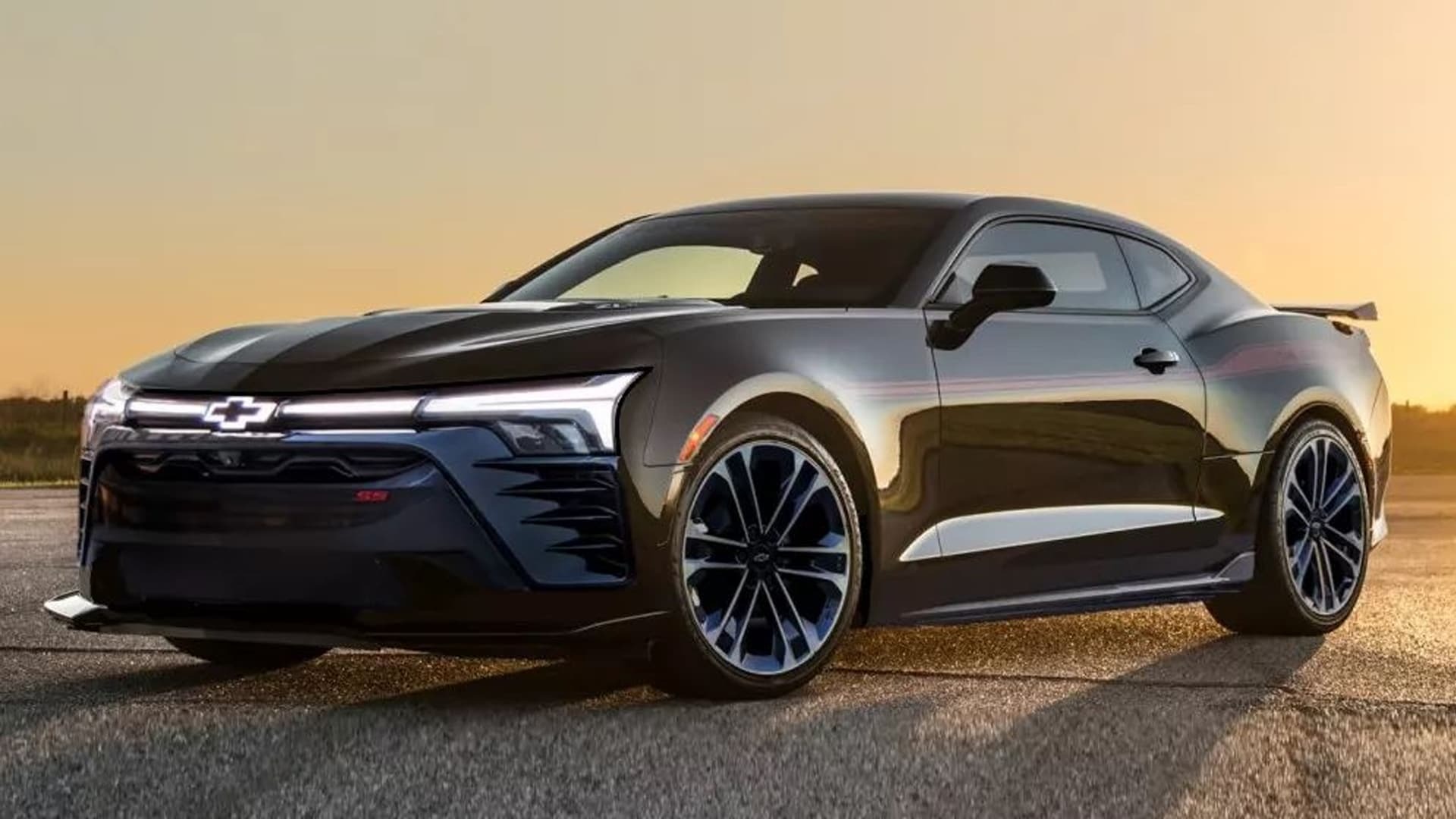
4. Chevrolet Camaro
The Chevrolet Camaro is another name that could return to the rear-wheel-drive performance-car market, but the timing needs careful attention. It should not be described as a confirmed 2027 model.
Reports indicate that Chevrolet is planning a future Camaro around an updated Alpha 2 rear-wheel-drive architecture. The reported plan also calls for an internal-combustion powertrain, which would keep the Camaro connected to the gasoline-powered performance cars that established its reputation.
For enthusiasts who missed the previous Camaro after production ended, that formula would make sense. A rear-drive platform provides the basic layout Chevrolet needs for a traditional sports coupe, while a modernized Alpha 2 platform could support updated suspension, electronics, safety systems, and powertrain technology.
The major issue is the expected timing. More recent reports place the next Camaro around the 2029 model year instead of 2027. That means the car belongs in a discussion covering 2027 and beyond, but not in a list claiming that all eight vehicles are arriving for the 2027 model year.
There is also plenty that Chevrolet has yet to confirm. Engine output, body styles, transmission choices, pricing, and trim levels remain unclear.
Still, the reported rear-drive plan is encouraging for anyone who wants another gasoline-powered Camaro. If Chevrolet follows through, the nameplate could return with a modern rear-drive foundation and a performance-focused mission.
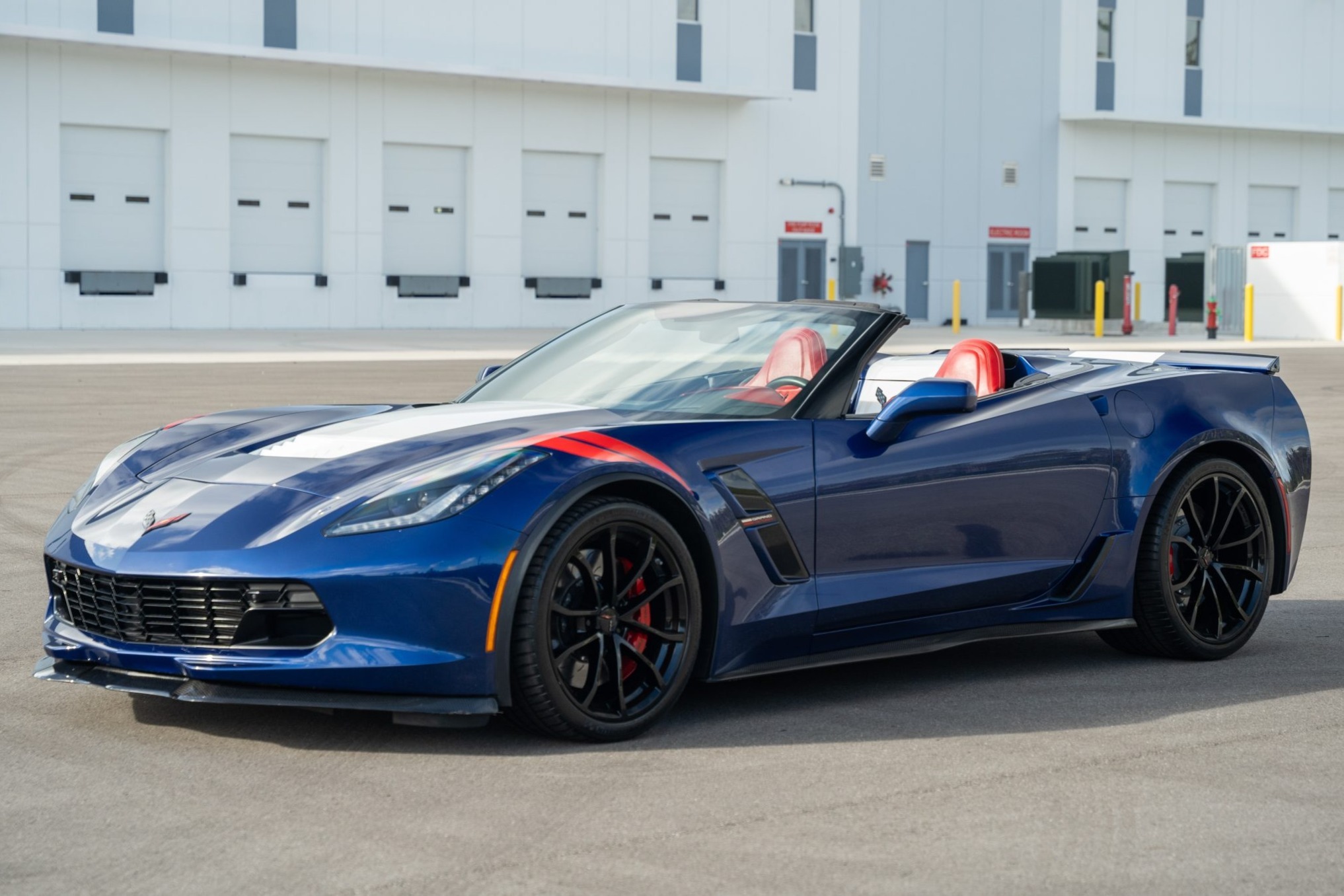
5. Chevrolet Corvette Grand Sport
Unlike several entries on this list, there’s no guesswork required here. The 2027 Corvette Grand Sport is confirmed, and it deserves a correction against outdated assumptions floating around online. This is a real, rear-wheel-drive car arriving with genuine performance credentials attached.
Powering it is Chevrolet’s new naturally aspirated 6.7-liter LS6 V8, an engine producing 535 horsepower. That output slots the Grand Sport neatly between the standard Corvette Stingray and the more track-focused Z06, giving buyers a middle ground that emphasizes both usability and serious capability.
Rear-wheel drive remains central to the car’s identity, delivering the balanced, engaging character Corvette owners expect. One distinction matters quite a bit for accuracy’s sake.
A related model, the Grand Sport X, actually runs all-wheel drive thanks to a front-mounted electric motor supplementing the V8. If your interest specifically involves rear-wheel-drive performance, make sure you’re looking at the standard Grand Sport, not the X variant, since the two deliver noticeably different driving dynamics despite sharing a name.
For buyers who want naturally aspirated V8 power paired with a purely rear-drive setup, the 2027 Grand Sport checks every box. It’s confirmed, it’s coming, and it represents one of the most straightforward entries on this entire list.
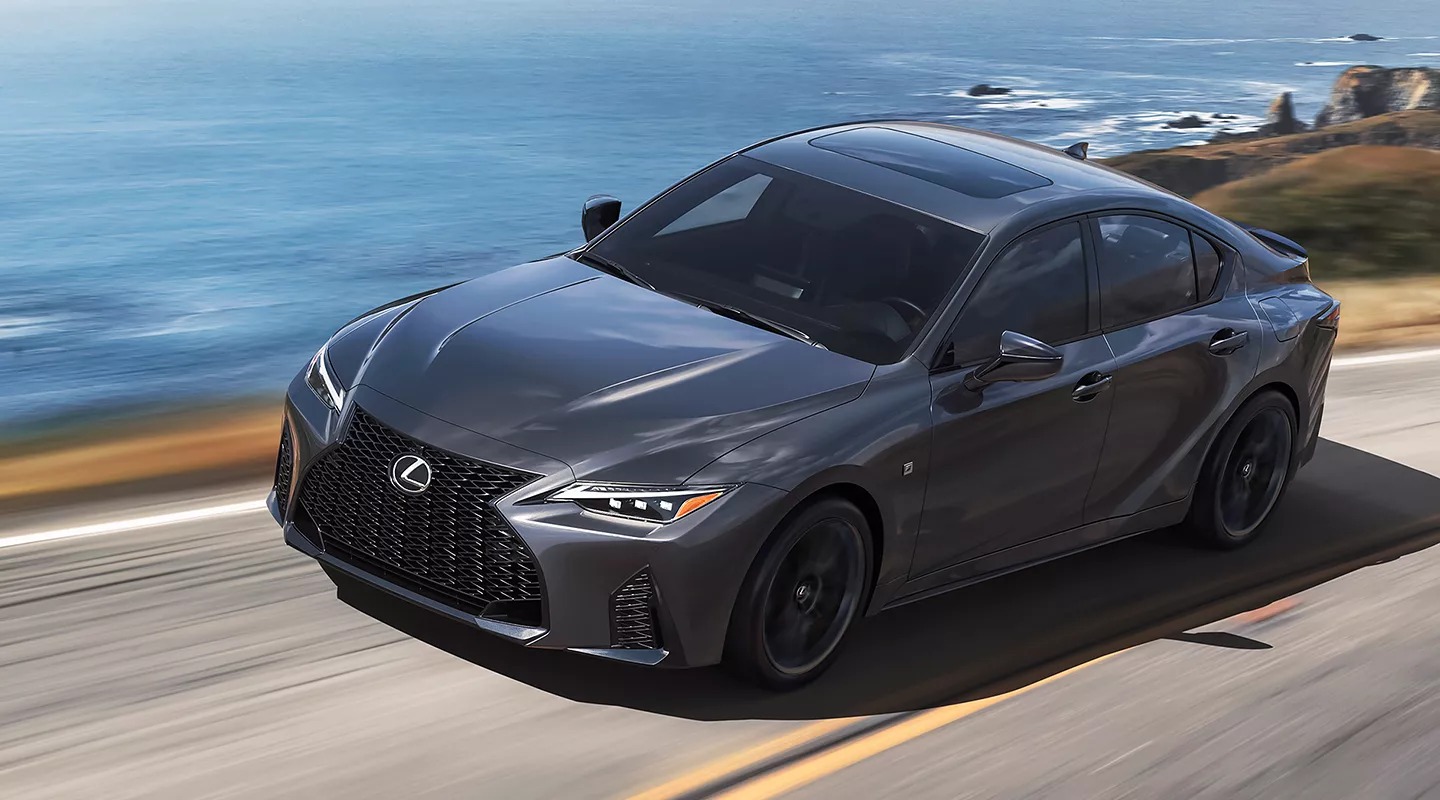
6. Lexus IS 350
For 2027, the Lexus IS 350 continues to offer something that has become increasingly rare among modern luxury sedans. It combines a naturally aspirated V6 with rear-wheel drive, giving buyers a traditional performance setup that is becoming harder to find. Lexus retains the 3.5-liter V6, which produces 311 horsepower and delivers the familiar feel of a naturally aspirated sport sedan.
When choosing the rear-wheel-drive version, buyers get an eight-speed automatic transmission. There is also an all-wheel-drive option for those who want additional traction, but that version comes with a six-speed automatic transmission.
One thing that makes the IS 350 appealing is how straightforward its mechanical setup remains. The naturally aspirated engine delivers its power without using a turbocharger, while rear-wheel drive helps give the sedan the balanced driving character expected from a sporty luxury car.
It is important to point out that the IS 350 is not bringing rear-wheel drive back for 2027. Lexus has continued offering this setup, even as many other automakers have moved toward SUVs, electric vehicles, and other drivetrains.
For someone looking for a compact luxury sedan with a V6 engine, an eight-speed automatic transmission, and rear-wheel drive, the 2027 IS 350 remains a strong option. It also gives buyers a chance to enjoy a more traditional driving setup without moving into a larger vehicle.
The IS 350 shows that rear-wheel-drive luxury sedans still have a place in today’s market. Its continued availability gives drivers another choice for those who value a conventional gasoline engine and a sporty rear-drive setup.
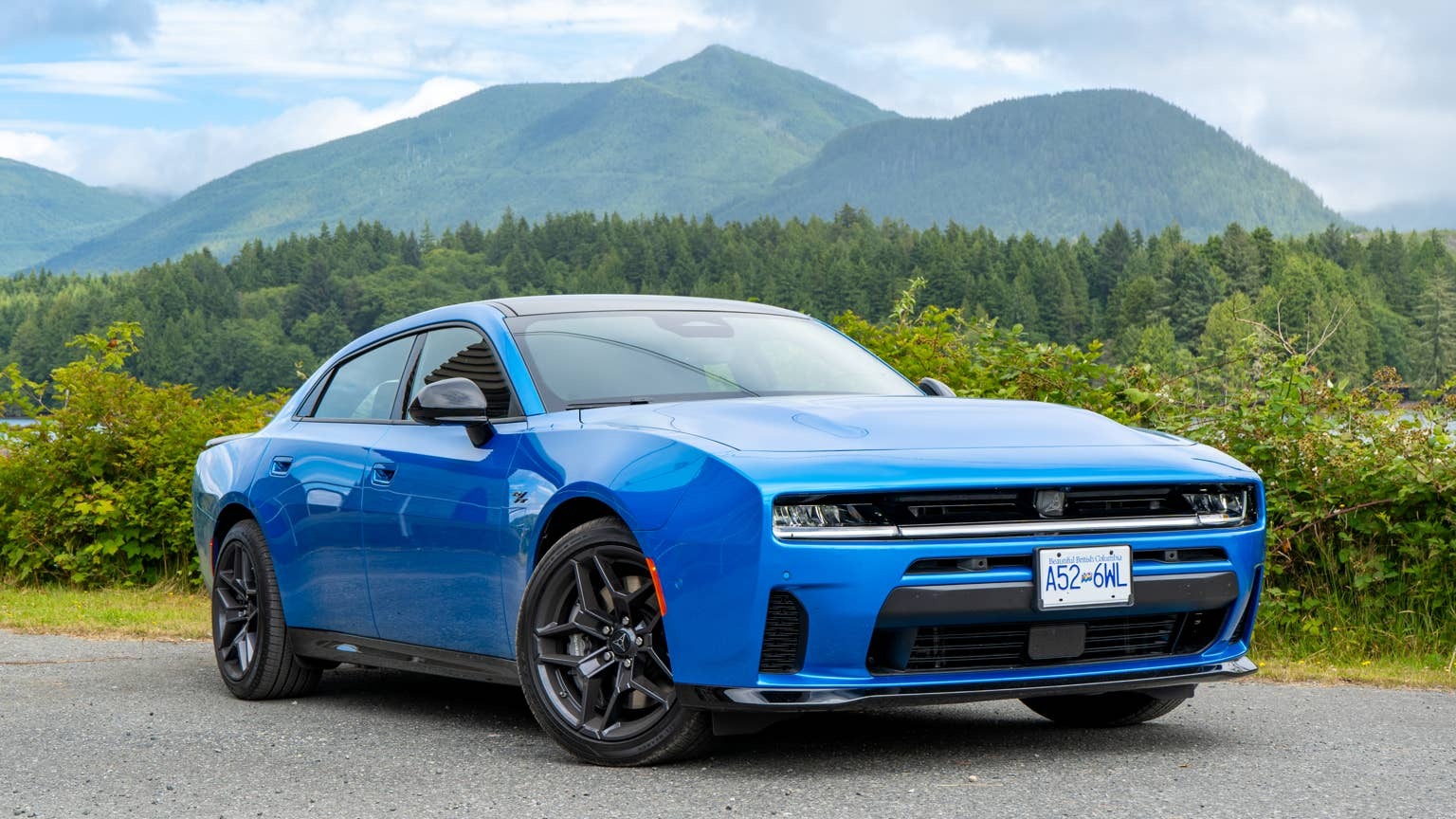
7. Dodge Charger Sixpack
The 2027 Dodge Charger Sixpack brings an interesting option to drivers who still enjoy rear-wheel-drive performance. Instead of relying only on rear-wheel drive, the gasoline-powered model comes with a twin-turbocharged 3.0-liter inline-six engine and an all-wheel-drive system.
Drivers who prefer rear-wheel drive still have an option. The Charger can direct all available torque to the rear wheels, creating a true rear-wheel-drive mode.
Dodge has also highlighted this feature on the 2027 Charger Super Bee, where drivers can move between all-wheel drive and rear-wheel drive depending on how they want the car to behave.
One advantage of this arrangement is its flexibility. All-wheel drive can help the Charger maintain traction when extra grip is needed, while rear-wheel drive can deliver a more traditional performance-car feel when road conditions are suitable.
It is worth describing the system accurately. The 2027 Charger Sixpack is not a conventional rear-wheel-drive car because all-wheel drive is its standard setup. Instead, Dodge has added a selectable rear-wheel-drive mode that gives drivers more control over how power reaches the road.
Under the hood, the twin-turbocharged 3.0-liter inline-six also gives the Charger a different character from the V8-powered models associated with previous generations.
For 2027, the Charger combines all-wheel-drive traction with the ability to send power completely to the rear wheels, giving performance-minded drivers more flexibility.
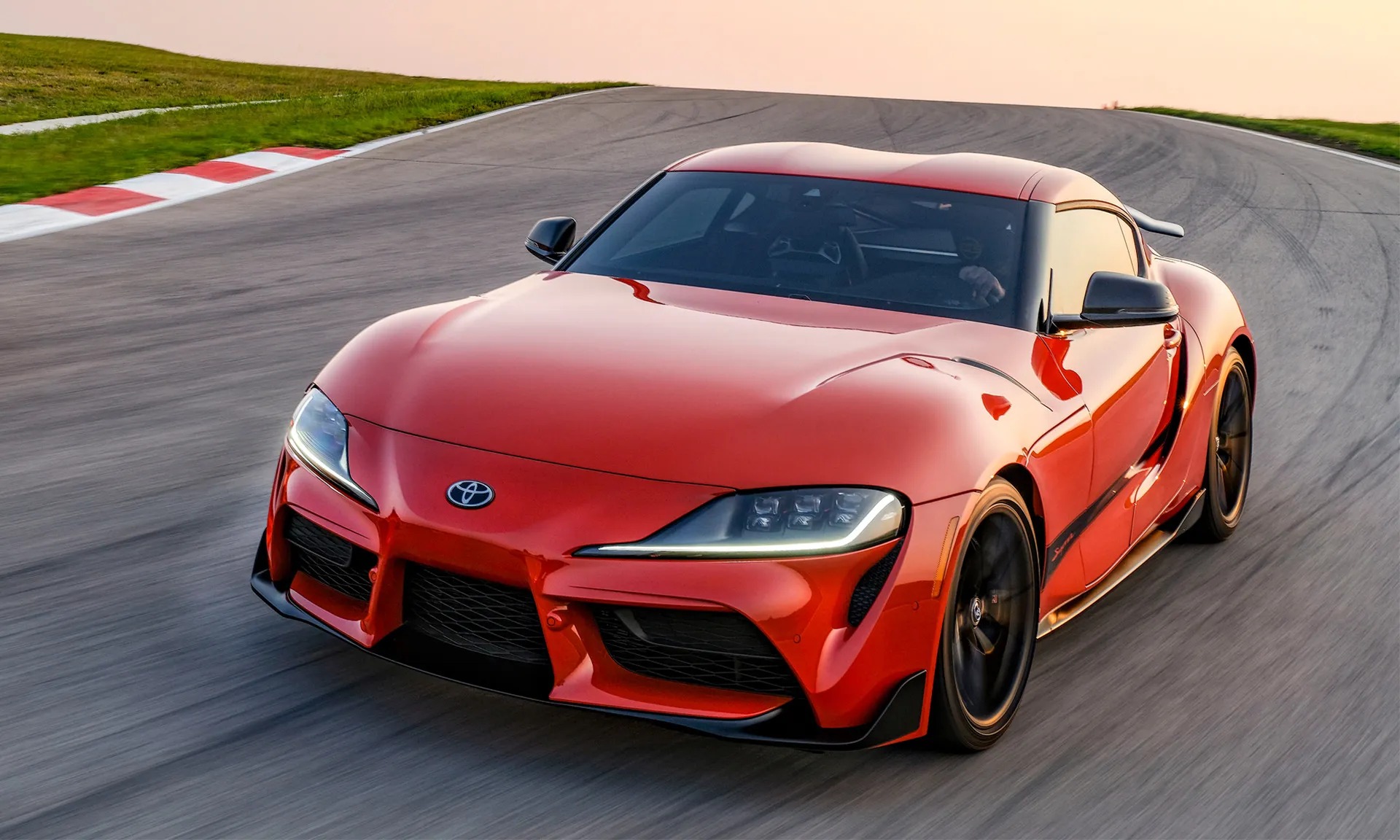
8. Toyota GR Supra
The Toyota GR Supra keeps the classic sports-car recipe alive for 2027-era buyers. Unlike several vehicles listed here, it is not returning from a period without rear-wheel drive.
The Supra has continued using a front-engine, rear-wheel-drive layout as part of its modern formula. The six-cylinder version is especially appealing to drivers who want a traditional performance car.
Toyota’s published specifications identify the 3.0-liter Supra as rear-wheel drive, and the six-cylinder model has been offered with either an automatic or manual transmission in relevant markets.
That manual option gives the Supra an extra connection between the driver and the car. Combined with rear-wheel drive and a front-mounted engine, it creates a familiar sports-car arrangement that has become less common among new vehicles.
The GR Supra also demonstrates why a car does not need to make a dramatic return to be important in a discussion about rear-wheel drive.
Its value comes from continuing to offer the configuration at a time when many manufacturers are prioritizing front-wheel drive, all-wheel drive, SUVs, and electric powertrains.
Toyota’s decision to keep the Supra focused on a conventional sports-car layout gives buyers another choice for 2027 and beyond. It is not a rear-wheel-drive return, but it is a clear example of Toyota keeping the formula alive.
For anyone searching for a modern sports car with rear-wheel drive and an available manual transmission, the GR Supra remains one of the cars worth watching.