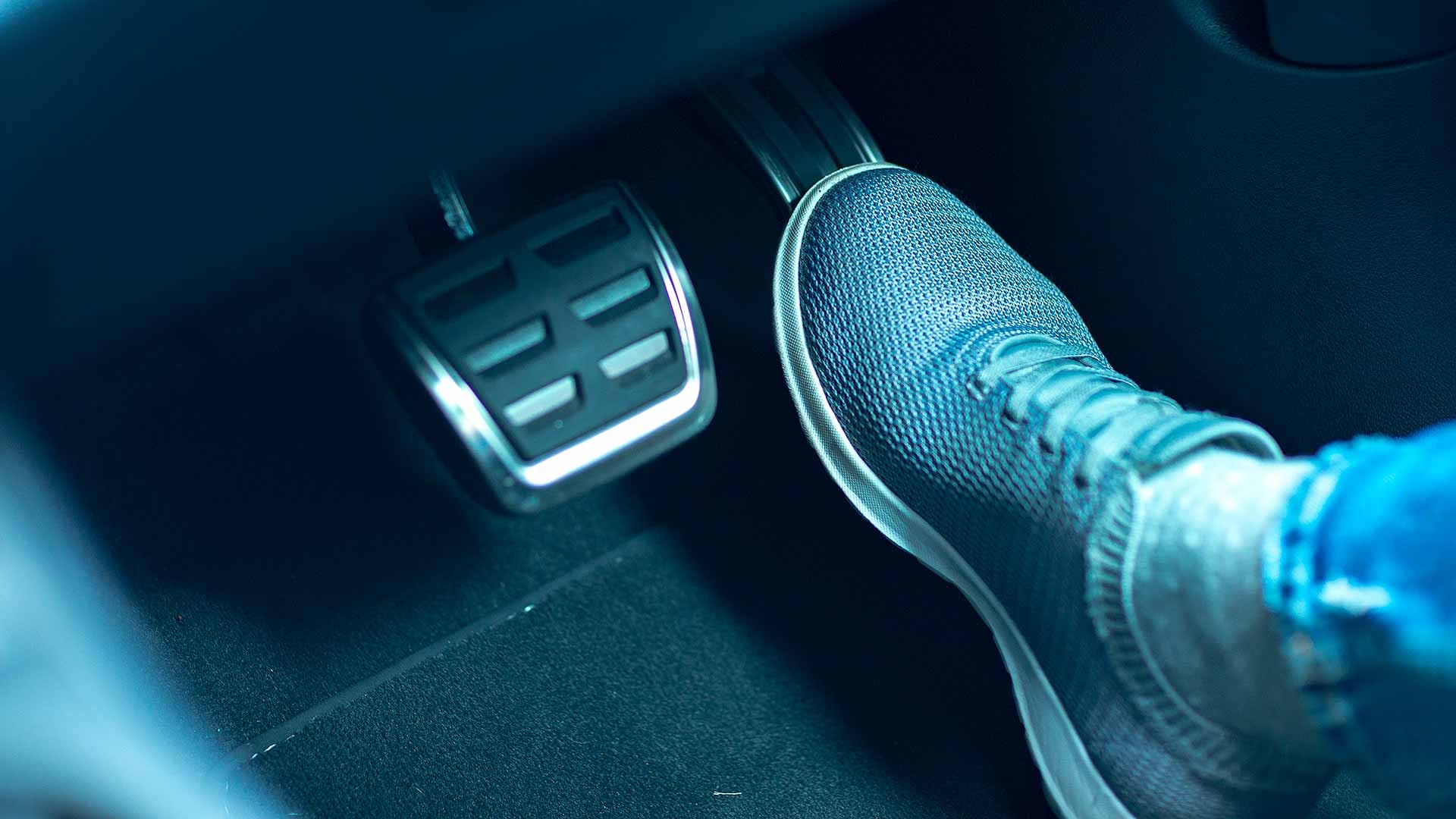
Ask a shorter driver about car shopping, and you will likely hear the same frustrations. The pedals may sit too far away, the seat may not adjust high enough, or the steering wheel may block part of the dashboard. These are common problems, but automakers have become better at addressing them with adjustable pedals, greater seat adjustment, and telescoping steering columns.
Some vehicles genuinely nail this comfort factor, while others simply rely on smart seating position and good visibility to get the job done just as effectively. Whether you’re barely clearing five feet tall or just tired of feeling like you’re stretching for the brake, these eight vehicles are worth putting on your test-drive list.
1. Chevrolet Tahoe
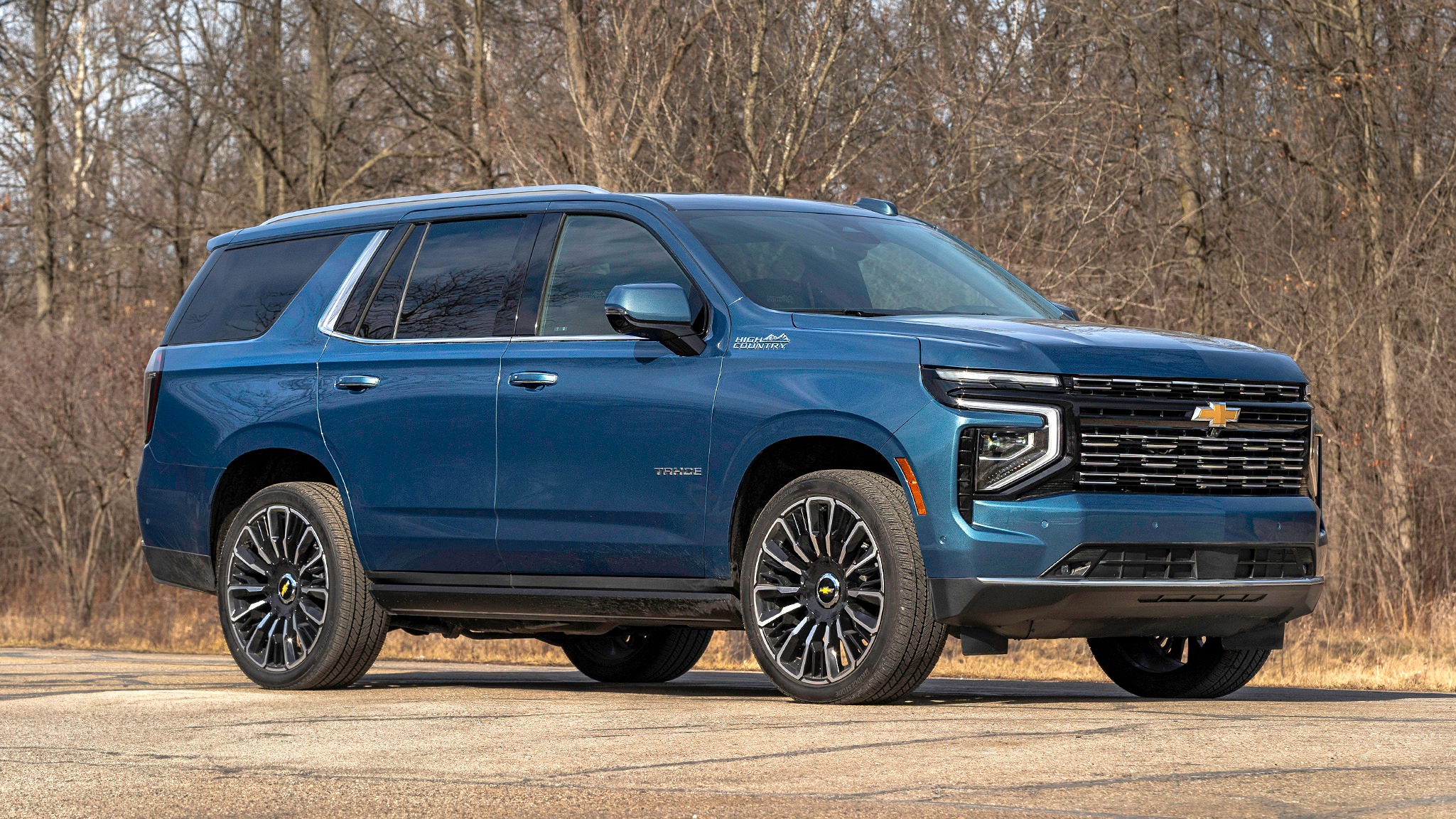
Full-size SUVs don’t always top the list for shorter drivers, but the Tahoe earns a legitimate spot here, provided you’re paying close attention to exact trim and equipment.
Chevrolet has offered power-adjustable pedals on select Tahoe configurations, including versions with memory-linked pedal positioning that remembers your preferred setup automatically once properly configured.
That’s a genuinely useful feature for shorter drivers who need the pedals themselves to move closer rather than simply sliding the entire seat forward and losing valuable legroom or proper airbag distance in the process.
Combined with a power-adjustable driver’s seat and an adjustable steering column, the Tahoe can create a genuinely comfortable driving position for drivers who might otherwise struggle in a vehicle this large.
There is one important detail buyers should keep in mind. Not every 2027 Tahoe comes equipped with adjustable pedals as standard equipment.
This feature depends heavily on specific trim level and optional packages, meaning shoppers absolutely need to confirm exact equipment before assuming their particular Tahoe will include this functionality straight off the lot.
Size remains a genuine consideration too. The Tahoe’s substantial dimensions and higher body height mean it won’t automatically feel easy for every shorter driver, regardless of pedal adjustability.
Visibility over that tall hood and general vehicle bulk can still present challenges that adjustable pedals alone won’t fully solve, making a test drive absolutely essential before committing to this particular SUV.
2. Ford Expedition
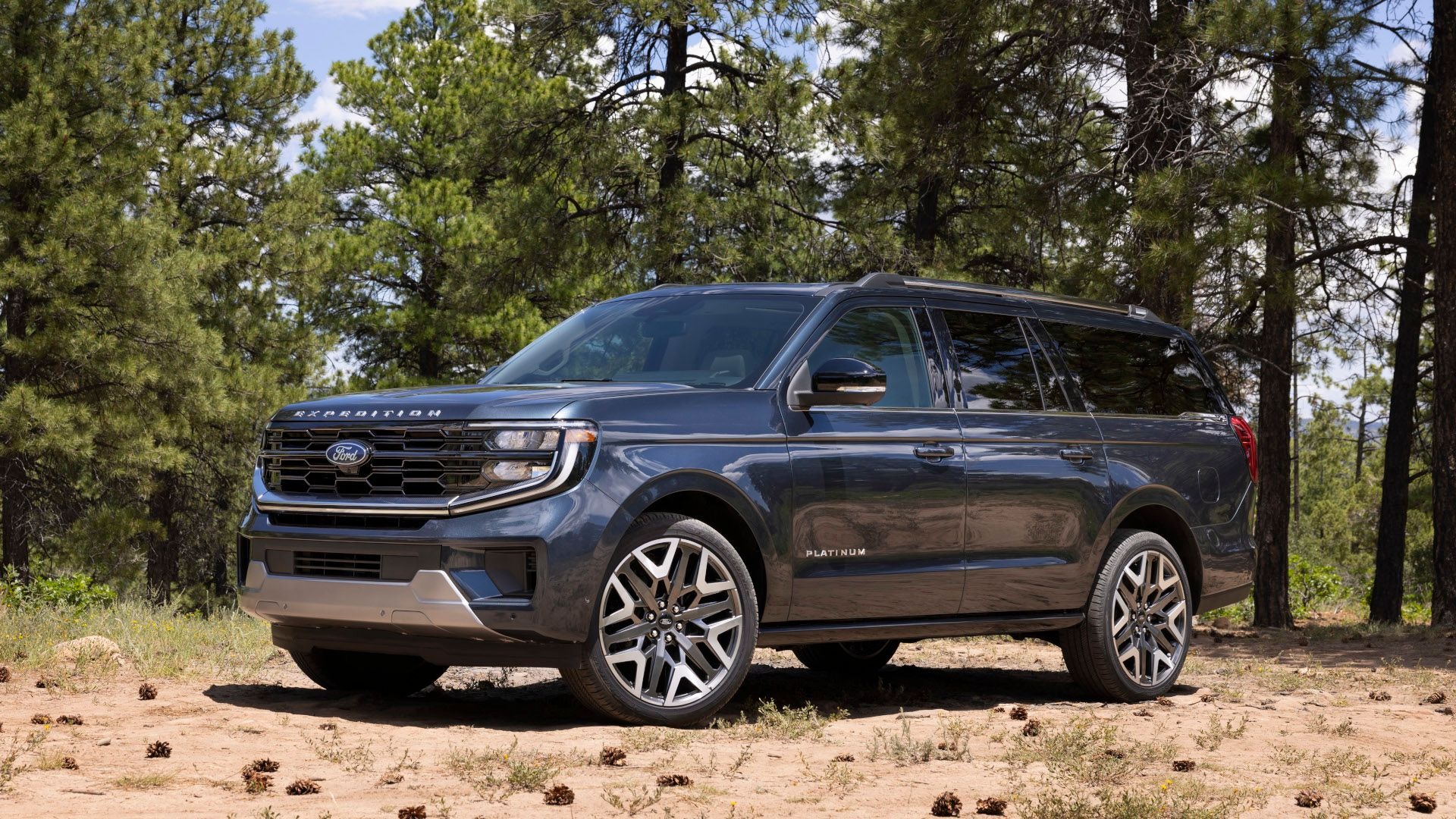
For drivers who depend on adjustable pedals, the Ford Expedition stands out as a particularly practical choice. Ford documentation shows that equipped Expedition models can have power-adjustable brake and accelerator pedals.
The 2026 model also lets drivers store their preferred pedal position through the vehicle’s memory settings, making it easier to maintain a comfortable driving position.
This feature can be especially useful when several people regularly use the same SUV. Each driver can save their preferred settings instead of adjusting the pedals manually whenever they take the wheel.
With a stored position, a shorter driver can quickly restore the pedals to a comfortable distance, making everyday driving easier and less frustrating. The Expedition also offers a power tilt-and-telescoping steering wheel on selected trims.
This gives drivers another way to adjust their position and find a comfortable setup. When combined with a memory-equipped driver’s seat, the available adjustments provide a more personalized driving position that can suit different body sizes.
For shorter drivers, the biggest benefit is that the pedals can move toward the driver instead of requiring the seat to be pushed too far forward.
Moving the seat excessively close to the steering wheel can reduce the comfortable distance from the airbag. Adjustable pedals help solve that issue by allowing the driver to maintain a more suitable seating position while still reaching the brake and accelerator comfortably.
For anyone who has struggled to find a proper fit in a large SUV, this makes the Expedition a strong choice.
3. Nissan Pathfinder
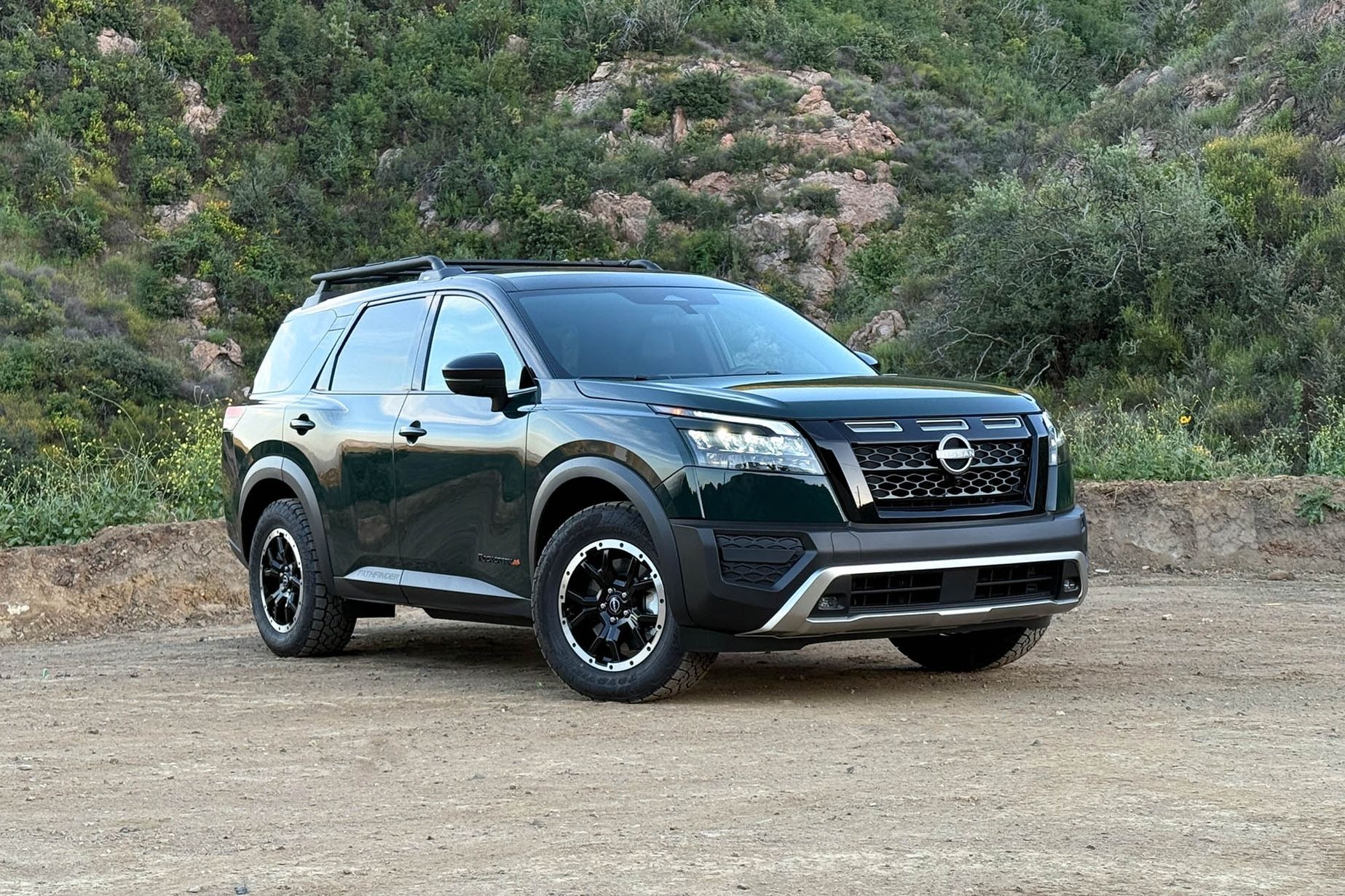
The Pathfinder brings genuine adjustability to the table, though shoppers need to pay attention to specific trim details rather than assuming every version offers identical equipment.
Current specifications confirm substantial driver’s seat adjustment, including an 8-way power seat available on higher trim levels, giving shorter drivers meaningful control over their seating position.
Where things get slightly more complicated involves the pedals themselves. Earlier Pathfinder generations documented electronically adjustable pedals clearly, but equipment has genuinely shifted over subsequent model years and trim updates.
Rather than assuming every current Pathfinder automatically includes this specific feature, shoppers should confirm pedal adjustability directly against their intended trim and model year before making any final assumptions about comfort.
That said, the seat adjustment alone still makes the Pathfinder a genuinely worthwhile candidate for shorter drivers even without confirmed pedal movement.
An 8-way power seat provides considerable flexibility for finding a comfortable driving position, particularly when combined with the Pathfinder’s generally accommodating cabin layout and reasonable outward visibility that doesn’t leave shorter drivers straining to see over the dashboard or hood.
For buyers specifically prioritizing electronically adjustable pedals as a hard requirement, doing homework on the exact model year and trim becomes essential here rather than optional.
But for shoppers open to relying primarily on strong seat adjustment paired with a generally comfortable cabin, the Pathfinder remains a solid, genuinely worthwhile option worth test driving before ruling it out.
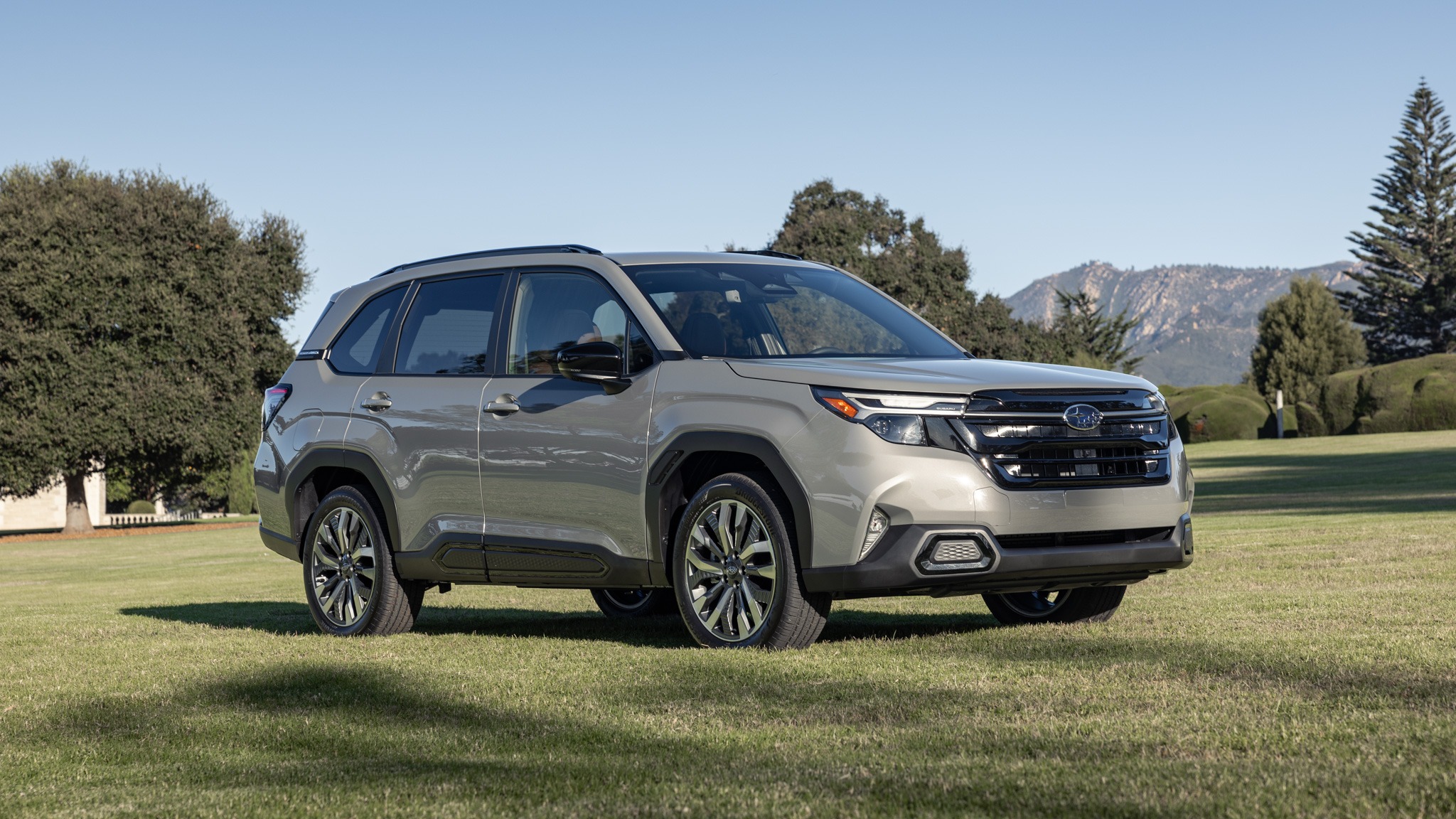
4. Subaru Forester
Shorter drivers do not always need adjustable pedals to feel comfortable behind the wheel, and the Subaru Forester is a good example.
Instead of using electronically adjustable pedals, this compact SUV focuses on an upright seating position, large windows, and clear outward visibility. These features help drivers see the road properly and reach the controls without having to sit too close to the steering wheel.
Consumer Reports also considers the needs of shorter drivers when assessing vehicles. Its testing looks at areas such as getting in and out, visibility, seating comfort, and the amount of adjustment available.
This approach shows that pedal placement is only one part of creating a comfortable driving position. Having a clear view and enough flexibility in the seating area can make just as much difference during daily driving.
Feedback from owners provides another useful perspective. In one discussion involving a 2026 Forester, an owner who is 5 feet 2 inches tall and has short legs said the pedals were easy to reach.
Although one person’s experience cannot replace professional testing, comments like this can still help buyers understand what it may be like to live with the vehicle every day.
Another advantage is that buyers do not have to choose a particular trim or pay extra for a package simply to get a comfortable driving position. The Forester’s upright seating and good visibility are available throughout the lineup.
For shorter drivers who want an SUV that feels easy to drive without relying on adjustable pedals, the Forester offers a practical and straightforward choice.
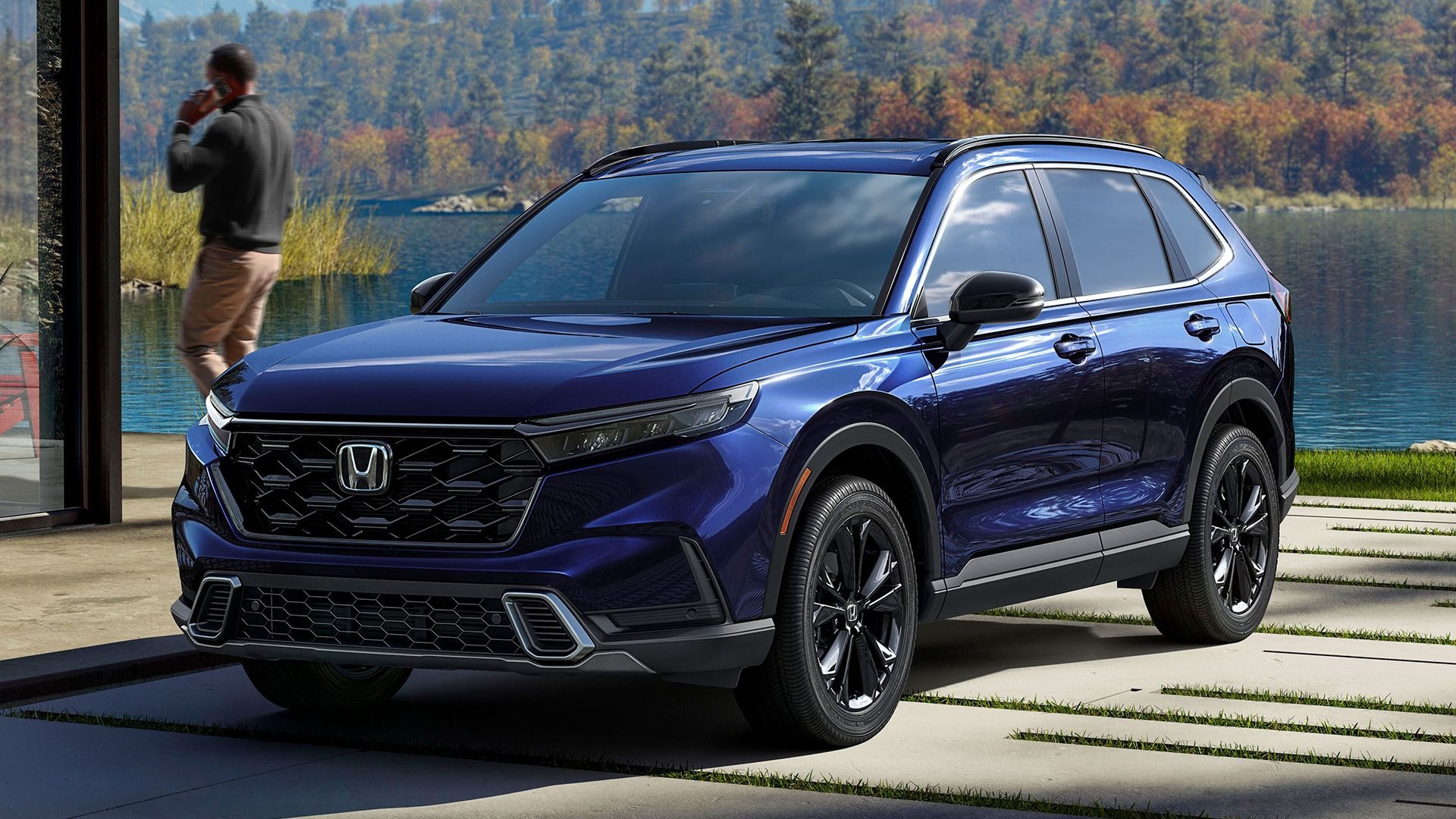
5. Honda CR-V
Let’s clear up a common misconception first. The CR-V does not offer adjustable pedals. Although some lists may suggest otherwise, this popular compact SUV does not include the feature, so shoppers specifically looking for adjustable pedals will need to consider other models.
That said, dismissing the CR-V entirely would be a genuine mistake, because it earns its place here through an entirely different combination of strengths.
Relatively easy entry and exit make daily use considerably more comfortable for shorter drivers who sometimes struggle climbing into taller SUVs or awkwardly lowering themselves into low-slung sedans. The CR-V strikes a genuinely comfortable middle ground that works well across a wide range of driver heights.
Visibility ranks among the CR-V’s clearest strengths too. Generous window space and a thoughtfully designed dashboard help shorter drivers maintain clear sightlines without straining or needing to perch awkwardly on the edge of their seat just to see properly over the hood and surrounding traffic.
Driver’s seat adjustment rounds out the package nicely, particularly on higher trim levels offering more substantial adjustment range.
Combined with the CR-V’s accommodating driving position, shorter drivers frequently find they can dial in a genuinely comfortable setup without needing electronically moving pedals to solve the core comfort challenge that originally sent them shopping in the first place.
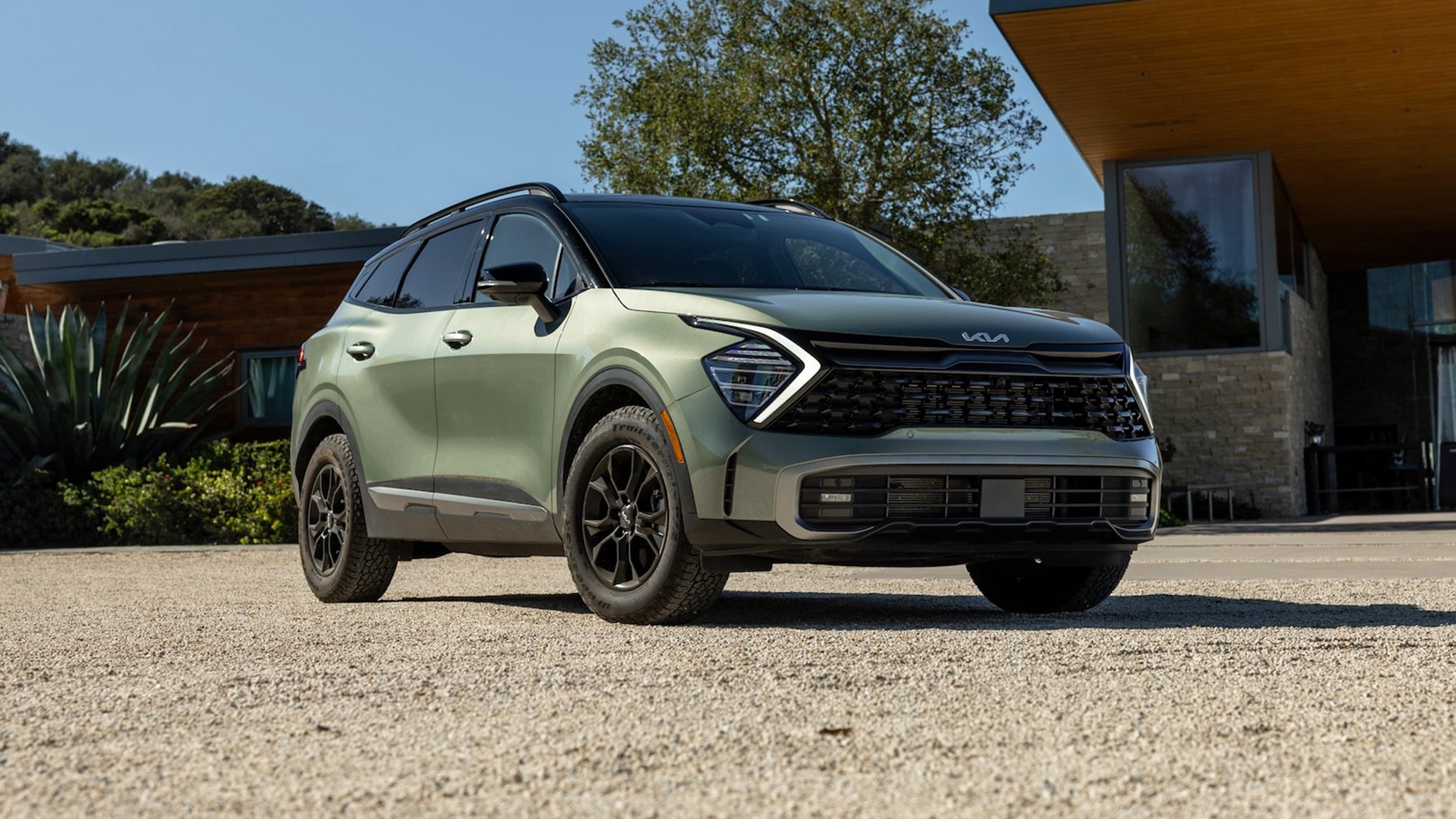
6. Kia Sportage
The Sportage brings a genuinely thoughtful approach to driver comfort, particularly through its useful range of seat height adjustment paired with a steering wheel that adjusts for both reach and height simultaneously.
That combination gives shorter drivers real flexibility in dialing toward their ideal driving position rather than settling for a compromise.
Pedal placement itself has also earned specific praise, with reviewers describing the Sportage’s pedals as well positioned for a genuinely comfortable reach across a range of driver heights.
While this isn’t the same as electronically adjustable pedals moving to meet you, thoughtful default positioning still matters enormously for shorter drivers who simply need everything within comfortable reach from the factory without requiring extensive customization. Trim level plays a real role in exactly how much adjustability you’ll actually get, though.
Current 2026 specifications show a 6-way manual driver’s seat standard on the base trim, while several higher trims step up to a considerably more flexible 10-way power driver’s seat instead. That’s a meaningful difference worth understanding before finalizing your specific trim choice.
For shorter drivers specifically prioritizing genuine seat adjustment range alongside naturally well-placed pedals, choosing a Sportage trim equipped with that 10-way power seat makes a real practical difference.
It’s a genuinely strong choice within the compact SUV segment, particularly for buyers willing to spend slightly more to access the fuller adjustment range available on higher trims.
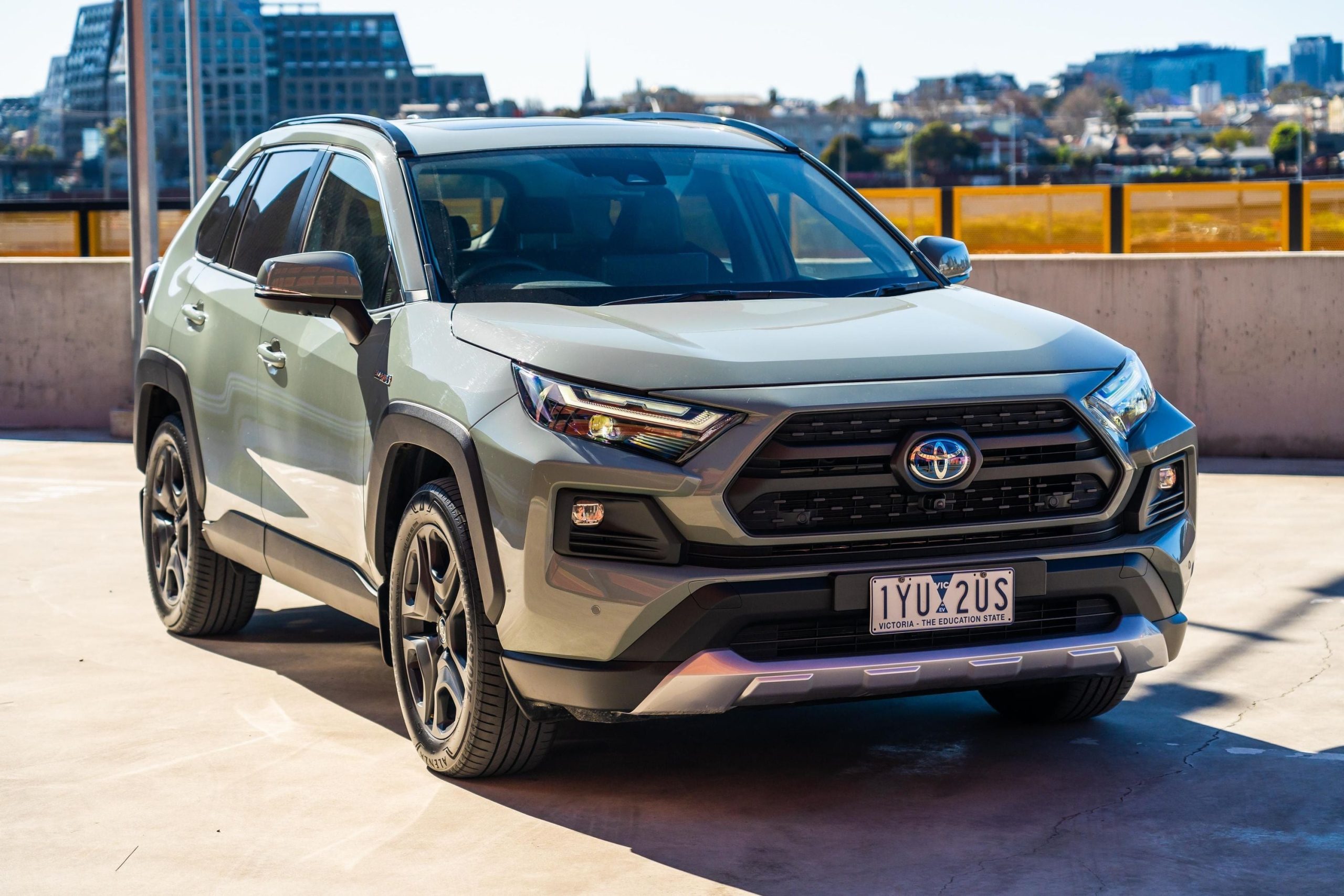
7. Toyota RAV4
Shorter drivers looking for a comfortable compact SUV should give the redesigned 2026 Toyota RAV4 serious consideration. Instead of depending on adjustable pedals, Toyota has focused on the basic features that help people of different heights find a suitable driving position.
Early reports on the redesigned model describe it as accommodating for shorter drivers, with seating arrangements that can suit a wide range of body sizes.
The RAV4 achieves this through a useful combination of seat height adjustment, sufficient seat travel, a steering wheel that can be positioned for a comfortable reach, and clear visibility through the windows.
These features allow shorter drivers to sit comfortably while maintaining a good view of the road without having to stretch forward or sit too close to the steering wheel.
For many people, these details can make daily driving much easier than adjustable pedals alone. A shorter driver may have no major problem reaching the brake and accelerator but could still struggle with poor visibility, limited seat movement, or a cabin that feels too large for their body size.
Getting the seating position right can therefore make a noticeable difference. Another advantage is that buyers do not need to search for a rare trim or expensive package to achieve this level of comfort.
The RAV4 provides a practical seating arrangement across its range, making it easier for shorter drivers to find a suitable model. Anyone shopping for a compact SUV should keep the redesigned RAV4 on their list, especially if comfortable seating and good visibility are important priorities.
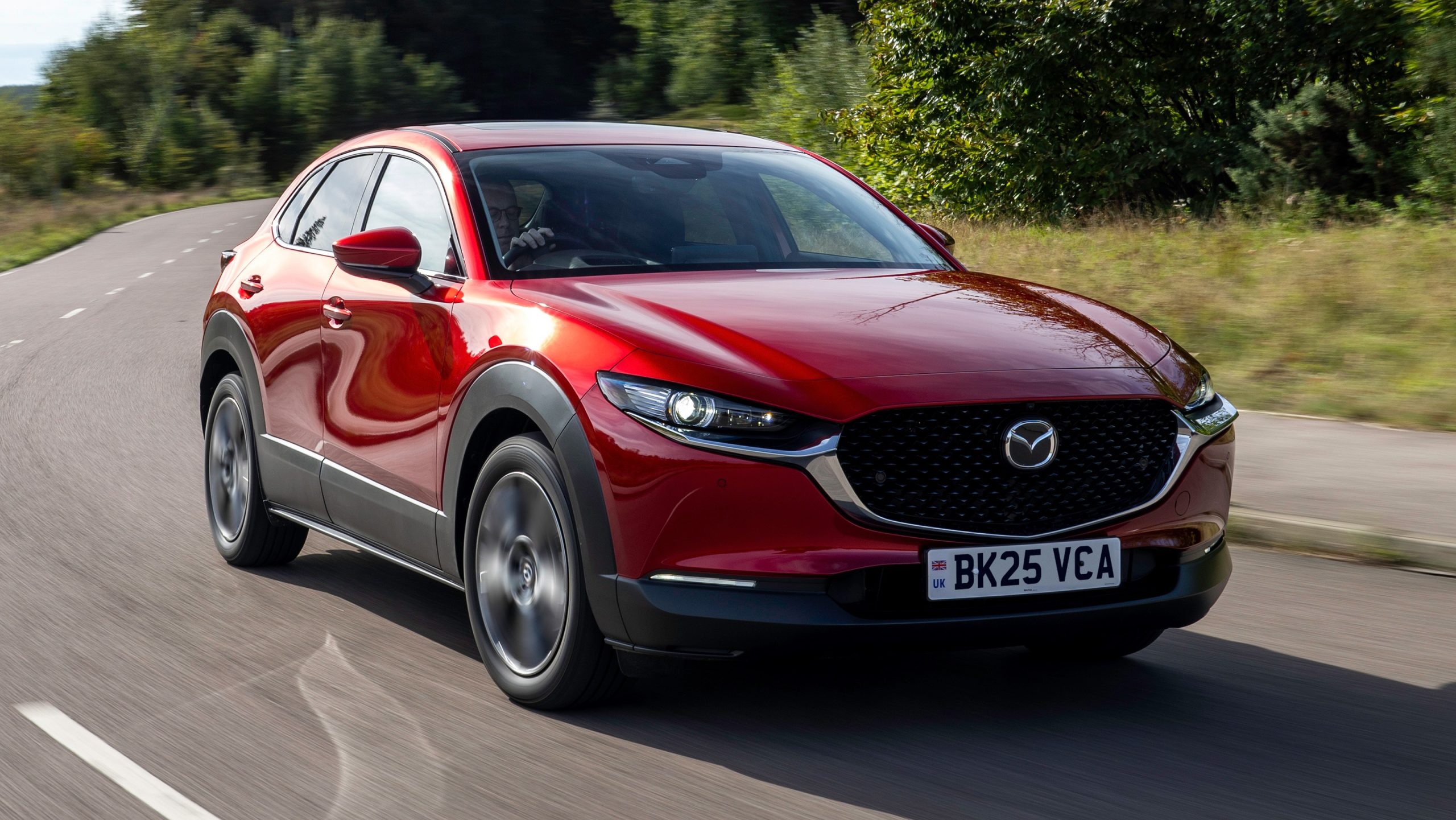
8. Mazda CX-30
Sports car enthusiasts might expect a low-slung roadster to top a list like this, but for genuine everyday practicality, the CX-30 makes considerably more sense for most shorter drivers than something like the MX-5 Miata ever could.
While the Miata’s compact cockpit genuinely works well for certain shorter drivers specifically, its low sports car seating position creates an entirely different experience compared to typical daily driving needs.
Mazda’s own owner manual actually emphasizes correctly positioning the seat specifically for proper accelerator and brake operation, alongside adjusting the steering wheel for genuinely comfortable handling.
That guidance applies across Mazda’s lineup, but it becomes particularly relevant when comparing a low sports car against a more upright crossover designed with broader everyday usability in mind.
The CX-30 delivers exactly that broader practicality. It combines a relatively compact exterior footprint, making it genuinely easy to maneuver and park, with a raised crossover seating position that provides considerably better outward visibility compared to sitting low in a sports car cockpit.
That elevated seating also makes entry and exit noticeably easier, avoiding the awkward climbing-out motion sports cars often require.
For shorter drivers specifically seeking an everyday-usable recommendation rather than a weekend enthusiast vehicle, the CX-30’s combination of compact dimensions and conventional SUV-style access makes it the considerably more practical choice.
It delivers genuine comfort and confidence behind the wheel without asking drivers to compromise on the everyday usability that most people actually need from their primary vehicle.