
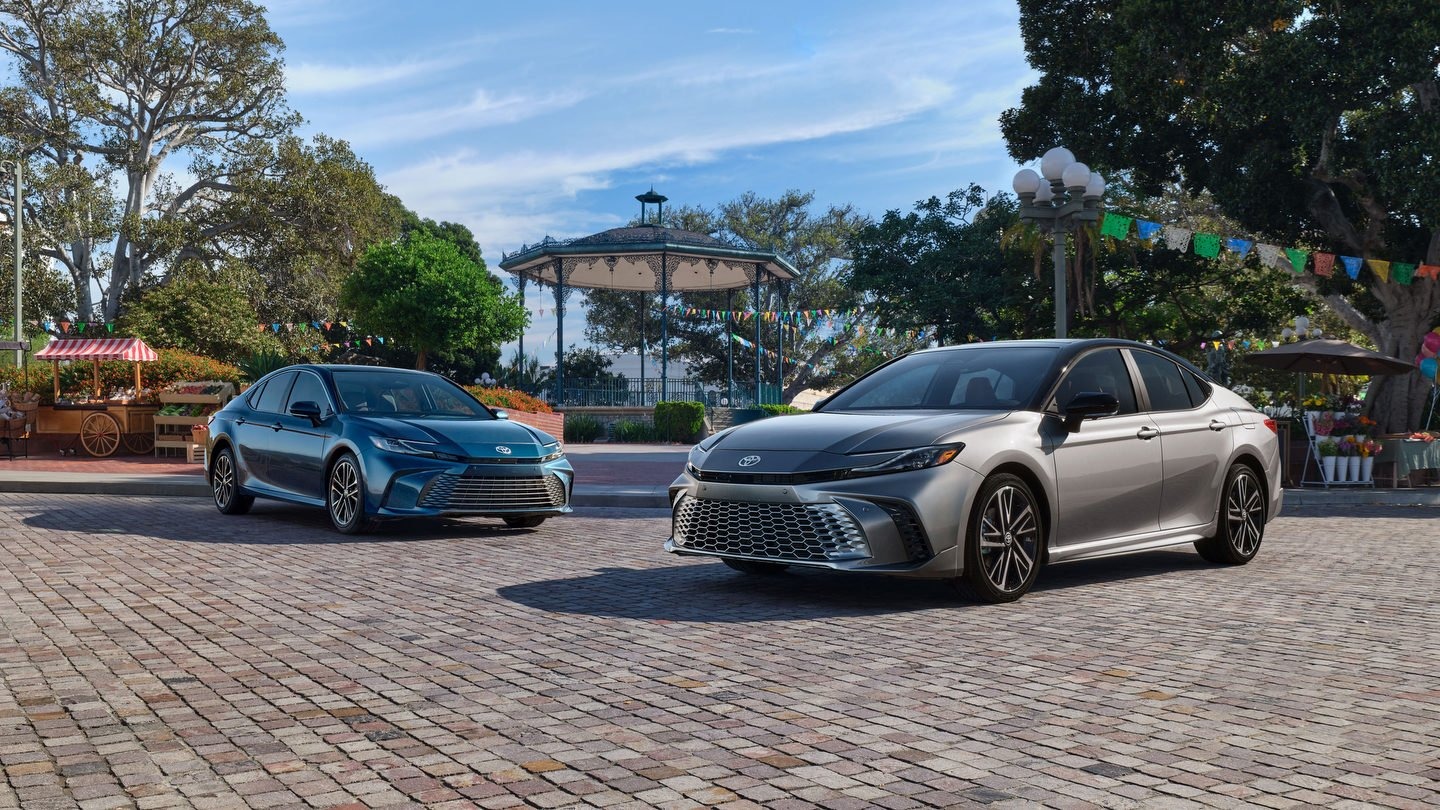
Buying a used Camry sounds like a safe bet, and most of the time it is. But not every model year carries the same reputation, and picking the wrong one could mean facing costly engine repairs sooner than expected. Some years are packed with owner complaints and recall history, while others stand out as genuinely smart used-car purchases.
This list breaks down eight Camry model years, starting with the one you should probably avoid and working toward the one worth putting on your shortlist today. Whether you’re hunting for a budget-friendly sedan or a newer used option, this guide will help you shop smarter.
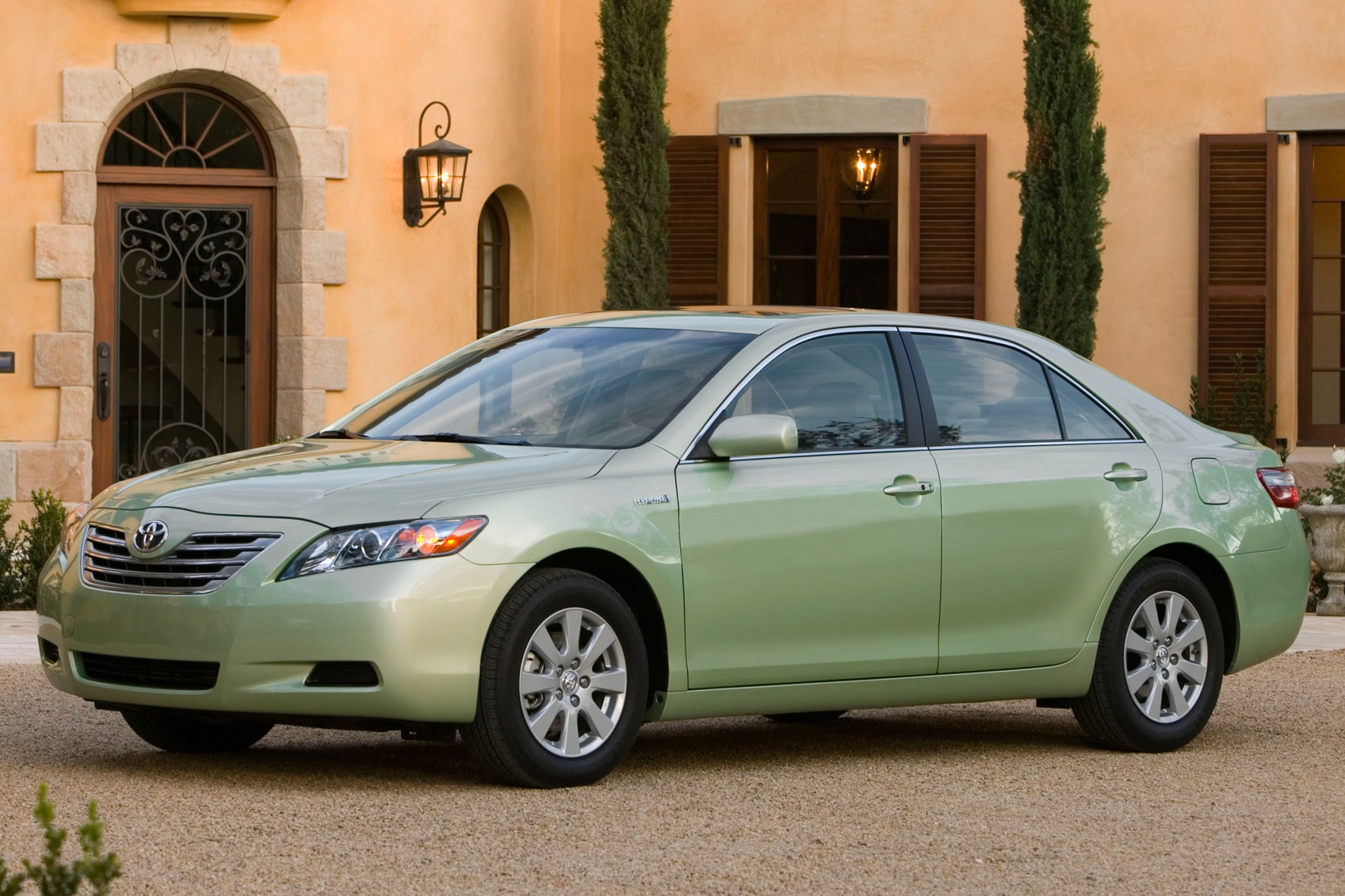
1. 2007 Toyota Camry – Worst
Let’s not sugarcoat this one. The 2007 Camry sits at the bottom of this list for good reason, and the complaint numbers back that up clearly. Owners reported an unusually high volume of issues, with excessive oil consumption topping the list as one of the most frequently cited engine problems across this model year.
Here’s what makes this particularly frustrating for used buyers. Complaint data shows problems appearing at noticeably higher rates compared to other Camry years, meaning this isn’t a case of isolated bad luck among a handful of owners. The pattern is widespread enough that it deserves serious attention before anyone considers a purchase.
Adding to the concern, the 2007 model falls within the sixth-generation period tied to Toyota’s unintended-acceleration recalls, along with other reported issues from that era. That combination of engine trouble and recall history makes this year a tough sell for anyone prioritizing peace of mind.
Does that mean every 2007 Camry is a lemon waiting to happen? Not necessarily. A well-maintained example with documented repair history and completed recall work could still function reliably. But given how many better options exist among newer Camry years, most buyers will find smarter choices elsewhere on this list.
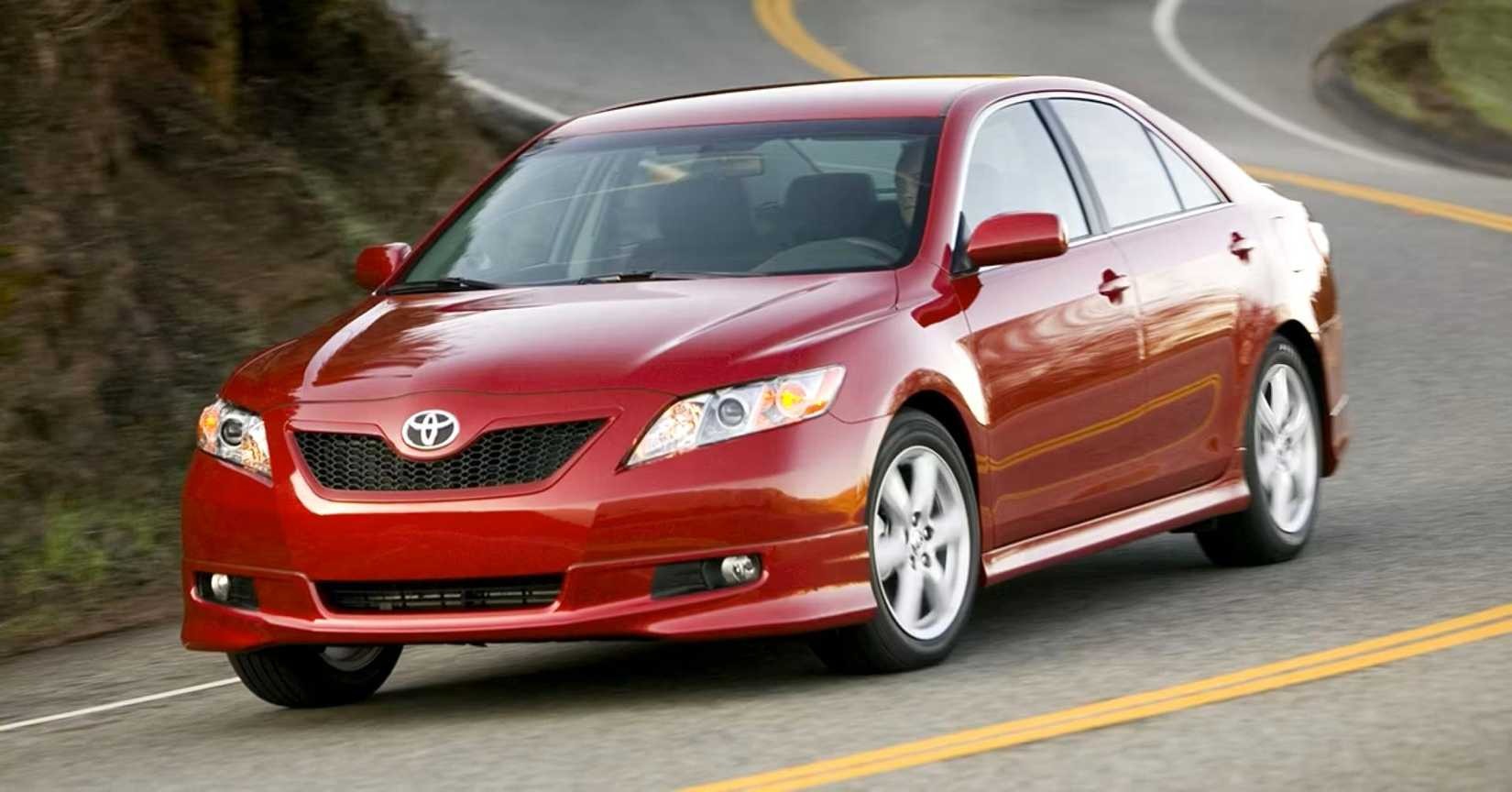
2. 2008 Toyota Camry
The 2008 Toyota Camry carries many of the same concerns that affected the previous model year, particularly when it comes to the 2.4-liter four-cylinder engine. Excessive oil consumption is one of the biggest issues linked to this engine, so anyone considering a used example should inspect it carefully before buying.
Complaint records place the 2008 Camry among the less desirable years because of both the number and seriousness of reported problems. High oil usage can become expensive when it leads to engine damage or requires major repairs.
This makes the vehicle’s maintenance history very important, especially if the previous owner did not service it regularly. However, not every 2008 Camry will give its owner serious problems.
Some have remained dependable for many years because they received proper servicing and timely repairs. The condition of the particular car matters more than the model year alone.
Anyone considering this Camry should ask for maintenance records and find out how regularly the oil was changed. It is wise to have a trusted mechanic inspect the engine for leaks, strange sounds, unusual behaviour, and other signs of trouble before completing the purchase.
If there are several Camry models available within the same price range, the 2008 version may not be the best option to start with. Choosing a newer model with a better reliability record could save you from unnecessary repair expenses and stress.
Still, a well-maintained 2008 Camry can remain useful transportation when its condition and service history check out properly before purchase.
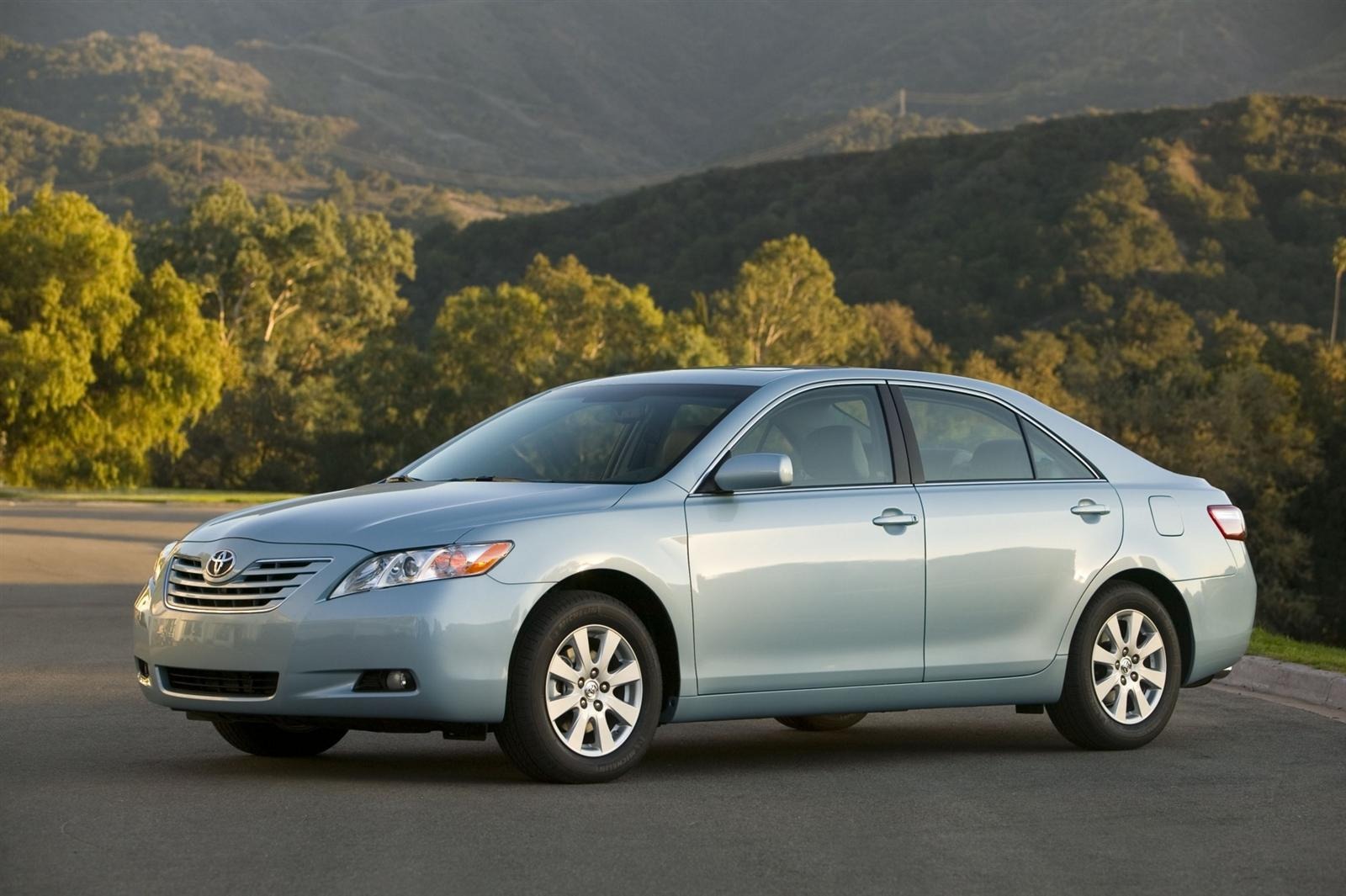
3. 2009 Toyota Camry
Slightly newer doesn’t necessarily mean noticeably safer here. The 2009 Camry still falls within the window associated with excessive oil consumption problems, and while it represents a small step forward from 2007 and 2008, it hasn’t fully escaped the reputation issues plaguing those earlier years.
Current complaint data paints a fairly clear picture. Reported problems for 2009 remain considerably higher than what you’ll find in most later Camry model years, suggesting that whatever engine concerns plagued the sixth generation hadn’t been fully resolved by this point in production.
Buyers hoping for a meaningful reliability jump compared to 2008 may end up somewhat disappointed. There’s another layer worth mentioning too.
The 2009 model carries recall history from this same general period, which makes checking the vehicle identification number an essential step before any purchase decision.
Skipping this check could mean unknowingly buying a car with unresolved recall work still outstanding. So where does that leave shoppers specifically eyeing this year? Treat it with the same caution applied to 2007 and 2008.
Ask for maintenance records, run the VIN through official recall databases, and consider a pre-purchase inspection focused specifically on oil consumption symptoms before committing to anything.
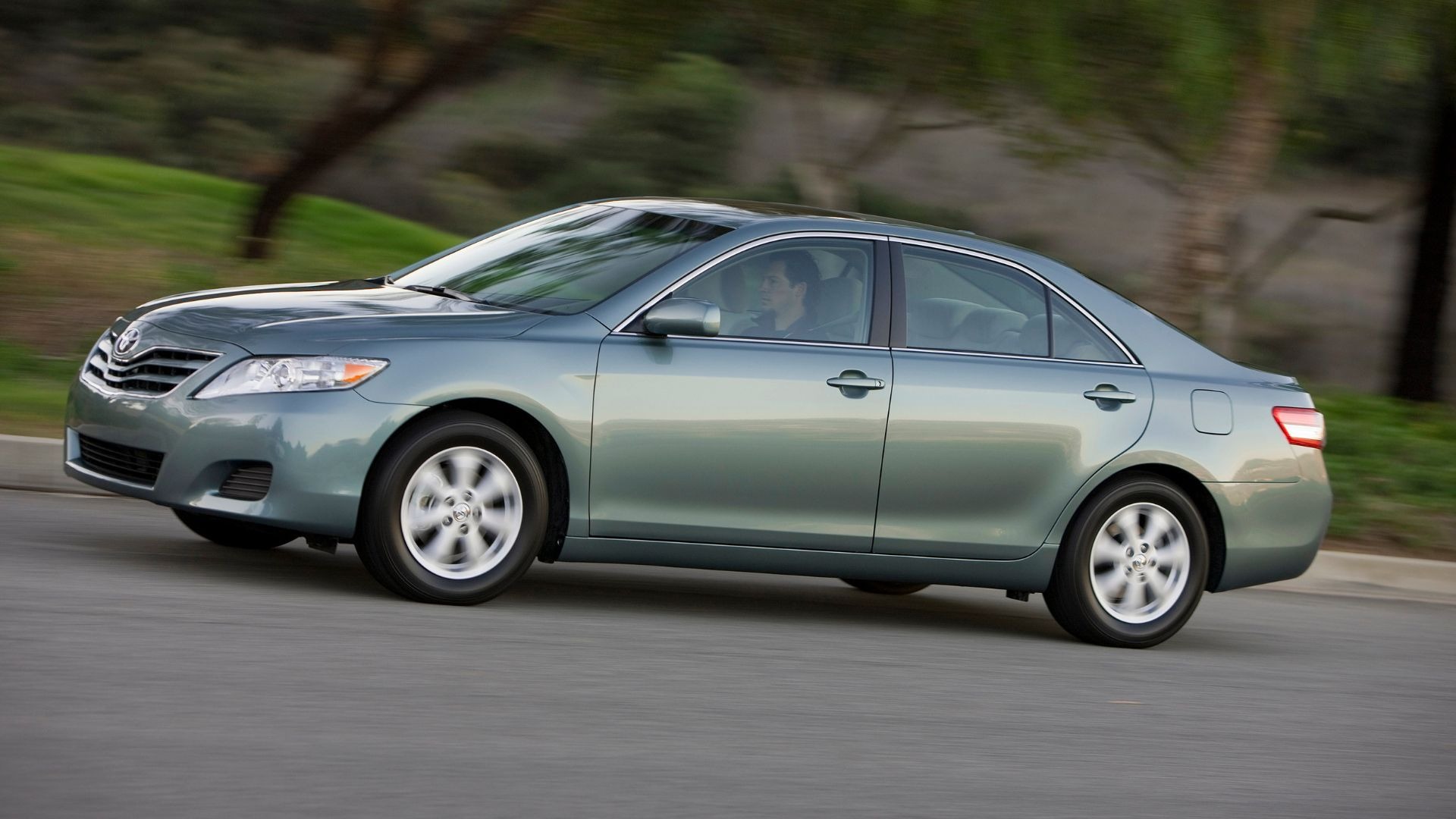
4. 2011 Toyota Camry
Here’s where things start looking a bit more promising, though perhaps not as dramatically as some buyers might hope. The 2011 Camry represents the final year of the sixth generation, and it’s best understood as a middle-ground option rather than a complete solution to the engine problems haunting earlier years.
Why the hesitation? Because the same 2.4-liter four-cylinder engine found in 2007 through 2009 still powers this model, and it can still experience oil-consumption issues under certain conditions. Toyota didn’t completely eliminate the underlying design concerns simply by reaching the end of this generation’s production run.
That said, there’s genuine improvement worth acknowledging. Complaint records for 2011 look considerably better than what you’ll find across 2007 through 2009 in several databases, suggesting that whatever refinements Toyota made during this stretch did help reduce the frequency of reported problems, even if they didn’t eliminate them entirely.
Should you call this the reliability champion of the sixth generation? Not quite. The improvement is real, but it’s not substantial enough to earn that title outright. Think of the 2011 model as a reasonable compromise, better than the years before it, but still requiring the same careful inspection process before purchase.
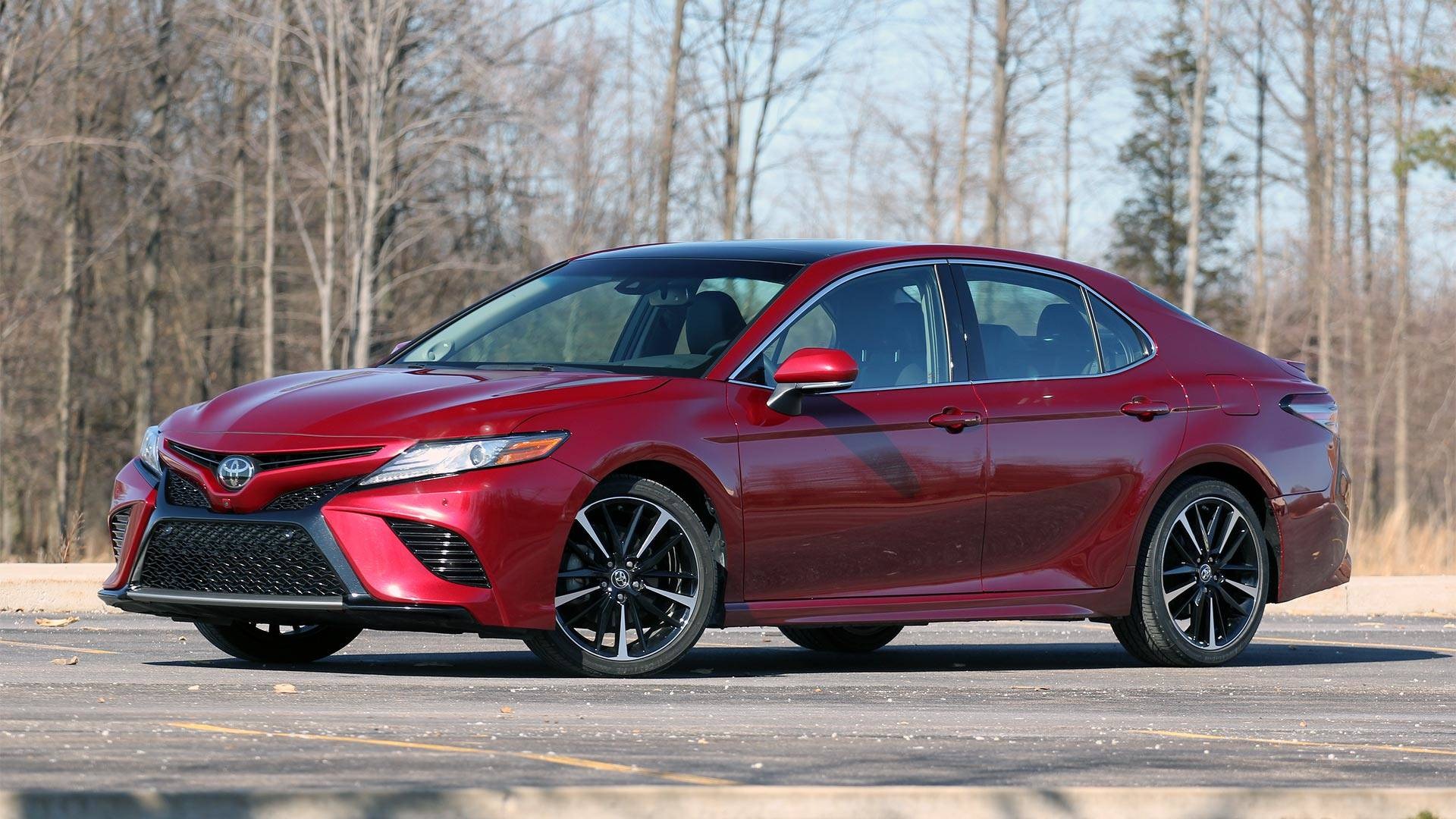
5. 2018 Toyota Camry
A new generation of any car usually gets people excited, and that was certainly the case with the 2018 Toyota Camry. It marked the beginning of the eighth generation and brought several major improvements over the previous model.
The 2018 Camry came with sharper handling, better technology, and a stronger range of safety features. Compared with the seventh-generation model, it felt more modern and offered drivers a more enjoyable experience behind the wheel.
However, there is one thing buyers should keep in mind. The first year of a new generation can sometimes come with a few problems, as manufacturers may still be fixing issues that were not noticed during development and testing. The 2018 Camry was not completely free from this situation.
Owner complaints and recall information show that the 2018 model had more reported issues than some of the later eighth-generation Camrys. Some drivers reported inconsistent transmission behaviour, while certain fuel-system problems led to recalls that required attention from Toyota dealers.
These issues do not automatically make the 2018 Camry a car to avoid. Its improvements over the older generation are still clear, and many owners have had good experiences with the vehicle.
However, anyone considering one should take extra care before buying. Check the car’s maintenance history, confirm that all recalls have been completed, and have a trusted mechanic inspect it properly. A careful inspection can save you from dealing with expensive problems later.
The 2018 Camry remains an attractive used-car option, but buyers should remember that it was the first year of a completely new generation.
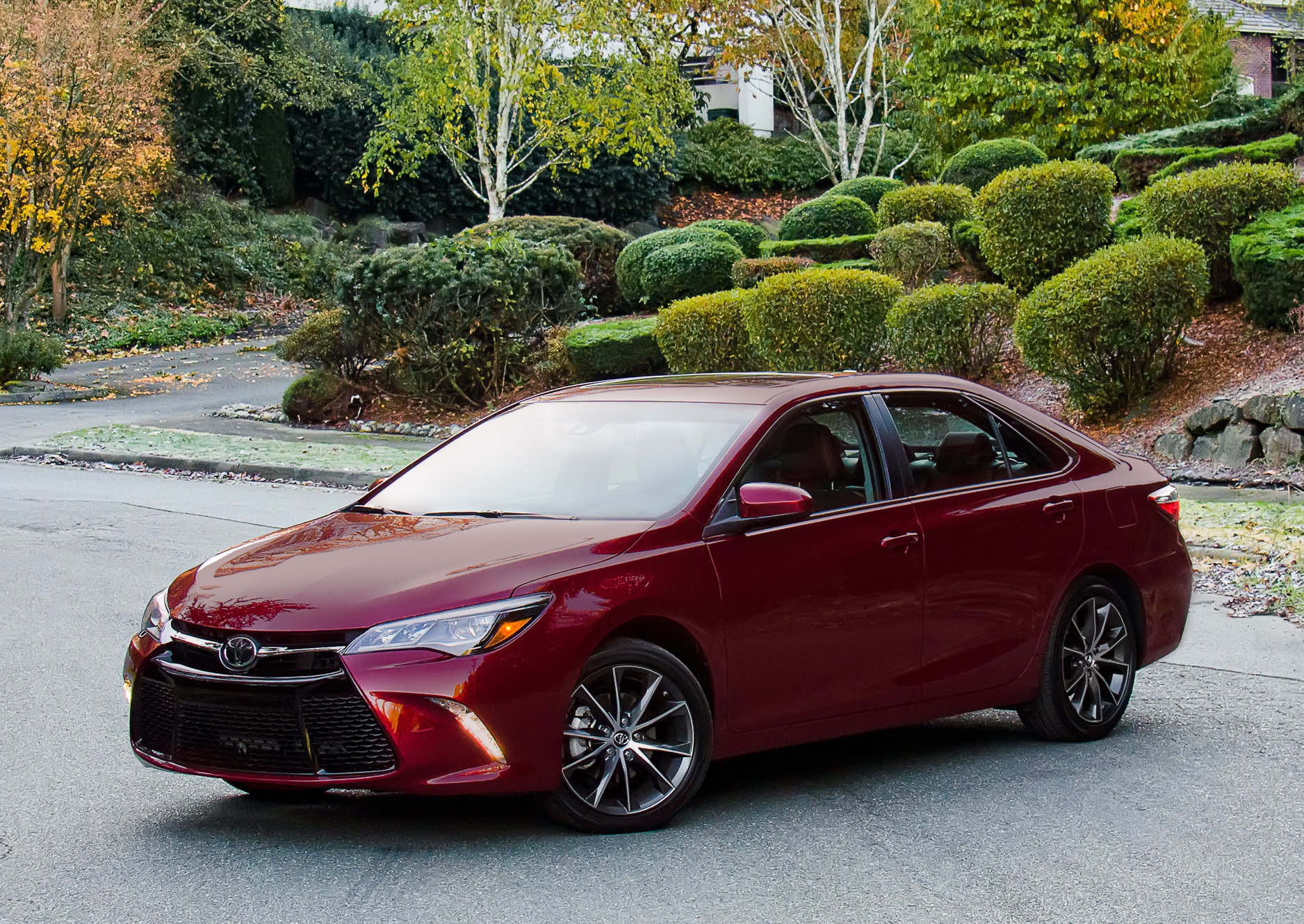
6. 2015 Toyota Camry
For anyone searching for a reliable used sedan without spending money on a newer generation, the 2015 Toyota Camry is a good option to consider. Toyota made several important changes to the seventh-generation Camry that year, giving it refreshed exterior styling, a better interior, and more useful features.
The standard engine is a 2.5-litre four-cylinder, while buyers who want stronger performance can go for the available V6. The four-cylinder engine makes the most sense for drivers who need a dependable car for everyday use and want to keep fuel and maintenance costs at a reasonable level.
Reliability is also one of the biggest reasons the 2015 Camry remains popular in the used-car market. Many buying guides and reliability ratings continue to place the 2015 to 2017 Camry among the stronger choices for people looking for an older used sedan.
This gives the 2015 model an advantage over some earlier years that may have more concerns. However, the condition of the particular car you are buying remains very important. A poorly maintained 2015 Camry can easily become an expensive problem.
Before buying one, check its service history, mileage, accident records, and general mechanical condition. A proper inspection can also help uncover problems that may not be obvious during a short test drive.
For buyers working with a reasonable used-car budget, the 2015 Camry offers a strong combination of affordability, comfort, safety, reliability, and useful technology. It feels modern enough for daily driving while costing less than newer models.
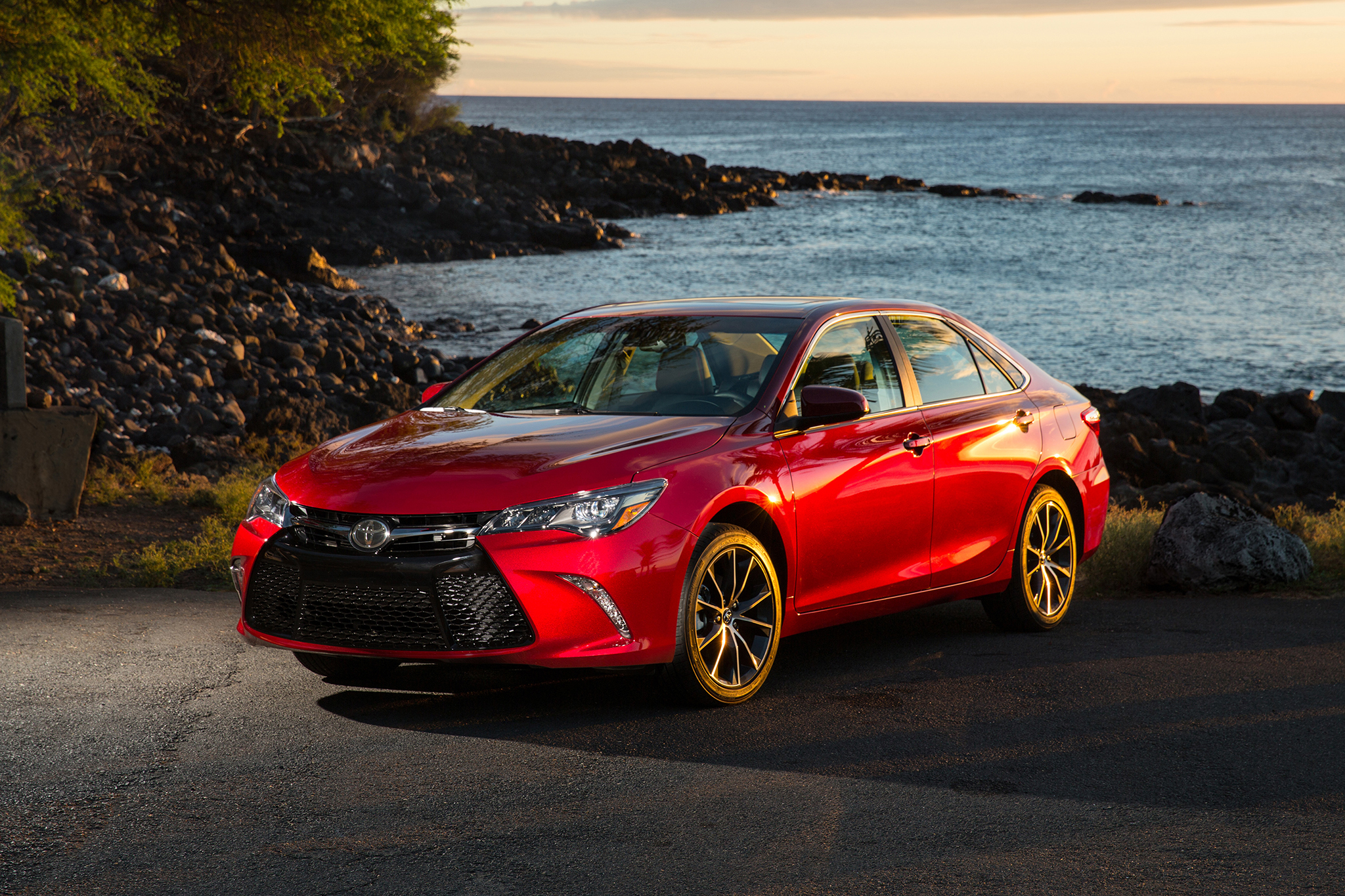
7. 2017 Toyota Camry
For anyone shopping for a used Toyota Camry, the 2017 model deserves a close look. It arrived as the final year of the seventh generation, giving Toyota several years to improve and refine the car’s mechanical components.
That experience helped produce a sedan with a solid reputation for dependability. Inside the cabin, the 2017 Camry offers a practical mix of comfort and useful equipment.
The 2.5-liter four-cylinder engine is a sensible choice for daily driving, while the available V6 gives buyers more power when stronger acceleration is needed. There is also enough interior room for passengers and family errands.
Reliability records add another reason to consider this model. Complaint data places the 2017 Camry among the stronger years, with fewer reported problems than several earlier versions. That makes it a safer choice for shoppers who want to avoid some of the engine concerns linked to older Camrys.
From a used-car perspective, its age also works in its favor. It is newer than the 2015 model but generally more affordable than many newer eighth-generation Camrys. This makes it a practical choice for buyers trying to balance vehicle age with purchase cost.
A well-maintained example with complete service records can provide years of dependable transportation. While newer Camrys may offer more technology and updated features, the 2017 model still has a proven mechanical setup and comfortable cabin.
For buyers searching for a reliable used sedan, the 2017 Camry remains a strong option. Its combination of durability, reasonable pricing, available V6 power, and practical design makes it worth serious consideration.
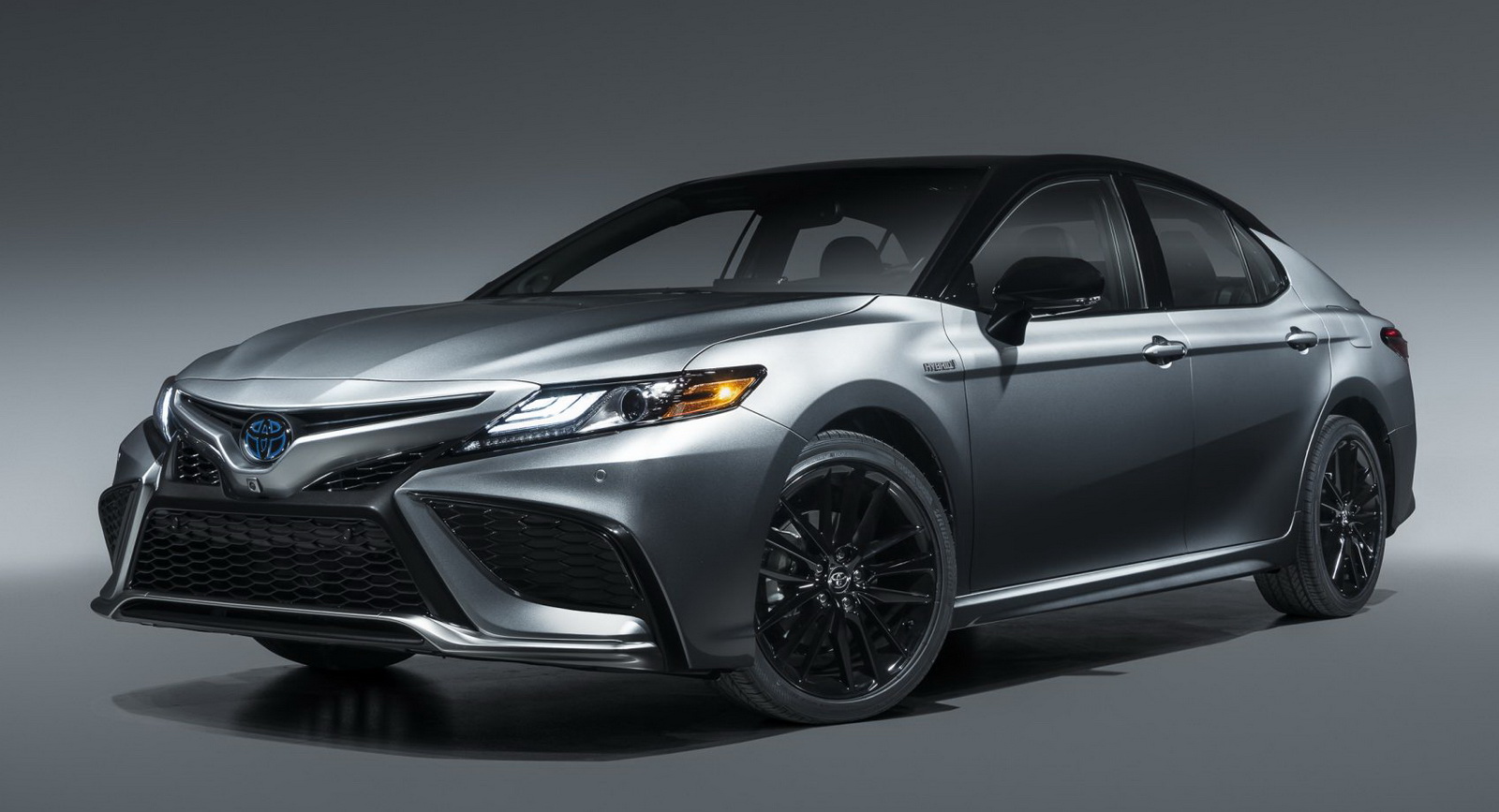
8. 2021 Toyota Camry – Best Pick
When choosing between these eight Toyota Camry models, the 2021 version stands out as the strongest choice because it offers a newer design without giving up the reliability Camry buyers expect. By this stage,
Toyota had already produced the eighth-generation Camry for a few years, allowing the company to improve areas that may have caused concerns during the early production period.
The 2021 model comes with several advantages that older versions cannot easily match. Its cabin feels more current, while the safety features and technology are more up to date.
For someone comparing it with the 2015 or 2017 Camry, the newer model can provide a more comfortable ownership experience with less age-related wear.
Consumer Reports gives the 2021 Camry a strong reliability rating compared with other vehicles from the same year. Buyers can choose from different powertrains, including a four-cylinder engine, V6, or hybrid system, depending on the trim and configuration.
Naturally, purchasing a 2021 Camry will require more money than buying an older model. Still, that higher price can be worthwhile when you consider the newer safety equipment, reduced wear, and potentially lower maintenance needs.
It should suit drivers who want dependable daily transportation without going too far back in model years. For buyers who want the best combination of reliability, age, technology, and daily practicality, the 2021 Camry deserves the top position.
Those working with a smaller budget can still consider the 2015 or 2017 models, but the 2021 offers the most complete package among these eight choices.
