
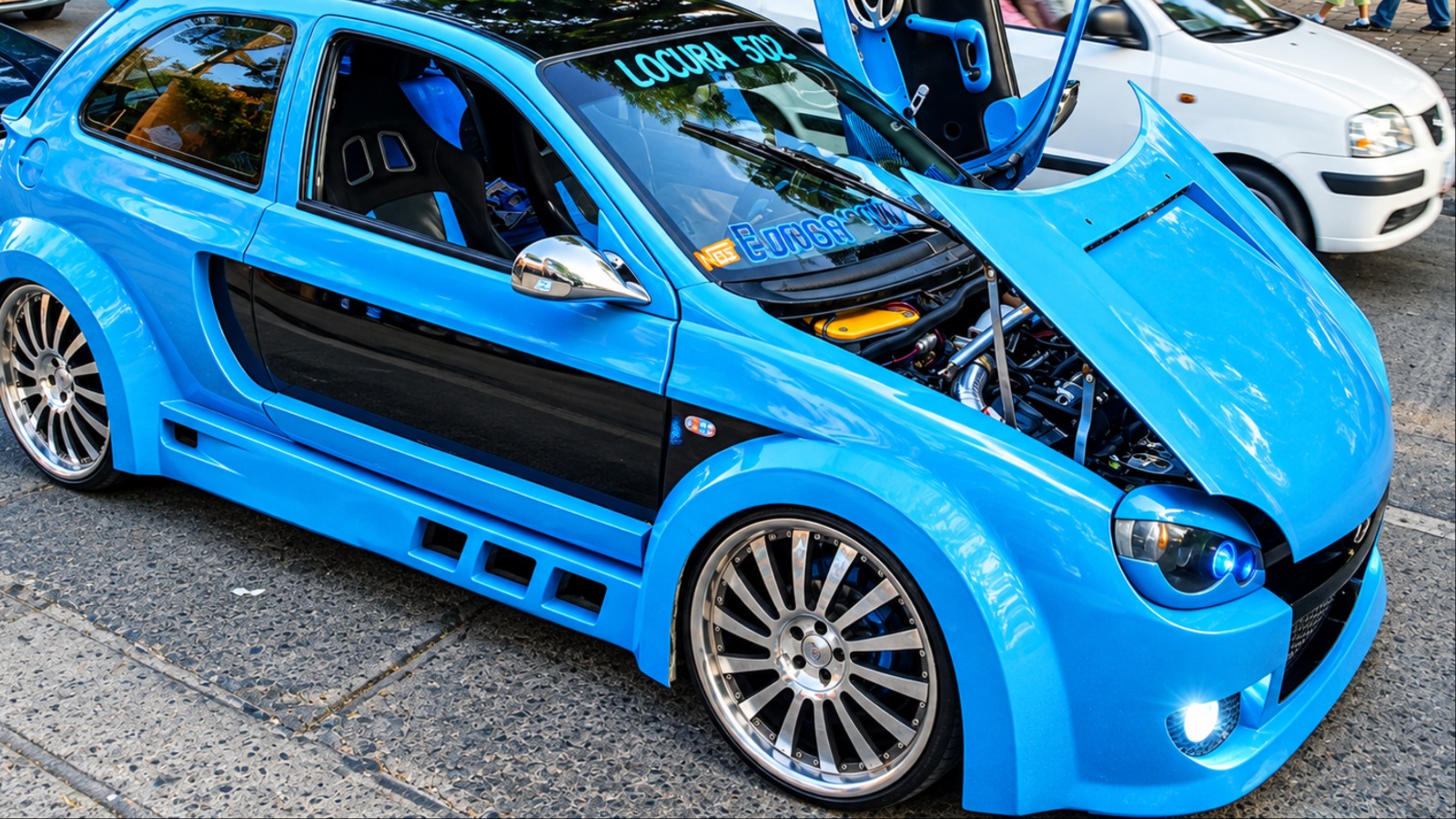
A vehicle modification that is perfectly acceptable on an American road may create a legal problem once you cross into Canada. That is easy to overlook, especially when a modification looks harmless or has become popular among car owners. Canadian rules can restrict changes involving window tint, lighting, exhaust systems, suspension, wheels, safety equipment, and emissions controls.
Requirements can also vary by province, so a modification that passes inspection in one place may face different rules elsewhere. Before taking a modified vehicle across the border or installing a new part, it pays to understand what Canadian regulations may require. Here are 10 common US-style modifications that can cause trouble on Canadian roads.
1. Tinted Front Windows and Windshield
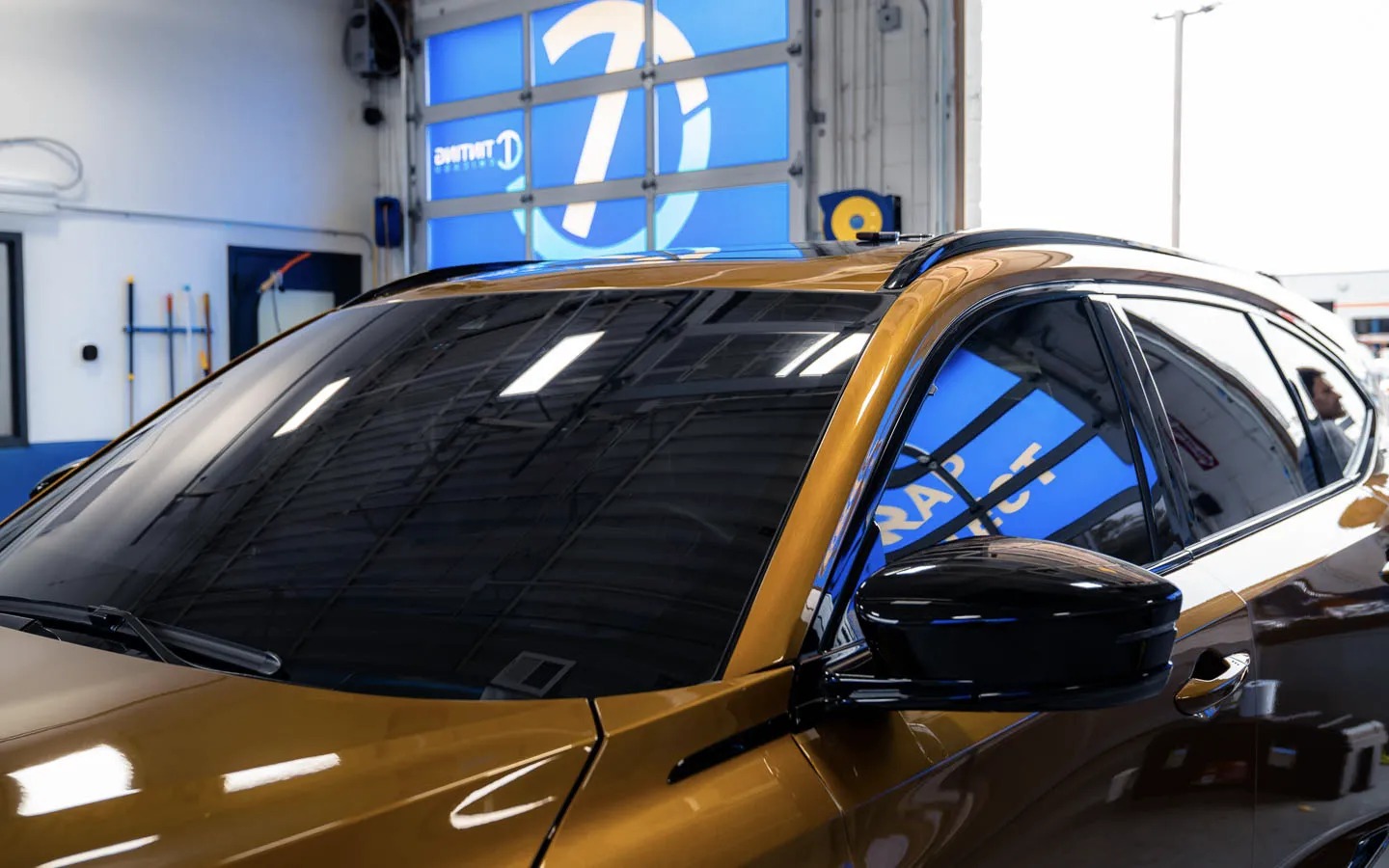
Dark window tint can give a vehicle a sleek appearance, reduce glare, and help keep the cabin cooler. The problem starts when tint on the windshield or front side windows becomes darker than Canadian rules permit.
Requirements vary by province, but restrictions on front-window tint are generally intended to preserve the driver’s view and allow police officers to see into the vehicle when necessary.
For an American driver, this can be an easy rule to miss. A tint percentage that is legal where the vehicle was modified does not automatically make it acceptable for use in Canada. Factory glass, aftermarket film, and windshield treatments may also be treated differently under provincial requirements.
The safety reason is straightforward. Drivers need a clear view of traffic, pedestrians, cyclists, signs, and road hazards, particularly at night or during poor weather. Excessively dark glass can reduce the amount of available light entering the cabin.
If you are planning a cross-border trip, check the province or provinces where you will drive rather than relying on the rules from your home state.
A vehicle that looks completely ordinary at home can still attract attention if its front windows are darker than permitted. Removing or replacing noncompliant film before traveling can prevent an unnecessary traffic stop, inspection, or fine.
2. Removal or Modification of Airbags and Safety Features
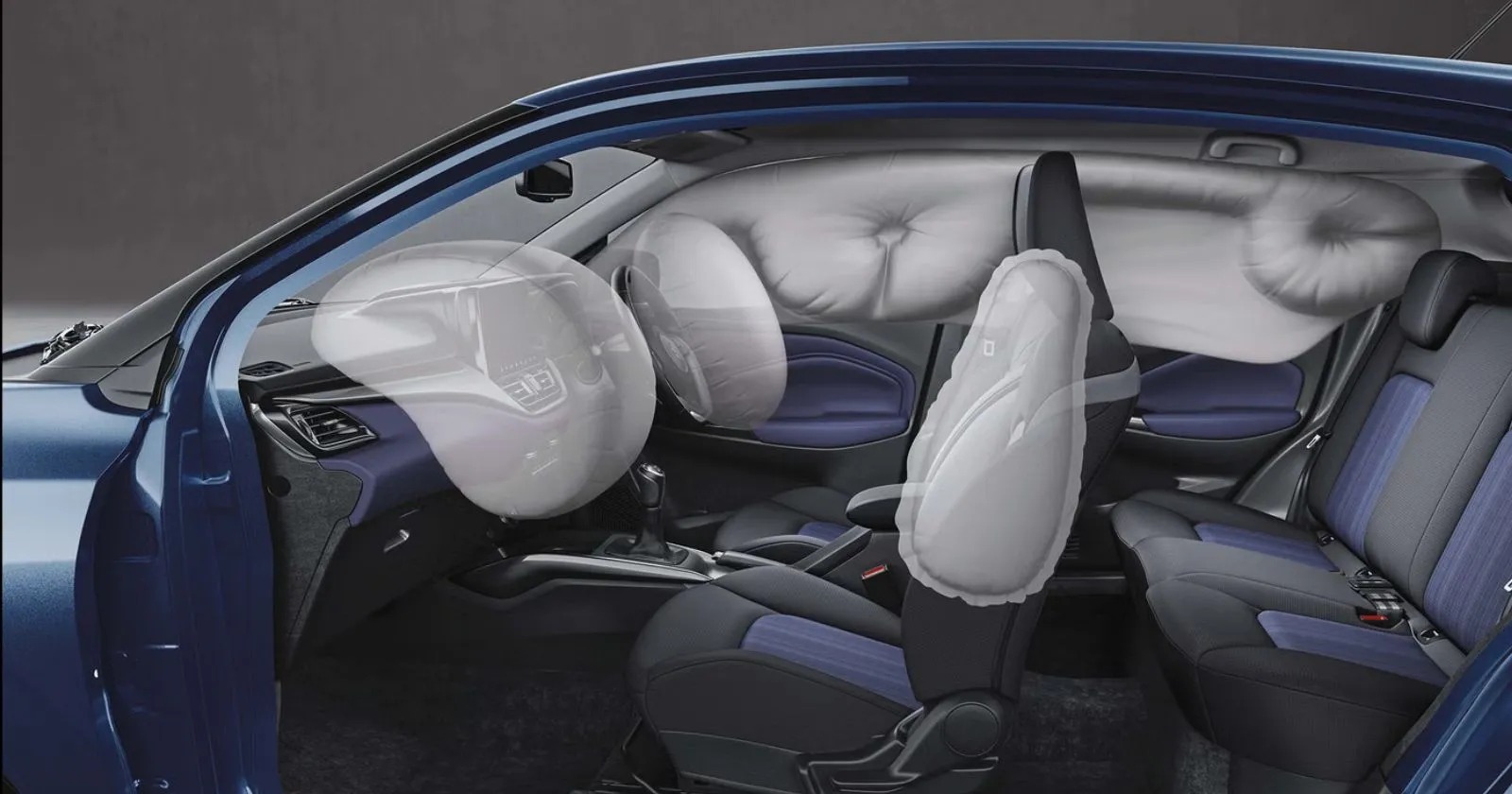
Airbags and other factory-installed safety systems are not decorative equipment. They are engineered as part of the vehicle’s occupant-protection system, which means removing, disabling, relocating, or bypassing them can create serious legal and safety concerns in Canada.
Some vehicle owners modify interiors for racing, custom builds, restorations, or appearance purposes. During those projects, an airbag, seatbelt component, warning sensor, or other safety feature may be removed.
A replacement steering wheel, for example, may not contain the same airbag system as the original equipment. While such changes can be common in certain US enthusiast communities, they can create problems when a vehicle must meet Canadian safety requirements.
There is also a practical reason regulators take these systems seriously. Modern safety equipment is designed to work together during a collision. Altering one component can affect sensors, restraints, warning systems, or deployment behavior.
A vehicle owner should therefore avoid assuming that an aftermarket part is acceptable simply because it fits physically. Compatibility and legal compliance are separate issues.
If a modification affects airbags, seatbelts, restraint systems, or other factory safety equipment, professional advice is worthwhile before the vehicle is driven on public roads in Canada.
For cross-border owners, keeping original safety equipment installed is usually the safer approach. A stylish interior modification is not worth creating a safety or compliance problem.
3. Modified or Aftermarket Exhaust Systems Outside Noise Standards
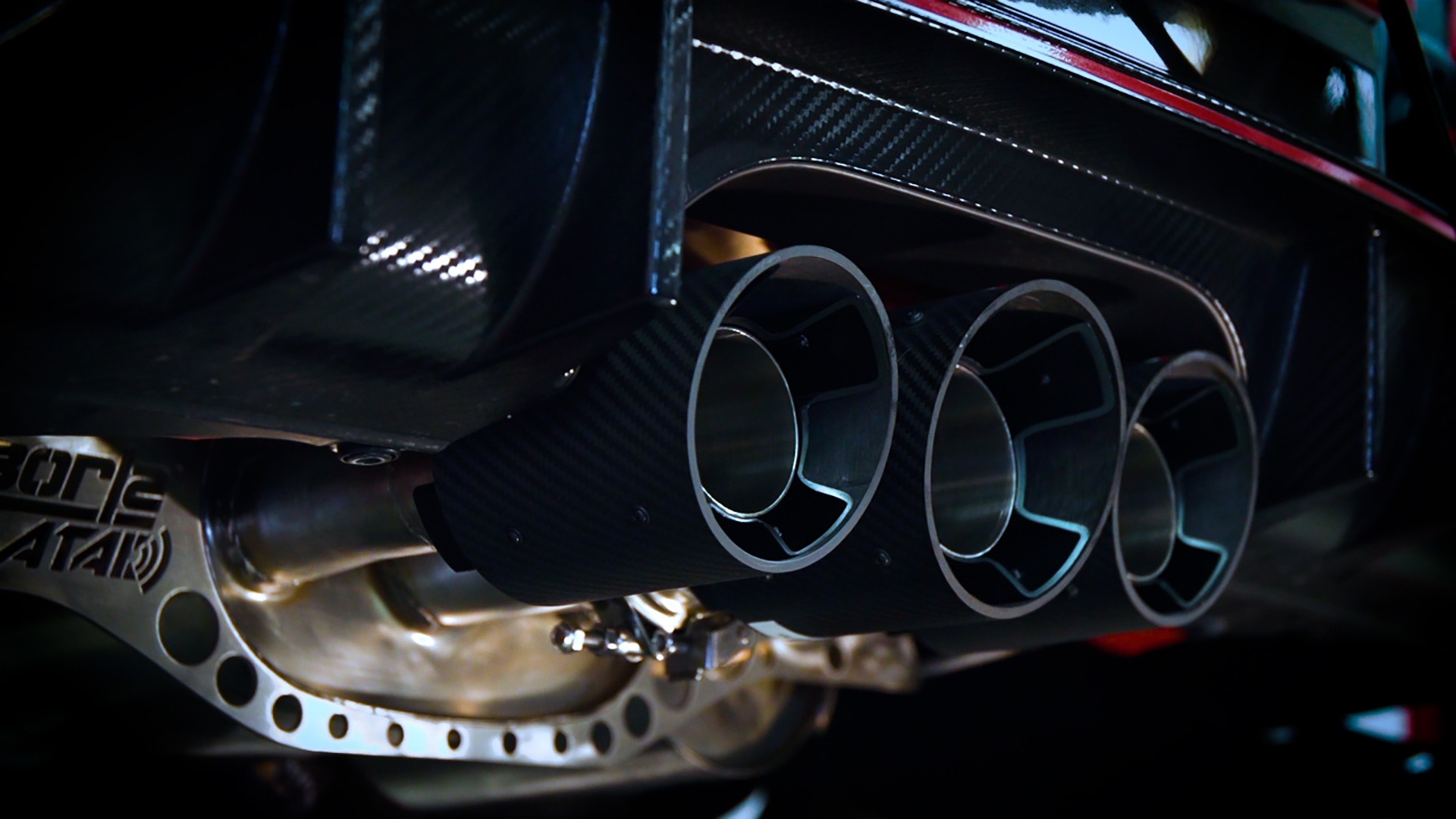
Loud aftermarket exhaust systems have become something of a cultural staple among certain segments of American car enthusiasts, with plenty of drivers proudly showing off modifications that make their vehicle noticeably louder than stock configurations ever intended.
Canada’s regulations take a considerably firmer stance against this particular trend, especially when modifications push noise levels beyond established legal limits.
Federal and provincial regulations work together here, targeting exhaust modifications that exceed permitted noise thresholds, alongside changes that remove catalytic converters or otherwise bypass emissions control systems entirely.
This isn’t simply about noise complaints from annoyed neighbors, either, though that certainly factors into enforcement priorities in residential areas and busy urban environments where excessive vehicle noise creates genuine quality-of-life concerns for residents.
Emissions compliance ties directly into this restriction too. Aftermarket exhaust systems that remove or bypass catalytic converters allow considerably more pollutants to escape into the atmosphere, directly contradicting Canada’s broader environmental regulations designed to limit vehicle emissions across the entire national fleet.
Combining excessive noise with compromised emissions control essentially creates a modification that violates multiple regulatory categories simultaneously.
Enforcement varies somewhat by province and municipality, but drivers with modified exhaust systems risk genuine fines, particularly in areas where noise bylaws receive active enforcement attention.
Vehicle inspections required for registration in certain provinces can also flag non-compliant exhaust modifications, potentially preventing successful registration until the owner restores compliant equipment or demonstrates the modification meets required noise and emissions standards.
4. Obscured or Altered Licence Plates
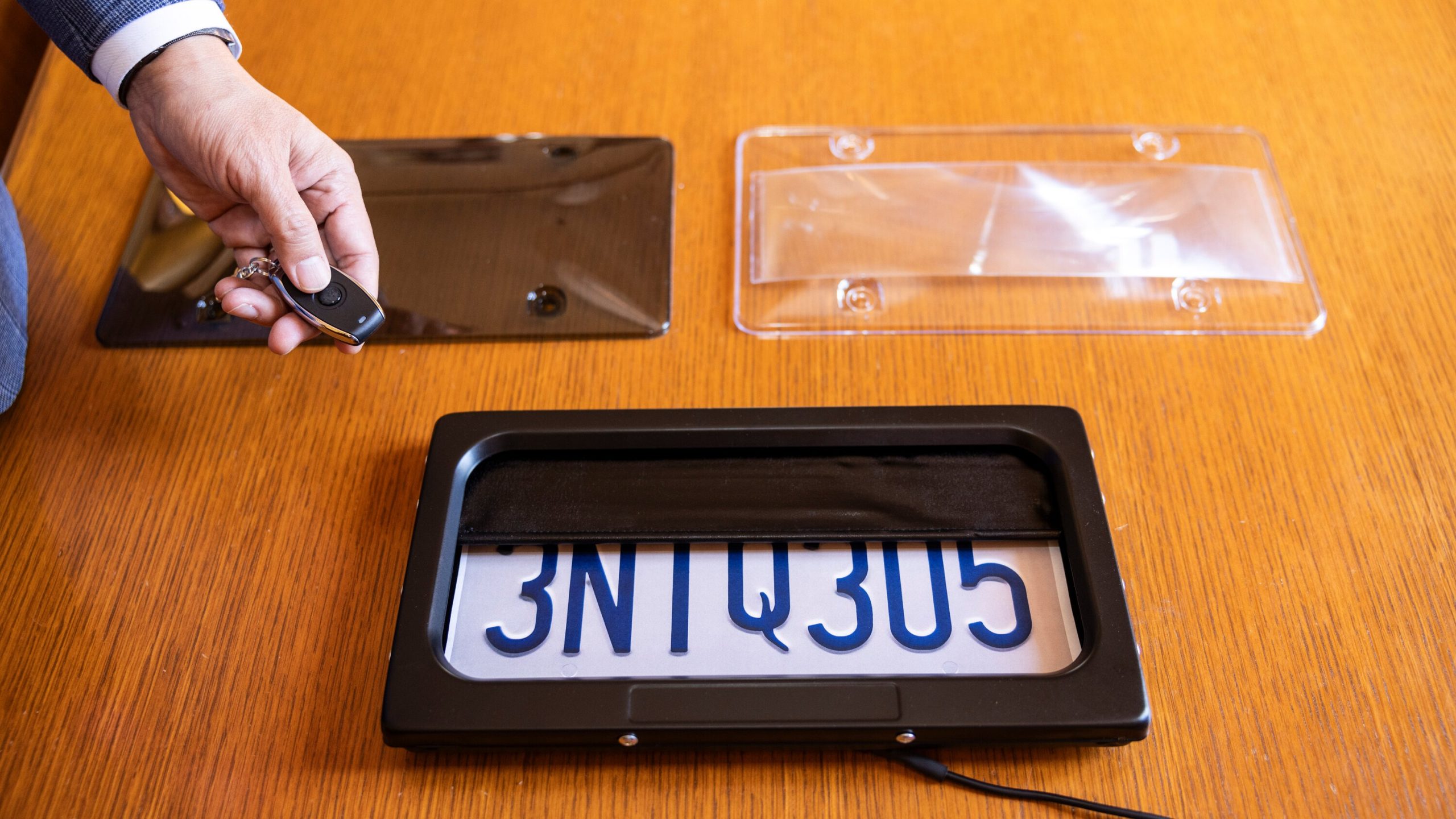
A licence plate serves one basic purpose, which is to make a vehicle easy to identify. Adding a tinted cover, decorative frame, smoked plastic, dirt, or any other obstruction can make the plate harder to read. In Canada, this can also lead to a violation depending on the circumstances and local regulations.
Some vehicle owners use plate covers because they believe the accessory protects the plate from weather, cameras, scratches, or theft. Others install smoked covers because they prefer the appearance.
The trouble is that even a product sold as a styling accessory can make letters, numbers, validation markings, or other plate information harder to read.
Canadian authorities need plates to be visible for routine enforcement, parking matters, toll systems, investigations, and other official purposes. If a cover changes the appearance or readability of the plate, an officer may consider the vehicle noncompliant.
Plate placement matters, too. A plate should be mounted where required and remain clearly visible from the appropriate viewing angles. Frames or accessories should not cover important information.
This rule is particularly useful for American drivers because decorative plate accessories are widely available in the aftermarket. A product being legal for sale does not necessarily mean it can legally be used on a road in every jurisdiction.
If you have a modified vehicle, inspect the plate before crossing into Canada. Remove anything that obscures the characters or required markings. A clean, unobstructed plate is a simple way to avoid an issue that serves little purpose from a styling perspective.

5. Colored or Emergency-Style Lighting
Lighting modifications can completely change the appearance of a vehicle, especially when they include underbody illumination, flashing LEDs, grille lights, or colored accent lamps.
Yet certain colors and lighting patterns are heavily restricted in Canada because they can resemble the signals used by emergency vehicles.
Red, blue, and certain other colors can carry special meanings depending on provincial law and the location of the light. Flashing patterns can create another concern because emergency vehicles use distinctive lighting to alert drivers and request the right of way.
This does not mean every aftermarket light is prohibited. The problem depends on factors such as color, placement, visibility, flashing behavior, and intended use. A light that looks attractive at a car show can become unlawful when used on public roads.
The safety concern is easy to understand. Drivers must be able to recognize headlights, brake lights, turn signals, hazard signals, and emergency lighting quickly. Unusual colors or patterns can cause confusion, especially in heavy traffic or poor visibility.
American vehicle owners should be particularly careful with underglow kits and decorative LED systems marketed for customization. Before using them in Canada, verify the applicable provincial rules instead of assuming that a road-legal setup in a US state will receive the same treatment.
Keeping decorative lighting within permitted colors, positions, and operating patterns can preserve the custom appearance without creating unnecessary attention from law enforcement.
6. Excessive Lift or Lowering Kits
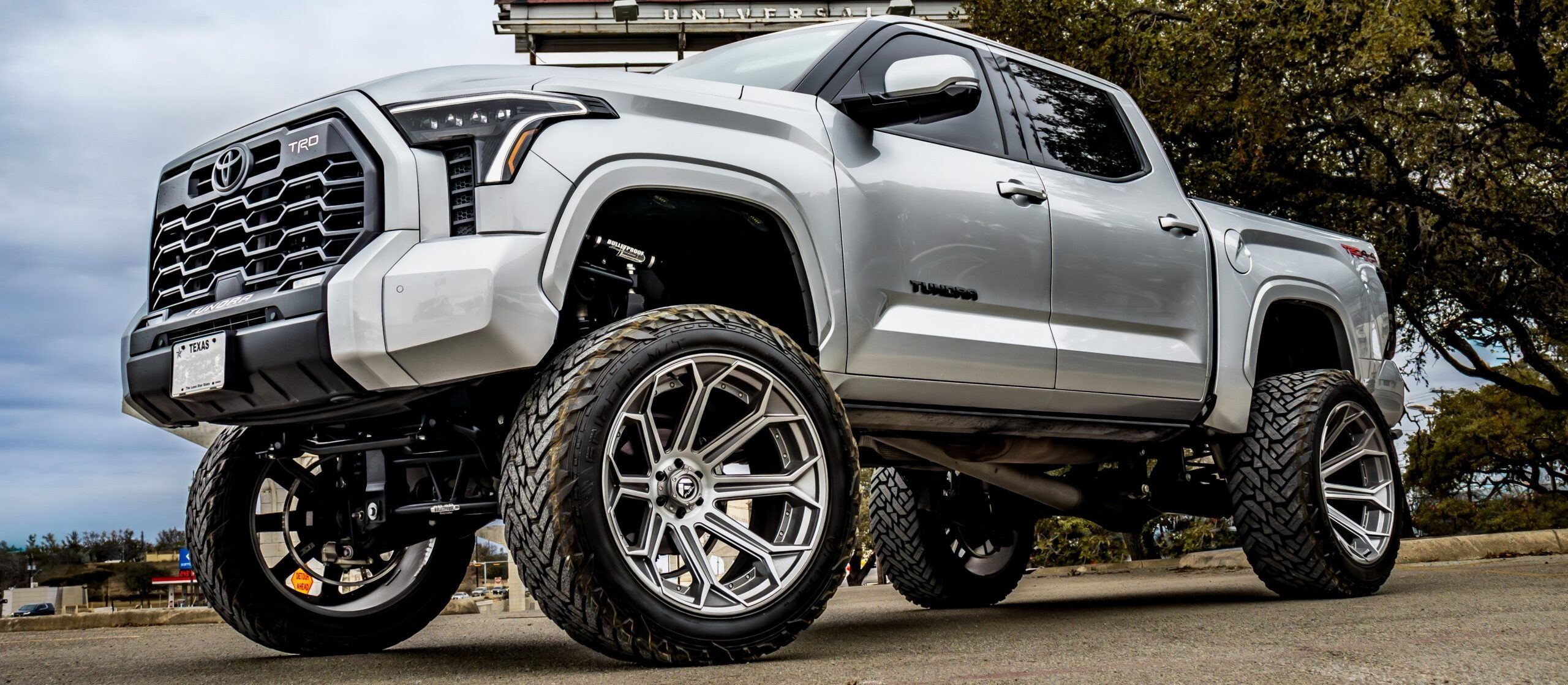
Truck enthusiasts across the United States frequently install substantial lift kits, pushing their vehicles considerably higher than factory specifications ever intended, while other drivers prefer the opposite approach, lowering their cars dramatically for a more aggressive stance.
Canada regulates both directions of this modification considerably more strictly than many US states, with specific limits varying by province. British Columbia offers a clear example of how these regulations work in practice.
Lift kits raising a vehicle more than 10 centimeters above manufacturer specifications become illegal under provincial regulations, regardless of how popular or common that particular lift height might be among truck enthusiasts across the border.
Similar restrictions apply to lowering modifications, since dropping a vehicle too dramatically creates its own set of genuine safety concerns. Stability represents the core safety issue driving these restrictions.
Vehicles lifted beyond safe limits experience a considerably altered center of gravity, increasing rollover risk during hard cornering or emergency maneuvers that the vehicle’s original engineering never accounted for.
Excessive lowering creates different but equally genuine problems, often compromising ground clearance to the point where normal road irregularities, speed bumps, or steep driveways become genuine hazards for the vehicle’s undercarriage. Braking performance also factors into why these limits exist.
Manufacturers carefully calculate suspension geometry to ensure brakes function as designed, and dramatic lift or lowering modifications can throw that geometry out of balance, potentially reducing braking effectiveness when drivers need maximum stopping power most urgently during genuine emergencies on the road.
7. Changing Headlight or Taillight Colors
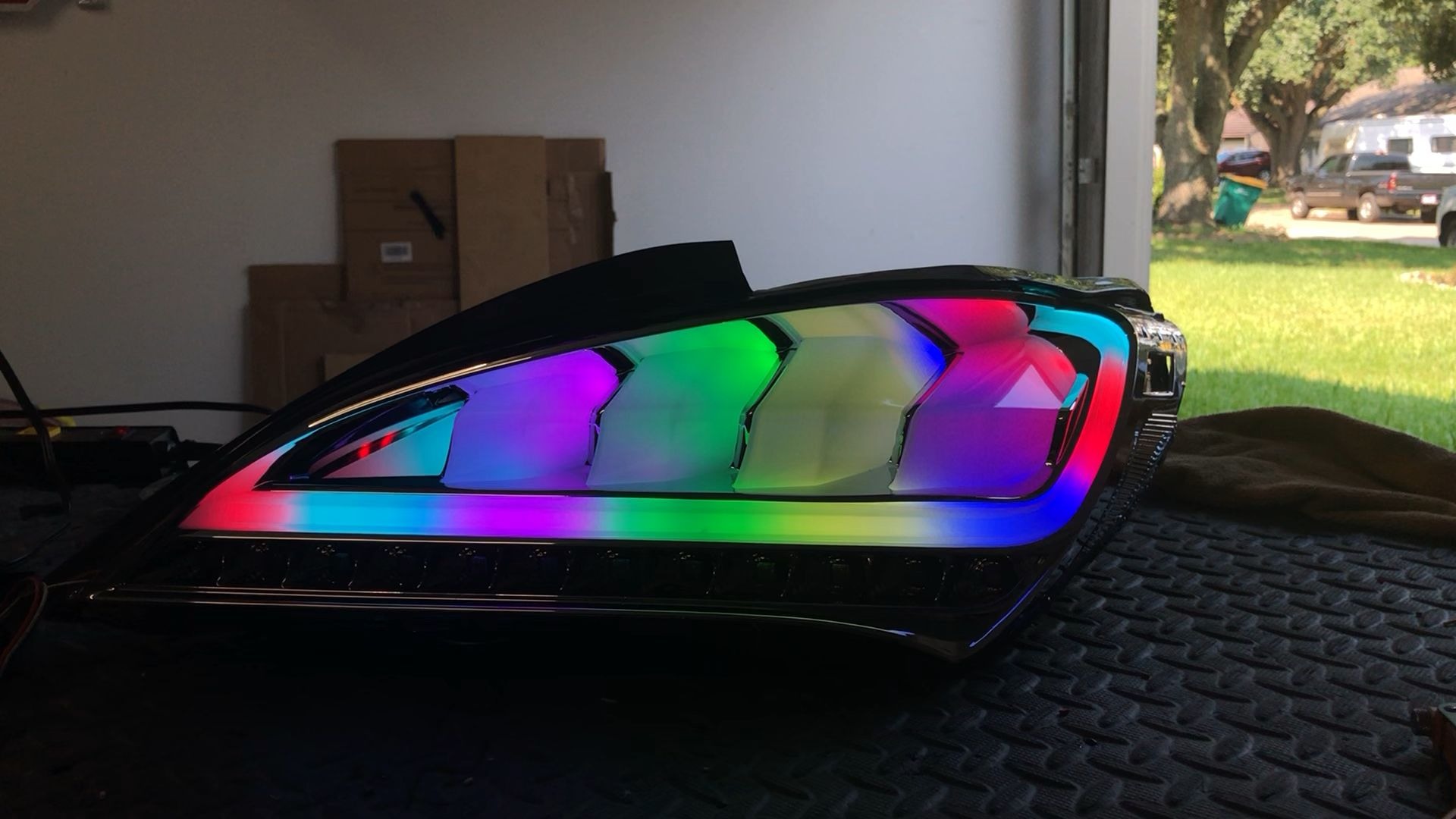
Vehicle lighting uses standardized colors for a reason. White headlights help identify the front of a vehicle, red lights generally identify the rear, and amber lighting is commonly used for turn signals and other required functions.
Changing those colors can make a vehicle harder for other road users to interpret. Aftermarket bulbs, colored films, LED conversions, and decorative housings can all change the appearance of required lights.
Some modifications may look subtle during the day but become much more noticeable at night. If the resulting color does not comply with applicable Canadian requirements, the vehicle may be considered improperly equipped.
Imagine approaching an unfamiliar vehicle after dark. You rely on the color and location of its lights to understand whether it is coming toward you, moving away, braking, or turning. Nonstandard colors can interfere with those visual cues.
This is why simply asking whether a particular bulb fits the original socket is not enough. The replacement must also provide the appropriate light output, color, positioning, and function.
American owners should pay close attention to colored headlight films and aftermarket LED kits. A product advertised for styling purposes may not be intended for legal road use in Canada.
Before changing required lighting, check provincial equipment standards and make sure the modification preserves the correct color and function. Decorative lighting can still be used in permitted ways, but essential road signals should remain easy for other drivers to recognize.
8. Removal of Emissions Control Equipment
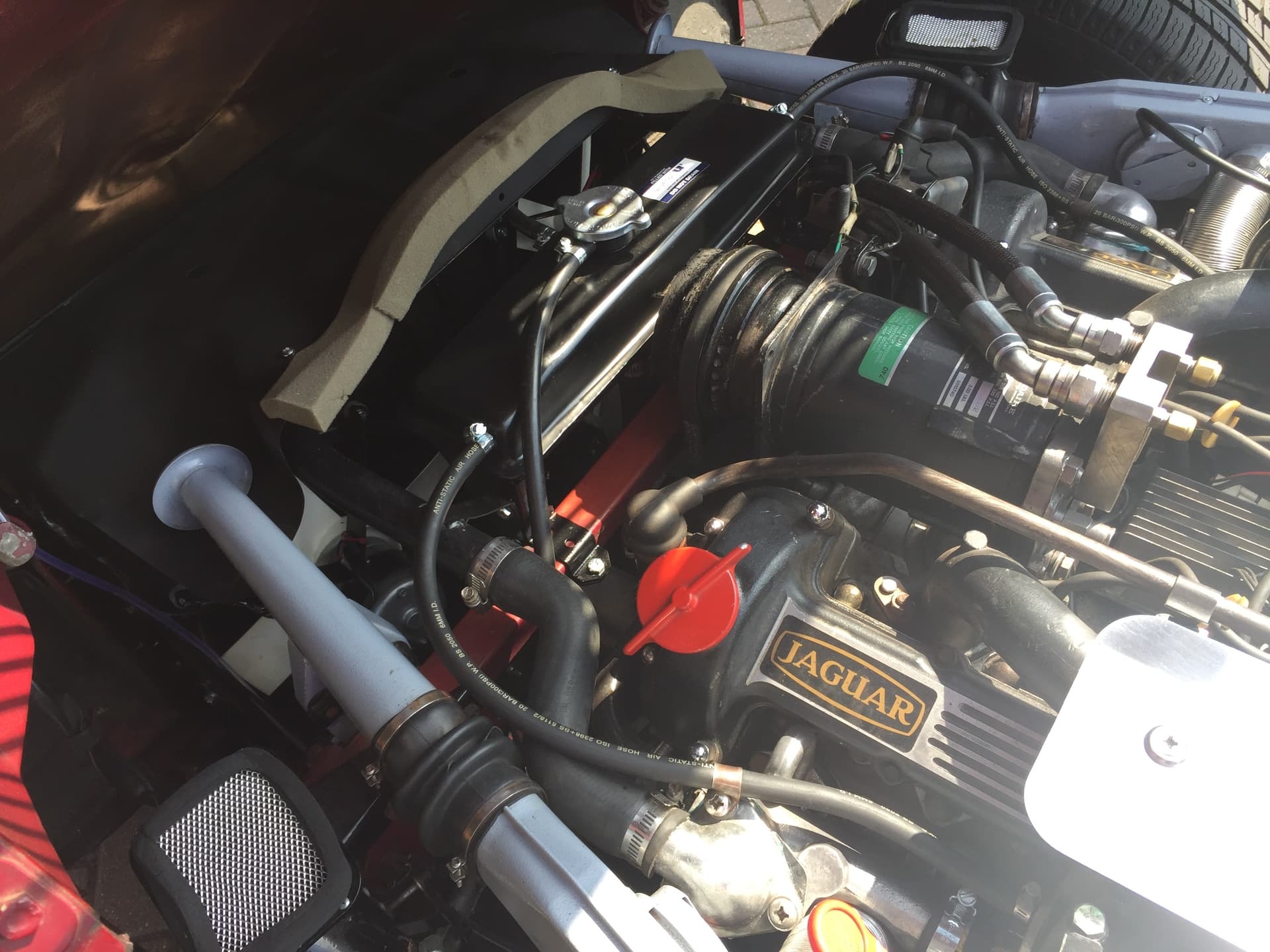
Removing emissions equipment is one of the clearest ways a performance modification can create legal trouble. Catalytic converters, oxygen sensors, and related components are installed to reduce pollutants and help the engine operate within required emissions standards.
Some performance builds remove these parts to increase exhaust flow or produce a different engine sound. Others use software or hardware intended to disable warning systems associated with emissions equipment.
These changes may appear attractive to someone focused on horsepower, but they can violate Canadian environmental requirements. A catalytic converter, for instance, helps reduce certain harmful pollutants before exhaust gases leave the vehicle.
Oxygen sensors provide information used by the engine management system to control combustion. Removing or bypassing these components can affect both emissions and vehicle operation.
Federal environmental rules apply across Canada, while provinces may have additional requirements or enforcement procedures. That means a vehicle owner should not assume that a modification approved or tolerated in a particular US location will receive the same treatment north of the border.
There is also a resale concern. A vehicle with missing emissions equipment may require costly repairs before it can be returned to compliant condition. Insurance and inspection issues can add further expense.
For anyone building a performance vehicle, the better approach is to select parts designed to work with the original emissions system. Increased power does not require abandoning equipment that regulators expect the vehicle to retain.
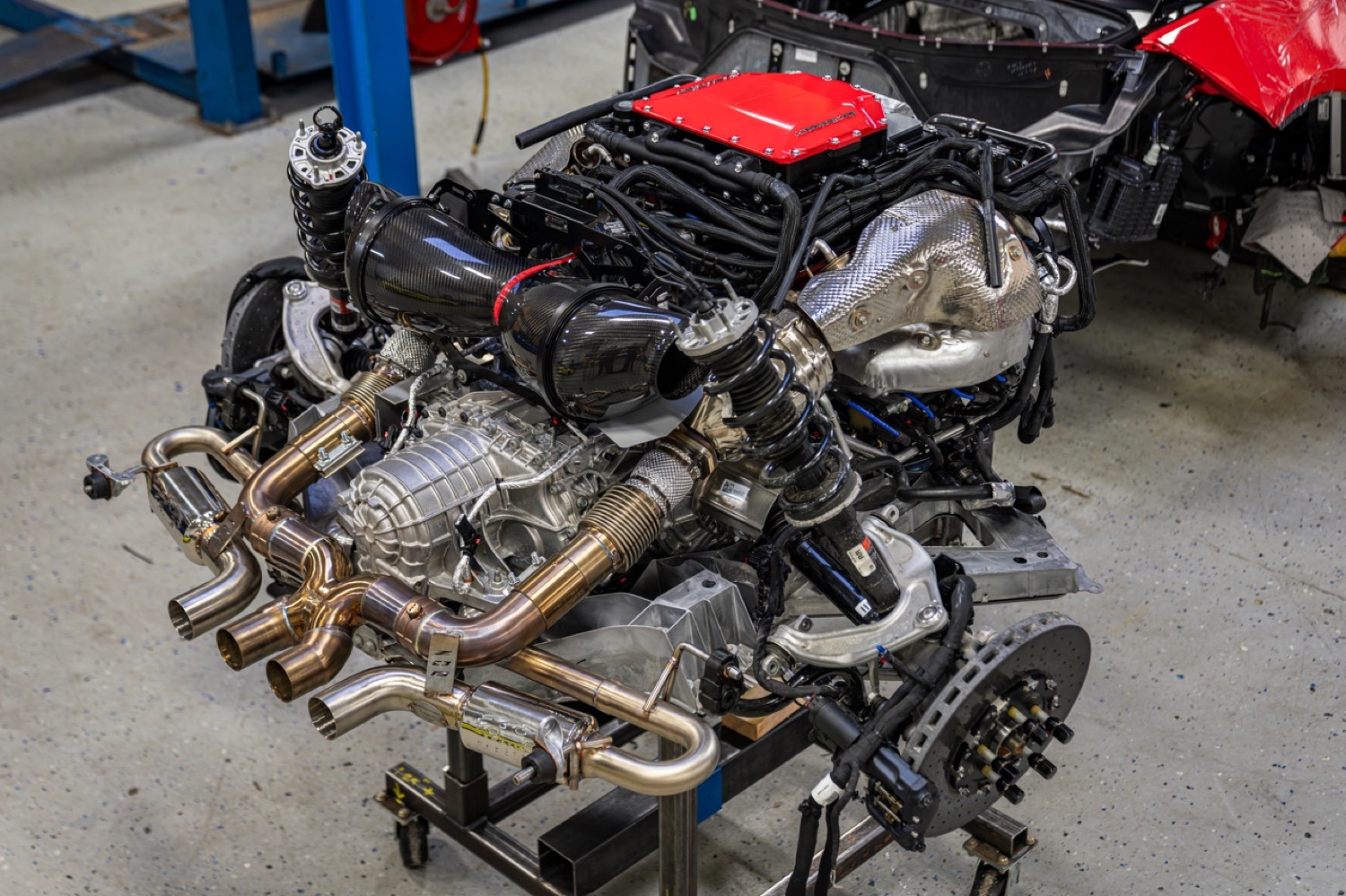
9. Engine and Performance Modifications Without Compliance
More horsepower can be tempting, especially with today’s tuning software, turbochargers, superchargers, intake systems, and electronic engine controls. Yet performance upgrades need to be considered from more than a power-output perspective when a modified vehicle will be driven in Canada.
Engine tuning can change fuel delivery, ignition timing, boost pressure, exhaust behavior, and other operating characteristics. If those changes cause the vehicle to exceed emissions requirements or interfere with required safety systems, the modification may create a legal problem.
A tune that simply changes throttle response is not necessarily treated the same way as a calibration that disables emissions controls. Likewise, adding forced induction does not automatically make a vehicle unlawful. The question is whether the finished vehicle continues to meet the requirements that apply to it.
Insurance can also become an important consideration. A major performance modification may need to be disclosed to an insurer. Failure to provide accurate information could create coverage problems after a collision or claim.
American drivers bringing modified cars into Canada should therefore keep documentation for aftermarket components and professional installation work. Knowing exactly what has been changed makes it easier to determine whether the vehicle remains compliant.
Performance and legality do not have to be enemies. The safest strategy is to use reputable components, preserve required emissions and safety equipment, and confirm applicable Canadian rules before making major changes to engine management or output.
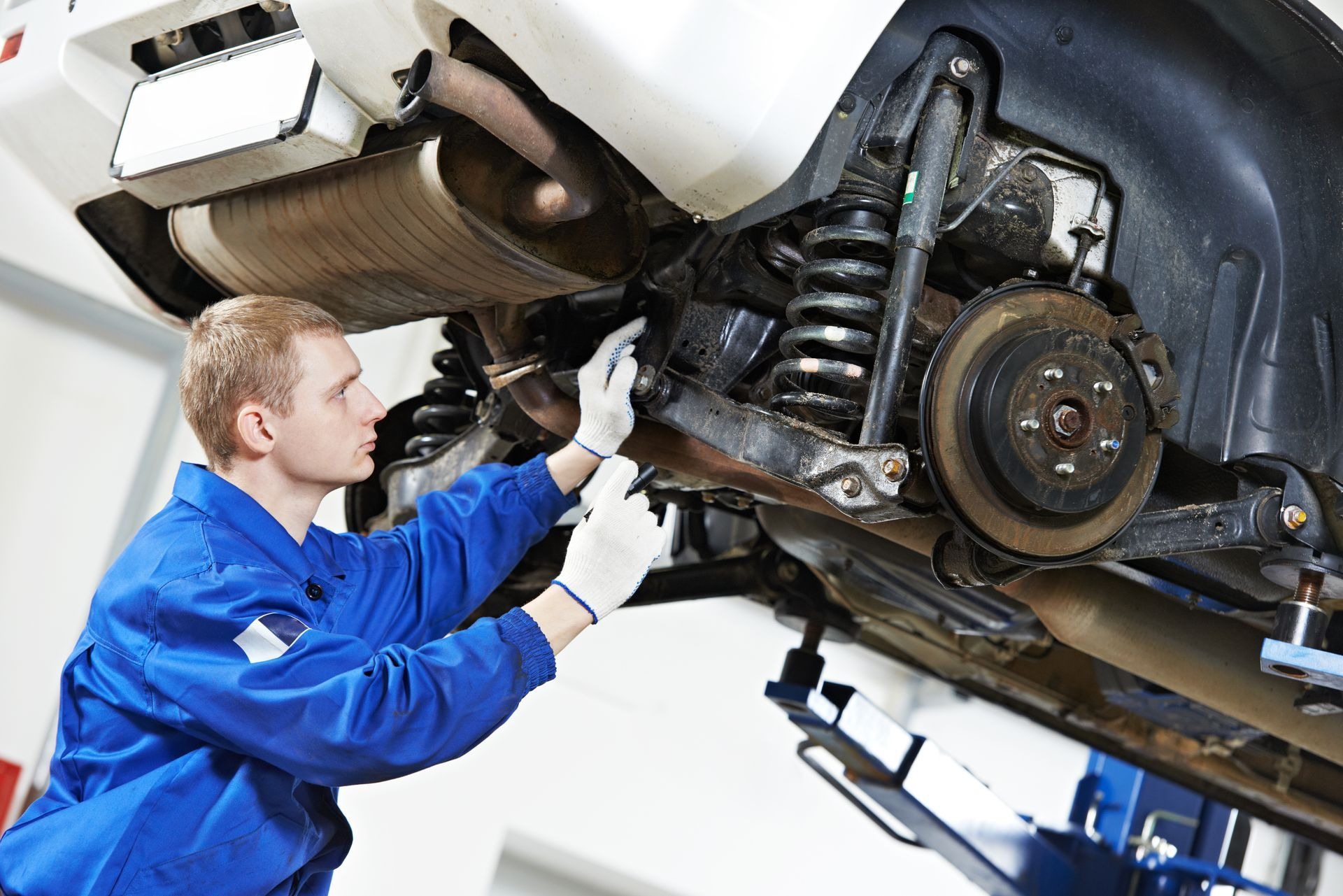
10. Unsafe Wheel or Suspension Alterations
Wheels and tires are often among the first parts owners change because they can transform a vehicle’s appearance without replacing the engine or bodywork. Still, wheel fitment is about much more than style. Incorrect dimensions or suspension changes can affect steering, braking, tire clearance, and vehicle stability.
Problems can occur when tires rub against suspension components, body panels, or steering parts. Excessive wheel offset can push tires outside the vehicle’s body, while insufficient clearance can create contact during turns or suspension movement. In some cases, tires that extend beyond the body may also require appropriate fender coverage.
Ground clearance matters as well. Lowering a vehicle too far can leave essential components vulnerable to road surfaces, while other suspension changes can affect how the vehicle responds during braking or cornering.
Canadian provinces have their own equipment requirements, so owners should check the rules applicable to their location before installing oversized wheels, extreme offsets, spacers, or aggressive suspension setups.
One practical rule is especially important to keep in mind. The wheel and tire combination should remain safe and functional through the vehicle’s entire range of steering and suspension movement. It should not rub against other components, interfere with braking, or compromise the vehicle’s stability.
For American vehicles entering Canada, factory-compatible wheel sizes and properly engineered suspension components are usually the easiest route. Customization remains possible, but it should never come at the cost of safe handling or required vehicle clearance.
