
Taking out a loan can feel like a practical solution when you need money for a major purchase, unexpected expense, or debt payoff. But not every loan is designed with your financial well-being in mind. Sometimes, borrowers are encouraged to accept terms that cost far more than expected or create monthly payments they cannot comfortably handle.
The warning signs are not always obvious when you are sitting across from a lender or rushing to get approved. Fortunately, your loan agreement and your financial experience afterward can reveal plenty. If any of these 10 signs sound familiar, it may be worth taking a closer look at what happened and whether the loan was suitable for your needs.

1. Unclear or Hidden Terms
A loan should never feel like a guessing game. Before you sign, you should know how much you are borrowing, how much interest you will pay, when payments are due, what fees apply, and what happens if you pay late.
When those details are rushed through, buried in paperwork, or explained in language that leaves you confused, you have reason to pause. A responsible lender should be willing to explain the agreement in plain language.
You should also have enough time to read the documents and ask questions before committing. If someone tells you to sign first and worry about the details later, that is a serious warning.
Pay close attention to the annual percentage rate, total finance charges, loan term, payment amount, and any prepayment or late-payment fees. A monthly payment can appear affordable while the total cost of borrowing remains very high.
You do not need to be a financial expert to understand your loan. If you cannot explain the basic terms to yourself after reviewing the agreement, consider getting independent advice before moving forward.
If you already accepted the loan, gather every document, statement, email, and disclosure you received. Comparing those records with what you were told can help you identify missing information or terms you did not fully understand.
2. High Interest Rates or Excessive Fees
A loan can become expensive long before you miss a payment. One of the clearest warning signs is an interest rate or collection of fees that seems unusually high compared with other offers available to borrowers with a similar credit profile.
Your credit history, income, debt level, loan type, and other factors can affect pricing. That means there is no single rate that is appropriate for everyone. Still, shopping around can give you a useful reference point.
If several lenders offer substantially better terms and one lender pushes you toward a much more expensive option, ask why. Fees deserve just as much attention.
Origination charges, application fees, broker compensation, insurance products, administrative costs, and other additions can raise the amount you actually pay. Sometimes these costs are included in the financing, meaning you may pay interest on them as well.
Do not judge a loan solely by its monthly payment. A longer repayment period can make the payment look manageable while increasing the total amount paid.
If you suspect you received an unusually costly loan, obtain a copy of the complete agreement and calculate the total repayment amount. Then compare it with competing offers or current market options for borrowers with similar circumstances.
High costs do not automatically prove wrongdoing, but they deserve an explanation, especially when you were not offered reasonable alternatives.

3. You Were Encouraged to Borrow More Than You Can Afford
Did your lender encourage you to borrow more than you actually needed or felt comfortable repaying? If so, that pressure deserves a closer look. A suitable loan should reflect your financial needs and ability to make payments, not simply the largest amount a lender is willing to approve.
Lenders may earn more interest or fees when borrowers take larger loans. That can create a conflict between the lender’s financial incentive and your own needs.
If the conversation focused more on increasing the loan amount than understanding your budget, expenses, and repayment ability, the recommendation may not have been in your best interest.
It can be tempting to accept extra money as a financial cushion. However, borrowing more means taking on larger payments and potentially paying more interest throughout the repayment period. What initially feels like useful extra cash can become an unnecessary burden.
Think about the amount you originally needed compared with what you actually borrowed. If the difference was mainly the result of pressure from the lender, consider why you were encouraged to take it.
If you are now struggling with payments on money you did not really need, review your loan documents and communications. This can help you determine whether the larger balance resulted from your own decision or from pressure during the lending process.
4. Reliance on Minimal Payments
A small monthly payment can feel comforting, particularly when money is tight. Yet a payment that barely reduces the principal can keep a balance around for years and cause you to pay far more interest than you expected.
This issue deserves special attention with revolving credit and certain loan arrangements where the required payment is calculated to keep the account current rather than rapidly eliminate the balance. Paying only the required amount may satisfy the agreement while doing little to reduce what you owe.
Look at your statements carefully. Compare the amount of each payment with the portion applied to principal and the portion going toward interest or other charges. If most of your payment is repeatedly consumed by interest, the debt may take much longer to eliminate.
A lender should explain how payments work and how long repayment is expected to take. If you were encouraged to focus only on the lowest possible monthly amount without discussing the total repayment cost, you may not have received useful guidance.
That does not mean making the minimum payment is always wrong. It can be necessary during a period when your budget is under pressure. The concern arises when the loan was presented as an affordable solution without making clear how slowly the balance would decline.
Review your amortization schedule if one is available. Seeing the repayment timeline in writing can make the true cost much easier to understand.

5. Co-Signers Required Without Explanation
Being asked to provide a co-signer is not automatically evidence of a bad loan. A lender may legitimately require another person to guarantee repayment when your income, credit history, or debt level does not meet its lending standards.
The concern arises when you were told that a co-signer was necessary without a clear explanation of why. A co-signer takes on real financial responsibility.
If you fail to make payments, that person may be pursued for the debt, depending on the agreement and applicable law. Their credit can also be affected by the account’s payment history.
That makes the reason for the requirement important. If you believed you qualified independently, ask the lender to explain the underwriting decision. Request information about the factors that led to the requirement rather than accepting a vague answer.
You should also read the guarantee or co-signer agreement carefully. Never assume the other person is simply serving as a reference. In many arrangements, they are accepting a legal obligation to repay if the primary borrower does not.
A questionable situation can arise when a lender encourages you to bring in a relative or friend without discussing the risks that person is accepting. That can leave everyone involved with an obligation they did not fully understand.
If a co-signer was required, make sure everyone receives copies of the documents and understands the responsibilities before signing. Clear communication protects both the borrower and the person providing the guarantee.
6. Aggressive or Misleading Sales Tactics
Pressure to sign quickly, promises of effortless approval, or claims that later prove exaggerated are warning signs of poor lending practices. These tactics can make borrowers focus on getting approved instead of understanding whether the loan is actually affordable.
A trustworthy lender should give you enough time to review the agreement, ask questions, and compare your options. If you are told that an offer will disappear unless you sign immediately, or you feel pushed to make a decision before you are ready, take a step back.
A loan is a serious financial commitment and should not be treated like an impulse purchase. Be especially careful with promises about what the loan will do for you.
Claims that it will dramatically improve your credit, save a certain amount of money, or solve your financial problems should be supported by clear facts and calculations. If those promises do not match your experience after payments begin, the sales process may not have been fully honest.
Easy approval can also come with a price. Some lenders may approve borrowers quickly but charge high interest rates or fees that make repayment difficult.
If you experienced these tactics, keep copies of advertisements, messages, and loan documents. They can help you compare what you were promised with what you actually received.
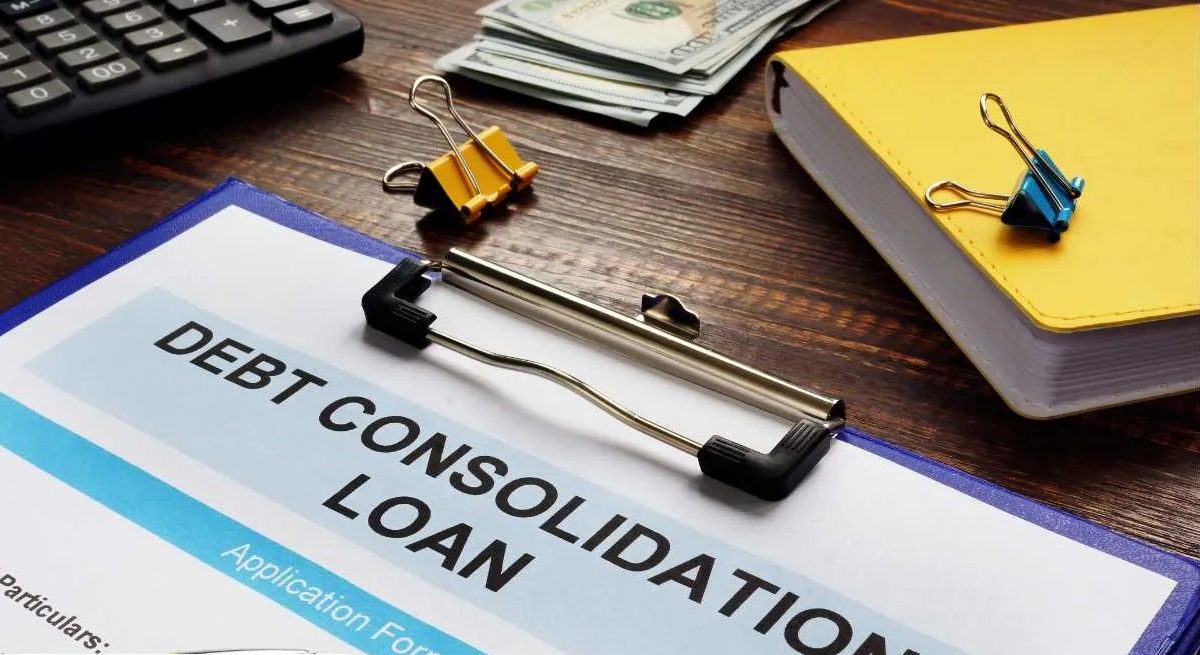
7. Loan Used to Consolidate Debt Without Addressing Spending
Debt consolidation can be useful when it lowers borrowing costs, simplifies several payments, or gives you a manageable repayment plan. The trouble begins when consolidation simply moves existing debt into a new account while the habits that created the debt remain unchanged.
Consider a borrower who uses a consolidation loan to pay off several credit cards, then begins charging those cards again. The person now has the new loan plus fresh credit card balances. Instead of solving the problem, the transaction can leave the borrower with even more debt.
A lender should not present consolidation as a magic fix. The monthly payment, interest rate, repayment period, fees, and total cost all matter. So does the borrower’s ability to control future spending and maintain enough income to cover regular expenses.
If the original debt came from a recurring budget shortfall, a new loan alone may not solve that underlying issue. You may need to review expenses, adjust repayment priorities, build emergency savings, or seek independent financial counseling.
Pay attention to what happened immediately after consolidation. Did your monthly obligations become genuinely easier to manage? Or did the new loan simply create temporary breathing room before the same balances returned?
A consolidation loan can be appropriate, but the recommendation should make sense for your complete financial situation. If the lender focused only on getting the old accounts paid and ignored what would happen afterward, the advice may have been incomplete.
8. Low Transparency About Consequences of Default
Before accepting a loan, you should understand what happens if you cannot make the required payments. That information matters because missing payments can lead to more than a late fee.
Depending on the loan type and applicable laws, a default may result in additional charges, collection activity, damage to your credit history, repossession of collateral, or legal action. The exact consequences depend on the agreement and jurisdiction, so borrowers should read the applicable documents carefully.
A lender does not have to frighten you into repayment, but important consequences should not be hidden or brushed aside. If the person arranging the loan spends considerable time discussing how easy approval will be and almost no time explaining what happens when payments are missed, that is worth questioning.
Ask direct questions before signing. How many days can a payment be late before additional action occurs? What fees may apply? Can the lender accelerate the balance? Is collateral involved? What happens if the account is sent to collections?
You should also know how missed payments may affect your credit. Even one late payment can have consequences depending on when and how it is reported.
If you already have trouble making payments, contact the lender promptly rather than waiting for the situation to worsen. You may have options such as a hardship arrangement or revised payment plan.
Independent advice can also help you understand your rights and choices before the account reaches a more serious stage.

9. Signs of Financial Stress Immediately After Loan
Pay attention to what happened in the weeks and months after your loan closed. If you began dipping into savings, missing bills you previously paid on time, or relying more heavily on credit cards for everyday expenses, the loan may not have been a good fit for your financial situation.
A properly structured loan should work within your budget while leaving enough room for regular living costs, existing debts, and unexpected expenses. If the new payment immediately creates serious financial pressure, it may indicate that your ability to repay was not properly assessed before the loan was approved.
There is a difference between a normal adjustment to a new monthly payment and ongoing financial distress. Temporary changes in spending can happen after borrowing, but persistent problems such as falling behind on other obligations or repeatedly using credit to cover basic costs suggest the payment may be unsustainable.
If these signs sound familiar, review your income, expenses, debts, and loan terms from the time you applied. Compare the required payment with what you could realistically afford then.
This review can help you determine whether the loan was reasonably suited to your finances or whether you were encouraged to accept an obligation that was too difficult to manage.
10. Credit Score Drops Shortly After Loan
A credit score drop after taking out a loan does not automatically mean the loan was bad. A hard inquiry and new account can temporarily affect your score. However, a sharp decline combined with other warning signs deserves attention.
Start by checking your credit reports, not just the score shown by an app or lender. Confirm that the loan details, balance, payment history, and account status are accurate. Look for missed payments or collection accounts that you do not recognize.
Unexpected calls from debt collectors should also prompt a review. They could indicate a missed payment, inaccurate reporting, or another problem with the account. Finding the cause early can make it easier to correct.
A new loan may also make it harder to qualify for additional credit because it increases your debt obligations. This does not prove the lender acted improperly, but it may show that the loan placed more pressure on your finances than expected.
If you believe the lender misrepresented the agreement or reported incorrect information, keep your records. Save the contract, payment history, emails, advertisements, and credit reports.
Reviewing these details can help you identify errors, understand what affected your credit, and decide whether you need to contact the lender or seek professional financial guidance.