
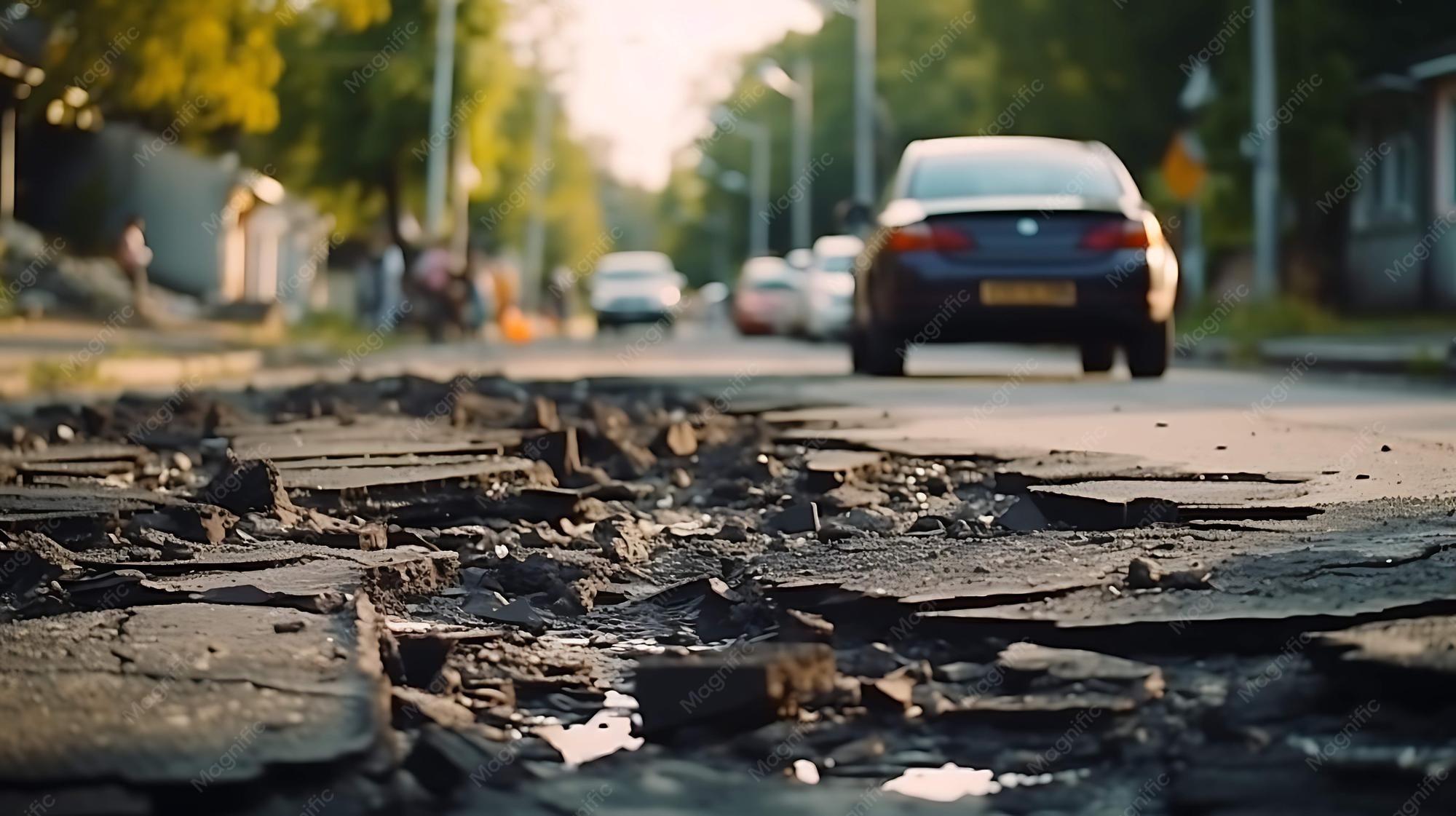
A rough road can do more than make your daily drive uncomfortable. Potholes, broken pavement, uneven surfaces, and harsh winter weather can place extra strain on shocks, struts, springs, tires, and other suspension components. Some states face these problems more often because of severe weather, heavy traffic, aging infrastructure, or difficult road conditions.
While a careful driver cannot always avoid damaged pavement, knowing where the roughest roads are can help you stay alert and maintain your vehicle properly. Based on road conditions, weather exposure, and reported infrastructure concerns, these 10 states can be especially tough on your car’s suspension.
1. Rhode Island
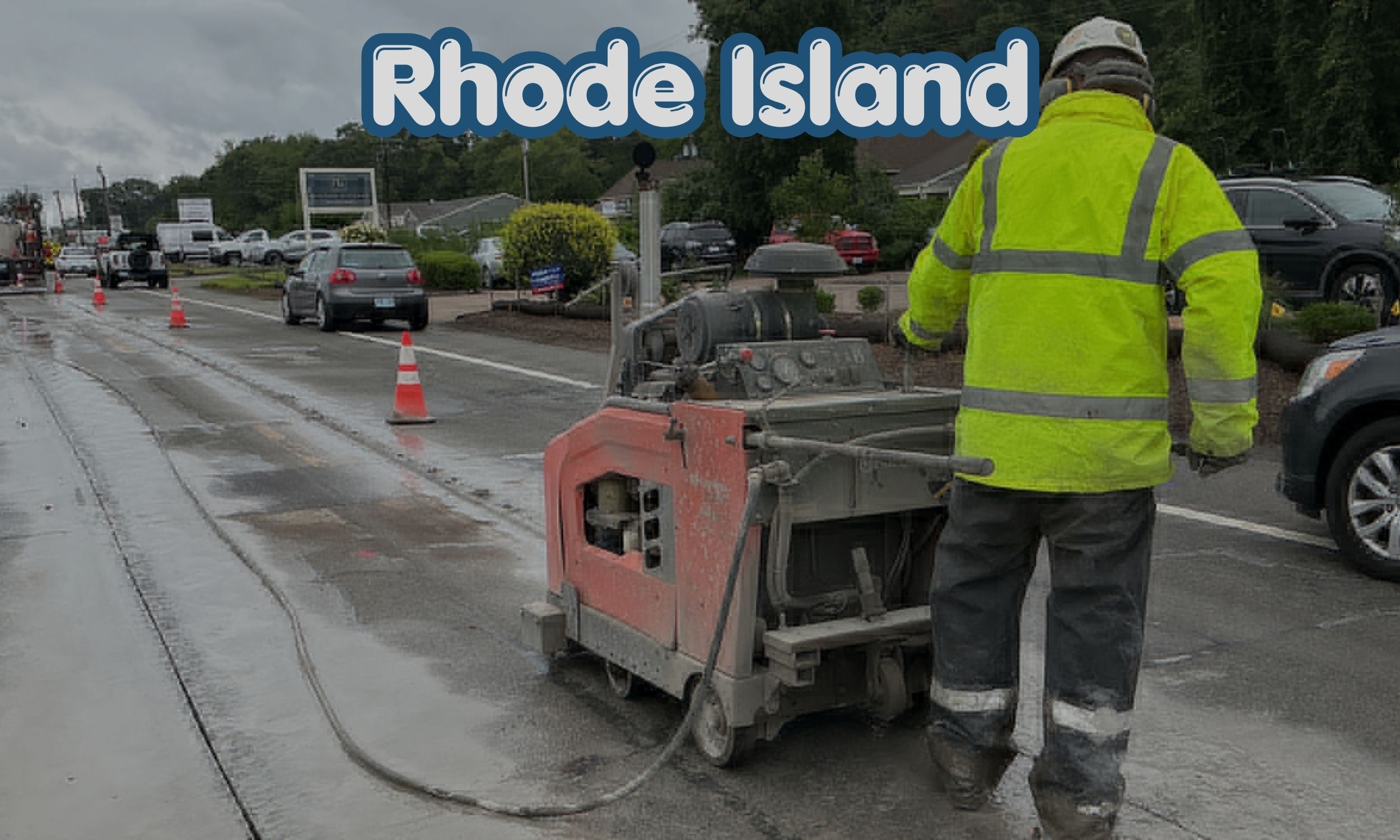
Small state, big problems. Rhode Island claims the top spot on this list, and the numbers make it easy to understand why. Nearly 42 percent of roads across the state carry a poor rating, an alarming figure for a place this compact.
You’d think fewer miles of roadway would mean easier maintenance, but dense urban networks packed into a small footprint create their own unique set of challenges. Years of constant use without adequate repair have left much of the infrastructure crumbling under pressure.
Add coastal exposure into the mix, and things get even messier. Salt air from the Atlantic accelerates corrosion on metal components, weakening suspension parts faster than drivers in landlocked states typically experience.
Freeze-thaw cycles compound the issue further. Water seeps into tiny cracks during warmer stretches, then expands as temperatures drop, widening those cracks into genuine potholes capable of damaging shocks and struts in a single unlucky hit.
Repeat that cycle every winter, and you get roads that feel like an obstacle course rather than smooth pavement. Drivers here report frequent suspension repairs, and honestly, it’s hard to blame the roads alone.
Between urban congestion, coastal weather, and aging infrastructure, Rhode Island presents a genuinely tough environment for any vehicle’s suspension system to survive unscathed for long.

2. New Mexico
New Mexico presents a very different type of challenge for vehicle owners. Road conditions can vary widely, yet the available figures paint a troubling picture, with roughly one-third of rural roads and about half of urban roads reported to be in poor condition.
That means a driver may face damaged pavement in both crowded cities and less populated areas. Potholes, cracks, and uneven road sections can force suspension components to absorb repeated impacts, particularly on longer trips where avoiding every damaged section is nearly impossible.
Drivers often associate suspension damage with harsh winter climates, but New Mexico shows that poor roads can create serious concerns in other environments as well. Deteriorating infrastructure can affect vehicles regardless of whether snow and ice are major factors.
The problem can become expensive because suspension systems work as a group. A hard impact may affect more than one component, and continued driving on rough roads can contribute to worn shocks, damaged struts, wheel alignment issues, and premature tire wear.
Long distances can make matters worse for some drivers. Rural travel often requires spending extended periods behind the wheel, increasing the chances of encountering damaged pavement.
Checking tire pressure, listening for unusual sounds, and having the suspension inspected when the vehicle begins riding differently can help catch problems early. New Mexico’s roads may offer beautiful drives, but certain routes can demand plenty from the machinery beneath your car.
3. Massachusetts
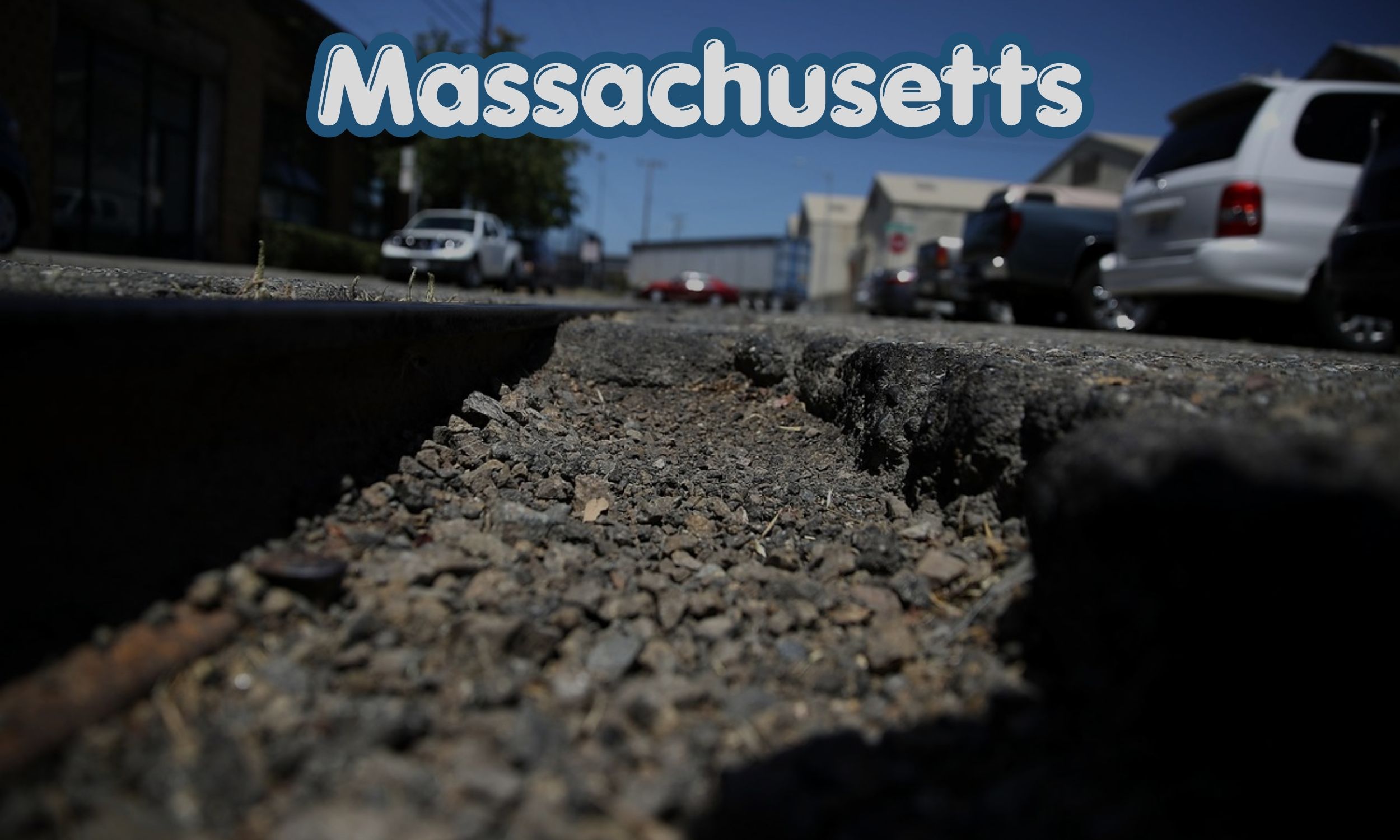
Winter leaves a strong mark on Massachusetts roads, and drivers often feel the results directly through their vehicles. About 29% of the state’s roads are considered poor, creating plenty of opportunities for potholes and broken pavement to challenge a car’s suspension.
Cold weather plays a major role. Water can settle inside cracks in the road before temperatures fall below freezing. Once that water freezes, it expands and damages the pavement. Repeated cycles can turn minor cracks into deeper holes that can produce a harsh impact when a vehicle hits them.
Deicing salt introduces another concern. Salt helps make winter travel safer, but it can also contribute to corrosion on exposed metal components underneath a vehicle. Suspension parts, fasteners, and other areas can suffer when salt and moisture remain on the vehicle for extended periods.
City driving can make the experience even more frustrating. Traffic leaves drivers with little room to avoid potholes, especially when roads are wet or visibility is poor.
A vehicle that once rode smoothly may begin showing warning signs after repeated punishment from damaged roads. Clunking sounds, extra body movement, steering problems, and uneven tire wear can all suggest that something needs attention.
Regular washing during winter, especially underneath the vehicle, can help remove road salt. Drivers should also take rough sections slowly whenever possible.
Massachusetts may have plenty of well-maintained routes, but poor pavement and demanding winters can make certain roads particularly tough on suspension systems.

4. New Jersey
Traffic and weather team up against drivers in New Jersey, creating a genuinely challenging environment for anyone hoping their suspension lasts without issues.
Roughly 27 percent of roads throughout the state carry a poor rating, a statistic that becomes far more believable once you’ve actually driven through certain stretches of highway here.
Freeze-thaw cycles hit New Jersey with similar intensity to neighboring states, causing pavement to crack and crumble as temperatures swing between freezing and thawing throughout winter months.
That repeated expansion and contraction weakens road surfaces steadily, eventually producing potholes capable of jarring even well-maintained suspension systems.
High traffic volume adds another layer of stress entirely. New Jersey ranks among the busiest states for daily commuting, and constant heavy use accelerates pavement deterioration far quicker than lighter traffic patterns would allow elsewhere. Combine millions of daily commutes with already aging infrastructure, and you get roads that struggle to keep pace with genuine demand.
For suspension systems specifically, this combination proves particularly punishing. Constant exposure to uneven surfaces, sudden potholes, and stop-and-go traffic patterns means shocks and struts work overtime just handling routine commutes.
Drivers here often notice suspension wear appearing sooner than expected, a direct consequence of the state’s demanding road conditions paired with genuinely heavy daily usage across nearly every major corridor.
5. Mississippi
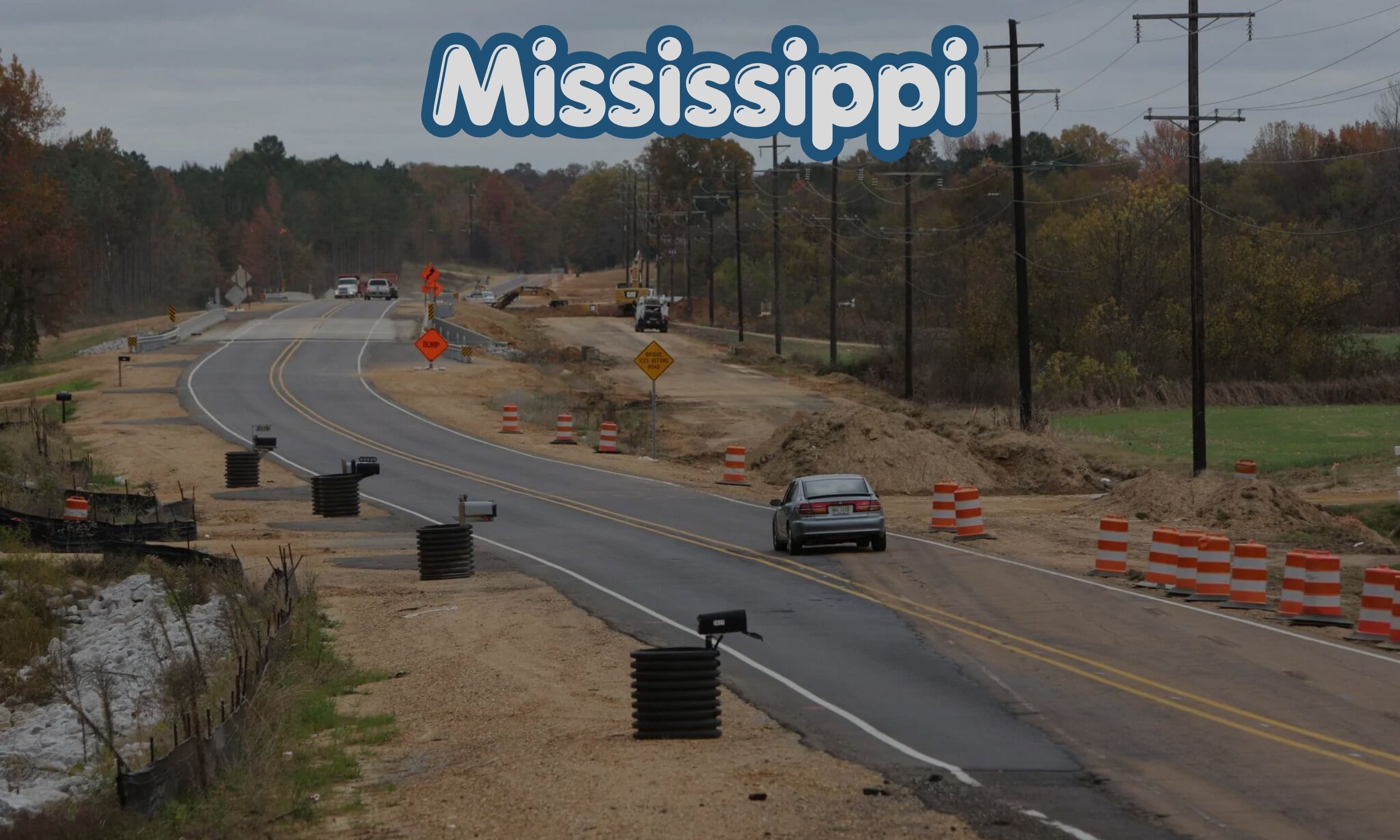
Mississippi has some road conditions that can be particularly punishing for a vehicle’s suspension. Nearly 49% of urban roads and more than 28% of rural roads are reported to be in poor condition, creating challenges for drivers in both cities and less populated areas.
Uneven pavement is a major concern. When a road surface becomes rough, the suspension must work harder to keep the tires in contact with the ground while absorbing impacts from cracks and holes.
A vehicle driven regularly over damaged pavement can experience more wear than one used mainly on smooth roads. Potholes are especially frustrating because they can appear suddenly and vary widely in depth.
A sharp impact can affect the tires, wheels, shocks, struts, and alignment. The driver may not notice the full effect immediately, which is why inspections can be important after a particularly hard hit.
Rural roads bring their own concerns. Longer trips may involve extended periods on surfaces that are uneven or worn, while drivers may have fewer opportunities to avoid damaged sections.
There is no single solution for poor road conditions, but careful driving can help. Reducing speed before crossing rough pavement allows the suspension more time to absorb an impact. Maintaining proper tire pressure also helps protect the wheels and tires.
For Mississippi drivers, keeping an eye on ride quality is worthwhile. A vehicle that starts bouncing excessively or feels unstable may be asking for attention before a minor issue becomes a more expensive repair.

6. Oklahoma
Oklahoma’s roads can be demanding on vehicles, particularly in areas where pavement has deteriorated. Approximately 38% of urban roads and about one-quarter of rural roads are considered poor, according to the information used for this list.
That creates a problem that extends beyond an uncomfortable ride. Poor pavement can increase vehicle operating costs by contributing to tire damage, alignment problems, and additional suspension wear.
The more frequently a car encounters potholes and uneven surfaces, the harder its components must work. Urban drivers may face repeated impacts during ordinary commuting.
Traffic, construction zones, and damaged streets can make it difficult to maintain a smooth ride. Rural drivers may travel farther distances, meaning they can spend more time on roads that need attention.
Suspension systems are designed to handle imperfect surfaces, but they are not invincible. Shocks and struts eventually wear out, while bushings and other components can suffer from repeated impacts. A hard pothole strike can also produce immediate damage.
One useful habit is to pay attention to changes in how the vehicle behaves. If the steering wheel begins pulling to one side or the car feels unusually loose after hitting a pothole, a professional inspection may be worthwhile.
Oklahoma drivers may not be able to control the condition of every road they use, but careful maintenance can reduce the consequences.
Regular tire inspections, proper wheel alignment, and timely suspension repairs can help a vehicle remain comfortable and safe even when the pavement is anything but smooth.
7. California
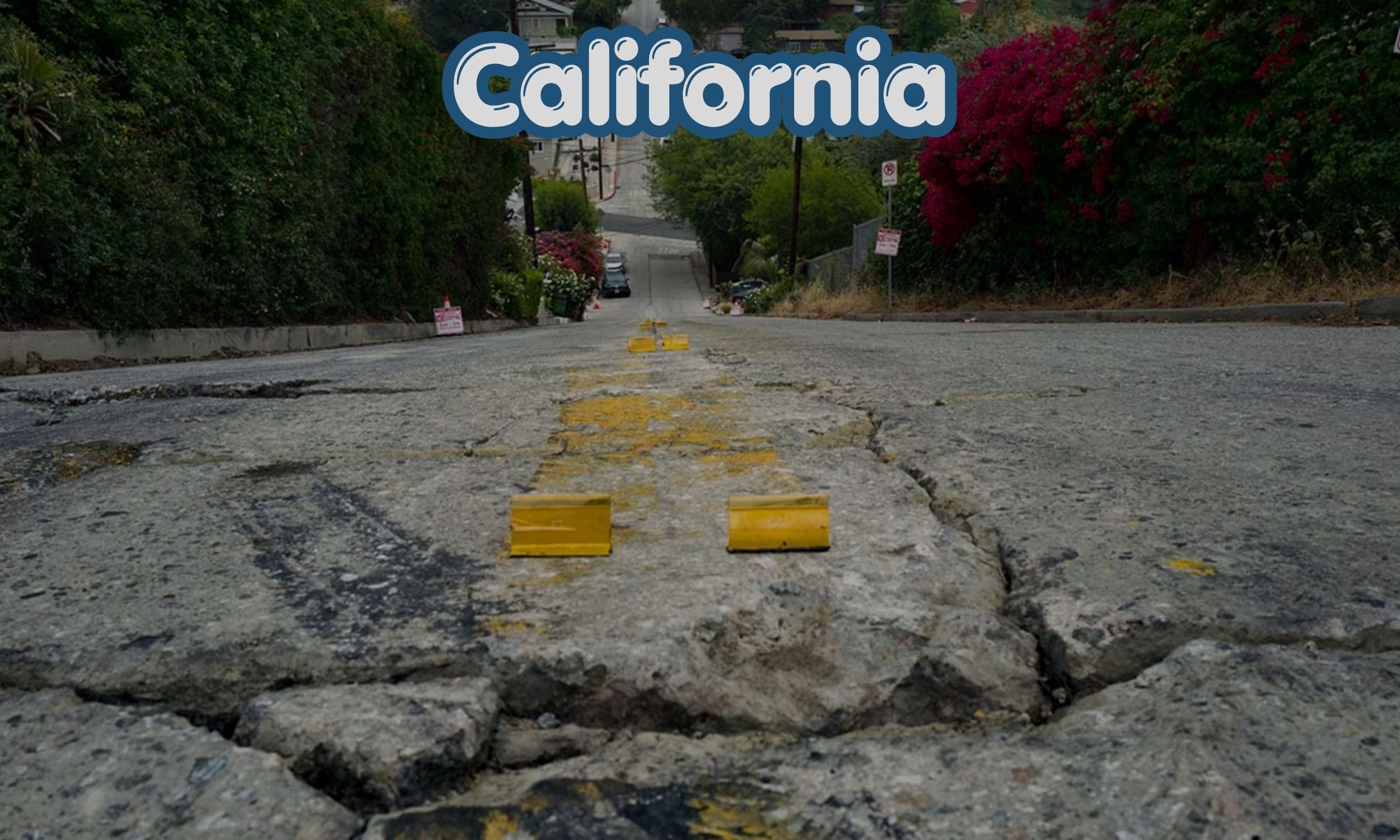
California is known for its vast network of roads and busy highways, but smooth pavement is not guaranteed everywhere. About 28% of the state’s roads are rated poor, meaning drivers can encounter potholes and uneven surfaces that place added pressure on their vehicles.
The state’s size makes the issue especially varied. A driver may travel through dense urban traffic, suburban streets, mountain routes, and long stretches of highway, with each environment presenting different challenges for the suspension.
Heavy traffic is one factor that can contribute to road deterioration. Constant use by passenger vehicles and commercial trucks can wear pavement down, particularly on heavily traveled routes. Once cracks appear, weather and continued traffic can make the surface progressively rougher.
Potholes can be particularly dangerous because drivers often have little warning. A sudden impact can affect a tire or wheel and may also disturb the vehicle’s alignment. Repeated exposure to rough pavement can gradually wear suspension components.
California’s warm climate does not eliminate road problems. Aging infrastructure and heavy use can still leave drivers dealing with damaged pavement.
The best approach is often a simple one: remain alert. Leaving enough space between vehicles can make potholes easier to spot, while reducing speed on visibly damaged roads can lessen the force of an impact.
A large state naturally has many excellent roads as well, but drivers should not assume that a busy highway or major city street will always provide a smooth ride. Parts of California’s road system can be surprisingly tough on a car’s suspension.
8. Hawaii
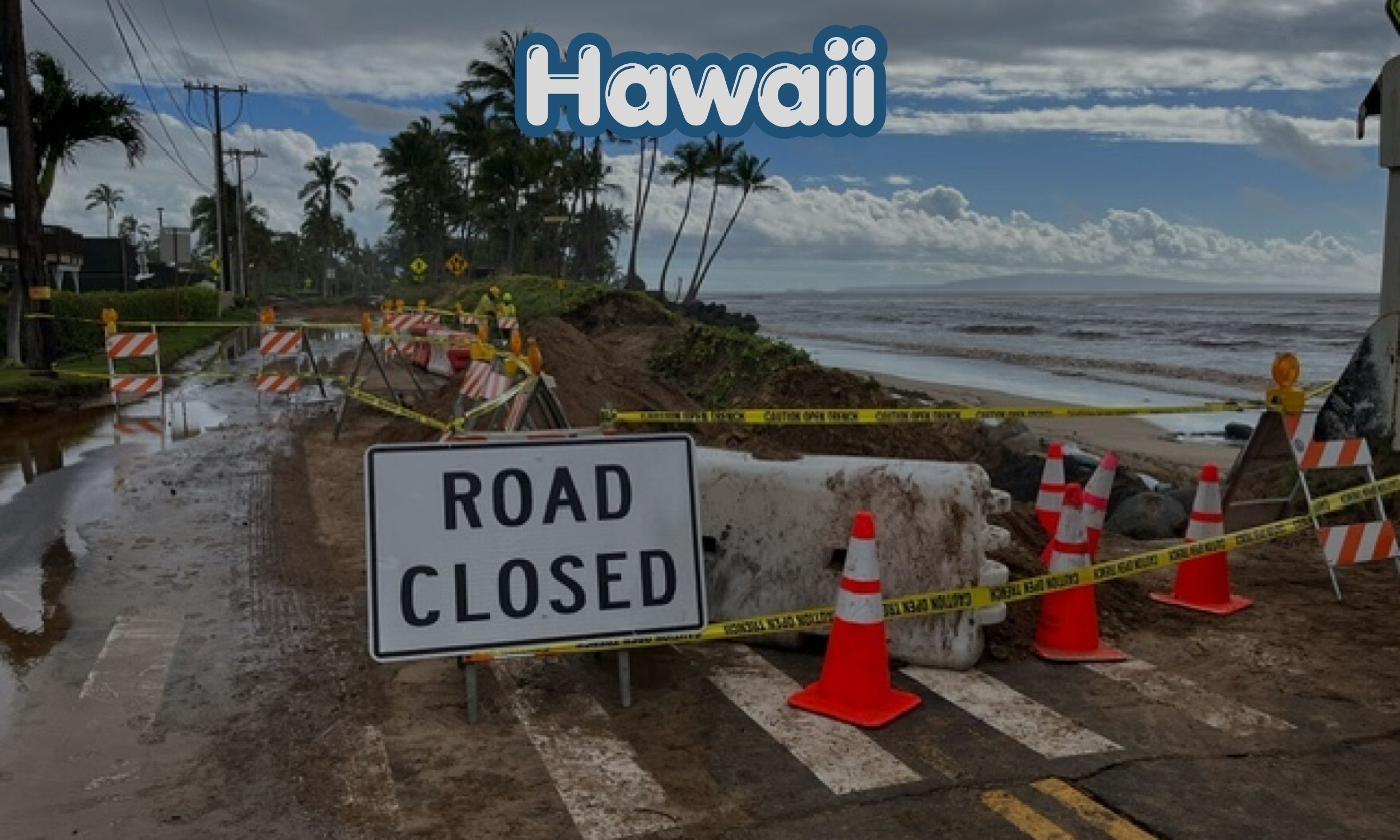
Hawaii presents a road challenge unlike that of many mainland states. About 39% of roads are reported to be in poor condition, while coastal conditions can introduce additional concerns for vehicles.
Salt air is one of the biggest issues. Constant exposure to salty moisture can encourage corrosion on metal components, including parts located beneath the vehicle. Suspension systems are especially vulnerable when protective coatings are damaged or regular cleaning is neglected.
Road design can also affect suspension wear. Coastal routes and hilly roads may expose vehicles to uneven surfaces and repeated changes in elevation. Rough pavement combined with these conditions can make the suspension work harder during daily driving.
A vehicle does not need to hit a massive pothole to suffer wear. Smaller bumps and broken sections can gradually affect shocks, bushings, and other components when encountered frequently.
The island environment also means that some drivers may deal with humid conditions for much of the year. Moisture and salt can collect underneath the vehicle, particularly near the coast.
Routine cleaning is one of the simplest ways to reduce corrosion concerns. Washing the underbody can help remove salt and dirt before they remain in contact with metal parts for long periods.
Hawaii offers some spectacular drives, but the condition of certain roads and the coastal environment can be demanding on cars. Drivers who notice unusual noises, poor ride quality, or changes in handling should have the vehicle checked rather than assuming the problem will disappear on its own.
9. New York
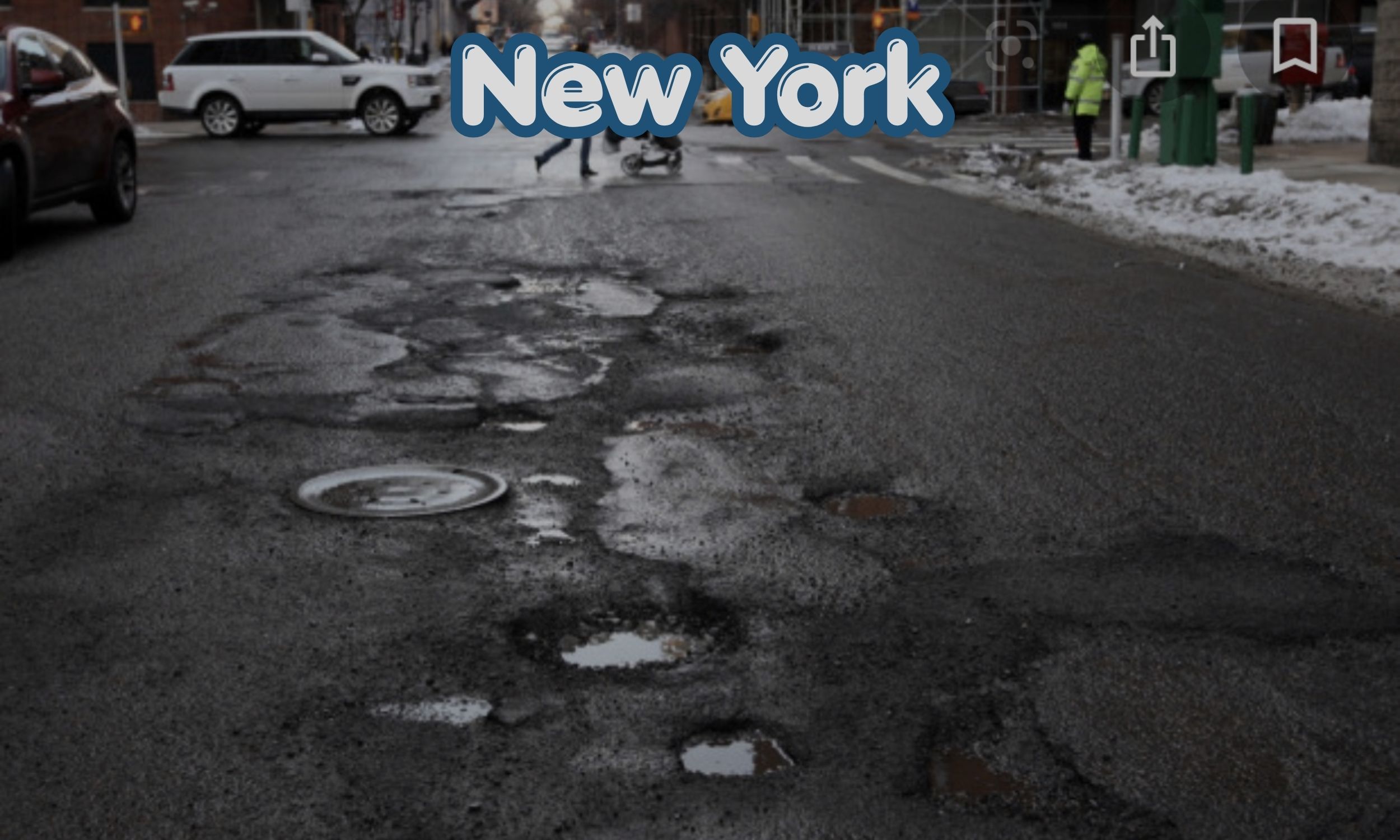
New York drivers can face a mixture of heavy traffic, demanding winters, and deteriorating pavement. Roughly 28% to 29% of the state’s roads are rated poor, creating conditions that can be especially hard on suspension systems.
The challenge is particularly obvious in heavily populated areas, where traffic can make potholes difficult to avoid. A driver may have only a second or two to react before hitting a damaged section of pavement.
Winter weather adds to the problem. Freeze-thaw cycles can damage roads repeatedly, while snow and rain may hide potholes from view. A road that looks harmless from a distance can deliver a much harder impact than expected.
Urban congestion also means suspension components may face constant use on stop-and-go trips across rough streets. Frequent braking, acceleration, and low-speed impacts can make an already demanding commute even harder on the vehicle.
Longer trips outside major cities do not necessarily eliminate the problem. Road conditions can vary widely across the state, and rural routes may also contain sections of aging pavement.
Drivers should take warning signs seriously. A vehicle that dips excessively during braking, bounces after crossing a bump, or develops unusual noises may have a suspension problem that requires attention.
Keeping tires properly inflated and avoiding sharp potholes whenever it is safe to do so can reduce some of the strain. New York has plenty of smooth routes, but a rough stretch of pavement can appear when drivers least expect it.

10. Pennsylvania
Rounding out this list, Pennsylvania presents a slightly less severe but still genuinely concerning picture for suspension health throughout the state.
Bridges and urban roadway conditions create persistent challenges, particularly when combined with winter freeze-thaw cycles that affect much of the state annually.
Aging infrastructure deserves specific mention here. Pennsylvania’s extensive bridge network, some spanning many decades of continuous use, faces ongoing maintenance challenges that occasionally translate into rougher driving surfaces for vehicles crossing these structures regularly.
Combined with urban roadway conditions in cities like Philadelphia and Pittsburgh, drivers face a genuinely mixed bag of road quality depending on their specific route.
Winter weather adds familiar challenges too. Freeze-thaw cycles throughout Pennsylvania’s colder months cause pavement cracking similar to patterns seen throughout other northeastern states on this list.
That seasonal damage accumulates gradually, creating suspension maintenance concerns that mechanics throughout the state address regularly as a normal part of vehicle upkeep.
While Pennsylvania’s road troubles don’t reach the same intensity as states topping this list, suspension maintenance still deserves genuine consideration for anyone driving here consistently.
The combination of aging bridge infrastructure, urban roadway wear, and predictable winter freeze-thaw damage creates a moderate but persistent challenge for vehicle suspension systems, making Pennsylvania a reasonable inclusion among states where drivers should stay attentive to their vehicle’s suspension health throughout the year.
