

Buying a new car can feel expensive almost anywhere, but the financial burden changes dramatically from country to country. A vehicle that costs less than half of an average annual salary in one market may require several years of income somewhere else. Taxes, import duties, local competition, wages, and government policies all help determine how affordable a new car really is.
Using car costs relative to average yearly income provides a useful way to compare markets in 2026. Here are five countries where buying a new car places the lowest burden on average incomes, followed by five where the purchase can demand a far larger share of a person’s earnings.
5 Cheapest Countries for New Cars
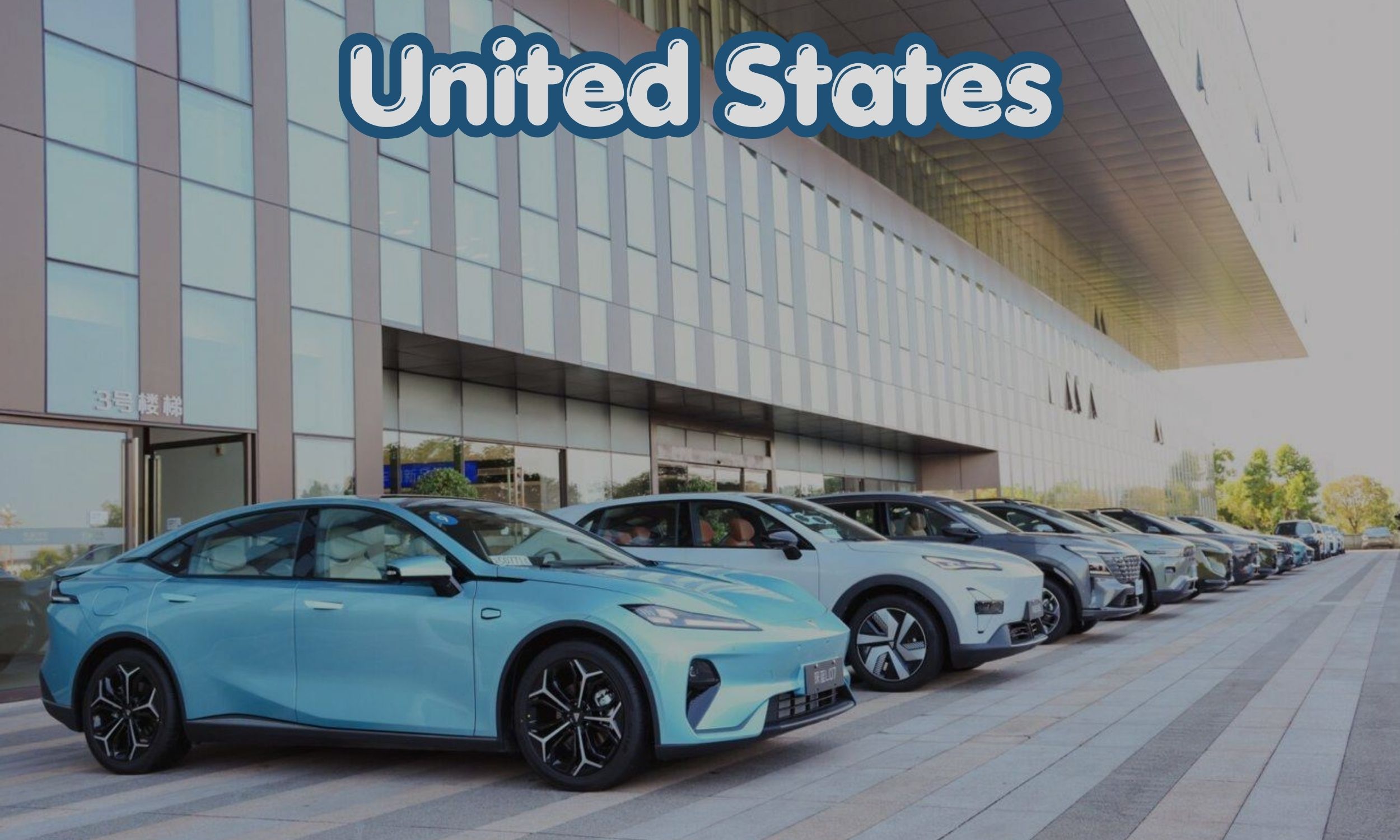
1. United States
Among the countries being compared, the United States comes out as the cheapest place to buy a new car when vehicle prices are measured against average yearly earnings.
A new car typically costs about 46% of the average annual salary, making it more affordable than in the other countries on the list. This does not mean that every American can easily walk into a dealership and buy a new vehicle.
Car prices have increased in recent years, and many households still have to plan carefully before making such a purchase. Even so, the gap between average income and new-car prices remains fairly favourable.
Another reason for this affordability is the size and variety of the American car market. Buyers have plenty of options, including locally produced and imported vehicles.
From small cars and family sedans to crossovers, pickup trucks, and larger SUVs, there is something available across different price ranges. With many manufacturers and dealerships competing for customers, buyers often have more room to compare prices and negotiate.
Payment plans also make new cars easier for many people to purchase. Rather than paying the full price at once, buyers often use loans or lease agreements to spread the cost over several months or years.
The used-car market also gives people a cheaper alternative. Taking income levels, competition, and vehicle choices into account, the United States remains one of the more affordable places to purchase a new car in 2026.

2. Australia
Australia secures second position on this list, with car ownership costs landing around 57 percent of the average yearly salary. While that’s noticeably higher than American figures, it still represents excellent value when compared against global affordability standards, particularly considering Australia’s unique geographic and economic circumstances.
Distance and shipping costs might seem like they’d hurt Australian car pricing, given the country’s isolation from major manufacturing hubs throughout Asia, Europe, and North America.
Yet Australia manages to maintain reasonably competitive pricing despite these logistical challenges, largely thanks to strong trade relationships and a well-established import infrastructure that keeps vehicles flowing steadily into the market.
Consumer demand plays a role too. Australians have historically shown strong appetite for both domestic and imported vehicles, creating enough market volume to justify manufacturers offering competitive pricing rather than treating the country as a low-priority secondary market.
That demand, paired with solid average wages, helps explain the country’s strong affordability ranking. Government policy also contributes meaningfully here.
Import taxes and vehicle-related regulations in Australia tend toward moderate rather than punitive levels, avoiding the kind of steep tariffs that dramatically inflate pricing in several countries appearing later on this list.
For Australian buyers, this combination of reasonable policy, steady demand, and solid earning power creates genuinely favorable conditions for new vehicle purchases.

3. Canada
Canada comes third on the list, with the cost of buying and owning a new car estimated at about 64% of the average annual salary. Models such as the Toyota Corolla and Mazda3 remain popular choices because they offer practical transportation without placing as much pressure on buyers as new vehicles do in some other countries.
Compared with places where buying a car can take several years of income, Canadian buyers generally have a better chance of managing the cost.
For many people in Canada, having a car is more of a necessity than a luxury. The country covers a very large area, and people may need to travel long distances between towns and cities.
Cold winters can also make personal transportation more useful, particularly in places where public transportation is limited. This helps explain the strong demand for cars, trucks, and SUVs.
Canadian buyers also have many vehicle options to consider. Affordable entry-level cars are sold alongside higher-priced models, while crossovers and pickup trucks remain common choices for families and individuals who need more space.
Buyers can choose between gasoline, hybrid, and electric vehicles depending on their needs and budget. However, purchasing a new car still requires careful financial planning.
Taxes, insurance, fuel, maintenance, and financing can add plenty to the initial price. Even with these expenses, Canada remains one of the more affordable countries for new-car ownership when prices are compared with average income.
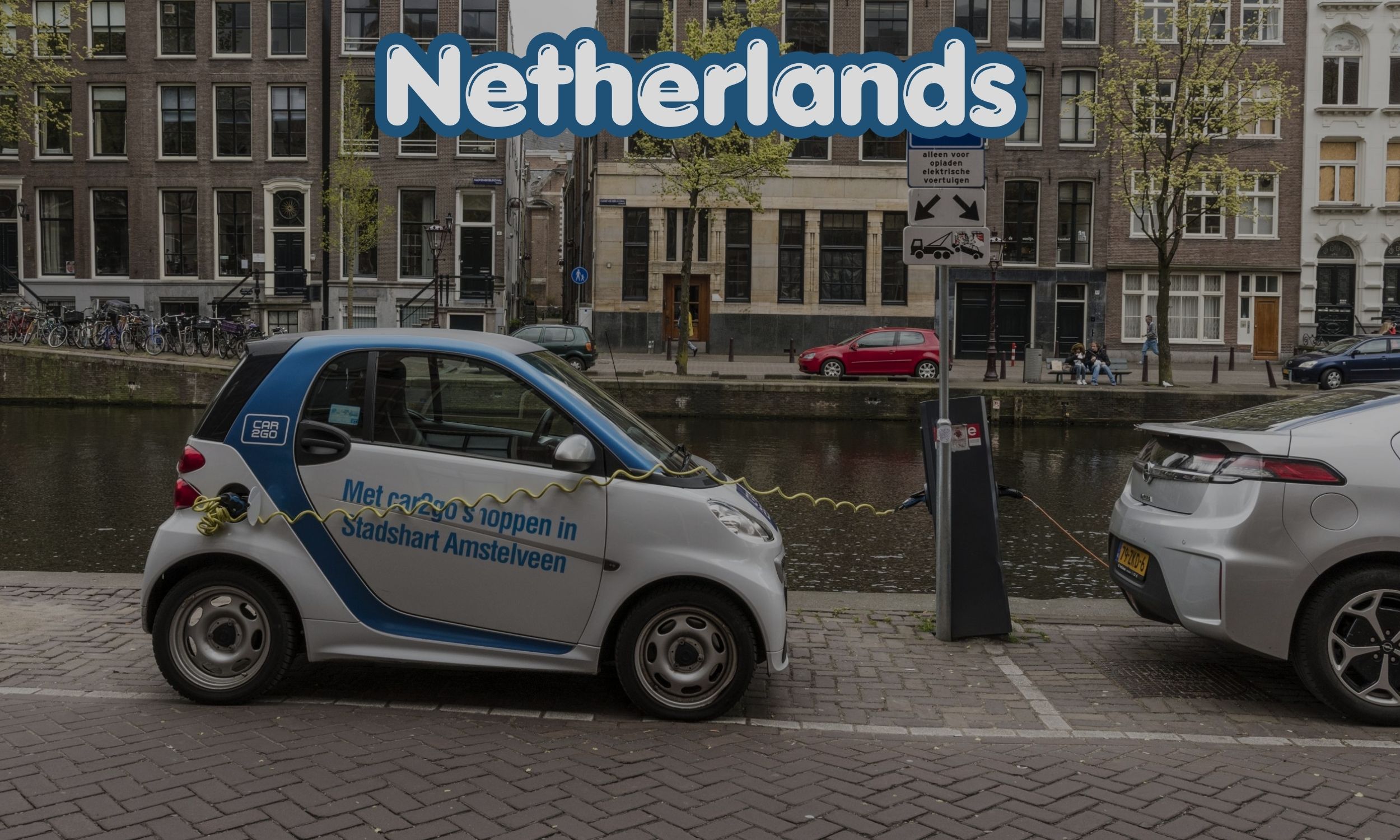
4. Netherlands
The Netherlands is one of two Western European countries in this group, with new-car costs estimated at around 74% of the average annual income. That figure is higher than the percentages seen in the United States, Australia, and Canada, but it still represents a much lighter burden than the countries at the expensive end of the list.
Dutch car buyers operate in a market where transportation choices extend far beyond private automobiles. Bicycles and public transit are widely used, particularly in urban areas.
As a result, purchasing a new car is often a choice based on personal needs rather than an automatic requirement for every household. Taxes and ownership expenses remain important considerations.
Buyers may also face higher costs depending on a vehicle’s emissions, fuel type, size, and other factors. Despite these expenses, higher average incomes help keep the purchase of a new vehicle within a more manageable range.
The Netherlands also benefits from access to a large European automotive market. Consumers can choose from numerous manufacturers and vehicle categories, including compact city cars, family models, luxury vehicles, hybrids, and electric cars.
For someone comparing countries strictly by the share of average yearly income needed for a new vehicle, the Netherlands performs well. It may not offer the lowest sticker prices, but purchasing power gives buyers a stronger position than consumers in many other markets.

5. Germany
Germany completes the list of the five cheapest countries for buying a new car in 2026. The estimated cost of buying and running a vehicle is around 74% of the average annual salary, placing it alongside the Netherlands in terms of relative affordability.
Few countries have an automotive industry as deeply established as Germany. Domestic manufacturers produce vehicles across nearly every major segment, while foreign brands also compete for buyers.
That creates a large selection, from small city cars to luxury sedans and high-performance vehicles. Competition can help consumers, although German new cars are not automatically inexpensive in absolute terms.
Premium models from domestic brands can carry very high prices. The difference comes from comparing those prices with average incomes. Higher earnings can reduce the share of a person’s yearly salary needed for a vehicle.
Germany also has an extensive dealer network and a mature used-car market. Buyers who decide that a new vehicle is too expensive can often find many alternatives in the secondhand market.
Financing options and manufacturer incentives may also make certain new models easier to purchase. Operating expenses still deserve careful attention. Insurance, fuel, maintenance, taxes, and vehicle specifications can change the long-term cost of ownership.
Yet Germany’s strong automotive market, broad vehicle selection, and relatively high average incomes keep new-car ownership within reach for a larger share of consumers than in many countries.
5 Most Expensive Countries for New Cars

1. Turkey
Topping this list as the single most expensive country for new car purchases, Turkey demands costs exceeding six times the average annual salary.
That figure alone places genuine new car ownership completely out of reach for many Turkish families, transforming what should be a practical necessity into an extraordinary luxury purchase reserved for wealthier households.
High import taxes drive much of this extreme pricing structure. Turkey has historically implemented steep tariffs on imported vehicles, partly to protect whatever domestic manufacturing exists within the country, and partly to generate substantial government tax revenue from vehicle sales.
These taxes stack directly onto already substantial base vehicle prices, creating final costs that feel almost punitive compared to global standards. Market restrictions compound these challenges further.
Limited domestic manufacturing capability means Turkey relies heavily on imported vehicles from international manufacturers, and each imported unit faces those steep tariffs before ever reaching a dealership showroom floor.
That reliance on imports, paired with aggressive taxation policy, creates a genuinely difficult environment for everyday consumers hoping to purchase new transportation.
For Turkish buyers, these combined factors often push families toward used vehicles instead, since new car ownership requires financial sacrifice far exceeding what buyers in more affordable countries would ever need to consider.
This extreme pricing structure firmly establishes Turkey as the world’s most challenging market for anyone hoping to purchase a brand-new vehicle.

2. Colombia
Colombia lands in second position among the most expensive countries, with new cars requiring roughly 493 percent of average annual income.
That figure represents nearly five full years of typical earnings dedicated entirely toward a single vehicle purchase, an almost unimaginable financial commitment compared to the affordability enjoyed throughout North America and parts of Western Europe.
Why does Colombia face such extreme pricing? Similar to Turkey, heavy reliance on imported vehicles plays a substantial role here. Colombia’s domestic automotive manufacturing remains limited compared to larger economies, meaning most new vehicles arrive through import channels subject to considerable taxation before reaching consumers.
Lower average wages throughout Colombia compound this problem considerably. Even moderately priced vehicles become genuinely unaffordable when measured against typical Colombian earning power, creating an affordability gap far wider than what buyers in wealthier nations typically experience.
This wage disparity, combined with import-related cost increases, produces the staggering percentage figures defining this list’s most expensive entries.
Economic circumstances throughout much of Latin America share similar patterns, and Colombia exemplifies this regional challenge particularly clearly.
For everyday Colombian families, these financial realities often mean used vehicles represent the only genuinely practical path toward personal transportation, since new car ownership demands financial sacrifice extending far beyond what would be considered reasonable throughout most developed automotive markets worldwide.

3. Brazil
Brazil follows closely behind Colombia, with new-car costs estimated at around 491% of the average annual salary. For the average buyer, purchasing a brand-new vehicle can therefore represent nearly five years of income.
Several forces can push vehicle prices upward relative to earnings. Taxes, production costs, import rules, and market conditions all affect what buyers pay. These expenses can make new vehicles difficult to afford even when a model is considered a mainstream option rather than a luxury product.
Brazil has a large automotive market, but size alone does not guarantee low prices. Domestic production can provide buyers with more choices, yet affordability depends heavily on wages and the final cost charged to consumers.
When earnings do not keep pace with vehicle prices, the financial burden remains high. Many buyers may respond by financing a vehicle over extended periods.
While this can make a purchase possible, it also creates a longer financial commitment. Interest and other charges can raise the final amount spent beyond the original sticker price.
The used-car market therefore remains important for consumers seeking transportation at a lower entry cost. A well-maintained older vehicle may be a more practical choice for households that cannot comfortably absorb the cost of a new one.
Brazil’s ranking shows just how difficult new-car affordability can become when prices consume such a large share of yearly income.

4. Argentina
Argentina stands as the fourth most expensive country for purchasing a new car in 2026. The cost of a brand-new vehicle can reach about 459% of the average yearly salary.
Put simply, an average worker may need more than four years of earnings to cover the purchase price. That kind of price creates a serious challenge for many buyers.
Although a new car comes with modern features, warranty protection, and fewer repair concerns at the beginning, those advantages can still be too expensive for many households. Even basic models can require a heavy financial commitment.
Adding to the pressure, economic conditions can make car prices difficult to predict. Currency changes, inflation, taxes, and government policies may affect vehicle prices as well as the availability of financing.
Because of this uncertainty, some buyers may decide to postpone their plans or look for a reliable used car instead. Buying the vehicle is only the first part of the expense.
Insurance, fuel, servicing, registration, and loan payments can continue to drain a household’s finances long after the car has been purchased. These costs deserve serious attention, especially when the original price already represents several years of income.
Argentina’s position on the list shows that wanting a new car and being able to afford one are two different matters. Buyers may have several models to choose from, but high prices compared with local earnings make new-car ownership difficult for many people.
For the average consumer, purchasing a brand-new vehicle remains a costly decision that requires careful planning and strong financial preparation.

5. Ecuador
Closing out this list, Ecuador requires nearly 394 percent of average yearly income for new car purchases, reflecting the same challenging combination of high import duties and lower average wages affecting several other countries throughout this ranking.
While technically the least extreme among these five expensive markets, this figure still represents an enormous financial commitment for typical Ecuadorian families.
Import duties throughout Ecuador remain considerably steep, reflecting policy decisions aimed at generating government revenue while potentially protecting whatever limited domestic manufacturing capability exists within the country.
These duties stack directly onto vehicle pricing, creating final costs that feel dramatically inflated compared to base manufacturing expenses incurred by international automakers. Lower average wages throughout Ecuador compound these already steep import costs considerably.
Even moderately priced vehicles become genuinely difficult purchases when measured against typical Ecuadorian earning power, creating an affordability gap that mirrors challenges faced throughout much of Latin America appearing on this list.
For everyday Ecuadorian consumers, these combined factors often push new car ownership toward luxury territory reserved for wealthier households, rather than a reasonably accessible purchase available to typical working families.
Similar to other countries discussed throughout this list, these financial realities frequently drive consumers toward used vehicle markets instead, since new car ownership demands sacrifice extending well beyond what buyers throughout more affordable global markets would ever need to consider reasonable or practical.
