
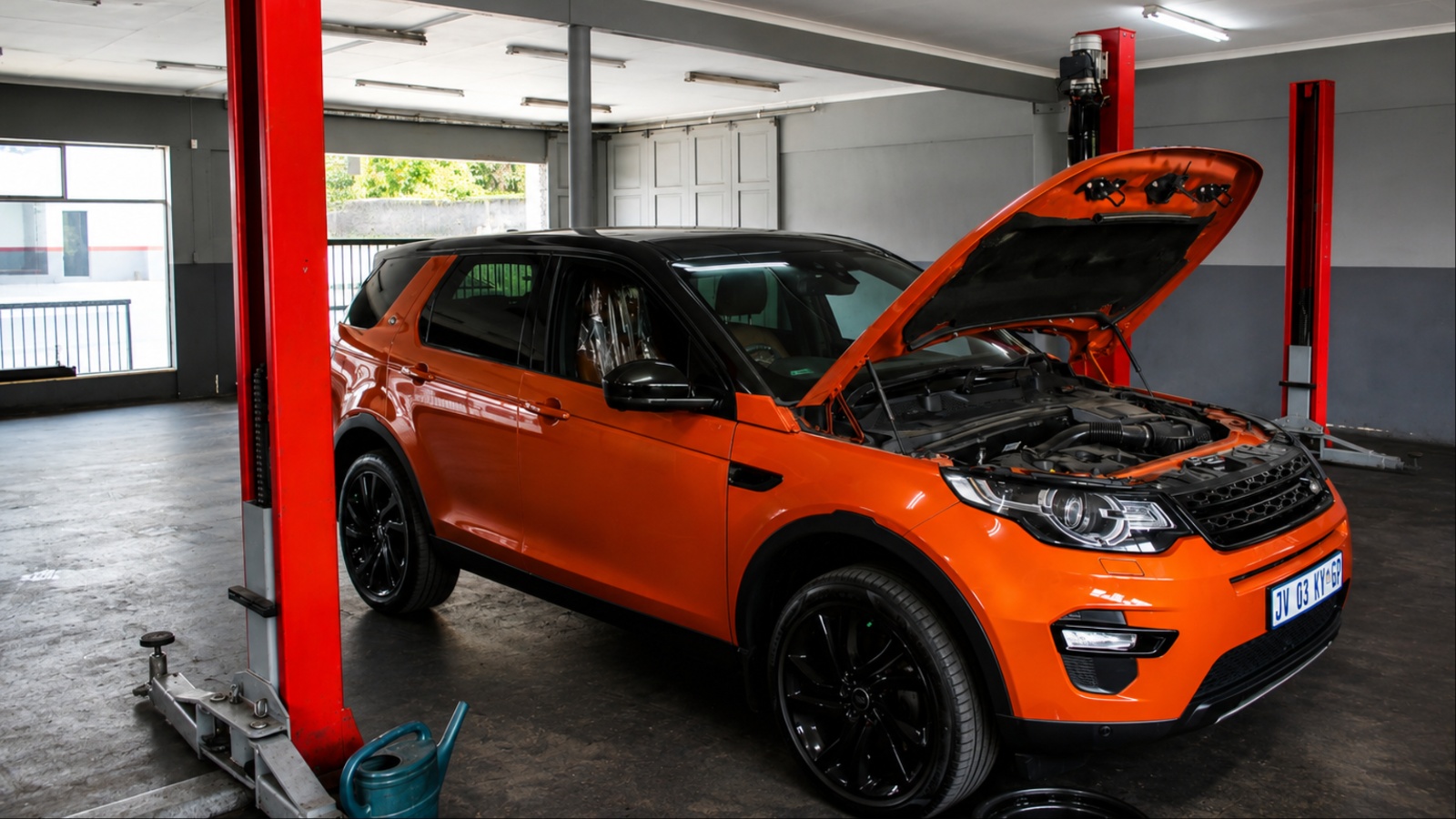
Buying America’s best-selling vehicle does not necessarily mean choosing the most dependable one. Endurance Warranty Services analyzed repair claims from some of the country’s best-selling models and found a surprising pattern. Several cars and trucks that are common sights in American driveways also generate a high number of repeat repair claims.
Part of this comes down to sheer sales volume rather than actual mechanical weakness, since more units on the road naturally means more total claims filed. Still, understanding which popular models tend toward repeat trips to the shop can help you budget smarter or negotiate harder on an extended warranty. Here’s how these ten best-sellers stack up, ranked by total sales volume.
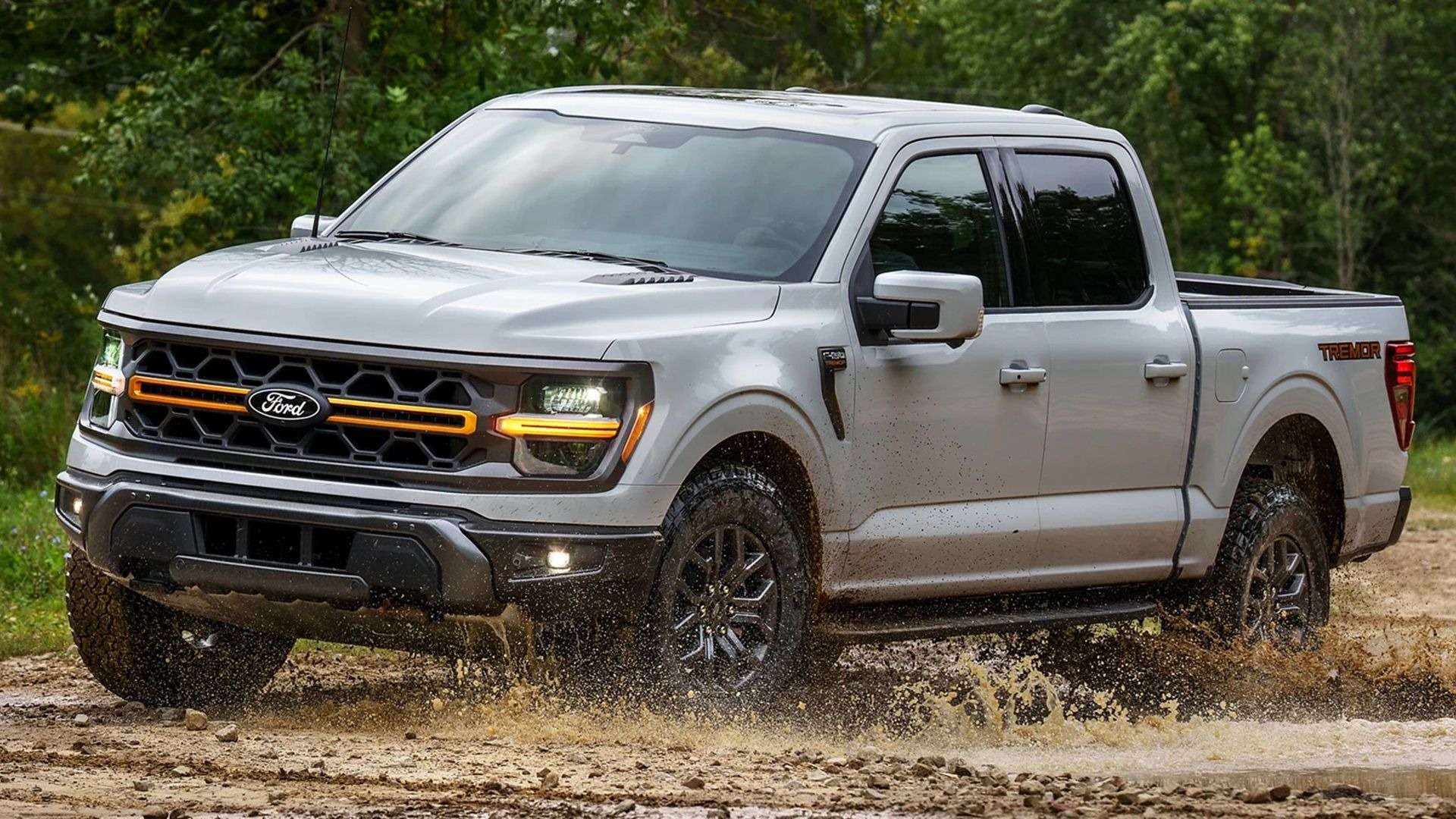
1. Ford F-Series
For decades, the Ford F-Series has dominated U.S. truck sales, so its appearance at number one is hardly surprising. What may catch some owners off guard is how poorly the model performs in this particular repair-claim comparison.
According to the supplied Endurance Warranty Services data, the F-Series was the least reliable model among these ten when measured through claims.
Transmission trouble is a major concern. When a transmission develops a serious fault, the repair bill can quickly become painful, especially on a heavily used truck. Work-related towing, hauling, frequent driving, and high mileage can place additional demands on the drivetrain.
There is an important distinction to keep in mind. Ranking first on this list does not mean every F-Series truck is likely to experience repeated mechanical problems. The lineup spans numerous generations, engines, configurations, and model years, so reliability can vary significantly from one truck to another.
Still, the sheer number of F-Series vehicles sold means repair claims add up quickly. For shoppers considering a used model, service records deserve close attention.
A truck with documented maintenance and a healthy transmission can be a much safer purchase than one with an unknown history.
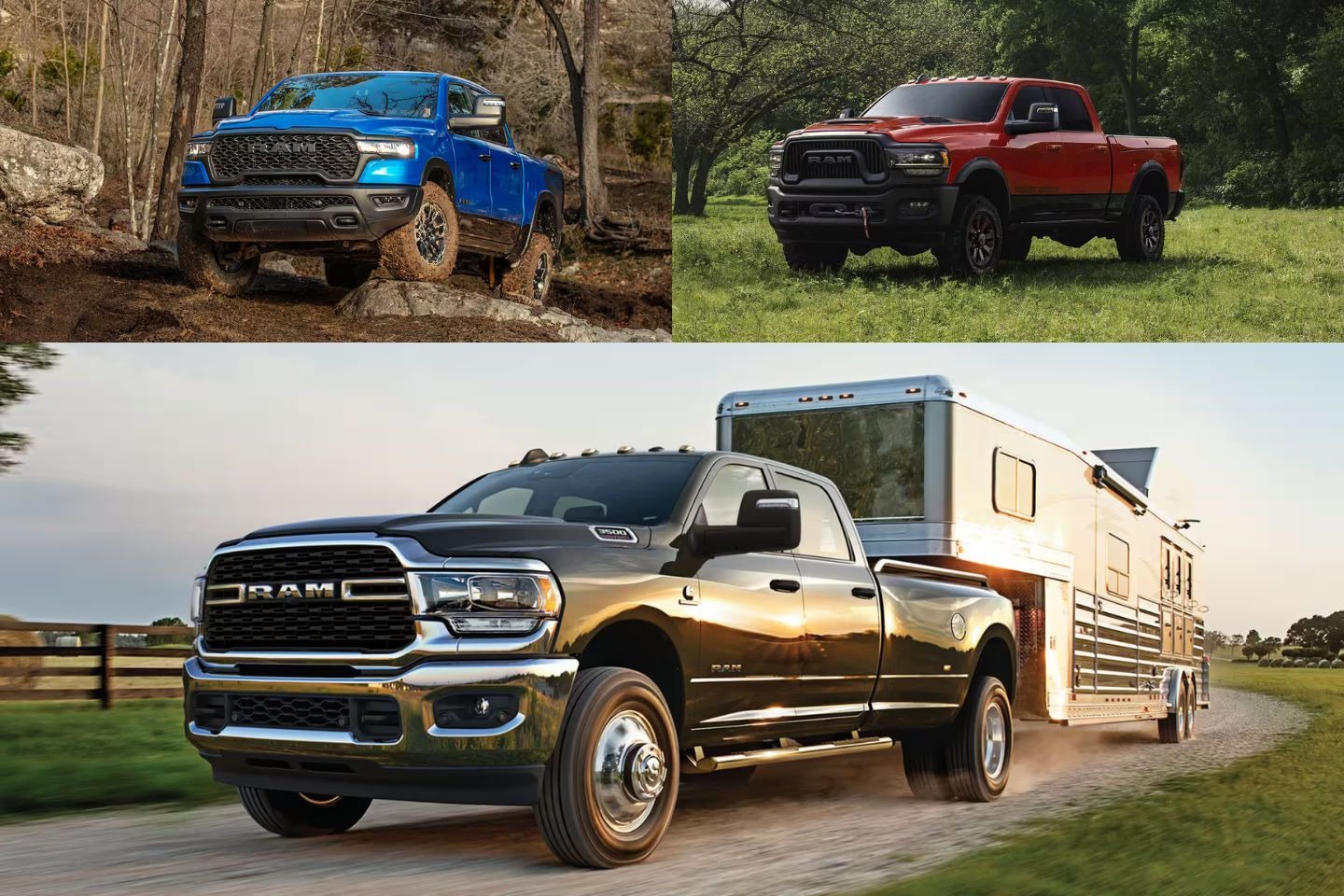
2. Ram 1500/2500/3500
Ram’s 1500, 2500, and 3500 pickup trucks take the second spot on this list, largely because of reported problems involving the transmission and valve train.
For owners, these issues can be frustrating because repairs may cost a considerable amount once a serious fault develops. The type of problem can also vary depending on the truck’s model year, engine, and configuration.
A transmission problem may show up through rough gear changes, slipping, delayed engagement, or unusual sounds while driving. When the fault becomes severe, the vehicle may require extensive mechanical work.
Valve train trouble can also affect engine operation, leading to poor performance, strange noises, or warning lights that should not be ignored. Proper servicing can make a real difference for Ram owners.
Following the manufacturer’s maintenance schedule, checking fluids, changing transmission fluid when required, and dealing with unusual engine symptoms early can help reduce the chance of a minor fault becoming a costly repair.
Heavy-duty versions such as the Ram 2500 and 3500 are built for demanding jobs, including towing and hauling heavy loads. That type of use places extra pressure on major mechanical parts.
Drivers who regularly put their trucks through tough working conditions should pay close attention to service intervals and signs of wear. Before buying a used Ram, it is wise to review its maintenance records and arrange a professional inspection.
A well-maintained truck may provide a much better ownership experience than one with an uncertain service history.
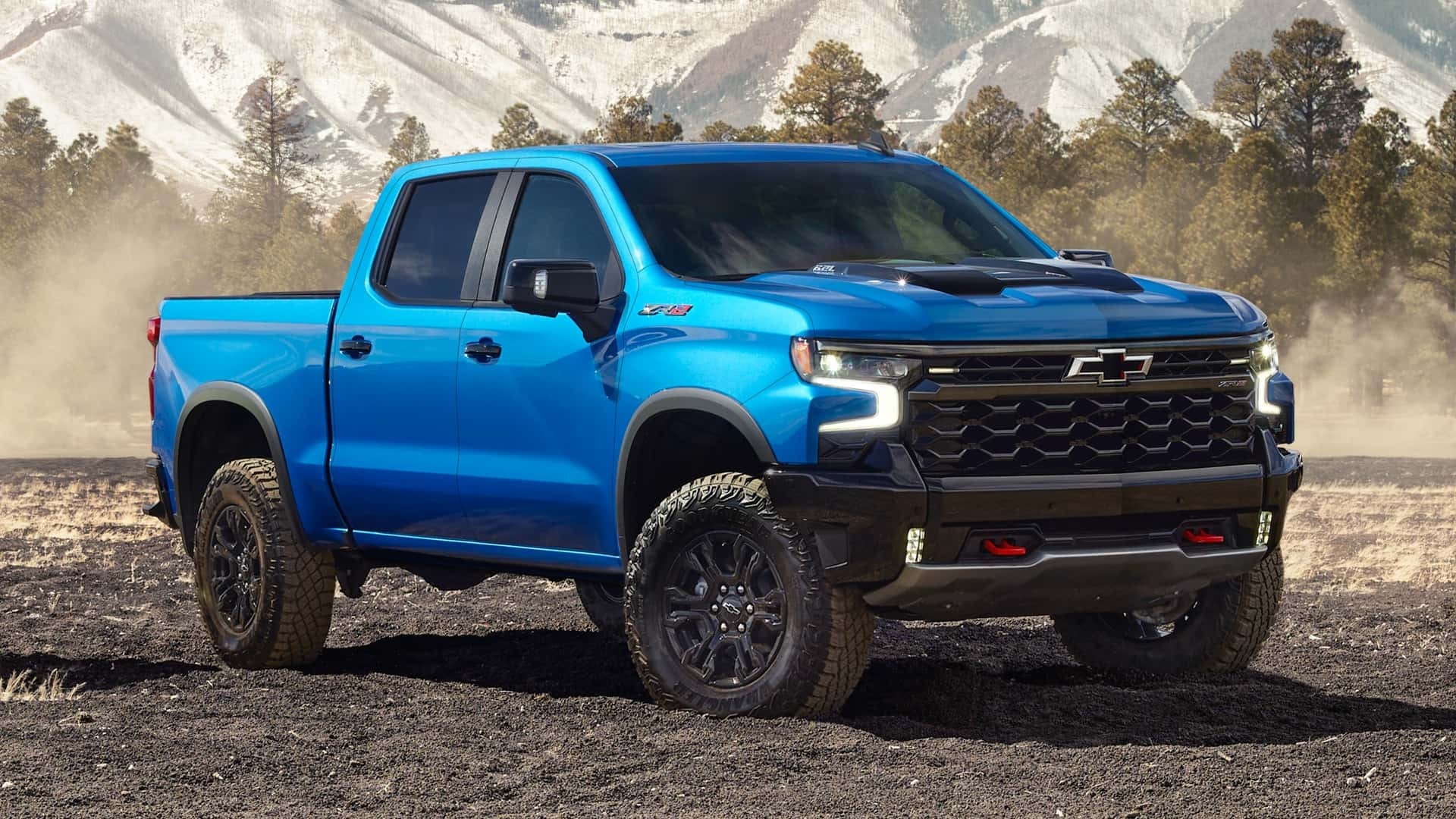
3. Chevrolet Silverado
The Chevrolet Silverado has become a fixture on American roads, and its massive sales volume helps explain its place near the top of this ranking.
The supplied repair-claim information points to several recurring trouble spots, including the condenser, alternator, and water pump. Those parts may sound less intimidating than a failed transmission, but repeated component repairs can still drain a vehicle owner’s budget.
An alternator problem, for example, can leave a truck unable to maintain its electrical system. A failing water pump can create cooling problems, while air-conditioning condenser trouble can turn a comfortable cabin into a frustrating one during hot weather.
Some eight-cylinder engines also have reported cylinder-deactivation failures. This technology is designed to improve fuel efficiency by reducing the number of cylinders operating under lighter loads. When the system develops a fault, repairs may require specialized diagnosis and parts.
The Silverado’s broad range of engines, generations, and configurations makes model-year research particularly useful. A problem associated with one engine family does not automatically apply to every Silverado.
For buyers shopping used, a pre-purchase inspection should include the cooling system, charging system, air conditioning, and engine operation. A clean inspection and strong maintenance history can make a major difference when choosing among used pickups.
4. Chevrolet Equinox
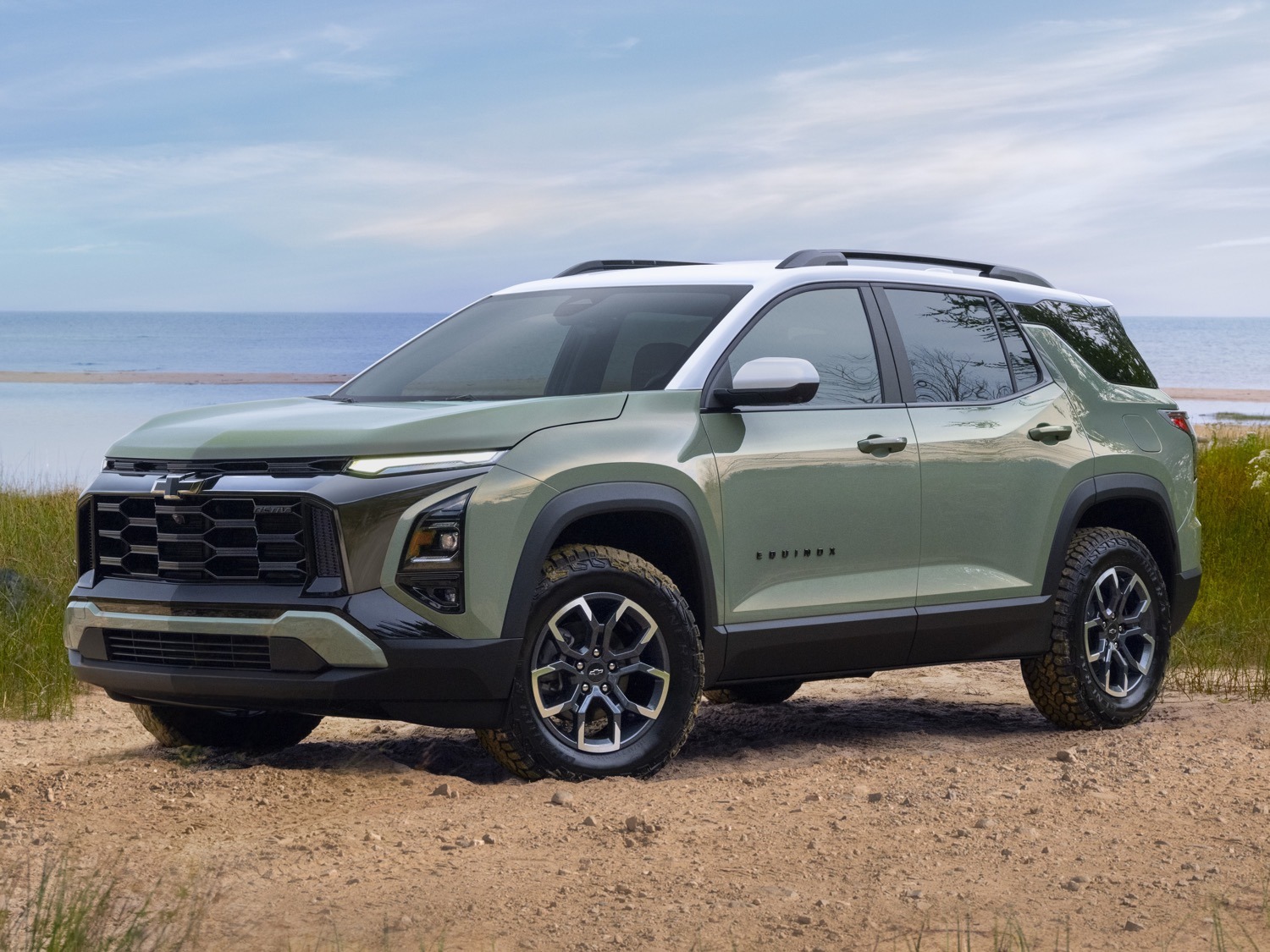
The Chevrolet Equinox takes a different path to the fourth spot. Rather than being associated primarily with truck-related wear, this compact SUV appears in the supplied data because of engine-related repair claims.
Fuel pump failures, smoke, and excessive oil consumption are among the reported concerns. Excessive oil use deserves particular attention. An engine that repeatedly loses oil between changes may require frequent monitoring, and continued operation without adequate oil can increase the risk of serious internal damage.
Smoke can also signal an engine problem that deserves prompt diagnosis rather than a wait-and-see approach. The Equinox has been sold in large numbers for years, which naturally creates a large pool of vehicles generating repair claims.
Its popularity therefore matters when interpreting the ranking. A model can appear frequently in claims partly because there are simply so many examples in service.
Potential buyers should resist judging a used Equinox solely by its badge or appearance. The specific model year, engine, mileage, maintenance history, and previous repairs all deserve consideration.
A thorough inspection can reveal clues that a quick test drive misses. Checking for oil leaks, unusual exhaust smoke, engine noises, warning lights, and documented service may help buyers identify a vehicle that has been properly cared for before money changes hands.
5. Nissan Altima
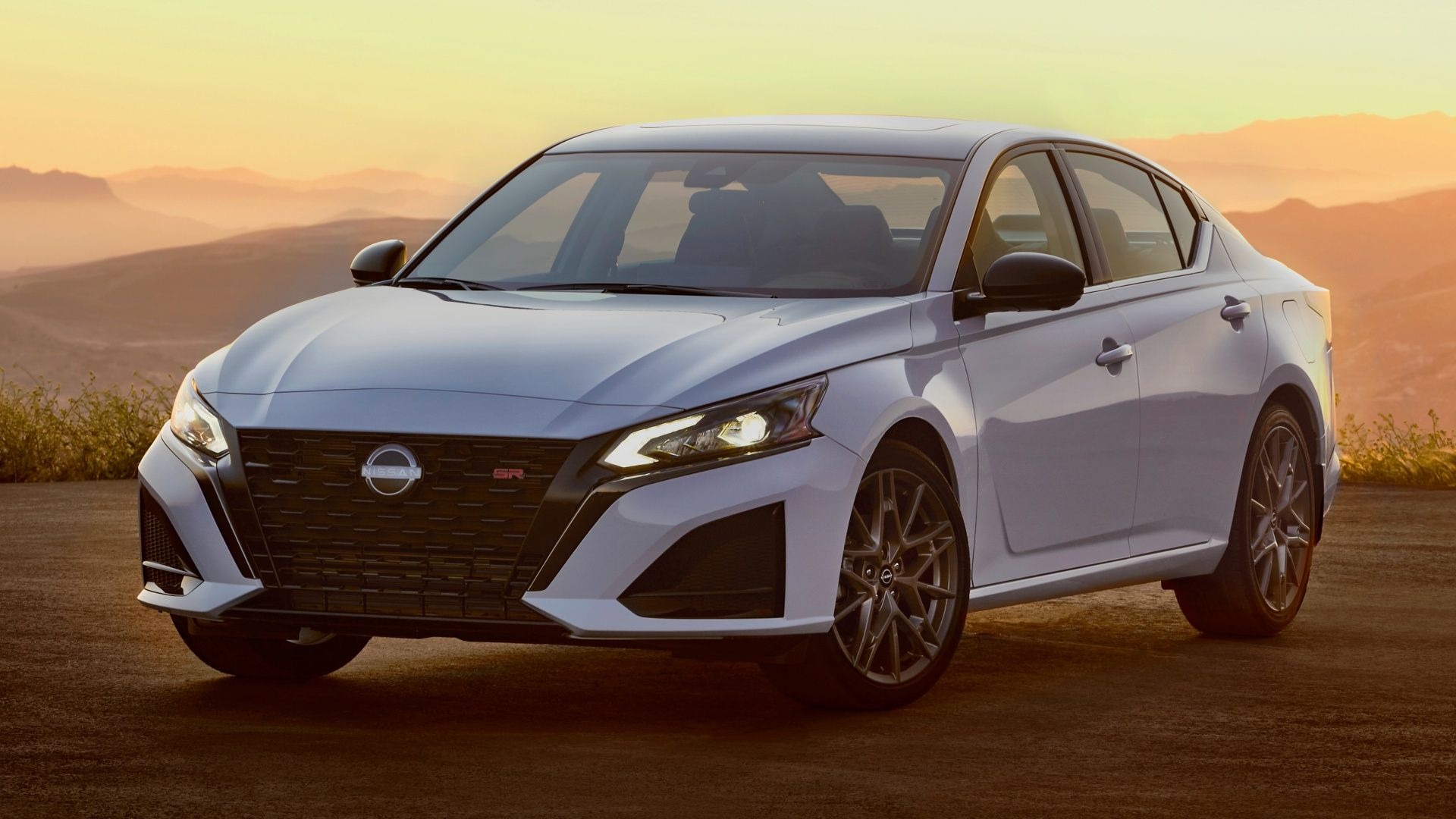
The Nissan Altima has spent years as one of America’s familiar midsize sedans, making its appearance on a high-volume repair list especially interesting.
Owner reports have described the model as less reliable than some competing vehicles, while the supplied data also points to repairs that can become expensive. Cost matters here as much as frequency.
A vehicle may not require repairs constantly, yet a single major mechanical problem can create a substantial bill. That possibility is worth remembering when comparing an inexpensive used Altima with a competing sedan that has a stronger maintenance history.
The best defense for an Altima owner is consistent service. Routine maintenance cannot prevent every mechanical failure, but it can reduce avoidable problems and provide early warning when something starts going wrong.
Keeping receipts and service records also gives future buyers a clearer picture of how the car was treated. For someone considering an older Altima, an inspection before purchase is particularly useful.
A technician can look for evidence of neglected maintenance, existing mechanical faults, and previous repairs. An extended warranty may also be worth considering when the coverage is reasonably priced, and the vehicle’s age makes unexpected repair costs more likely.
The right coverage depends on the contract, exclusions, deductible, and vehicle condition, so buyers should read the terms carefully rather than assume every repair will be covered.
6. Toyota Tacoma
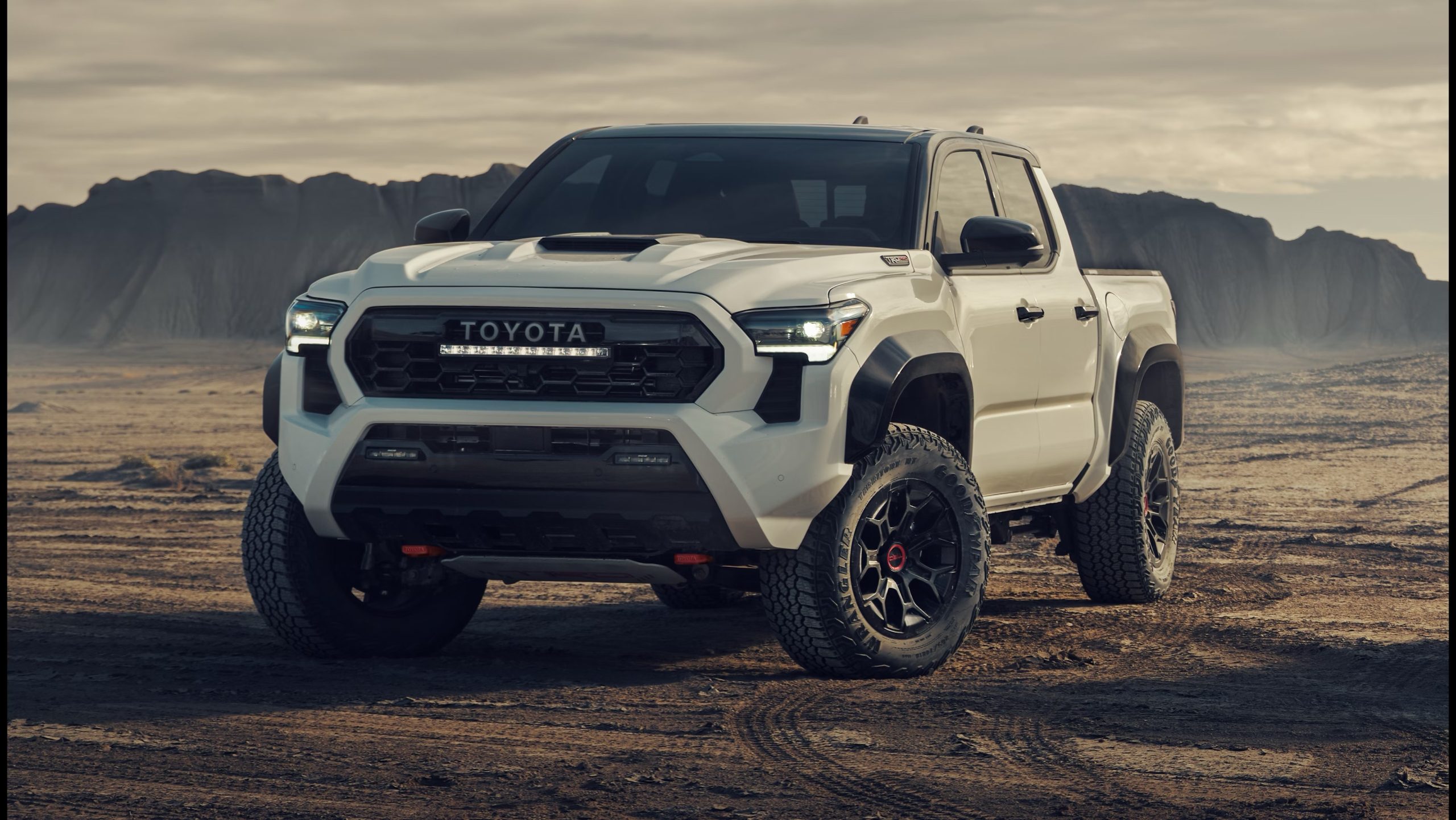
The Toyota Tacoma comes in at number six on this list, but its repair concern is quite different from the major transmission and engine faults linked to some of the trucks ranked above it.
The main issue involves older Tacoma models made between 1995 and 2007, which have been reported to experience premature wear of the lower ball joints.
For anyone looking at an older Tacoma, this is something worth checking before making a purchase. Ball joints are important suspension parts because they help the wheels move properly while supporting steering control.
When they become worn, drivers may notice unusual noises, loose steering, or changes in the way the truck handles. Fortunately, replacing these parts is usually less expensive than dealing with a failed transmission or major engine repair.
Used-car buyers should pay particular attention to Tacoma trucks from the affected model years. Since many of these vehicles are now older, a proper inspection can reveal whether the suspension components have already been replaced or are showing signs of wear.
Checking service records can also provide useful information about previous repairs. The Tacoma has built a strong reputation for durability, which is one reason older examples remain popular with used-truck buyers. Its appearance on this list does not mean it is among the most troublesome pickups.
Instead, the reported ball-joint problem is relatively limited when compared with major mechanical failures found in some other trucks. Its high sales numbers also help explain why it appears among the ten models with the most repeat repair claims.
7. Toyota Corolla
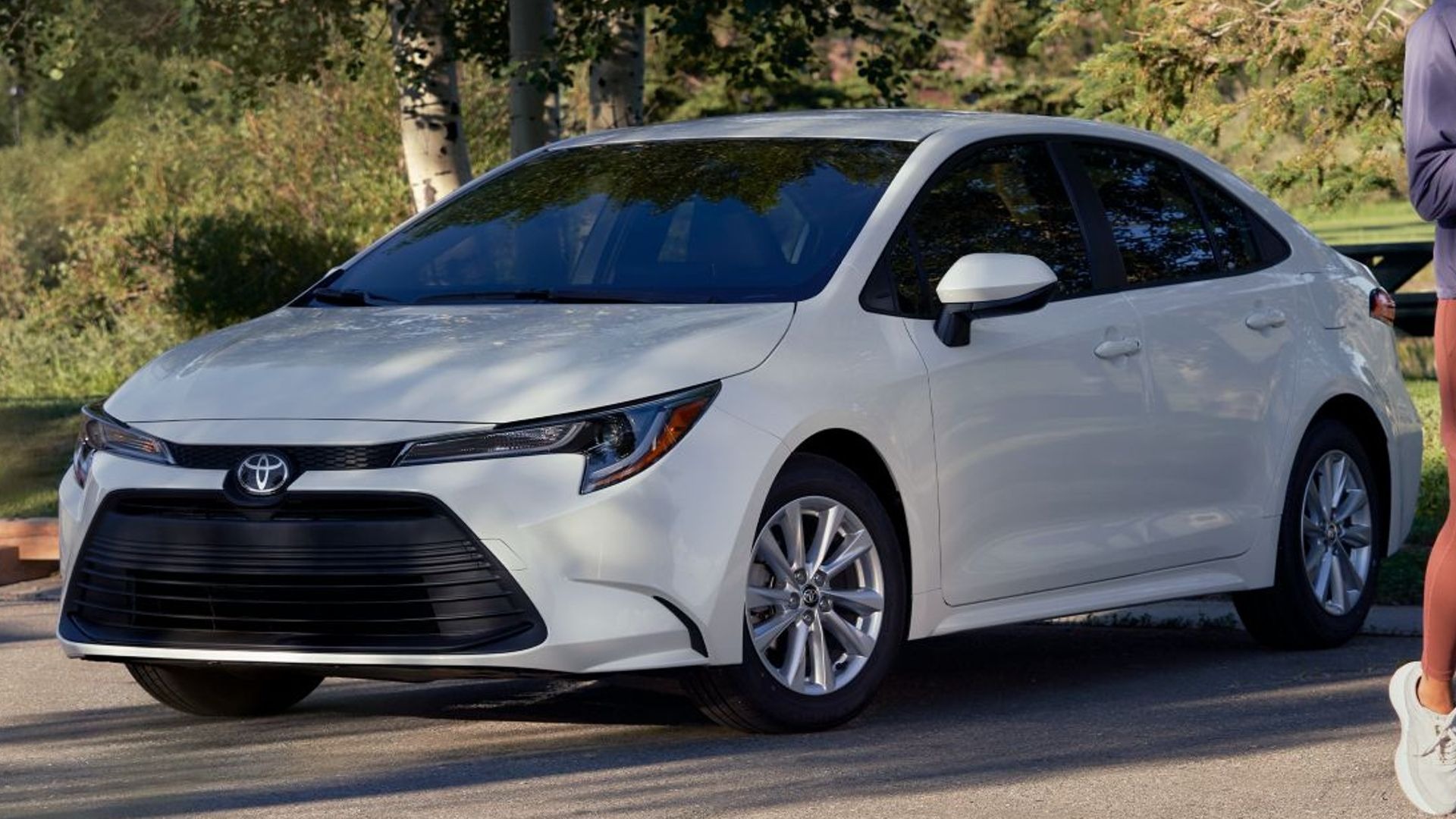
Few cars have been sold in greater numbers than the Toyota Corolla, and that sheer popularity helps explain why it appears here. The Corolla’s repair frequency is described as moderate, while the severity of those repairs is generally low.
That distinction changes how the ranking should be read. Seeing Corolla near the middle of a repair-claim list does not mean it is suddenly an unreliable car.
Instead, millions of vehicles create millions of opportunities for ordinary mechanical issues to occur. Even a low repair rate can produce a large number of claims when the vehicle population is enormous.
For many owners, the Corolla’s reputation for dependable transportation remains well deserved. Its mechanical design and generally manageable repair needs have helped make it a long-running favorite among commuters and families.
Maintenance still matters, naturally. Oil changes, fluid checks, brake service, tire care, and scheduled inspections can help keep a Corolla operating properly. Small issues are also easier to address when they are identified early.
Someone shopping for a used Corolla should focus less on the model’s presence on this ranking and more on the specific car being considered.
Mileage, maintenance records, accident history, previous repairs, and current mechanical condition can tell a much more useful story. In other words, high sales volume can make a reliable model look more troublesome on paper than it feels behind the wheel.
8. Toyota RAV4
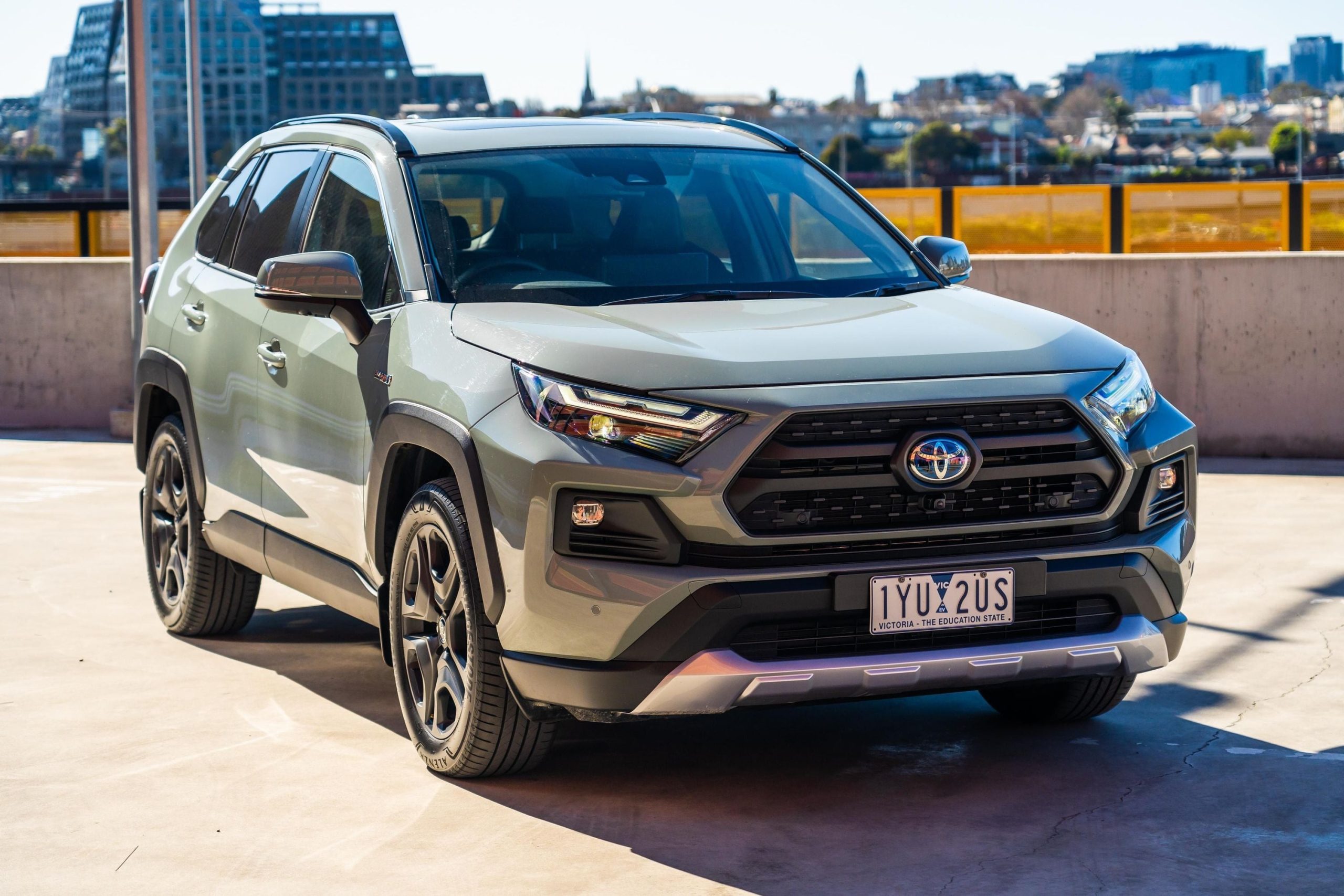
The Toyota RAV4 provides another reminder that repair counts need context. The supplied data indicates that it has relatively few repairs per year and a stronger reliability record than both the Tacoma and Corolla.
Yet its enormous popularity still puts it among the ten models with the highest absolute number of repeat repair claims. Think about the math.
If a vehicle sells in very large numbers, even a small percentage of owners experiencing the same type of problem can create a substantial number of repair claims.
A less popular model could have a higher repair rate but generate fewer claims simply because fewer vehicles are on the road. That is an important consideration for anyone reading reliability rankings.
Frequency and volume are not the same measurement. The RAV4 has also been offered across many generations, powertrains, and equipment levels.
Reliability can therefore vary according to model year and configuration. Used shoppers should research the specific version rather than treating every RAV4 as mechanically identical.
Routine maintenance remains a sensible habit. Keeping up with scheduled service, monitoring unusual sounds or warning lights, and addressing developing problems early can help limit repair costs.
For buyers who want a practical SUV, the RAV4’s appearance on this list should not automatically be viewed as a warning against the model. Its position is heavily influenced by the huge number of vehicles sold and operating on American roads.
9. Honda CR-V
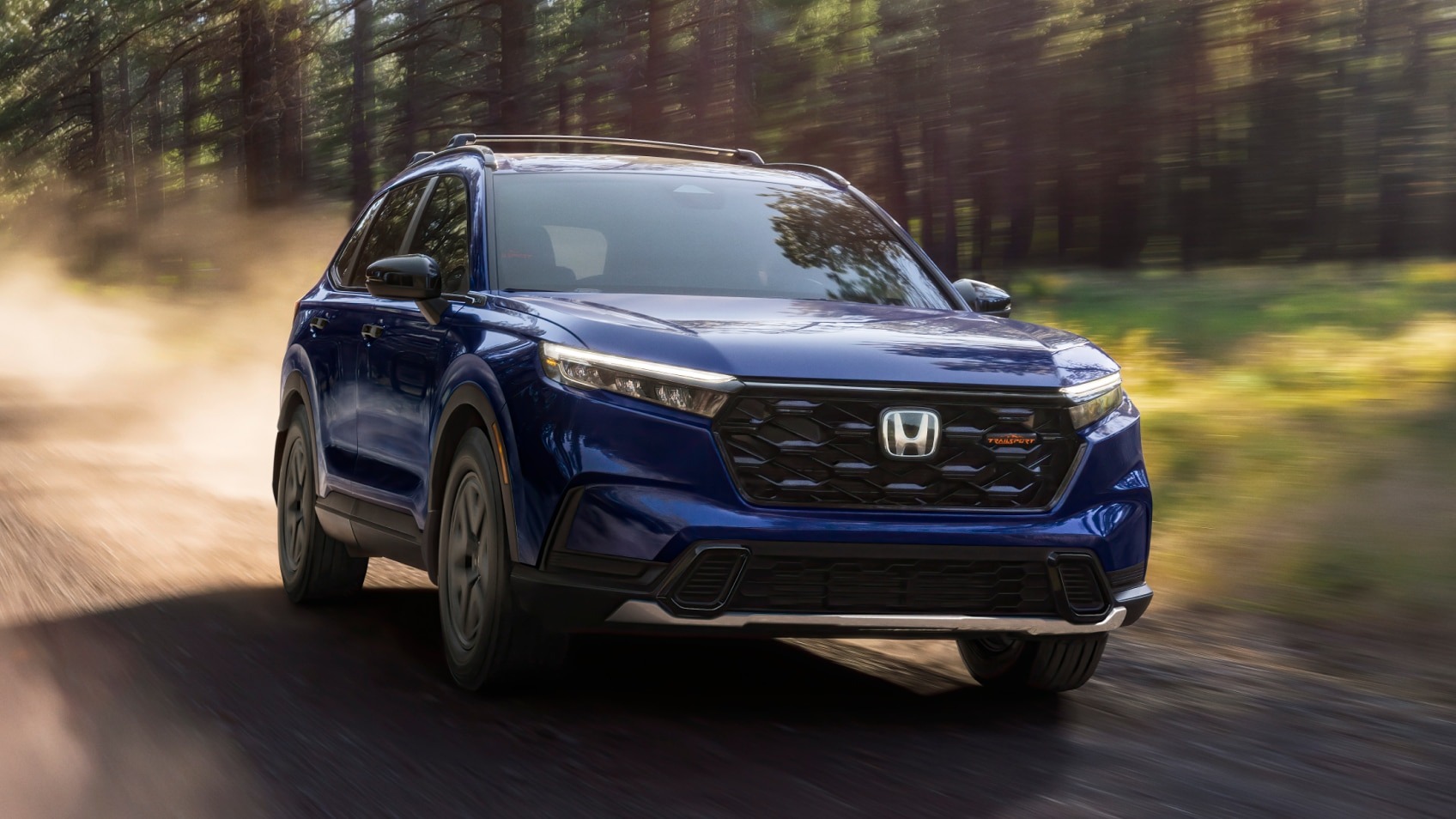
The Honda CR-V ranks ninth on this list, with reported repair concerns involving its variable valve timing system and air-conditioning compressor.
These problems may not affect every CR-V, but they are worth considering when buying a used model, especially one with high mileage or an unclear service history.
A fault with the variable valve timing system can cause poor engine performance, unusual noises, warning lights, or rough running. Finding the exact cause may require a proper diagnostic check because several engine components can produce similar symptoms.
Depending on what has failed, the repair may involve both replacement parts and considerable labor. Air-conditioning compressor problems are another issue mentioned in the repair data.
For drivers who depend on their vehicle every day, losing the AC can be particularly inconvenient during hot weather. Replacing a faulty compressor can also be expensive, especially if other parts of the air-conditioning system have been affected.
The CR-V remains a very popular compact SUV, so its large number of vehicles on American roads also helps explain why repair claims appear in high numbers.
A popular model naturally has more opportunities to generate claims than a vehicle sold in much smaller quantities. Anyone considering a used CR-V should therefore inspect the engine and air-conditioning system carefully before buying.
Check for warning lights, strange engine sounds, poor cooling, and evidence of previous repairs. Reviewing maintenance records is equally useful. These checks can help a buyer avoid unexpected expenses and choose a CR-V that has received proper care.
10. Honda Civic
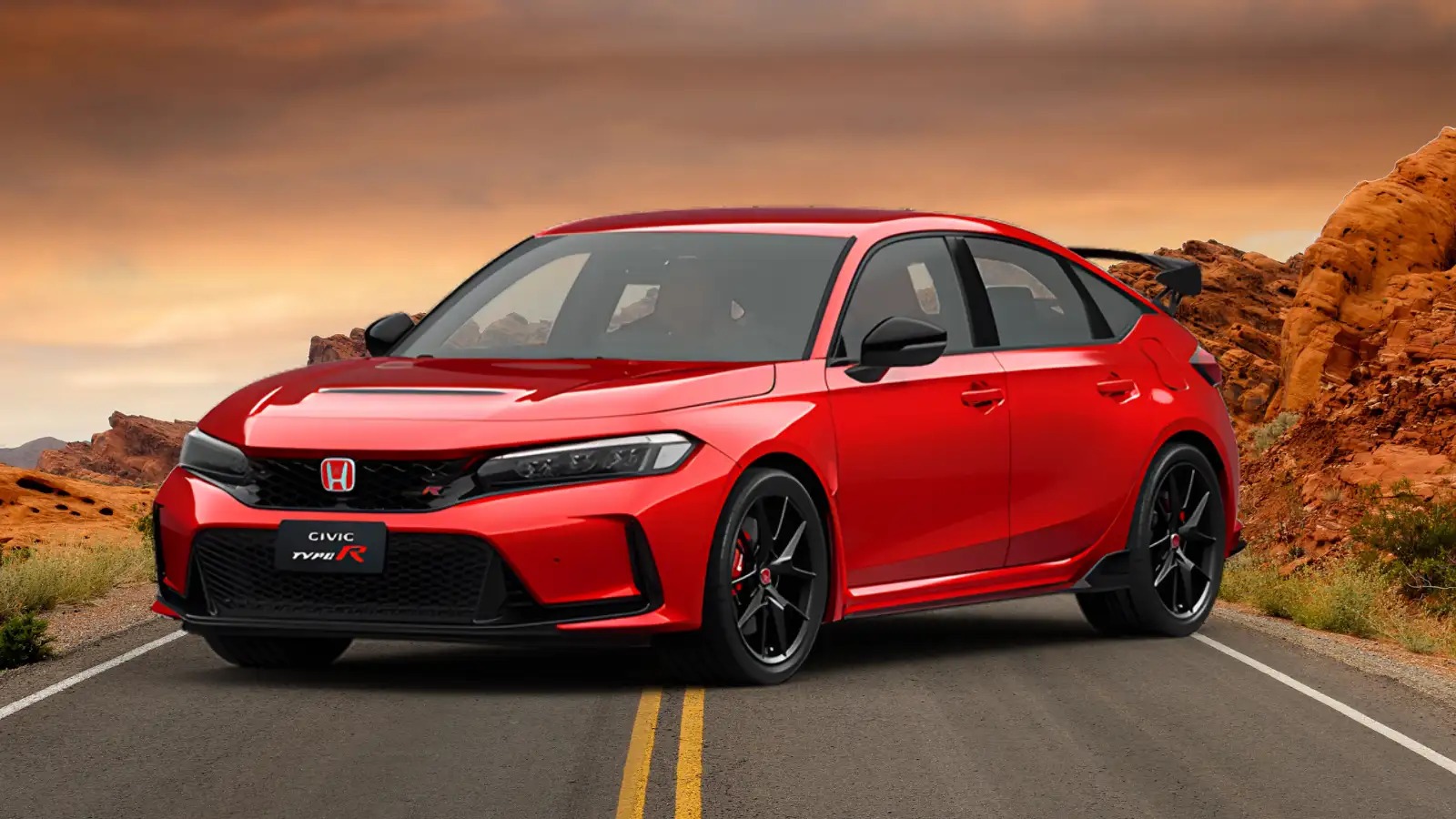
The Honda Civic closes the list, and its position may be the biggest surprise of all. According to the supplied data, the Civic is the most reliable model among these ten when frequency and severity are considered.
So why does it appear in a ranking about repeat repairs? Sales volume provides the answer. The Civic has been sold in enormous numbers, creating a very large population of vehicles on the road.
Even when individual vehicles tend to require fewer or less severe repairs, the sheer number of cars can produce a high absolute number of claims.
That makes the Civic an excellent example of why rankings based on total sales volume should not be confused with failure-rate rankings. A model can generate many repair claims without being a poor reliability choice for the average owner.
Its strong reliability reputation has helped the Civic remain popular with commuters, families, and used-car shoppers. Regular maintenance, sensible driving habits, and prompt attention to developing problems can help preserve that reputation at the individual vehicle level.
For buyers considering a used Civic, the standard inspection points still matter. Check the engine, transmission, brakes, suspension, tires, electronics, and air-conditioning system. It is also important to review the vehicle’s service records and history before making a purchase.
The Civic’s appearance at number ten should therefore be read with care. In this ranking, high sales volume is doing much of the work. It is less a warning about the car itself than a reminder of what happens when a hugely popular model generates even a modest number of repair claims.
