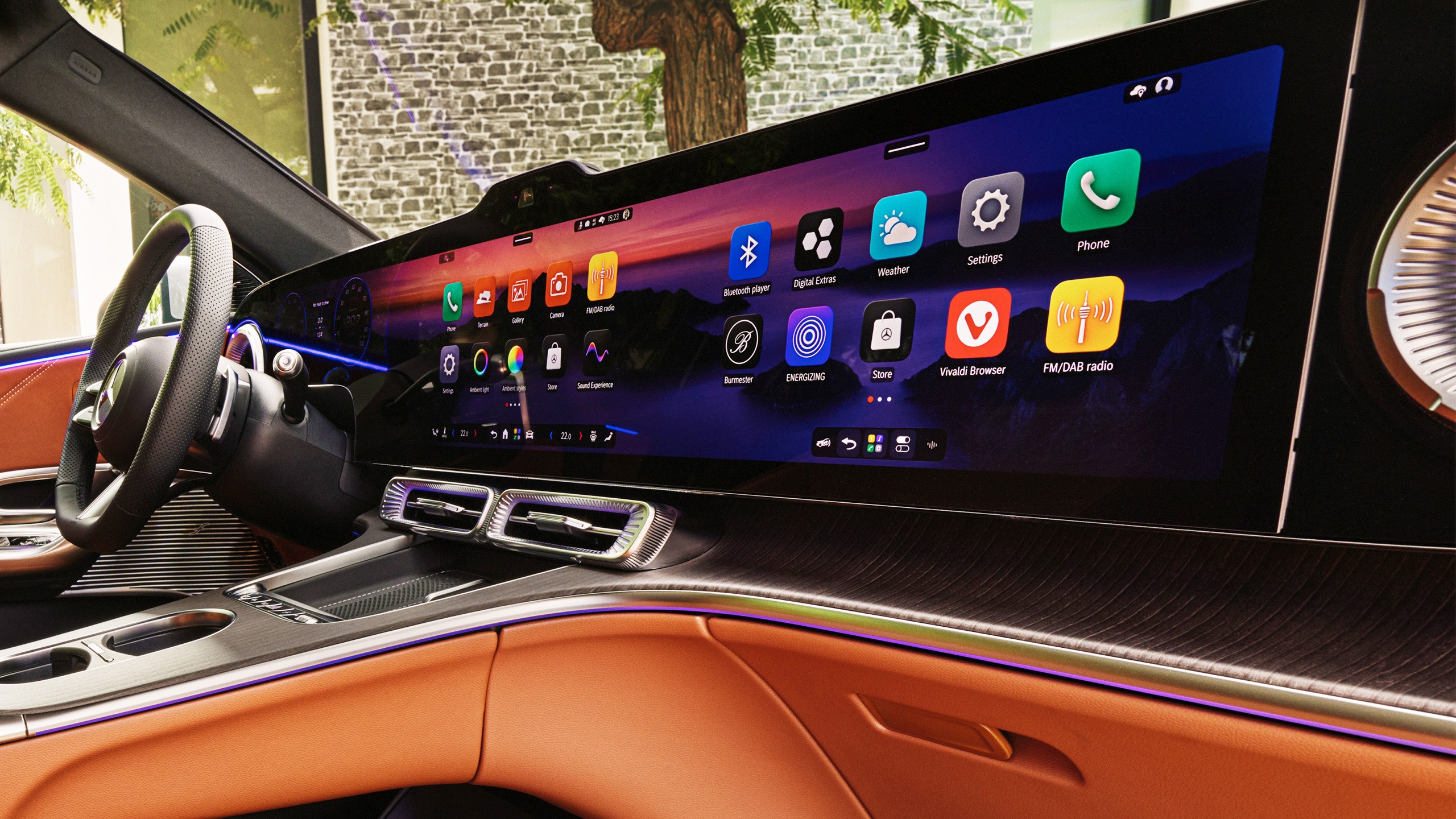
For a while, a massive screen in a new car seemed like a clear sign of progress. The larger the display, the more advanced the vehicle appeared. Now, however, more drivers are starting to question whether they really need a tablet covering much of the dashboard. Modern touchscreens can control navigation, music, phone calls, climate settings, and countless other functions, but that convenience can also come with drawbacks.
The problem begins when basic tasks become more difficult than they used to be. Recent industry research supports what many drivers have been reporting for years. Infotainment systems remain a major source of complaints, while touchscreen-heavy designs can also increase driver distraction.
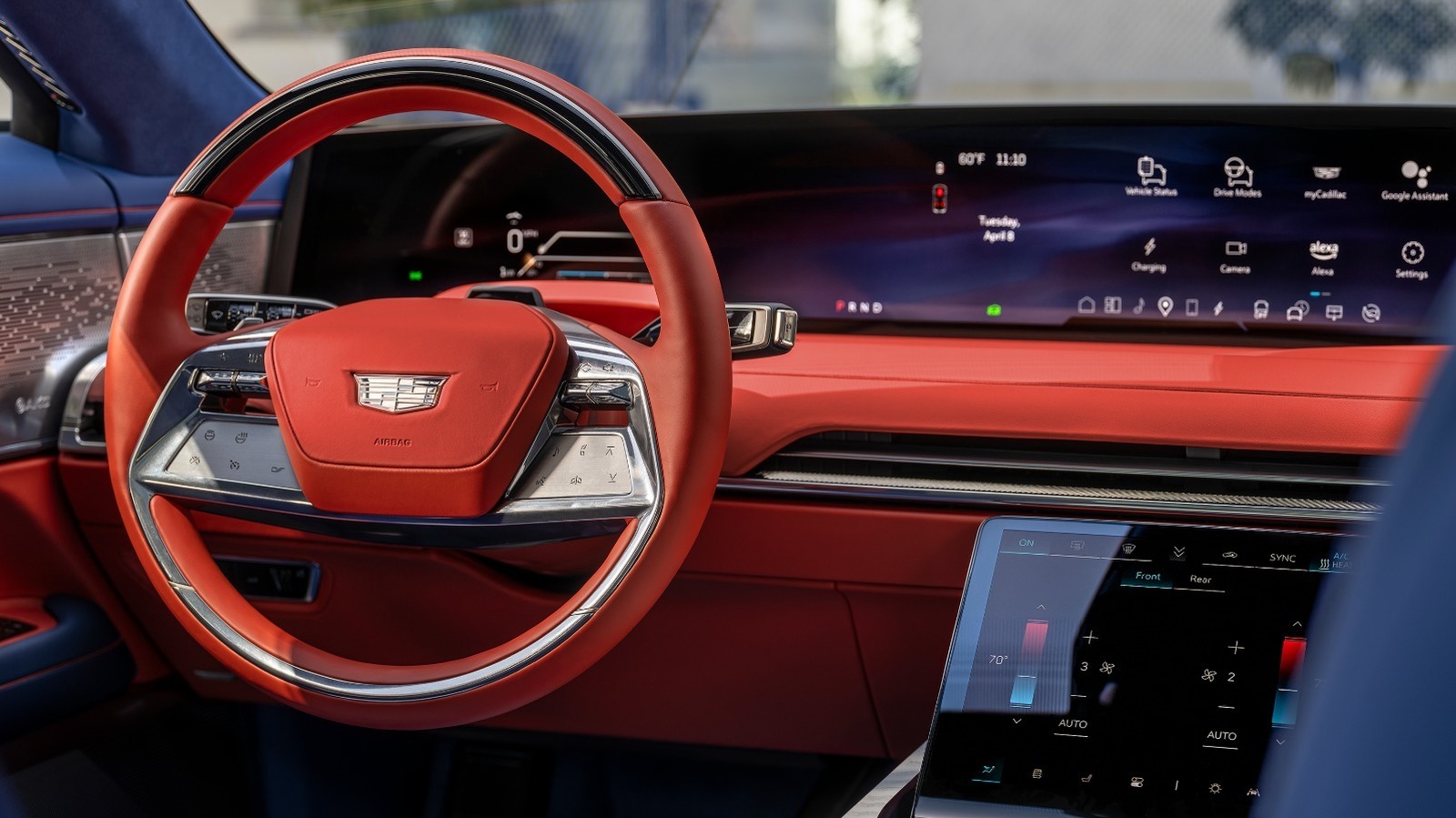
Why Automakers Went Big With Screens
There is a practical reason carmakers keep installing larger displays, and it has little to do with giving drivers a better radio experience. One large screen can replace a collection of buttons, switches, gauges, and separate displays.
That can simplify production because manufacturers can use similar hardware across several vehicles while controlling different features through software.
Design also plays a part. A wide screen gives a dashboard an instantly modern appearance and can make a vehicle look more expensive in a showroom.
Automakers have learned that buyers often associate a larger display with advanced technology, even when the screen mainly performs tasks that older cars handled with simple controls.
There is also a business reason. Software-based features can be updated after purchase, while subscriptions and digital services can create additional revenue opportunities. A screen provides the interface for those services.
The result is easy to notice. Functions that once had dedicated buttons and controls are increasingly tucked away inside menus. While this approach can save dashboard space and reduce production costs, it can also make drivers question whether the interior was designed with everyday convenience in mind or simply to create a more impressive appearance.
Bigger Screens Are Not Always Easier to Use
A large display sounds helpful until a driver needs to perform a simple task while moving. Changing a radio station, adjusting the fan, or altering the temperature should require little thought. With physical knobs and buttons, the hand can often find the control without the driver staring at it.
Touchscreens work differently. A driver may need to look at the display, identify the correct menu, select the function, and then make the adjustment. That extra interaction can create more distraction.
Research from the AAA Foundation for Traffic Safety found that drivers using in-car technology could experience more than 40 seconds of visual and mental distraction while completing tasks such as programming navigation or sending a message.
J.D. Power’s latest findings add another piece to the picture. Its 2026 U.S. Initial Quality Study found that infotainment and touchscreen displays were the largest contributors to reported driver distraction.
Among owners who reported a distraction-related issue, 46% said the infotainment system or touchscreen was the source. For drivers, the takeaway is straightforward. A larger screen does not necessarily make an interface easier or safer to use.
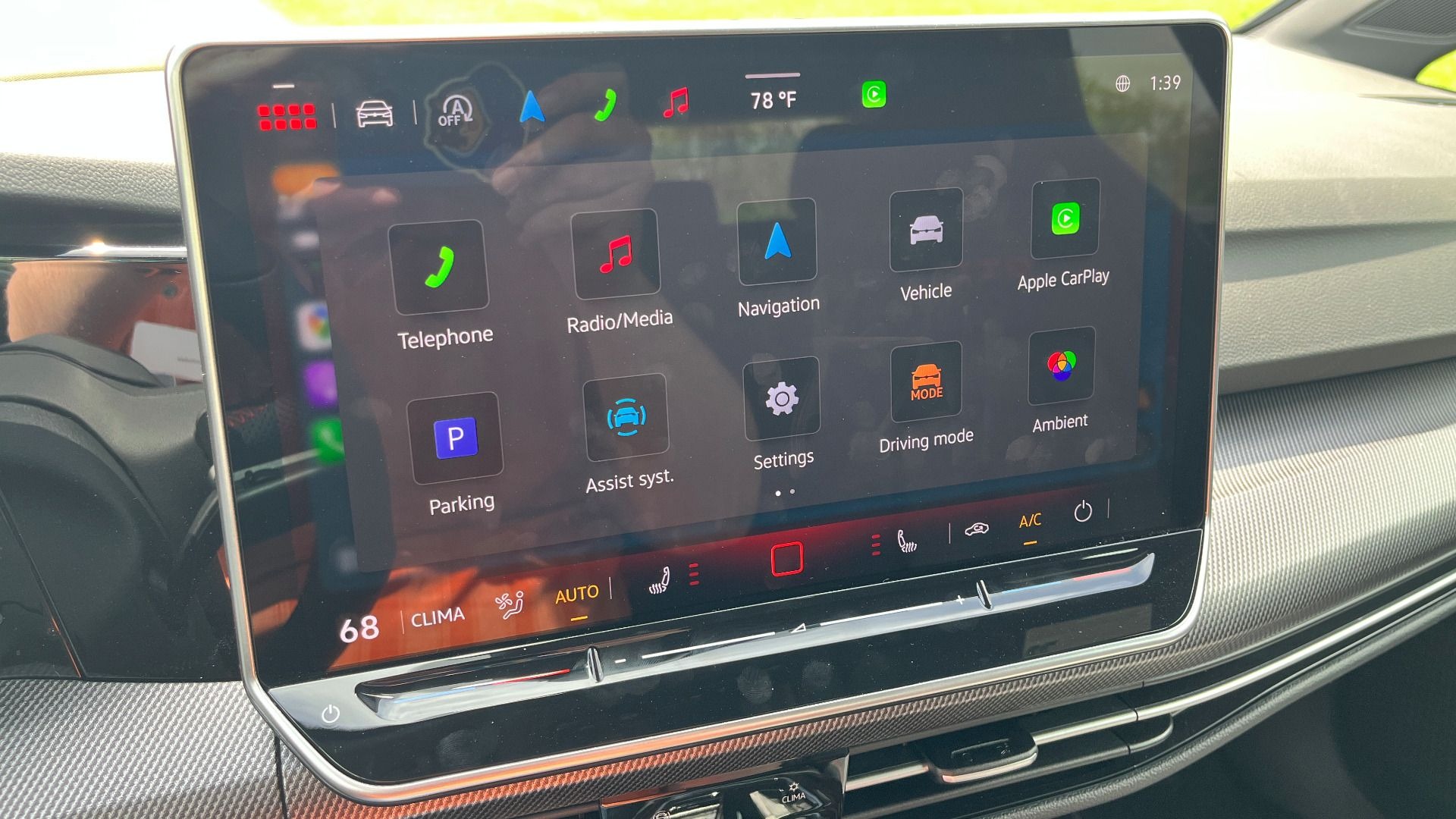
Drivers Still Want Buttons for Basic Tasks
Walk into a newer vehicle and you may find that the touchscreen handles far more than entertainment. Climate settings, vehicle preferences, seat functions, navigation, audio, and other features can all depend on the same digital interface.
That arrangement looks tidy, but convenience can suffer. A physical volume knob gives immediate feedback. A temperature dial can be adjusted by feel. A dedicated button for a frequently used function is easy to recognize without searching through a menu.
J.D. Power’s 2025 U.S. Multimedia Quality and Satisfaction Study found that five of the ten most frequently reported multimedia problems involved infotainment systems.
The study also recorded an increase in reported touchscreen and digital-display problems, rising from 4.0 problems per 100 vehicles in 2024 to 4.2 in 2025.
That does not mean drivers dislike technology. Many people appreciate large displays for maps, cameras, music, and phone integration. The frustration often comes from how much responsibility is placed on the screen.
A sensible approach may be to let the display handle information-heavy tasks while keeping frequently used controls physical. That combination could offer modern technology without making everyday driving feel like operating a tablet.
The Appeal of the Old-School Dashboard
There is a reason traditional dashboards are suddenly looking attractive again. Their appeal is not simply nostalgia. Physical controls often provide a straightforward connection between the driver’s hand and the vehicle’s function.
Consider adjusting the temperature on a cold morning. With a traditional setup, the driver can reach for a familiar knob and make the adjustment almost automatically. There is no need to search through a digital menu.
The same principle applies to audio volume, windshield controls, and other commonly used functions. Once a driver becomes familiar with the layout, muscle memory does much of the work.
That simplicity can be valuable in a vehicle, where attention belongs primarily on driving. AAA research has repeatedly raised concerns about the amount of attention modern infotainment systems can demand.
Traditional controls are not perfect, either. Buttons can wear out, dashboards can become crowded, and physical hardware cannot be updated as easily as software.
Still, the renewed interest in buttons suggests that buyers are not asking manufacturers to abandon technology. They want thoughtful placement. A navigation screen can be huge without requiring the driver to use it for every minor adjustment.
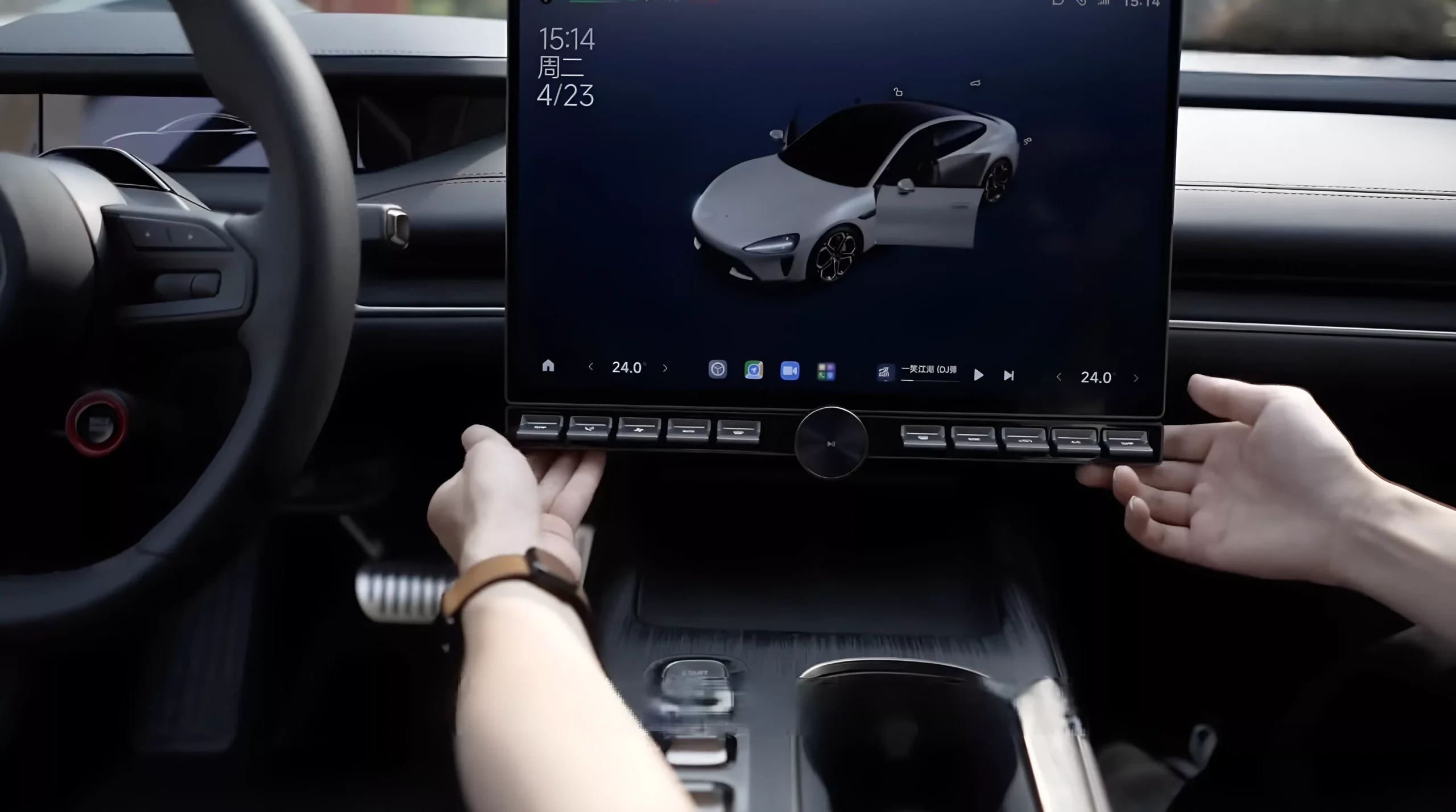
A Better Dashboard May Use Both
The debate does not have to be about choosing between a completely digital interior and a dashboard filled with dozens of buttons. There is plenty of room for a middle ground.
Large displays are genuinely useful for maps, backup-camera views, media libraries, vehicle information, and other functions that benefit from extra space. A detailed map is easier to read on a generous display than on a tiny panel.
Physical controls make more sense for tasks that drivers perform frequently. Volume, temperature, fan speed, hazard lights, and other commonly used functions can remain within easy reach.
J.D. Power’s 2025 multimedia study reached a similar conclusion, saying a combination of touchscreen technology and physical buttons can improve usability. Its research involved responses from 92,694 purchasers and lessees of new 2025 model-year vehicles after 90 days of ownership.
Carmakers may therefore have a choice to make. They can continue competing over who can fit the largest display into a dashboard, or they can focus more closely on how drivers actually use their cars.
For buyers, the message is becoming increasingly clear. Bigger screens are not automatically better. A well-designed cabin should use technology to make driving more convenient without making basic tasks more difficult.