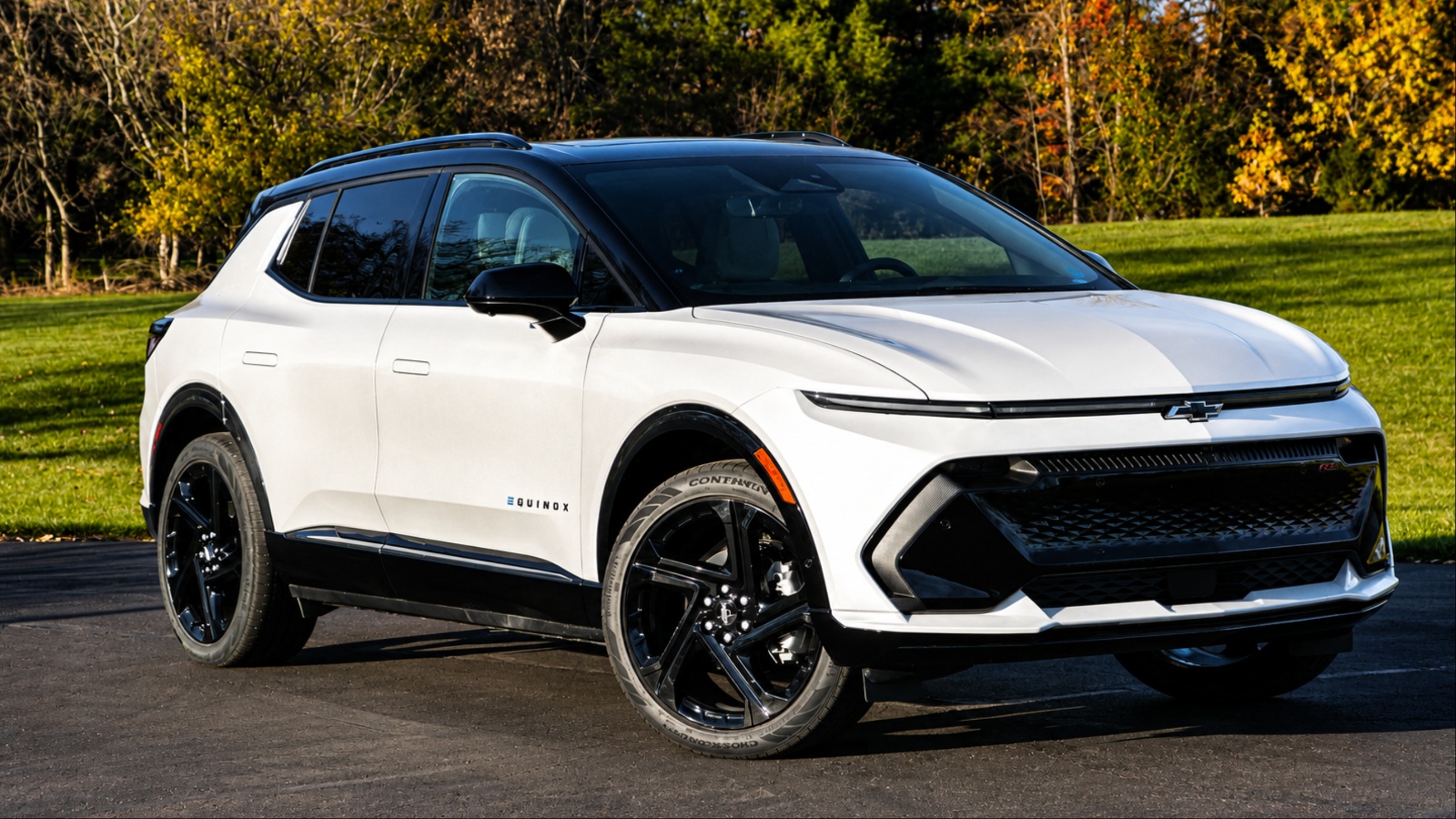
The SUV market is heading toward another major shift by 2028, with automakers expected to introduce more affordable electric, hybrid, and gasoline-powered models.
Buyers looking for a new SUV under $40,000 should have more choices, including compact crossovers, rugged models, family-friendly vehicles, and efficient electric options. Some names on this list are confirmed projects, while others are strong industry possibilities based on manufacturer plans and product strategies.
Pricing has not been announced for every vehicle, so the $40,000 target should be viewed as an estimated starting point rather than a guarantee. These upcoming SUVs could bring improved technology, efficiency, practicality, and fresh designs to mainstream buyers.
1. 2028 Nissan Xterra
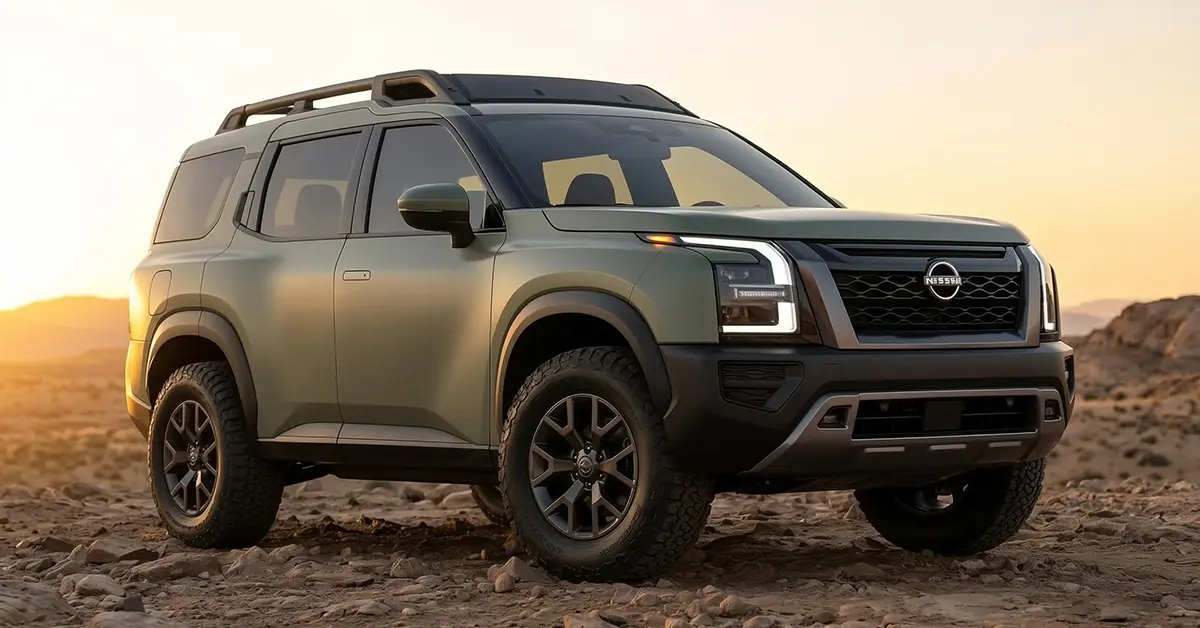
The Nissan Xterra is expected to make a return for the 2028 model year, bringing back a nameplate that disappeared from the U.S. market after 2015. Early information points toward a much more rugged vehicle than Nissan’s typical compact crossovers.
The new Xterra is expected to use a body-on-frame architecture and four-wheel drive, giving it a stronger connection to traditional off-road SUVs.
Nissan is also expected to position it against vehicles such as the Ford Bronco and Toyota 4Runner. Early pricing estimates suggest that the entry version could potentially remain below $40,000, though Nissan has not finalized pricing.
The return of the Xterra could be particularly interesting because affordable off-road SUVs have become increasingly popular. Buyers who want a vehicle for camping, trail driving, snow, and rough terrain often have to move into higher price brackets.
A sub-$40,000 Xterra could give Nissan a strong position if the company manages to balance capability with everyday comfort. The expected body-on-frame construction could provide the durability and ground clearance that adventure-focused customers want without forcing them into a full-size SUV.
Powertrain technology could also make the new Xterra different from its predecessor. Reports indicate that Nissan could use a hybrid system related to the company’s e-Power technology.
Rather than simply adding an electric motor to a conventional drivetrain, Nissan’s approach can use an engine to generate electricity while electric motors provide propulsion. If that technology reaches the Xterra, the SUV could combine low-speed electric response with the range advantages of an internal combustion engine.
Inside, the 2028 Xterra would need to meet modern expectations for connectivity, safety, storage, and passenger comfort. Buyers in this price range increasingly expect large infotainment displays, smartphone integration, driver-assistance systems, multiple charging ports, and useful cargo space.
Nissan could also offer rugged interior materials and configurable storage aimed at people who spend weekends outdoors. A strong standard equipment list would help the vehicle compete against established adventure SUVs.
2. 2028 Ford Compact Electric SUV
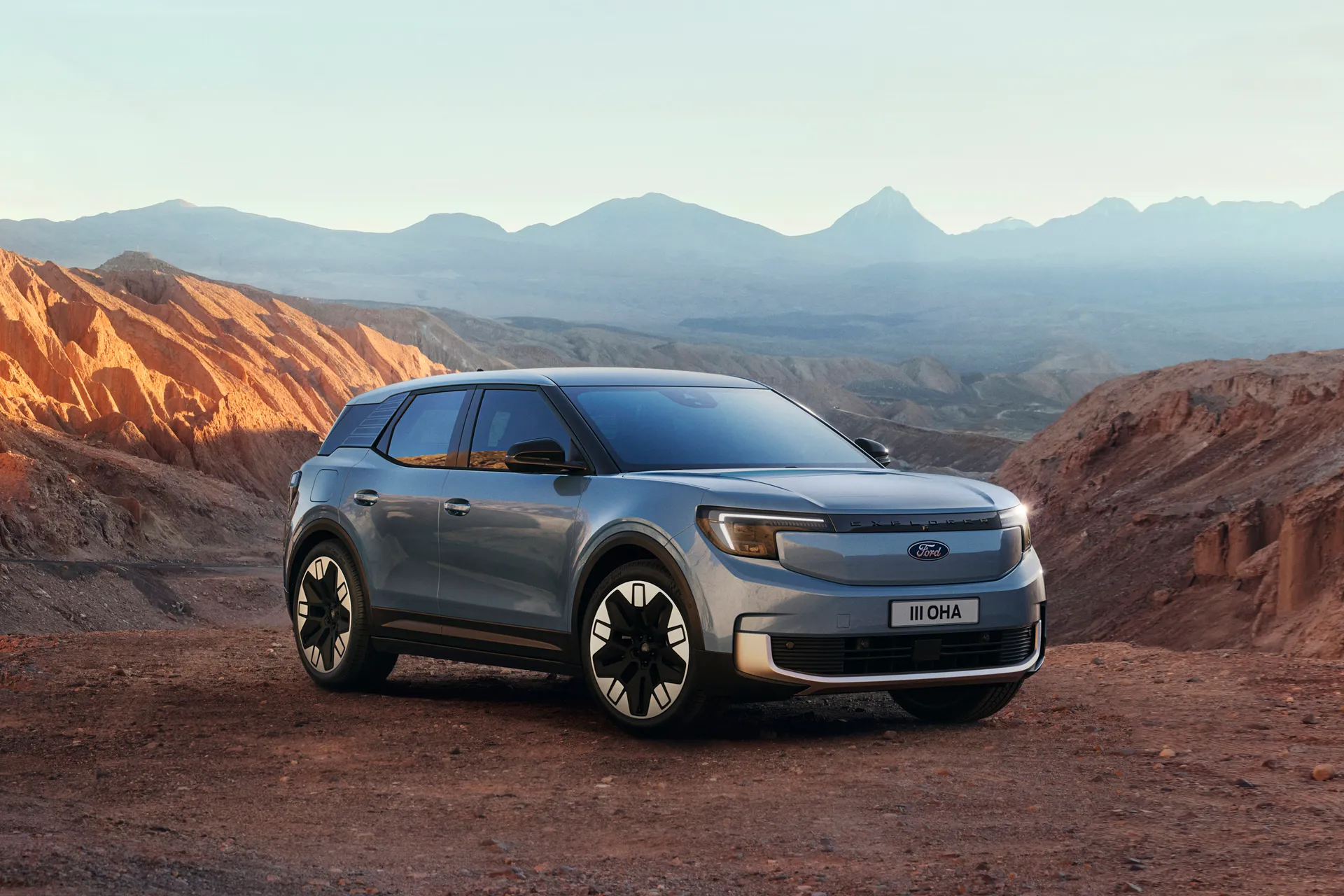
Ford has announced plans to introduce several new vehicles priced below $40,000 by 2030, using its newer Universal EV platform as part of the strategy. The company’s planned affordable lineup is expected to include several body styles, with a compact crossover considered among the possible products.
While Ford has not confirmed a specific 2028 SUV name or complete specification, its stated focus on lower-cost vehicles makes an affordable electric crossover a logical possibility.
A compact Ford electric SUV under $40,000 could fill an important gap in the company’s future lineup. The Escape has traditionally occupied an important position in Ford’s crossover range, but the company is changing how it approaches affordable vehicles.
A newer electric crossover could be smaller, simpler, and less expensive to manufacture than larger battery-powered SUVs such as the Mustang Mach-E. That could help Ford reach customers who want an EV without paying premium prices.
Battery technology will be crucial to the vehicle’s success. An affordable electric SUV does not necessarily need a massive battery pack if Ford can keep weight under control and improve efficiency.
A smaller battery could reduce manufacturing costs, lower vehicle weight, and make charging more manageable. Buyers would still expect a practical driving range, fast charging capability, and reliable thermal management, especially for highway travel and colder climates.
The cabin could follow the technology-focused approach seen in newer Ford products while keeping unnecessary complexity under control.
A compact electric SUV could provide a spacious cabin relative to its exterior dimensions because electric platforms allow engineers more flexibility with packaging. Flat floor space, useful rear-seat room, and a practical cargo area would make the vehicle attractive to families who do not need a three-row SUV.
Pricing will determine whether this Ford becomes a genuine mainstream option. A starting price below $40,000 would be significant, particularly if the vehicle qualifies for applicable incentives depending on the rules in effect when it arrives.
Ford has already stated that five new vehicles under $40,000 are planned by 2030, though the company has not identified every model. That leaves room for an affordable compact electric SUV to become a key part of its late-decade strategy.
3. 2028 Honda Compact SUV
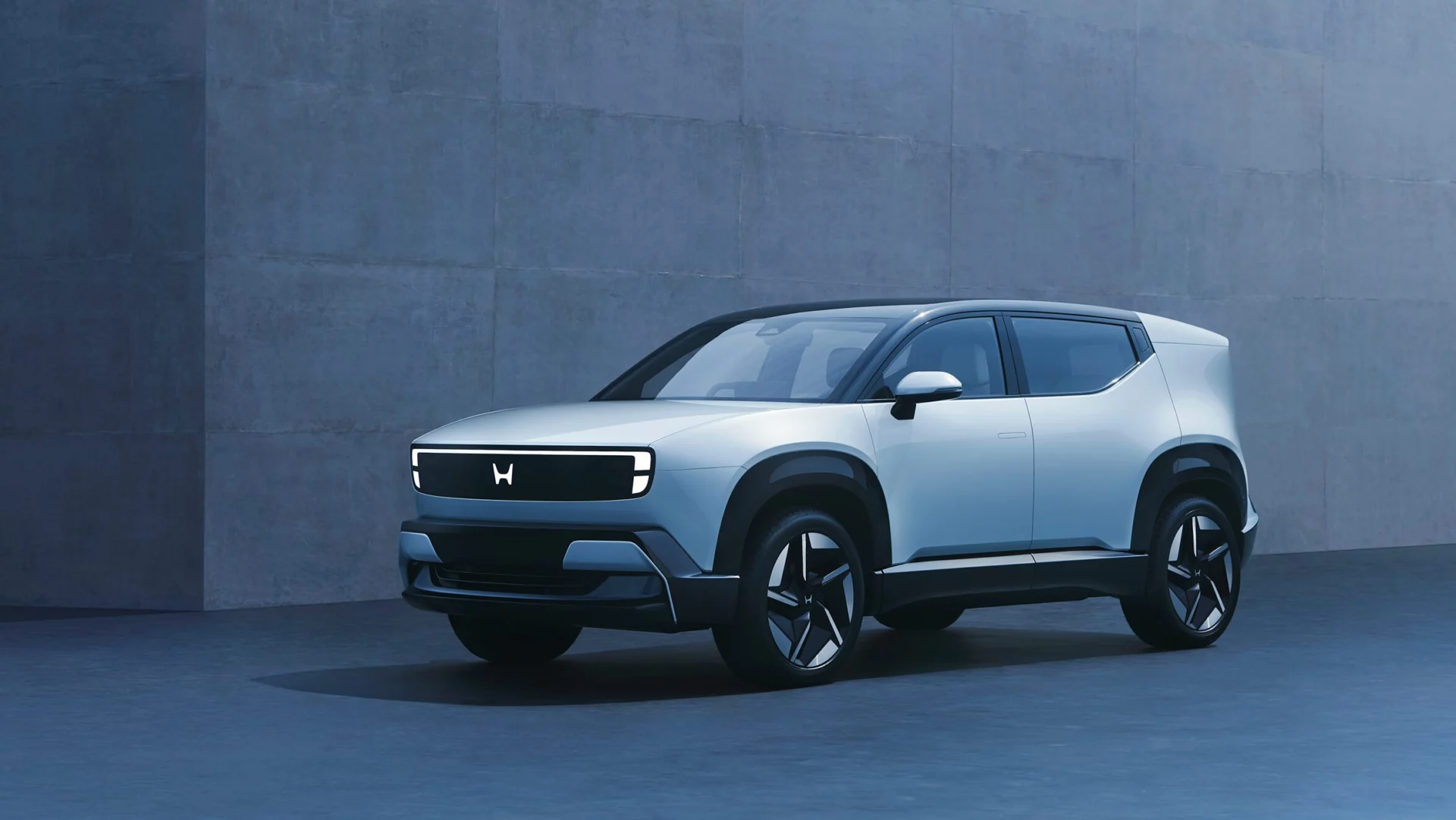
Honda is expected to continue expanding its SUV lineup during the latter part of the decade, making a new compact model a strong candidate for buyers seeking an affordable crossover.
The company has confirmed plans for new SUVs in the Indian market, including a sub-four-meter model planned for 2028. That vehicle is aimed at a much smaller segment than the typical U.S. compact SUV, so its specifications and availability should not be assumed to carry directly into North America.
The broader significance of Honda’s strategy is its increased focus on SUV products. Honda has traditionally built a strong reputation around sedans, but customer demand has shifted heavily toward crossovers.
The company therefore has strong reasons to continue adding SUV choices at different price points. A future compact SUV positioned below or near the lower end of the CR-V range could provide Honda with another mainstream product for younger buyers and smaller families.
A potential sub-$40,000 Honda would likely emphasize efficiency, practicality, and reliability rather than extreme performance. Honda has considerable experience with efficient gasoline and hybrid powertrains, so a hybrid option would make sense for a future compact model.
The company has also been developing broader electrification plans, meaning the eventual vehicle could arrive with different powertrain choices depending on the market.
Honda’s biggest advantage would be its established reputation in the compact vehicle category. A new SUV could use that experience to provide a balanced driving position, good visibility, useful rear-seat space, and straightforward controls.
Safety technology would also be expected to play a major role, with automatic emergency braking, adaptive cruise control, lane assistance, and other driver-support features likely to be important selling points.
The exact U.S. product remains uncertain, so shoppers should be careful with claims that assign a specific name, engine, or price to a 2028 Honda SUV.
The company has confirmed new SUV activity, but detailed specifications can change before production. If Honda eventually introduces a U.S. compact SUV below $40,000, it could become a strong mainstream competitor by combining familiar brand appeal with improved efficiency and modern technology.
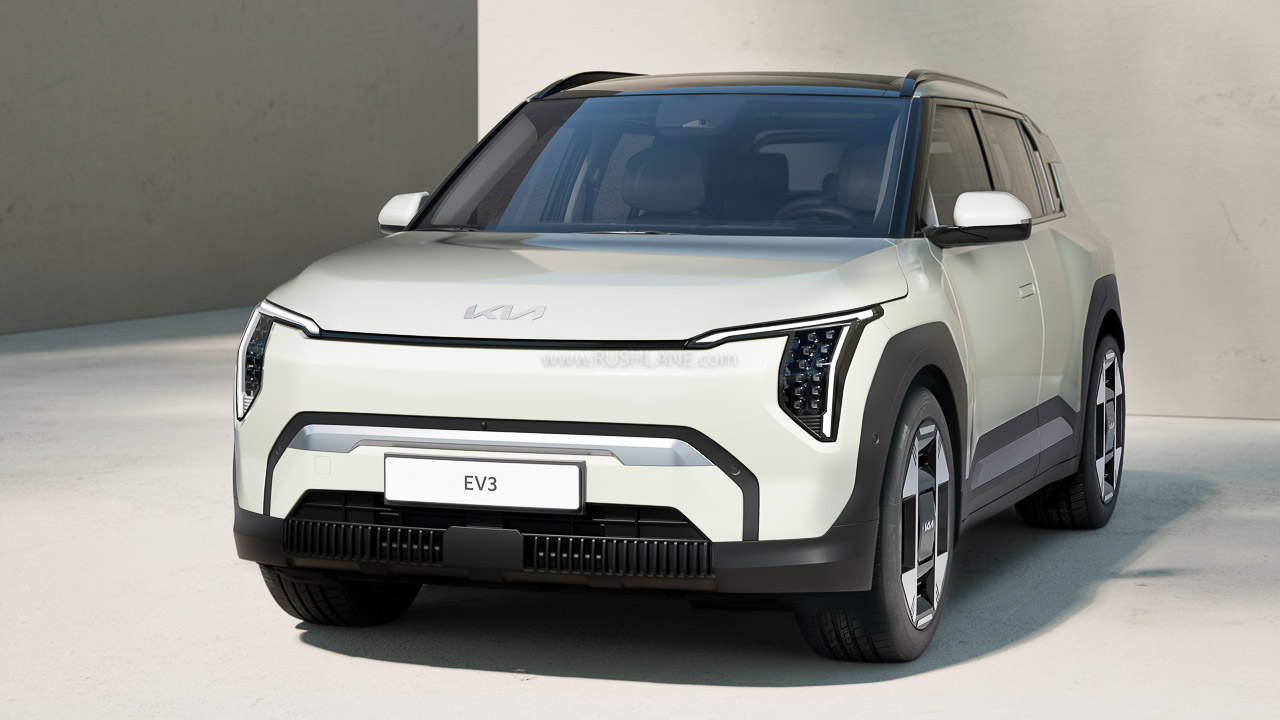
4. 2028 Kia Compact Electric SUV
Kia is also looking at expanding its SUV range with a smaller model in the coming years. Recent reports indicate that the company is working on a B-segment SUV for India that could arrive around 2028 and sit between the Seltos and Sonet. The model is reportedly being considered as an electric vehicle, though Kia has not finalized every aspect of the project.
The importance of a smaller electric Kia goes beyond a single market. Kia has already developed a broad range of electrified vehicles, and its future strategy is expected to include products aimed at different budgets and vehicle sizes.
A compact electric crossover could give the company a way to reach customers who find larger EVs too expensive or unnecessarily large for their daily needs.
A vehicle in this category would probably prioritize urban usability. Compact exterior dimensions would make parking easier, while an electric powertrain could provide quick acceleration in city traffic.
The absence of a conventional engine and transmission could also create additional interior space. For households using an SUV mainly for commuting, school runs, shopping, and occasional road trips, such a package could be appealing.
Kia has also built a reputation for offering substantial equipment at competitive prices. That approach could help a future affordable EV stand out.
Buyers may expect a modern digital instrument display, a large central screen, wireless smartphone connectivity, advanced safety technology, and convenient charging features. If Kia can include these features without pushing the starting price above the $40,000 threshold, the vehicle could attract a wide range of customers.
There is still a major distinction between a vehicle planned for another market and a confirmed U.S. product. The reported Kia model is connected to the company’s Indian strategy, and its eventual U.S. availability has not been established.
For that reason, it is better viewed as a sign of Kia’s future product direction rather than a guaranteed American 2028 model.
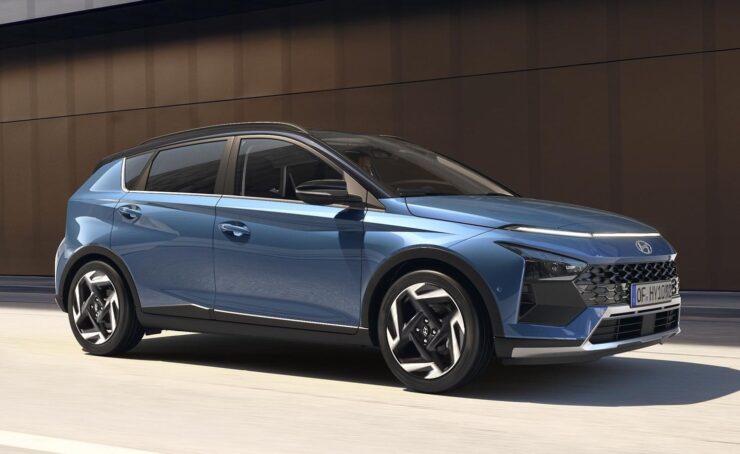
5. 2028 Hyundai Compact Crossover
Hyundai has spent years building a strong range of crossovers that cover several price points, and another affordable model could become important as buyers continue moving away from traditional sedans.
A future compact crossover priced below $40,000 would fit naturally between smaller vehicles and larger family SUVs. The exact model and launch details remain uncertain, but Hyundai’s continued expansion in the SUV market makes this category worth watching.
The strongest argument for such a vehicle is flexibility. A compact crossover can provide a higher driving position without the fuel consumption, parking challenges, and purchase cost associated with a larger SUV.
Hyundai has successfully used this formula with models such as the Venue, Kona, Tucson, and other market-specific products. A future vehicle could build on that experience while incorporating newer hybrid or electric technology.
A hybrid version could be particularly attractive to buyers who are not ready to move completely to an electric vehicle. Hybrid systems can reduce fuel consumption in city driving while avoiding the need for regular public charging.
A conventional gasoline version could remain available for customers who prioritize a lower purchase price, while an electric version could appeal to drivers with home charging access.
Technology would likely be another major focus. Hyundai has invested heavily in digital displays, connectivity, safety systems, and driver assistance.
A 2028 crossover could provide improved cameras, more sophisticated collision avoidance, adaptive cruise control, and enhanced highway assistance. The challenge will be delivering these systems in a way that remains intuitive rather than filling the cabin with distracting menus.
Pricing could determine how successful the model becomes. Hyundai has historically competed aggressively in the mainstream market, so keeping a base version under $40,000 would be realistic for a compact vehicle if production costs remain controlled.
Higher trims could cross that threshold, especially with hybrid or electric powertrains. Buyers should therefore compare standard equipment rather than focusing only on the advertised starting figure.
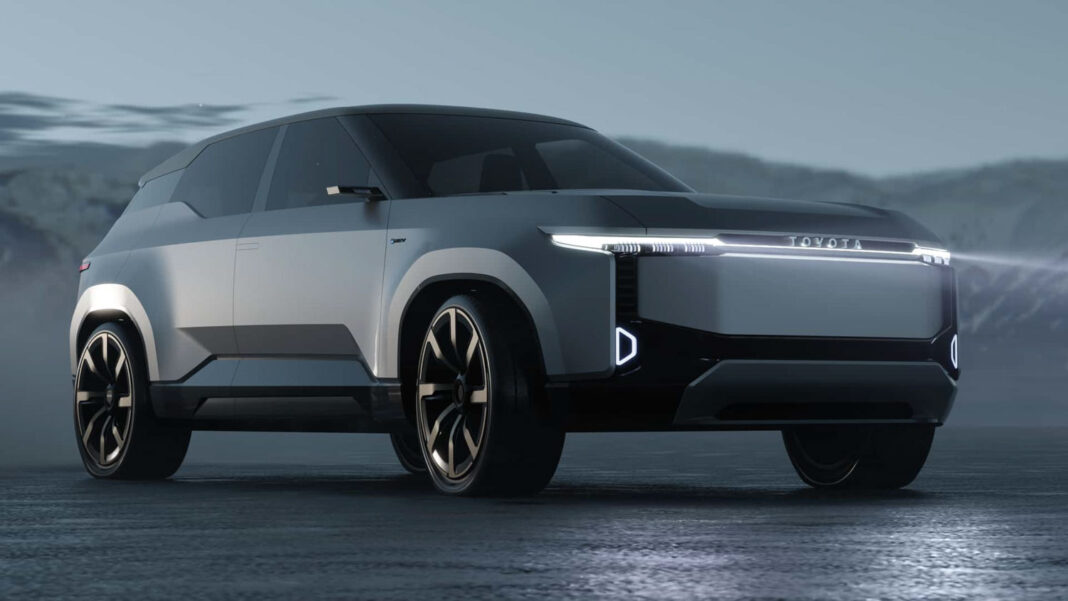
6. 2028 Toyota Compact SUV
Toyota’s SUV strategy is likely to remain heavily focused on efficiency, reliability, and a wide range of sizes. By 2028, the company could have several newer compact offerings designed to meet changing customer preferences.
A future Toyota SUV priced below $40,000 would have strong potential among buyers who want an efficient daily vehicle with a long ownership horizon.
Hybrid technology would be a natural fit. Toyota has spent decades developing hybrid systems and has expanded the technology across a large portion of its lineup.
A compact SUV using a hybrid powertrain could provide strong fuel economy without requiring owners to change their driving habits. This could be particularly attractive to customers who regularly drive long distances or do not have convenient access to charging.
A new Toyota compact SUV could also benefit from careful packaging. Many modern buyers want an SUV because they need flexible cargo space, easier entry, and useful rear-seat room rather than serious off-road capability.
Toyota could therefore focus on a comfortable ride, quiet cabin, good visibility, and practical storage. Those qualities can matter more to everyday owners than horsepower figures.
Safety is another area where Toyota could remain competitive. Modern Toyota products generally place considerable emphasis on driver assistance and crash avoidance technology.
A future model could add more advanced sensors and software as these systems become more capable. The goal would be to reduce driver workload without replacing the need for attentive driving.
The challenge for Toyota will be maintaining affordability while adding more technology and electrification. A hybrid system increases mechanical complexity and can raise production costs, while premium features can quickly increase the sticker price.
If Toyota manages to keep a well-equipped version under $40,000, a 2028 compact SUV could appeal strongly to buyers who value efficiency and long-term ownership.
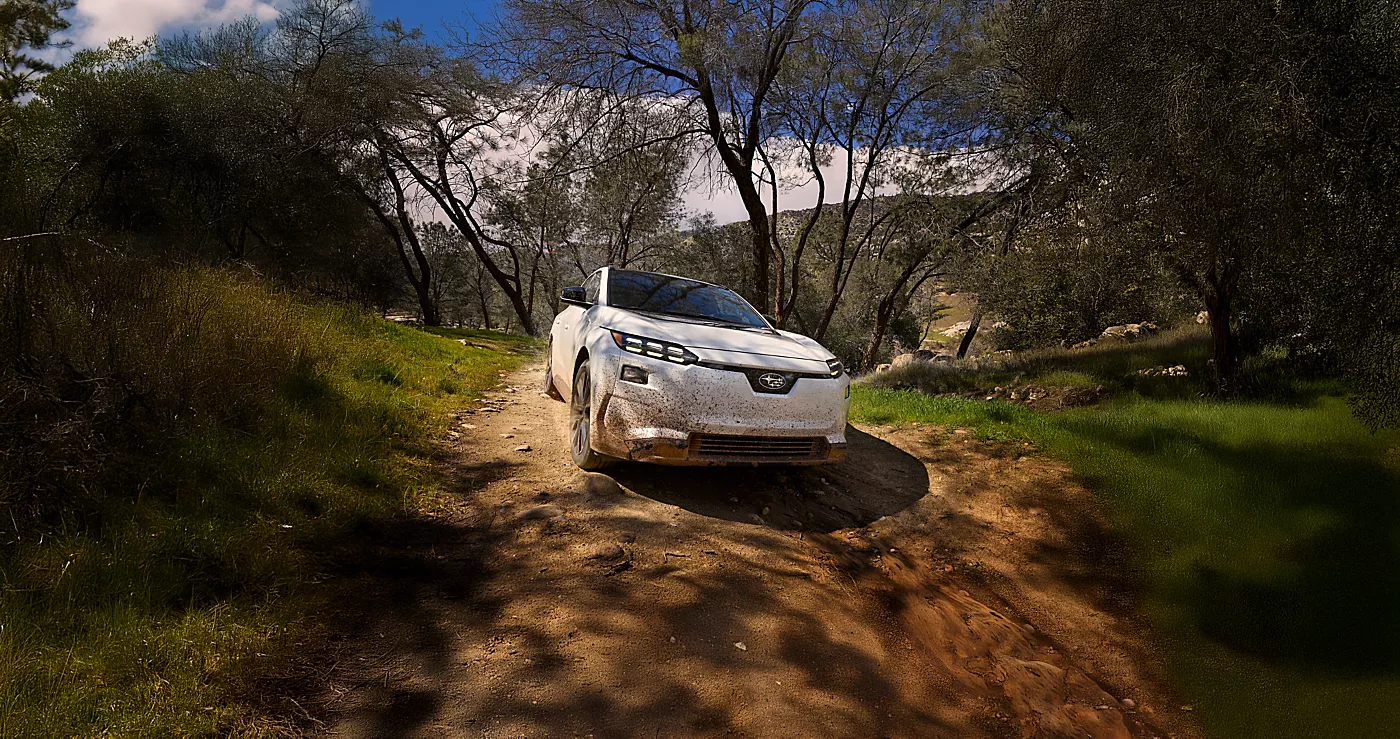
7. 2028 Subaru Compact SUV
Subaru has a loyal customer base built around all-weather capability, practicality, and standard or widely available all-wheel-drive systems. A future compact SUV below $40,000 would fit naturally into that philosophy.
While a specific 2028 model cannot be confirmed at this stage, Subaru’s product direction makes another affordable crossover a reasonable possibility for buyers watching the segment.
The appeal of a Subaru-sized compact SUV is straightforward. Customers in regions with heavy rain, snow, or rough roads often want the confidence of all-wheel drive without stepping into a large and expensive vehicle.
Subaru could combine that capability with a comfortable cabin, good ground clearance, and practical cargo space to create a vehicle aimed at outdoor-oriented households.
Electrification could also become increasingly important. Subaru has already moved toward electric vehicles through its partnership strategies, while continuing to sell gasoline-powered and hybrid-oriented products.
By 2028, a compact SUV could potentially use a hybrid system or battery-electric powertrain. The choice would depend heavily on production costs, customer demand, and Subaru’s broader product plans.
A sub-$40,000 price would also make sense for the brand’s mainstream strategy. Subaru buyers often prioritize practicality over luxury, so the company could focus on durable materials, physical controls, comfortable seats, and useful storage rather than expensive decorative features.
A large cargo area and flexible rear seats would further strengthen the vehicle’s everyday appeal.
Subaru would still need to differentiate a new compact SUV from existing products. The vehicle could occupy a smaller space than the Forester while providing more practicality than a conventional hatchback.
If Subaru combines its familiar all-weather identity with improved efficiency and modern safety technology, a future compact crossover could attract buyers who want a distinctive alternative to conventional urban SUVs.
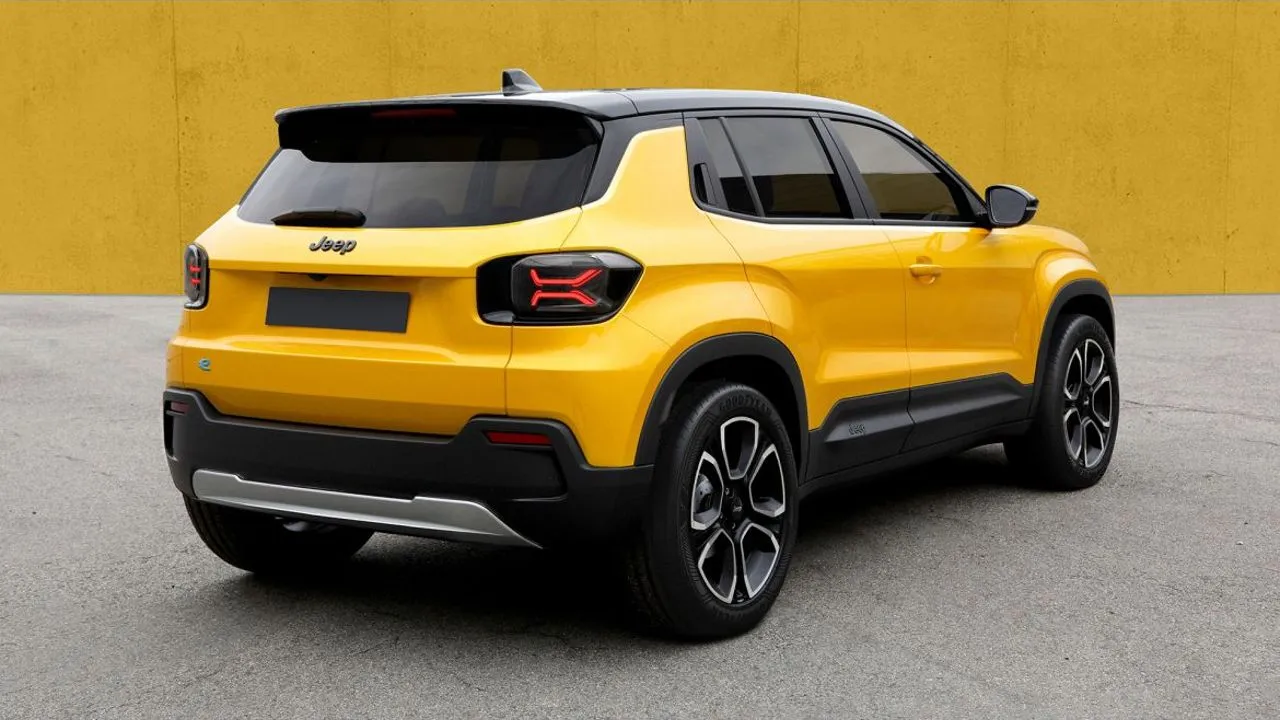
8. 2028 Jeep Compact SUV
Jeep has a particularly strong opportunity in the affordable SUV category because the brand is closely associated with rugged styling and outdoor use. A future compact Jeep priced below $40,000 could appeal to customers who like the appearance and character of Jeep products but do not need a large Wrangler or Grand Cherokee.
The main challenge would be deciding how much genuine off-road ability to provide. A compact crossover does not need extreme suspension travel or heavy-duty hardware to be useful.
Ground clearance, traction management, durable tires, and suitable approach angles could provide enough capability for dirt roads, snow, camping trails, and recreational use. This approach could keep costs lower while preserving Jeep’s identity.
Electrification could also change the formula. Jeep has been introducing electric and electrified technology across its lineup, and a smaller SUV could be a logical place for efficient powertrains.
An electric compact Jeep could deliver immediate torque and smooth low-speed control, both of which are useful on loose surfaces. A hybrid could provide a different balance between efficiency and long-distance flexibility.
Interior design would need to remain practical. Jeep buyers often appreciate washable materials, large cargo areas, durable surfaces, and controls that can be operated without relying entirely on touchscreens. A future affordable model could combine those traditional strengths with modern connectivity and advanced driver assistance.
Keeping the starting price below $40,000 would be critical. Jeep could offer a basic front-wheel-drive or two-wheel-drive version for urban customers, with more capable four-wheel-drive versions costing more.
That pricing strategy would allow the vehicle to serve several audiences while preserving a clear distinction between everyday transportation and genuine off-road trims.
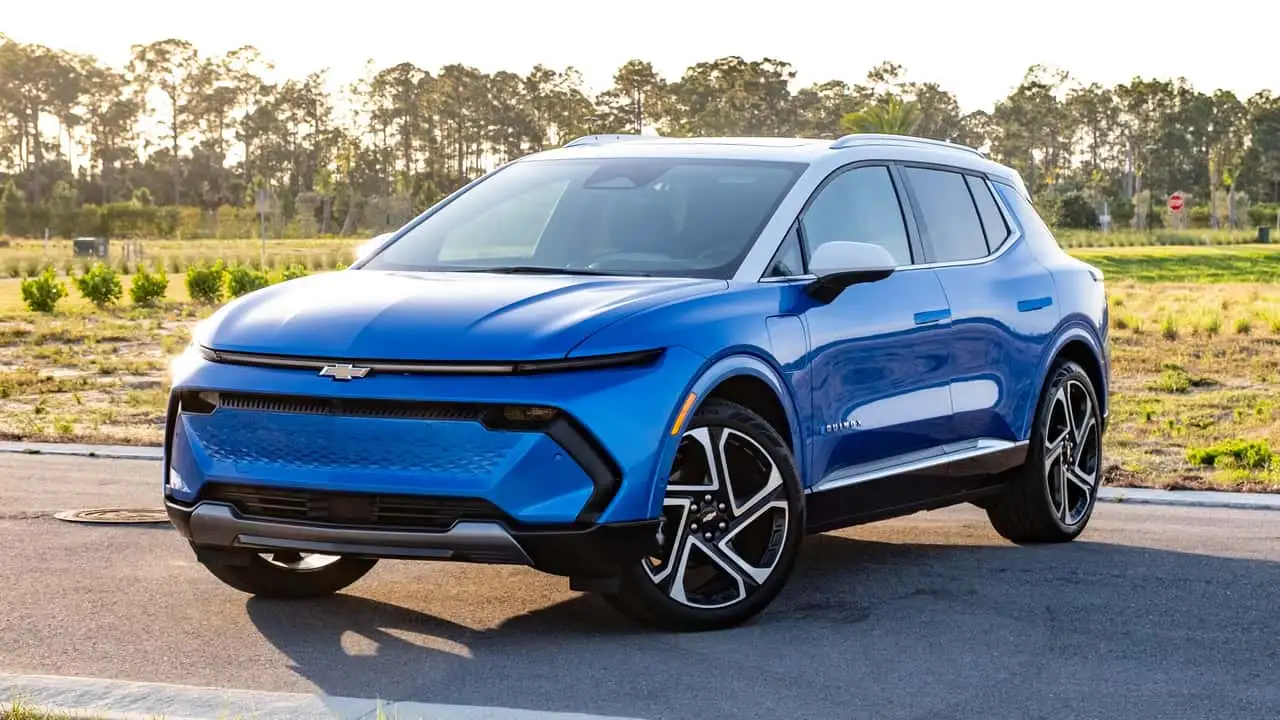
9. 2028 Chevrolet Compact Electric SUV
General Motors has been increasing its focus on electric vehicles, and Chevrolet is positioned to play a major role in making EVs more accessible.
A compact electric SUV below $40,000 would fit naturally into Chevrolet’s mainstream identity. The company already has experience with electric crossovers, giving it a foundation for producing a smaller and more affordable model.
The biggest attraction would be operating cost. Electric vehicles can have lower energy and maintenance expenses than comparable gasoline models, particularly for drivers who charge at home.
A compact Chevrolet EV could therefore appeal to commuters who want predictable daily transportation without paying the higher purchase prices associated with many larger electric SUVs.
Battery size would be a major factor. Chevrolet would need to balance range with affordability because a large battery can significantly increase manufacturing costs.
A smaller, efficient vehicle could potentially achieve useful range without requiring an oversized battery. Fast charging would also matter, especially for customers who expect to use the SUV for weekend trips.
The interior could provide a strong advantage if Chevrolet focuses on practical packaging. Electric platforms allow designers to create a relatively spacious cabin from a compact exterior.
A flat floor, useful rear-seat legroom, configurable cargo space, and multiple storage compartments would make the vehicle suitable for small families.