
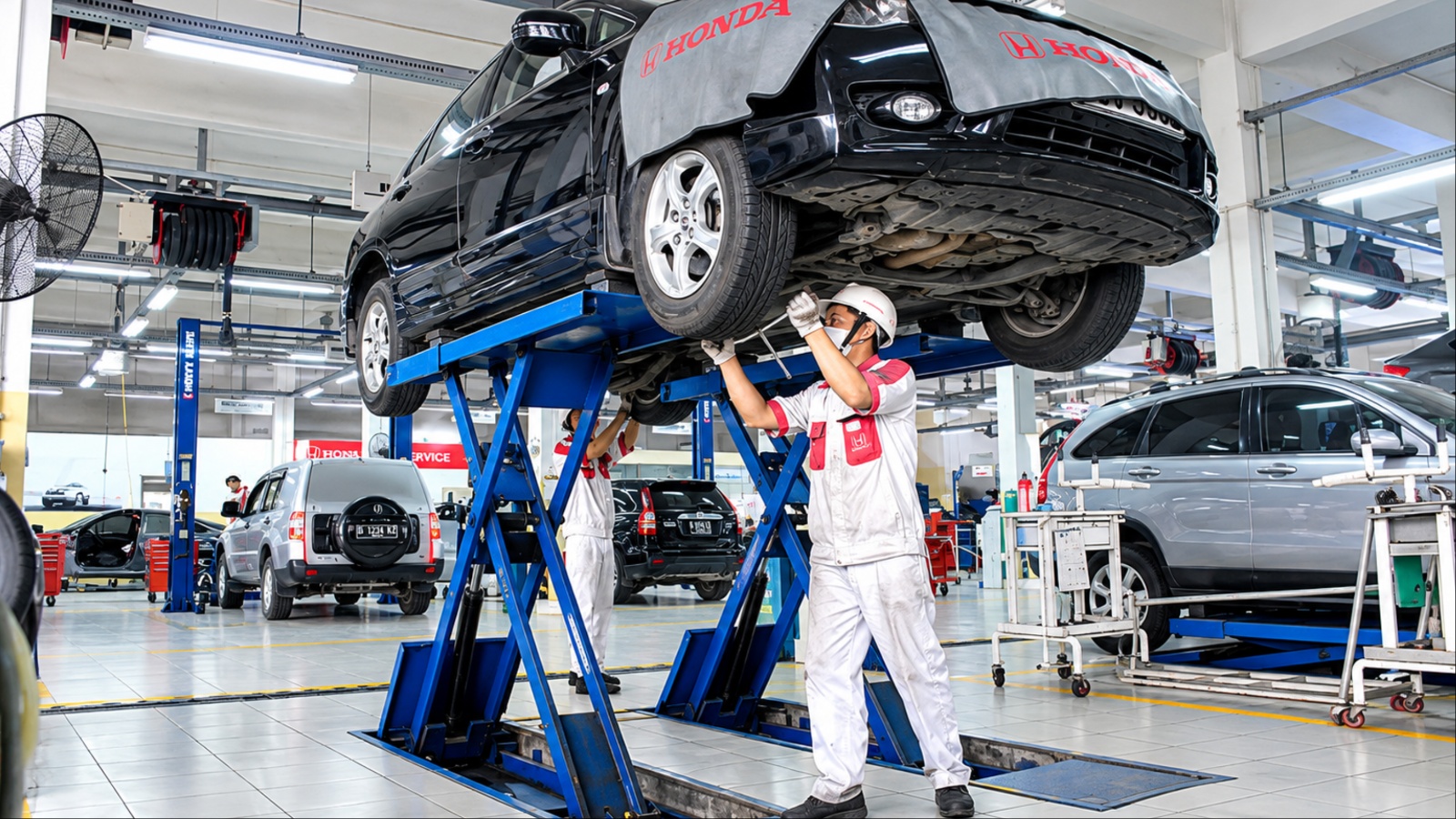
Honda has built its reputation on reliability. That reputation is well earned. But reliable does not always mean cheap. Once a Honda crosses the 100,000-mile mark, warranties are long gone.
Timing belts, transmissions, and hybrid batteries start reaching the end of their service life. Some models handle this transition gracefully. Others hit owners with repair bills that rival a used-car down payment.
This list breaks down ten Honda models where long-term ownership costs climb the fastest. The rankings draw from RepairPal’s owner-reported repair data, CarEdge’s ten-year cost projections, and Kelley Blue Book’s cost-to-own estimates. Real owner repair logs are included where they add useful detail.
Some of these vehicles are still excellent choices. They simply demand more from your wallet than their badge suggests. Knowing where the money goes before you buy, or before your own Honda hits six figures, is the whole point here.
1. Honda Odyssey
The Odyssey is Honda’s flagship minivan. It hauls families in comfort for years, and it has earned a loyal following for it. That comfort comes with complexity. Kelley Blue Book estimates ten-year maintenance at $3,885, averaging about $750 per year, while repairs can add another $683 to $1,882 during that same period.
Early ownership is cheap. The first year of service barely crosses the $80 mark, but that number does not stay small for long. By the fourth or fifth year, Edmunds estimates outlays north of $1,000 and climbing. Oil changes, brake checks, and fluid swaps dominate those early years.
Later on, it’s the pricier work that shows up. Water pump replacements, refrigerant line fixes, and oil pan gasket swaps become common past the 100,000-mile mark.
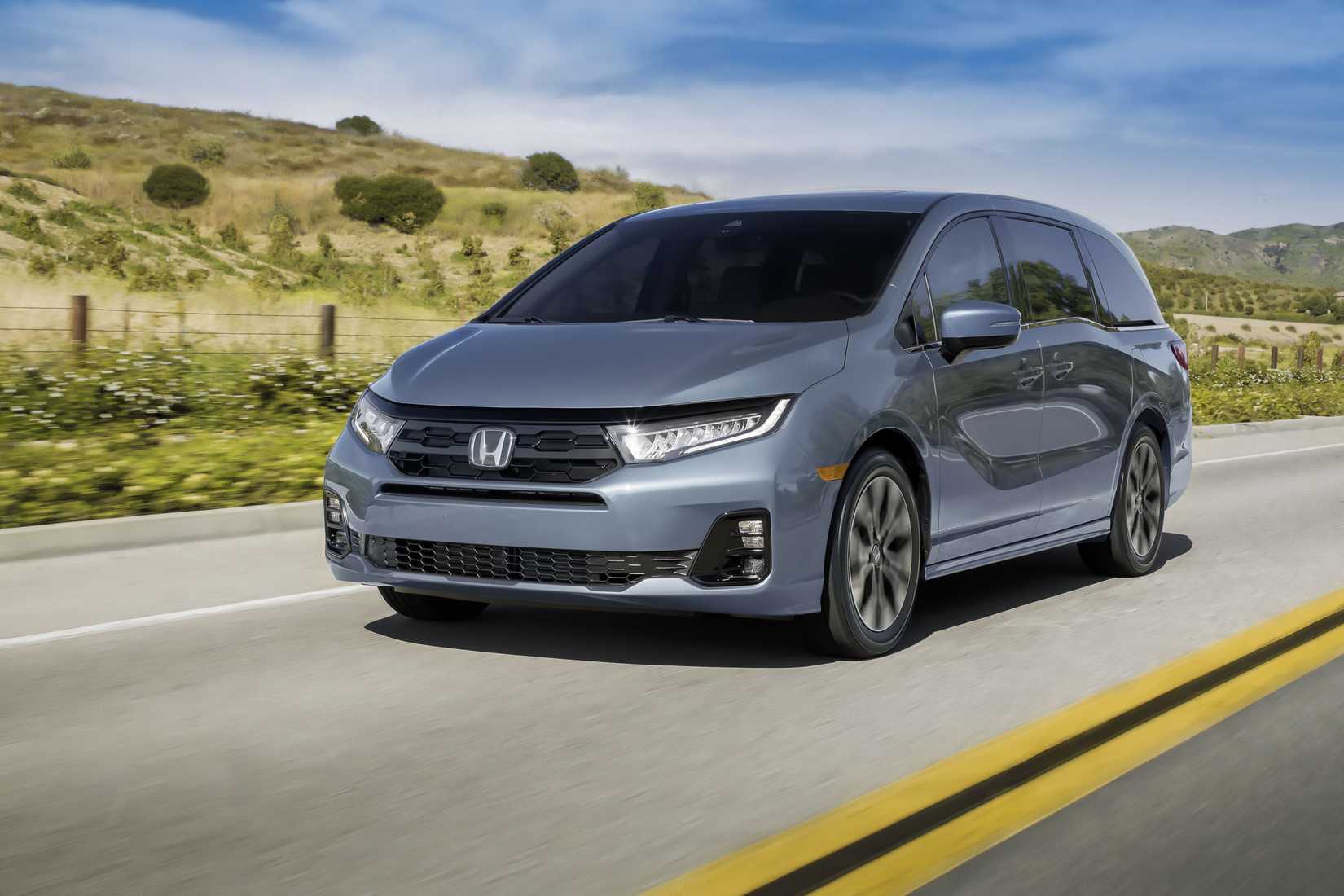
Stretch ownership to a decade, and the total spent on upkeep is around $8,000. That’s a meaningful sum for a vehicle bought used specifically to save money.
The 2018-2019 model years add another layer of risk. These years introduced a 9-speed transmission that owners frequently report as harsh-shifting or prone to jerking once past 80,000 miles.
Rodent damage is a smaller but recurring cost too. Multiple long-term owner logs mention wiring repairs from rodents nesting in the engine bay during cold months.
2. Honda Ridgeline
Honda’s only pickup drives more like a car than a truck. That refinement doesn’t make it cheap to keep running once the miles pile up. CarEdge estimates about $372 in first-year costs, with the running total reaching roughly $2,800 by the halfway point of ownership. The climb from there is steep.
The eventual ten-year total lands around $8,844, one of the highest figures among Honda’s entire lineup. Few Hondas outpace it on pure long-term cost.
Kelley Blue Book paints a similar picture from a different angle. The five-year ownership cost near $40,290 includes about $4,371 in scheduled care and another $1,797 in repairs. The good news is that visits to the shop are relatively rare. RepairPal notes owners visit about 0.3 times per year on average.
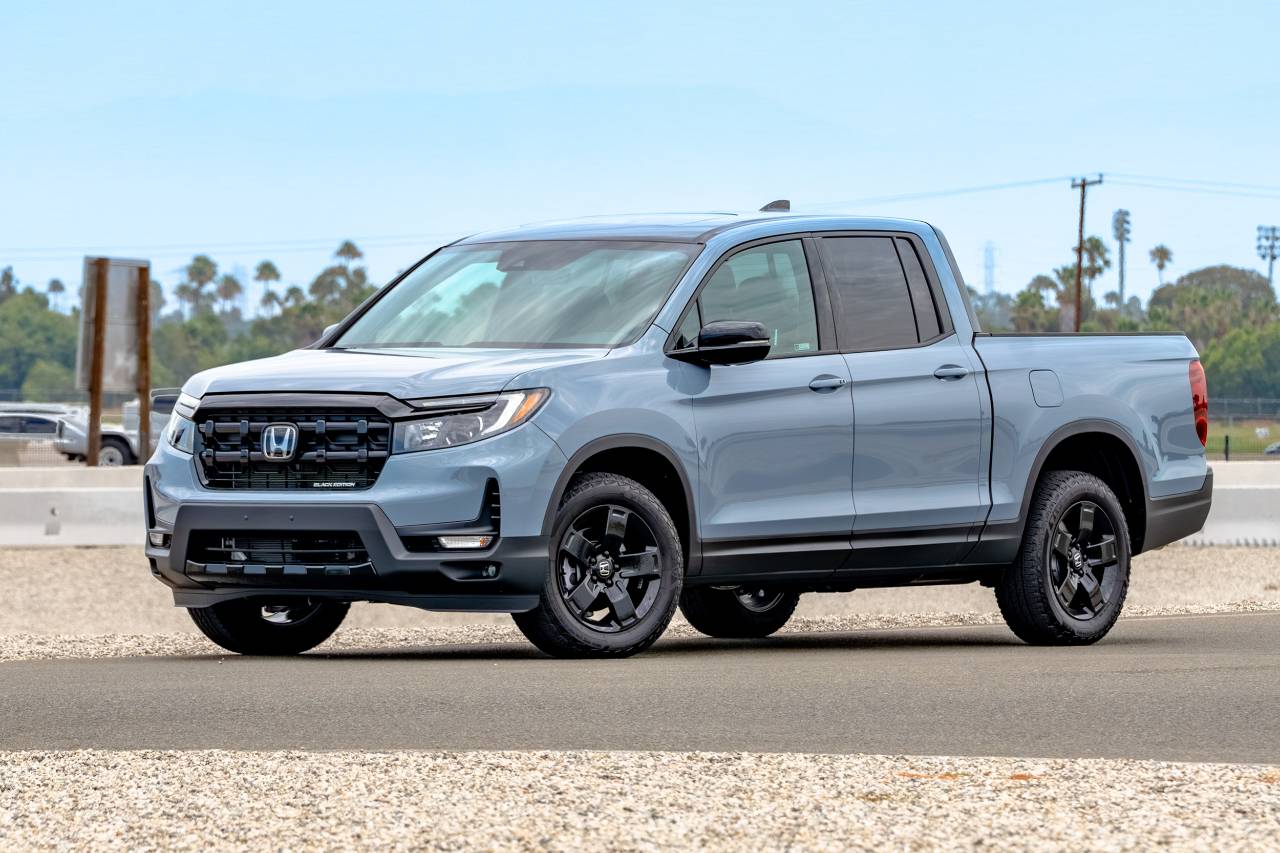
The bad news is what happens when they do visit. Roughly one in ten repairs turns into a major job, and those jobs aren’t cheap. Component failures get expensive fast once they hit.
A new water pump costs about $1,100, starter replacements can reach $1,300, and a manifold swap passes the $2,000 mark. Add in truck-specific wear like towing-related suspension fatigue, and the Ridgeline’s midsize-truck badge starts carrying a full-size price tag for upkeep.
3. Honda Pilot
The Pilot is built to last well past 200,000 miles. Getting there isn’t free, and the costs are backloaded toward the later years of ownership. Across the first decade, owners are likely to spend around $8,000, with the first five years taking up roughly a third of that total. Costs stay modest early on.
CarEdge pegs the first year around $347, rising by over $1,000 by the decade mark as mileage climbs. That’s a steep curve for a family SUV. Kelley Blue Book’s figures echo the trend from a different data set. Out-of-pocket maintenance is just shy of $4,000, while repairs amount to an estimated $1,726.
Later years get pricier still. After years four and five, annual upkeep commonly exceeds $1,800, especially on higher trims with more electronics and all-wheel drive hardware.
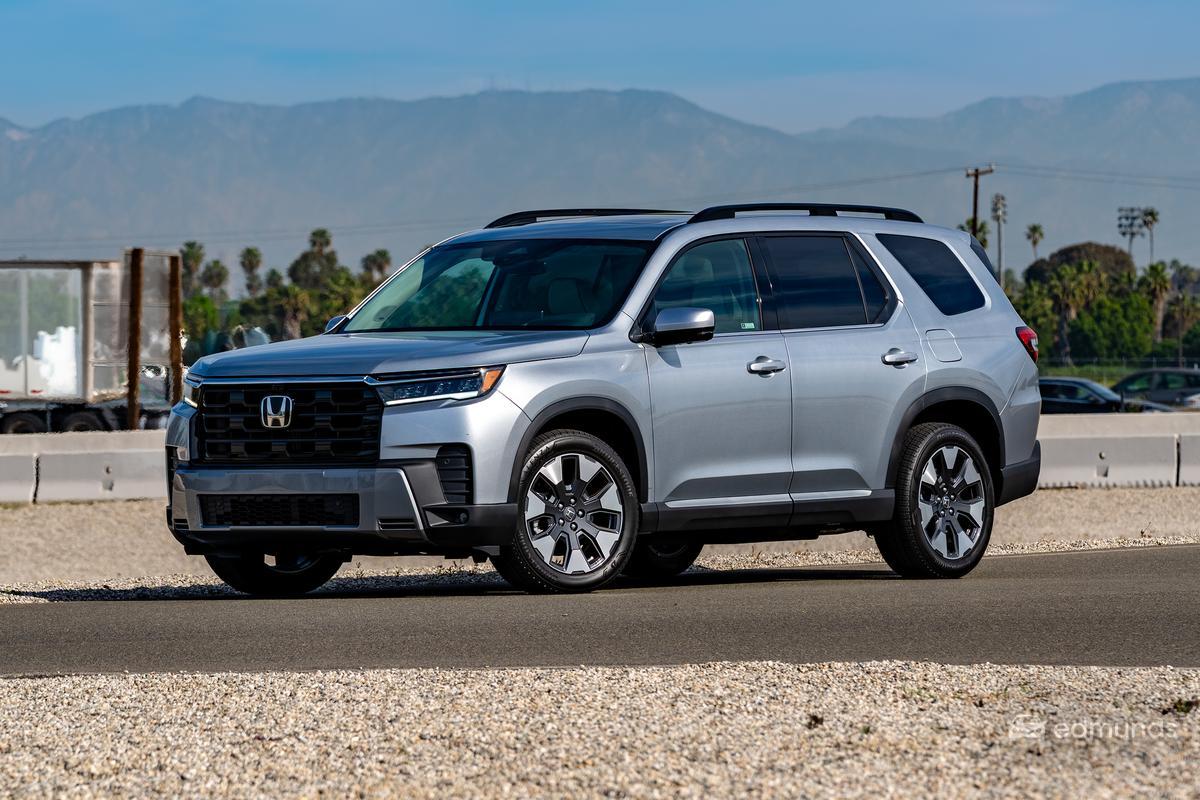
By the decade mark, about one in five owners faces a major repair. That’s a meaningful risk for a vehicle marketed heavily on reliability. RepairPal pegs the Pilot’s average yearly repair cost at about $542, with a 3.5 out of five reliability rating. That’s noticeably lower than most other Honda models.
The 3.5-liter V6 used in pre-2016 Pilots also runs a timing belt rather than a chain. That single service, done properly with a new water pump, commonly runs $1,000 to $1,800 once spark plugs are included.
4. Honda Passport
The Passport shares its bones with the Pilot. It inherits some of the same expensive failure points, along with a few of its own. RepairPal owner data shows several costly jobs common after 100,000 miles. A power steering pump replacement runs $1,046 to $1,111, while a water pump job costs $842 to $1,197.
The transmission is a particular concern for high-mileage examples. A transmission oil cooler line replacement can run $2,233 to $2,516, a serious hit for a routine cooling component.
Heater core failures are also reported with some regularity. Replacing one costs between $1,406 and $1,878, a job that typically requires significant dashboard disassembly.
These aren’t routine maintenance items. They’re the kind of surprise repairs that show up once a Passport clears six figures on the odometer, often in clusters rather than one at a time.
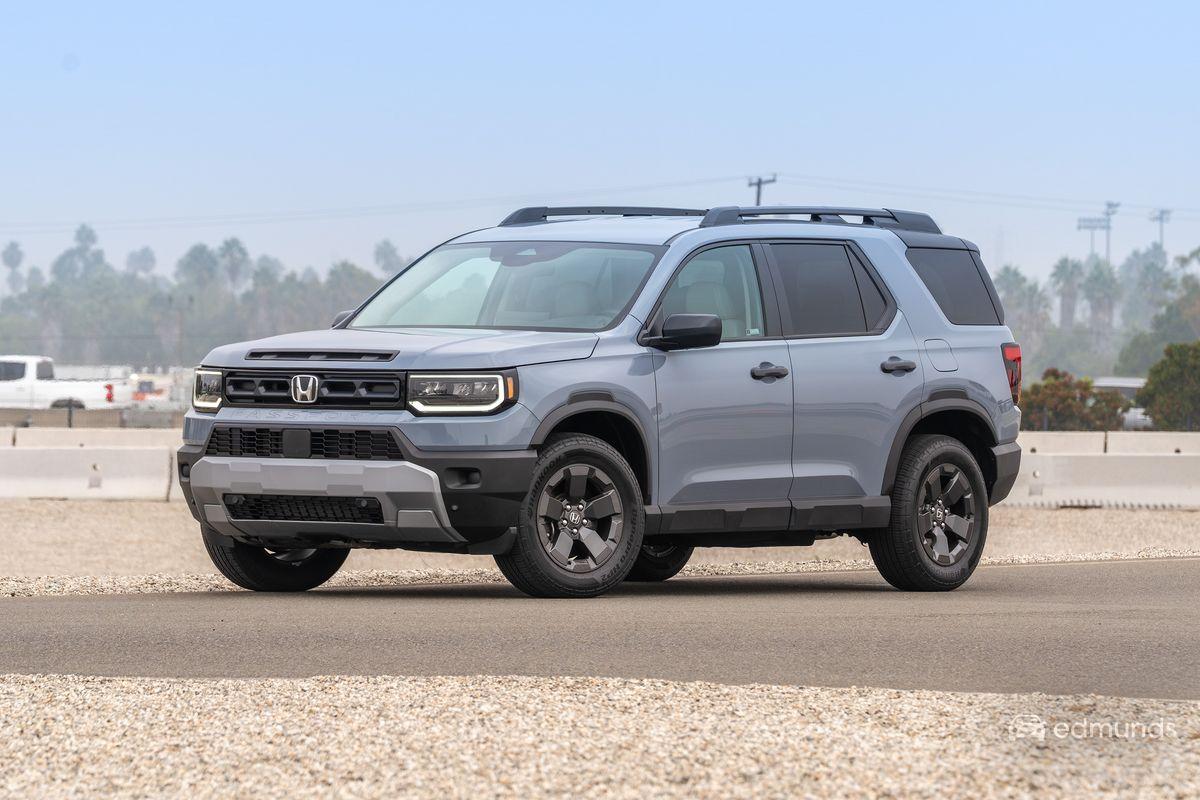
Owners also report accumulator cover leaks tied to failed O-rings on automatic transmissions. RepairPal lists this as the single most commonly reported Passport problem.
A related fuel level sensor failure is also common, causing erratic gauge readings and check engine lights. It’s not expensive on its own, but it adds to the frequency of shop visits.
Taken together, the Passport’s mid-size SUV size and off-road-oriented hardware push its long-term costs above the more mainstream CR-V and Accord.
5. Honda CR-V
The CR-V is Honda’s best-selling SUV. It’s also, somewhat surprisingly, one of the pricier Hondas to maintain over a long ownership span. Over ten years, CarEdge estimates the total at about $7,665, with $2,440 of that hitting owners in the first five years. Costs escalate noticeably with age.
The first year averages $322 in annual costs, reaching $1,141 by year ten. That’s more than triple the starting cost, a pattern shared with most Honda SUVs.
Head gasket failures are a known expensive repair on certain model years. On some CR-Vs, that single job runs well over $2,500 once labor is included.
The odds of a major repair sit near 9% within five years, rising to about 22% after a decade. That’s better than the segment average, but far from trivial for a compact crossover.
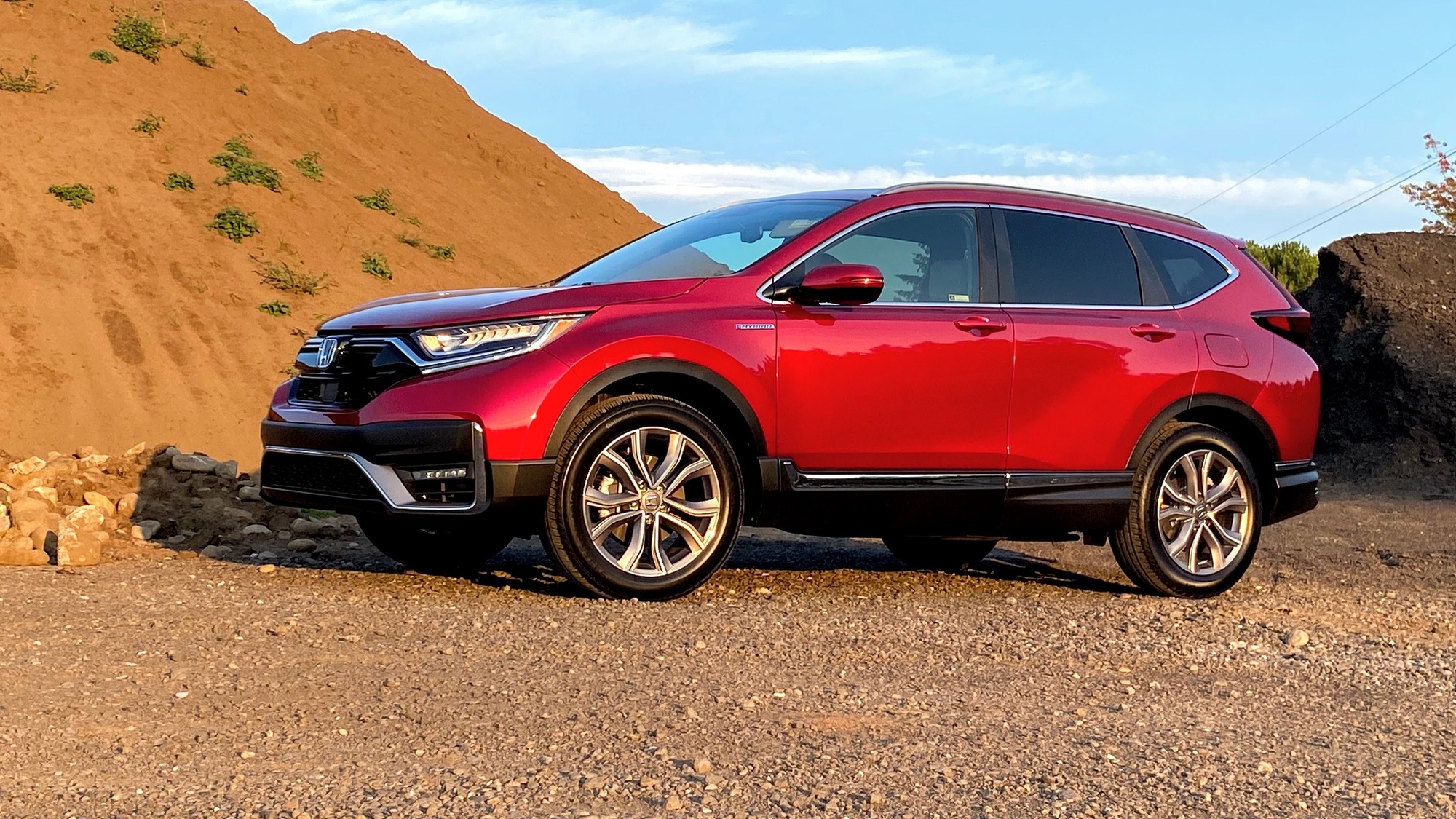
CV joint and heater core jobs also show up regularly in owner repair logs past 100,000 miles. A CV joint replacement alone can run close to $2,000 on some model years.
Air conditioning trouble is another frequent complaint. Blowing warm air due to a seized compressor is the single most commonly reported CR-V problem, according to RepairPal’s owner data.
Even with a solid 4.5-out-of-5 reliability rating, the CR-V’s annual upkeep still averages $407. That’s less than many larger SUVs, but it adds up fast over a decade of ownership.
6. Honda Accord
The Accord’s reputation for low-cost ownership is real in the early years. That reputation weakens as mileage builds and bigger service intervals arrive.
CarEdge estimates around $5,836 for ten-year upkeep, with about $1,900 covering the first five years mostly through oil changes and brake checks. Costs climb steadily from there.
A new owner might pay $250 in the first year, but by year ten that number climbs to $861. Spark plugs, coolant changes, and brake fluid flushes drive much of that jump.
Older V6 Accords add another wrinkle to the story. Pre-2018 models used a timing belt rather than a chain, and that service typically runs well over $1,000 once the water pump is replaced alongside it.
A separate long-term owner record of a 2006 Accord EX-L offers a real-world data point. Total maintenance and repair costs reached roughly $7,684 across 100,000 miles and thirteen years of ownership.
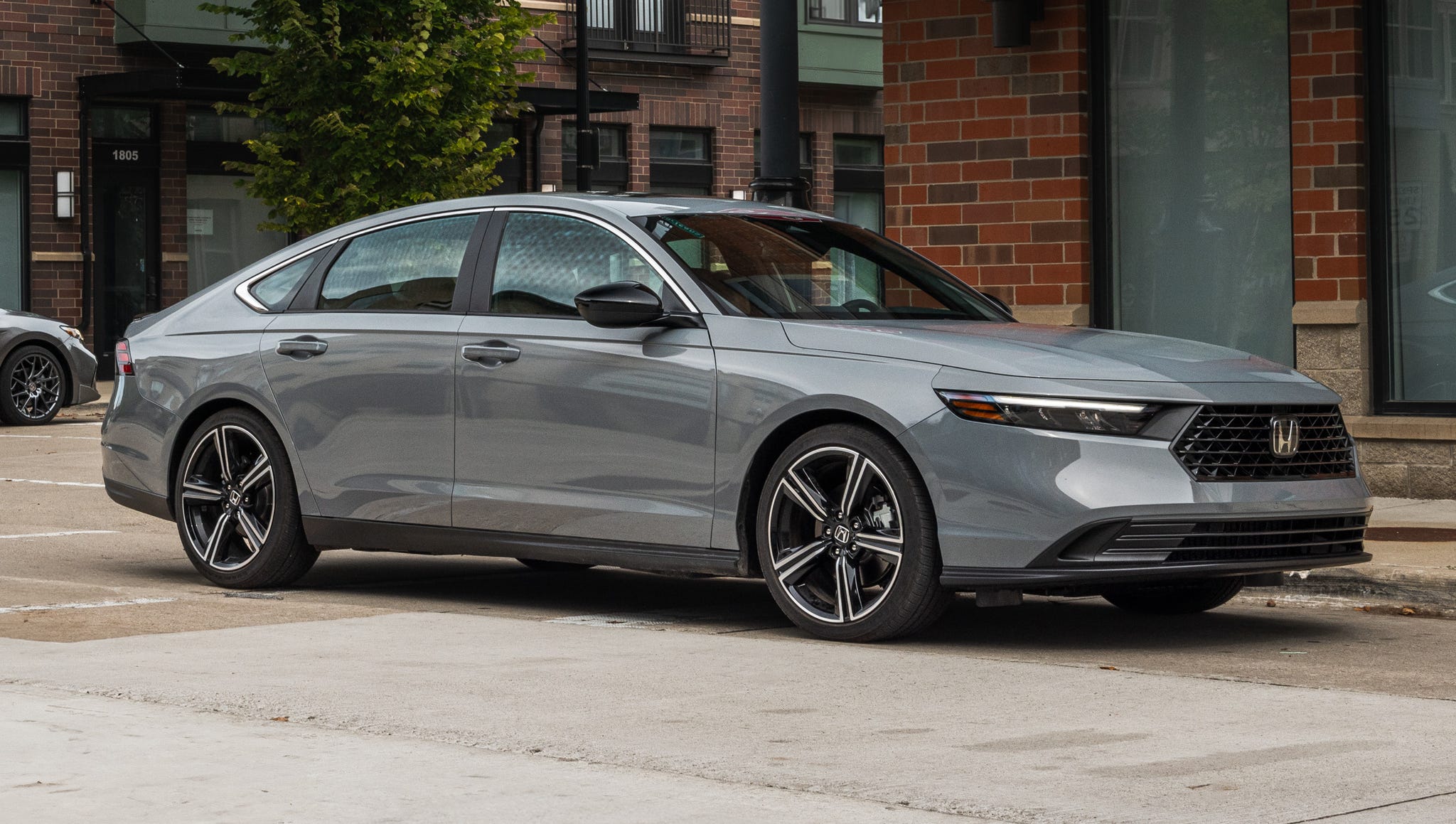
Tires and brakes made up about half of that total. The owner also noted rodent damage repairs totaling several hundred dollars over a two-year stretch.
A 2021 recall also affected nearly 800,000 Accord models due to a software error causing inconsistent communication between under-hood components. That’s a reminder that even Honda’s most dependable sedan isn’t immune to costly recall work.
RepairPal pegs the Accord’s average annual repair cost at $400, a manageable figure, but one that rarely accounts for the bigger milestone services that arrive right around 100,000 miles.
7. Honda Clarity Plug-In Hybrid
The Clarity was Honda’s most ambitious plug-in hybrid. It’s also become one of its riskiest used buys once the odometer climbs. Routine service stays cheap for years, which is part of what makes the eventual bill so jarring. Owners report basic oil changes and inspections running well under $100 through most of the car’s life.
The danger sits squarely in the high-voltage battery. One documented case involved a 2018 Clarity whose battery failed at 108,000 miles, just past the 100,000-mile battery warranty.
The repair quote was brutal. The dealer estimated the battery pack alone at roughly $8,700, with a total repair estimate near $10,700 once labor and related fixes were included.
That’s more than the car’s trade-in value at the time. Honda’s customer care department offered no meaningful financial assistance once the vehicle fell outside the warranty window.
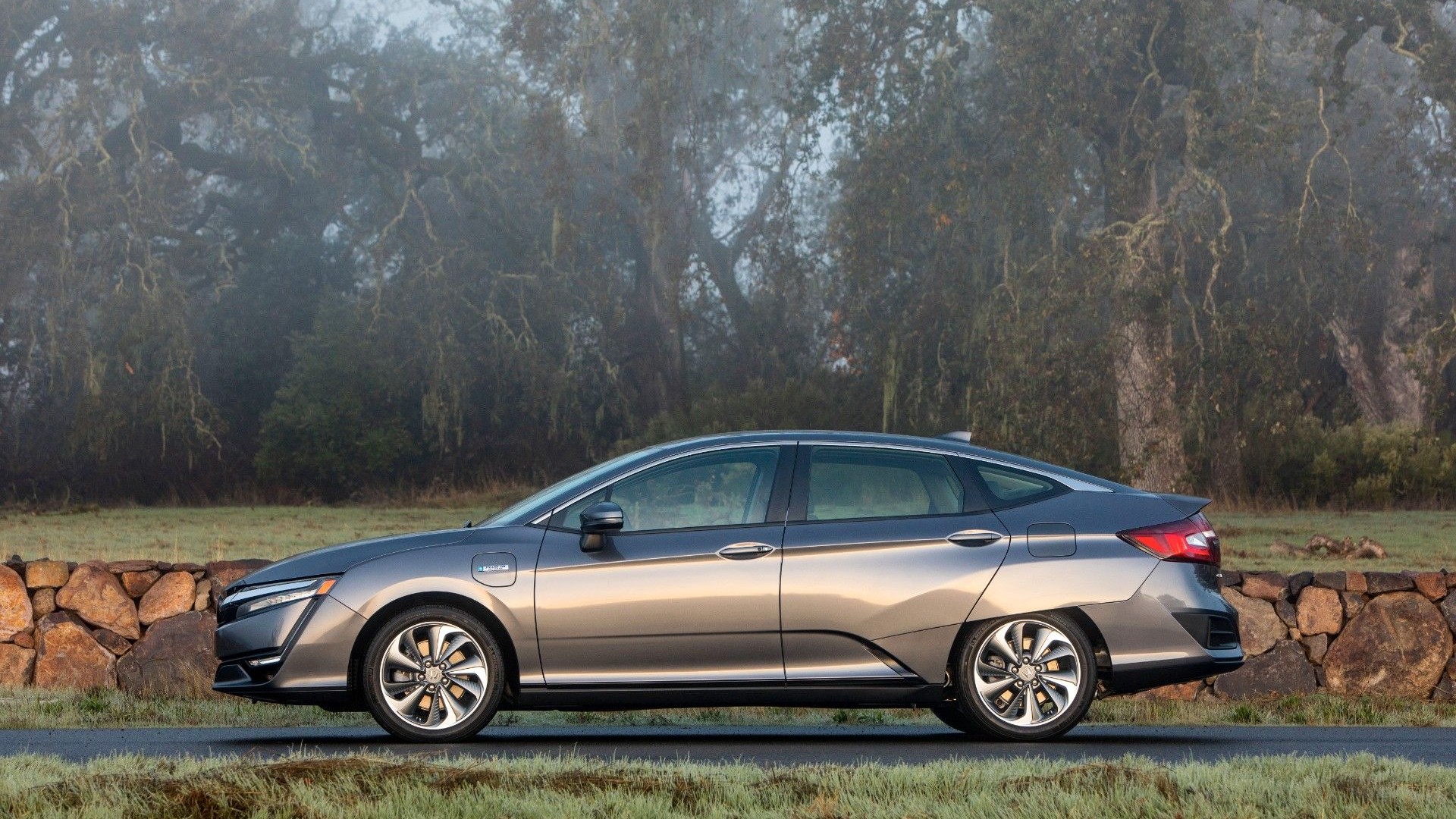
The failure came with a cascade of secondary faults. New warning lights for the charging system and reduced range appeared almost immediately after the initial diagnosis.
Because Honda discontinued the Clarity in 2021, parts availability is also tightening year over year. That combination makes any battery issue a potential total-loss event rather than a simple repair.
Electrical and air conditioning issues account for 65% of all reported Clarity problems, according to owner-submitted data. That’s an unusually high share, even for a plug-in hybrid loaded with electronics.
8. Honda Insight (Hybrid)
The original Insight and its later reboot both use nickel-metal hydride battery packs. Those packs don’t last forever, no matter how carefully the car is driven.
A hybrid battery pack typically lasts six to ten years, or between 80,000 and 100,000 miles. That range lines up almost exactly with the mileage threshold this list is built around.
Replacement costs vary widely by model year and generation. The average cost for a Honda Insight hybrid high-voltage battery replacement runs between $4,115 and $4,305.
Newer models cost even more to fix. A 2021 Insight battery replacement runs between $5,343 and $5,571, reflecting the larger, more advanced pack used in that generation.
Older first-generation Insights show the flip side of the same problem. A 2012 model’s battery replacement estimate runs between $2,593 and $2,747, still a significant expense relative to the car’s value.
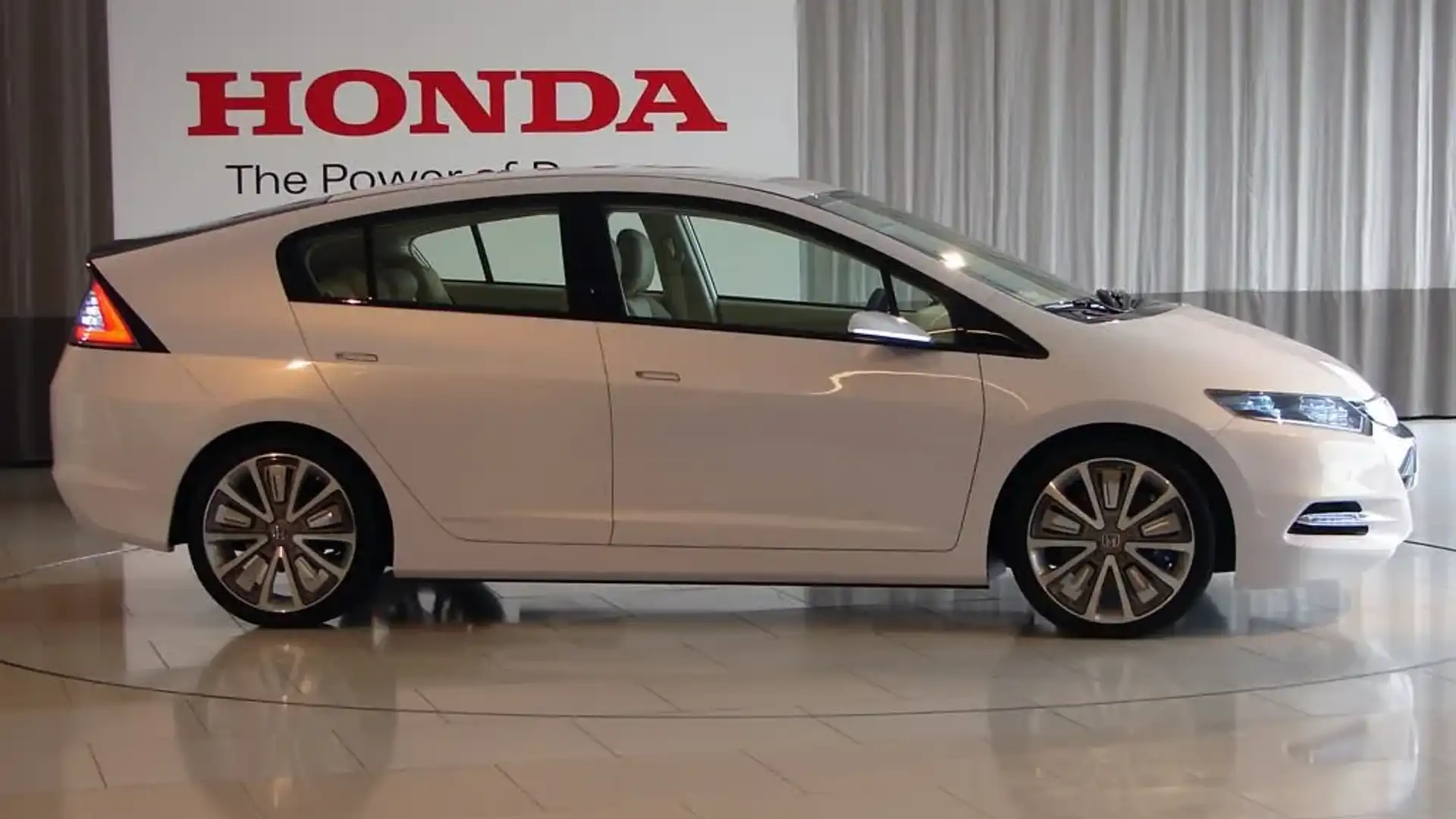
One early owner’s forum post described a battery failure at 104,000 miles, right on schedule with the expected lifespan. The dealer quoted upwards of $5,000 for the replacement.
Another long-time owner reported a more favorable outcome. Honda replaced the entire IMA system for a $500 deductible after the original pack failed just past the warranty period.
Aftermarket and refurbished packs can cut this cost significantly, sometimes by half or more. But factory replacement remains one of the single largest repair bills anywhere in Honda’s lineup.
9. Honda CR-V Hybrid
The hybrid CR-V adds Honda’s eHEV system to an already popular platform. That system brings its own distinct cost profile once the miles add up.
RepairPal lists hybrid high-voltage battery replacement for the CR-V at $4,003 to $4,231. That’s a significant jump over the gas-only model’s typical repair bills.
Braking system complexity adds another wrinkle unique to the hybrid variant. Recent model years use an electro-servo brake-by-wire system instead of a conventional vacuum booster.
That system isn’t cheap to fix when it fails. Some documented brake performance repairs on hybrid CR-Vs run as high as $2,500, according to recent owner-reported data.
A related recall covers sudden loss of brake assist on certain hybrid models. NHTSA complaints describe hard, sudden deceleration events tied to the same electro-servo system.
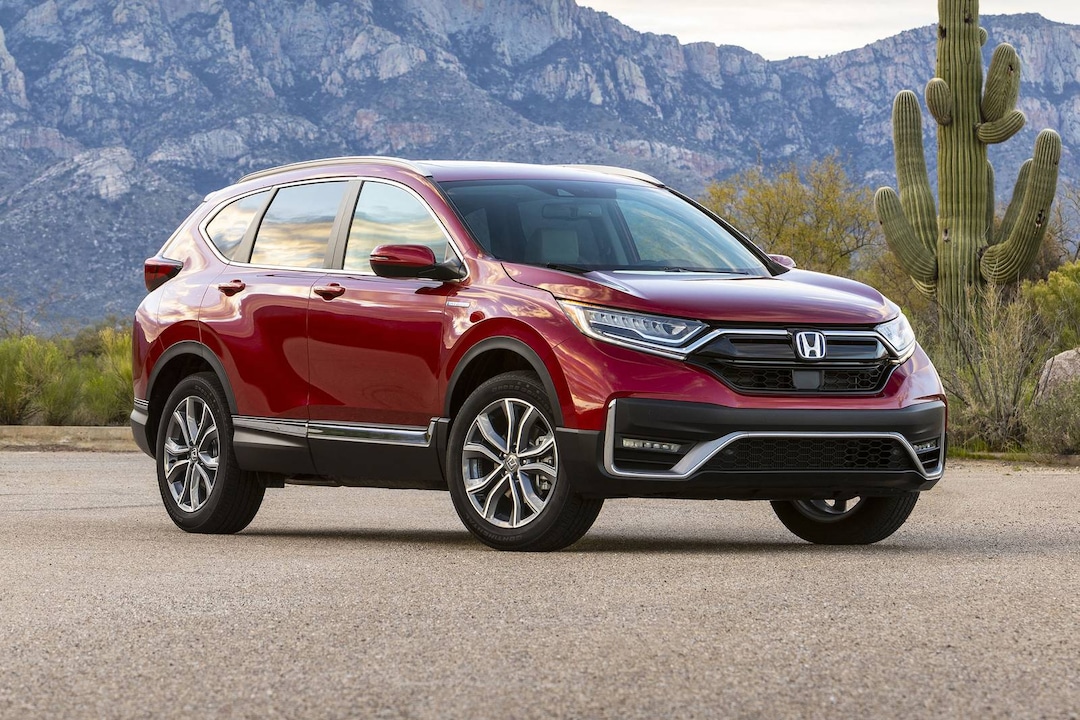
Regular maintenance items cost only slightly more on the hybrid than the gas model. Oil changes run roughly $40 to $70 versus $30 to $60 for the standard CR-V.
But the battery and brake-by-wire systems change the risk profile entirely. A single major hybrid-specific failure can erase years of fuel savings in one shop visit.
Electrical and air conditioning problems make up a notably large share of hybrid CR-V complaints in owner data. That tracks with the added sensors and control modules the hybrid powertrain requires.
10. Honda Element
The boxy Element earned a cult following for its utility and simplicity. Long-term ownership tells a more complicated story once real mileage accumulates.
Suspension and electrical issues dominate the repair logs. Owner-reported data shows suspension and steering problems account for 24% of all repairs, with electrical and air conditioning issues making up 28%.
Some jobs get expensive quickly once they surface. One owner’s log showed a $2,598 repair for front, rear, and transmission mount replacement after unusual vibration developed at highway speed.
Transmission work is another recurring cost on higher-mileage examples. One owner paid $3,500 to rebuild a transmission at 158,200 miles after gear shifts began slamming and flaring.
A second owner reported a full engine replacement recommendation at 219,000 miles, alongside a cracked transmission mount, with a combined quote over $5,000. That owner chose to retire the vehicle rather than repair it.
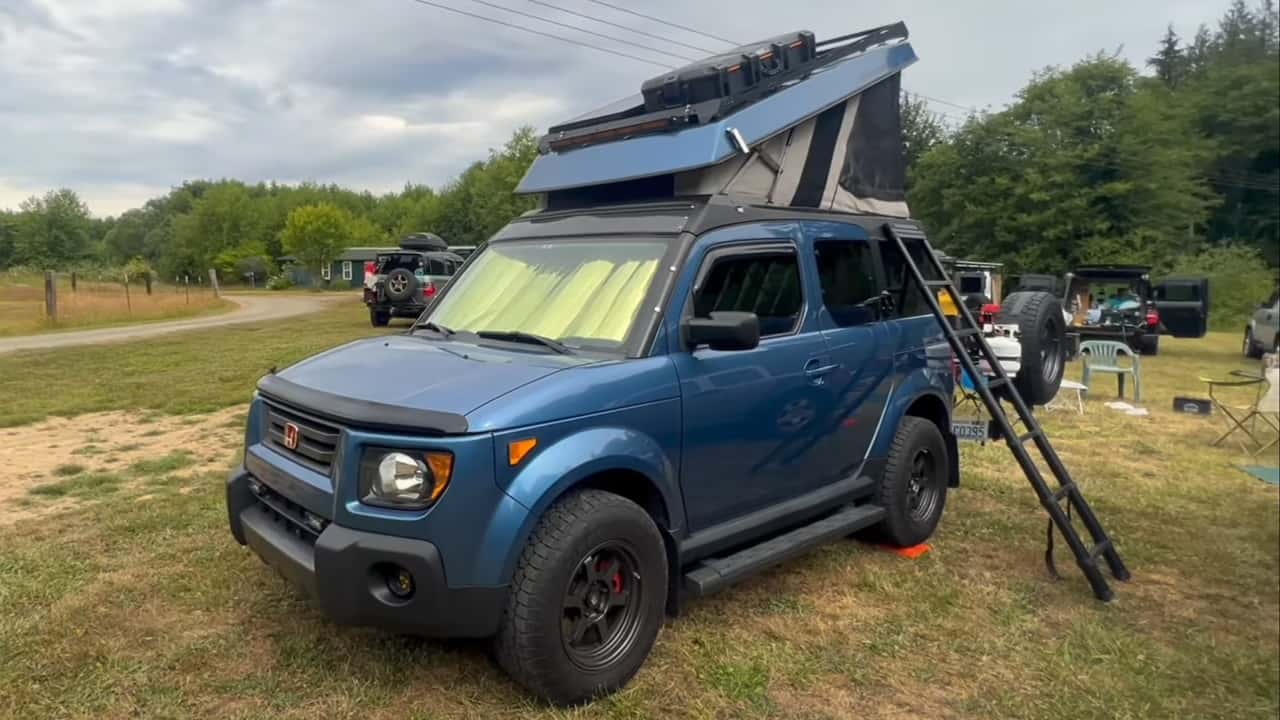
The infamous “rocking horse” driver’s seat is a smaller but widespread annoyance. Bushings crack often enough that Honda faced a class-action lawsuit over related windshield cracking on early production models.
Alternator and starter failures also show up with some frequency in owner logs. One documented case involved a full alternator failure costing $1,000, on top of a starter replacement not long before.
Since Honda discontinued the Element in 2011, replacement parts increasingly come from salvage yards rather than new production. That scarcity is starting to push repair costs higher across the board as the model ages further.
