
Buying an SUV is a long-term commitment. Reliability decides whether that commitment feels like a partnership or a burden. Some SUVs are engineered for the long haul. Others age badly, no matter how good they look on day one.
This comparison draws from Consumer Reports’ 2026 reliability surveys, J.D. Power’s dependability studies, and real owner complaint data. It is not a guess. It is backed by numbers from hundreds of thousands of actual vehicles.
We picked five SUVs with genuinely strong reliability track records. Toyota, Lexus, Honda, Subaru, and Mazda dominate this space for good reason.
We also picked five SUVs with real, documented reliability problems. These come from brands that consistently rank near the bottom of dependability studies, model after model, year after year.
The goal isn’t to shame any brand. It’s to show you exactly what separates a dependable SUV from an expensive headache, using facts instead of assumptions. Let’s start with the SUVs that just keep running.
The 5 Reliable SUVs
The Toyota 4Runner uses simple, body-on-frame construction with a proven V6 for exceptional long-term durability. The Lexus GX shares Land Cruiser mechanicals for premium reliability, while the Honda CR-V benefits from conservative engineering and strong repeat-buyer trust. The Subaru Forester earned Consumer Reports’ top compact SUV pick, and the Mazda CX-5 has proven reliable for over 11 straight years.
1. Toyota 4Runner
The 4Runner has one of the longest reliability streaks in the industry. It has stayed mechanically simple for over a decade. Toyota resisted over-engineering this SUV. That decision paid off in dependability terms.
Its body-on-frame construction is old-school. But old-school, in this case, means fewer things to break. The 4Runner uses a naturally aspirated V6 engine. There’s no turbocharger to fail, no complex hybrid battery to degrade early.
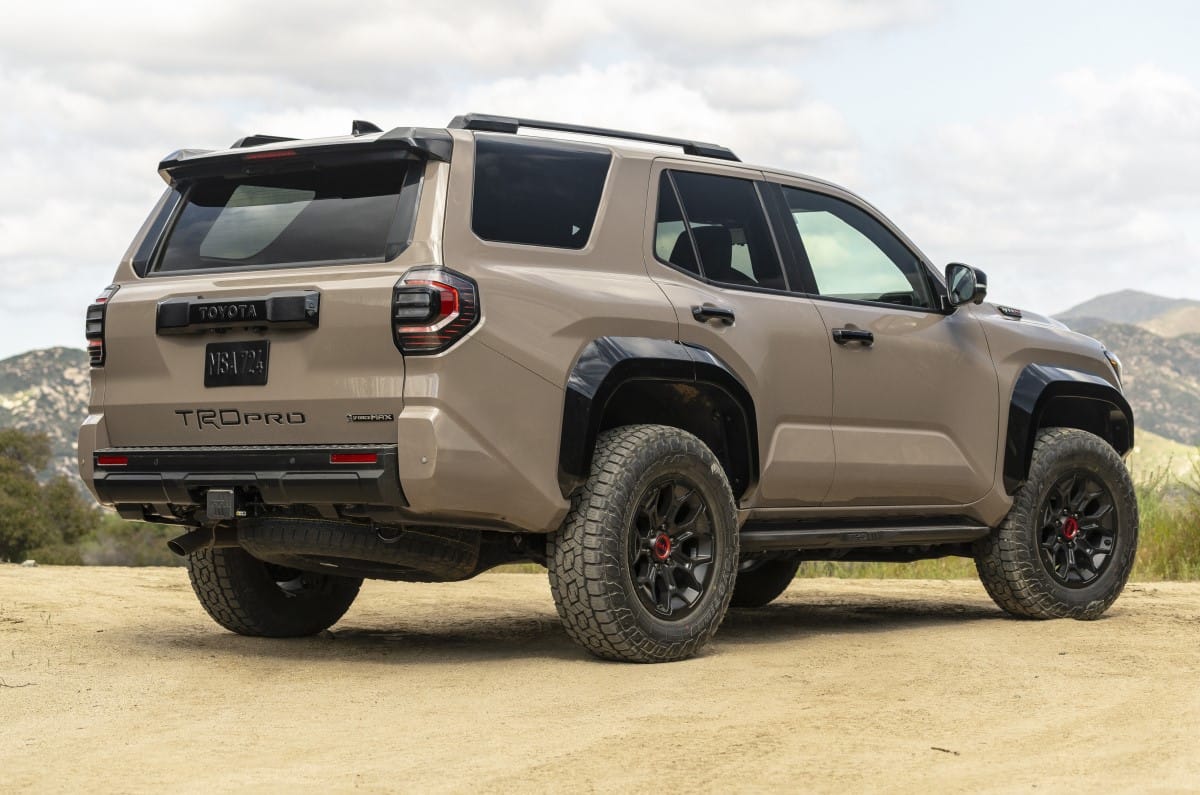
Consumer Reports has repeatedly rated the 4Runner above average for predicted reliability. J.D. Power surveys echo the same pattern year after year.
Owners report very few electrical gremlins. This matters, since electronics are the top failure point in most modern SUVs. The transmission is a conventional automatic. It isn’t flashy, but it rarely causes owners grief.
Toyota redesigned the 4Runner for 2025. Even redesigns carry risk, since new platforms often have early bugs. But Toyota used a proven platform shared with the Tacoma and Land Cruiser. That shared engineering reduces first-year surprises significantly.
Resale value backs up the reliability story. The 4Runner holds its value better than almost any SUV on sale. That resale strength exists because buyers trust it long-term. A car market rarely lies about durability.
Maintenance costs stay low too. Parts are plentiful, and Toyota dealerships are everywhere, keeping repair costs predictable. For families wanting something that survives 200,000 miles, the 4Runner remains a benchmark. It simply does not quit.
2. Lexus GX
The Lexus GX shares its bones with the Toyota Land Cruiser. That single fact explains most of its reliability strength. Lexus adds a layer of build-quality polish on top. The result is a vehicle that feels premium but rarely breaks.
J.D. Power consistently ranks Lexus among the top three most dependable brands. This isn’t a one-year fluke. It’s a pattern stretching back over two decades. Toyota’s parent-company discipline carries directly into Lexus engineering.
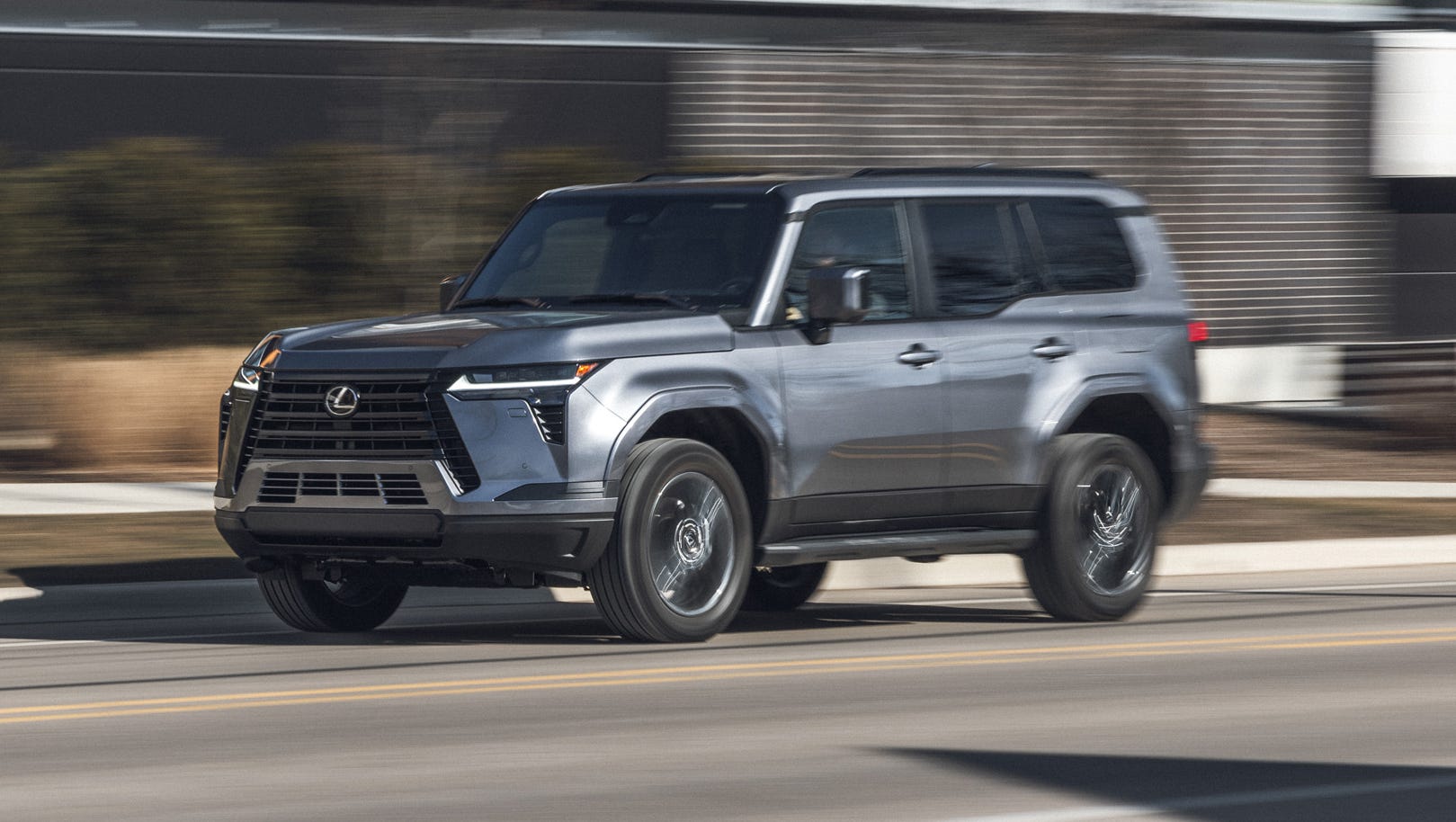
The GX uses proven mechanical components. Its suspension, drivetrain, and engine all trace back to well-tested Toyota hardware. Consumer Reports gives the GX strong predicted reliability scores. Owner satisfaction surveys mirror those same high marks.
Electrical systems, historically the weak point of luxury SUVs, perform well here. Lexus tends to introduce new tech conservatively, only after thorough testing.
This cautious rollout avoids the “guinea pig” problem that plagues rivals. Newer isn’t always safer in the SUV world. The GX’s body-on-frame design, like the 4Runner, trades some ride comfort for long-term durability. That trade-off suits buyers who plan to keep the vehicle for years.
Owners report very low incidence of major repairs. Minor issues exist, but catastrophic failures are rare. Even after 100,000 miles, GX owners commonly report trouble-free ownership. That’s a rarity among three-row luxury SUVs.
Resale values stay high, reinforcing market confidence. Reliability and resale value tend to move together. For buyers wanting luxury without gambling on dependability, the GX earns its reputation honestly.
3. Honda CR-V
The CR-V has been a reliability staple for over two decades. Honda rarely takes big risks with this model. Consumer Reports’ 2026 survey again places Honda among the most dependable mainstream brands. The CR-V is a major reason why.
Its engine lineup avoids overly complex turbo setups where possible. Simpler engineering generally means fewer long-term failure points. The CR-V’s transmission has occasionally drawn minor complaints in specific model years. But Honda’s dependability trend remains strongly positive.
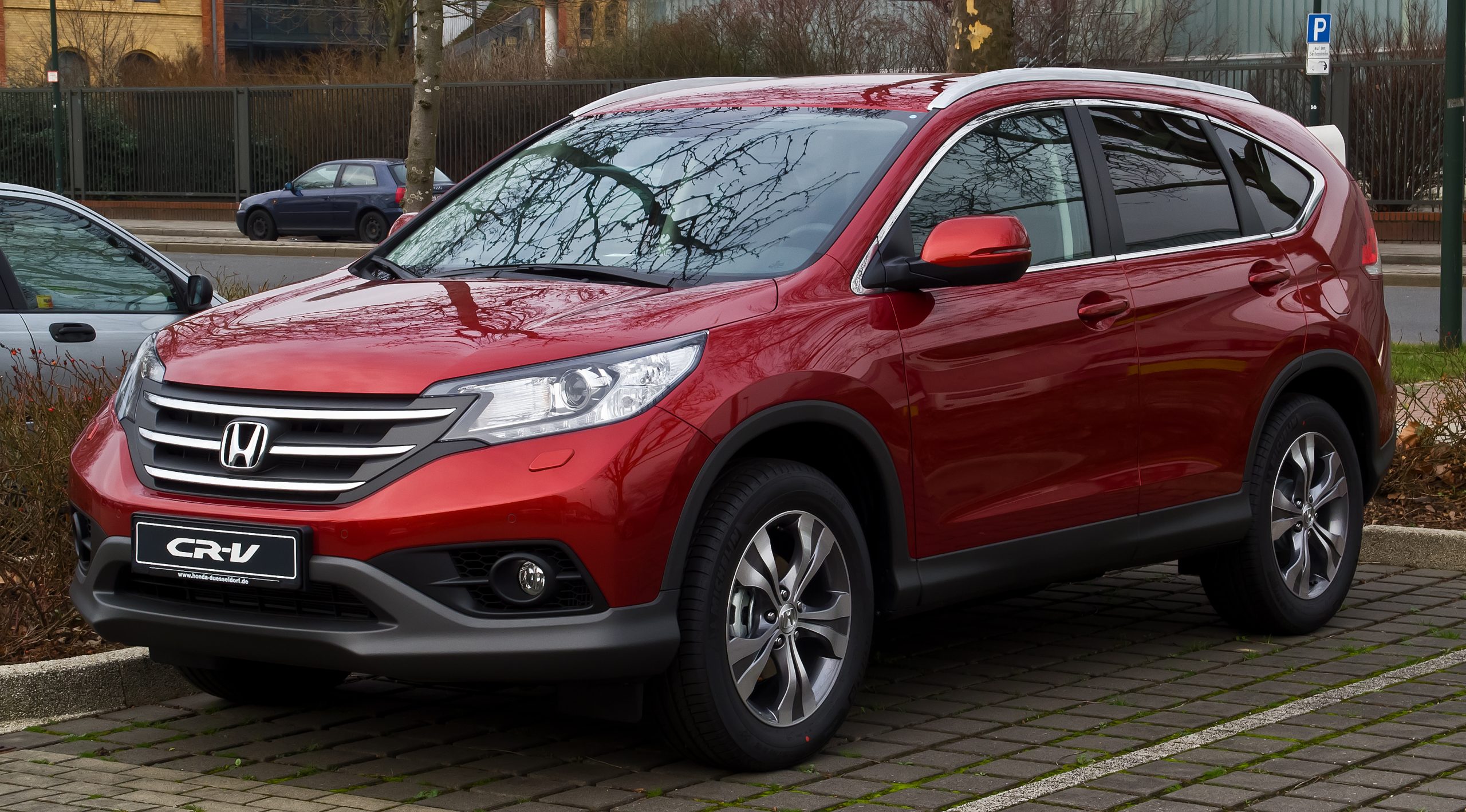
J.D. Power dependability studies consistently rank Honda near the top. This isn’t isolated to one model or one year. It reflects a company-wide manufacturing philosophy. Honda tends to refine existing designs rather than reinvent them constantly.
That conservative approach reduces the risk of first-year defects. Fewer changes mean fewer surprises for owners. The CR-V’s interior electronics are straightforward, not overloaded with unnecessary complexity. Simpler infotainment systems tend to fail less often.
Owner satisfaction scores echo the reliability data. People who buy CR-Vs tend to buy another one later. That repeat-purchase behavior is one of the strongest reliability indicators available. Trust builds through lived experience, not marketing.
Maintenance costs remain modest, and parts are widely available. Independent mechanics know this platform inside and out. Even high-mileage CR-Vs, well past 150,000 miles, frequently run without major issues.
That’s a genuine testament to Honda’s engineering discipline. For a practical, no-drama daily driver, the CR-V remains one of the safest reliability bets in its class.
4. Subaru Forester
The Forester has quietly built one of the strongest reliability reputations in the compact SUV segment. Subaru rarely gets enough credit here. Consumer Reports named the Forester its top pick for compact SUVs in 2026. That recognition wasn’t accidental.
Consumer Reports highlighted the Forester’s spacious interior, excellent outward visibility, and refined ride quality, along with strong safety performance. Reliability data supports those accolades too. Subaru’s flat “boxer” engine design has proven durable across generations.
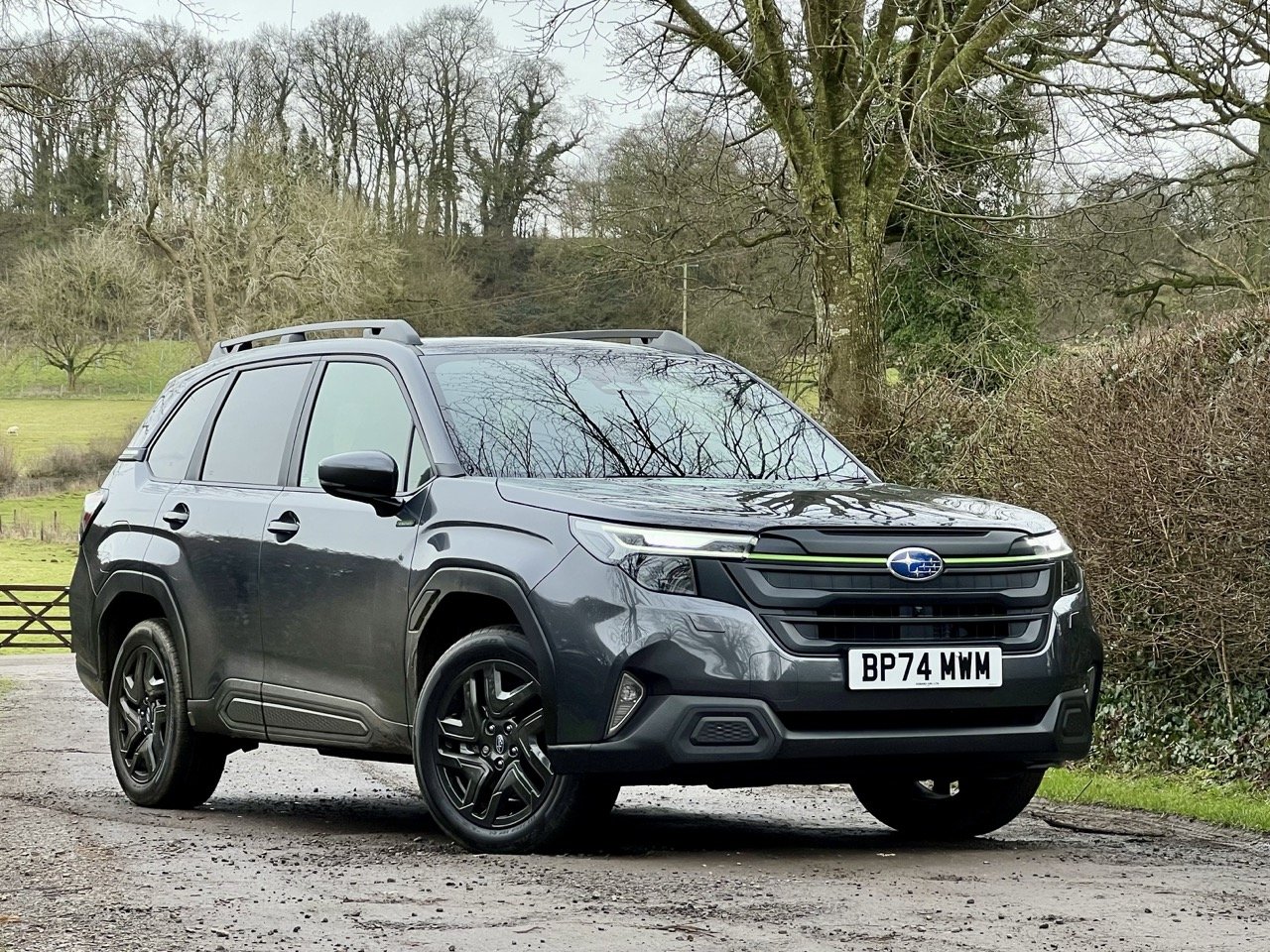
This engine layout keeps the center of gravity low. It also happens to be mechanically robust over long periods. Standard all-wheel drive doesn’t hurt reliability the way some assume. Subaru has refined this system over four decades of production.
J.D. Power dependability data shows Subaru performing consistently in the middle-to-upper tier. Not flawless, but far from the bottom. Owner complaints tend to focus on minor items like infotainment glitches. Major powertrain failures remain relatively uncommon.
The CVT transmission drew early skepticism from enthusiasts. But long-term data shows it holding up reasonably well in the Forester specifically. Subaru owners are famously loyal, often keeping vehicles well past 150,000 miles. That loyalty reflects genuine trust in the platform.
Resale values for the Forester stay strong relative to competitors. Buyers pay a premium for known reliability. For anyone wanting all-weather capability without sacrificing dependability, the Forester delivers a rare combination.
5. Mazda CX-5
The Mazda CX-5 has quietly outperformed reliability expectations for over a decade. It doesn’t get the credit Toyota or Honda receive, but the data backs it up.
The CX-5 has proved to be very reliable over the past 11 years, according to Consumer Reports’ latest brand analysis. That’s an unusually long track record for any single model. Most SUVs get redesigned and reset their reliability data every five to seven years.
Mazda’s engineering philosophy favors simplicity and refinement over aggressive new technology. That conservative approach directly benefits long-term dependability.
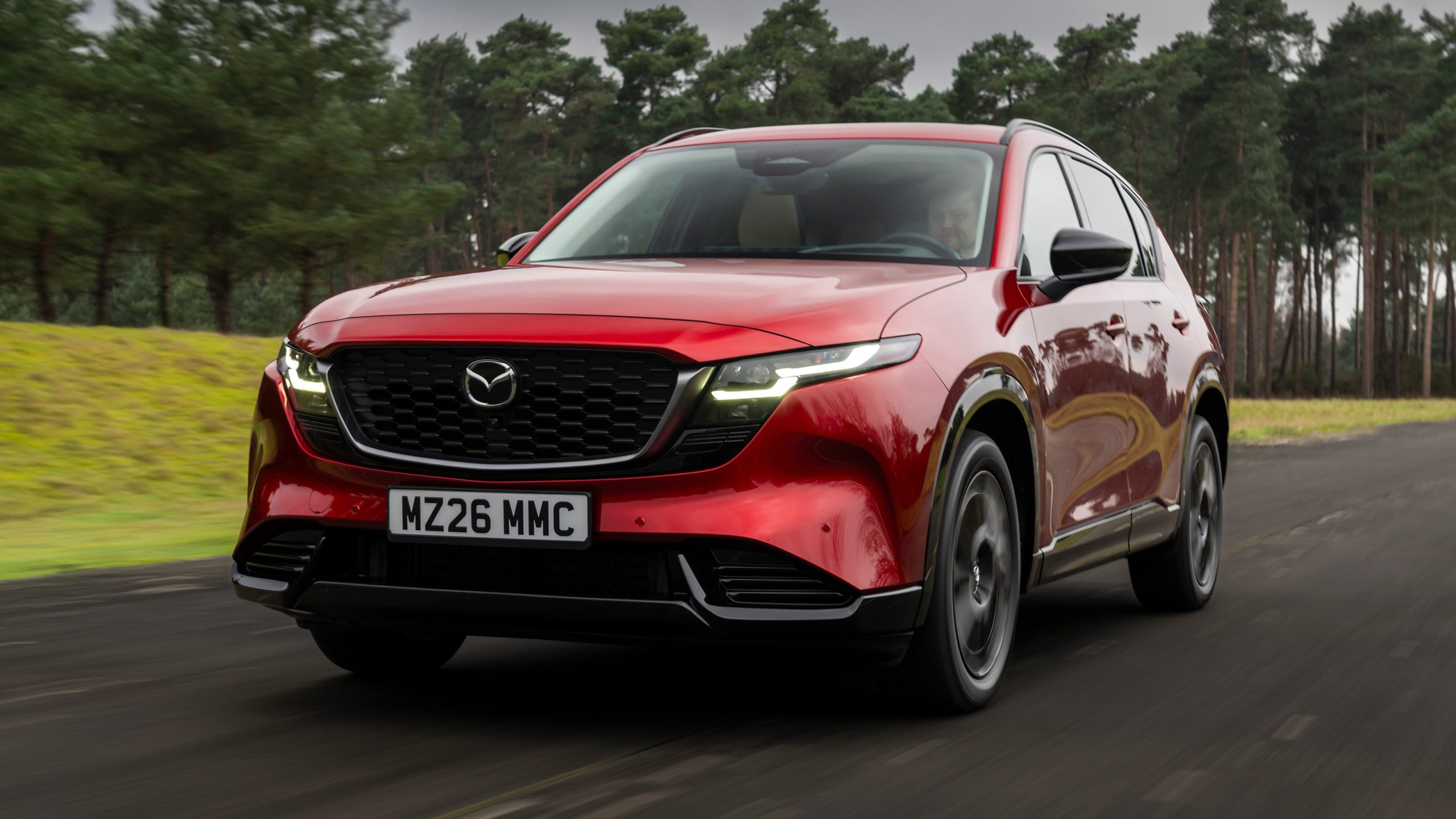
The CX-5’s engine lineup, including its turbocharged option, has avoided the major failure patterns seen in rival turbo engines. Consumer Reports and J.D. Power both rank Mazda solidly in the upper half of mainstream brands. Mazda rarely appears on “avoid” lists.
Owners consistently praise the CX-5’s interior quality, which feels more premium than its price suggests. That quality extends to long-term durability too.
Electrical systems remain relatively simple compared to some German and Korean rivals. Fewer complex modules mean fewer things that can fail. The CX-5 is currently being redesigned for future model years. That redesign introduces normal first-year risk.
But the outgoing generation’s reputation is genuinely strong. Used CX-5 buyers benefit from over a decade of proven engineering. Resale values remain competitive, and repair costs stay reasonable.
Mazda dealerships, while less common than Toyota’s, still provide solid parts support. For buyers wanting driving enjoyment without sacrificing dependability, the CX-5 deserves far more recognition than it typically receives.
The 5 Unreliable SUVs
The Jeep Grand Cherokee ranks near the bottom of J.D. Power’s dependability study with widespread electrical issues. The Land Rover Range Rover suffers costly air suspension and electrical failures.
The Alfa Romeo Stelvio earned Consumer Reports’ lowest reliability score, the Jeep Wrangler struggles with leaks and interior noise, and the Ford Explorer has accumulated thousands of complaints and recalls.
1. Jeep Grand Cherokee
The Grand Cherokee has struggled with reliability for years, and recent data doesn’t show meaningful improvement. This isn’t a one-year dip. The Grand Cherokee ranked among the least reliable cars in 2024, and owner surveys again named it the least reliable midsize SUV in 2025.
Steering and suspension, drive system, engine electronics, and various noises and leaks are among the areas causing the most headaches for owners. That’s a wide spread of problem areas. It suggests systemic issues rather than one isolated component failure.
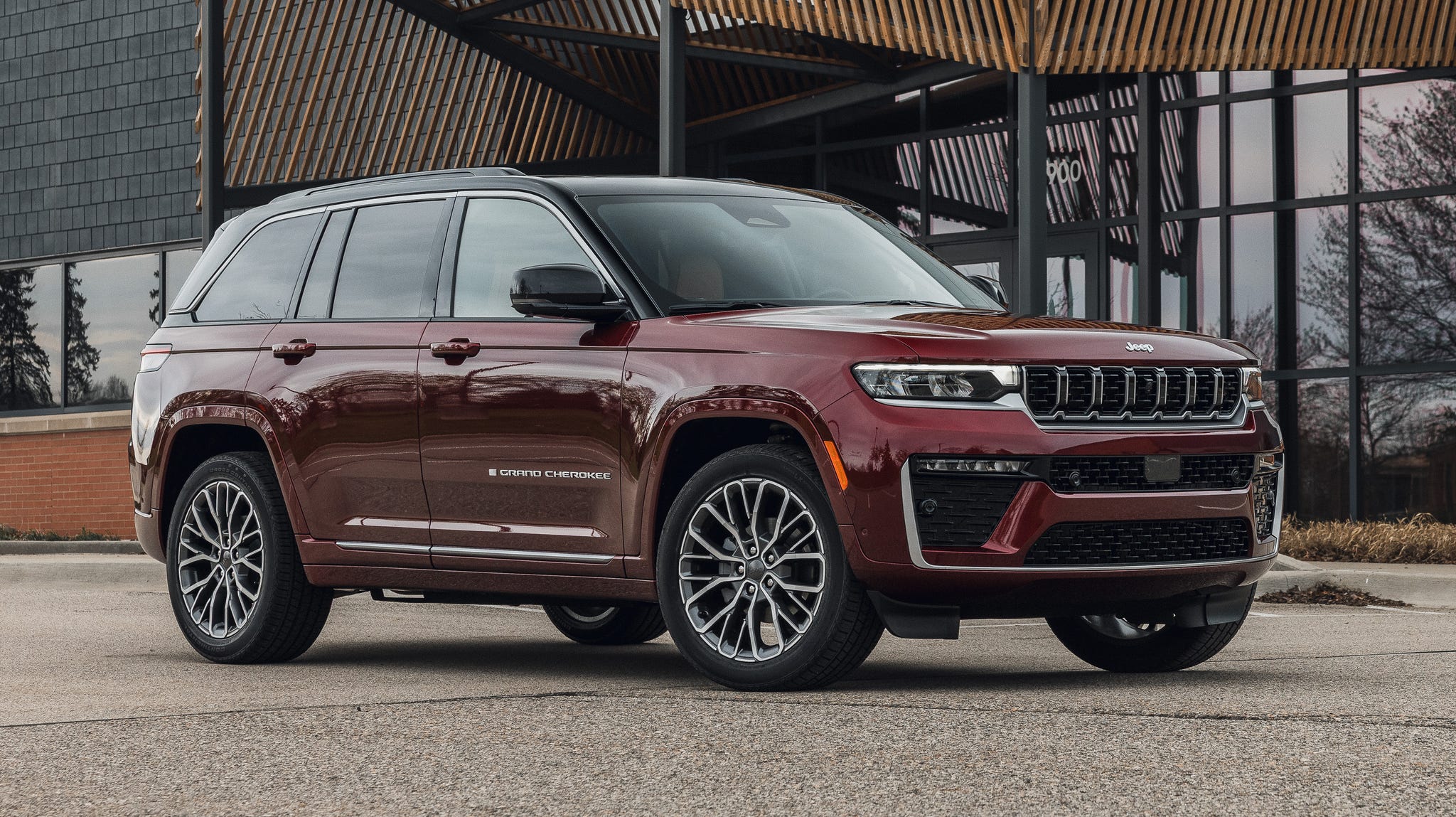
This isn’t a huge surprise, since the 2024 and 2025 Grand Cherokee are essentially the same vehicle, part of a generation that debuted back in 2021.
Older model years carry their own baggage too. The 2011 Grand Cherokee alone drew over 1,600 NHTSA complaints, many centered on electrical failures.
Owners reported alternators overheating and even catching fire, producing smoke, whining noises, and burning smells. A faulty fuel pump relay triggered a massive recall too. That recall affected over 528,000 vehicles, one of six recalls for that model year alone.
J.D. Power’s dependability data places Jeep near the very bottom of all automakers. Jeep ranked 28th out of 30 brands in the 2025 study, ahead of only Chrysler and Volkswagen.
Electrical gremlins remain the most persistent complaint across generations. Modern infotainment failures, older wiring fires, the theme repeats. Resale values suffer as a direct result.
Buyers increasingly factor reliability risk into their offers. For a vehicle marketed on ruggedness, the irony is stark. Mechanical fragility undercuts the brand’s own positioning.
2. Land Rover Range Rover
Land Rover’s reliability problems are practically legendary at this point. Few brands carry such a consistent, decades-long reputation for trouble. Land Rover continues its long-standing presence atop the least reliable car brands list, with owners frequently reporting electronic failures, suspension issues, and turbocharger malfunctions.
Those complaints span multiple models, not just one unlucky generation. The Range Rover and Range Rover Sport both show up repeatedly. Older Range Rovers suffered from air suspension failures, persistent oil leaks, and endless electrical problems, according to owner-reported repair data.
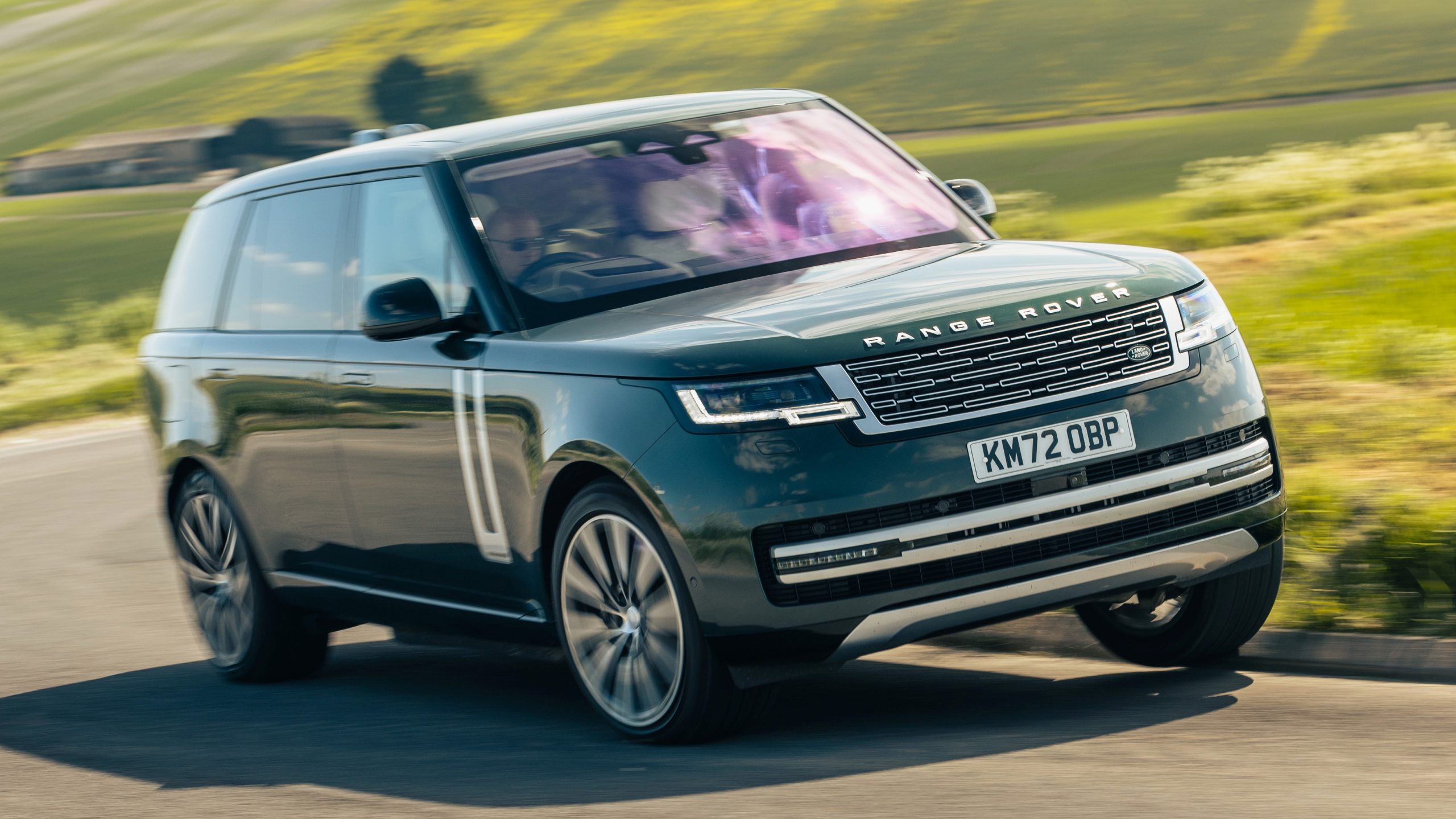
Air suspension failures are particularly costly. Replacement air struts and compressors can run into thousands of dollars per repair. Some owners reported their vehicles randomly shutting off while driving, a serious safety concern beyond simple inconvenience.
That specific model generation received ten separate recalls. Ten recalls signal a brand struggling to control quality at the design stage. J.D. Power’s 2025 dependability study didn’t help the brand’s case either. Land Rover recorded 270 problems per 100 vehicles, the fifth-worst score among all automakers surveyed.
Infotainment systems remain a chronic weak point. Screens freeze, software glitches persist, and dealer fixes often prove temporary. Luxury branding doesn’t offset these issues for most owners. Expensive repairs on an expensive vehicle sting twice as much.
Consumer Reports doesn’t even have enough reliable data to fully rank some Land Rover models. That gap itself tells a story. For buyers chasing off-road prestige, the ownership costs frequently outweigh the appeal. Reliability, in this case, is the real luxury missing.
3. Alfa Romeo Stelvio
Alfa Romeo makes some of the most exciting-to-drive SUVs on the market. Unfortunately, excitement and dependability rarely travel together here.
The Stelvio’s sensitive electronics and computer systems earn it the lowest possible reliability rating from Consumer Reports, a full one out of five.
That’s about as bad as scores get in modern reliability surveys. Few mainstream SUVs score this poorly. Alfa Romeo vehicles are praised for design and performance but slammed for poor reliability, with chronic drivetrain issues and electronic glitches affecting the lineup.
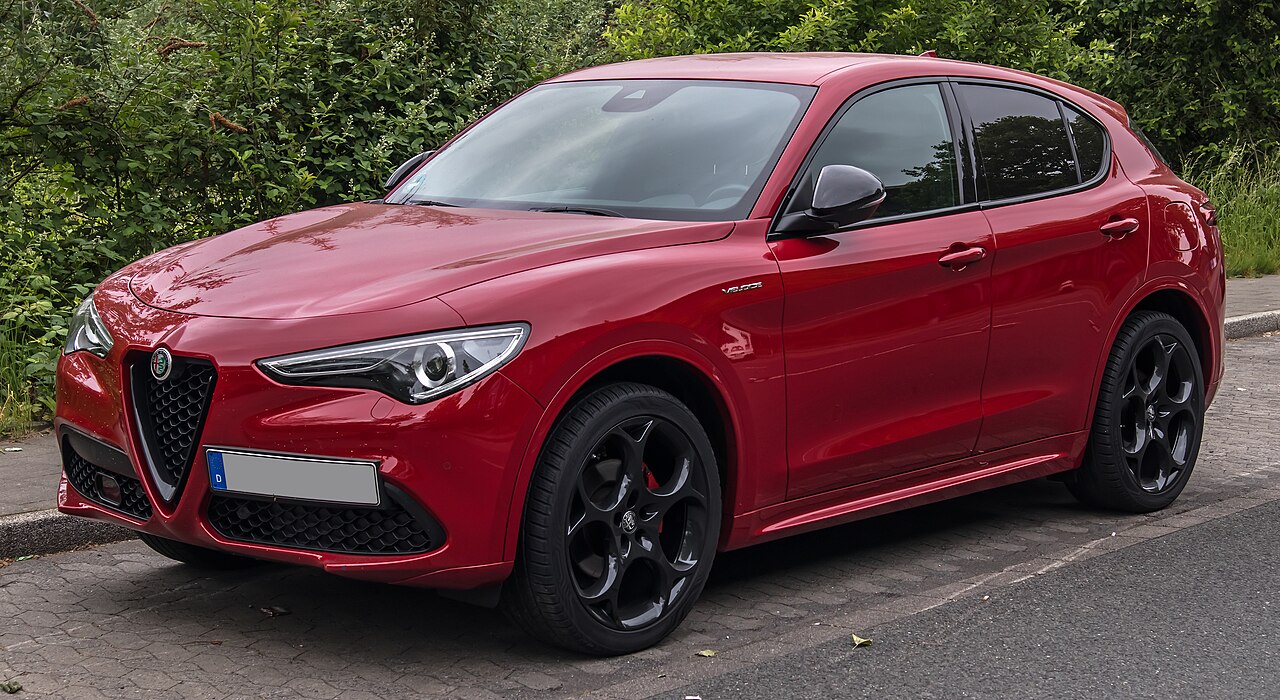
Dashboard malfunctions are a recurring theme among owners. Digital clusters reportedly flicker, freeze, or fail outright without warning. Climate control failures show up frequently too. Losing heating or air conditioning is a small but constant annoyance for many owners.
Transmission slipping has also been documented across the lineup. That’s a serious mechanical concern, not just a software quirk. The Stelvio’s sibling, the Alfa Romeo Tonale, also posted the worst-in-class reliability rating in its luxury compact SUV segment.
The Tonale shares an aging platform with underwhelming SUVs from Jeep and Dodge, which partly explains the shared weaknesses. Alfa Romeo’s dealer network is also thinner than mainstream brands. Finding qualified service can take longer and cost more.
Parts availability lags behind Japanese and even German competitors. Repairs that should take days sometimes stretch into weeks. Resale values reflect this uncertainty directly.
Buyers price in the reliability risk before they even test drive one. For style-focused buyers, the Stelvio remains tempting. For anyone prioritizing dependability, the data offers a clear warning.
4. Jeep Wrangler
The Wrangler’s off-road reputation is legitimate. Its reliability reputation, unfortunately, is legitimately poor too. The Wrangler has historically struggled in dependability assessments, earning a predicted reliability score of just two out of five.
Excessive interior noise, leaky removable tops, jittery handling, and difficult entry and exit have all contributed to that low score. Leaky soft tops and removable panels sound minor. In practice, water intrusion can damage electronics and cause long-term corrosion.
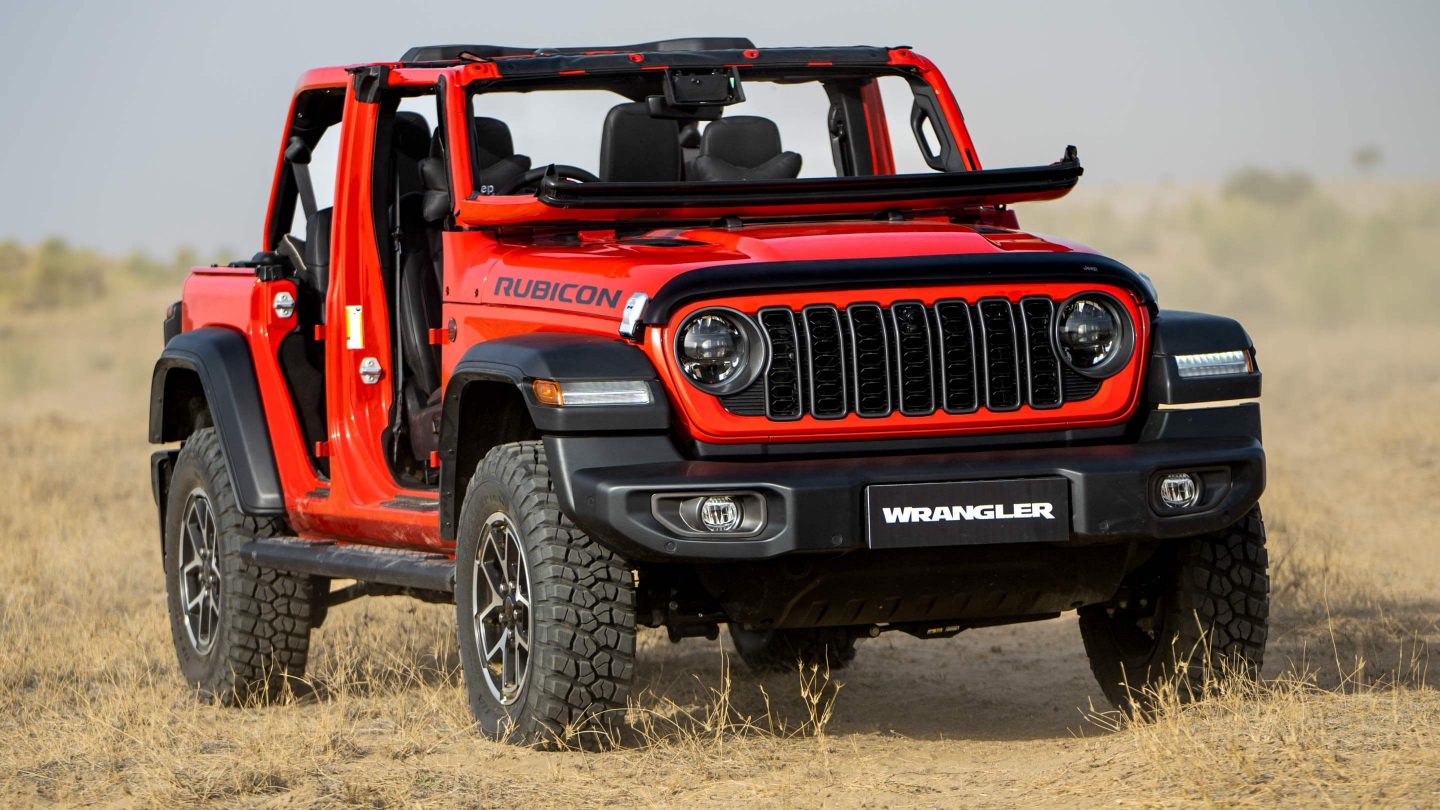
Consumer Reports’ broader reliability data assigns the Wrangler a low score, citing engine, transmission, and steering or suspension trouble spots.
Additional trouble areas include brakes, unusual noises and leaks, body hardware, and in-car electronics. That’s a genuinely broad list of complaint categories. Few reliable SUVs accumulate this many distinct problem areas simultaneously.
The Wrangler’s body-on-frame, solid-axle design is intentionally old-fashioned for off-road capability. That same design compromises everyday ride comfort and long-term durability.
J.D. Power’s brand-level data doesn’t help Jeep’s case either. The brand consistently sits near the bottom across nearly all vehicle segments. Owners who use Wranglers primarily off-road often accept these trade-offs willingly. Daily commuters face a rougher ownership experience than expected.
Interior electronics have improved somewhat in recent redesigns. But legacy reputation, built over many model years, takes far longer to repair than any single update.
Resale value stays surprisingly strong due to brand loyalty and off-road demand. Reliability perception and market value don’t always align perfectly. For pure off-roading, the Wrangler still has fans. For dependable daily transportation, it remains a genuine gamble.
5. Ford Explorer
The Explorer has had a rough reliability stretch across multiple recent generations. This isn’t limited to one bad model year. The 2016 Ford Explorer alone accumulated over 2,300 NHTSA complaints, along with fourteen separate recalls, the most recent arriving as late as October 2025.
Fourteen recalls on a single model year is an unusually high number. It suggests deep-rooted design and manufacturing issues, not isolated defects.
Ford’s Explorer has been plagued recently with faulty electronics, problematic transmissions, and premature body hardware failures, according to recent reliability assessments.
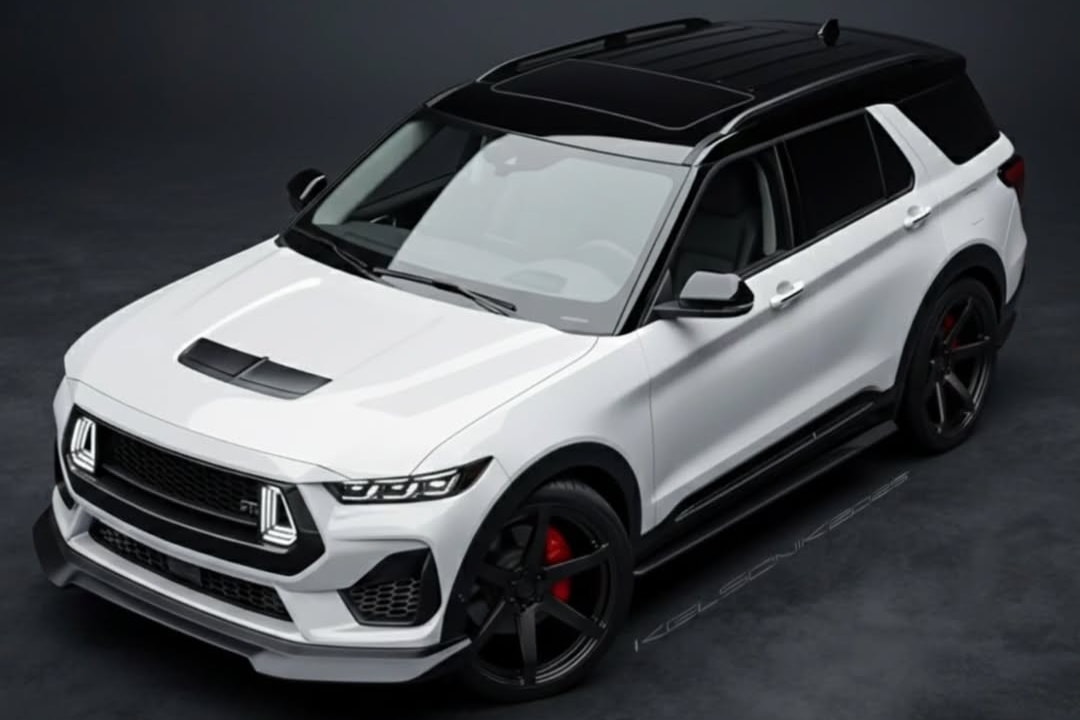
Several reported powertrain and electrical issues remain unresolved across aging model lines stretching back over a decade. That persistence across generations is the real concern. Ford hasn’t fully resolved the platform’s core weaknesses despite years of updates.
The Ford Escape Hybrid, a related Ford model, also posted one of the lowest reliability scores in Consumer Reports’ most recent survey, reinforcing a broader brand pattern.
Transmission complaints are especially common among Explorer owners. Reports include rough shifting, delayed engagement, and premature failures requiring full replacement.
Electrical gremlins compound the problem further. Infotainment freezes, faulty sensors, and dashboard warning lights appear frequently in owner forums and complaint databases.
J.D. Power’s dependability data places Ford in the middle of the pack. But the Explorer specifically drags that average down noticeably. Resale values have softened as these reliability patterns became more widely known.
Informed buyers increasingly shop around before committing. For families wanting a dependable three-row SUV, the Explorer’s recent track record makes it a genuinely risky choice.
